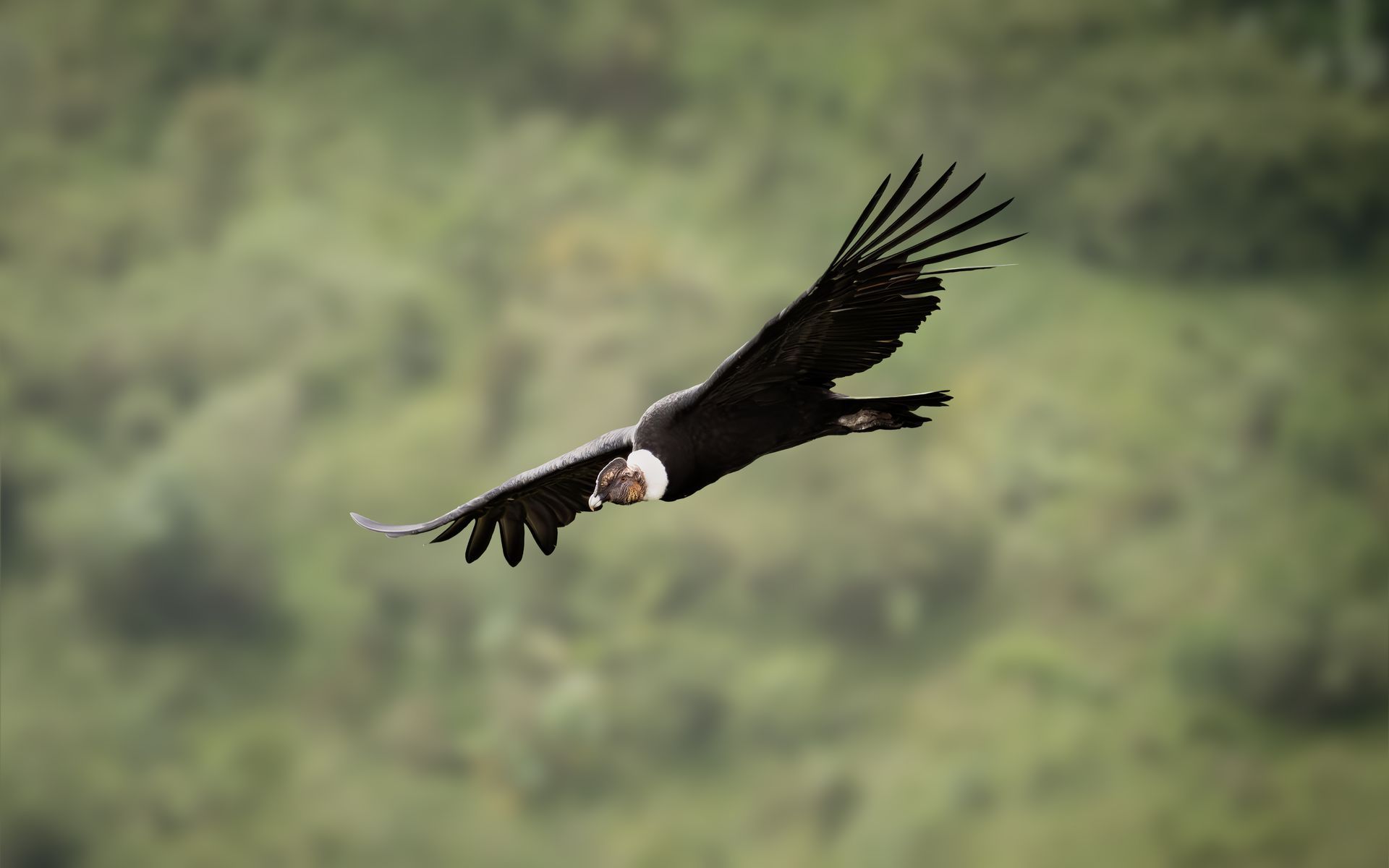
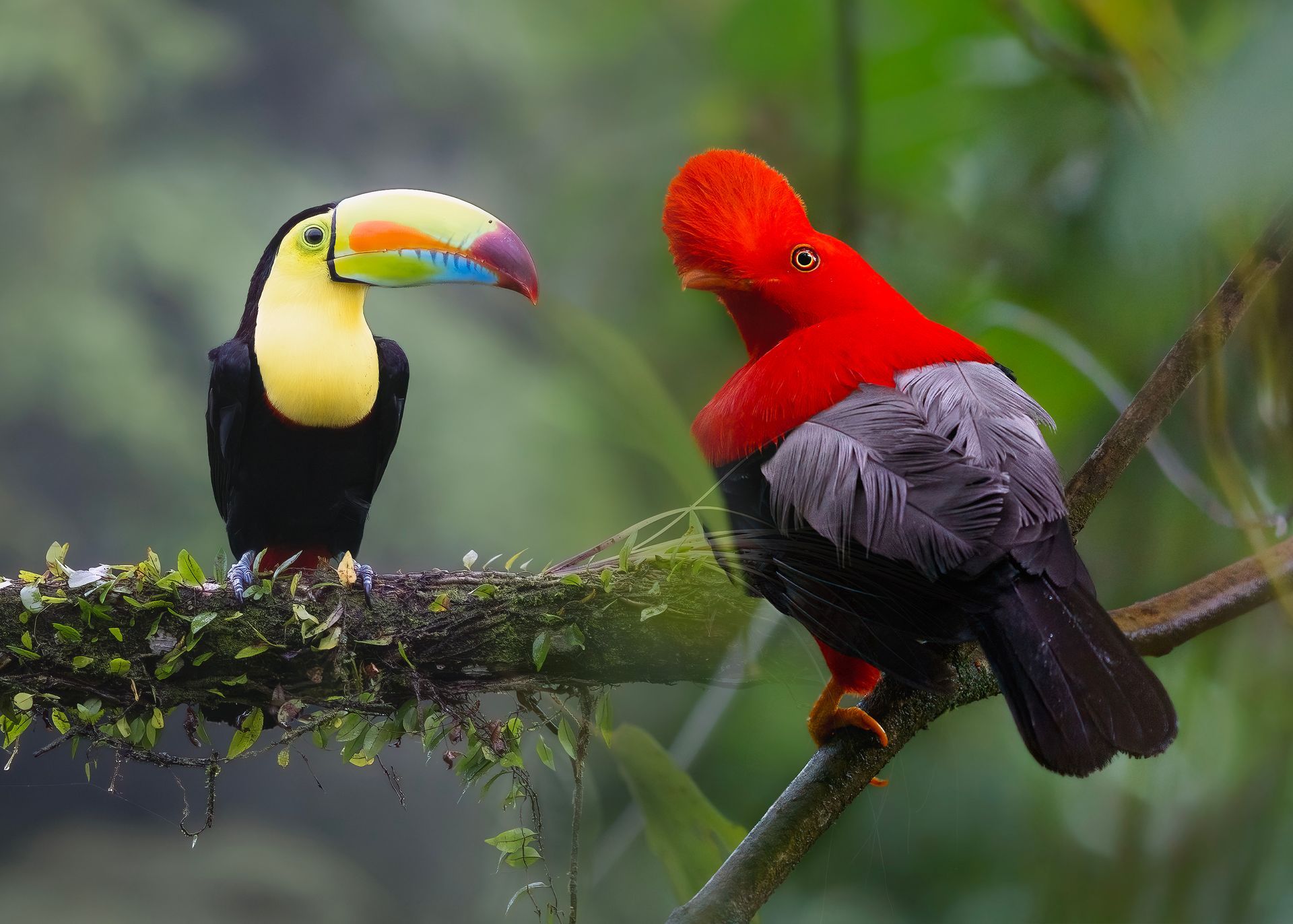
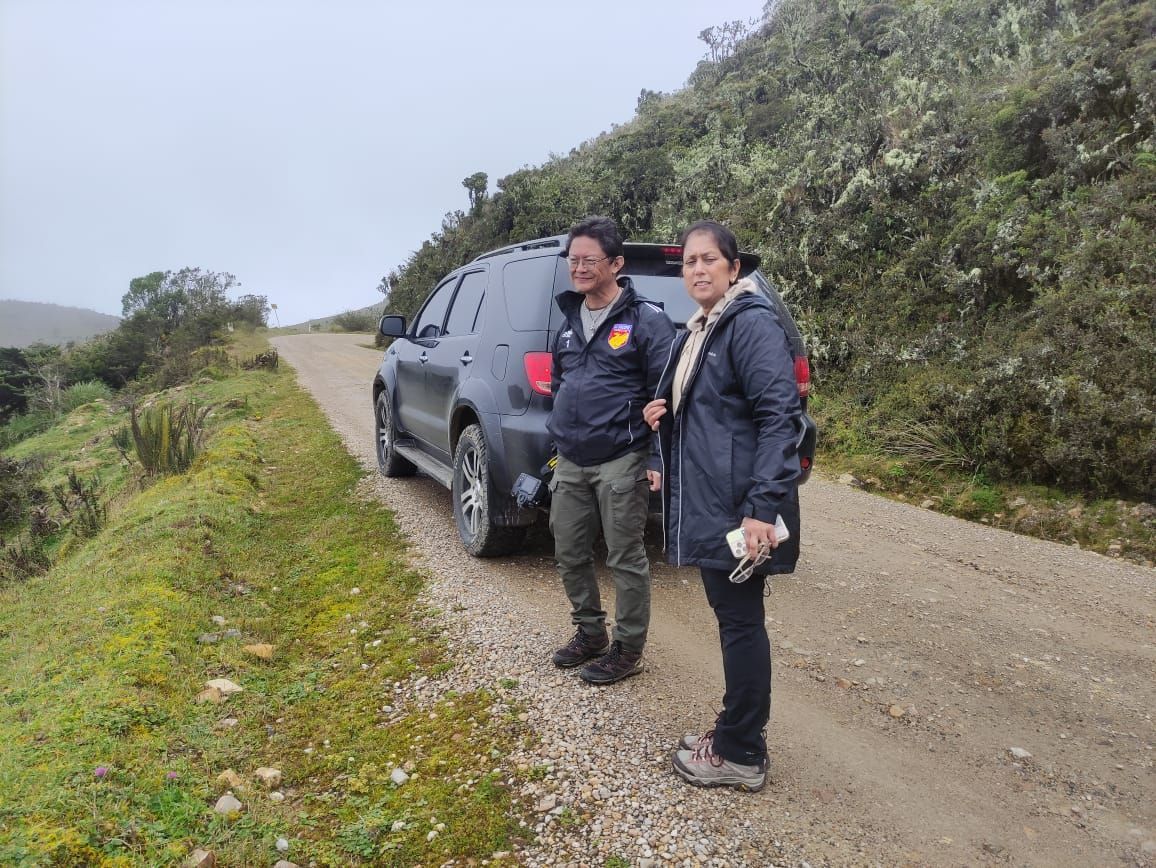
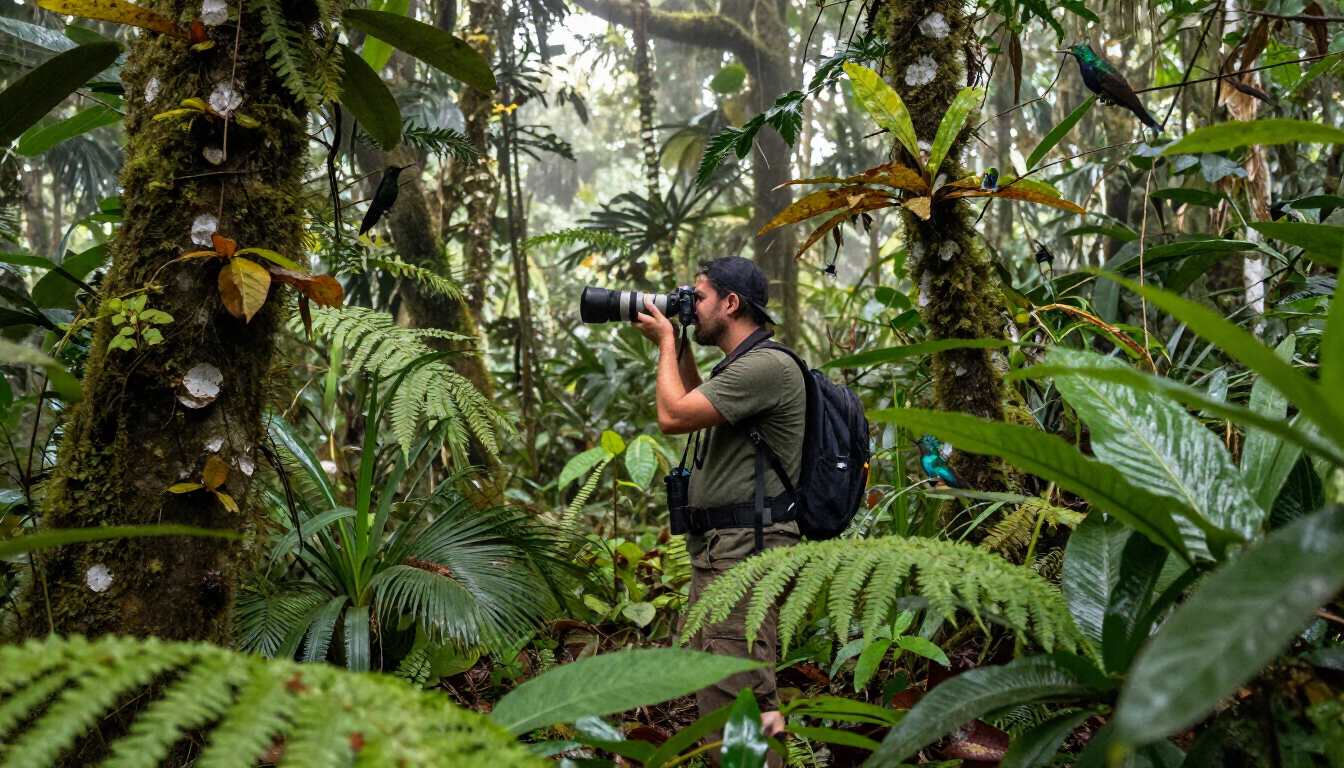
These emerging birding destinations in Colombia are not just new pins on a map. They are landscapes where community-led reserves, improved access, and local naturalist knowledge create real opportunities for photographers willing to travel with patience, flexibility, and respect.
For a photographer, “emerging” should never mean unprepared or undiscovered at any cost. It means the logistics can be more variable, facilities may be simpler, and the best encounters often depend on trusted local relationships. In return, you can work subjects that are difficult to photograph elsewhere, spend meaningful time in richly intact habitat, and direct travel income toward the people protecting it.
Why Colombia’s next birding frontiers matter
Colombia has long been the world’s bird diversity hotspot, but the best-known circuits tell only part of the story. Familiar regions such as the Santa Marta Mountains, the Central Andes, and established hummingbird lodges remain exceptional. Yet new community projects and regional conservation initiatives are opening photographic possibilities in the Pacific slope, the Magdalena Valley, the northern Andes, and the Amazonian shield.
These are not destinations for a rushed checklist. Road conditions, weather, boat schedules, and trail access can change quickly. A productive day may begin before dawn on a muddy forest path, continue at a flowering hedge where tanagers gather, and end in a simple lodge reviewing images under the sound of frogs. For serious photographers, that depth-of-field time is precisely the attraction.
San José del Palmar: Chocó endemics and cloud forest drama
San José del Palmar, on the edge of the Chocó biogeographic region, has become one of the most exciting emerging Colombia birding destinations for photographers seeking range-restricted species. The road approaches cloud forest and foothill habitats that hold an extraordinary mix of Chocó specialties, Andean birds, and Pacific-slope wildlife.
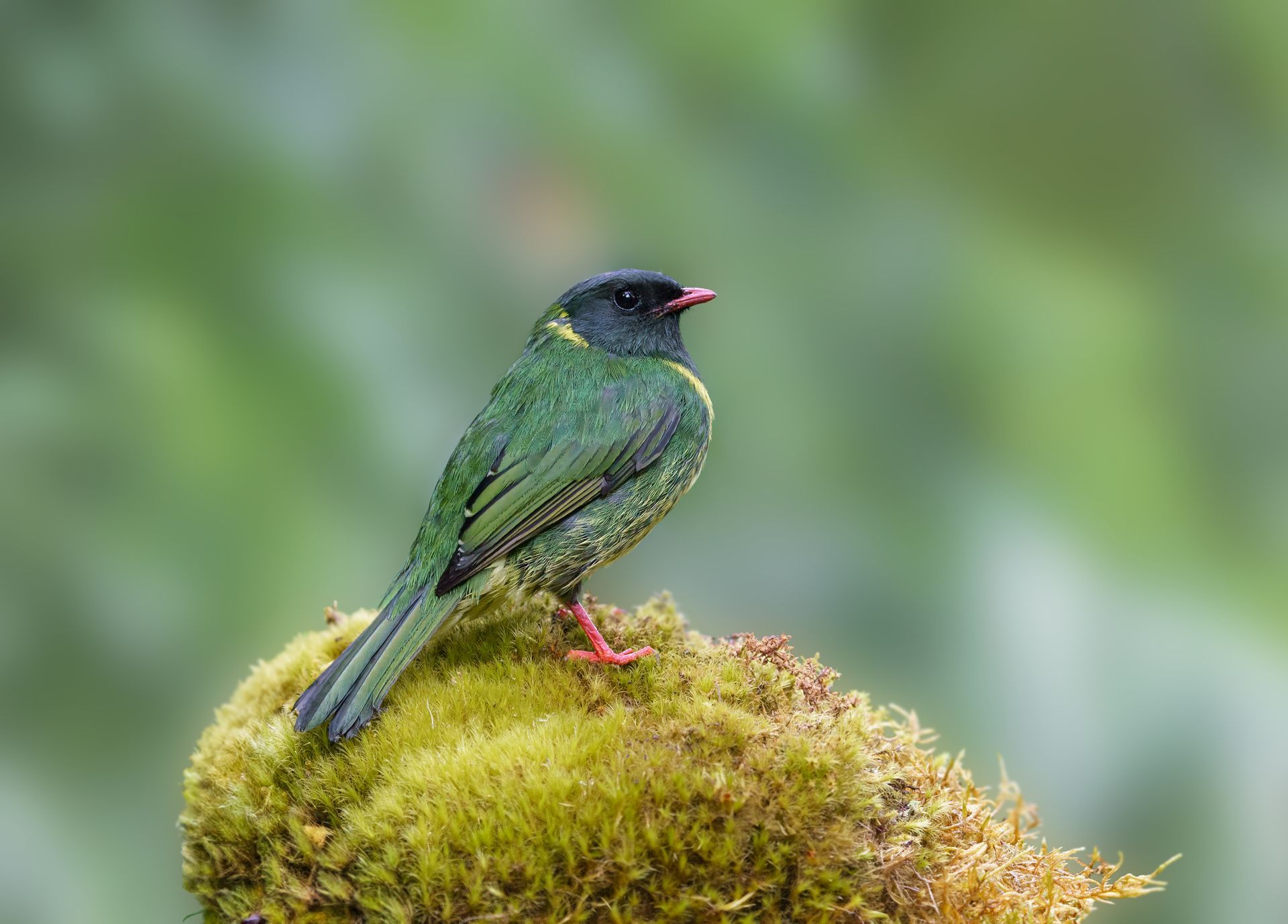
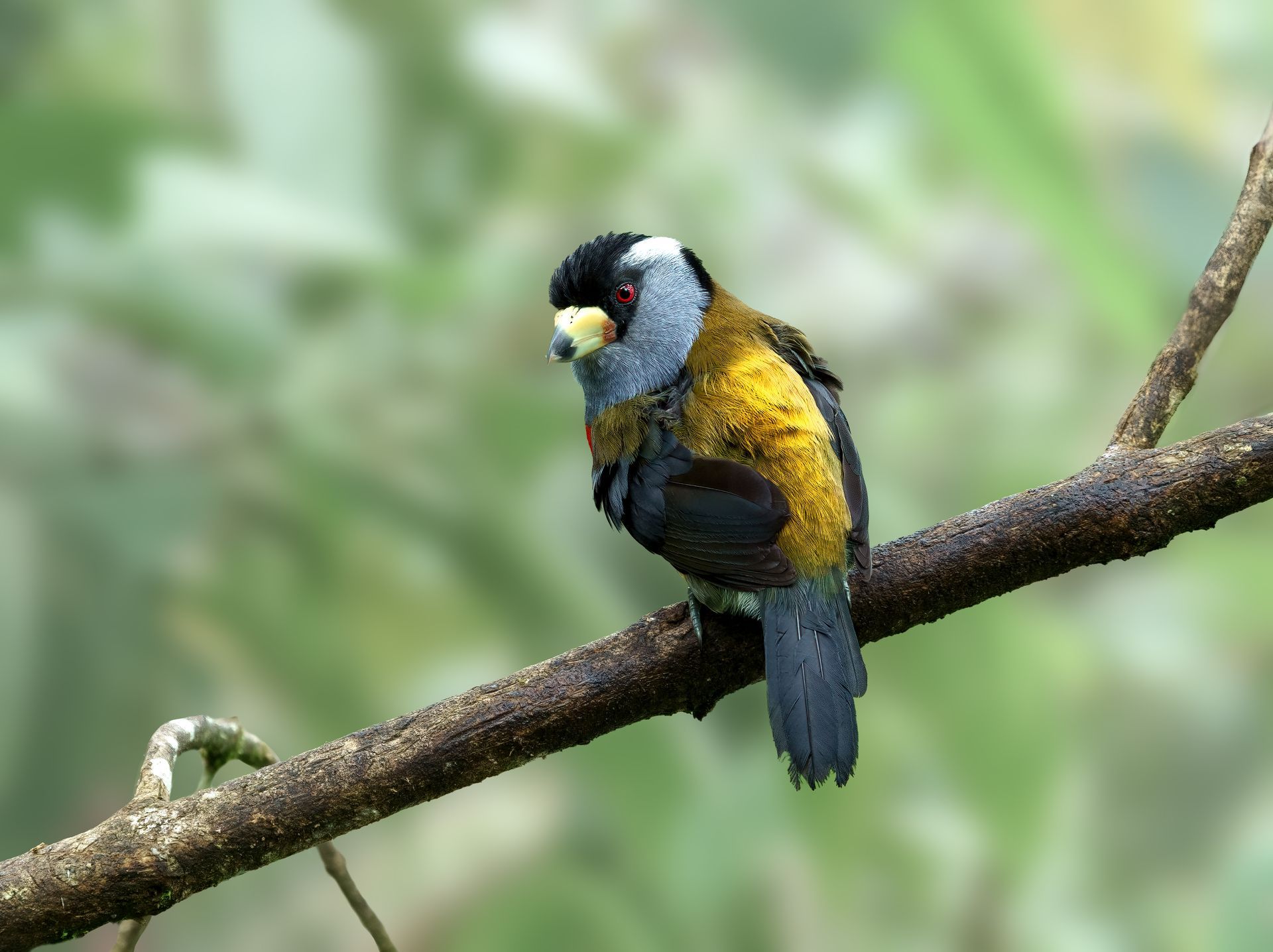
The draw is not only the species list. This is a place for atmosphere: dripping moss, broad-leaved forest, low cloud, and soft, saturated backgrounds that make a bird image feel connected to its habitat. Target birds can include Gold-ringed Tanager, Black-and-gold Tanager, Toucan Barbet, Chestnut-bellied Chlorophonia, and several
elusive antpittas. With luck, patient work around fruiting trees can also produce close encounters with tanagers, barbets, and toucans.
Rain is part of the experience, especially on the wet Pacific-facing slopes. Bring a weather-sealed camera body if possible, a dependable rain cover, microfiber cloths, and dry bags for spare lenses. A 400mm or 500mm lens is valuable on forest trails, while a 70-200mm can be equally useful when mixed flocks move close to the road or lodge gardens. The trade-off is that access can involve long drives and basic conditions, but the photographic potential is exceptional.
Photographing responsibly in the Chocó
Many Chocó species are sensitive to disturbance, and sound playback should never replace patient fieldcraft. Keep a respectful distance, limit time at active nests or display areas, and follow local hosts' guidance. The region’s conservation value is inseparable from its Afro-descendant, Indigenous, and rural communities, whose knowledge and stewardship make ethical visitation possible.
Anorí: a northern Andes expedition with real endemism
In northern Antioquia, the forests around Anorí offer a compelling route for photographers focused on
Colombian endemics and threatened birds. It rewards specialized planning over casual travel, with steep terrain, variable weather, and a strong need for local coordination. It also holds species that can define an entire portfolio.
The Antioquia Wren is the headline target. Scientists only described this localized endemic in 2017, and photographing it in its humid, tangled habitat is a genuine field achievement. Other possibilities in the region include Chestnut-capped Piha, Black-capped Tyrannulet, White-mantled Barbet, and mixed flocks rich with colourful tanagers.
Anorí demands realistic expectations. A rare wren may appear briefly, low in dense vegetation, rather than sitting in an open perch at eye level. A lighter telephoto zoom can be practical alongside a long prime because framing happens fast and close. Good guides make the difference by reading vocalizations, bird movement, light, and trail conditions, rather than pushing birds for a photograph.
The Magdalena Valley: secretive forest birds at El Paujil and Las Quinchas
The middle Magdalena Valley is one of Colombia’s most important conservation landscapes, yet international bird photographers visit it less than the high Andes. Its foothill forests hold a different photographic challenge: low light, thick understory, and birds that often reveal themselves only after long, quiet waits.
The reserves around El Paujil and Serranía de las Quinchas are especially meaningful for those drawn to threatened species. Blue-billed Curassow is among Colombia’s most sought-after birds, and the chance to see this powerful, critically endangered cracid gives the region major conservation importance. Other highlights may include Brown-banded Antpitta, Magdalena Antbird, Beautiful Woodpecker, and a rich cast of forest flycatchers, antbirds, and foliage-gleaners.
This destination isn't built around easy, bright hummingbird setups. It is a place for photographers who enjoy the slower craft of forest work: choosing a clean angle, holding a stable position, managing high ISO files, and waiting for a bird to step into the one patch of open light. A fast 300mm or 400mm lens, monopod or tripod support where practical, and strong low-light technique will serve you well.
Inírida: granite outcrops, white-sand forest, and northern Amazon birds
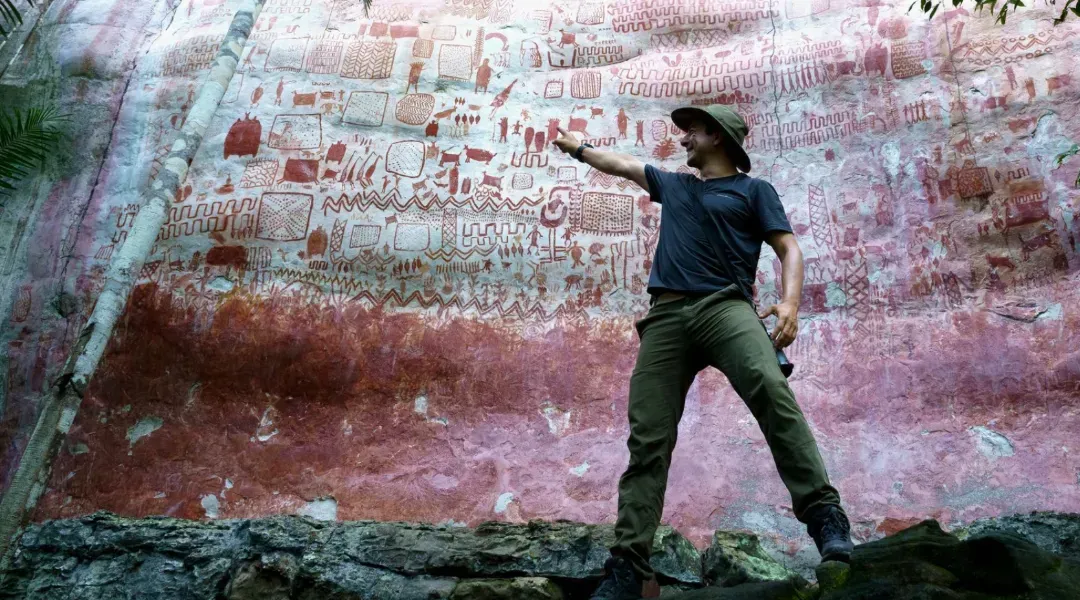
For a dramatic change of scenery, Inírida in Colombia’s Guainía department brings photographers into the meeting zone of Amazonian rainforest, white-sand woodland, rivers, and
ancient granite formations. Access is typically by air, then by boat, so detailed transport planning matters as much as species knowledge.
The signature subject is the Guianan Cock-of-the-rock, a remarkable bird whose intense orange plumage can be photographed around traditional display areas when conditions and access are appropriate. The region also offers Black Manakin, Amazonian Umbrellabird in suitable areas, kingfishers, macaws, puffbirds, and a broad range of riverine and white-sand forest species.
Light can be challenging at leks and inside the forest, but the visual payoff is distinctive. Red birds against dark green vegetation, textured granite, and misty river scenes give Inírida a visual identity unlike an Andean expedition. Boat-based photography requires dry protection, a secure carrying system, and restraint: protect your equipment first, and never ask a boat operator to approach wildlife too closely for a photo.
When should you go?
No single time works for all of Colombia. Elevation, rainfall patterns, flowering cycles, road access, and target species behaviour vary sharply by region. The drier months may make travel easier in one area while reducing activity at fruiting trees or flowering plants in another.
For photographers, the better question is: what do you want to photograph, and under what conditions? A trip built around hummingbirds and tanagers may need a different timing than an expedition for antpittas, curassows, or a cock-of-the-rock lek. Ask about recent conditions before committing, and leave room in your schedule for weather delays. In remote regions, a flexible itinerary is not a compromise. It is good expedition design.
What makes an emerging destination worth the effort
Choose destinations where access benefits conservation and local people, not just where a rare bird has been reported. A well-run expedition should employ local guides and drivers, use community-owned lodging where appropriate, respect land-use agreements, and avoid pressure on sensitive species. It should also build in enough time to respond calmly to mud, rain, delayed transport, or a bird that simply does not cooperate.
At Retorno Photo Tours, we plan regional expeditions around those realities: target species, photographic pace, secure transportation, lodging standards, local partnerships, and honest assessments of what the terrain requires. We don't rush from one record to the next. It is to create the conditions for memorable images and responsible encounters.
Bring your longest lens, but also bring curiosity and time. Colombia’s newest photographic frontiers are most rewarding when you let the forest set the pace.