The Llanos do not reveal themselves all at once. At first light, a white-tailed deer may step from tall grass as mist lifts from a lagoon; minutes later, a jabiru crosses a copper-colored sky and a capybara family appears along the bank. This Colombian plains wildlife photography guide is built for photographers who want more than a quick checklist: it is about reading an immense working landscape, preparing for changing conditions, and giving each encounter the time it deserves.
Colombia’s eastern plains are a photographer’s dream precisely because the habitat is so open. Vast savannas, gallery forests, seasonal wetlands, palm groves, and rivers hold an exceptional concentration of wildlife. Yet openness does not make the Llanos easy. Distances are long, heat can be intense, rain can change a road overnight, and the best subjects often require patient observation rather than a hurried stop.
Why the Colombian Llanos Reward Patient Photographers
The plains offer a different photographic rhythm from cloud forest birding or Amazon expeditions. Here, the landscape is part of the story. A giant anteater walking through golden grass, a red howler monkey in a riverside forest, or a black-collared hawk lifting from a lagoon can be framed with the savanna's scale and atmosphere.
Flagship mammals include capybaras, white-tailed deer, crab-eating foxes, howler monkeys, giant anteaters, and, in the right areas and with considerable patience, jaguars. Jaguars are never a guaranteed subject in Colombia’s plains. Water levels, prey, habitat, and individual behaviour shape their movements. A responsible itinerary treats a jaguar sighting as a rare privilege, not a promise.
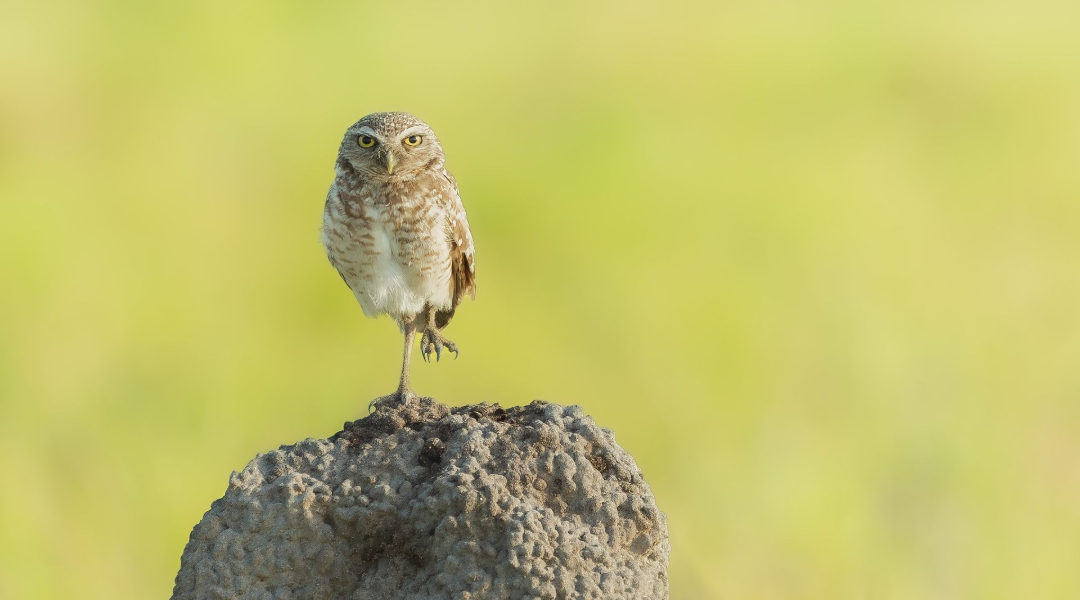
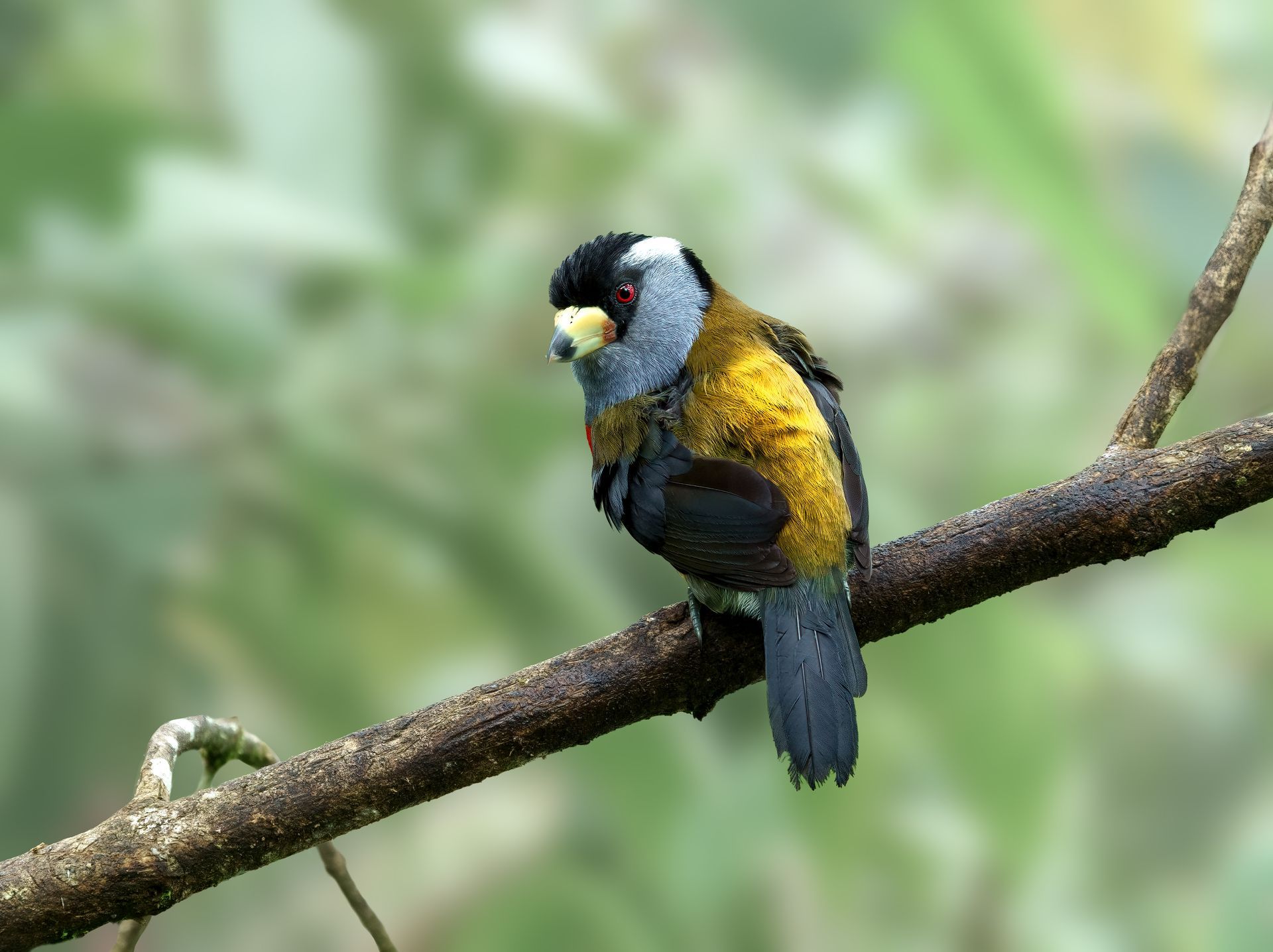
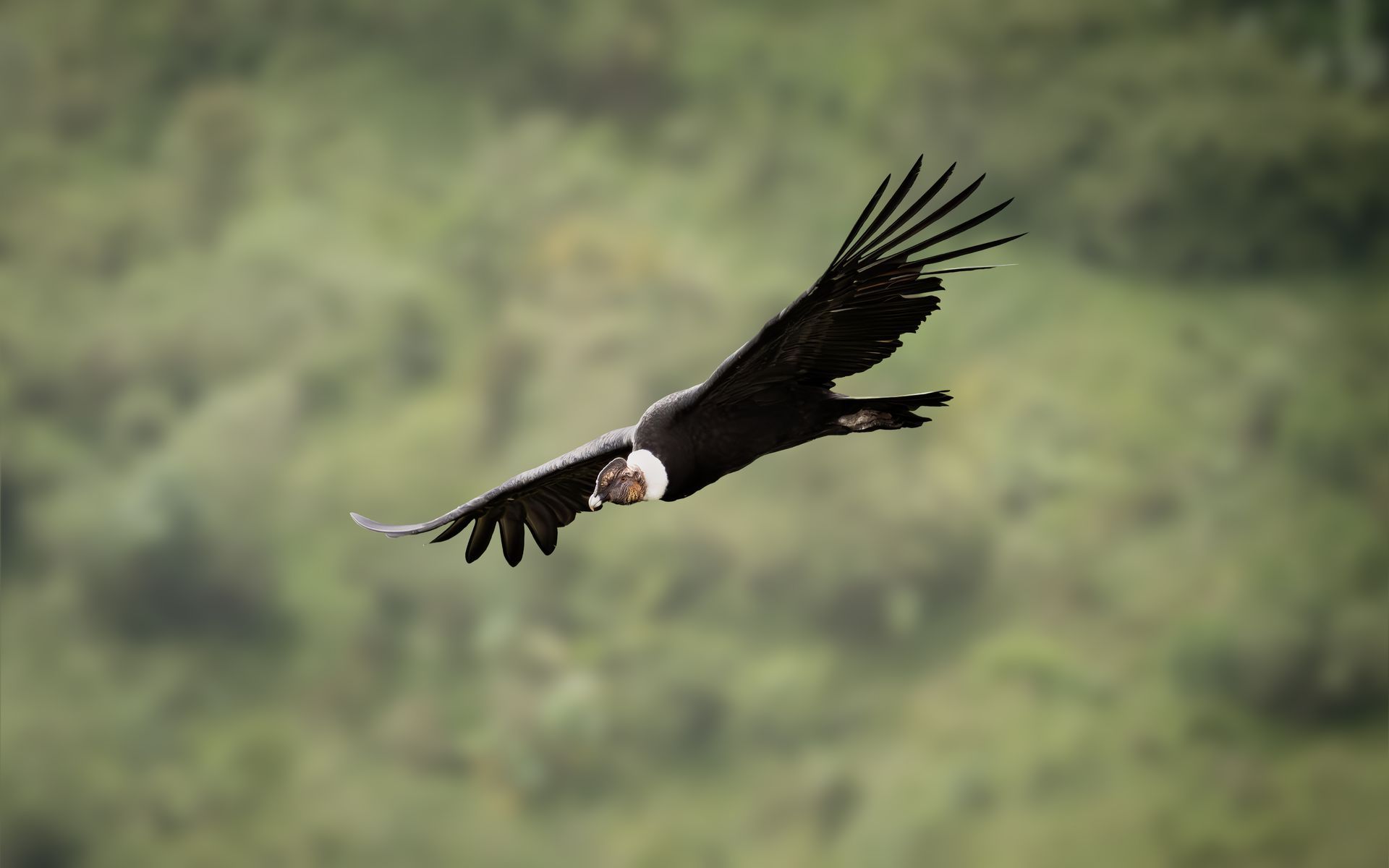
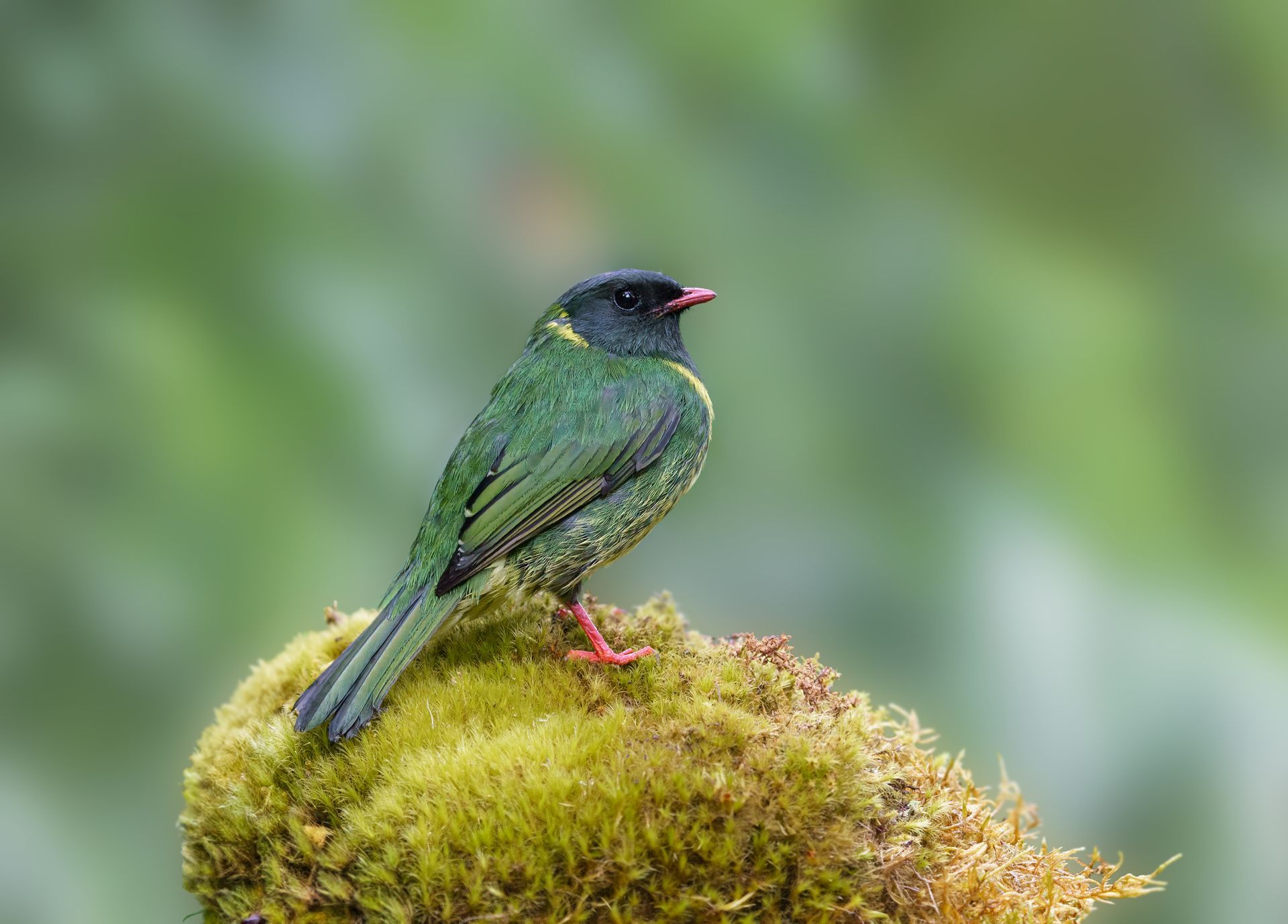
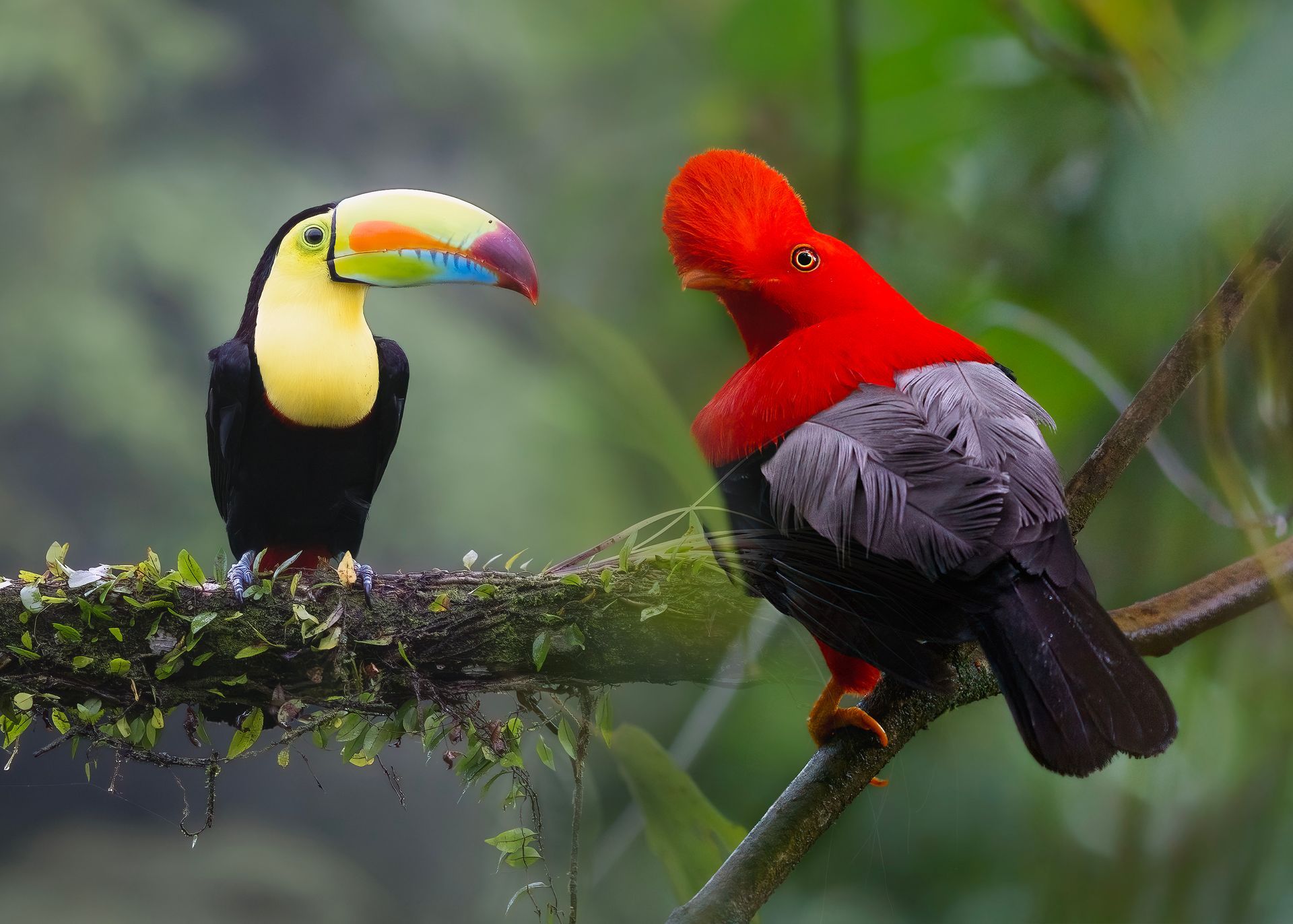
For bird photographers, the variety is equally compelling. Jabirus, herons, egrets, ibises, storks, kingfishers, raptors, parrots, and wetland specialists create opportunities from sunrise through late afternoon. River edges and flooded grasslands can be particularly productive, while forest islands add a completely different set of species. The most memorable frames often combine bird behaviour with the clean lines of the Llanos landscape.
Choosing the Right Season for Wildlife Photography
Season matters, but the best time depends on your priority. The drier months, generally from December into March, concentrate wildlife around permanent water and can make overland travel easier. Lower vegetation may improve sightlines for mammals, while dusty roads and clear mornings bring their own visual character.
The wetter period transforms the plains into a mosaic of flooded savanna and navigable channels. This can be superb for waterbirds, reflections, storm light, and river-based photography. It can also mean slower driving, muddier access, higher humidity, and schedules that need flexibility. A photographer focused on birds and dramatic habitat may prefer the green season; someone hoping for broad savanna views and concentrated wildlife may lean toward drier conditions.
Ask specifically how a proposed route works in the month you plan to travel. A productive location in one season may be difficult to reach or photograph differently in another. Local knowledge is not an extra in the Llanos. It determines how much time is spent with wildlife rather than negotiating roads, water, and distance.
Field Gear That Earns Its Place
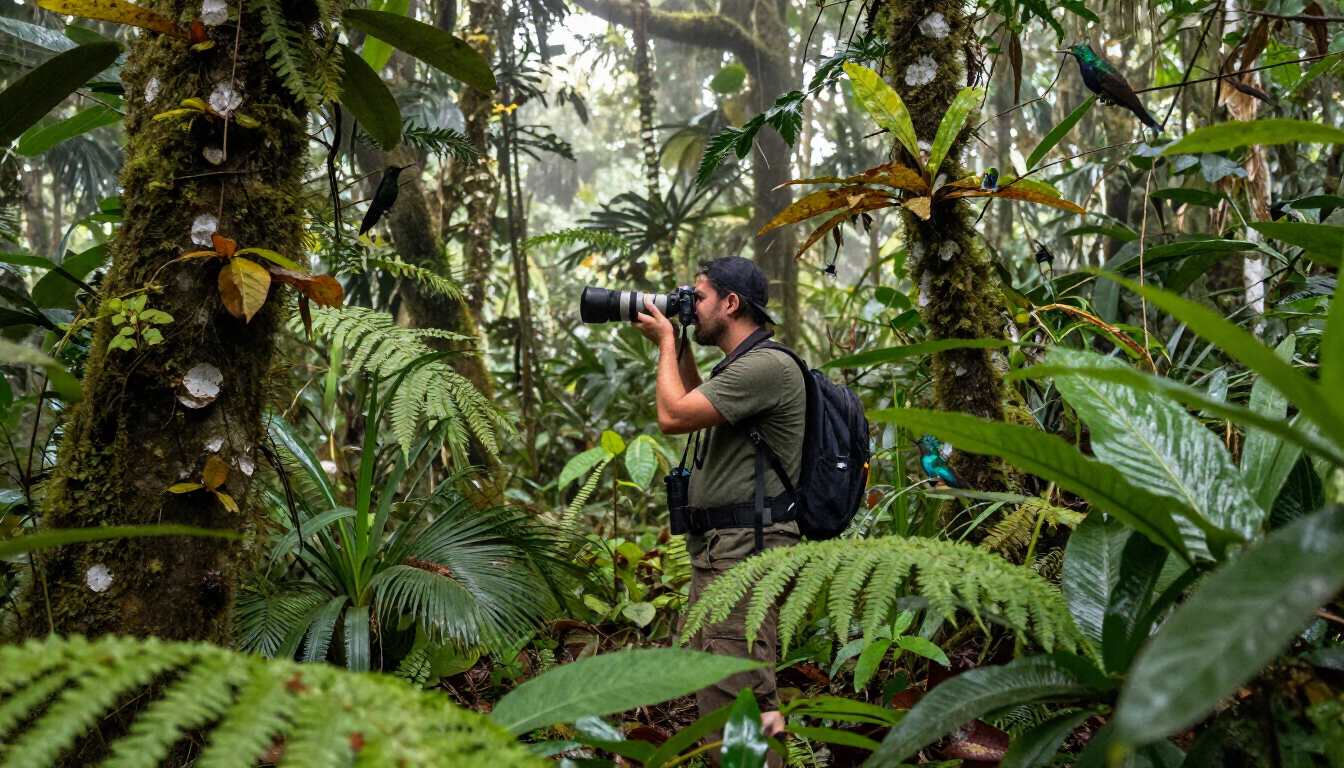
A long lens is the foundation of a serious plains kit. A 500mm or 600mm lens provides reach for birds and cautious mammals, while a 400mm-class lens offers an excellent compromise for photographers who need mobility. Bring a shorter telephoto, such as a 100-400mm or 70-200mm, for larger animals, environmental compositions, and sudden close encounters from a vehicle or boat.
Two camera bodies reduce lens changes in dust, humidity, and fast-moving situations. One body can carry the long lens while the other is ready with a mid-range zoom. A 1.4x teleconverter helps when light is strong and your primary lens handles it well, but it isn't always the answer. On hot afternoons, heat shimmer can soften distant subjects long before focal length becomes the limitation.
A beanbag is often more useful than a tripod for vehicle-based work. It stabilizes long lenses on window frames, rails, or other supported positions while keeping you responsive. For boat photography, prioritize a manageable lens and strong handholding. Heavy tripods can be valuable for dawn landscapes or low-light bird work, but they are not practical in every field situation.
Pack more memory cards than you think you will need, spare batteries, microfiber cloths, a rain cover, and a simple dry bag.
Fine dust and sudden rain are normal in the field. Keep gear protected, but do not overpack to the point that you cannot move quickly when a scene develops.
Light, Heat, and the Habits of the Plains
The strongest wildlife activity often happens at the edges of the day. Plan to be ready before sunrise, not organizing lenses as the first light arrives. Morning can bring cool air, calmer water, active birds, and a soft background glow across the grasslands. Late afternoon offers warmer colour and another window of movement before dusk.
Midday is not wasted time, but it calls for a different approach. Use it for close bird portraits in open shade, behaviour around water, macro subjects, scouting, image backups, and rest. In severe heat, distant subjects suffer from shimmer, and both photographers and wildlife need more space. Pushing through simply because the day is short usually produces weaker images and poorer decisions.
Watch the background as carefully as the animal. The Llanos can offer wonderfully clean, uncluttered frames, but reeds, fence posts, pale sky, and harsh reflections can quickly complicate a composition. Shift your vehicle position or change your angle before asking an animal to provide the perfect pose. Often, a few feet of adjustment changes an ordinary record shot into a portfolio image.
Ethical Wildlife Photography in the Llanos
The best photographs begin with calm animals. Keep a respectful distance, avoid blocking travel routes to water, and never pressure an animal to come closer. This matters especially around mothers and young, nesting birds, and animals already showing alert or evasive behaviour.
Do not use bait to create predator encounters. Avoid playback when it could disrupt territorial birds or repeatedly draw them away from feeding, nesting, or resting.
A guide should be willing to leave a scene when the animal's welfare calls for it, even if the light is perfect.
Ethical practice extends to people, too. Ranching families, rural communities, and Indigenous communities live in the Llanos, and their knowledge and stewardship help protect these habitats. Ask permission before photographing people, listen when local hosts explain access protocols, and remember that a private reserve or working ranch is not just a backdrop. Well-managed nature tourism can support livelihoods that keep wildlife habitat intact.
Planning a Productive Plains Expedition
A successful trip centers on flexible field time, not an overstuffed itinerary. The distances between productive habitats can be substantial, so prioritize a route with repeated opportunities in a small number of strong areas. Staying near the action lets you start early, enjoy unhurried lunches, and return to the field when the afternoon light improves.
Expect travel by high-clearance vehicles and, in some areas, by boat. Lodging ranges from comfortable ranch-style accommodations to more remote field bases. The right choice depends on your comfort preferences, target species, and tolerance for early departures and variable road conditions. A
specialist operator such as Retorno Photo Tours can handle the details that are hardest to manage on your own: local access, photographic timing, trusted transport, field-safe lodging, and guides who understand both wildlife behaviour and the needs of long-lens photographers.
Before departure, discuss your priority subjects honestly. A photographer seeking birds in flight needs a different plan from someone focused on giant anteaters, landscapes, or a possible jaguar encounter. Share your focal lengths, camera experience, mobility needs, and whether you prefer patient stakeouts or a broader range of subjects. That conversation shapes a far better expedition than any generic packing list.
The Llanos reward photographers who slow down enough to see the full scene: the warning calls before a raptor appears, the ripples that signal movement at a lagoon edge, and the changing light that turns an ordinary grassland into a place you will remember long after the shutter falls silent.