That abundance is exactly why searches for “how to plan Colombia photo trip” need more than a map and a species wish list. The country’s photographic possibilities are extraordinary, but they span radically different elevations, climates, road conditions, and local communities.
A successful trip starts with what matters most in your frame. Trying to photograph every ecosystem in one visit usually means too many transfers and too little time with the subjects that make Colombia exceptional.
Start with photographic priorities, not a pin map
Colombia is home to nearly 2,000 bird species, plus remarkable mammals, reptiles, amphibians, and butterflies. No itinerary can cover it all well. First decide whether your primary goal is
endemic Andean birds, hummingbirds, iconic mammals, colourful lowland species, macro subjects, or a balanced portfolio of landscapes and wildlife.
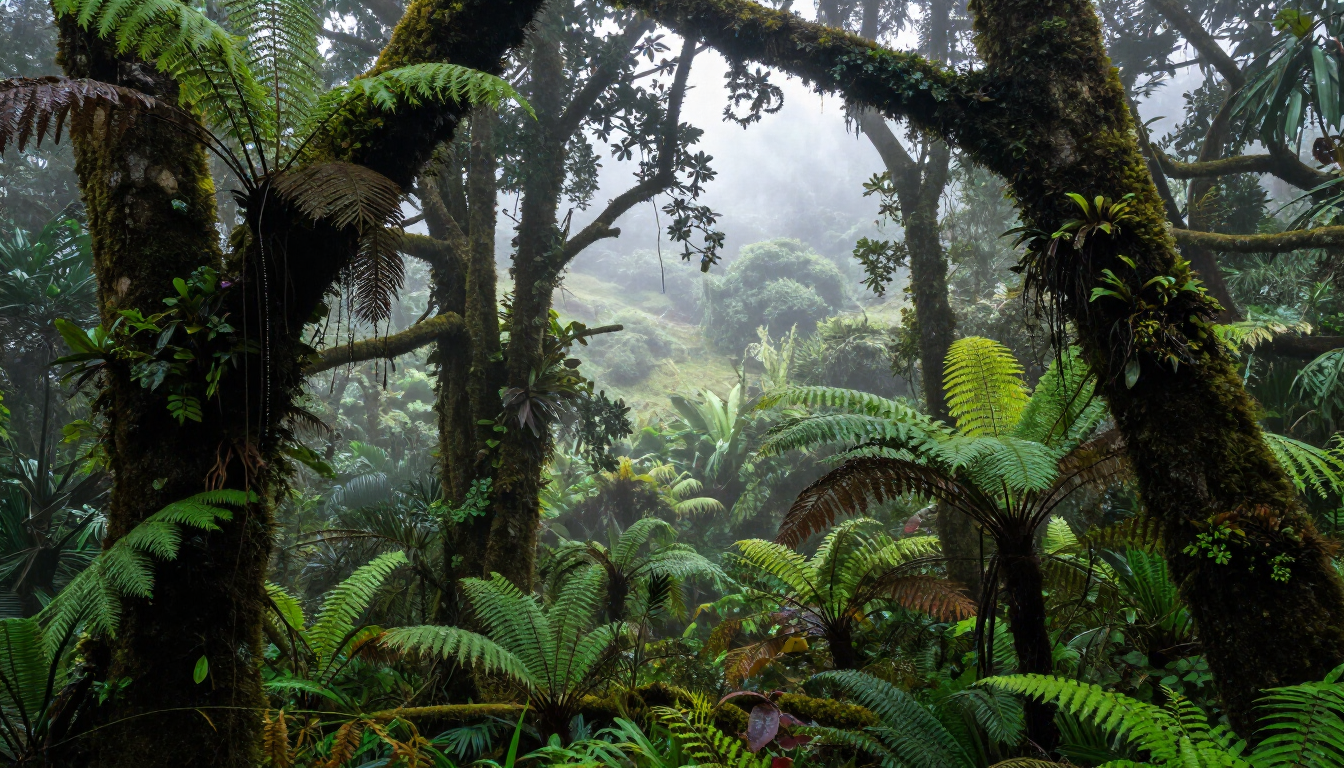
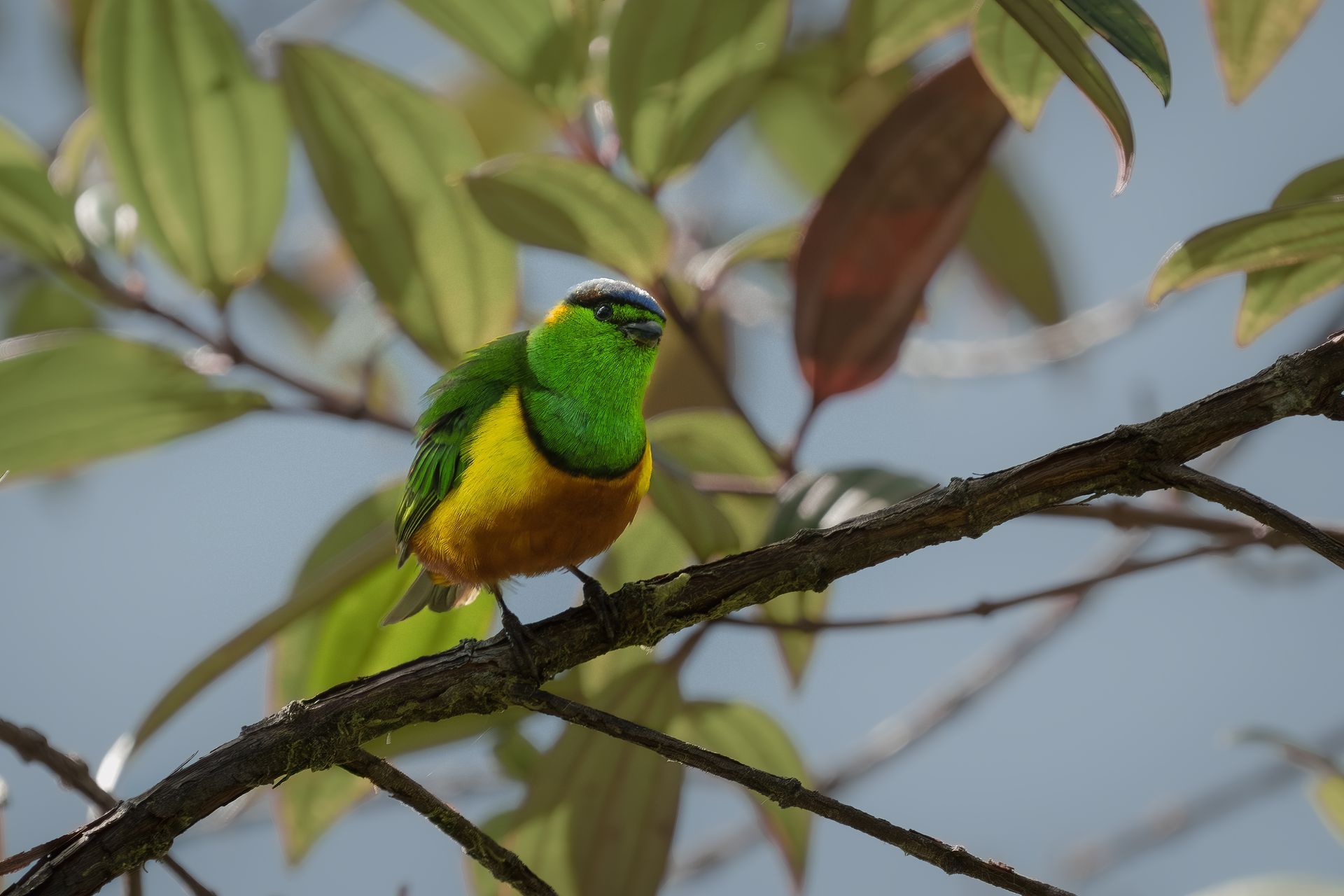
For many bird photographers, the Andes offer the strongest return on field time. Elevation creates distinct habitats over relatively short distances, from dry valleys to misty cloud forests and high-elevation páramo. A focused route can deliver antpittas, tanagers, toucans, mountain-tanagers, colourful hummingbirds, and range-restricted endemics without making you repack every day.
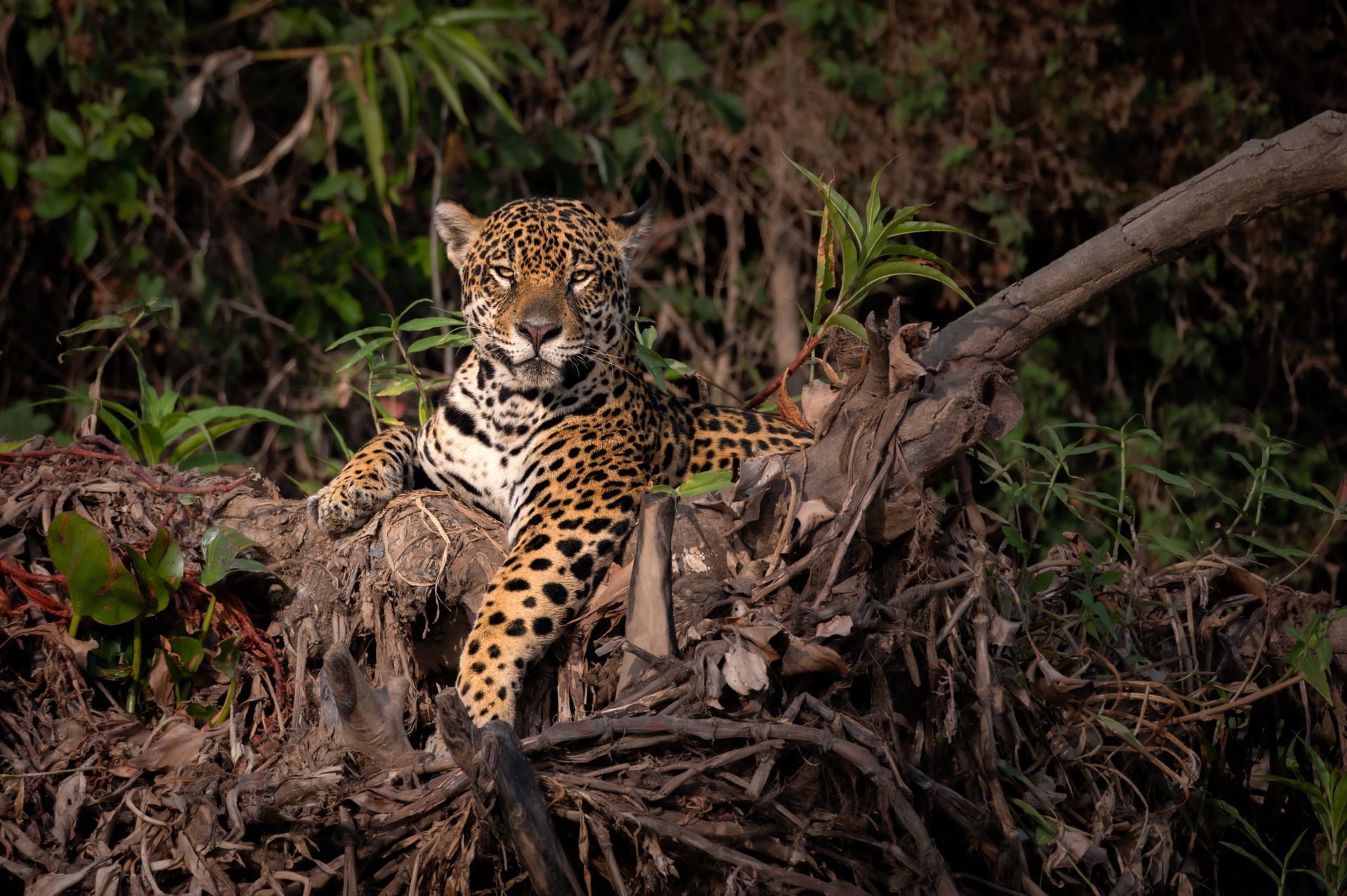
The Amazon is a different photographic proposition. It rewards patience with primates, parrots, hoatzins, macaws, river scenes, and nocturnal wildlife, but subjects can be farther away, and conditions are more demanding. The Caribbean region can be ideal for dry-forest specialties and striking landscapes. The Llanos are particularly compelling for wide-open wildlife encounters, including giant anteaters, capybaras, caimans, wading birds, and dramatic light. In the Chocó, rainfall, dense vegetation, and challenging access are part of the experience, yet so are some of the country’s most sought-after birds and amphibians.
Choose two or three connected regions for a 10- to 14-day trip, rather than chasing a national checklist. Serious photography improves when you can return to a productive feeder, lek, forest trail, or riverbank at the best light.
Match the season to your target species and conditions
No single season is best for Colombia. The country sits near the equator, so elevation and region often matter more than a simple summer-versus-winter calendar. A dry spell that improves roads in one region may coincide with wetter conditions somewhere else.
For bird photography, activity after first light can be excellent year-round, especially at fruiting trees, flowering patches, feeding stations, and established hides. Migration adds another layer of opportunity, with North American migrants present in many areas roughly from boreal fall through spring. Breeding behaviour, lek activity, fruit availability, and local flowering cycles can influence which subjects are most reliable, so follow your target list for timing.
Rain is not automatically lost time. In cloud forest, soft overcast light can be ideal for saturated plumage and reduce harsh shadows at feeders. But persistent rain can slow travel, make trails slippery, and challenge lens protection. Plan enough days to absorb weather rather than assuming every morning will be perfect. An itinerary with three nights in one productive lodge is often stronger than a rushed two-night stop.
Build an itinerary around light and field time
The most expensive part of a specialty photo trip is not the flight or the lodge. It is the hours you lose moving between locations during prime photography. In the tropics, dawn comes quickly, and many birds are most active during the first few hours after sunrise. A long driving day right after an early session may be unavoidable, but it shouldn't define the whole journey.
Ask practical questions before committing to a route. What's the real transfer time, including photo stops, road conditions, meals, and luggage handling? Will you arrive before sunset? Is there reliable photography on the property, or does every session require another drive? Are hides, feeder setups, or trails close enough for a predawn start?
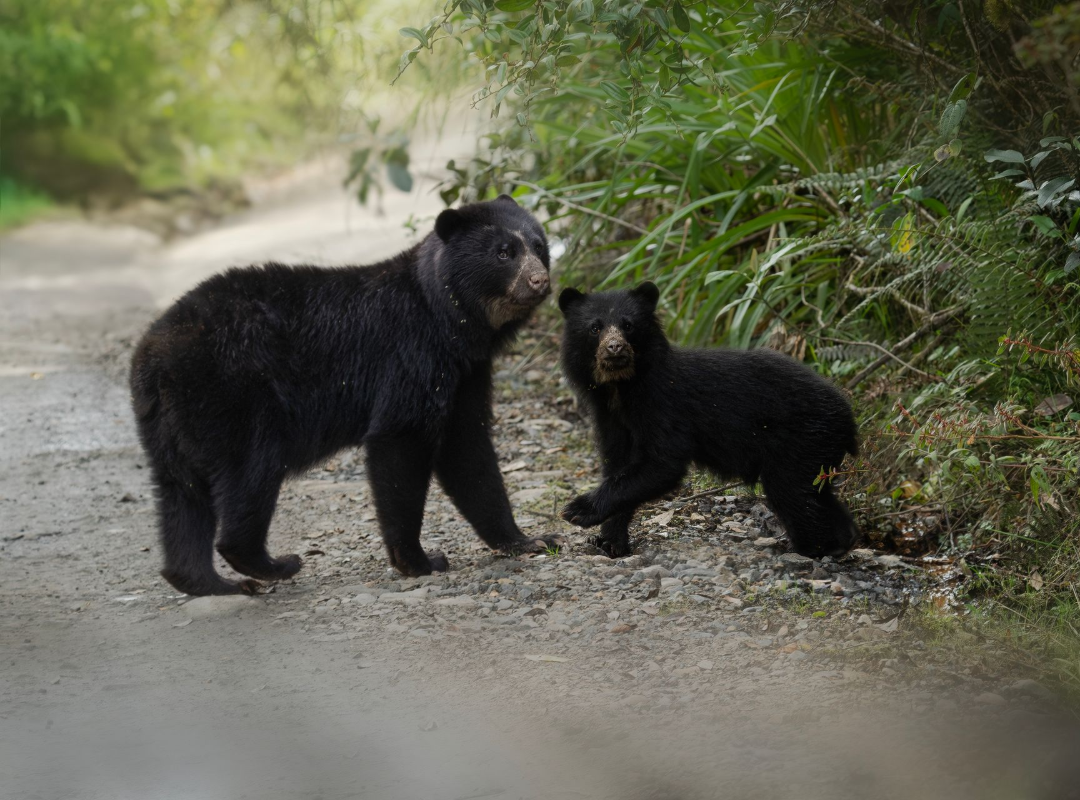
Small groups create more flexibility when conditions change. If a mixed flock is active, if a bear is reported nearby, or if a flowering tree suddenly attracts dozens of hummingbirds, photographers need the freedom to stay. A well-coordinated expedition also removes the distraction of arranging transport and access as daylight fades.
Give priority species the time they deserve
One rare target can justify two or three mornings, particularly in dense forest where viewing angles and behaviour are unpredictable.
Harpy Eagles, Spectacled Bears, antpittas, and secretive Chocó birds aren't subjects you can schedule as a guaranteed 20-minute encounter. Build in patience and accept that ethical wildlife photography is based on opportunity, not pressure.
Bring the equipment that fits the terrain
A 400mm or longer lens is a powerful choice for birds and distant mammals, but weight matters on steep, muddy, or humid trails. Many experienced photographers bring a primary long lens, a second body with a 100-400mm or 70-200mm zoom, and a wide-angle lens for habitat, landscapes, and storytelling images. A macro setup is worthwhile if frogs, butterflies, orchids, and insects are a meaningful part of your goals.
A lightweight tripod or monopod can be valuable at feeders, overlooks, riverbanks, and hides. On narrow forest trails, however, a handheld or supported lens may be faster. Your guide should be able to advise when a tripod is realistic and when it will become extra weight.
Protect equipment from moisture every day. Pack a rain cover that you can deploy quickly, dry bags or waterproof inserts, microfiber cloths, spare batteries, and enough memory cards for extended bursts around active feeders. Humidity can be relentless in lowland forest, while high-elevation mornings can be cold and damp. Let equipment acclimate gradually when moving between air-conditioned rooms and humid outdoors to
reduce condensation.
Wear quiet, breathable, layered clothing. Quick-dry pants, a rain shell, sun protection, sturdy trail shoes, and a warm layer cover most situations in the Andes. Rubber boots can help in wet lowlands, but they aren't the best choice for every mountain trail. Comfort is a photographic tool: if you are cold, soaked, or sliding on steep ground, you will miss the moment.
Plan for local knowledge, safety, and ethical access
Colombia has changed profoundly as a nature-travel destination, and many regions welcome visitors through community-led reserves, family-run lodges, and conservation projects. Still, conditions vary by route. Current local knowledge matters for road travel, weather, trail access, and security decisions. A specialist operator can coordinate trusted drivers, reliable lodging, required permits, and guides who know both the species and the people protecting their habitat.
This is especially valuable when photographing hard-to-find subjects. The best local guide doesn't just recognize a call. They understand where a bird feeds after rain, when a frog becomes active, which angle respects a nesting site, and when to step back. Retorno Photo Tours relies on this kind of local expertise because photo quality should never come at the expense of wildlife welfare or community trust.
Ethical choices also improve images over time. Do not crowd nests, manipulate vegetation, block an animal’s path, use playback excessively, or demand baiting practices that alter natural behaviour. At feeders and hides, follow the property’s rules and move deliberately. The memorable image isn't just a rare species filling the frame. It shows a healthy encounter in a place that remains protected.
Leave room for the unexpected
The best Colombia photo trips have a plan, but not a rigid one. A road can delay a road. A forest trail can produce an unplanned mixed flock. A quiet evening can turn into an extraordinary amphibian session after a storm. Your itinerary should name clear target species and rely on dependable logistics, while leaving enough breathing room to respond to the field.
Come prepared, travel patiently, and let the country set part of the pace. Colombia’s great photographic reward is not just the number of species you may see, but the chance to spend meaningful time in the habitats and communities that make those encounters possible.