That's why a Colombian cloud forest photography guide should start with patience, preparation, and an understanding of how this extraordinary ecosystem behaves.
Colombia’s Andean cloud forests hold an exceptional concentration of hummingbirds, tanagers, toucans, antpittas, orchids, frogs, and mammals. For serious photographers, the appeal is not only a long species list. It is the chance to photograph spectacular wildlife in habitats where mountain light, intimate vegetation, and local conservation work shape the story behind the image.
What Makes Colombian Cloud Forest Photography Different
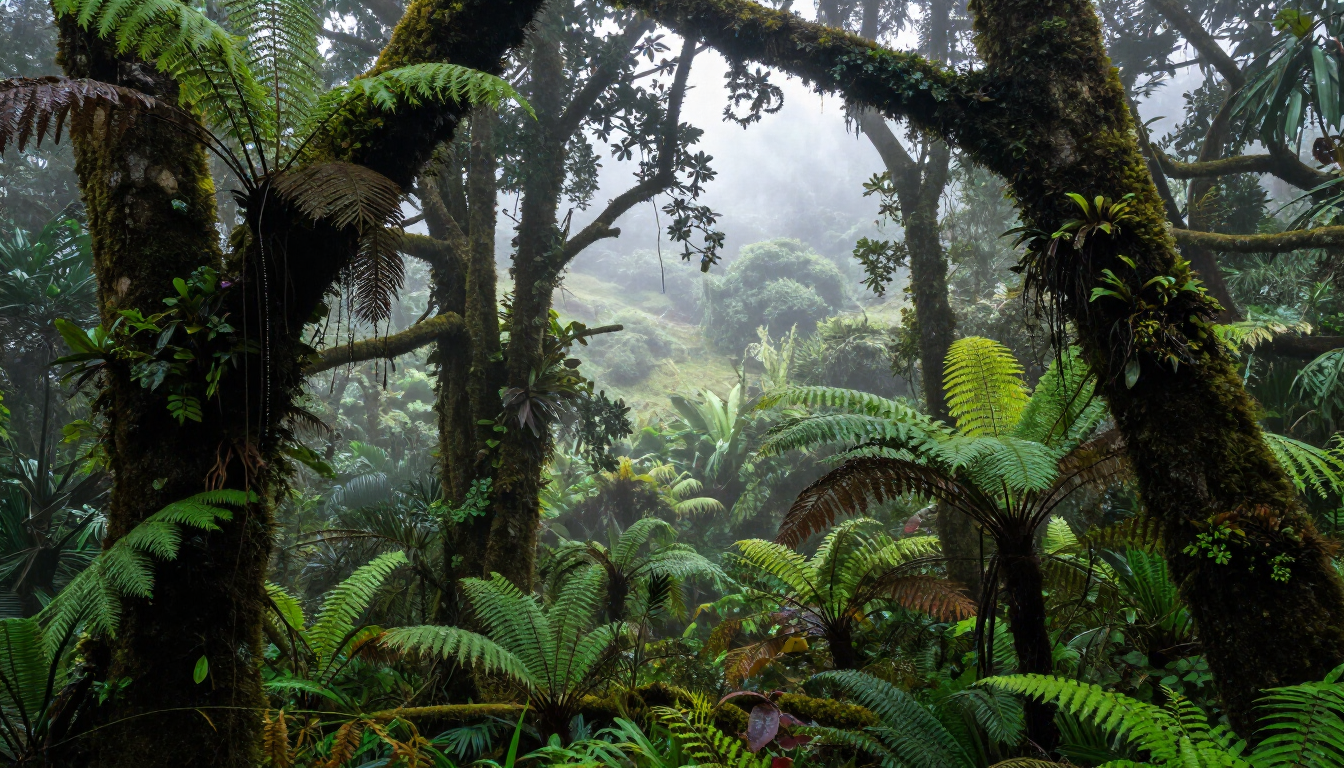
Cloud forest sits where warm, moisture-rich air meets the Andes and condenses among the slopes. Conditions can change fast: bright sun at breakfast, heavy mist by midmorning, rain after lunch, then a brief window of luminous late-afternoon colour. Elevation, aspect, and season all matter, so there is no single “cloud forest weather forecast” that applies across Colombia.
For photography, this creates both difficulty and atmosphere. Humidity softens distant backgrounds, mossy branches add texture, and fog can isolate a bird in a way a clear sky never could. The trade-off is reduced light, wet equipment, slippery trails, and backgrounds that can become visually busy within a few inches of your subject.
The most successful photographers come prepared to work with the forest rather than waiting for it to resemble an open savanna. A soft, rain-speckled frame can express place more strongly than a technically sterile portrait.
Plan Around Light, Elevation, and Your Target Species
A productive itinerary starts with the subjects you most want to photograph. Colombian cloud forest reserves and lodges can be remarkably specialized. One area may offer repeated hummingbird opportunities at flowers and feeders, while another is better for regional endemics, mixed flocks, elusive antpittas, or forest mammals.
Hummingbirds and active feeders
Hummingbird photography is often the entry point, but it demands discipline. In deep shade, balancing fast shutter speed and a clean background is difficult. If the setting permits flash photography and the operator uses an ethical, carefully managed setup, multi-flash work can freeze wings and reveal extraordinary feather detail. It also requires time, thoughtful placement, and a guide who understands the birds’ routines.
Natural-light hummingbird images are equally rewarding, particularly when a bird perches after feeding. Watch for favoured twigs, pre-focus when possible, and prioritize eye-level angles. A perched image with a natural bromeliad, flower, or misty valley behind it often has more sense of place than another perfectly frozen hovering frame.
Forest birds, mammals, and mixed flocks
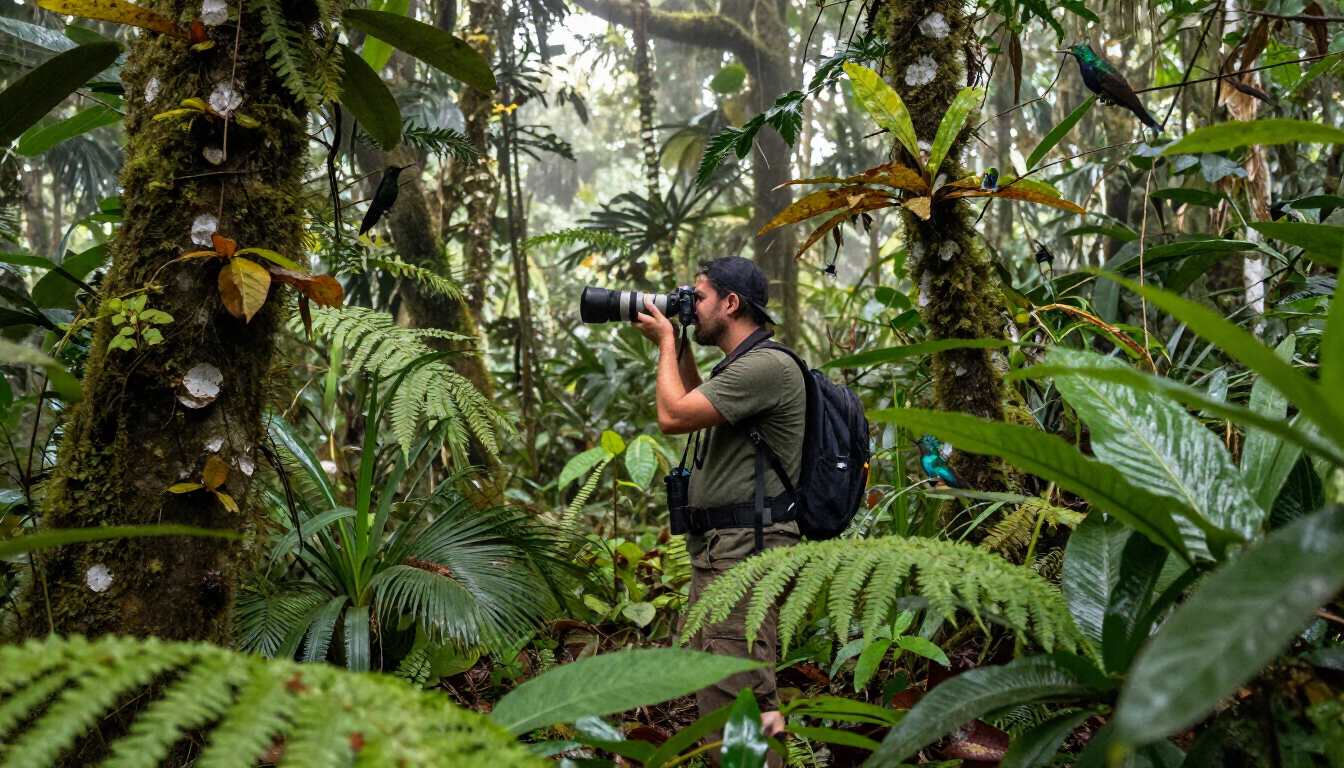
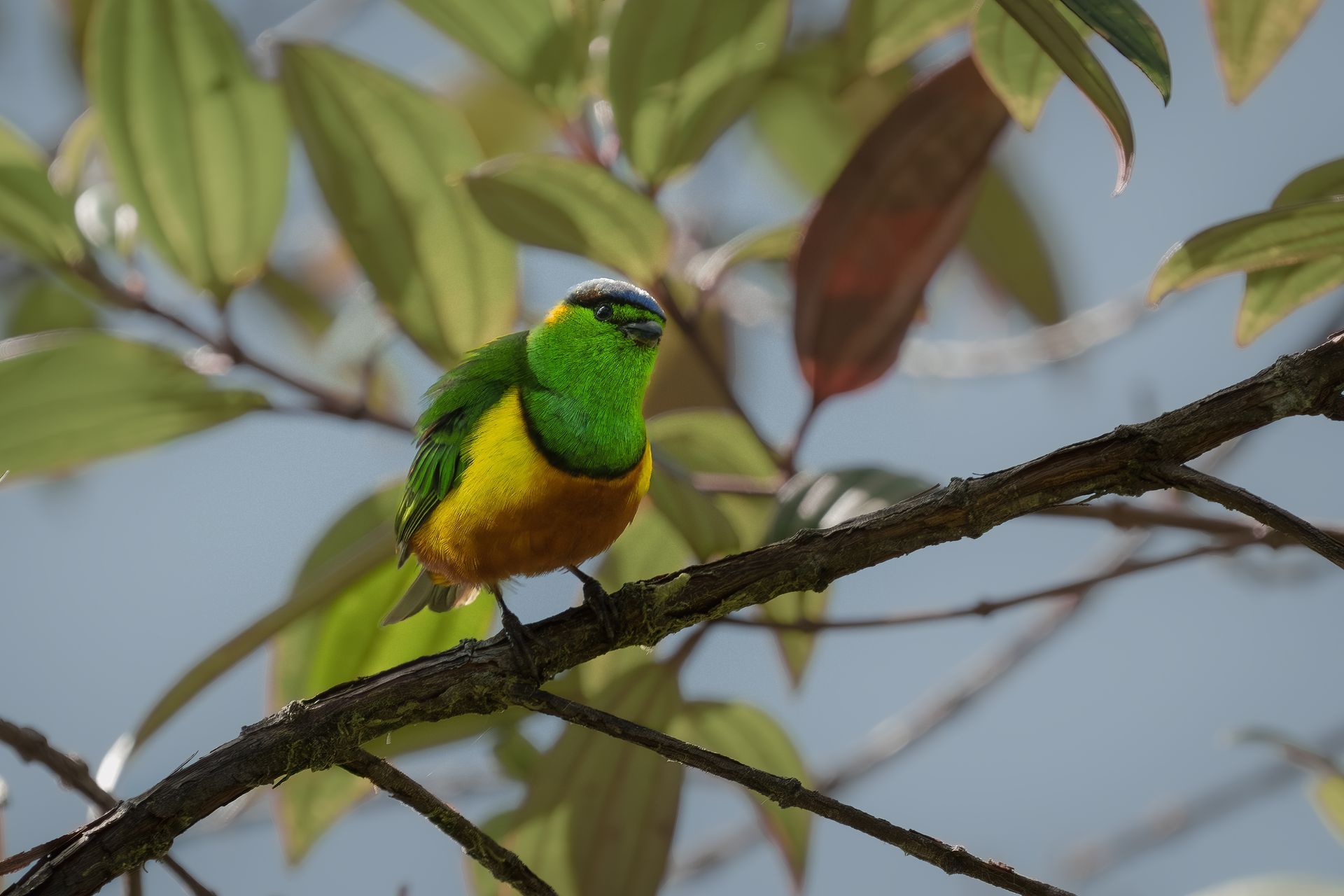
For tanagers, toucanets, barbets, and other canopy or edge species, early morning is usually the best time to be in the field. Before the day warms, bird activity can be intense, and a knowledgeable local guide can help you recognize calls, anticipate movement, and choose a position before a flock arrives.
Antpittas and other understory birds present a different challenge. Their beauty is often understated, and the best image may depend on a clean line through leaves rather than a long lens alone. Stay quiet, move slowly, and accept that the subject may appear briefly. The goal isn't to force an encounter, but to be ready for the one the forest offers.
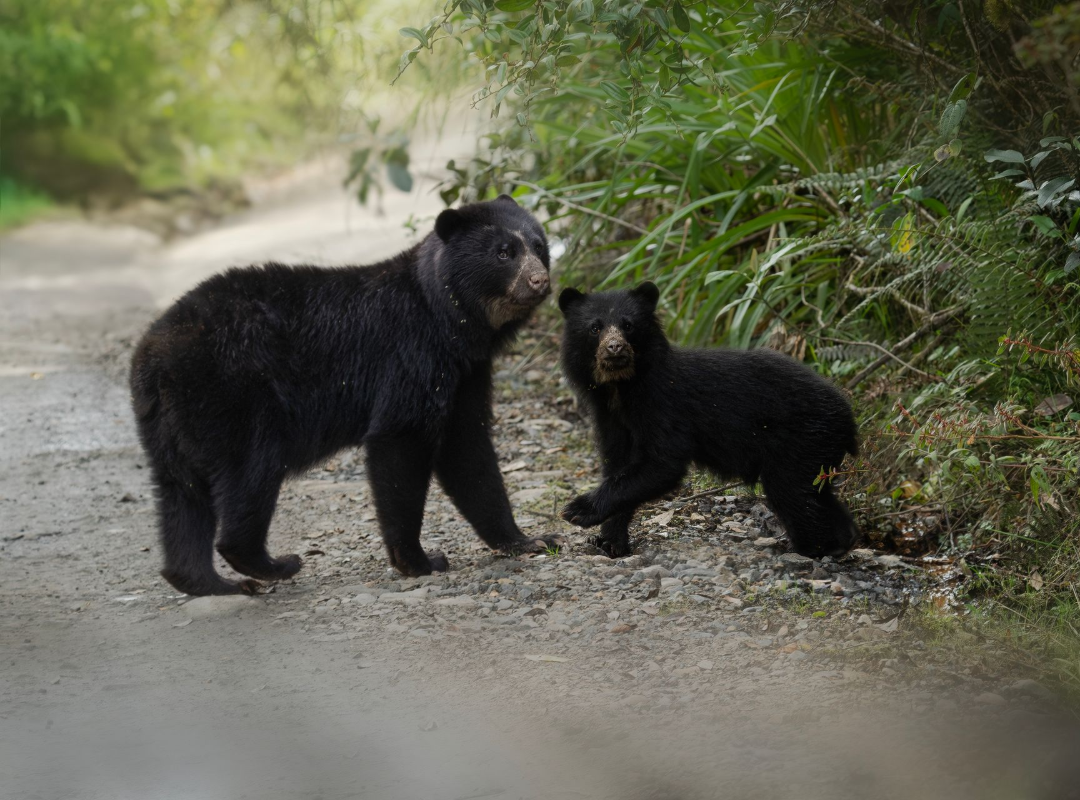
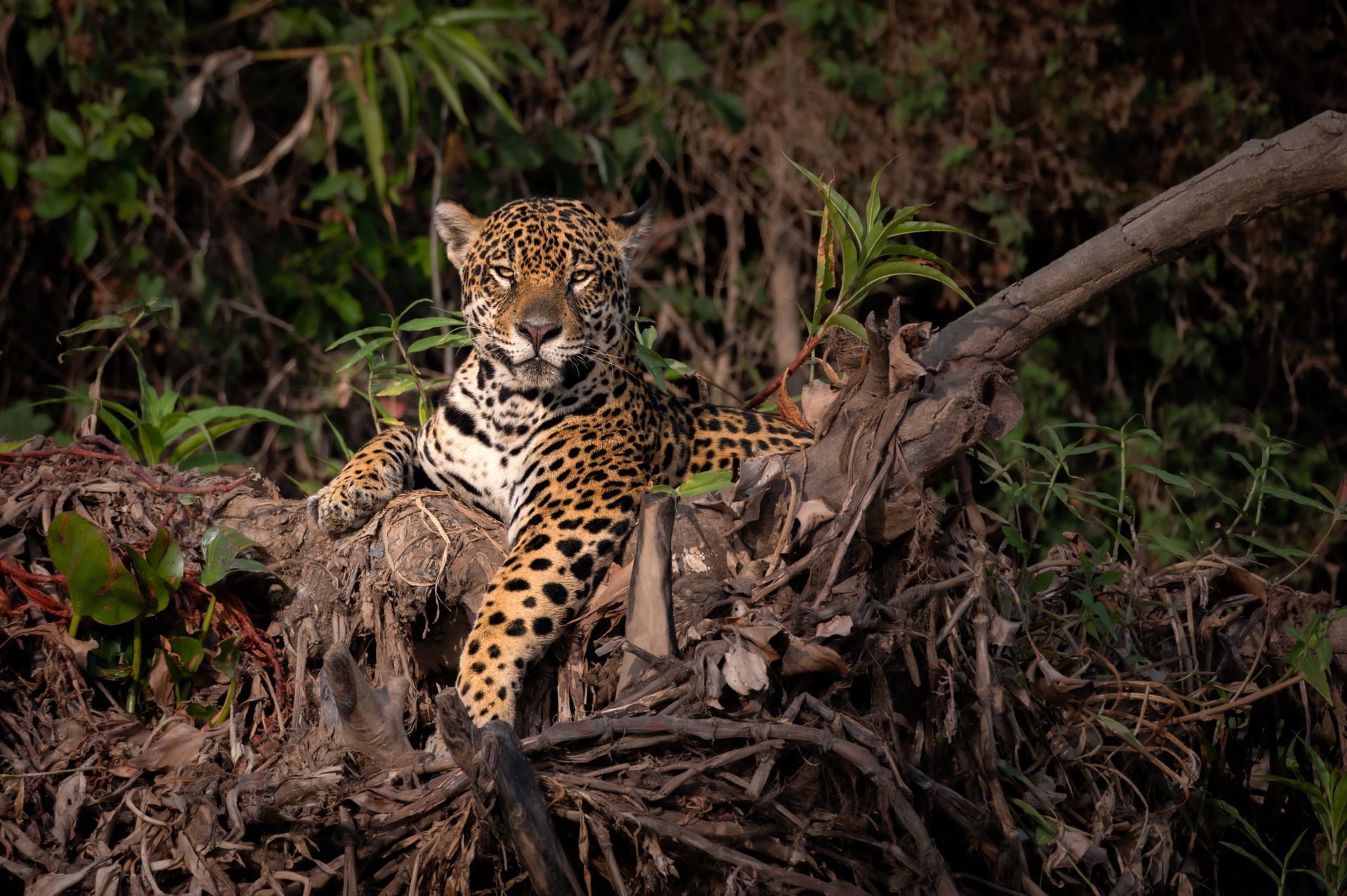
Spectacled Bears, mountain tapirs, and other larger cloud-forest wildlife are far less predictable. Photographing them requires targeted locations, realistic expectations, and respect for distance. No responsible operator should promise a wild mammal on demand. When an encounter happens, a restrained approach protects both the animal and the integrity of the photograph.
Camera Gear That Earns Its Place in Your Bag
A 400mm or longer lens is exceptionally useful in the cloud forest, especially for small birds that remain high or deep in vegetation. Yet the forest rewards a flexible kit. A 70-200mm or 100-400mm zoom can be the better choice on narrow trails, at hummingbird feeders, or when a large bird suddenly lands close by. A wide-angle lens also deserves space for landscapes, habitat frames, and lodge gardens alive with flowers and mist.
Bring a weather-resistant camera body if you have one, but don't treat weather sealing as a license to leave gear exposed. Carry a rain cover, microfiber cloths, a small absorbent towel, and dry bags or a waterproof backpack liner. In humid conditions,
condensation becomes a real concern when moving between cold, air-conditioned rooms and warm outdoor air. Let sealed equipment acclimate before opening the bag.
A sturdy tripod with a gimbal head is valuable for long telephotos and low-light work, although it can be awkward on steep or crowded paths. A monopod is often a practical compromise. If you travel with flash equipment, pack it so you can deploy it efficiently, not as a complicated production that disrupts birds or fellow photographers.
Field Technique for Mist, Rain, and Dark Backgrounds
Cloud forest exposure is rarely automatic. Bright white mist behind a dark bird can fool metering, while a sunlit patch of leaf can pull attention from an otherwise beautiful subject. Check your histogram often, protect critical highlights, and be willing to use exposure compensation. Shooting RAW gives you important flexibility when the light shifts between shadow and fog.
Autofocus performance can suffer in low contrast or when fine branches cross the subject. Use a small, deliberate focus area, acquire focus on the eye when possible, and avoid chasing every movement through the viewfinder. With active birds, short controlled bursts are usually more useful than holding the shutter down continuously.
Rain is not always a reason to stop. Light rain can create a rich, saturated palette, and droplets on leaves add depth. Heavy rain, lightning, or trail conditions that compromise safety are different matters. Protect yourself first, then your equipment. A missed frame is never worth a fall on a steep, muddy slope.
A Colombian Cloud Forest Photography Guide to Ethical Access
The strongest wildlife images begin with strong field ethics. Keep a respectful distance, avoid blocking trails or feeding stations, and follow the guidance of local staff at reserves and private properties. Never push through vegetation for a cleaner angle if doing so damages plants, disturbs a nesting area, or changes an animal’s behaviour.
Feeders can provide outstanding opportunities and, in many places, support local livelihoods and habitat protection. Don't treat them like a studio where wildlife is controlled. Give birds space, limit noise and crowding, and respect any rules around flash, perches, or viewing positions. The same principle applies to playback: it may be restricted or inappropriate, particularly with sensitive species.
In Colombia, relationships with rural families, community reserves, Indigenous communities, and local conservation initiatives protect many productive birding landscapes. Hiring local guides, staying at locally rooted lodges, and respecting site rules turn a photography trip into meaningful support for the people protecting these forests.
Build Time Into the Itinerary
Cloud forest photography is not efficient in the narrow sense. A road can delay a road, trails take longer at altitude, and a single good perch may hold your attention for an hour. Build in enough nights at each location so weather doesn't dictate the entire result. Two rushed mornings rarely replace four patient ones.
This is where coordinated local planning makes a genuine difference. The right route connects productive elevations, dependable lodging, trusted drivers, and sites with realistic access to your target species. Retorno Photo Tours designs expeditions around that field reality, leaving photographers more time to work the light and less time solving logistics on the road.
Pack for warm days, cool damp mornings, and wet footing. Waterproof hiking boots with good grip, breathable layers, a rain shell, and insect protection are more useful than bulky clothing that limits movement. Hydration and pacing matter at altitude, even when the air feels cool.
The cloud forest will not give you a perfect studio. It gives you something better: wild subjects, changing weather, and images that capture Colombia’s living Andes. Arrive ready for the rain, slow down when the mist rolls in, and let the forest tell you when the frame is ready.