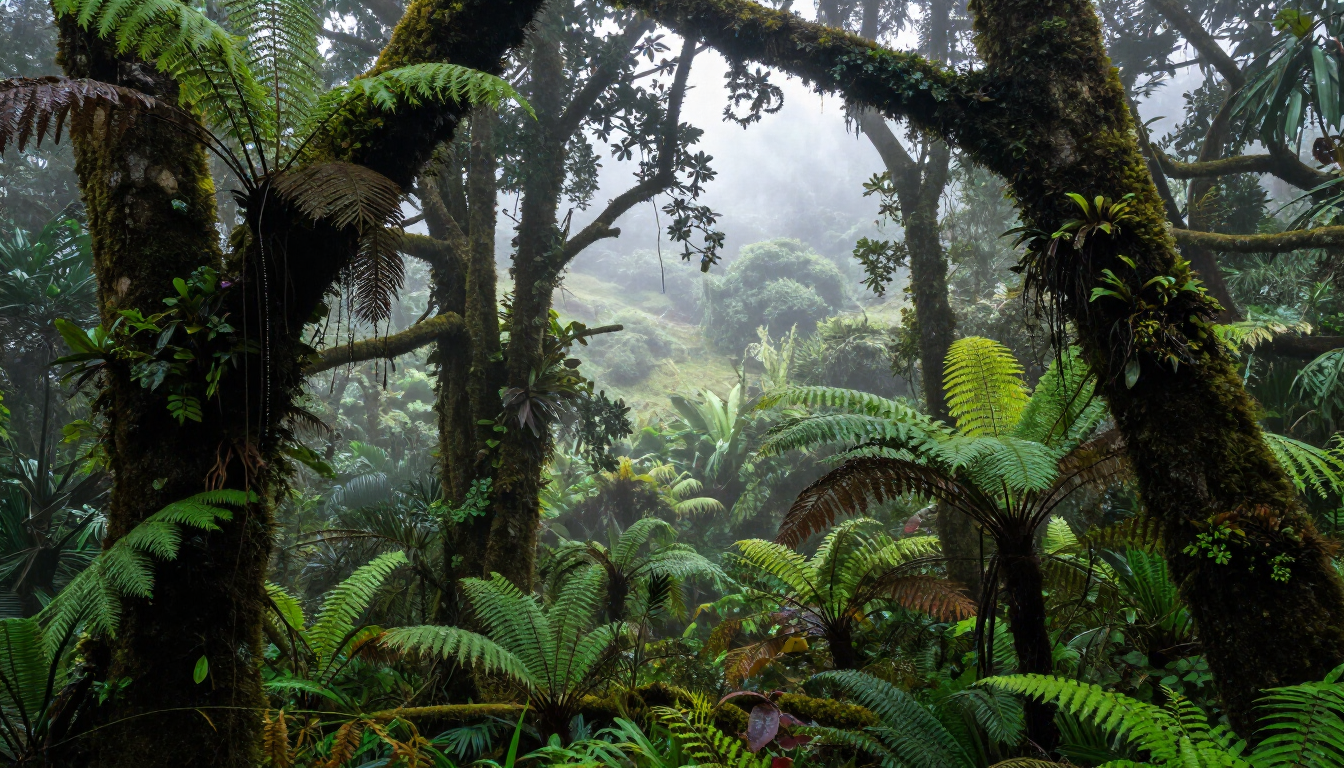
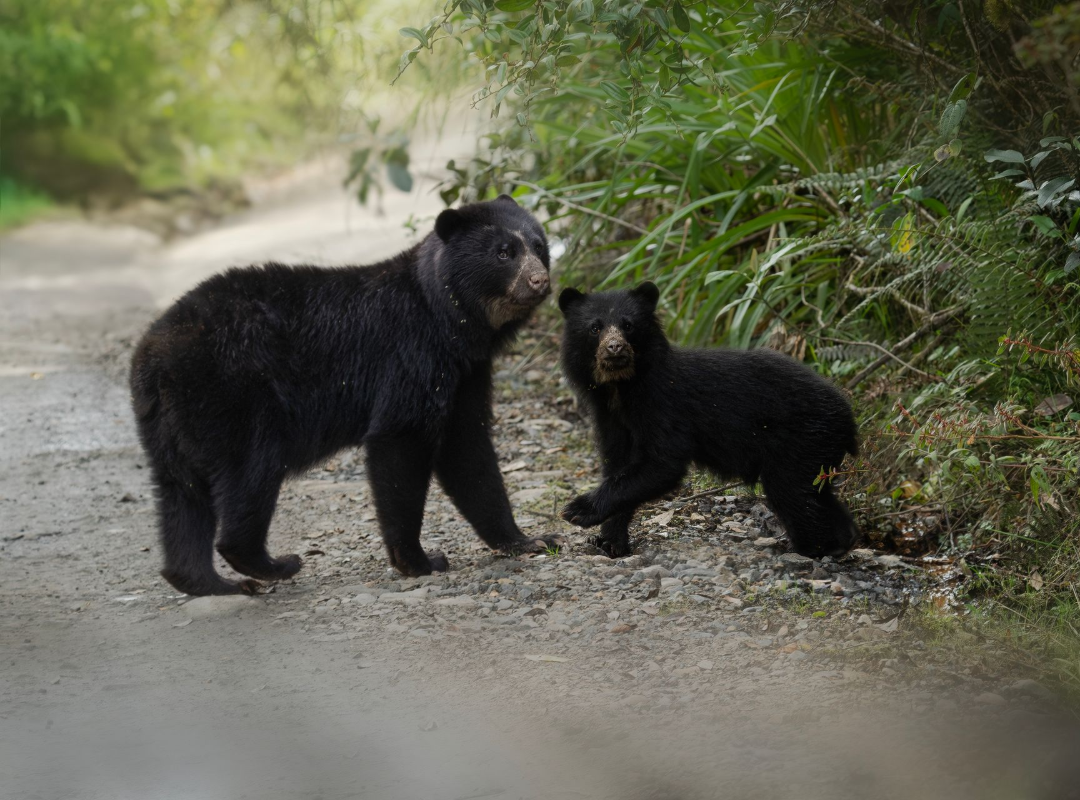
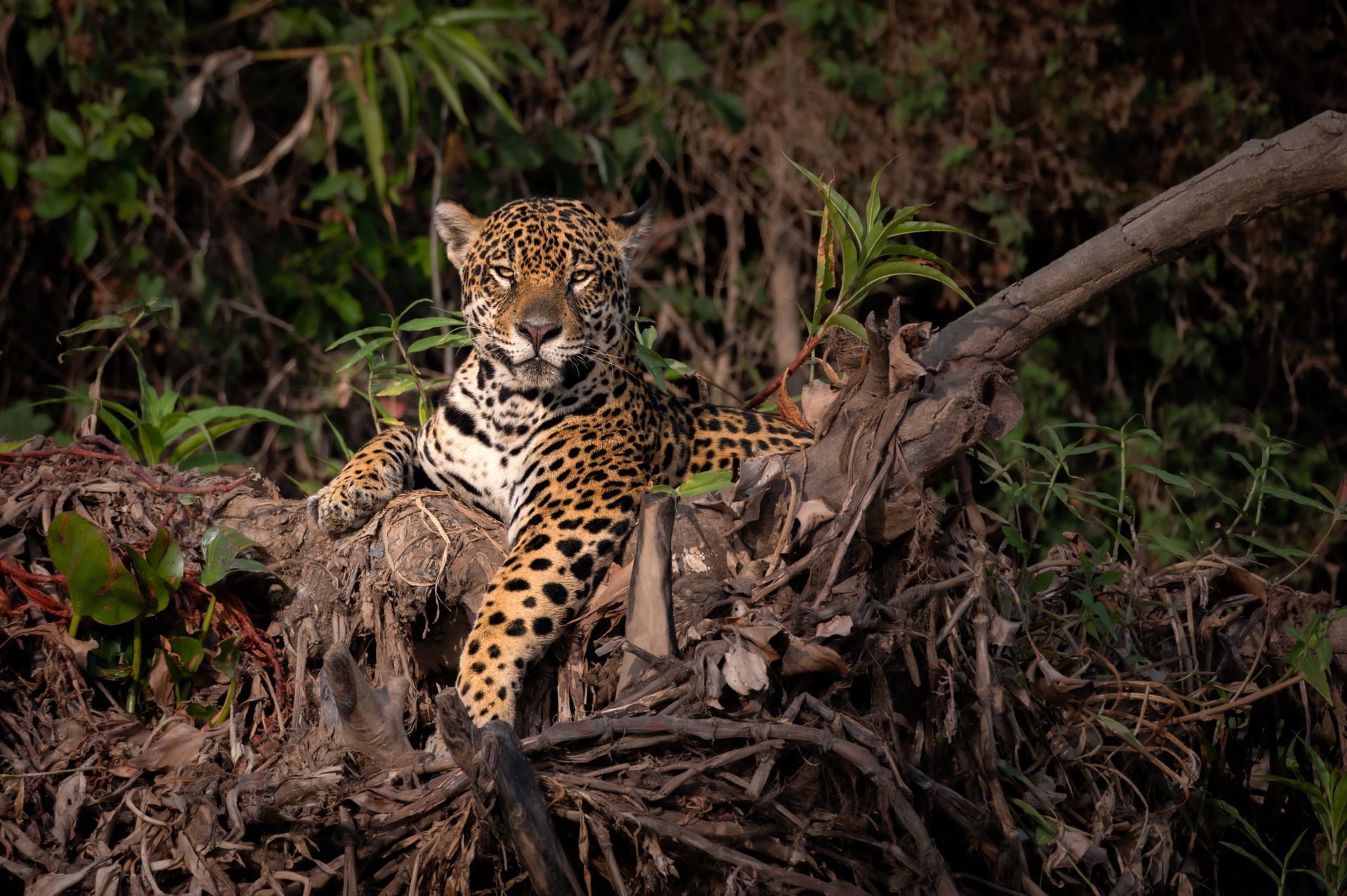
A Harpy Eagle does not appear on a timetable. Neither does a Spectacled Bear stepping out of an Andean cloud forest, a jaguar pausing along a Pantanal riverbank, or a hummingbird briefly choosing the perfect perch. Private safaris give photographers the one resource these encounters demand most: the freedom to stay alert, adjust the plan, and give a promising moment the time it deserves.
For serious wildlife photographers, a private journey is not simply a more exclusive version of a group trip. It is a photographic expedition shaped around your target species, preferred pace, equipment, comfort expectations, and available travel dates. In a country as biologically rich and geographically varied as Colombia, that flexibility can make a meaningful difference to both your portfolio and your experience in the field.
What Private Safaris Change in the Field
A fixed-date small-group tour offers tremendous value, shared expertise, and the pleasure of travelling with people who understand why a tanager in perfect light can make a morning. But it must balance the interests and schedules of several photographers. A private itinerary begins with a different question: what do you most want to photograph?
Perhaps your priority is
Colombia’s endemic birds, from Santa Marta specialties to elusive Chocó species. Perhaps you want long hummingbird sessions, a carefully paced search for the
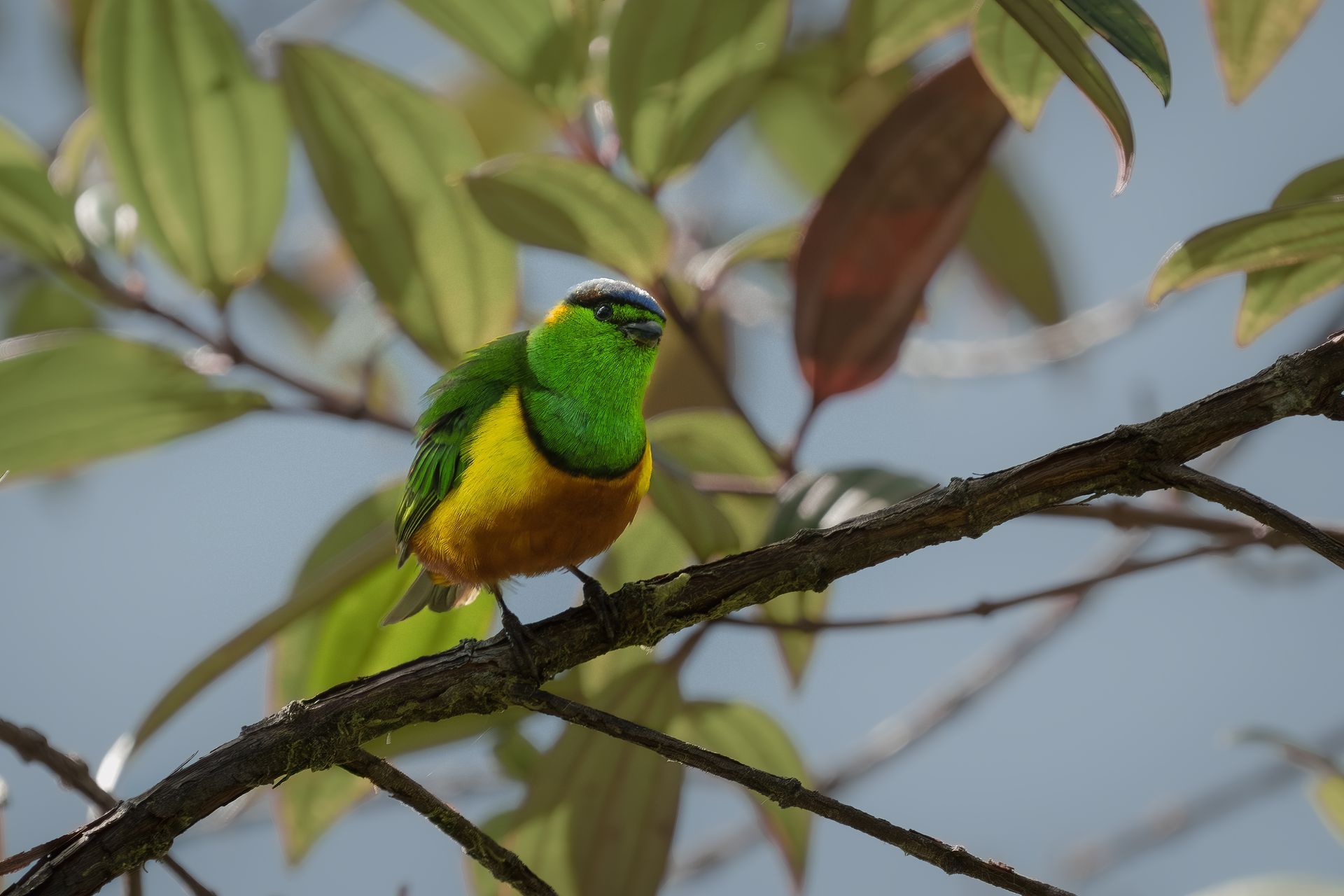
Harpy Eagle, or an itinerary that pairs colourful tanagers with frogs, butterflies, and mammals. Your answer shapes the route, the number of nights in each location, transfer timing, and the guides assigned to your expedition.
This is particularly valuable when conditions change. Rain may make a forest trail less practical, a fruiting tree may suddenly become active, or a reliable owl stakeout may require an early departure. With a private vehicle and a dedicated team, the day can respond to what the landscape is offering instead of following a schedule for its own sake.
Build the Safari Around the Images You Want
The best private safaris are built from photographic priorities, not from a checklist of destinations. That means discussing more than a species wish list before the trip begins. Your guide should understand whether you prefer clean-background portraits, environmental compositions, flight photography, behavioural images, or a mix.
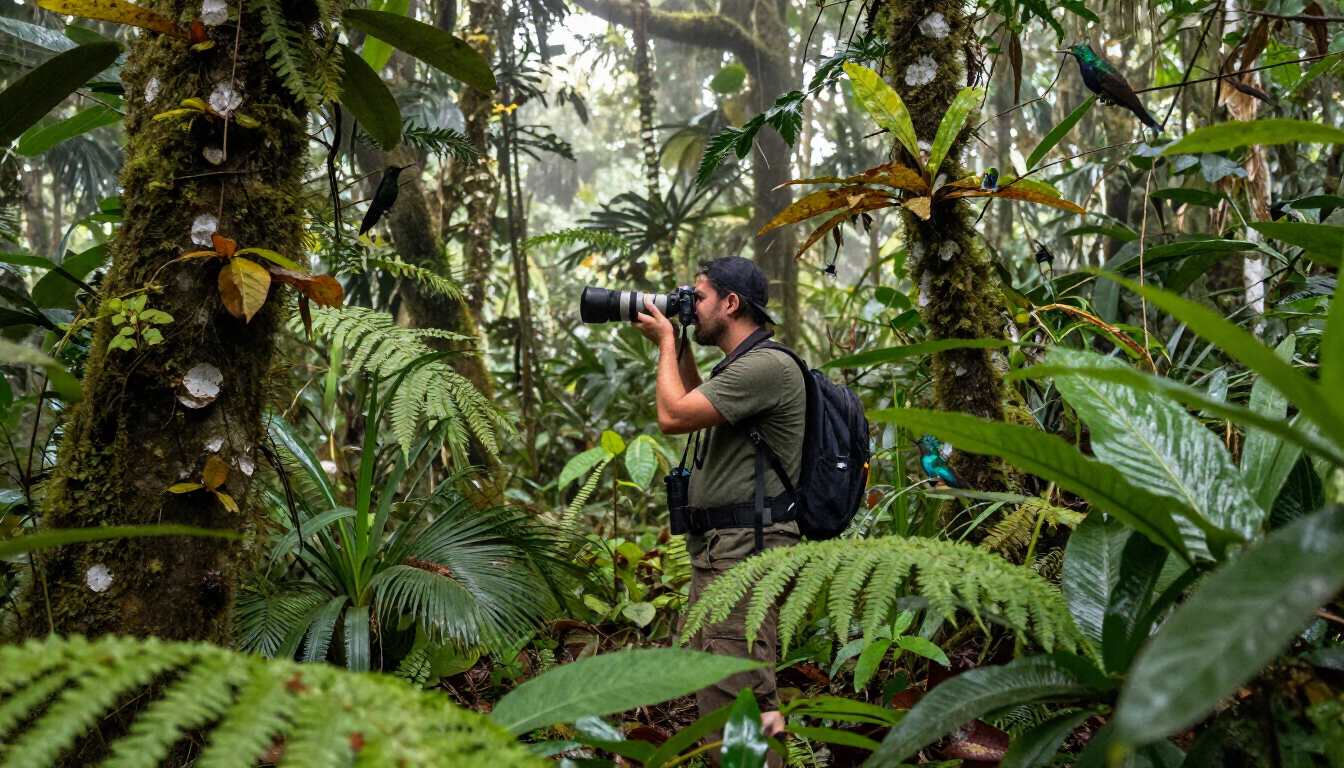
A photographer hoping to capture hummingbirds with flash has different needs from one working exclusively with natural light. A birder carrying a 600mm lens may welcome a slower route with fewer hotel changes, while a traveller who wants broad habitat coverage may accept earlier starts and longer drives. Neither approach is better. The right choice depends on the images you want to make and how you prefer to work.
Allow Time for the Unplanned
The strongest wildlife images often come after you've already photographed the target bird. Once the pressure of getting a record shot is gone, you can wait for better light, a more natural pose, a second individual, or an interaction that tells a fuller story.
That is why an itinerary with breathing room matters. A private safari can add a second morning at a productive lodge, hold position near an active feeding tree, or return to a location when weather improves. It cannot guarantee a rare animal, and any operator who promises that should be viewed with caution. It can, however, put you in the best possible habitat with the time, local knowledge, and ethical patience needed for a real opportunity.
Local Knowledge Is Part of the Equipment
A long lens, sturdy tripod, rain cover, and reliable camera body all matter. Yet in remote wildlife country,
local knowledge is just as essential. Knowing which road is passable after a storm, when a particular lek is active, which community guide has recently heard a target species, or how to approach a location without disturbing wildlife can save hours and protect fragile habitats.
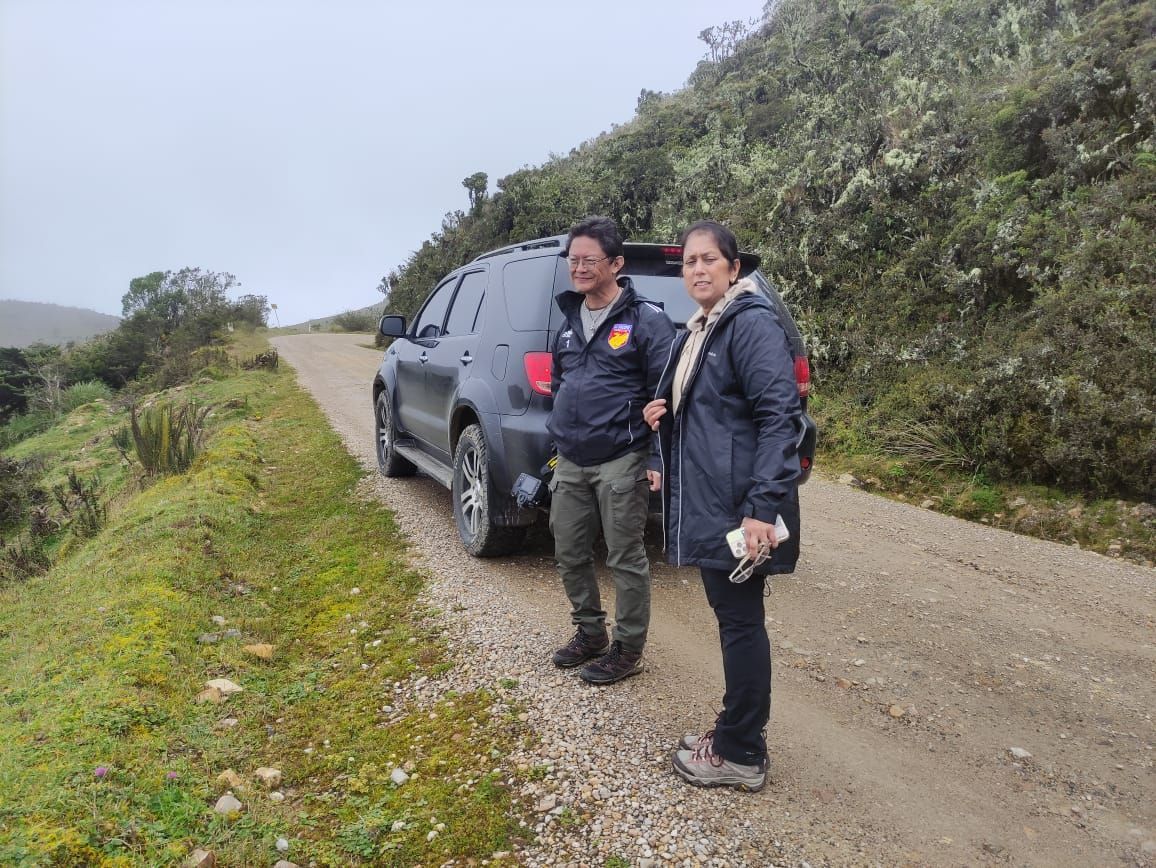
Colombia’s ecosystems change quickly across relatively short distances. A morning may begin in cool Andean forest and end in a warm river valley. Access can involve mountain roads, boat transfers, private reserves, rural properties, and trails where proper footwear is more useful than another pound of camera gear. Thoughtful coordination turns that complexity into productive time in the field.
At Retorno Photo Tours, we plan private expeditions with specialist guides, trusted local partners, and practical attention to transport, lodging, meals, safety, and field conditions. The goal is not to rush photographers through a country list. The goal is to create a secure, well-supported journey where wildlife and photography remain central.
Comfort Should Support the Photography
Private does not have to mean lavish at every stop. In biodiverse regions, the most productive location may be a comfortable, characterful lodge near the forest rather than a luxury hotel hours away. The better question is whether the accommodations support early starts, reliable rest, equipment charging, good meals, and sensible access to the habitats you came to photograph.
For some travellers, private travel means choosing upgraded rooms, more spacious vehicles, and slower transfer days. For others, it means accepting simpler lodging in exchange for extra time near rare endemics or a remote Amazonian observation site. A well-designed itinerary makes these trade-offs visible before arrival, not after a long drive.
Your physical needs also deserve a direct conversation. Tell your operator about mobility considerations, dietary requirements, preferred walking distances, medical concerns, and your tolerance for heat, humidity, altitude, or boats. This is not a limitation on adventure. It makes a safari realistic, safe, and enjoyable from the first field session to the last.
Ethical Access Makes Better Wildlife Experiences
Private access carries responsibility. The best wildlife photography does not push an animal from a perch, block its route, overuse playback, crowd nests, or prioritize a close frame over an animal’s welfare. A meaningful image should never come at the cost of stressed wildlife or damaged habitat.
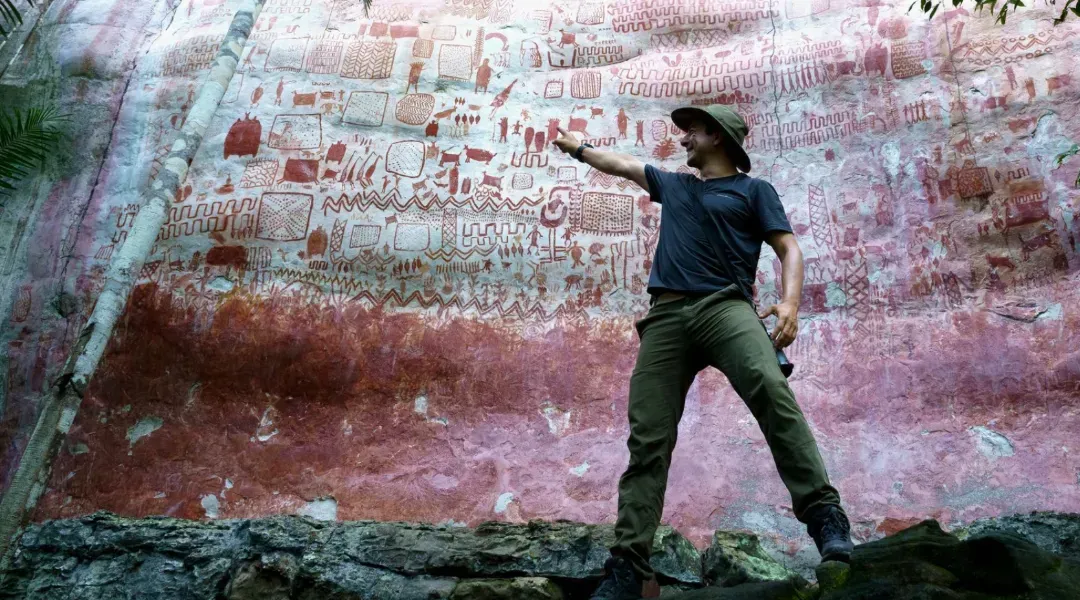
Ethical private safaris work with local communities, landowners, Indigenous and Afro-descendant partners, and rural families whose knowledge and stewardship make access possible. When tourism revenue supports local livelihoods and habitat protection, photography becomes part of a larger conservation story. You are not only visiting a place to collect images. You are helping create value for the living landscapes that make those images possible.
This approach also improves the experience. Local guides often notice a call, track a seasonal change, or understand a species’ behaviour in ways no generic itinerary can reproduce. Respectful relationships open doors, but they also create the conditions for quieter, more responsible encounters.
Is a Private Safari Right for You?
A private departure is especially worthwhile when your travel dates are fixed, your target list is highly specific, or you want to travel with a partner, family member, or a small circle of photography friends. It is also a strong option if you want to combine different interests, such as bird photography for one traveller and mammals, reptiles, or landscapes for another.
The trade-off is cost. Private vehicles, dedicated guides, tailored logistics, and customized routing cost more per person than a scheduled group departure. For solo photographers, a small-group tour may offer exceptional photographic access at a more accessible investment. For couples, friends sharing a vehicle, or photographers with very focused objectives, private travel can offer value beyond comfort.
Before committing, clarify your non-negotiables. Share your target species, photographic style, dates, budget range, preferred lodging level, and the gear you plan to bring. Ask how much time is allocated to each habitat, what happens when weather changes, and how the itinerary protects both wildlife and your ability to photograph it well.
The right private safari leaves room for surprise. It gives you a skilled team, a purposeful route, and enough patience to remain present when the forest finally offers the moment you travelled so far to see.