
The Enigmatic Andean Motmot: Unique Shots from Colombia's Cloud Forests
The Andean Motmot (Momotus aequatorialis) is a striking bird of the cloud forests, known for its long racket-shaped tail, iridescent green plumage, and captivating red eyes. Often perched silently on a branch under the canopy, the Andean Motmot offers a unique and almost mystical photographic subject for nature lovers and bird photography enthusiasts. This guide provides insight into where to find this elusive bird, what makes it a special photo target, and how to capture compelling images in its natural Colombian habitat.
Where to Spot the Andean Motmot in Colombia
Colombia’s lush Andean region is one of the most reliable places to observe the Andean Motmot. Ideal spots include:
- Otún Quimbaya Fauna and Flora Sanctuary: Near Pereira, this reserve offers dense forest trails and regular sightings of the Motmot.
- Rio Blanco Reserve: Located in Manizales, this site is excellent for photographing multiple bird species, including the Andean Motmot.
- La Romelia Nature Reserve: A lesser-known but fruitful area for quiet observation and nature photography.
- Reserva Natural Bellavista: In Antioquia, offers incredible biodiversity in the mid-elevation forest zone.
Local guides and early morning visits improve your chances significantly, as the Motmot is active and vocal at dawn.
The Andean Motmot’s Photographic Appeal
The Motmot is a photographer’s dream due to its distinctive appearance and posture:
- Color Palette: A mix of emerald, turquoise, and cobalt feathers contrasts beautifully with the forest greenery.
- Tail Movement: Their signature tail motion—swinging like a pendulum—is a behavioral trait that adds dynamic interest.
- Still Perches: Unlike many birds, the Motmot often remains motionless, allowing ample time to compose shots.
These features make it perfect for both beginner and seasoned wildlife photographers.
Best Time and Conditions for Photography
- Time of Day: Early morning (6:00–9:00 AM) and late afternoon (4:00–6:00 PM) are ideal for lighting and bird activity.
- Season: The dry seasons (December–March and July–August) provide more stable weather and better trail access.
- Lighting: Cloudy bright conditions or light filtering through the canopy provide soft, even exposure without harsh shadows.
Recommended Camera Setup
- Camera Body: Fast autofocus and strong ISO performance (full-frame preferred).
- Lens: A telephoto lens, 400mm or greater, helps capture detailed shots at a respectful distance.
- Tripod/Monopod: Helpful in low light and for long waits.
- Silent Shutter: Reduces disturbance in quiet, close encounters.
- Weatherproofing: The humid forest environment demands sealed lenses and protective gear.
Shooting Techniques
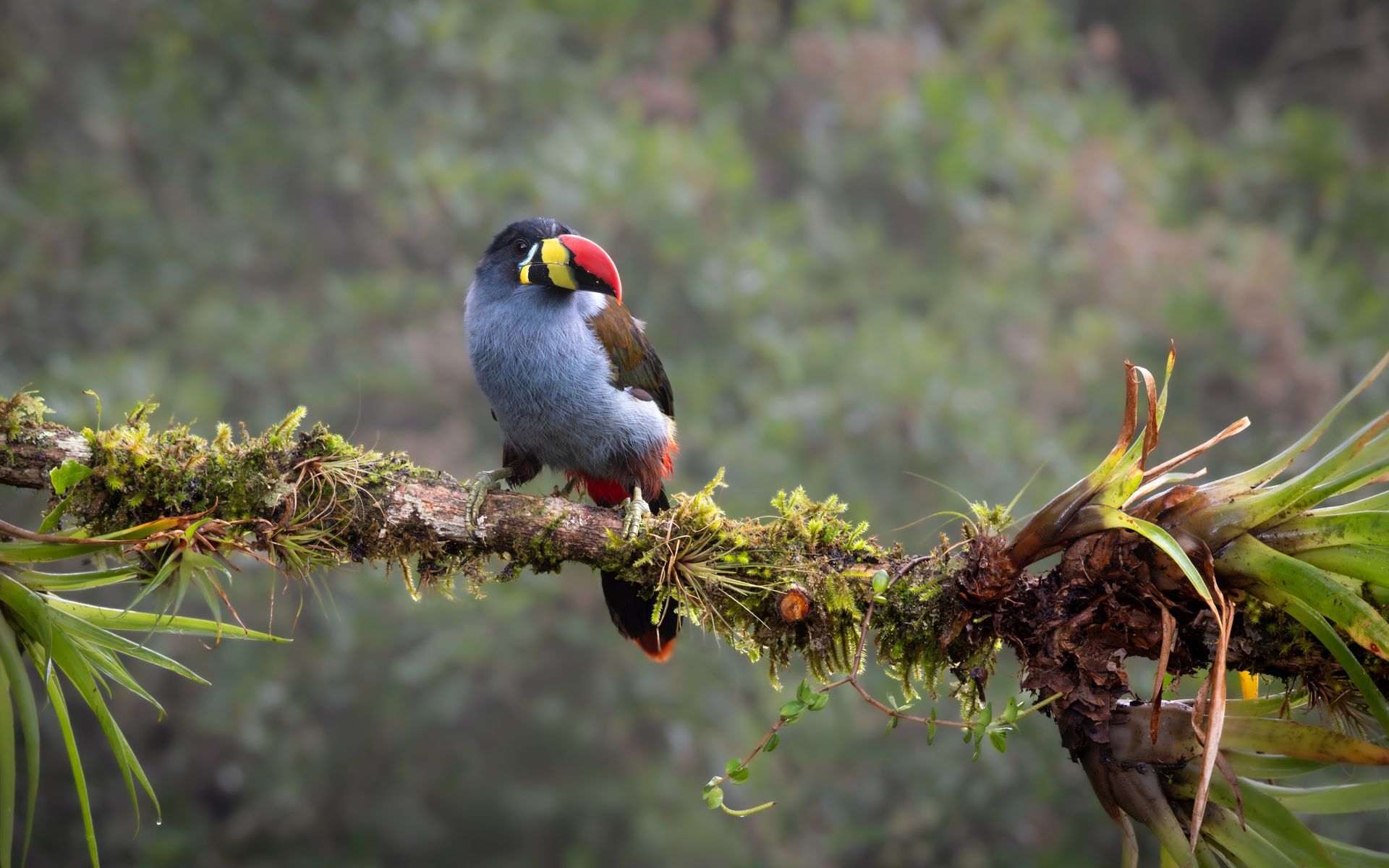
- Compose with Habitat: Include mossy branches or ferns for visual context.
- Capture the Gaze: Focus on the bird’s vivid red eye for an intense, emotive image.
- Wait for the Swing: Be ready to shoot when the tail starts to sway.
- Use Manual or Aperture Priority Mode: Helps manage exposure in dappled forest light.
Ethical and Responsible Photography
- Avoid Flash: Flash may startle the Motmot and disturb its behavior.
- Stay on Trails: Protect undergrowth and reduce habitat disruption.
- Respect Nesting Sites: Do not photograph or approach nests.
- Support Local Conservation: Choose community-based reserves and certified guides.
Why Choose Retorno Photo Tours
At Retorno Photo Tours, we specialize in cloud forest bird photography and offer tailored tours that focus on species like the Andean Motmot. Our advantages include:
- Expert Naturalist Guides: Trained to locate and interpret behavior.
- Motmot Hotspot Access: We take you to known habitats with high visibility.
- Small Group Sizes: For a more intimate and respectful experience.
- Flexible Itineraries: Adjusted for light, weather, and bird activity.
Final Thoughts
The Andean Motmot’s mysterious appearance and forest-dwelling habits make it one of Colombia’s most enchanting birds to photograph. With a balance of patience, preparation, and ethical fieldwork, you can return home with shots that reflect the magic of South America’s cloud forests.
Explore the depths of biodiversity and beauty with
Retorno Photo Tours, and let your lens capture the unforgettable charm of the Andean Motmot.