
A New Season Begins: Harpy Eagle Nest Update
Harpy eagle Nest in Vista Hermosa, Colombia.
by David Casas
There is a particular kind of stillness that settles over the forest when a Harpy Eagle is incubating. High in the canopy, the female now remains fixed on the nest, patient and watchful, while her mate takes on the demanding work of the hunt — sometimes disappearing into the forest for two or three days at a time before returning with food for her.
It is a quiet, powerful rhythm, and one that our team has the privilege of witnessing up close.
Expecting New Life in September
Based on our current observations, we project that the chick will hatch sometime in September 2026 — marking the beginning of an extraordinary new season for anyone hoping to witness and photograph one of the most iconic raptors in the Americas. Few experiences in wildlife photography compare to the moment a Harpy Eagle chick first appears in the nest, and we could not be more excited to share this milestone with our guests.
Our team continues to monitor the pair's behaviour closely, and we'll keep you updated as the season progresses.
More Than Just the Harpy Eagle
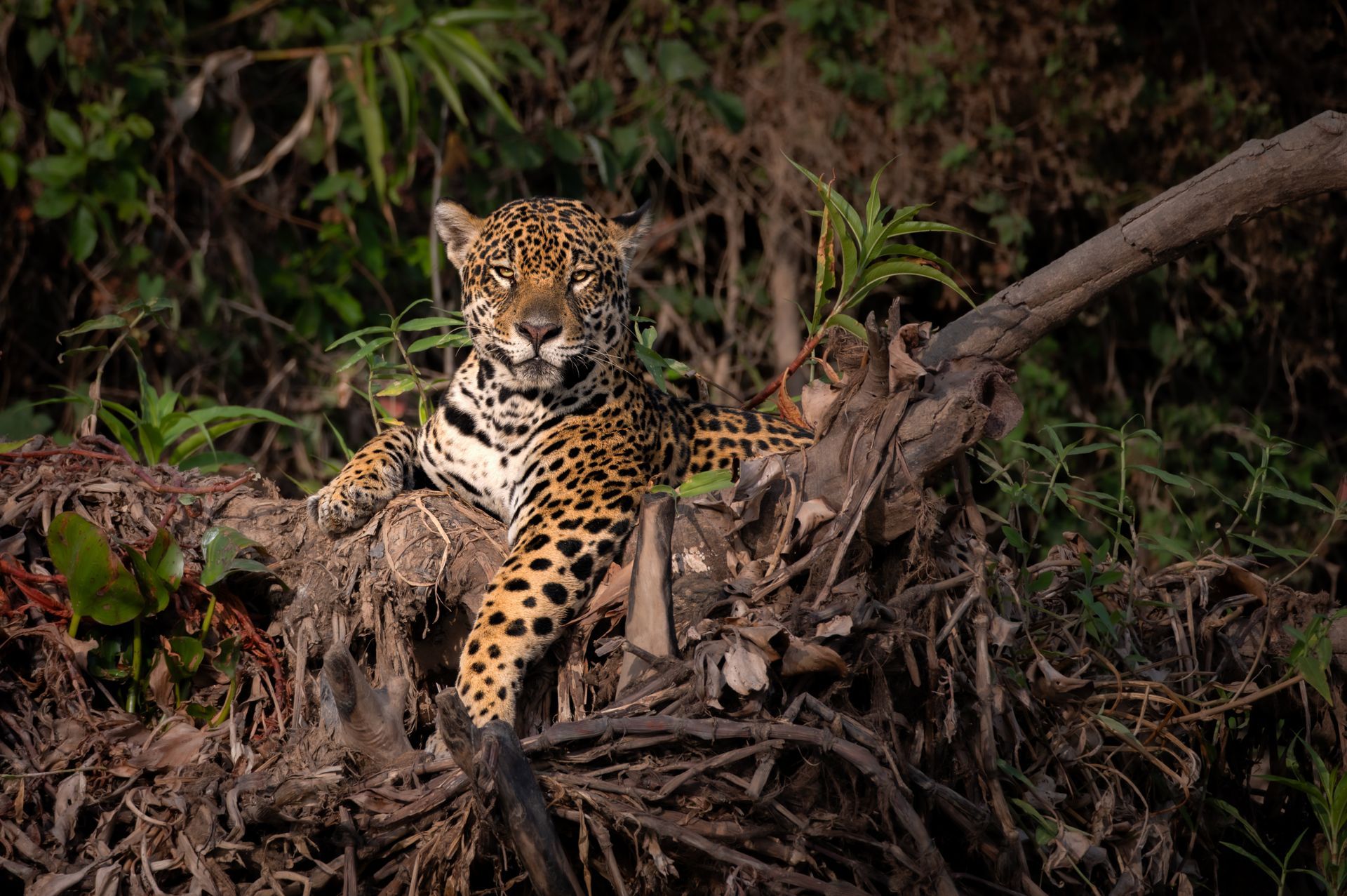
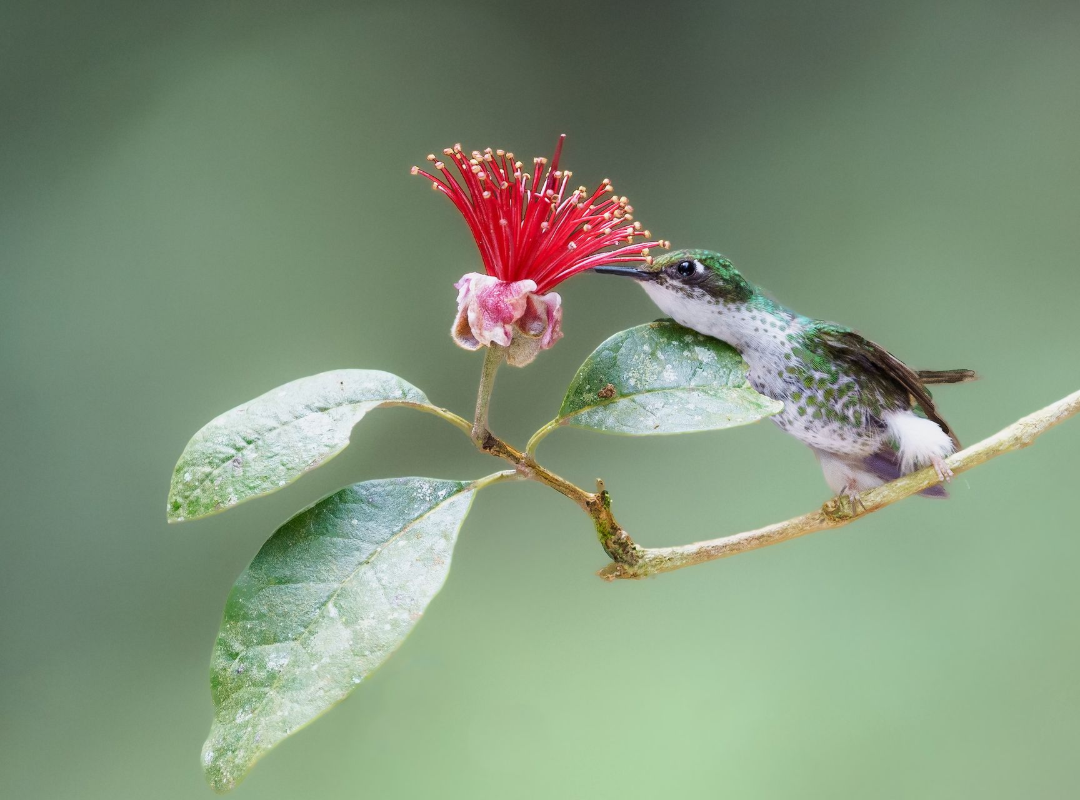
While the nest remains our central focus, the reserve continues to reveal new treasures. Our guides have recently been documenting sightings of two especially exciting species: the elusive bush dog (Speothos venaticus) and the dazzling Spangled Coquette — reminders that this ecosystem has far more to offer than any single species, however extraordinary.
Where You'll Stay
Accommodation at the reserve is intentionally intimate: four safari-style tents, each with a private bathroom, welcoming up to eight guests in total. Every tent can be arranged with two single beds or one double bed, depending on your preference.
What makes the setting truly special is its proximity to everything that matters. The social areas, the accommodations, and the photography hides all sit close together — and from nearly anywhere in the reserve, you can look up and see the very tree where the nest is located.
Hides and Feeding Stations
The reserve offers two dedicated hides for bird photography, purpose-built for moments when the Harpy Eagle nest is active:
- The main hide sits roughly 100 meters from the nest tree.
- A second hide, tucked a little deeper into the forest, offers equally rewarding opportunities for observation and photography.
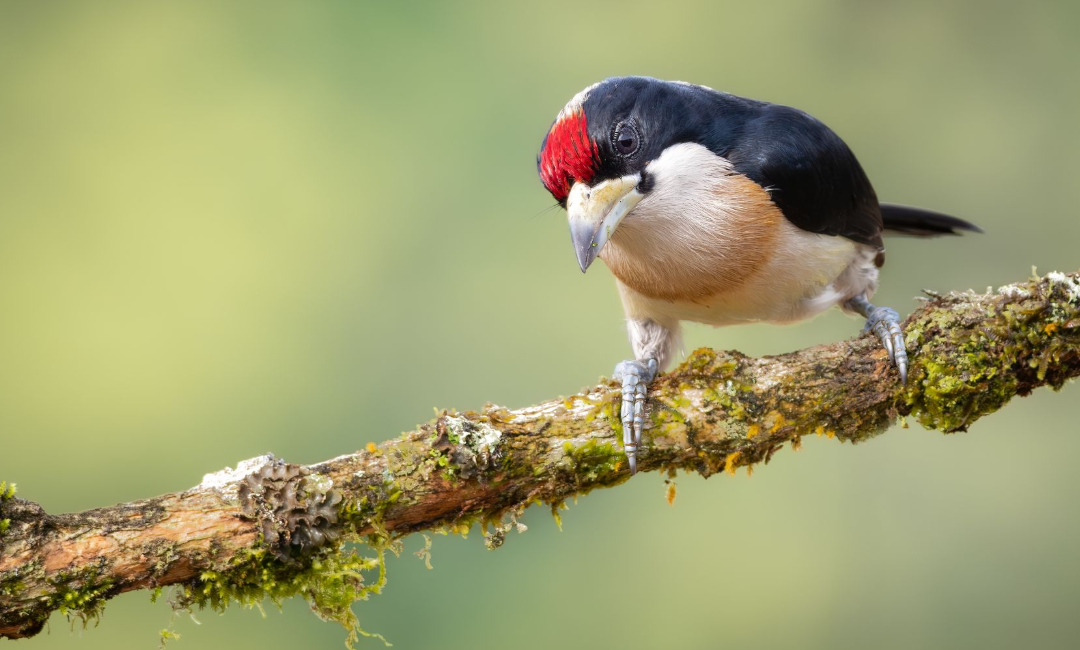
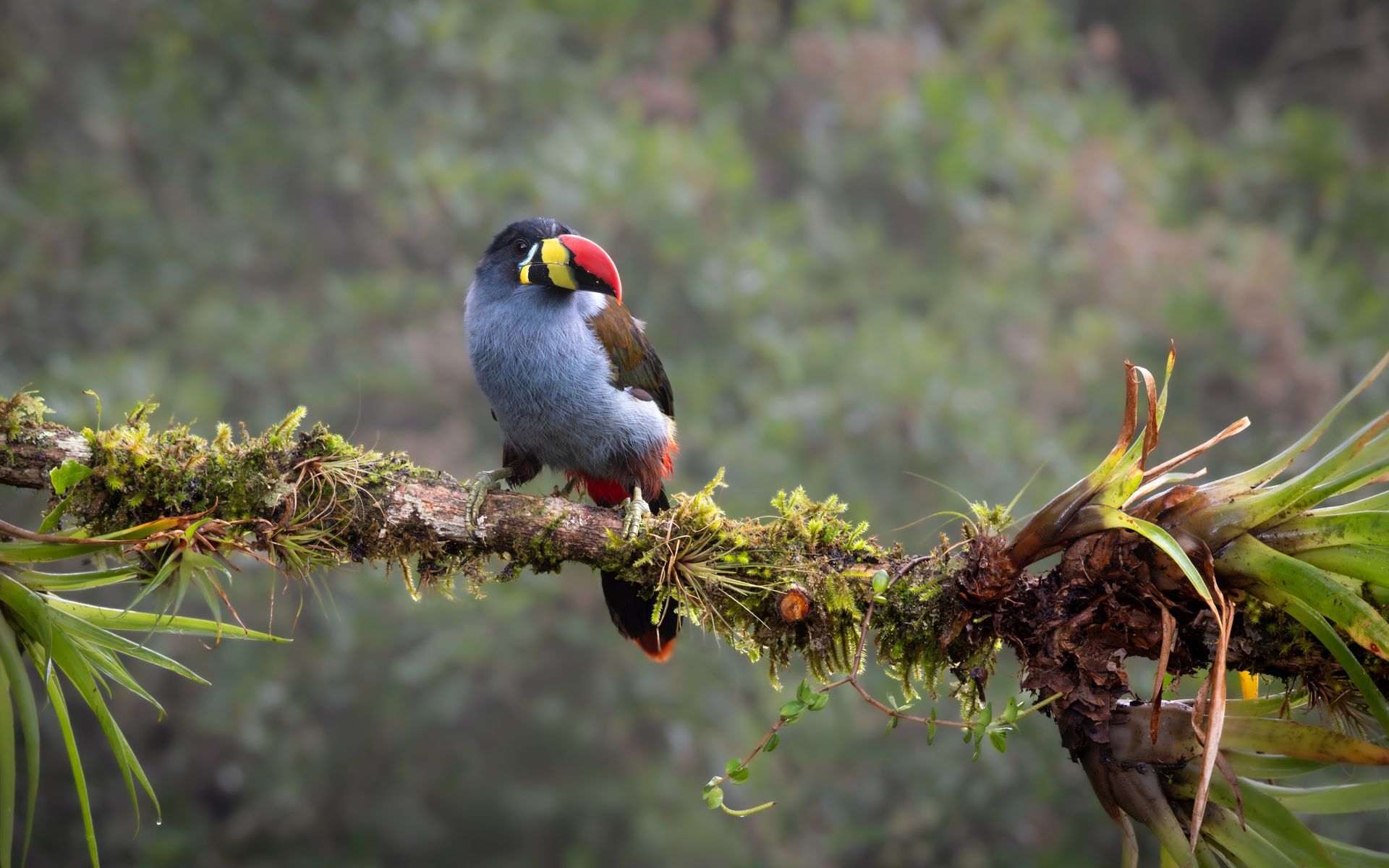
Beyond the hides, our feeding stations attract a wide diversity of bird species — along with several mammals that call this forest home. A visit typically lasts 40 minutes to an hour, offering a wonderful complement to the raptor-focused experience.
Hides are accessible daily between 6:00 AM and 6:00 PM, with time allocations adjusted based on reserve occupancy during your visit. Throughout most of your stay, a local guide will accompany you — leading walks along the reserve's trails in search of additional bird and wildlife species, and helping you time your hide visits to maximize your chances of a memorable sighting.
For those who'd like a preview of what's possible, our reserve's eBird checklist offers a detailed record of species observed on-site.
Getting There: The Journey In
The adventure to reach the reserve is very much part of the experience.
On the day of entry, a driver will meet you at Hotel Posada Monte Real for a 4x4 transfer to the trailhead in the village of Alto Guapaya — a journey of approximately one hour and thirty minutes. Departures typically leave early, at 5:00 AM, though we're happy to adjust timing to suit your group's preferences. We do recommend an early start, as the trek can be physically demanding given the region's warm, humid climate.
Upon arrival at the trailhead, you'll enjoy a breakfast prepared by a local family in Alto Guapaya before beginning the ascent into the reserve alongside your local guide.
The Ascent
The hike into the reserve takes approximately two to three hours, depending on each visitor's pace and physical condition. Our guides adapt to the rhythm of the group, and the walk includes stops along the way to observe and photograph birds and primates encountered en route.
To make the journey easier, luggage is transported by horse (one horse for every two guests), and local porters assist throughout the ascent and descent. This means you'll only need to carry a small daypack with personal essentials and whatever photography equipment you'd like on hand during the walk.
The Return
At the end of the experience, the descent takes place in the afternoon. Your guide will accompany you back to the community, where transport will be waiting to return you to Hotel Posada Monte Real for the night.
Rates and Availability
Program rates from Vista Hermosa vary according to the number of nights spent at the reserve and the size of your group. Detailed information — including our 2026–2027 rate, reserve guidelines, and booking documentation — is available upon request. www.retornophototours.com