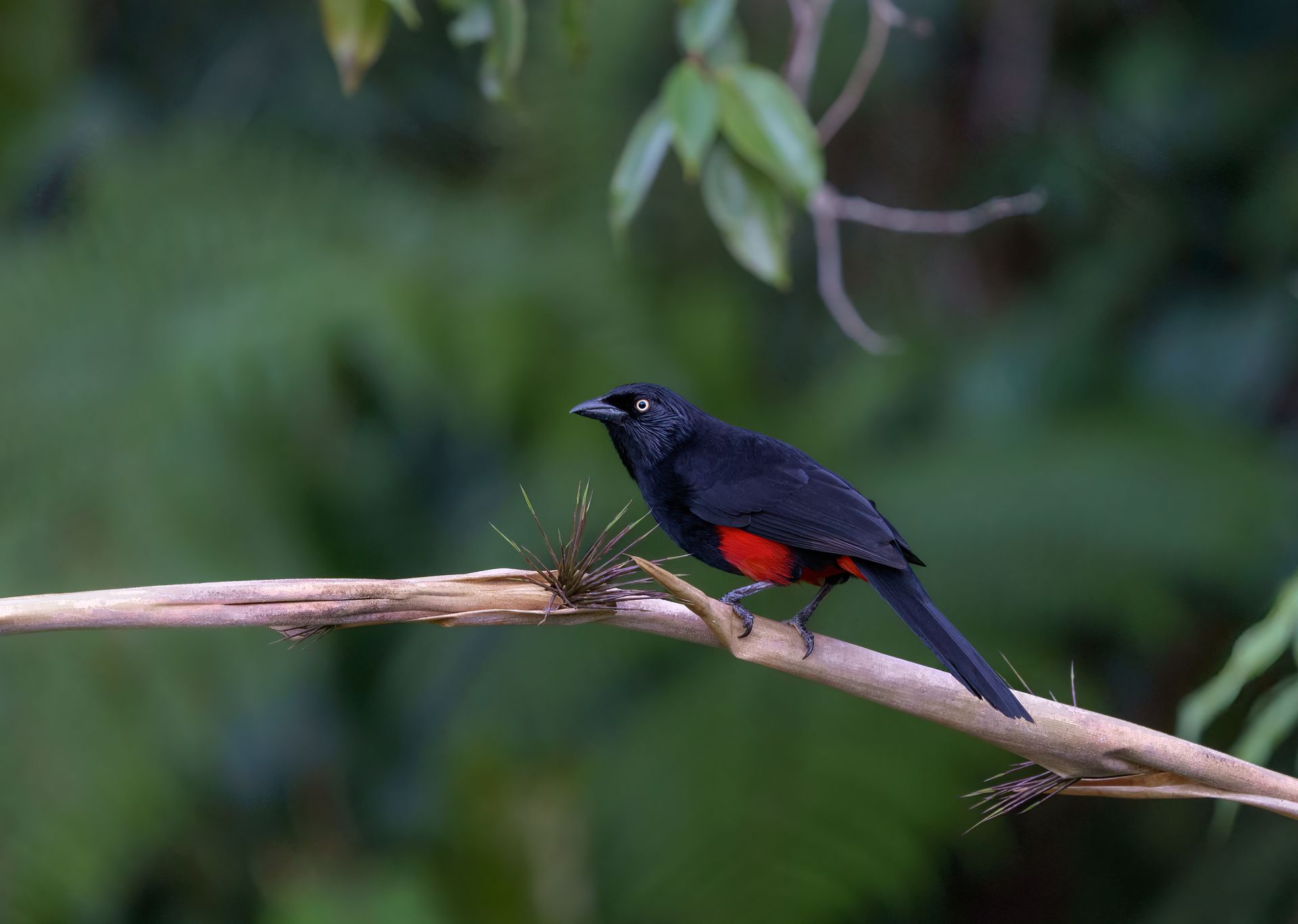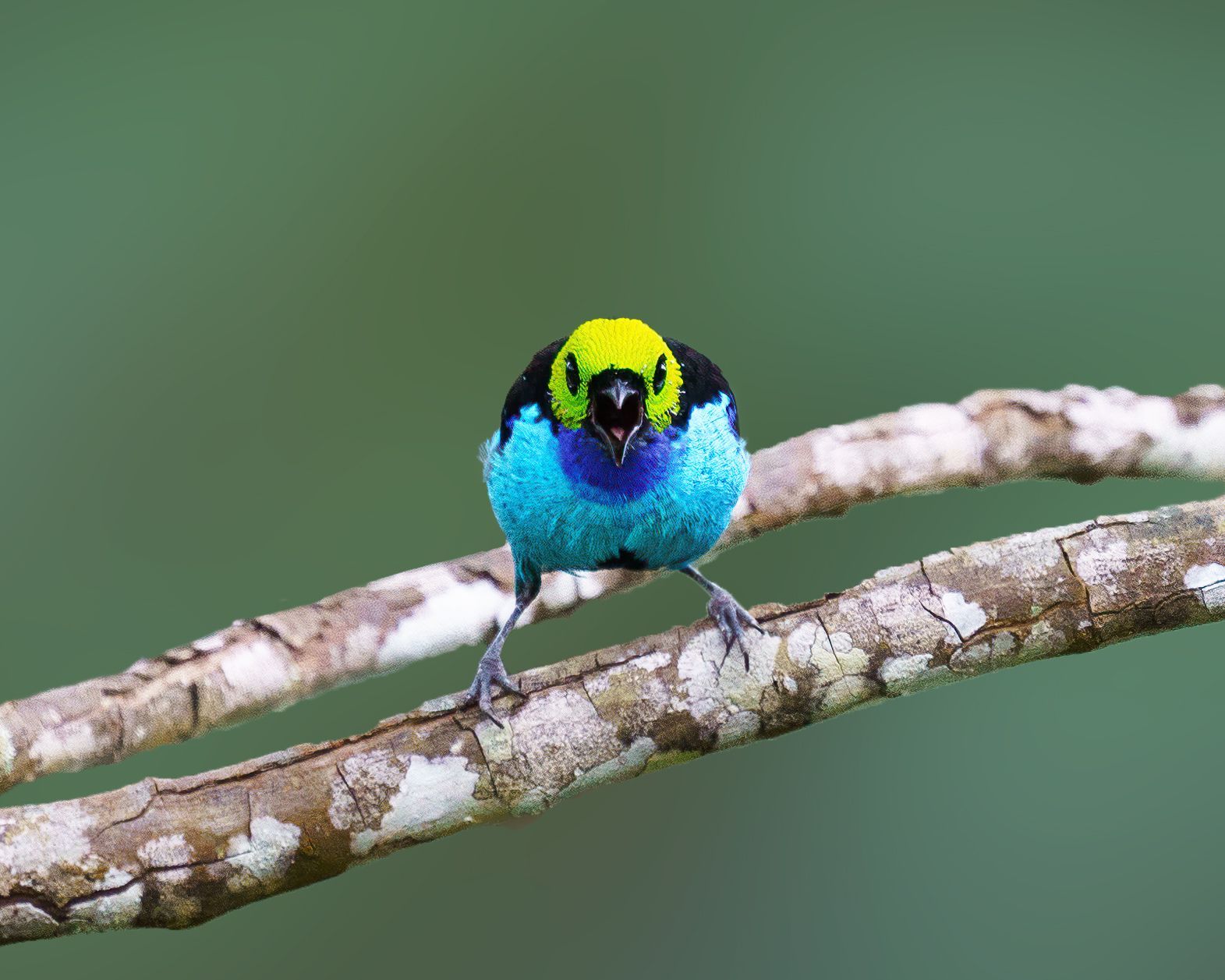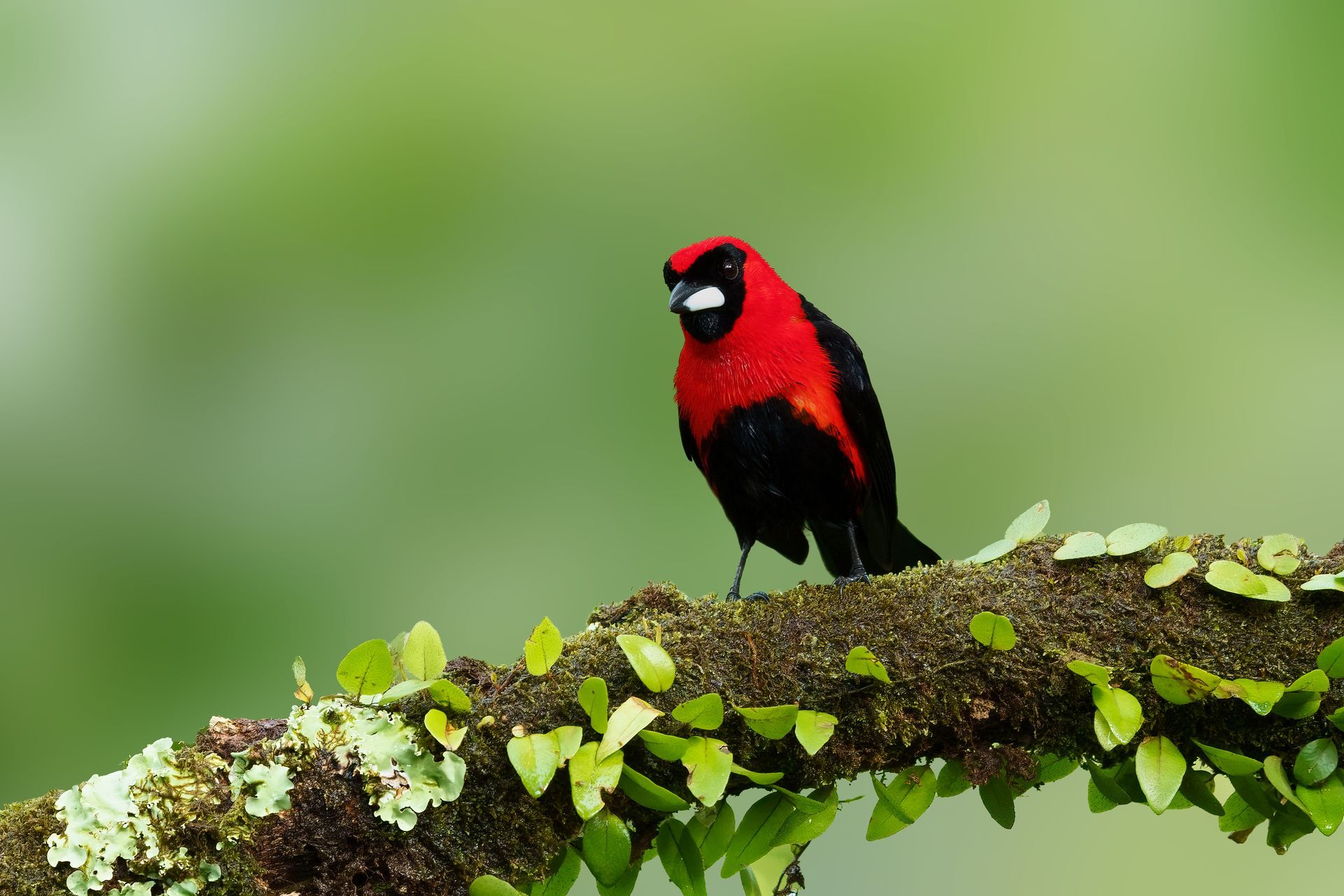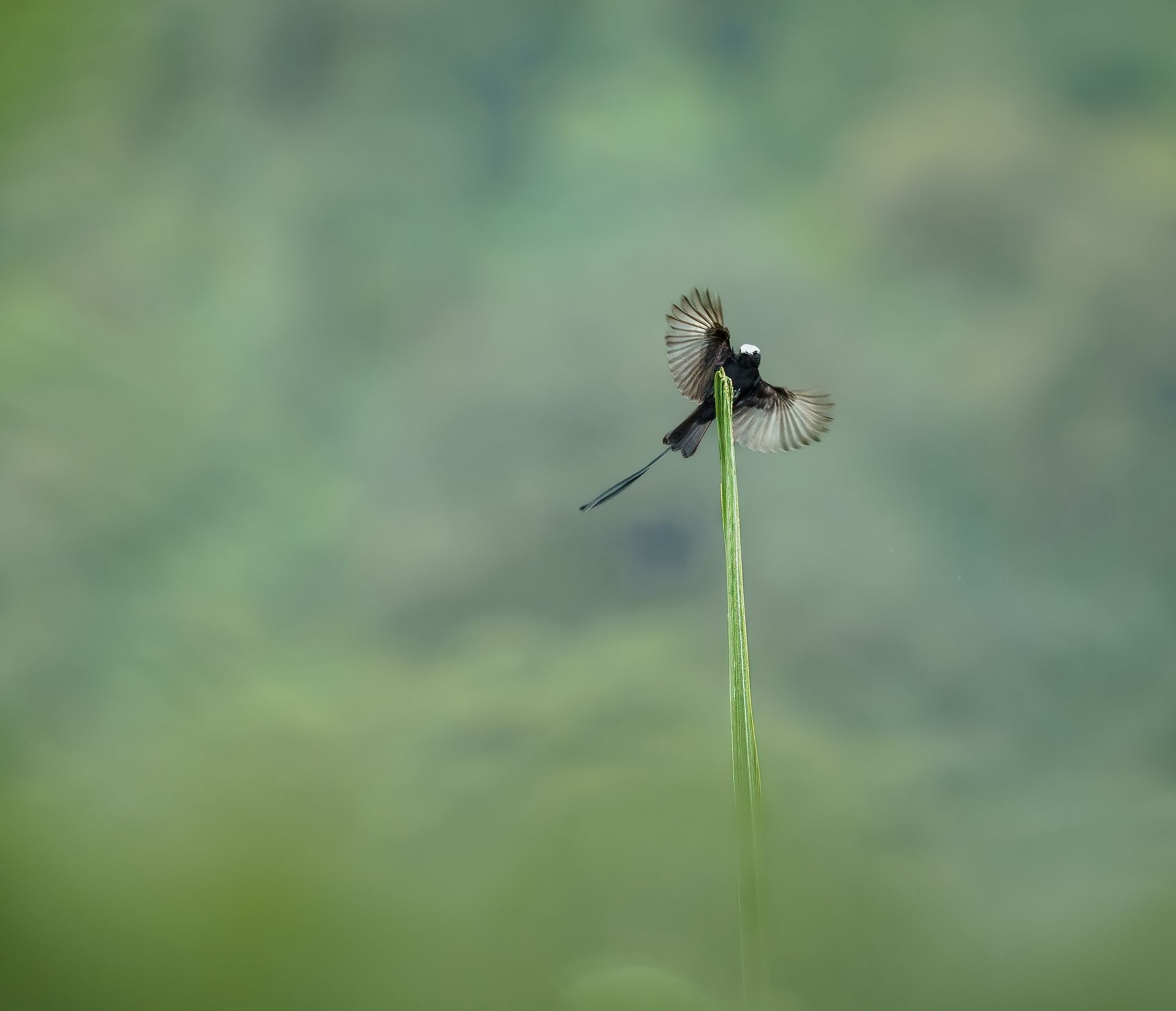

Colombia, The most Biodiverse Country of the World
Colombia’s Birds Need More Than Admiration — They Need Protected Forests
by David Casas
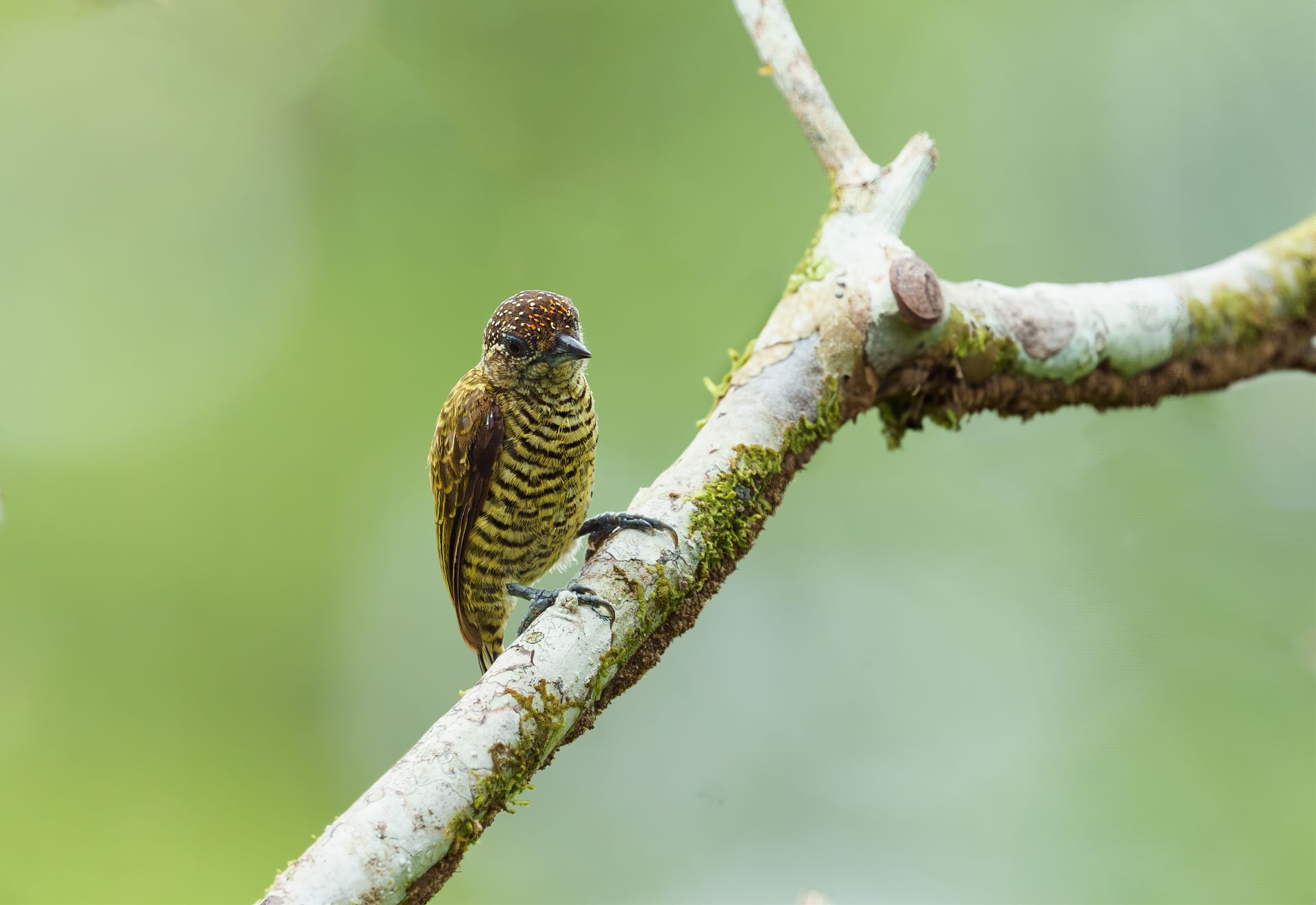
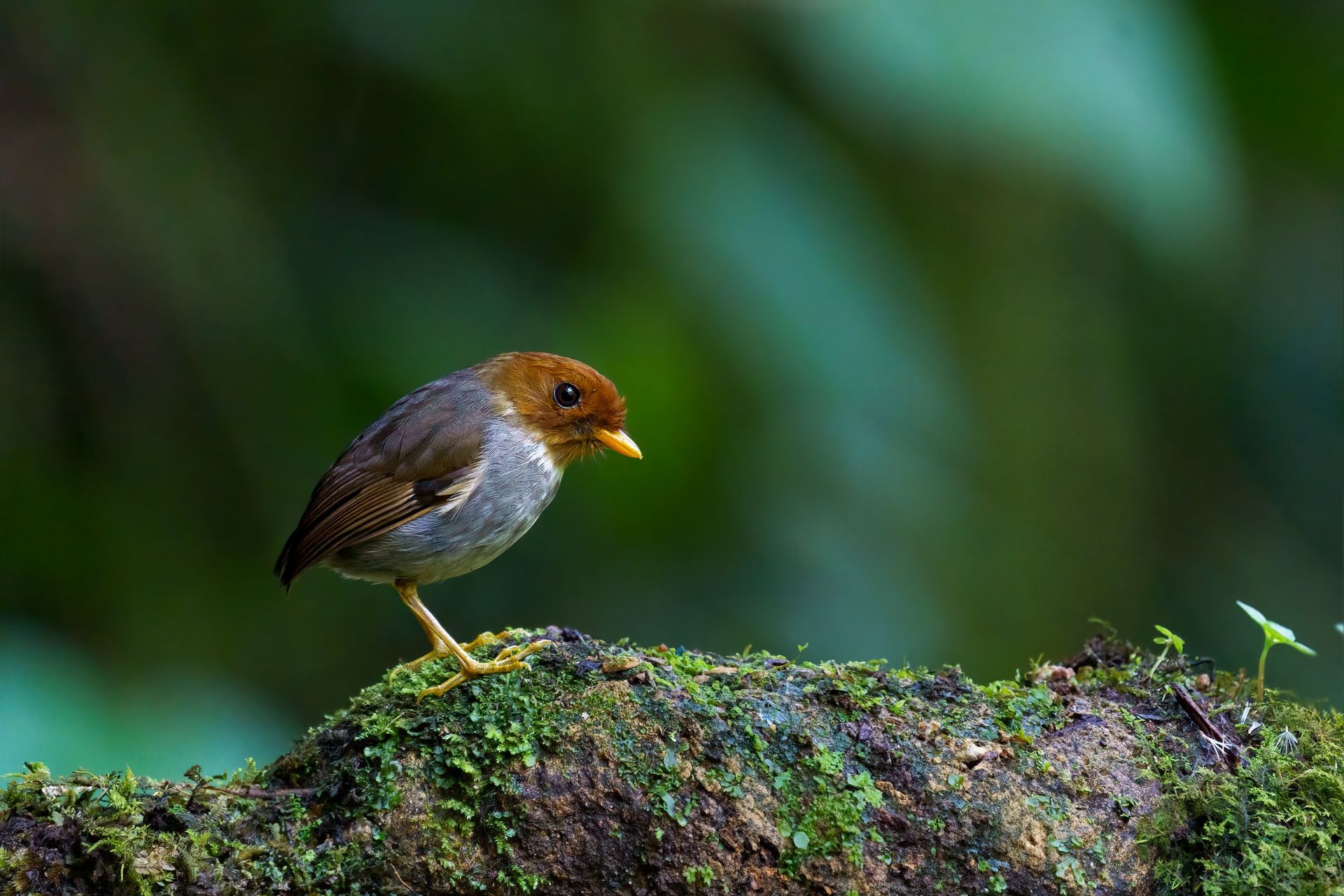
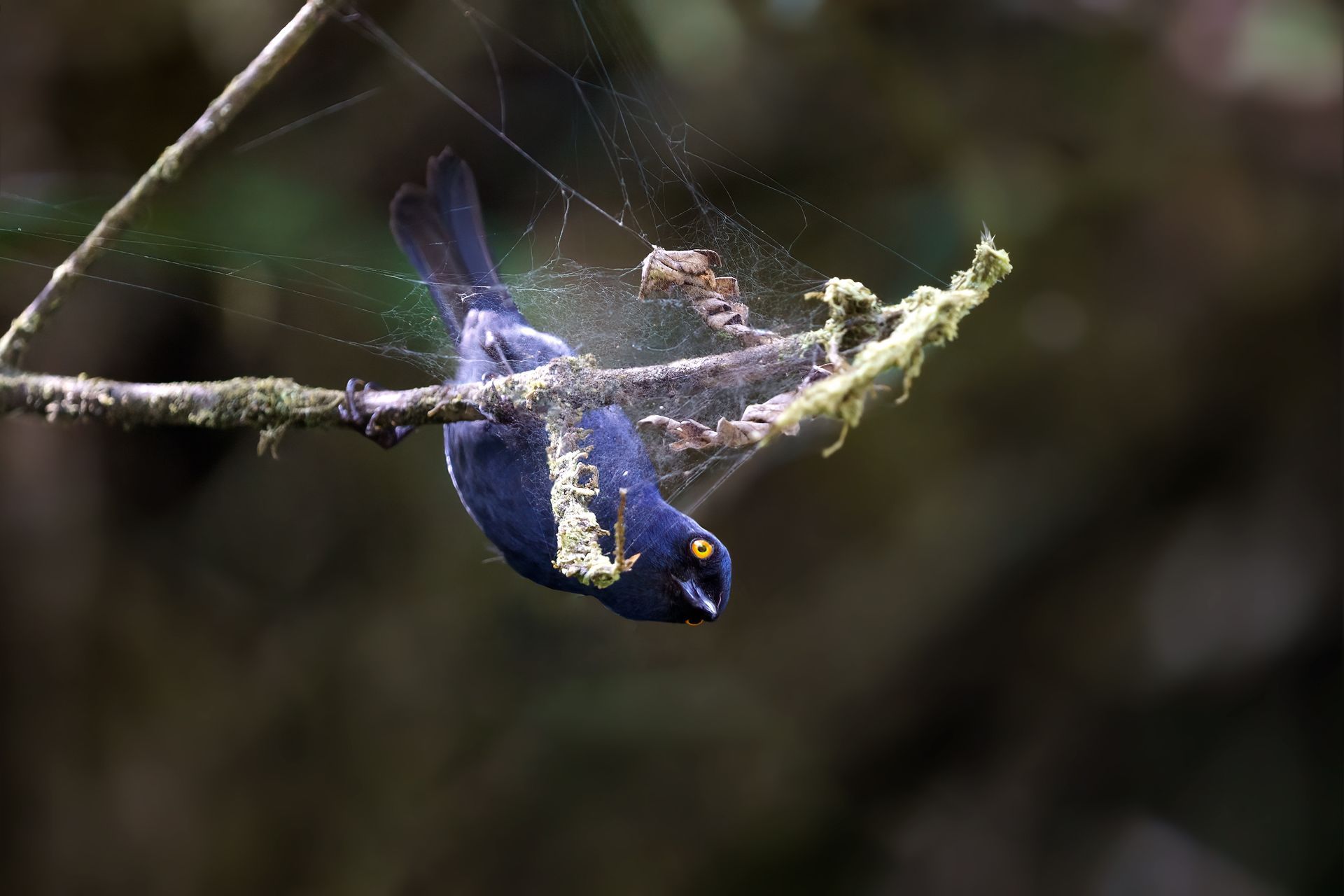
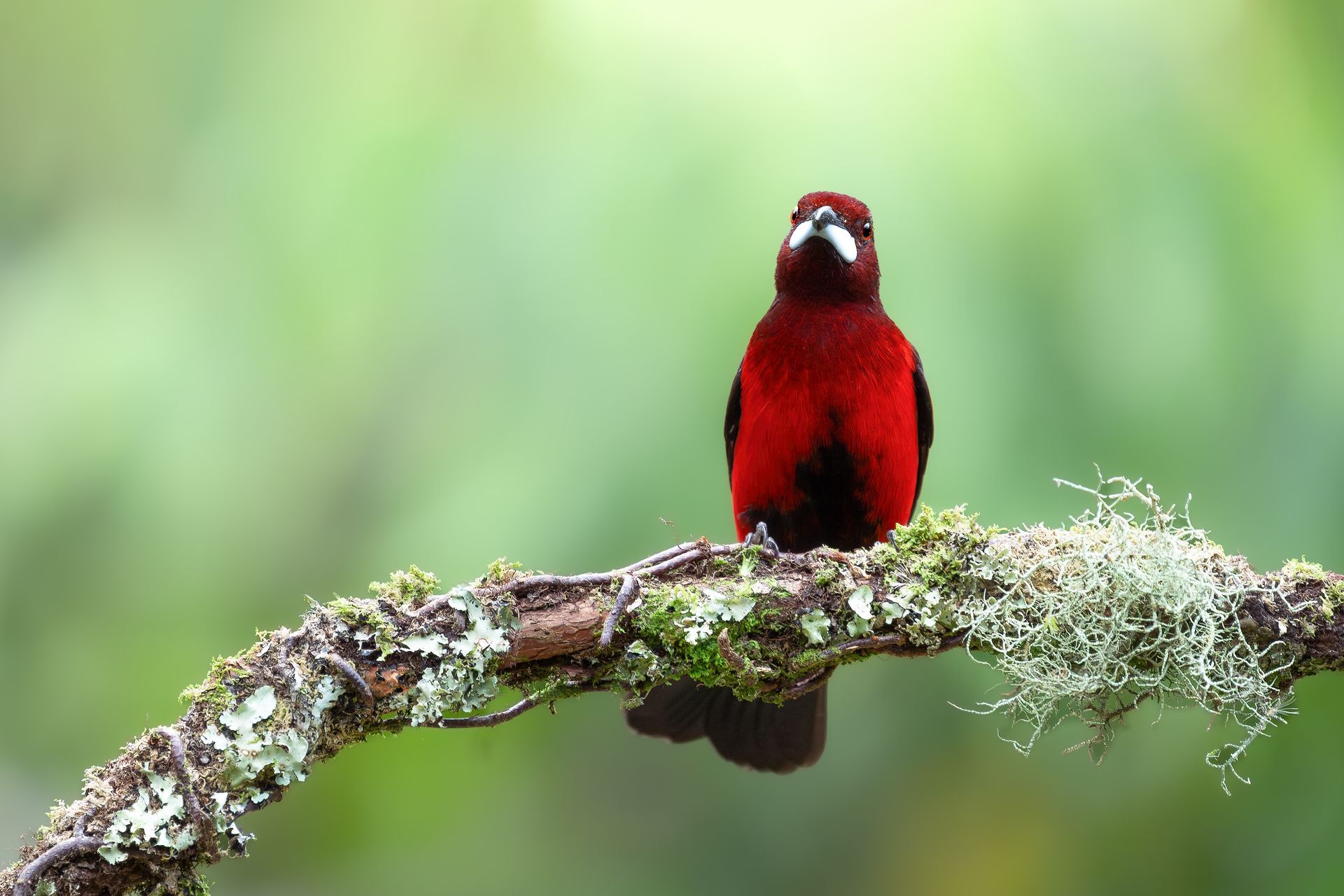
During this year’s Global Big Day on May 9, Colombia once again amazed the birding world by recording 1,566 bird species via more than 15,000 submitted checklists and over 1,100 audio recordings. These numbers confirmed, once again, what many bird lovers already know: Colombia is the most bird-diverse country on Earth.
For birders, photographers, and nature travellers, these statistics are exciting and inspiring. But behind every checklist and every colourful species photographed in the rainforest, there is an important question that deserves more attention: How do we make sure this extraordinary diversity survives for future generations?
The truth is that birds cannot survive without healthy habitats. And healthy habitats cannot survive without communities that have real opportunities to protect them.
Across Colombia, many rural communities face difficult economic realities. In places where income opportunities are limited, short-term decisions often become necessary for survival. Forests are cut for cattle ranching, agriculture, illegal crops, mining, or timber extraction. Little by little, ecosystems become fragmented, water sources disappear, and the natural balance that birds depend on begins to collapse.
Colombia faces enormous conservation challenges. Deforestation continues to threaten critical habitats in regions such as the Amazon, the Andes, and the Serranía de la Macarena. Many endemic and threatened species are losing nesting areas, feeding grounds, and migration corridors. Climate change adds another layer of uncertainty, altering rainfall patterns, flowering cycles, and food availability for birds throughout the country.
But conservation cannot succeed through protection alone. It must also create hope, dignity, and long-term value for local people.
That is why community-based conservation is becoming one of the most powerful tools for protecting biodiversity in Colombia. When birdwatching tourism, bird photography tours, and nature travel generate sustainable income, local families begin to see forests not as obstacles to development, but as valuable living ecosystems worth protecting.
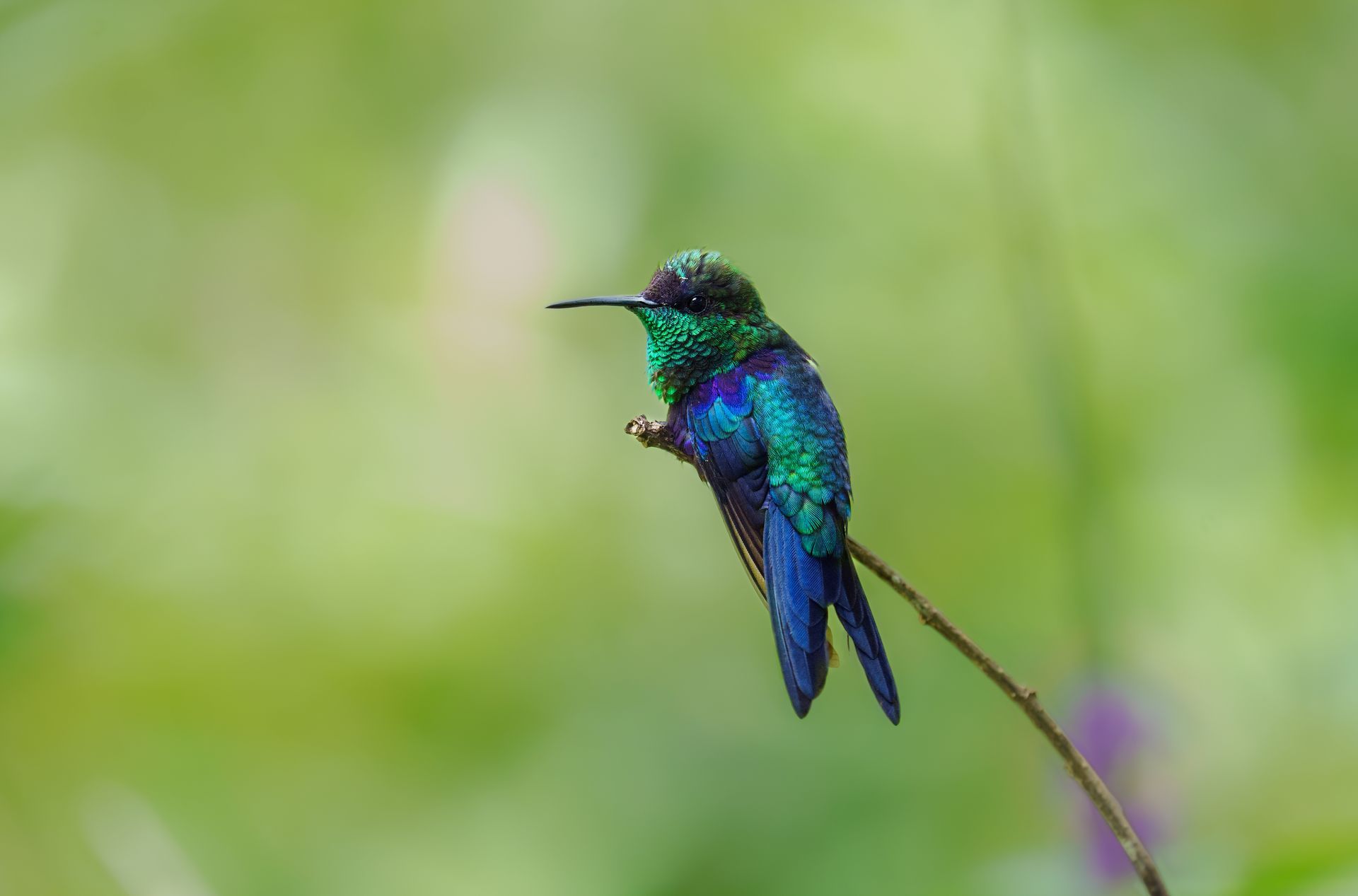
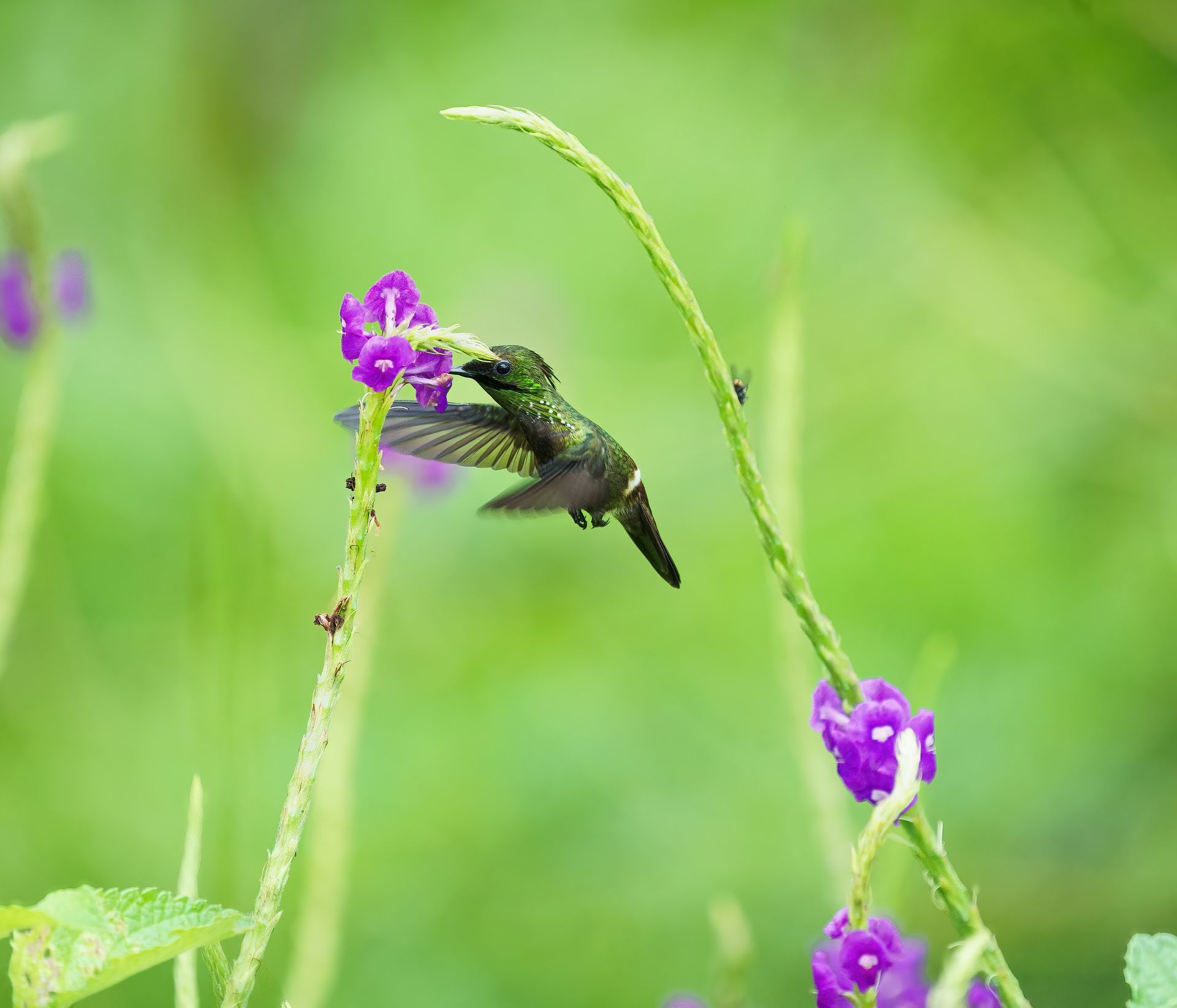
In many territories, communities are now actively restoring degraded land by planting native trees and flowering plants that support birds, pollinators, and wildlife. Reforestation with native species helps reconnect fragmented habitats while providing food and shelter for hummingbirds, tanagers, toucans, parrots, and countless other species. Over time, these restored forests become living corridors of biodiversity.
The impact goes beyond birds. Protecting forests also protects clean water, stabilizes soils, supports climate resilience, and preserves cultural connections between communities and their territories.
Bird conservation is no longer only about protecting individual species. It is about protecting entire landscapes, empowering communities, and restoring the native plants and forests that make life possible for birds in the first place.
Colombia’s incredible diversity is still here. The challenge now is ensuring that future generations will continue to hear the dawn chorus in its forests, watch hummingbirds feeding on native flowers, and experience the wonder of a country where birds still fill the skies with colour and life.