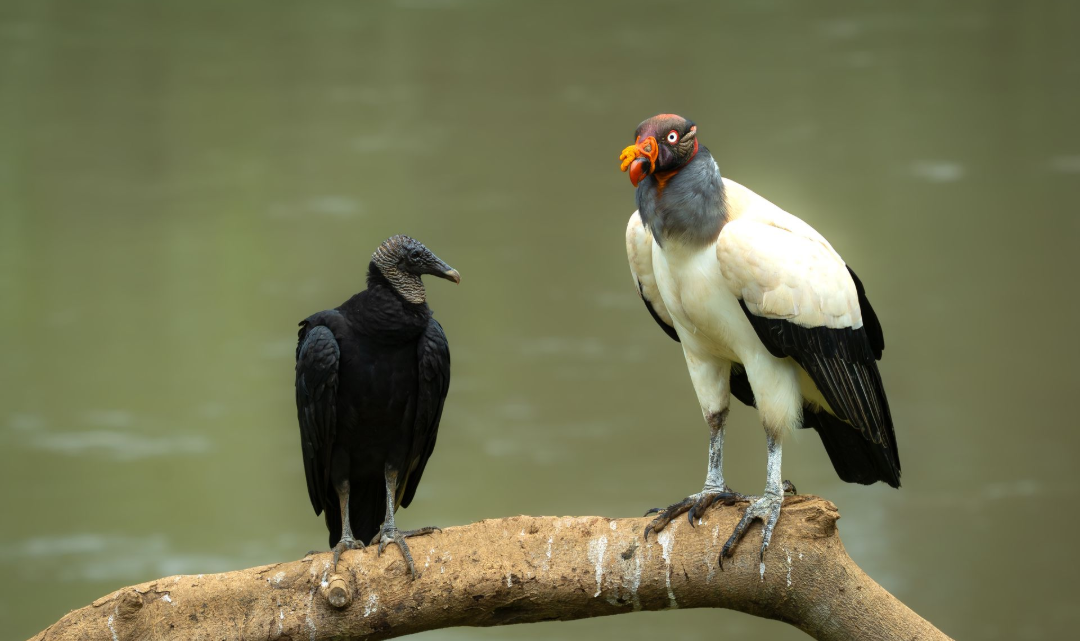

Capturing Endangered Birds in Colombia: Tips for Ethical Photography
Capturing Endangered Birds in Colombia: Tips for Ethical Photography
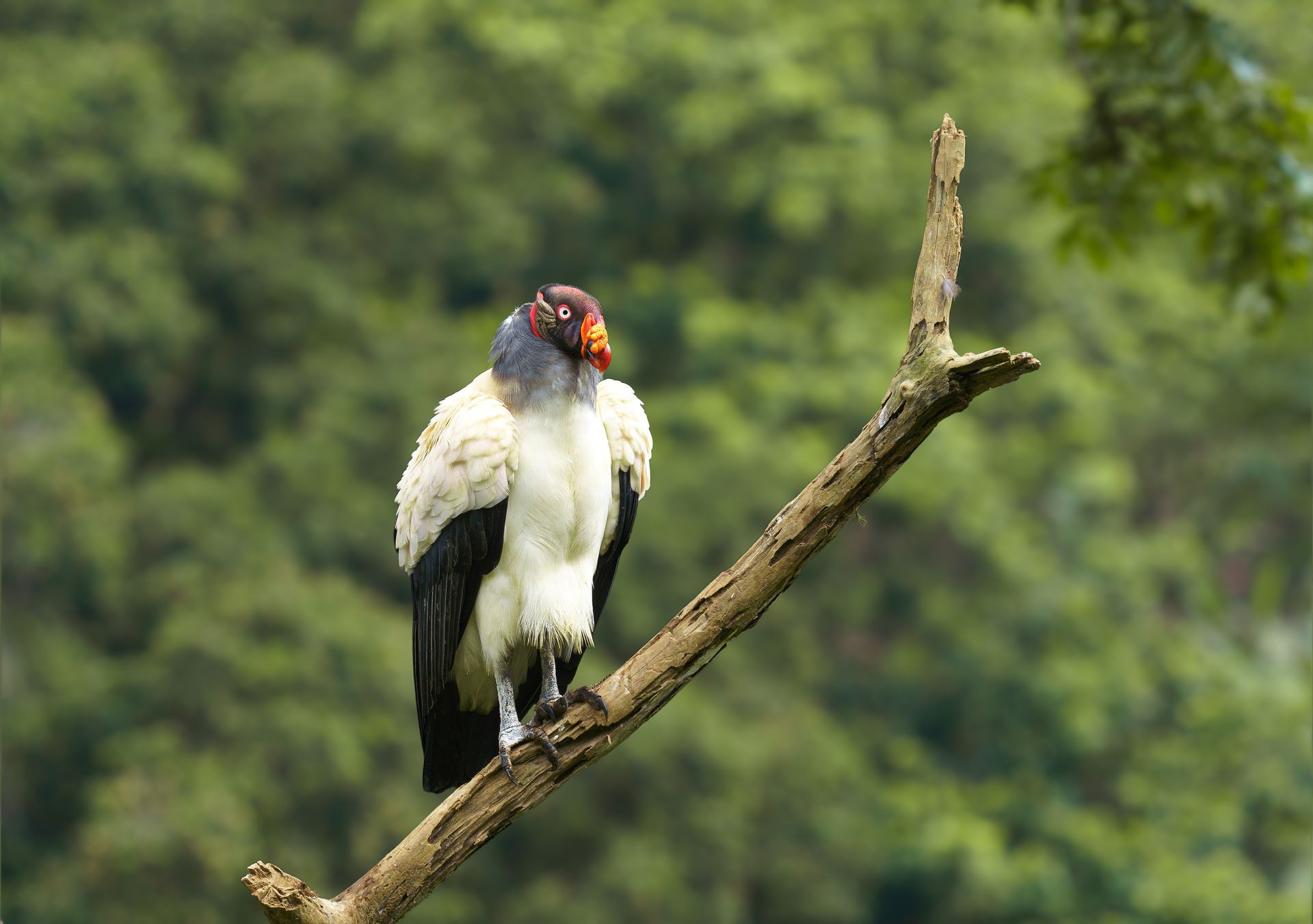
Colombia is home to more bird species than any other country on Earth. With that extraordinary biodiversity comes responsibility. Among the nearly 2,000 recorded species are many that are classified as threatened, vulnerable, or endangered due to habitat loss, climate change, illegal trade, and ecosystem fragmentation.
For wildlife photographers, the opportunity to document endangered birds is both a privilege and a responsibility. The goal is not just to capture striking images, but to do so in a way that protects the species and contributes positively to conservation.
Ethical bird photography is not optional — it is essential.
Why Colombia Is Critical for Endangered Bird Conservation
Colombia’s geography creates isolated ecosystems where many species evolved in restricted ranges. While this has resulted in high endemism, it also means some species are particularly vulnerable.
Threats include:
- Deforestation
- Agricultural expansion
- Infrastructure development
- Climate-driven habitat shifts
- Illegal wildlife trade
Photographers visiting Colombia often seek rare and range-restricted species. However, without ethical practices, photography itself can become a source of disturbance.
Responsible photo wildlife tours ensure that conservation remains the priority.
Understanding What “Endangered” Means
Bird conservation status is typically assessed under international criteria that classify species as:
- Vulnerable
- Endangered
- Critically Endangered
These designations reflect population decline, habitat reduction, or limited geographic range.
Before photographing any rare species, it is important to understand:
- Its conservation status
- Sensitivity to disturbance
- Breeding season timing
- Habitat requirements
Professional birdwatching guides play a critical role in ensuring photographers operate responsibly around sensitive species.
The Foundation of Ethical Wildlife Photography
ethical photography begins with one simple principle:
The welfare of the bird always comes before the image.
This means:
- No disturbance for better positioning
- No flushing birds for flight shots
- No interference with feeding or nesting
- No manipulation of habitat
Photographers must resist the temptation to prioritize dramatic images over animal welfare.
The most powerful wildlife photographs are those captured without altering natural behavior.
Maintaining Safe Distance
Distance is one of the most important ethical considerations.
Getting too close to an endangered bird can:
- Cause stress
- Interrupt feeding
- Expose nests to predators
- Lead to abandonment of breeding sites
Using longer telephoto lenses (400mm–600mm or more) allows photographers to capture detailed images without approaching too closely.
Experienced guides help determine appropriate positioning while maintaining minimal impact.
Avoiding Nest Disturbance
Nesting birds are especially vulnerable.
Photographing nests of endangered species can be highly disruptive if done improperly. Disturbance may:
- Reveal nest location to predators
- Cause adults to delay feeding
- Lead to abandonment
Ethical keeping nature tours enforce strict no-disturbance policies around active nests.
If nesting photography is allowed under controlled conditions, it must be conducted:
- At safe distances
- With minimal time exposure
- Without altering vegetation
- Under expert supervision
In many cases, the best choice is simply not to photograph nests at all.
Responsible Use of Playback
Playback of bird calls is sometimes used in birdwatching, but it can be problematic — especially for endangered species.
Excessive playback may:
- Cause stress
- Interrupt territorial behavior
- Draw birds away from critical tasks
- Increase predation risk
Responsible tours either avoid playback entirely or use it sparingly and ethically, particularly when dealing with threatened species.
In many cases, patience and habitat knowledge are far better tools than artificial attraction methods.
Habitat Preservation: Leave No Trace
Photographers must avoid:
- Trampling vegetation
- Breaking branches for clear sightlines
- Altering perches
- Entering restricted conservation areas
Even minor habitat disturbance can impact species that depend on specific microhabitats.
Ethical photo wildlife tours ensure that photographers remain on designated trails or approved observation points.
The Power of Storytelling Through Photography
Ethical photography extends beyond field behavior — it includes how images are used.
Photographs of endangered birds can:
- Raise awareness
- Support conservation campaigns
- Highlight habitat threats
- Inspire protection efforts
Images should educate and inform, not sensationalize vulnerability.
Captions and blog content can include conservation context, helping viewers understand the importance of preserving these species.
Supporting Community-Based Conservation
Many endangered birds in Colombia survive because of community-led conservation initiatives.
Responsible tours contribute by:
- Hiring local guides
- Supporting community reserves
- Paying conservation access fees
- Promoting sustainable eco-tourism
When local communities benefit economically from bird conservation, habitat protection becomes viable long term.
Photography becomes part of a positive conservation cycle.
Balancing Rarity and Respect
The rarity of endangered birds can make them highly sought-after subjects.
However, ethical photographers understand that:
- Not every rare bird must be photographed
- Sometimes observation is enough
- Missed shots are better than harmful impact
Professional bird photography guides help photographers balance ambition with responsibility.
The best tours emphasize experience, learning, and conservation — not just species checklists.
Equipment Considerations for Ethical Photography
Using appropriate gear reduces disturbance:
- Long telephoto lenses to maintain distance
- Silent shutter modes when possible
- Tripods for stability without repositioning
- Weather-sealed equipment to minimize setup adjustments
Prepared photographers move less and disturb less.
Good preparation is part of ethical field behavior.
Social Media Responsibility
In the digital age, posting images of endangered birds can unintentionally cause harm.
Geotagging precise locations may lead to:
- Increased visitor pressure
- Disturbance by inexperienced photographers
- Habitat damage
Ethical photographers often:
- Avoid specific geotags
- Share general regional information instead
- Promote conservation messaging alongside images
Protecting sensitive locations is an important part of modern wildlife ethics.
The Emotional Reward of Ethical Practice
Photographing endangered birds responsibly creates a deeper sense of connection.
Instead of chasing images, photographers become:
- Observers
- Learners
- Advocates
- Conservation allies
This shift in mindset transforms wildlife photography from simple documentation into meaningful engagement.
Ethical practices do not limit creativity — they enhance it by grounding it in respect.
Colombia as a Model for Ethical Bird Photography
Colombia’s growing network of conservation reserves and professional guiding services has made it one of the leading destinations for ethical bird photography.
Key strengths include:
- Well-managed private reserves
- Community-based eco-tourism
- Small-group tour models
- Professional birdwatching guides
- Strong conservation awareness
These systems allow photographers to access rare species responsibly.
Keeping nature tours in Colombia prioritize sustainability without compromising photographic opportunity.
Why Ethical Photography Protects the Future of Birding
Endangered birds face enough challenges without added stress from human interference.
By practicing ethical photography, professionals and enthusiasts help ensure that:
- Populations remain stable
- Habitats stay intact
- Conservation gains continue
- Future generations can witness these species
The long-term survival of many birds depends on responsible tourism models.
Photographers have the power to be part of the solution.
Photograph Endangered Birds Responsibly with Retorno Photo Tours
If your goal is to capture extraordinary images of Colombia’s rare and endangered birds while actively supporting conservation, choosing the right tour operator is essential.
Retorno Photo Tours designs ethical, small-group photo wildlife tours that prioritize habitat preservation, community involvement, and wildlife welfare.
Our expert birdwatching and photography guides understand the sensitivity of endangered species and ensure all field practices follow responsible standards.
By joining one of our keeping nature tours, you gain access to some of Colombia’s most remarkable bird habitats — while helping protect them.
At Retorno, we believe the best images come from respect.
Explore our tours and discover why we operate in the best places for ethical bird photography in Colombia — where conservation and creativity work together.