
The Role of Altitude in Colombia’s Bird Photography Adventures
The Role of Altitude in Colombia’s Bird Photography Adventures
Colombia’s extraordinary bird diversity is not just a matter of tropical latitude — it is a story written in elevation. From lowland rainforests near sea level to high Andean páramo ecosystems above 3,500 meters, altitude plays a defining role in shaping habitats, species distribution, light conditions, and photographic opportunities.
For bird photographers, understanding altitude is the key to understanding Colombia.
Each elevational band offers its own species, behaviors, environmental textures, and creative challenges. In fact, one of the greatest advantages of bird photography in Colombia is the ability to move between multiple altitude zones within a relatively short geographic distance.
Altitude is not simply a number on a map — it is the engine behind Colombia’s status as the world’s most bird-diverse country.
Colombia: A Vertical Biodiversity Corridor
The Andes split into three major mountain ranges as they pass through Colombia: the Western, Central, and Eastern Cordilleras. These ranges create a dramatic vertical landscape where climate, vegetation, and birdlife shift rapidly over short distances.
In practical terms, this means:
- Within a single day, photographers can move from 500 meters to over 2,500 meters.
- Each elevation band hosts different bird communities.
- Many species are highly altitude-specific.
This vertical layering is one of the primary reasons Colombia supports nearly 2,000 bird species.
For photographers, it creates unparalleled variety.
Lowland Forests: Energy and Density
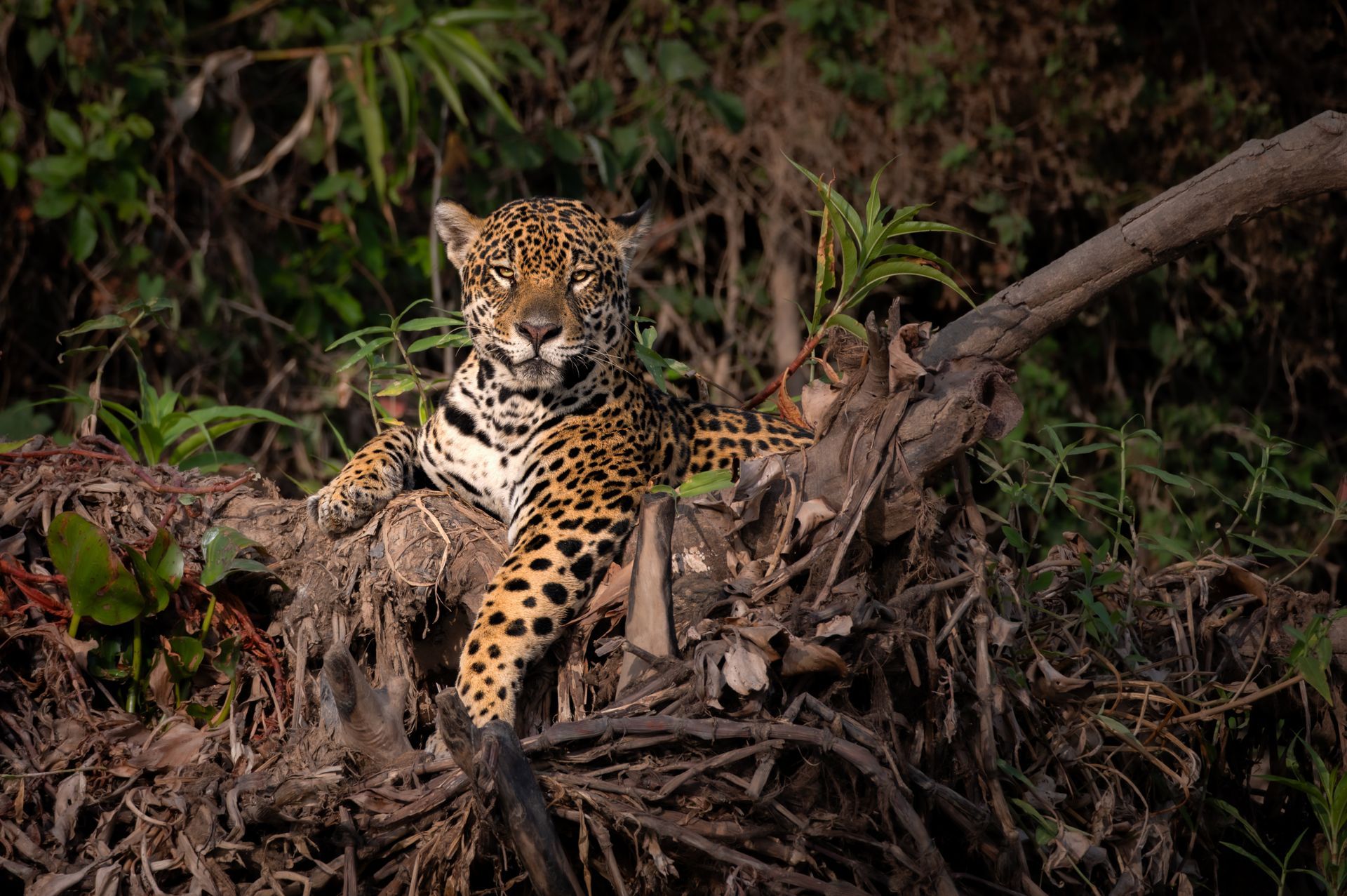
At lower elevations — typically below 1,000 meters — temperatures are warmer and vegetation is dense. These forests often feature:
- Tall canopy structures
- Thick understory growth
- High humidity
- Constant insect activity
Birdlife in lowland zones includes:
- Antbirds
- Toucans
- Macaws
- Manakins
- Flycatchers
Photography here can be dynamic but technically challenging. Light levels may be low under thick canopy cover, requiring careful exposure control.
However, the behavioral diversity is extraordinary. Manakins performing display rituals, mixed-species flocks moving rapidly, and fruiting trees attracting colorful birds all create action-rich opportunities.
Lowland photography is about anticipation and speed.
Mid-Elevation Cloud Forests: Color and Atmosphere
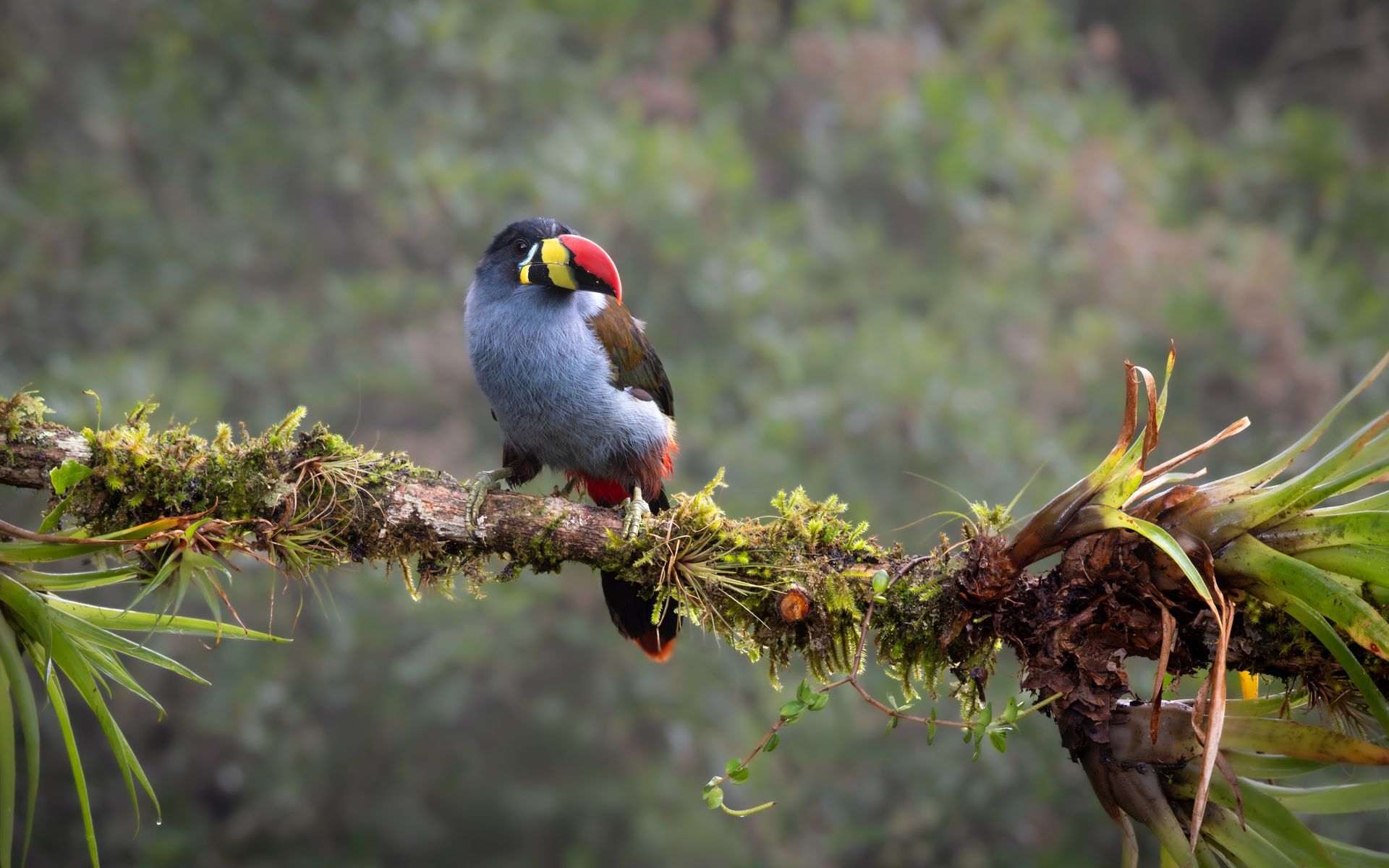
Between roughly 1,200 and 2,500 meters lies the legendary Andean cloud forest zone.
Here, cooler temperatures and persistent mist create lush, moss-covered habitats. This altitude band is particularly beloved by bird photographers because it offers:
- Softer, diffused light
- Open perches near feeding areas
- High concentrations of hummingbirds
- Spectacular tanager diversity
The combination of humidity and filtered sunlight produces exceptional feather detail and rich color saturation.
Many endemic species are restricted to these elevations, making cloud forests especially important for photographers seeking rare subjects.
Altitude at this level balances biodiversity with photographic accessibility.
High Andes and Páramo: Minimalism and Rarity
Above 3,000 meters, forests thin and transition into páramo — a high-altitude ecosystem of grasslands, shrubs, and scattered vegetation.
Conditions are cooler, wind exposure increases, and the visual environment becomes more open and dramatic.
Bird species here are fewer in number but often highly specialized, including:
- High-elevation hummingbirds
- Ground-tyrants
- Specialized finches
- Andean raptors
Photography at this altitude shifts stylistically:
- Clean backgrounds
- Wide environmental compositions
- Dramatic mountain backdrops
- Strong contrast between bird and landscape
The thinner air and intense light create a unique atmosphere that differs entirely from lowland forests.
Endemism and Altitude Isolation
One of the most important ecological effects of altitude in Colombia is species isolation.
Mountain valleys act like natural barriers. Bird populations separated by ridges over time evolved independently. This process created:
- Range-restricted species
- Elevation-specific endemics
- Subspecies unique to individual mountain systems
For bird photographers, this means that changing altitude often introduces entirely new species.
A morning at 800 meters may produce one set of birds. An afternoon at 2,200 meters may reveal a completely different collection.
Altitude expands portfolio diversity without requiring long-distance travel.
Light and Altitude: A Creative Consideration
Altitude influences more than species — it shapes light.
At higher elevations:
- Air is thinner
- Light can be sharper and more intense
- Cloud cover changes quickly
- Mist can create atmospheric depth
In cloud forests, mist softens shadows. In páramo environments, sunlight may create dramatic highlights.
Understanding how altitude affects light allows photographers to adjust:
- ISO settings
- Exposure compensation
- White balance
- Lens choice
Professional bird photography guides help interpret these conditions in real time, maximizing image quality.
Hummingbirds Across Elevations
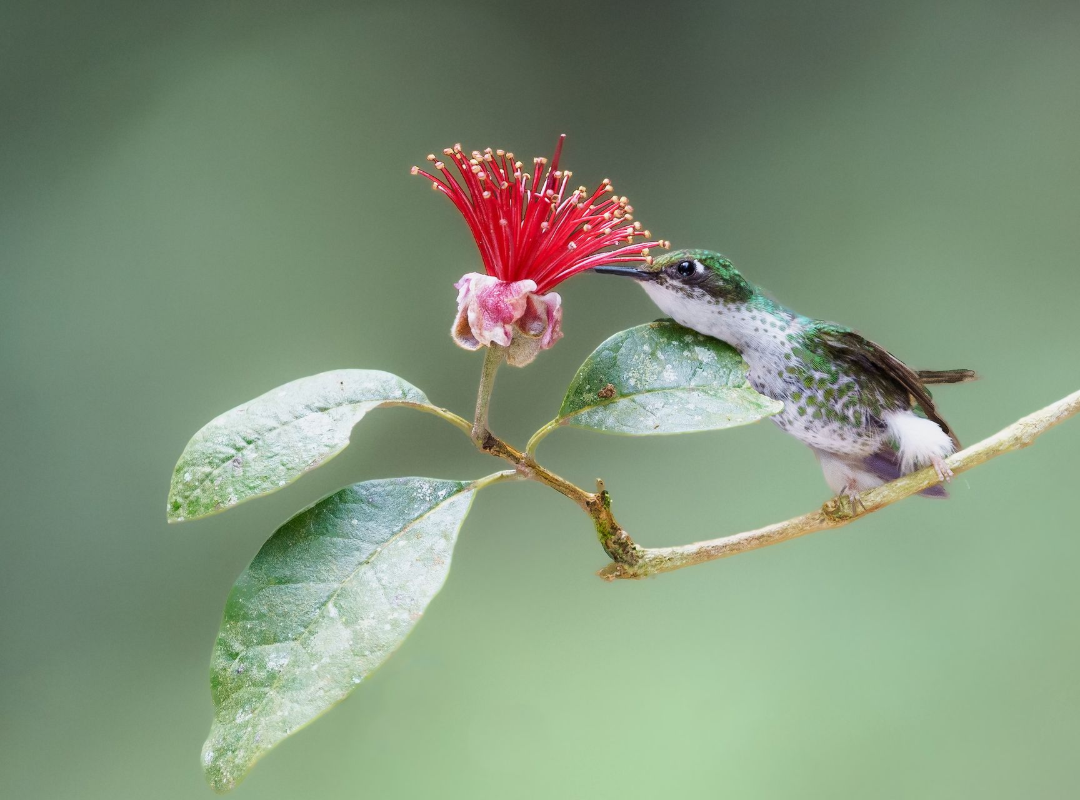
Few groups demonstrate altitude specialization better than hummingbirds.
Different species dominate different elevation bands. Some thrive in lowland heat, while others are adapted to cooler mountain air.
Photographing hummingbirds at various elevations reveals:
- Changes in plumage adaptation
- Variations in feeding plants
- Behavioral differences
- Unique perch environments
In mid-elevation cloud forests, hummingbird feeders placed within ethical keeping nature tours provide controlled yet natural opportunities for crisp flight photography.
At higher elevations, flowers replace feeders, and environmental compositions become more prominent.
Altitude shapes both subject and style.
Tanagers and Elevation Gradients
Tanagers are another group strongly influenced by altitude.
Certain tanager species cluster in lower elevations, while others are confined to mid-elevation cloud forests.
As photographers ascend through mountain roads, the species composition visibly shifts. Bright lowland species give way to high-Andean mountain tanagers.
This gradient allows photographers to build a layered portfolio that reflects Colombia’s ecological richness.
Specialized tanager photo tours often incorporate altitude planning into itinerary design to maximize diversity.
Raptors and Open Elevation Zones
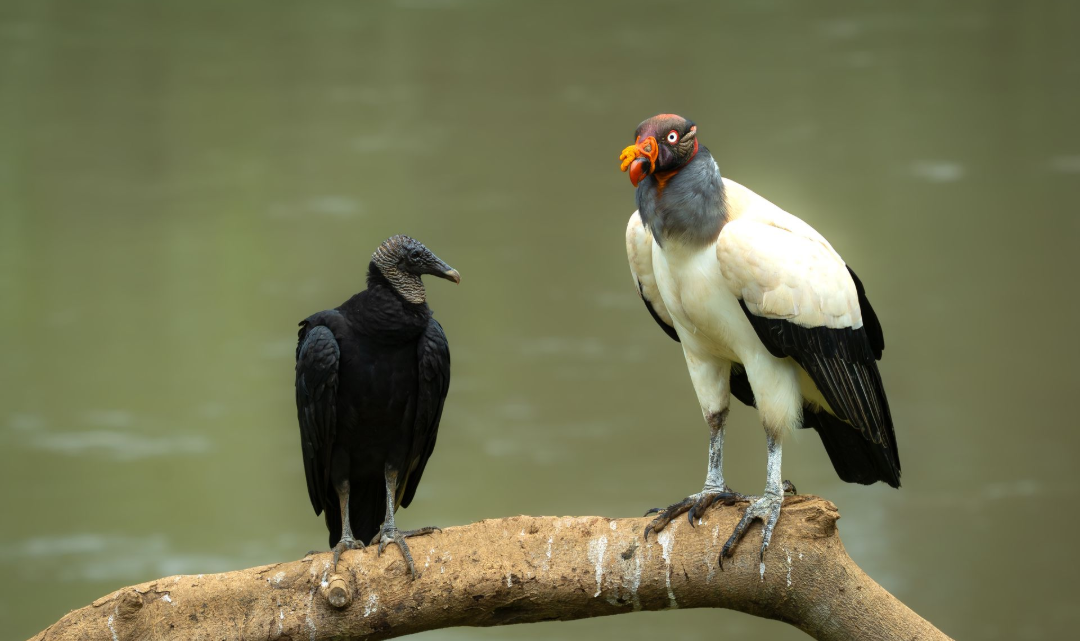
Higher altitudes also create favorable conditions for raptors.
Open páramo landscapes and mountain valleys provide thermal currents that birds of prey use for soaring.
Photographing raptors at altitude offers:
- Clean sky backgrounds
- Mountain silhouettes
- Dramatic flight compositions
These settings contrast strongly with forest-based photography, adding variety to a wildlife portfolio.
Logistical Benefits of Colombia’s Elevation Diversity
Unlike some countries where altitude transitions require long travel times, Colombia’s geography allows rapid access to multiple zones.
Within a single region, photographers can:
- Start at lowland forest in the morning
- Move to mid-elevation cloud forest by midday
- Reach higher ridges in the afternoon
This efficiency makes Colombian photo wildlife tours highly productive.
Instead of spending days relocating between ecosystems, photographers maximize time in the field.
Ethical Considerations at Different Altitudes
Altitude-sensitive species may be particularly vulnerable to disturbance, especially during breeding seasons.
Responsible photo wildlife tours ensure:
- No disruption of nesting areas
- Respect for lek sites in mid-elevation forests
- Safe distances maintained at high-altitude raptor zones
- Habitat preservation across all elevation bands
Keeping nature tours prioritize conservation first, ensuring altitude-specific ecosystems remain intact for future generations.
The Emotional Experience of Vertical Exploration
There is something transformative about ascending through altitude zones.
The air cools.
Vegetation shifts.
Bird calls change.
Light softens or sharpens.
Photographers experience not just species diversity but ecological storytelling.
Each elevation reveals a new chapter of Colombia’s natural history.
Why Altitude Makes Colombia Unique
Many countries have mountains. Few combine:
- Three Andean ranges
- Tropical latitude
- Rapid elevation transitions
- High endemism
- Established conservation areas
- Skilled local birdwatching guides
Altitude multiplies Colombia’s biodiversity potential.
For photographers, this means extraordinary diversity within compact itineraries.
Experience Colombia’s Elevation Diversity with Retorno Photo Tours
If you want to fully understand why Colombia is the world’s most exciting destination for bird photography, you must explore its altitude gradients.
Retorno Photo Tours designs expertly guided photo wildlife tours that strategically move through different elevation zones — from lush lowlands to misty cloud forests and high Andean landscapes.
Our professional guides understand how altitude influences species distribution, behavior, and light conditions. This knowledge ensures you are in the right place, at the right elevation, at the right time.
Join one of our keeping nature tours and discover why Retorno has access to the best places across Colombia’s diverse altitude ecosystems.
In Colombia, every 500 meters tells a different story — and every altitude offers a new photographic adventure.