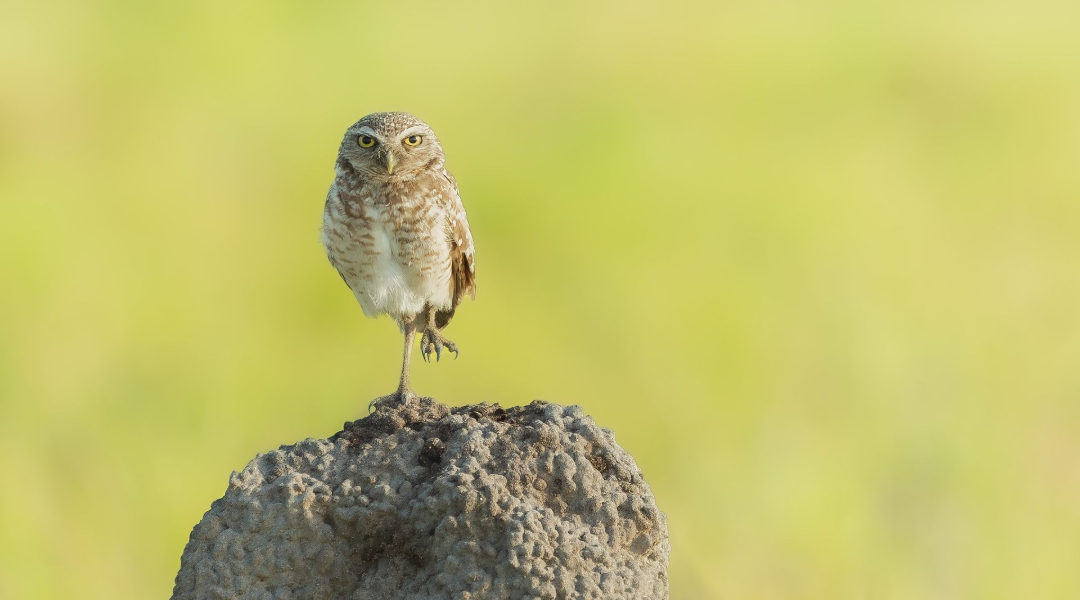
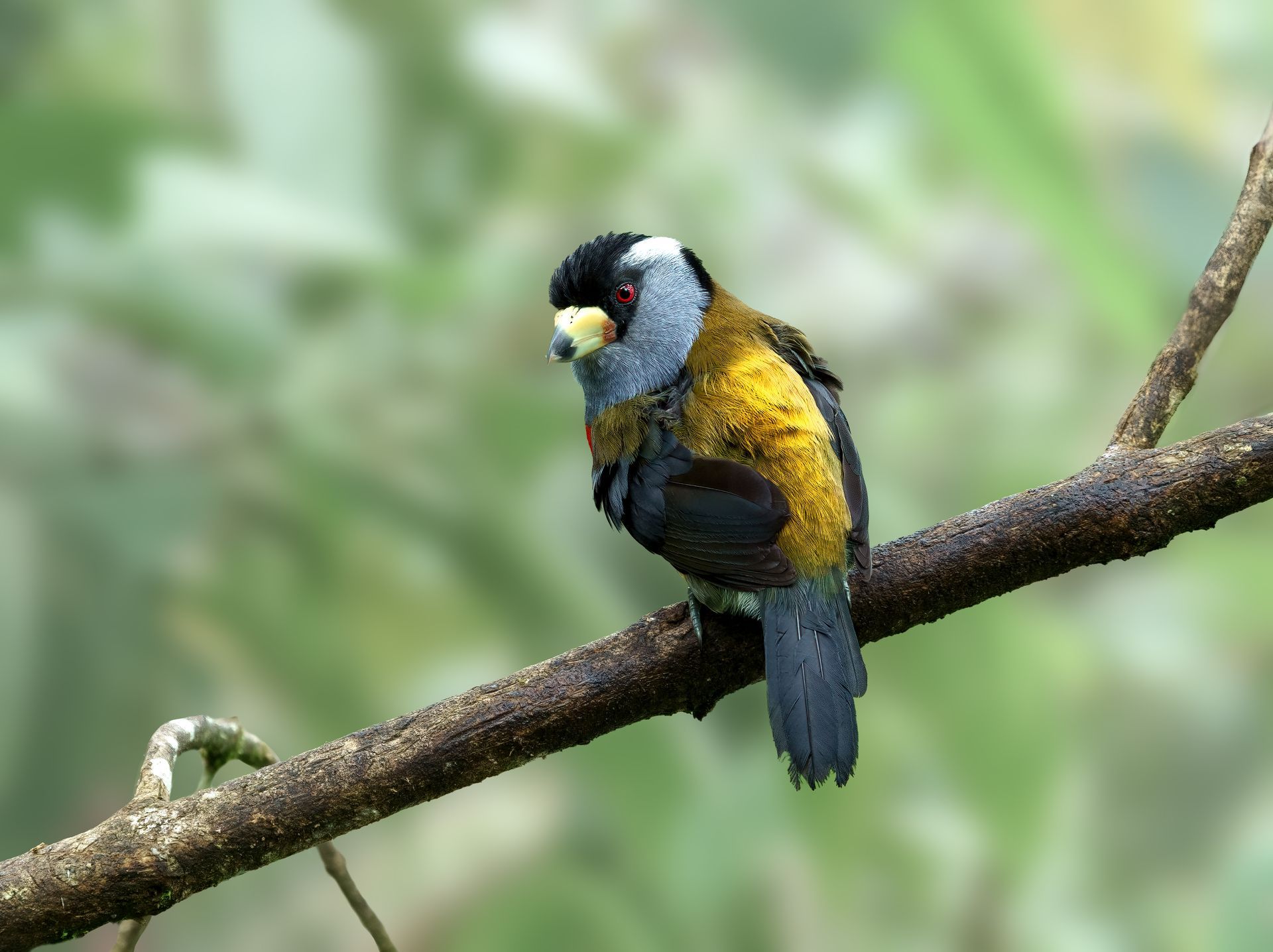
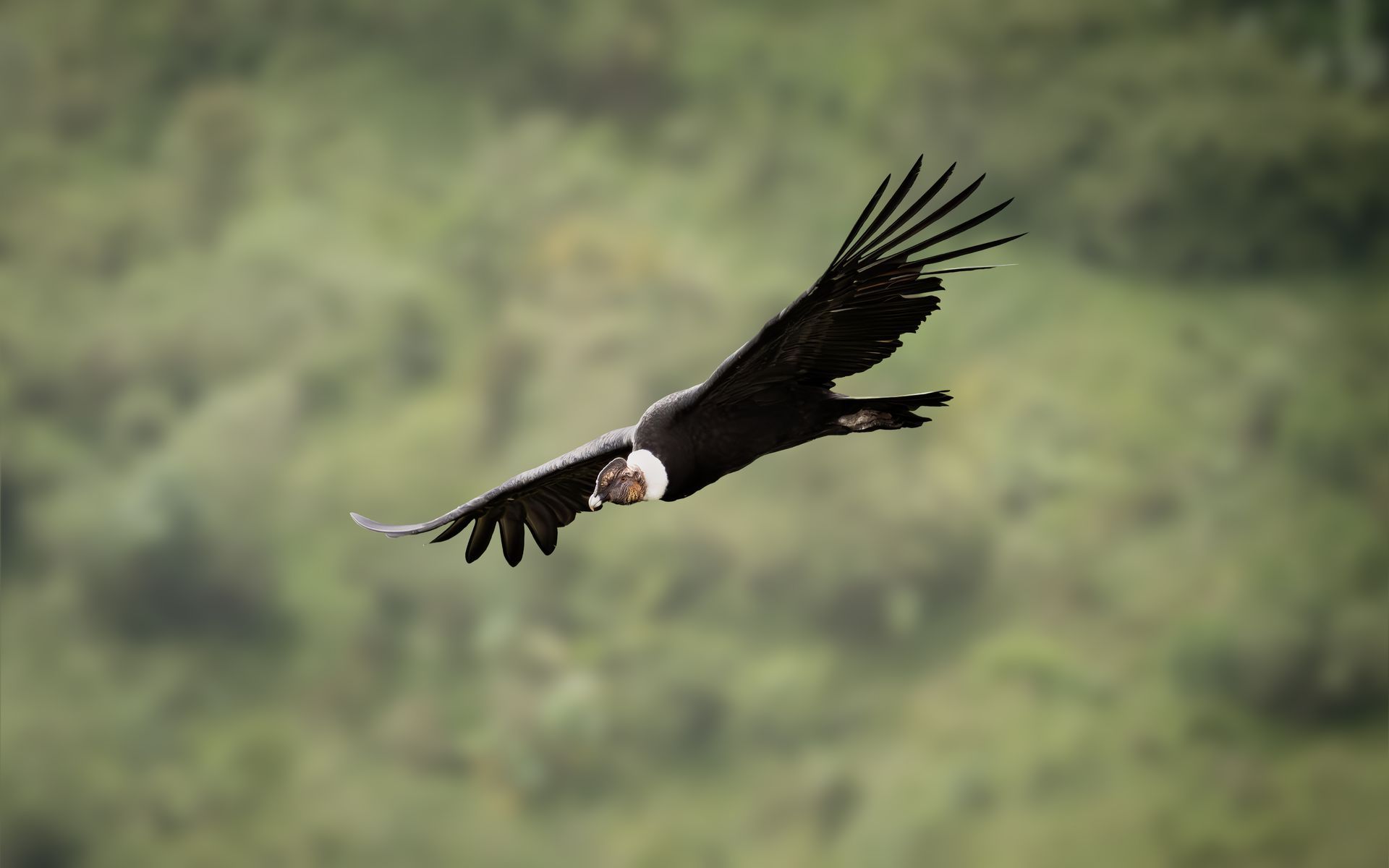
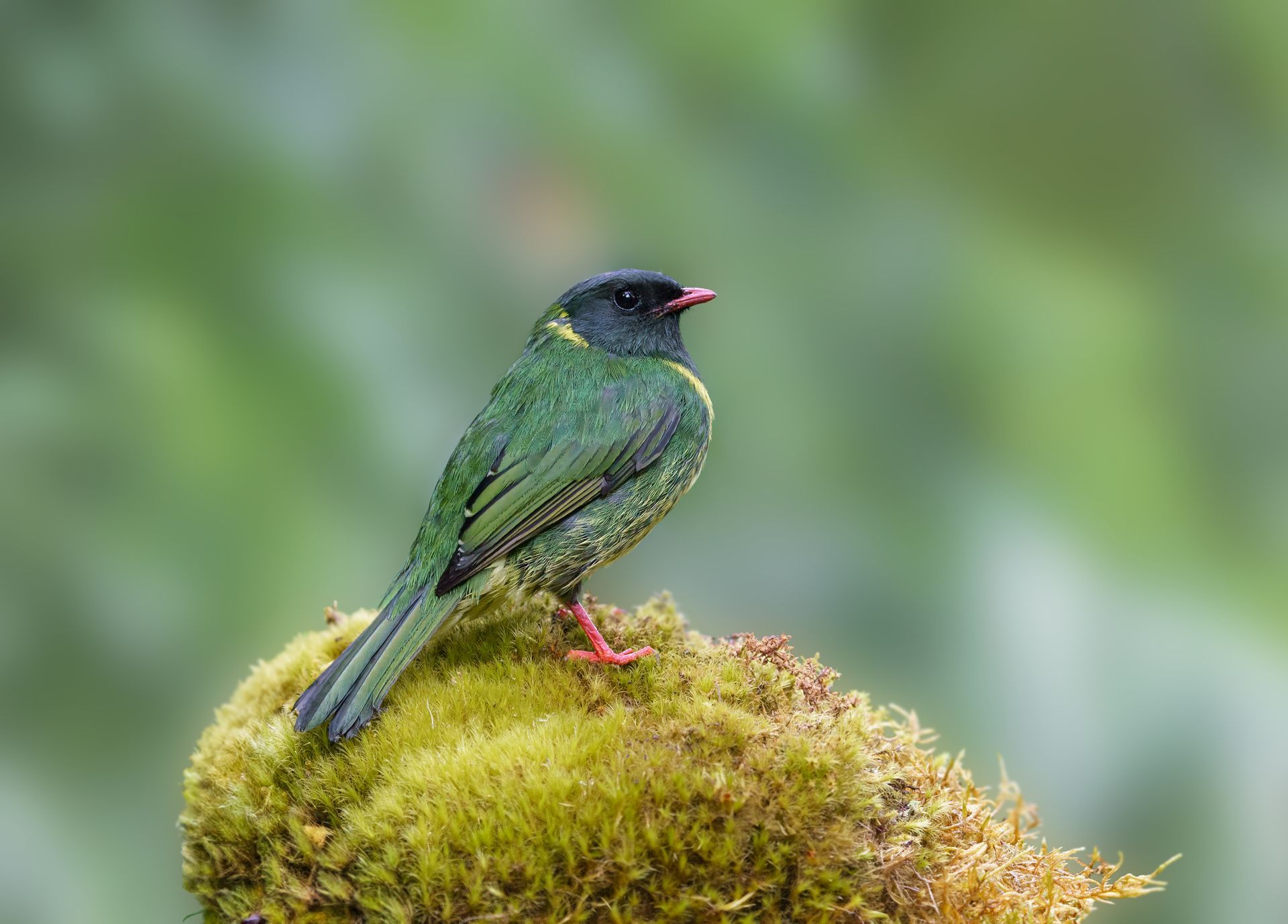
The reality is more demanding and more rewarding. This Caribbean bird photography guide is built for photographers who want far more than a beachside checklist — they want intentional field time, strong light decisions, and images that reveal the character of a living landscape.
Colombia’s Caribbean region is especially compelling because its habitats change quickly. Coastal lagoons, mangroves, tropical dry forest, foothill forest, wetlands, and the isolated Santa Marta mountains can all sit within a workable expedition. That variety creates exceptional opportunity, but it also requires a plan tailored to your target species, photographic style, and tolerance for heat, early starts, and rougher access roads.
Choose Your Caribbean Habitat Before Your Species List
A long species list is exciting, but it is not an itinerary. Start with the image you want to make. Do you want clean portraits of endemic birds, flight images over water, intimate behaviour in dense forest, or wider frames that place a bird in its habitat? Each goal points toward different locations, lenses, and hours in the field.
The Santa Marta mountains are a photographer’s dream for
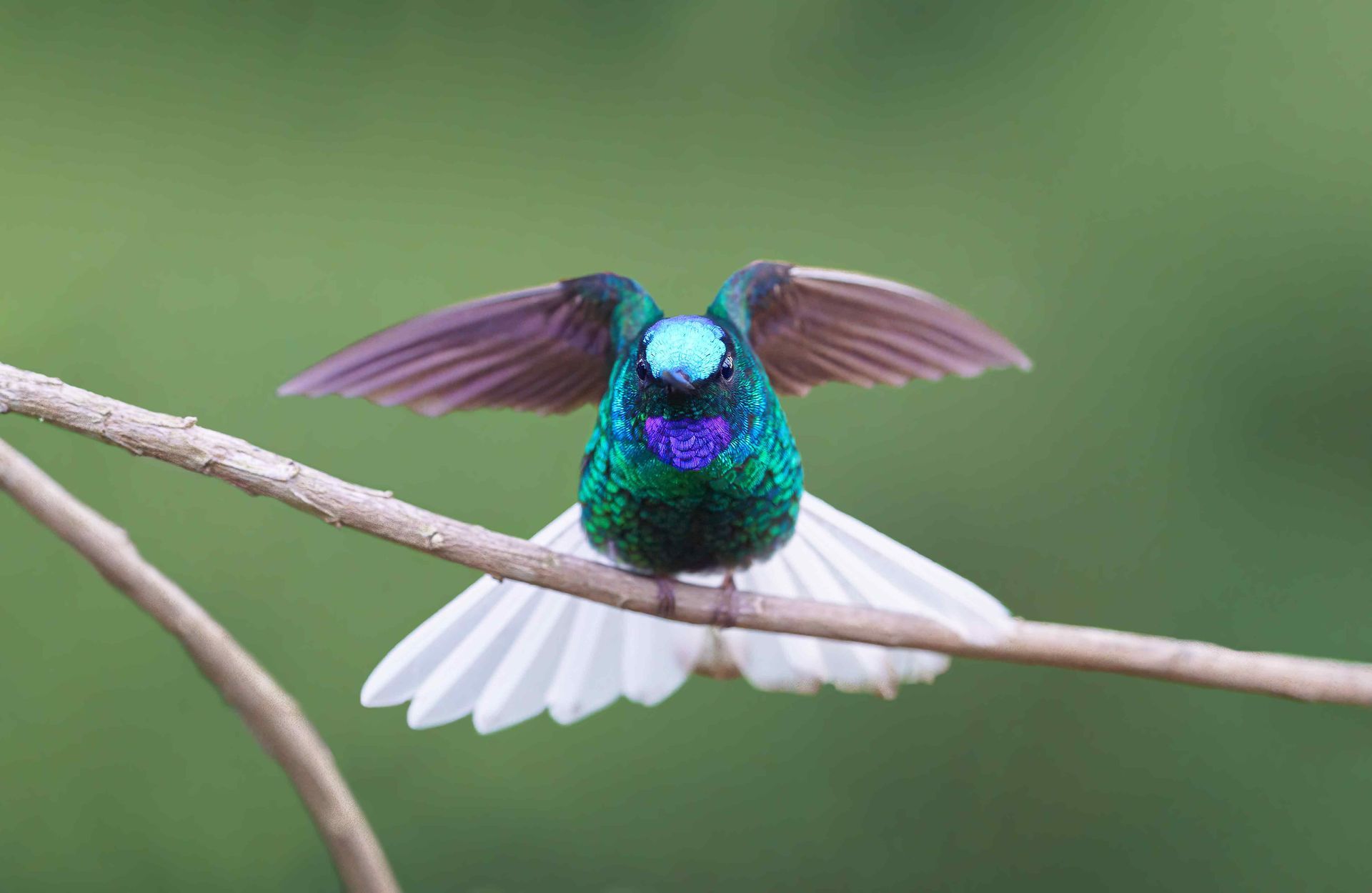
endemic and near-endemic species. Higher elevations bring cooler temperatures and distinct bird communities, while lodge gardens and forest edges can create productive conditions for hummingbirds, tanagers, toucanets, and mountain specialties. The trade-off is that forest photography often means darker backgrounds, limited shooting lanes, and birds that appear for seconds rather than minutes.
Lowland coastal habitats tell a different visual story. In mangroves and wetlands, species such as herons, kingfishers, ibises, and raptors may offer opportunities for action and environmental compositions. Here, wind, tide, boat movement, and harsh reflections add to the challenge. Tropical dry forest can be equally productive, particularly early in the day, but its birds are often quick, wary, and framed by busy vegetation.
A good route leaves room for repeat visits. One morning with a target bird may produce a record shot. Two or three well-timed sessions can produce the behaviour, perch, background, and light that turn an encounter into a portfolio image.
Timing Is the Most Useful Tool in Your Bag
For a Caribbean bird photography trip, the first usable light of the day is rarely optional. Bird activity is high, temperatures are manageable, and the soft angle of sunrise can add shape to plumage without immediately creating harsh shadows. In dry forest and coastal scrub, the first three hours often determine the quality of the day’s work.
Season matters, but it depends on your subjects. The dry season can make roads and trails easier to manage, concentrate birds near water, and deliver more dependable morning light. It can also mean dusty conditions, drier vegetation, and fewer flowering resources in some areas. Rainier periods bring greener settings, active insect life, and changing behaviour, although afternoon storms may interrupt access or make trails slippery.
Migration adds another layer. Coastal Colombia can receive migratory shorebirds, warblers, and raptors, while resident species remain the central attraction year-round. If a particular bird is non-negotiable, confirm its seasonal pattern rather than relying on broad assumptions about the Caribbean.
Do not underestimate midday. Forest interiors can remain active when open habitats slow down, and a sheltered hide, garden, or shaded water feature may produce excellent results. Still, midday is often best used for lunch, backing up images, charging batteries, and carefully reviewing the next session’s conditions.
Build a Camera Kit for Heat, Distance, and Fast Subjects
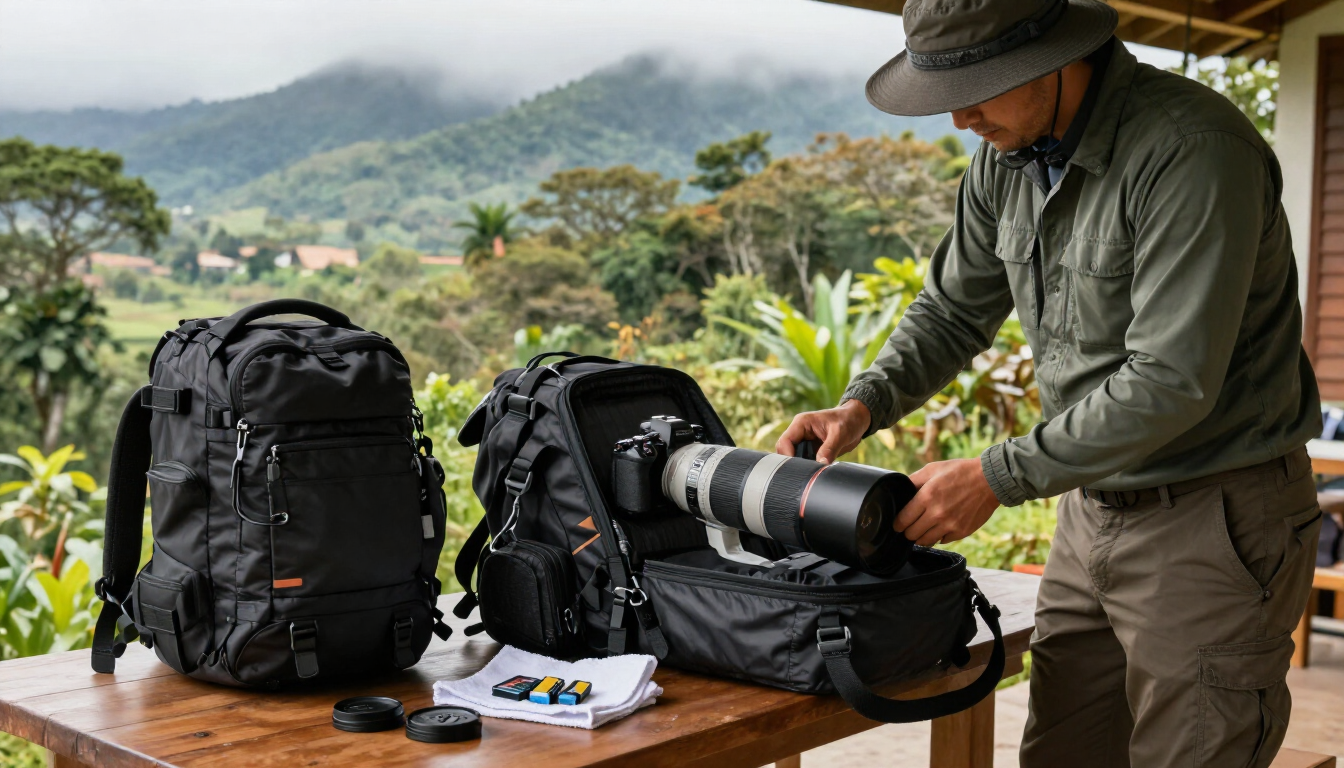
A 400mm or 600mm lens is an excellent foundation for serious bird photography in the Caribbean. It gives you reach for canopy birds, distant waterbirds, and cautious dry-forest species while keeping a respectful distance. A 100-400mm or 200-600mm zoom can be even more useful from boats, vehicles, and narrow trails, where a bird may suddenly appear too close for a fixed super-telephoto.
Bring a second body if you have one. Keeping a shorter telephoto or standard zoom ready can save the moments when a raptor flies overhead, a bird lands beside the vehicle, or the surrounding landscape becomes the story. Changing lenses in salty wind, blowing dust, or humid forest is possible, but it is never the preferred solution.
Your support system matters as much as lens choice. A sturdy tripod with a [gimbal head](https://www.retornophototours.com/mastering bird photography with long lenses) is ideal for predictable perches, hummingbird setups, and low-light forest work. A monopod can be easier on uneven ground, while handholding offers the best response for flight and boat photography. No single setup wins everywhere.
Pack rain protection, lens cloths, a blower, spare batteries, and more memory than you think you need. Tropical
humidity can fog equipment when moving from air-conditioned rooms into warm air. Let gear acclimate in a sealed bag before heading outside, and avoid leaving cameras exposed on a boat or open vehicle when conditions change.
Field Technique for Colourful, Unforgiving Light
The Caribbean rewards photographers who work the light rather than fight it. At sunrise, position yourself with the sun low behind or slightly to one side of the bird’s likely perch. A small change in angle can turn a flat record image into one with a luminous eye and a clean, warm background.
For perched birds, prioritize the eye, then watch the background. A spectacular species against tangled branches often works less well than a common bird isolated against distant foliage. Take a moment to shift your feet, lower your tripod, or wait for the bird to move to the edge of a perch. In many situations, patience improves composition more than a longer lens.
Flight work needs a different mindset. Use a shutter speed fast enough for your subject - often 1/2500 second or higher for small, fast birds - and keep your autofocus area flexible enough to acquire an unpredictable target. Waterbirds may allow lower speeds, especially when gliding, but do not assume large means slow. Practice panning before the decisive moment arrives.
Hummingbirds deserve dedicated sessions. Set up near flowers or feeders only where they are responsibly managed, choose an uncluttered background, and test exposure before activity peaks. Natural light can create beautiful wing motion, while controlled flash can reveal more detail. Both approaches work, but use flash thoughtfully and never in a way that disrupts feeding or normal behaviour.
Ethical Fieldcraft Protects the Photograph
The rarest bird is never worth stressing. Avoid crowding a perch, blocking a flight path, or staying too close to an active nest. Playback can help with research or carefully managed surveys, but it shouldn't be the default photographic tool. Repeated calls can alter behaviour, expose birds to predators, and create pressure at popular sites.
Follow local guidance around Indigenous, Afro-descendant, and rural communities. Access to many exceptional birding areas depends on relationships built over years, and respectful visitors help sustain those relationships. Ask before photographing people, keep private locations private when requested, and support local services whenever the itinerary allows.
This is also why guided photography has value beyond convenience. Skilled local guides read weather, bird behaviour, road conditions, and community protocols in real time. At Retorno Photo Tours, that local knowledge helps us build expeditions that create genuine photographic opportunities while directing attention and income toward habitat stewardship.
Make Space for the Unexpected
A carefully planned Caribbean route should be focused, yet never rigid. A flowering tree may suddenly draw multiple hummingbirds. Rising water may bring birds closer to a wetland edge. A roadside stop could produce the day’s best raptor portrait. Build enough margin into transfers and daily schedules to respond when the landscape gives you something special.
Back up your images every evening to two separate drives, label files by location, and note species, behaviour, and conditions while the details are fresh. Those notes will improve your captions, help you refine future trips, and preserve the story behind the frame.
Come prepared for heat, mud, insects, and early alarms, but leave room for wonder. The strongest Caribbean bird photographs usually begin with patience: stay quiet after others have moved on, return to the same trail at a better hour, and recognize that the bird decides when the scene becomes possible.