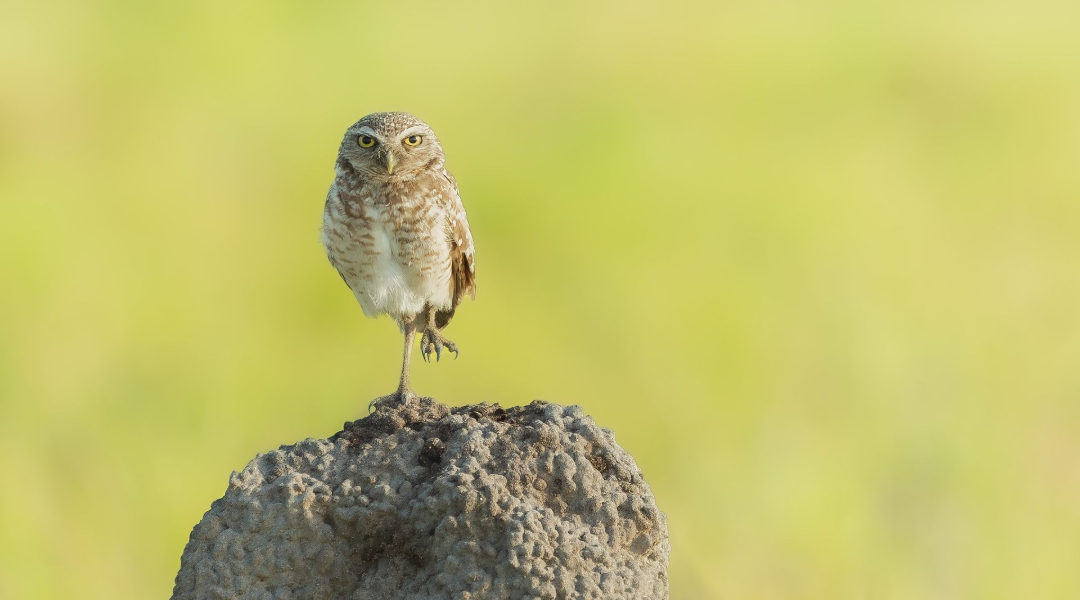
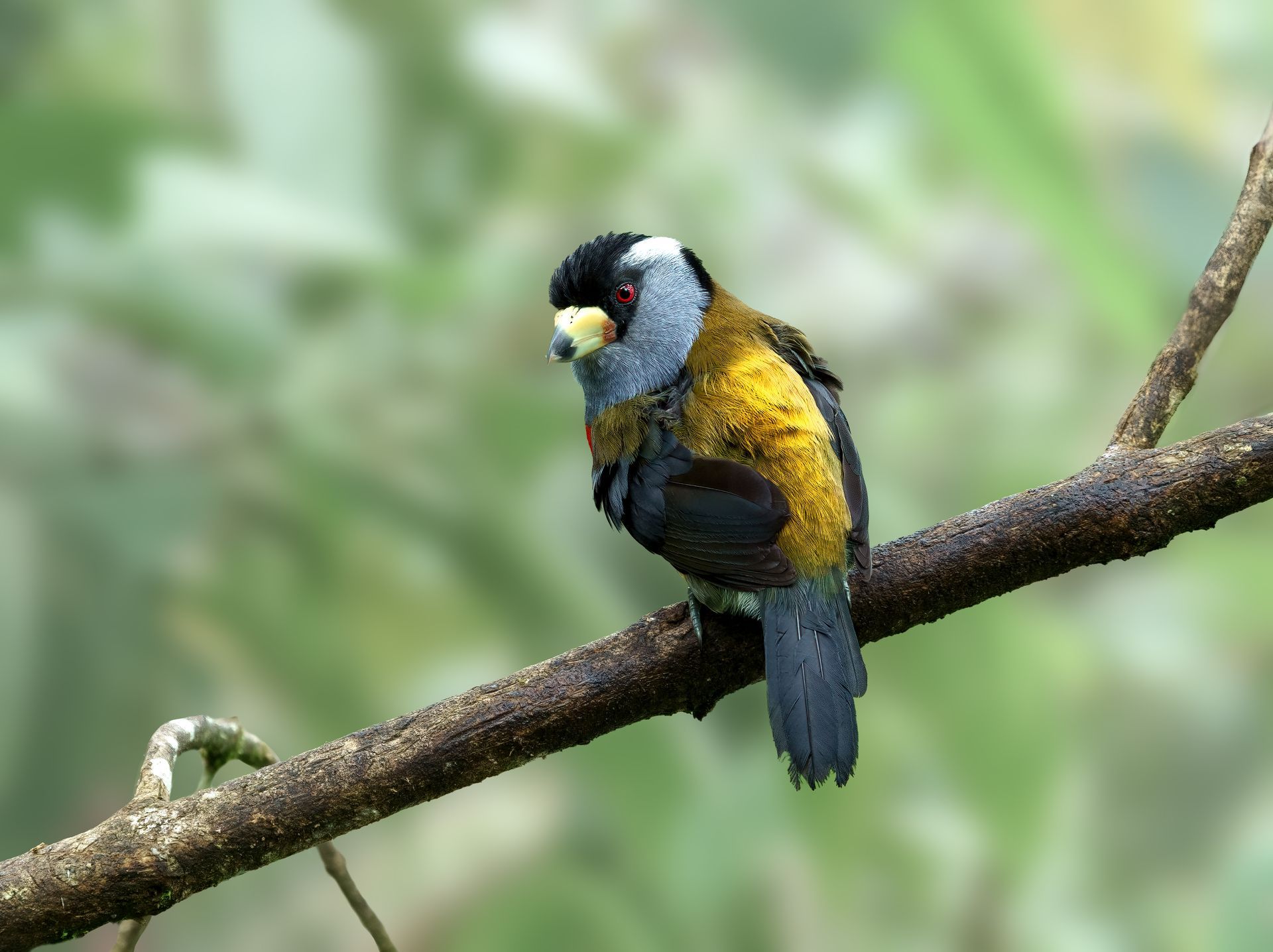
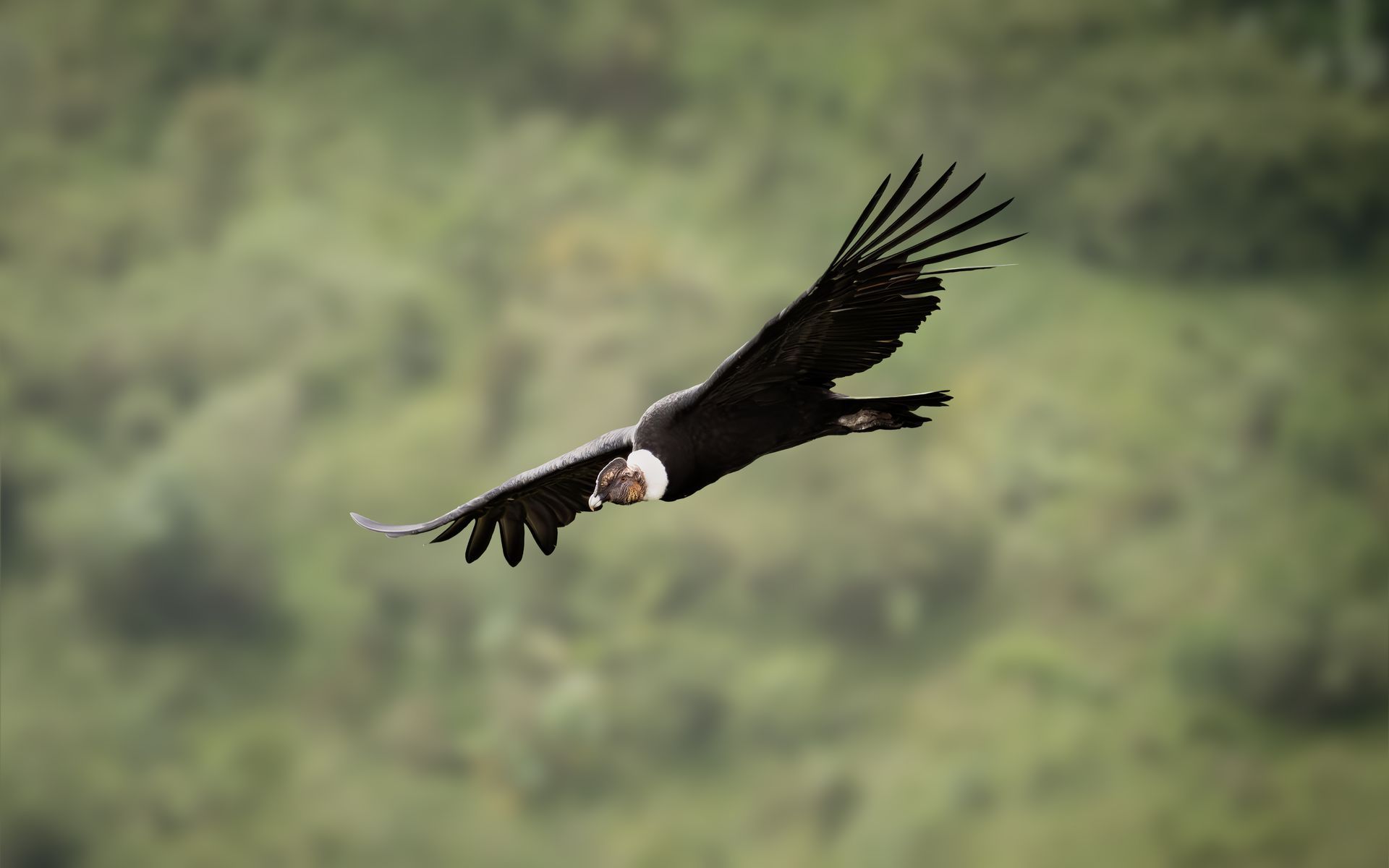
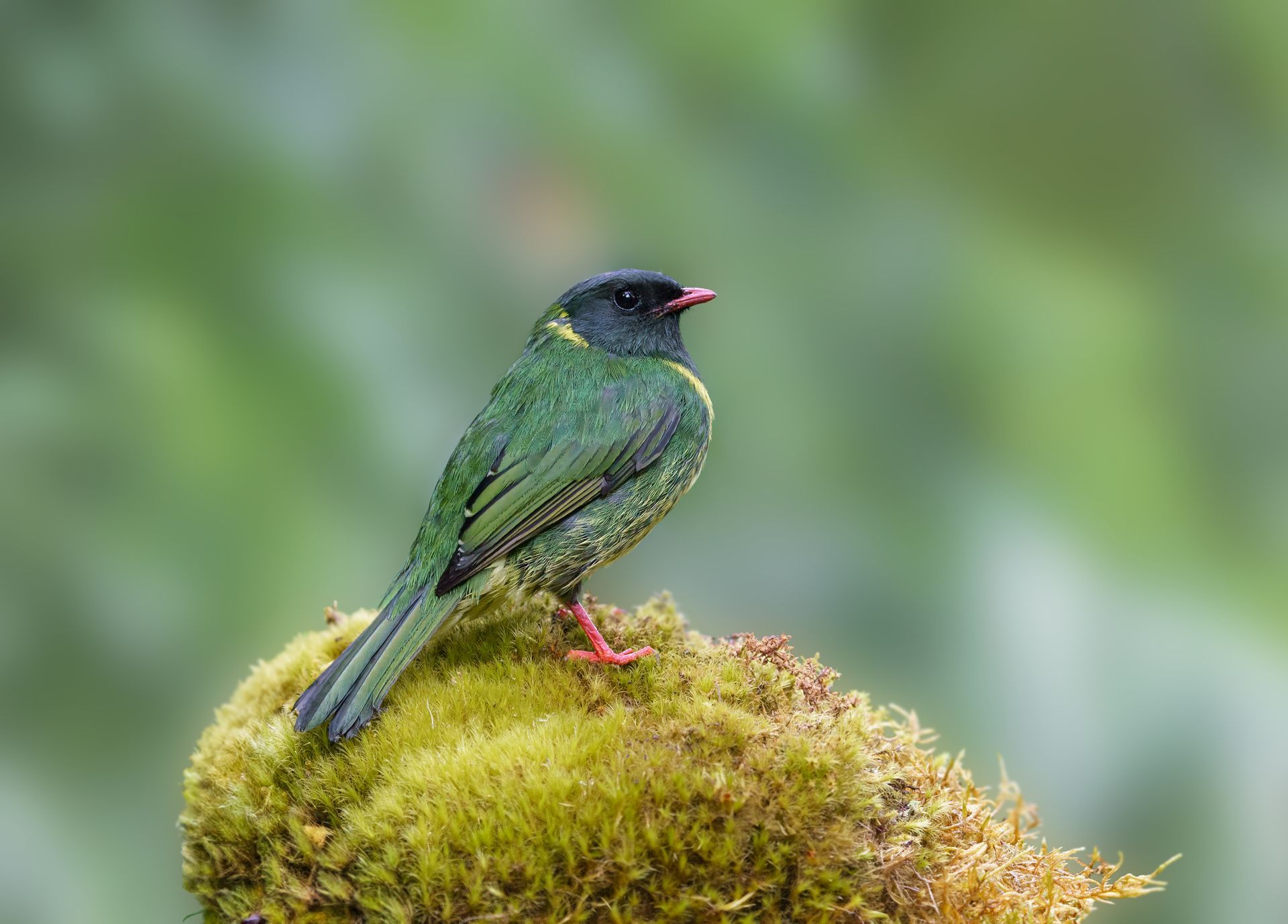
That is why hiring photo guides is a question serious wildlife photographers should ask before booking a complex expedition. The right guide turns limited travel days into informed, patient field time around the subjects, light, behaviour, and locations that matter most.
For photographers travelling with long lenses, tripods, flash systems, and a specific shot list, a photo guide is more than someone who points out wildlife. They are local problem-solvers, naturalists, route planners, field assistants, and advocates for respectful encounters. In biodiverse destinations such as Colombia, where elevations, weather, and habitats can shift dramatically in a single day, that expertise changes what is realistically possible.
Why Hire Photo Guides Instead of Travelling Independently?
Independent travel can be rewarding, especially when you know a destination well and have time to absorb uncertainty. But wildlife photography rarely rewards rushing. A productive encounter may depend on arriving before dawn, knowing which flowering trees are active, understanding where a bird favours a particular perch, or waiting quietly through a rain shower rather than moving on too soon.
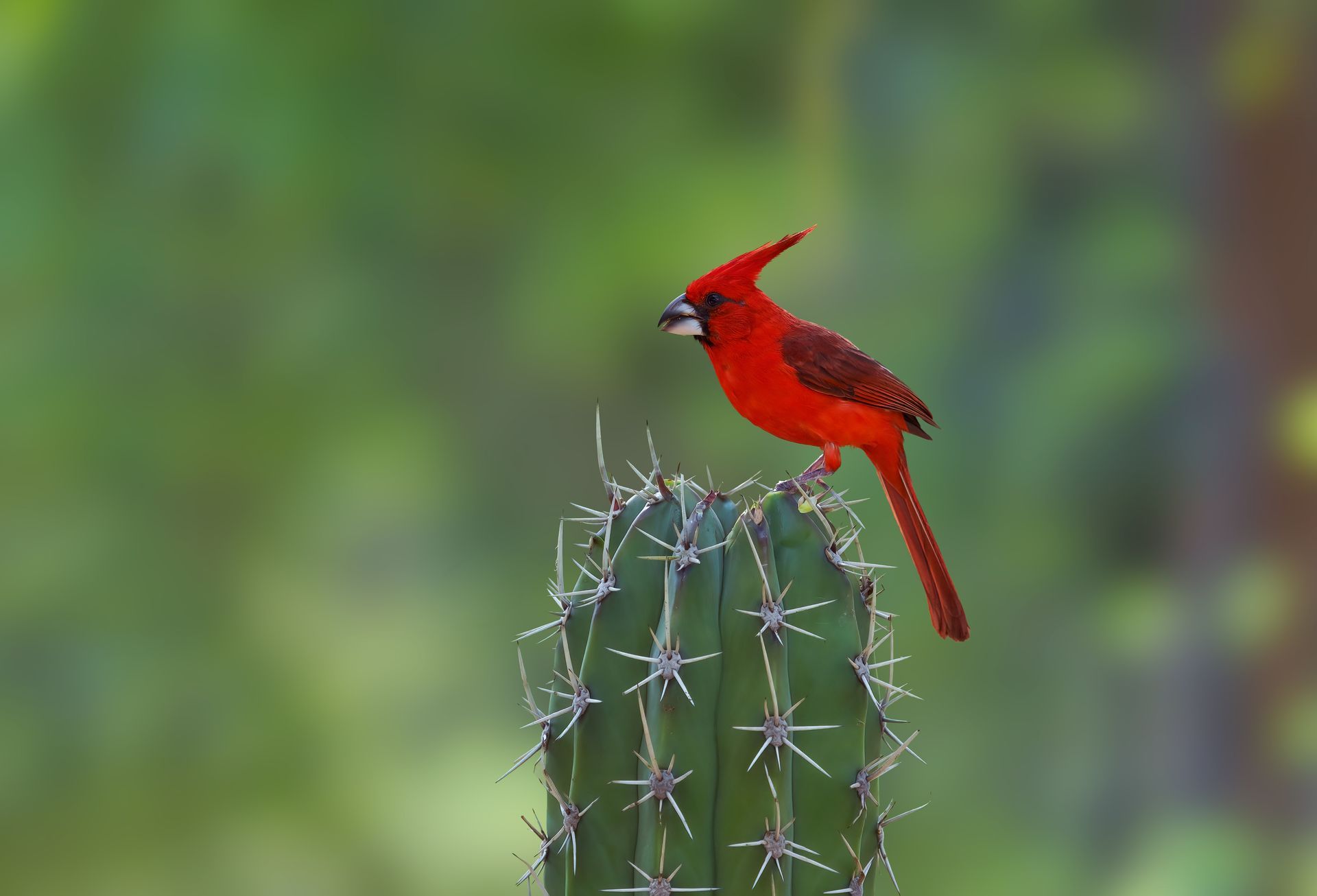
A specialized photo guide brings current, site-specific intelligence. They know when a hummingbird garden is busy, which roadside forest is worth a careful stop, and whether recent rain has made an access road impractical. They also understand the difference between seeing a species and photographing it well. A distant record shot may satisfy a checklist. A guide who understands photography will work toward clean backgrounds, workable angles, natural behaviour, and light that brings out the colour and detail you travelled to capture.
That does not mean every moment follows a script. Wildlife remains wild, and honest guides never promise a rare species as if it were guaranteed. They can provide the best possible combination of timing, habitat knowledge, patience, and local access. That is often the difference between hoping for a subject and putting yourself in the best position to photograph it.
More Time Behind the Camera, Less Time Solving Logistics
Photographic travel has a hidden cost: decision fatigue. Every hour spent comparing routes, arranging permits, finding fuel, interpreting local conditions, or wondering whether a location is appropriate is an hour away from the field.
On a well-run photo expedition, we coordinate transportation, lodging, meals, permits, timing, and equipment around photographic opportunity. Plan a pre-dawn departure because morning activity is highest, not because it fits a standard sightseeing schedule. We can time lunch around a productive feeder setup. A comfortable lodge near the habitat can be more valuable than a luxurious hotel several hours away.
This matters especially in regions where productive sites are separated by mountain roads, river crossings, or remote tracks. Colombia offers extraordinary variety, from high Andean forests and cloud forest to Amazonian lowlands, Caribbean dry forest, and the Chocó bioregion. It also demands realistic planning. Factors include road conditions, rain, altitude, security considerations, and travel times.
A photo guide and experienced local operator manage these details while keeping the itinerary flexible when conditions change. If fog closes in on a ridge, the team may move to a lower-elevation target. If a feeder station is unusually active, the team can spend more time there. Flexibility is not an inconvenience when it is guided by local knowledge. It is how strong wildlife portfolios are built.
A Guide Helps You Photograph Behaviour, Not Just Identification
A bird guide can identify species. A photo guide must also anticipate moments.
Behavioural knowledge is one of the most valuable advantages in wildlife photography. It helps you recognize when a tanager may return to a fruiting branch, when a hummingbird is likely to defend a favoured flower, or when a
Spectacled Bear may emerge along a productive feeding slope. Instead of chasing every movement, you can settle into a position that respects the animal and gives you a better chance of capturing a meaningful image.
This is also where technical advice becomes practical. A knowledgeable guide may suggest lowering your tripod for an eye-level angle, shifting a few feet to remove a distracting branch, increasing shutter speed before a fast flight sequence, or waiting for the sun to pass behind thin cloud. The goal is not to take over your creative process. It helps you make better decisions while the opportunity is still there.
For advanced photographers, this support can be subtle and highly efficient. For those new to tropical wildlife photography, it can prevent common frustrations: underexposed dark forest subjects, missed action at feeders,
fogged lenses in humid conditions, or fatigue from carrying unsuitable gear all day. The best guides meet you where you are and respect the images you want to create.
Safety and Local Relationships Are Part of the Photograph
Some of the world’s most exciting wildlife habitats are also places where independent visitors face real logistical and practical limits for independent visitors. A guide provides clear support with routes, local protocols, communications, vehicle planning, weather changes, and remote-area decision-making. This is not about removing adventure. It is about making adventure responsible enough that you can focus on the work.
Just as important are relationships with the people who live near the wildlife. Many productive reserves, farms, community projects, and private lands are accessible because local families, landowners, Indigenous communities, and rural hosts have chosen conservation-compatible tourism. Entering these places respectfully is not a minor courtesy. It is central to keeping access viable.
At Retorno Photo Tours, we believe a great image should leave something positive behind. When photography tourism supports local guides, family-run lodges, habitat protection, and community-led conservation, photographers become part of a more durable model. The experience gains depth because the landscape is no longer just a backdrop. It is a living place supported by people with their own knowledge and connection to it.
Ethical Guidance Protects Wildlife and Your Reputation
Wildlife photography has consequences. Repeated disturbance at a nest, crowding an animal for a close frame, baiting without transparency, or pressuring a subject into unnatural behaviour can cause harm long after the group leaves.
A responsible photo guide establishes boundaries before an encounter becomes exciting. They know when to back away, when to limit flash, when a trail is too sensitive after rain, and when a nesting or feeding site should not be approached. They also help photographers recognize that a wider, natural frame is often more powerful than a tight image gained at the animal’s expense.
Ethical standards may occasionally mean accepting a missed shot. That is a worthwhile trade-off. Portfolio-quality work is not only about rarity and sharpness. It is about being able to stand behind how the image was made.
What to Look for in a Photo Guide
Not every nature guide is a photo guide, and not every photographer understands field ecology. Look for a team that combines both disciplines. Ask whether guides understand your target subjects, work with local communities, and have experience coordinating the practical realities of the regions you will visit.
You should also ask about group size, vehicle space, luggage handling, tripod use, lodging standards, and how much flexibility the itinerary is. A small group is often worth the investment for photographers with large lenses or specific creative goals. Fewer people mean more room to move, less pressure at a productive angle, and a quieter experience around sensitive wildlife.
For a private expedition, the conversation should go deeper. Share your priority species, preferred pace, physical comfort needs, photographic style, and tolerance for early starts or challenging terrain. A tailor-made itinerary is most valuable when itis built around your goals rather than a generic list of highlights.
Sometimes, self-guiding makes sense. If you are returning to familiar locations, have several weeks available, speak the local language, and enjoy solving every detail, independence can feel freeing. But if this is a once-in-a-lifetime trip for endemic birds, jaguars,
Harpy Eagles, or rare Andean wildlife, professional guidance protects the value of every day.
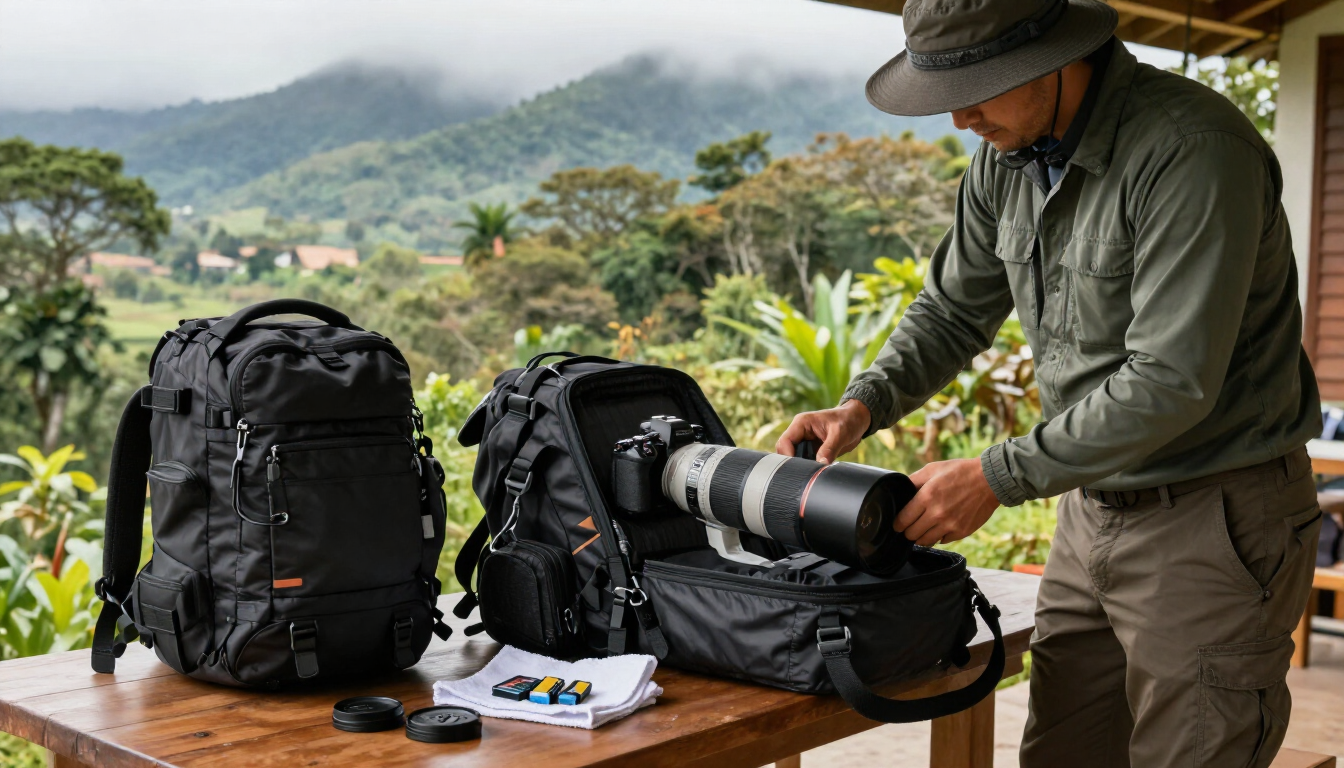
Bring the lenses that serve your vision, prepare for changing conditions, and arrive with curiosity rather than a demand for guarantees. A skilled photo guide can handle the complicated groundwork so you can listen for the first call in the forest, watch the light gather on a ridge, and be ready when the moment finally appears.