
Are Guides Necessary for Wildlife Photography?
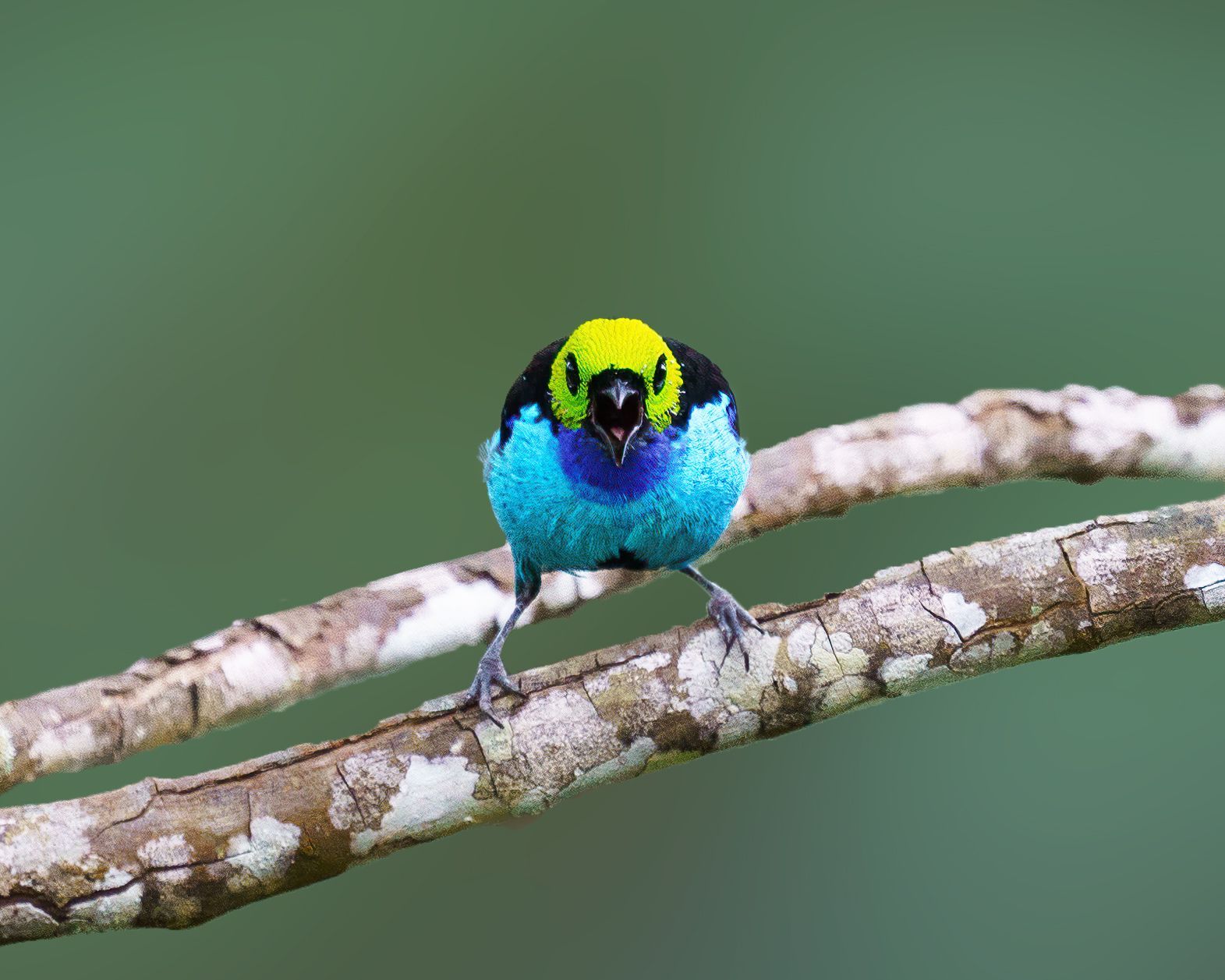
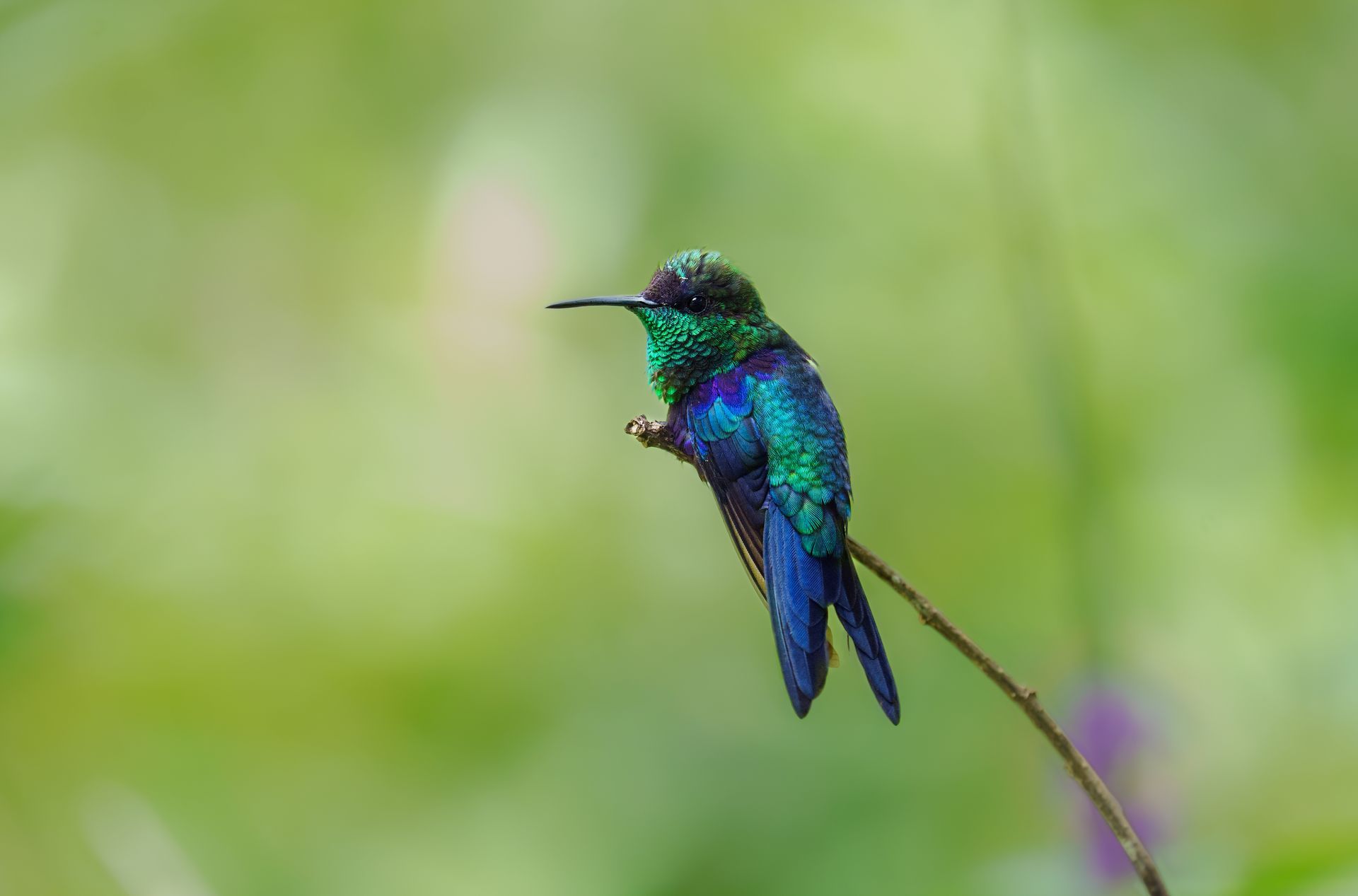
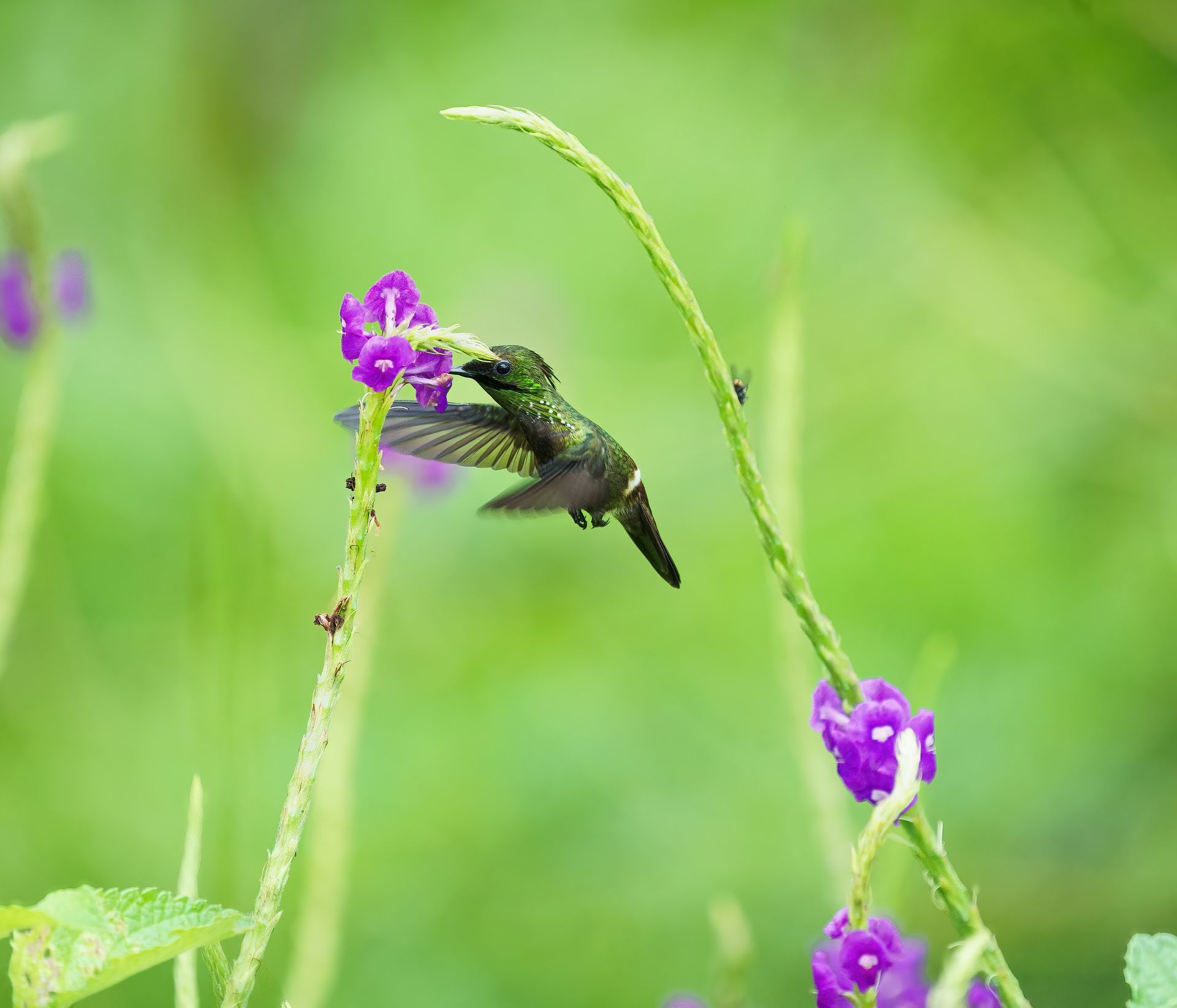
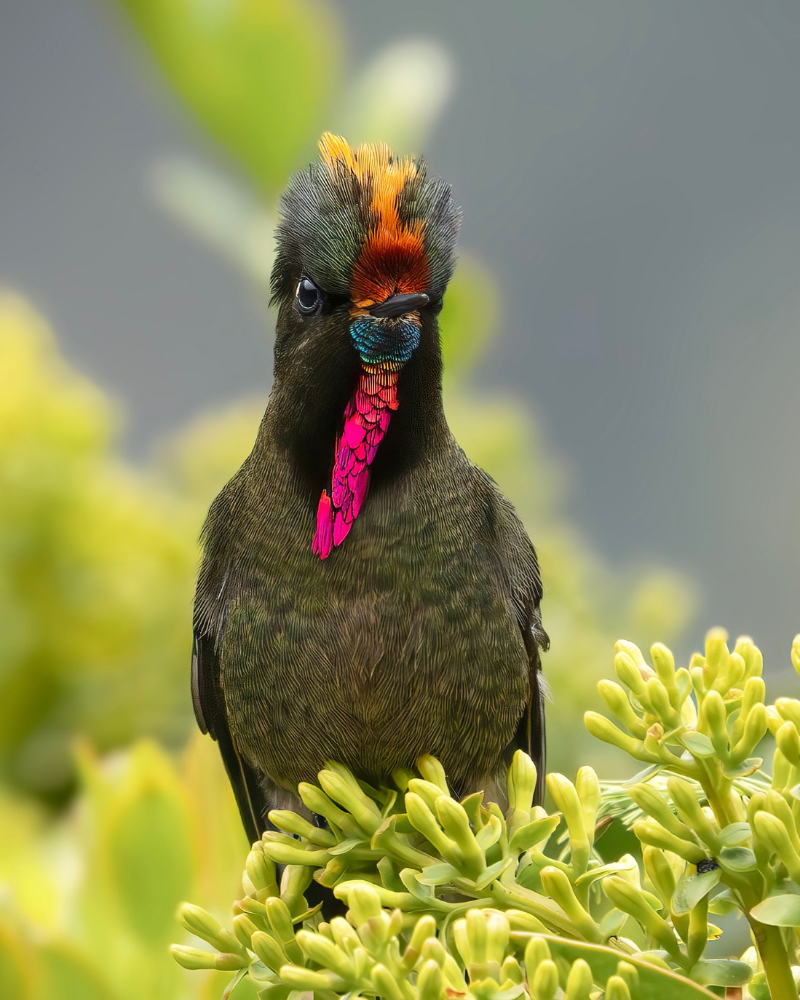
One of the most looking Hummingbird of Amazon
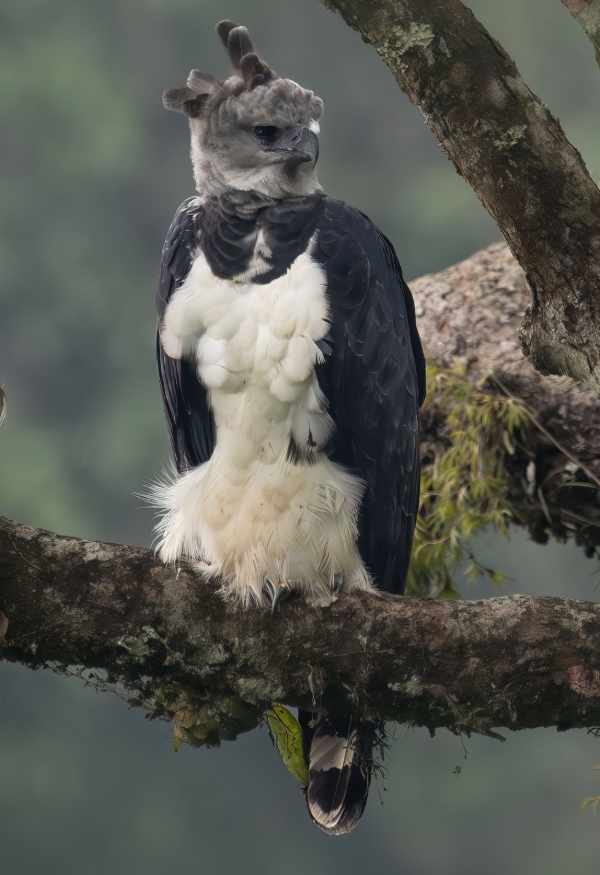
A Harpy Eagle may spend hours silent in a vast forest canopy. A glittering hummingbird can appear at one flowering shrub for minutes, then vanish as the light changes. These are not subjects that wait beside a marked trail. So, are guides necessary for wildlife photography? Not for every trip, but for photographers traveling to remote, species-rich regions, the right guide can be the difference between simply visiting a landscape and working it well.
A guide is not there to carry your camera or dictate every frame. At their best, a specialist guide brings the field knowledge, local relationships, route planning, and ethical judgment that give you more time with the wildlife you came to photograph.
Are Guides Necessary for Every Photography Trip?
No. If you are photographing familiar species near home, visiting a well-known national park with clear infrastructure, or building a personal project over many repeat visits, independent travel can be deeply rewarding. It allows you to follow your own pace, return to a favorite blind, and learn a place through trial and error.
The calculation changes when your target species is difficult to locate, when habitats are remote, or when a short international trip must produce meaningful field opportunities. Colombia alone holds an extraordinary range of ecosystems, from high Andean forests and páramo to Amazonian rainforest, Caribbean dry forest, and the Chocó bioregion. Each has different weather patterns, access conditions, elevations, road realities, and wildlife behavior.
For a visiting photographer with ten days and a wish list that includes endemics, tanagers, hummingbirds, spectacled bears, or frogs, time is the most valuable resource. A knowledgeable guide helps protect it.
What a Specialist Wildlife Guide Actually Adds
The best guides do far more than identify birds. They understand where a species feeds at first light, which forest edge is productive after rain, when a fruiting tree is likely to draw barbets or toucans, and how to position a group without disturbing the subject. This knowledge is built through seasons in the field, conversations with local landowners, and careful observation rather than a quick glance at a distribution map.
Better access to the right habitats
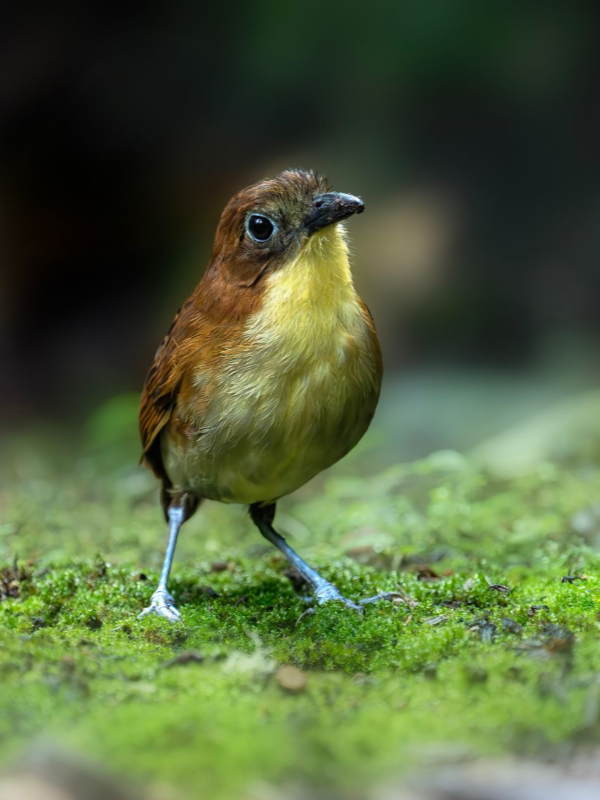
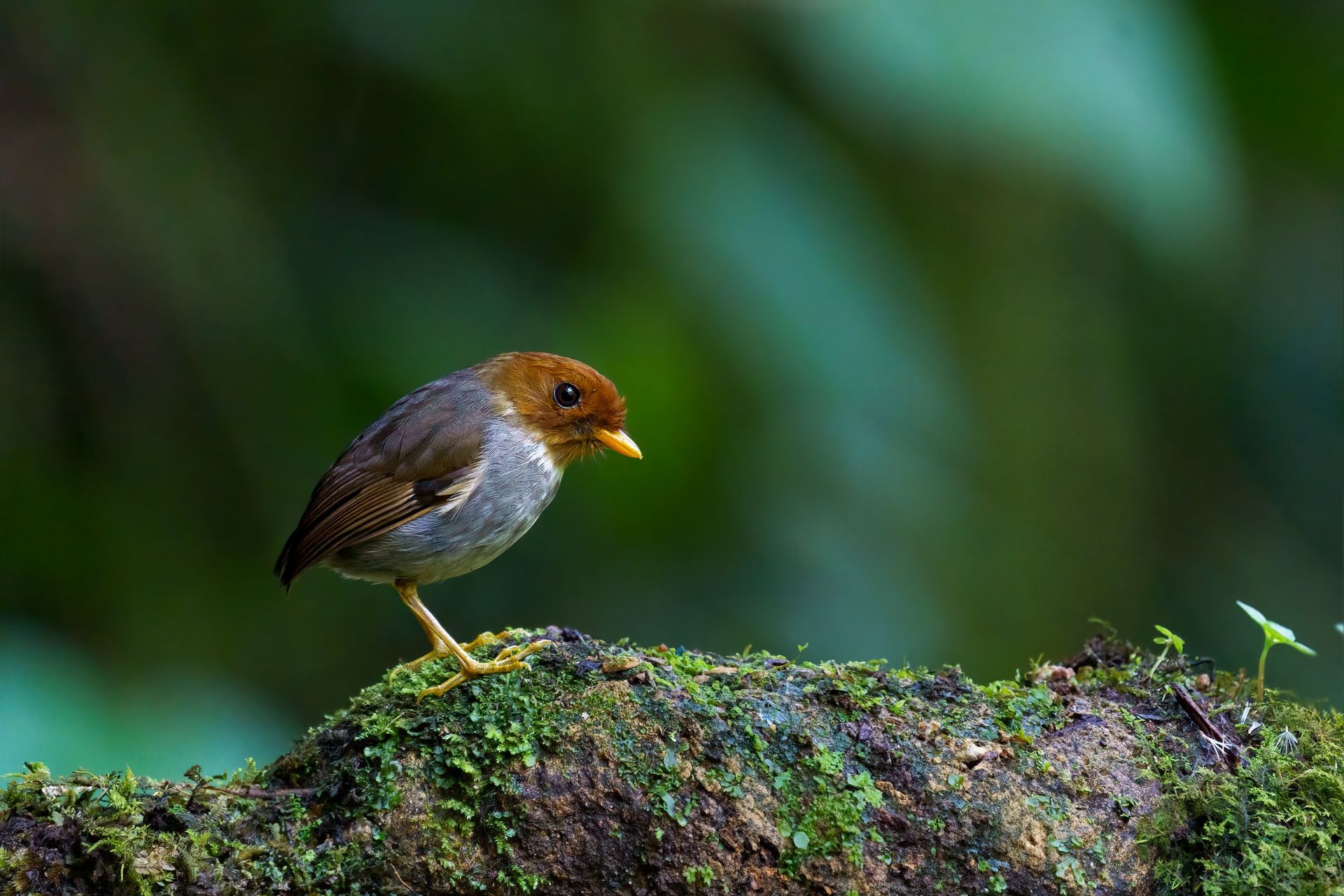
Many of the world’s most photogenic species occur in places that are not obvious from a travel search. A quality guide may know a private reserve protecting a narrow band of cloud forest, a community-managed trail with a dependable antpitta territory, or the wetland channel where giant otters have been active recently.
Access is also about timing. Leaving a lodge 30 minutes earlier can mean reaching a lek, feeder, riverbank, or forest opening during the brief window when the light and wildlife activity align. On a photography expedition, those details matter more than an ambitious itinerary on paper.
Fieldcraft that improves photographs
Wildlife photography rewards patience, but patience becomes more productive when it is informed. A photography-focused guide can help assess light direction, background distance, shooting angle, and likely movement paths before a bird lands or a mammal steps into view.
They can also help you make practical choices under changing conditions. In a dark understory, you may need to trade shutter speed for ISO, stabilize with a monopod, or wait for a cleaner perch. At a hummingbird feeder, the question may be whether to work natural light, use carefully managed flash, or move to a different angle that reveals iridescence without a cluttered background. You remain the photographer, but you are making decisions with stronger local context.
Logistics that preserve field time
Remote travel has a way of consuming time when every transfer, meal, permit, and accommodation is arranged separately. A missed turn on a mountain road, a poorly timed domestic flight, or an unsuitable vehicle can erase a morning that was meant for photography.
A professionally coordinated trip organizes transport, lodging, meals, entry requirements, and realistic driving times around the photographic schedule. That does not mean every day is rigid. Wildlife rarely follows a timetable. It means there is a reliable structure behind the flexibility, so the group can stay with an active subject or adjust when weather reshapes the plan.
Safety and local awareness
Safety is not only about avoiding dramatic risks. It includes knowing which trails become slippery after afternoon rain, how altitude may affect your energy, when river travel is appropriate, and where equipment should be packed away before a transfer. It also means understanding local customs and respecting the people who live and work in the landscapes you have come to photograph.
In Colombia, trusted local coordination can make travel feel welcoming and straightforward while keeping expectations realistic. Conditions vary between regions, and honest advice is more useful than vague assurances.
When Going Independently Can Work Well
Hiring a guide is not automatically the right choice. Independent travel may suit photographers who speak Spanish confidently, have extensive tropical field experience, and are returning to a region they already know. It can also work for travelers with long, flexible schedules and a willingness to accept slow days, changed plans, and a higher degree of logistical uncertainty.
A self-guided trip can be especially satisfying if your goal is exploratory rather than target-driven. Perhaps you want to spend two weeks photographing common forest birds around one lodge, learn local calls, and let the experience develop naturally. In that case, the process of finding subjects is part of the project.
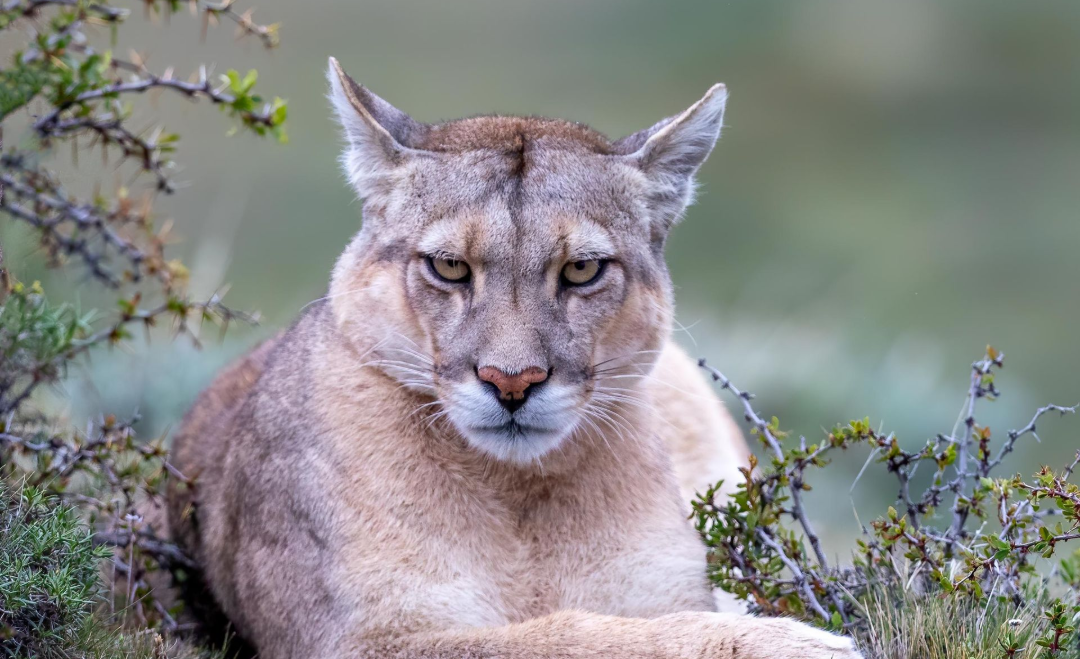
The trade-off is that independent travel often requires more research, backup planning, and tolerance for missed opportunities. For rare species, a guide’s current knowledge can be difficult to replace. A guide cannot promise a jaguar, Harpy Eagle, or spectacled bear, but they can put you in the right habitat at the right time and help you recognize when patience is worth extending.
Not All Guides Are the Same
The question is not just whether to hire a guide. It is whether to travel with a guide whose skills match your goals. A general sightseeing guide may be excellent company and know regional history, yet have limited experience with telephoto photography, bird vocalizations, or the demands of a pre-dawn wildlife schedule.
For serious photographers, look for a team that can discuss target species honestly, understands camera support and long-lens handling, and keeps group sizes manageable. Ask how the itinerary handles weather, what happens when a key subject is not active, and whether the trip allows enough unhurried time in productive habitats.
Ethics should be part of the answer. Responsible guides avoid crowding nests, pushing wildlife closer for a photograph, excessive playback, and any practice that alters natural behavior. They also recognize that local communities are partners in conservation, not scenery around an expedition. When tourism revenue supports rural families, reserve owners, and habitat protection, every photograph carries a more meaningful story.
The Value of Local Relationships
Some of the finest wildlife photography opportunities are possible because local people have chosen to protect their land. A family may maintain hummingbird gardens. A community may safeguard a forest trail. A rancher may preserve a wetland corridor used by macaws, owls, or capybaras.
These relationships cannot be created by arriving with a long lens and a detailed species list. They are built over time through respect, fair collaboration, and a shared interest in keeping wildlife alive and wild. Retorno Photo Tours works with this principle because photography tourism has real power when it rewards habitat stewardship rather than extraction.
For the photographer, this approach often creates a better experience as well. You gain access to people with firsthand knowledge of the land, learn why a place matters beyond a single target species, and photograph in settings where conservation has a visible human foundation.
A Guide Should Expand Your Experience, Not Control It
The strongest guided expeditions leave room for your creative priorities. One photographer may want clean behavioral images of endemic birds. Another may be looking for wide habitat portraits, intimate reptile details, or a portfolio sequence of jaguars in the Pantanal. A good guide listens, adapts where conditions allow, and explains the choices behind the plan.
They should also be candid. Rain may limit a mountain viewpoint. A bird may stay high in the canopy. A private reserve may close a trail for habitat recovery. Honest expectations are not a weakness. They are a sign that wildlife is being respected and that your time is being planned around reality.
Your best images often begin before the shutter is pressed: with a quiet approach, the right position, a local guide reading the forest, and enough time to let a wild subject choose its own moment.
Scheduled Tours
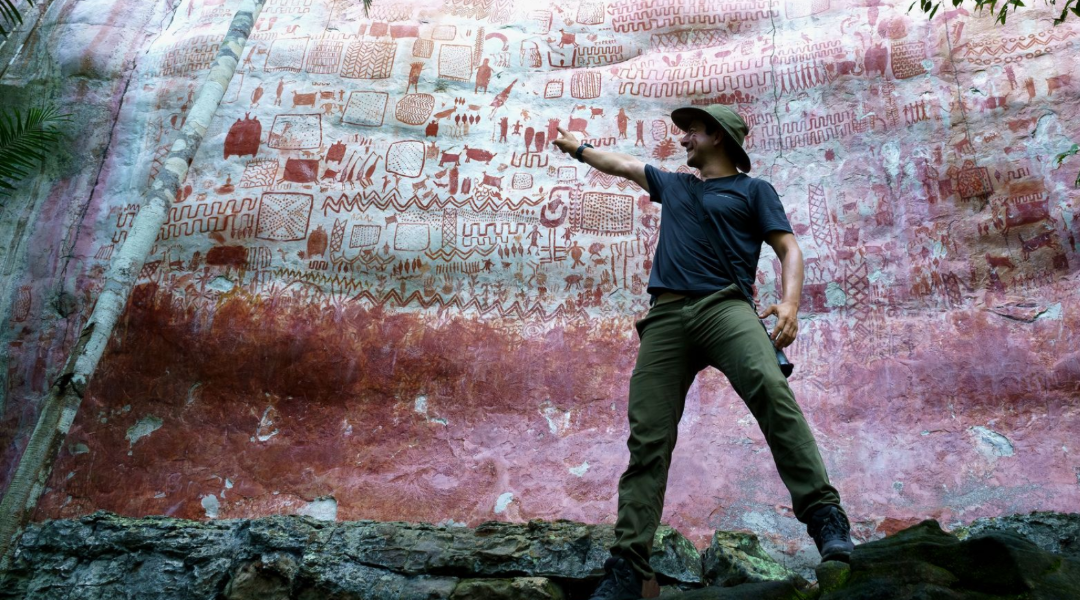
Western Amazon: Gateway to Chiribiquete.
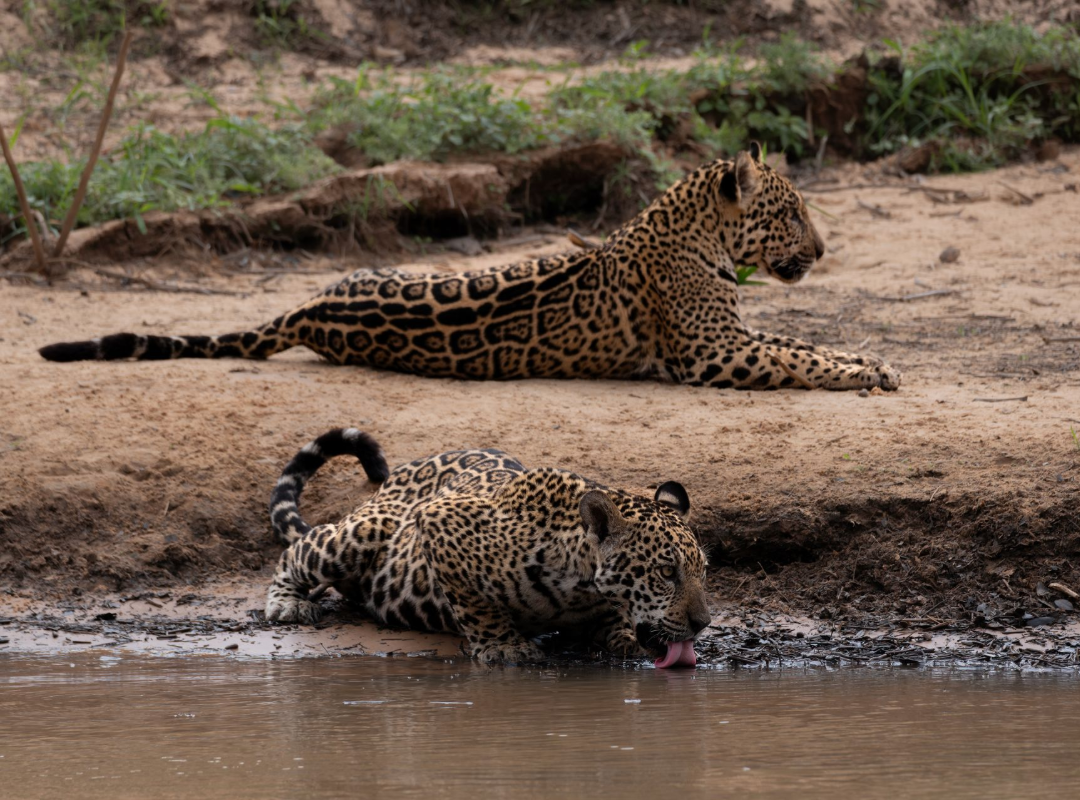
Jaguars of Pantanal
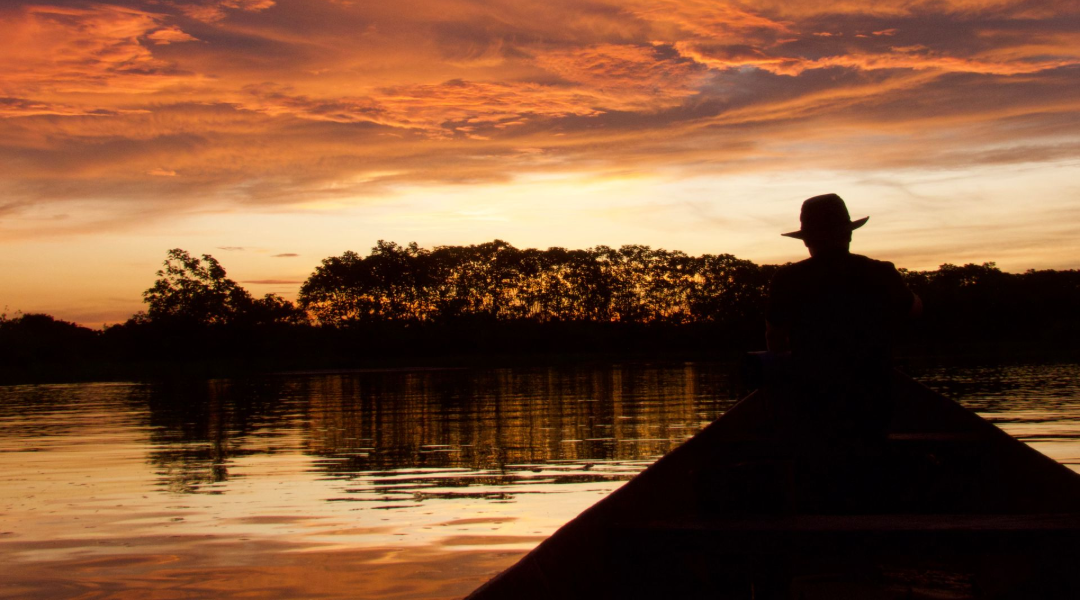
Amazon's Guiana Frontier - Mitu.
Emblematic Birds Photo Tour