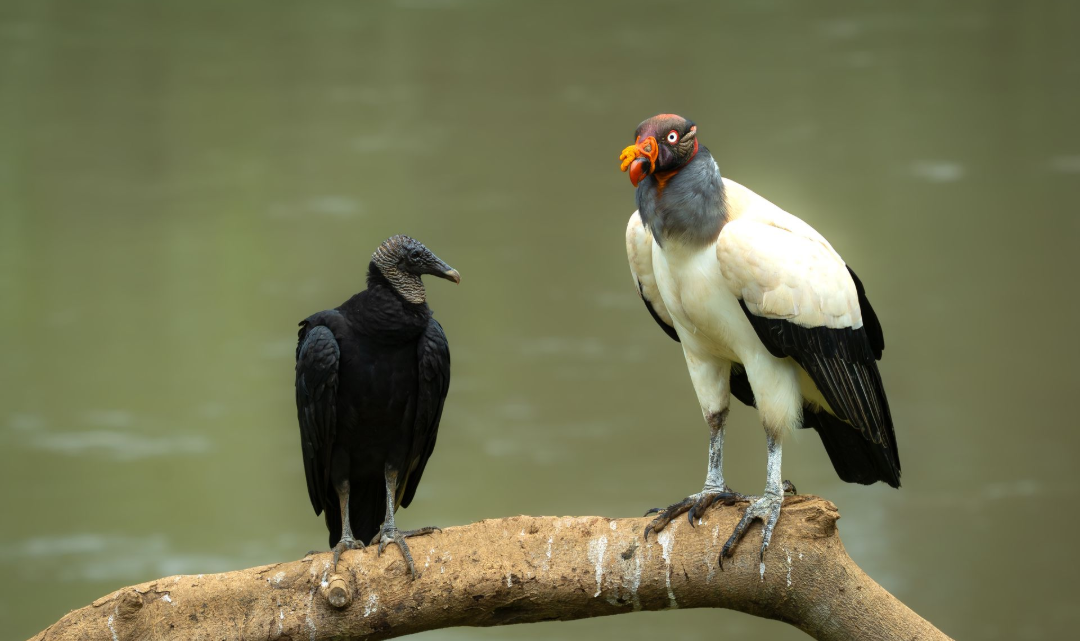

How Colombia’s Ecosystems Shape Incredible Wildlife Photography Experiences
How Colombia’s Ecosystems Shape Incredible Wildlife Photography Experiences
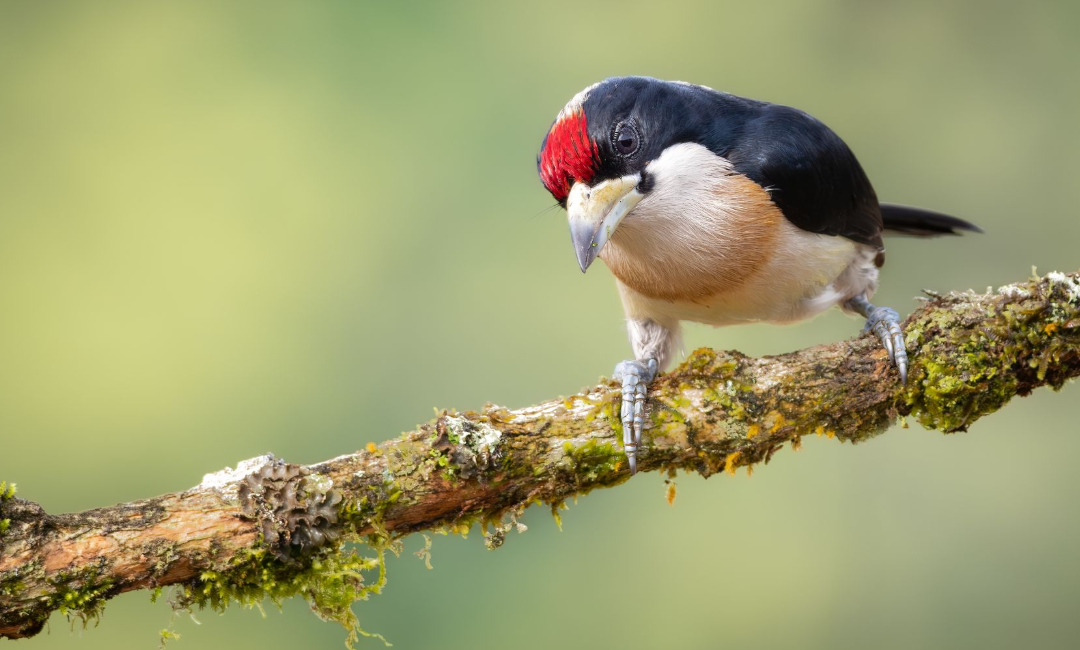
Colombia is often described as the most biodiverse country per square kilometer on Earth. That distinction is not accidental. It is the result of an extraordinary convergence of geography, altitude, climate, and ecological history. From Amazonian rainforest to Andean cloud forest, Caribbean dry forest to Pacific mangroves, Colombia’s ecosystems form a mosaic of life that directly shapes the wildlife photography experience.
For photographers, ecosystems are not just backdrops — they determine species behavior, lighting conditions, composition styles, and storytelling potential. In Colombia, each ecosystem offers a distinct photographic language.
Understanding these environments is the key to capturing truly exceptional wildlife images.
A Country of Ecosystems, Not Just Species
Many destinations are known for a handful of iconic animals. Colombia is different. Here, the diversity of ecosystems creates a layered wildlife experience.
The country includes:
- Amazon rainforest
- Andean cloud forests
- High-altitude páramo
- Caribbean dry forests
- Pacific rainforests
- Llanos grasslands
- Wetlands and river systems
Each ecosystem shapes:
- The species present
- Their behavior
- The quality of light
- The visual atmosphere
- The technical challenges photographers face
This ecological diversity explains why Colombia supports nearly 2,000 bird species and countless mammals, reptiles, and amphibians.
For wildlife photographers, ecosystem diversity equals creative diversity.
Amazon Rainforest: Density and Immersion
In southern Colombia, the Amazon rainforest presents one of the most immersive wildlife photography environments on Earth.
What Defines the Amazon Ecosystem?
- Towering canopy layers
- Constant humidity
- Dense understory
- High insect activity
- Complex soundscapes
Photography in this environment is about patience and awareness. Light is filtered through thick canopy layers, creating dramatic beams and shadow patterns.
Wildlife subjects include:
- Colorful macaws
- Toucans
- Antbirds
- River dolphins
- Primates
Images from the Amazon often feel intimate and atmospheric. The ecosystem shapes a style that is close, textured, and emotionally immersive.
Andean Cloud Forests: Color and Mist
Moving upward in elevation, Andean cloud forests offer a completely different aesthetic.
Key Characteristics:
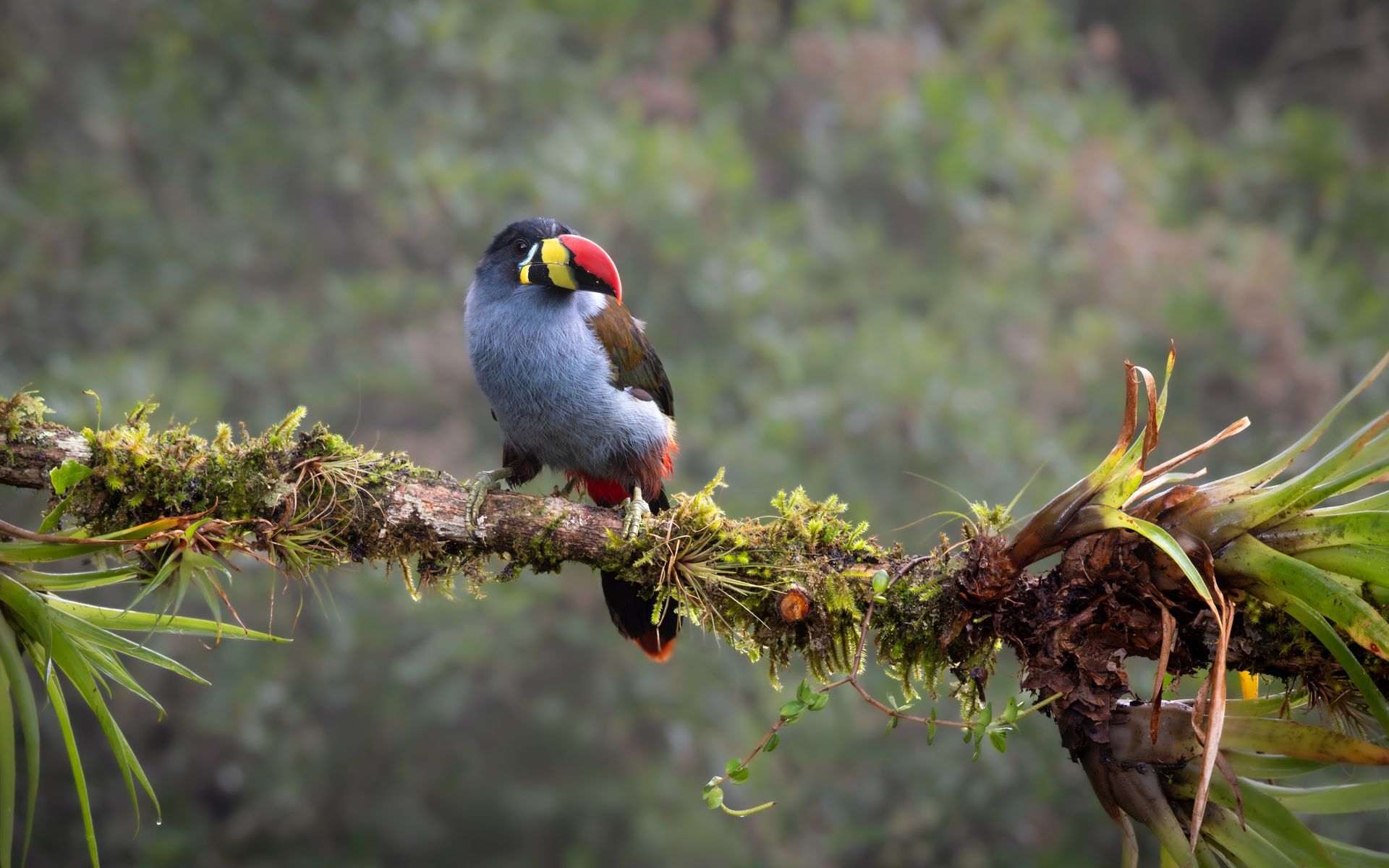
- Persistent mist
- Moss-covered branches
- Epiphytic plants
- Cooler temperatures
- Soft diffused light
For bird photography, this ecosystem is legendary.
Cloud forests host:
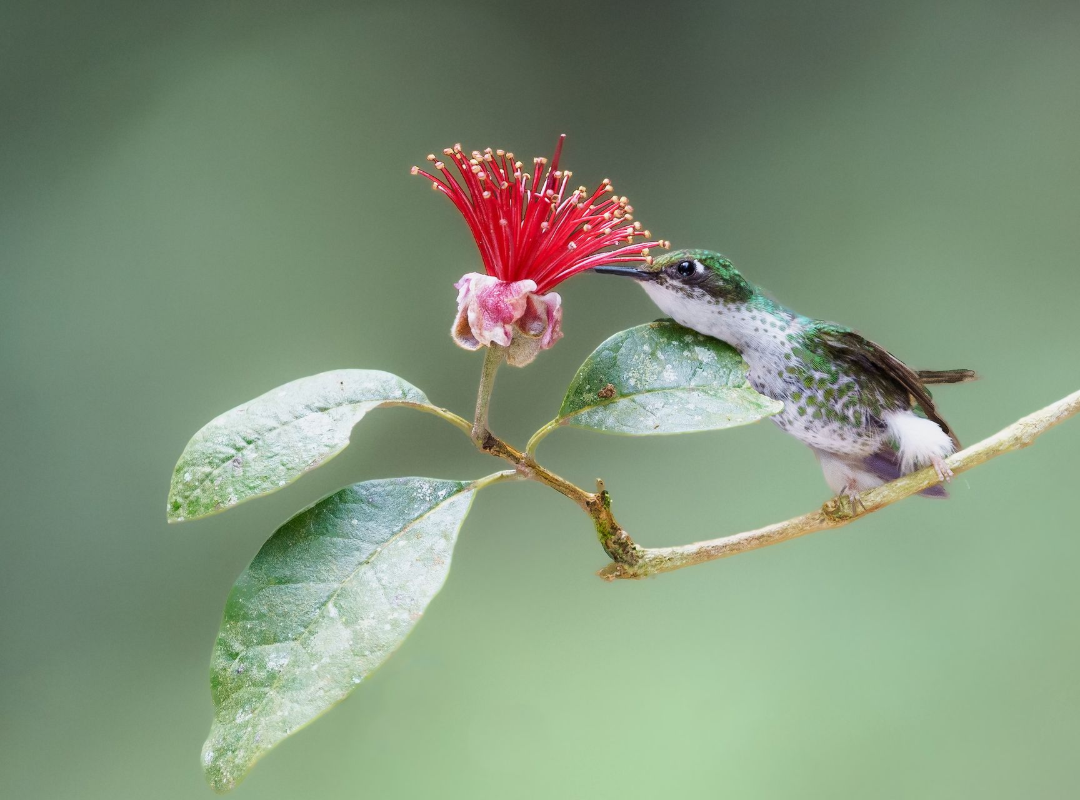
- Hummingbirds
- Tanagers
- Manakins
- Toucanets
- Range-restricted endemic species
The mist softens light, reduces harsh contrast, and enhances feather detail. Backgrounds become smooth and painterly.
This ecosystem shapes images that feel vibrant yet gentle — rich in color without overwhelming contrast.
High Andes and Páramo: Minimalism and Drama
Above the cloud forest lies the páramo — a high-altitude ecosystem found only in the northern Andes.
Defining Features:
- Open grasslands
- Shrub vegetation
- Strong winds
- Clear mountain backdrops
Wildlife here is more specialized and less dense, but visually dramatic.
Photographers encounter:
- High-elevation hummingbirds
- Andean raptors
- Ground-dwelling species
The open landscape shapes minimalist compositions. Subjects are often isolated against sky or mountain horizons.
This ecosystem creates a sense of scale and altitude that is unique in tropical wildlife photography.
Caribbean Dry Forest: Light and Contrast
On Colombia’s northern coast, dry forests present yet another photographic personality.
Ecosystem Traits:
- Deciduous trees
- Brighter light
- More open understory
- Seasonal rainfall patterns
Here, birds are often easier to spot due to reduced vegetation density.
The light is stronger and more direct, encouraging:
- High-contrast compositions
- Dramatic shadows
- Bold color rendering
Photographers working in dry forest environments must adapt exposure carefully, but the clarity and openness allow dynamic action shots.
Pacific Rainforest: Raw Wilderness
Colombia’s Pacific coast is one of the wettest regions on Earth.
Characteristics:
- Heavy rainfall
- Lush vegetation
- Mangrove systems
- River deltas
Wildlife here includes:
- Waterbirds
- Raptors
- Amphibians
- Coastal mammals
The ecosystem shapes moody, saturated images. Rain and humidity enhance colors, and cloud cover creates dramatic skies.
Pacific photography often feels raw and untamed — reflecting the intensity of the ecosystem itself.
Wetlands and River Systems: Reflection and Motion
Colombia’s wetlands — from the Magdalena River basin to Orinoco floodplains — offer open landscapes.
Photographic Benefits:
- Reflections in water
- Sunrise and sunset silhouettes
- Large congregations of birds
- Flight photography opportunities
This ecosystem encourages environmental storytelling. Instead of tightly cropped portraits, photographers can capture:
- Predator-prey interactions
- Flocks in motion
- Landscape-integrated wildlife scenes
Water shapes composition, adding depth and symmetry.
Llanos Grasslands: Behavior and Interaction
The eastern Llanos region features expansive savanna ecosystems.
Key Traits:
- Seasonal flooding
- Wide open plains
- Abundant prey species
This environment supports:
- Raptors
- Wading birds
- Capybaras
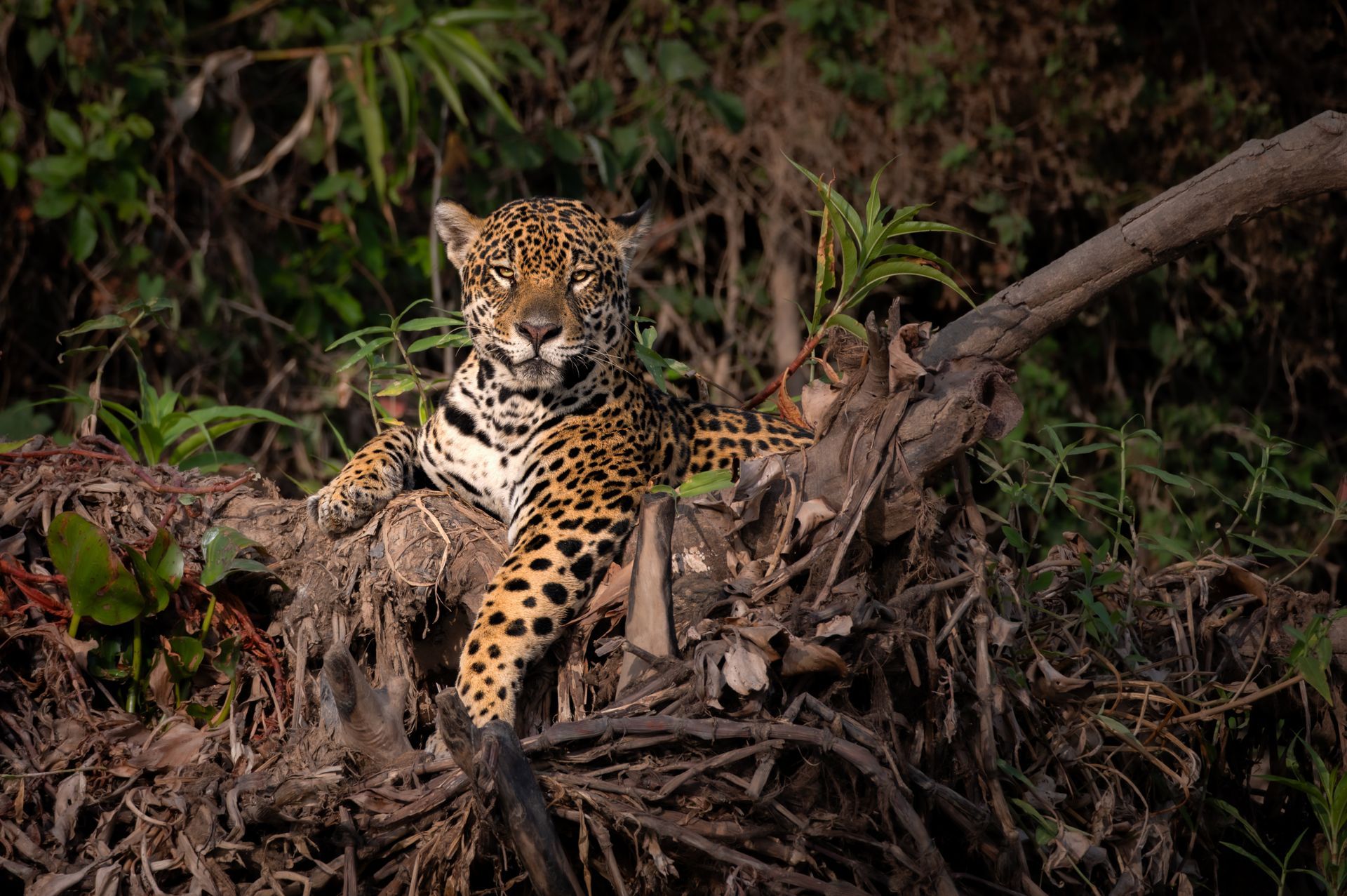
- Large mammals
The open terrain allows long-distance visibility, creating opportunities for behavior-focused wildlife photography.
Photographers can anticipate interactions and position themselves strategically.
Ecosystem Diversity Creates Species Turnover
One of the most remarkable aspects of Colombia is how quickly species change between ecosystems.
Within a short distance, photographers can move from:
- Lowland rainforest species
- To mid-elevation cloud forest endemics
- To high-Andean specialists
This rapid turnover is rare globally.
Instead of traveling across countries, photographers can experience ecosystem transitions within a single tour.
This efficiency is one reason Colombia is ideal for structured photo wildlife tours.
Light, Color, and Texture: Ecosystem Influence on Aesthetics
Each ecosystem influences more than species — it shapes image aesthetics.
- Rainforests create depth and layered backgrounds.
- Cloud forests provide soft diffused light.
- Páramo offers clean horizons.
- Wetlands add reflections and negative space.
- Dry forests emphasize contrast.
Photographers who understand ecosystem dynamics can anticipate how images will feel before they are taken.
This awareness leads to stronger compositions.
Conservation and Ecosystem Integrity
Colombia’s ecosystems are also conservation priorities.
Responsible keeping nature tours emphasize:
- Habitat protection
- Small group sizes
- Community involvement
- Sustainable practices
When photographers support eco-conscious tours, they help maintain the ecosystems that make wildlife photography possible.
Without intact ecosystems, biodiversity collapses — and photographic opportunity disappears.
Why Ecosystem Knowledge Improves Photography
Professional birdwatching and photography guides interpret ecosystems in real time.
They understand:
- Seasonal changes
- Fruit availability
- Migration timing
- Breeding behavior
- Weather patterns
This knowledge allows photographers to be in the right ecosystem at the right moment.
Ecosystem awareness turns random encounters into intentional photographic success.
The Emotional Experience of Ecological Diversity
Photographing across ecosystems is not just technically rewarding — it is emotionally powerful.
You feel:
- The humidity of the rainforest
- The cool mist of cloud forests
- The crisp air of high mountains
- The calm stillness of wetlands
Each ecosystem tells a different ecological story.
Together, they reveal Colombia as a living tapestry of biodiversity.
Why Colombia Stands Apart
Few countries offer:
- Tropical latitude
- Three Andean mountain ranges
- Two ocean coastlines
- Amazonian access
- Extensive wetlands
- High-altitude páramo
This combination shapes unmatched wildlife photography diversity.
Colombia’s ecosystems do not just host wildlife — they define the photographic experience itself.
Discover Colombia’s Ecosystems with Retorno Photo Tours
If you want to experience wildlife photography shaped by true ecological diversity, Colombia is unmatched.
Retorno Photo Tours designs small-group, expertly guided photo wildlife tours that move strategically through Colombia’s most remarkable ecosystems — from rainforest to cloud forest, wetlands to high Andes.
Our professional guides understand how each ecosystem influences species behavior, light conditions, and photographic opportunity.
Join one of our keeping nature tours and explore why Retorno has access to the best places across Colombia’s diverse landscapes.
In Colombia, every ecosystem tells a different story — and every story becomes an unforgettable image.