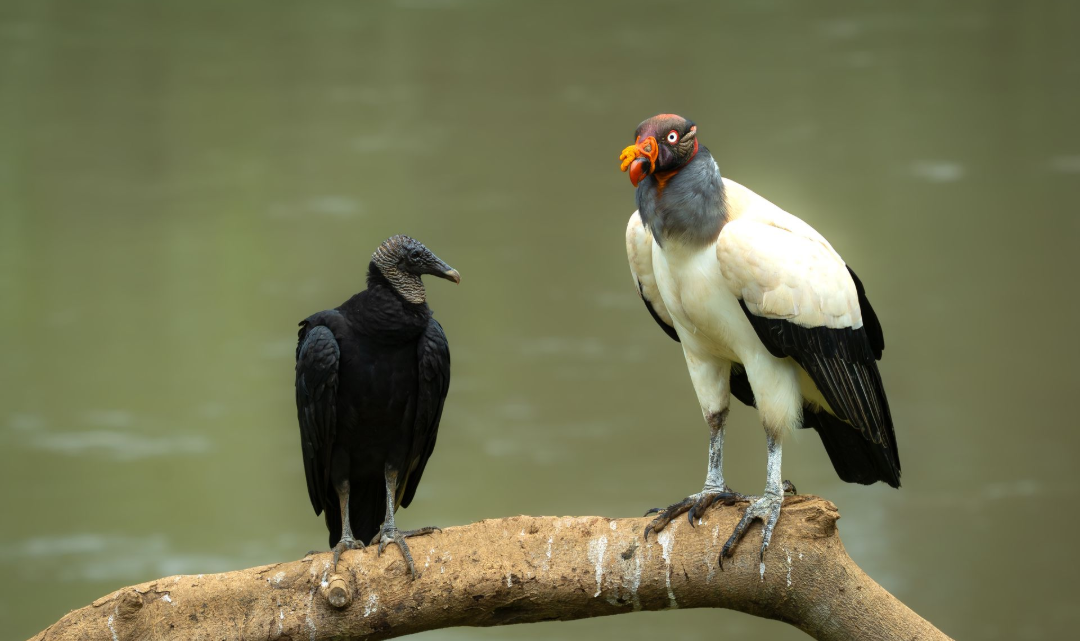

Exploring the Diversity of Colombian Wetlands Through Bird Photography
Exploring the Diversity of Colombian Wetlands Through Bird Photography
Exploring the Diversity of Colombian Wetlands Through Colombia is globally celebrated for its Andean cloud forests and tropical rainforests, but another ecosystem quietly rivals them in ecological importance and photographic potential: wetlands. From vast floodplains to coastal lagoons and high-altitude marshes, Colombian wetlands are among the most productive and biodiverse habitats in South America.
For bird photographers, these landscapes offer something unique — open sightlines, dramatic reflections, migratory gatherings, and intimate behavioral moments. Wetlands are places where light, water, and wildlife converge, creating extraordinary opportunities for compelling bird photography.
If cloud forests are about color and intimacy, wetlands are about scale, motion, and interaction.
Why Wetlands Matter in Colombia
Colombia’s geography creates a remarkable variety of wetland ecosystems, including:
- Caribbean coastal lagoons
- Magdalena River floodplains
- Amazonian oxbow lakes
- Orinoco basin marshes
- Andean high-altitude wetlands
- Pacific mangrove systems
These wetlands serve as:
- Critical breeding grounds
- Migratory stopover sites
- Feeding areas for resident and seasonal birds
- Biodiversity hotspots supporting mammals, reptiles, and aquatic life
Because Colombia lies at the crossroads of North and South American migration routes, wetlands become seasonal stages for international bird movement.
For photographers, that means constantly changing species diversity throughout the year.
A Different Style of Bird Photography
Wetland bird photography differs significantly from forest photography. Instead of tight canopy spaces, wetlands offer:
- Open water backdrops
- Reflection opportunities
- Flight photography
- Large congregations of birds
- Predator-prey interactions
This environment is ideal for:
- Bird-in-flight sequences
- Behavioral storytelling
- Silhouettes at sunrise and sunset
- Environmental portraits
- Minimalist compositions
The wide horizons and layered water surfaces create strong graphic elements that elevate images beyond simple species documentation.
The Magic of Golden Light Over Water
Few settings are more photogenic than wetlands at sunrise.
As mist rises from still water and the sun breaks across the horizon, birds begin to feed and take flight. The golden light reflects off the surface, creating luminous backgrounds and dramatic silhouettes.
In these moments, photographers can capture:
- Herons stalking in shallow water
- Ibis lifting into glowing skies
- Kingfishers diving
- Flocks of waterfowl crossing mirrored surfaces
Timing is essential. Professional photo wildlife tours are structured around peak light hours, ensuring photographers are in position when conditions are ideal.
Resident Waterbirds of Colombian Wetlands
Colombian wetlands support a wide range of resident species that offer consistent photographic opportunities.
Some of the most photogenic groups include:
Herons and Egrets
Elegant and patient, these birds provide opportunities for slow, deliberate compositions. Their reflections often double the visual impact of the image.
Ibises and Spoonbills
With curved bills and expressive feeding behavior, they create dynamic action shots in shallow water.
Kingfishers
Perched near water edges, kingfishers offer dramatic dive sequences and intense portrait opportunities.
Jacanas
Often called “lily-trotters,” jacanas walk across floating vegetation, creating unique compositional lines.
Each species brings different behavioral patterns, encouraging photographers to observe carefully and anticipate action.
Migratory Birds: A Seasonal Spectacle
Colombia’s wetlands are vital stopover points for migratory species traveling between North and South America.
During migration seasons, photographers may encounter:
- Shorebirds feeding in mudflats
- Sandpipers probing shallow water
- Swallows skimming the surface
- Raptors hunting over marshlands
These gatherings can dramatically increase species diversity within a short timeframe.
Photographing migratory birds also connects photographers to a broader conservation story. The survival of these species depends on intact wetlands across multiple countries.
Raptors Over Wetlands
Wetlands are not just about wading birds. They also attract raptors drawn by abundant prey.
Photographing birds of prey in wetland settings adds intensity to the portfolio. Raptors circling above water create strong contrasts against open skies.
Capturing these moments requires:
- Fast autofocus systems
- High shutter speeds
- Strong tracking technique
- Awareness of flight patterns
Experienced guides help position photographers along likely flight corridors, improving chances of dynamic action shots.
The Role of Ethical Photography in Wetlands
Wetlands are sensitive ecosystems. Disturbance can impact feeding patterns, breeding success, and migratory rest periods.
Responsible keeping nature tours emphasize:
- Maintaining appropriate distance
- Avoiding nesting areas
- Limiting group size
- Respecting habitat boundaries
- Never flushing birds for flight shots
Ethical bird photography ensures that wetlands remain safe refuges for wildlife.
When photographers follow these guidelines, they contribute to conservation rather than disruption.
Wetlands as Storytelling Landscapes
One of the strengths of wetland photography is environmental storytelling.
Instead of tightly cropped portraits, wetlands allow for:
- Wide-angle habitat shots
- Interaction between species
- Landscape-scale biodiversity scenes
- Human-nature coexistence narratives
Images from wetlands often communicate conservation themes more clearly because they show entire ecosystems rather than isolated subjects.
These images can be powerful tools for awareness.
Combining Birds and Mammals
Some Colombian wetlands support more than birdlife. In certain regions, photographers may also encounter:
- Capybaras along shorelines
- Caimans resting near water
- River dolphins in larger systems
- Otters in quiet channels
This overlap between birds and mammals adds diversity to wildlife portfolios.
A single wetland tour may produce a wide range of subjects, making it ideal for photographers seeking comprehensive nature experiences.
Technical Tips for Wetland Bird Photography
Wetlands present both advantages and challenges.
Managing Reflections
Water reflections can either enhance or distract from your subject. Positioning and angle are critical.
Handling Bright Light
Open habitats can produce strong highlights. Exposing carefully to preserve detail in white plumage is essential.
Wind and Movement
Even slight wind can create ripples that affect reflections. Early mornings often provide calmer conditions.
Mobility
Some wetlands require boat-based photography. Stability and lens support systems become important.
Professional bird photography guides assist with field positioning, helping photographers maximize both composition and light.
Colombia’s Wetlands Compared to Other Regions
While many countries offer wetland photography, Colombia stands out because of:
- High overall bird diversity
- Unique mix of tropical and migratory species
- Year-round activity
- Accessibility to multiple ecosystems within short distances
- Growing conservation initiatives
Wetland photography in Colombia complements cloud forest photography, allowing photographers to experience two dramatically different visual environments within one trip.
Conservation Importance of Colombian Wetlands
Wetlands regulate water systems, filter pollutants, and support entire food chains.
However, they face threats such as:
- Agricultural expansion
- Urban development
- Water diversion
- Pollution
Responsible photo wildlife tours help bring economic value to intact wetlands, encouraging preservation over development.
When local communities benefit from conservation tourism, they become active protectors of these ecosystems.
The Emotional Experience of Wetland Photography
There is something deeply calming about wetlands at dawn.
The stillness.
The distant call of birds.
The gentle ripple of water.
Photographers often describe wetland sessions as meditative. Unlike dense forests where visibility is limited, wetlands allow expansive awareness of the landscape.
This openness encourages patience, observation, and anticipation — essential skills in wildlife photography.
Why Wetlands Should Be Part of Every Photographer’s Colombia Experience
While Colombia is famous for its mountain birds and forest biodiversity, wetlands add an entirely different dimension to a photography journey.
They provide:
- Action sequences
- Environmental compositions
- Migration spectacles
- Predator-prey interactions
- Landscape-scale imagery
Together with cloud forests and tropical woodlands, wetlands complete the story of Colombia’s extraordinary nature.
Experience Colombia’s Wetland Diversity with Retorno Photo Tours
If you want to expand your bird photography portfolio beyond forest species and capture dynamic waterbird behavior, Colombia’s wetlands offer unforgettable opportunities.
Retorno Photo Tours designs specialized, small-group photo wildlife tours that combine ethical practices, expert local knowledge, and access to the best wetland habitats in the country.
Our professional guides understand seasonal movement, light conditions, and bird behavior — ensuring you are positioned for powerful images while respecting nature at every step.
Join one of our keeping nature tours and explore why Retorno has access to the best places for bird photography across Colombia’s diverse wetlands.
The next reflection, flight sequence, or sunrise silhouette could be waiting at the water’s edge.