
A Day Inside a Harpy Eagle Expedition: What Really Happens from Sunrise to Sunset
A Day Inside a Harpy Eagle Expedition: What Really Happens from Sunrise to Sunset
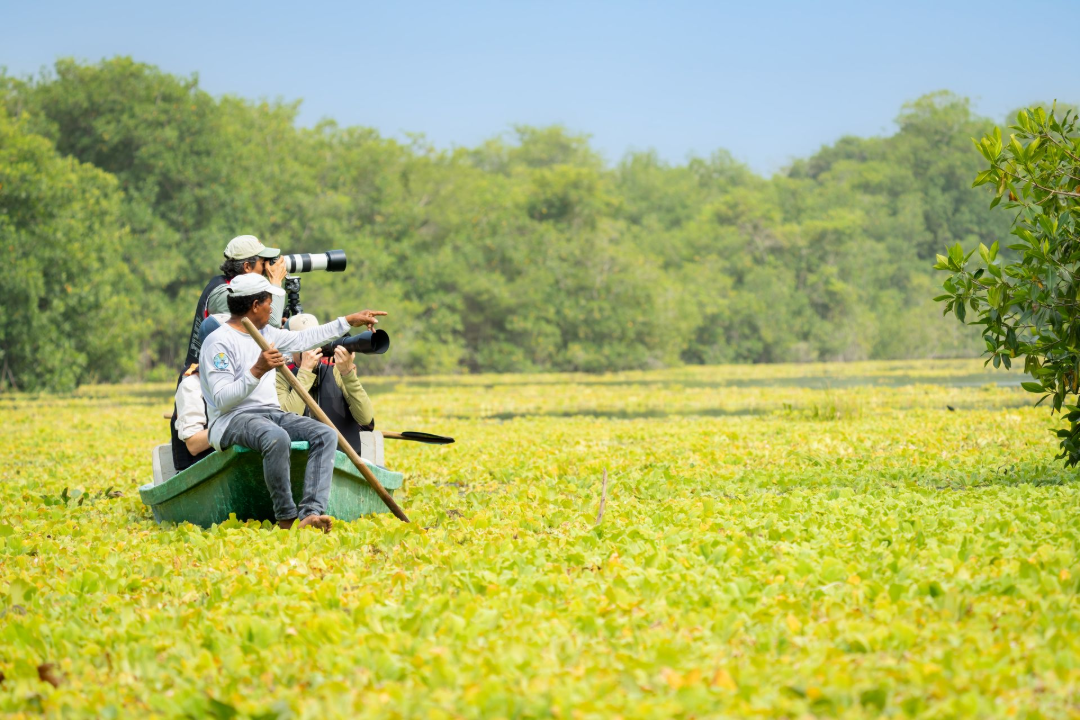
Photographing a Harpy Eagle in the wild is one of the most extraordinary experiences any wildlife photographer can ever have. It is not simply a birding excursion — it’s an immersion into one of South America’s most pristine, untouched ecosystems. Every day on a Harpy Eagle expedition is marked by anticipation, patience, adrenaline, and moments of profound connection with nature. For many photographers, it’s the closest thing to time travel: stepping into a world where the rainforest rules, where every sound carries meaning, and where one of the rarest birds on Earth performs its daily rituals high above the canopy.
In this article, you’ll experience a full day — sunrise to sunset — inside a professional Harpy Eagle expedition. From early-morning departures to forest-entry protocols, from nest monitoring to the slow, thrilling wait for a massive raptor to appear, this guide recreates the journey exactly as photographers live it. You’ll also discover how the Harpy Eagle’s nesting stages (currently in Stage 2 — Incubation) shape each moment of the expedition.
Let’s step into the forest.
Before Dawn: The Pre-Expedition Briefing
A Harpy Eagle day begins long before first light hits the canopy. The tropical rainforest wakes early, and so must the photographers. Most expeditions start at 4:00–4:30 AM, allowing enough time to reach the nesting territory before sunrise.
The Morning Briefing Usually Covers:
- The nest’s current stage (this affects behavior, timing, and opportunities)
- Expected light conditions and recommended settings
- Safety protocols, especially regarding movement near the observation area
- Updates from the monitoring team, including the last recorded activity
During the current season, the pair at the Harpy Eagle Natural Reserve is in Stage 2 (Incubation) — a time when the female stays on the nest nearly 24 hours per day. This means the morning briefing often includes information about:
- The last feeding delivery by the male
- Wind or weather changes that might alter movement patterns
- Notes on the female’s behavior (vocalizations, repositioning, guarding posture)
Photographers are reminded that during incubation, the pair is extremely sensitive to disturbance, and ethical behavior is crucial.
Entering the Forest: The Walk to the Nest Site
By 5:00 AM, you’re usually on the trail. The walk is silent, careful, and deeply atmospheric. The forest at dawn is alive in a way that is impossible to describe unless you’ve stood beneath towering giants of the Amazon or Chocó rainforest.
The ground is damp, the canopy is waking up, and the soundscape is a symphony of:
- Howler monkeys roaring at first light
- Tinamous calling from the forest floor
- Macaws flying overhead in pairs
- Cicadas beginning their rhythmic pulse
This early walk is one of the most magical parts of the day. It sets the tone: respectful, quiet, and deeply connected to the ecosystem.
Your local guides — usually community members who have worked with the nesting pair for years — lead the way. They know every root, every bend, and every hidden noise. Their expertise is essential not just for safety, but also for interpreting signs of animal movement.
Arrival at the Observation Point
After 20–40 minutes of walking (depending on the site), you reach the designated viewing platform or ground-level hide. These are always placed:
- At a safe, non-disturbing distance
- With a clear line of sight to the nest
- Aligned with the expected morning light
The nest itself is enormous — a giant throne made of branches, large enough for a human to sit in. At first sight, it always takes your breath away.
During Stage 2, you can expect:
- The female silhouetted against the sky
- Occasional repositioning
- Moments when she stands to turn the egg
- Quiet vocal exchanges between male and female at dawn
Light begins to pour through the canopy, illuminating the emerging shape of the eagle.
You settle into your position, prepare your gear, and wait.
Morning Behavior: Understanding the Rhythm of the Nest
The early hours are often the most active, especially during the incubation and feeding stages. In this season, the male may arrive with prey shortly after sunrise, though not always. Feeding frequency varies depending on prey availability, weather, and the pair’s energy needs.
Typical Morning Activities Include:
- The male perching nearby, scanning the forest
- The female adjusting the egg
- Soft contact calls between the pair
- Raptors and vultures circling high above
- Monkeys and sloths moving through the canopy
You aren’t simply photographing a bird — you are documenting intimate natural behavior that very few humans ever witness.
Mid-Morning: Waiting, Listening, Learning
By mid-morning, the rainforest becomes warmer and more active. Light becomes more challenging, but the forest becomes richer with movement. Parrots, toucans, and macaws fly overhead; butterflies move through sunbeams; and monkeys roam quietly behind the observation area.
This period requires patience.
Experienced Harpy Eagle photographers know that the magic lies in the waiting. The forest reveals itself slowly, and the eagle may not move for hours. But every shift of her position, every tilt of her head, every change in posture offers an opportunity for powerful, emotional images.
This is also when guides share deeper insights:
- Local legends about the Harpy Eagle
- How long the pair has been monitored
- The exact emergent tree hosting the nest
- The previous season’s chick behavior
- How conservation funds support the nearby community
Expeditions like this are as much cultural immersion as they are wildlife encounters.
Lunch Break: Forest Meals and Midday Light
Around noon, depending on the reserve’s guidelines, you may be allowed a short break to eat quietly. Some photographers choose to stay glued to their spot all day, but most take a moment to rest.
During the hottest hours, the eagle is less active. The female often remains still, wings slightly open to regulate temperature. The male may be out hunting or perched somewhere shaded.
This pause gives you time to:
- Review images
- Adjust your strategy for afternoon light
- Plan compositions for potential male arrival
- Hydrate and cool down
The rainforest demands physical and mental endurance, and midday is the most intense moment of the day.
Afternoon: The Return of Soft Light
As the afternoon progresses, soft, golden light begins filtering through the forest again. Shadow patterns shift, and the canopy becomes photogenic once more.
If the male did not arrive in the morning, this is the time when he’s most likely to return with prey during the incubation stage.
A typical delivery scene includes:
- The male approaching silently, landing on a high perch near the nest
- Vocal contact between male and female
- Careful transfer of prey
- The female repositioning, fluffing feathers, and preparing to feed
Photographers often describe this as one of the most emotionally charged moments of the expedition. It feels raw, ancient, and deeply connected to the natural cycles of the forest.
During chick-rearing seasons, this is when the nest becomes incredibly dynamic — but during incubation, you are focused on the subtle yet powerful exchanges between the pair.
Late Afternoon: Closing Moments
As shadows lengthen and the light becomes dreamlike, photographers shift their attention to silhouette shots, wide compositions, and atmospheric images of the nest in context.
The forest prepares for night.
The sounds change — cicadas take over, monkeys settle, and birds slow their calls. The female Harpy Eagle becomes more still, conserving energy as the heat dissipates. These quiet closing moments often provide some of the most artistic imagery.
Your guides then inform the group that it’s time to pack up. Light is fading, and leaving the forest before dark is essential for safety.
Exiting the Forest: Nightfall and Reflection
The walk back feels completely different from the morning. Instead of anticipation, you now carry the weight of the day: the patience, the serenity, the privilege of having witnessed one of the rarest birds on Earth.
Most photographers describe this moment as deeply emotional. You exit with new respect for the rainforest and a renewed sense of responsibility toward conservation.
Back at camp or lodge, the group reviews images, shares stories, and prepares for the next day — because Harpy Eagle expeditions often run multiple days to maximize opportunities across different light conditions.
What Makes a Harpy Eagle Expedition So Special?
Three things: rarity, intimacy, and conservation impact.
1. You Witness Behaviors Few Humans Ever See
Harpy Eagles are notoriously elusive, and accessing a nest requires expertise, permissions, and responsible management.
2. You Become Part of a Conservation Effort
Ethical tourism funds nest protection, monitoring, and community involvement.
3. You Photograph a Species at Its Most Natural and Powerful
Nothing compares to capturing this apex raptor in the wild.
The exclusivity, the unpredictability, the immersion — it all makes the experience unforgettable.
Final Thoughts: A Day That Changes You
A day inside a Harpy Eagle expedition is not a typical wildlife tour. It is emotional, humbling, physically demanding, and creatively fulfilling. It takes you deep into the heart of the forest, close to a rare and powerful species whose survival depends on conservation-focused tourism.
From dawn’s first glow to dusk’s fading light, you are part of something bigger — a living ecosystem, a conservation mission, and a species’ ongoing story.
📸 Experience a Real Harpy Eagle Expedition With the Best Team in South America
If you want to live this sunrise-to-sunset adventure yourself and photograph the Harpy Eagle in the best, most reliable, and most ethically managed locations, join Retorno Photo Tours.
Our expeditions offer exclusive access to prime Harpy Eagle territories, local expert guides, and unmatched photographic opportunities — all while supporting conservation and community-based protection programs.
👉
Join our
Wildlife Harpy Eagle Tour
Retorno Photo Tours proudly provides
the best places in South America to observe and photograph Harpy Eagles responsibly.