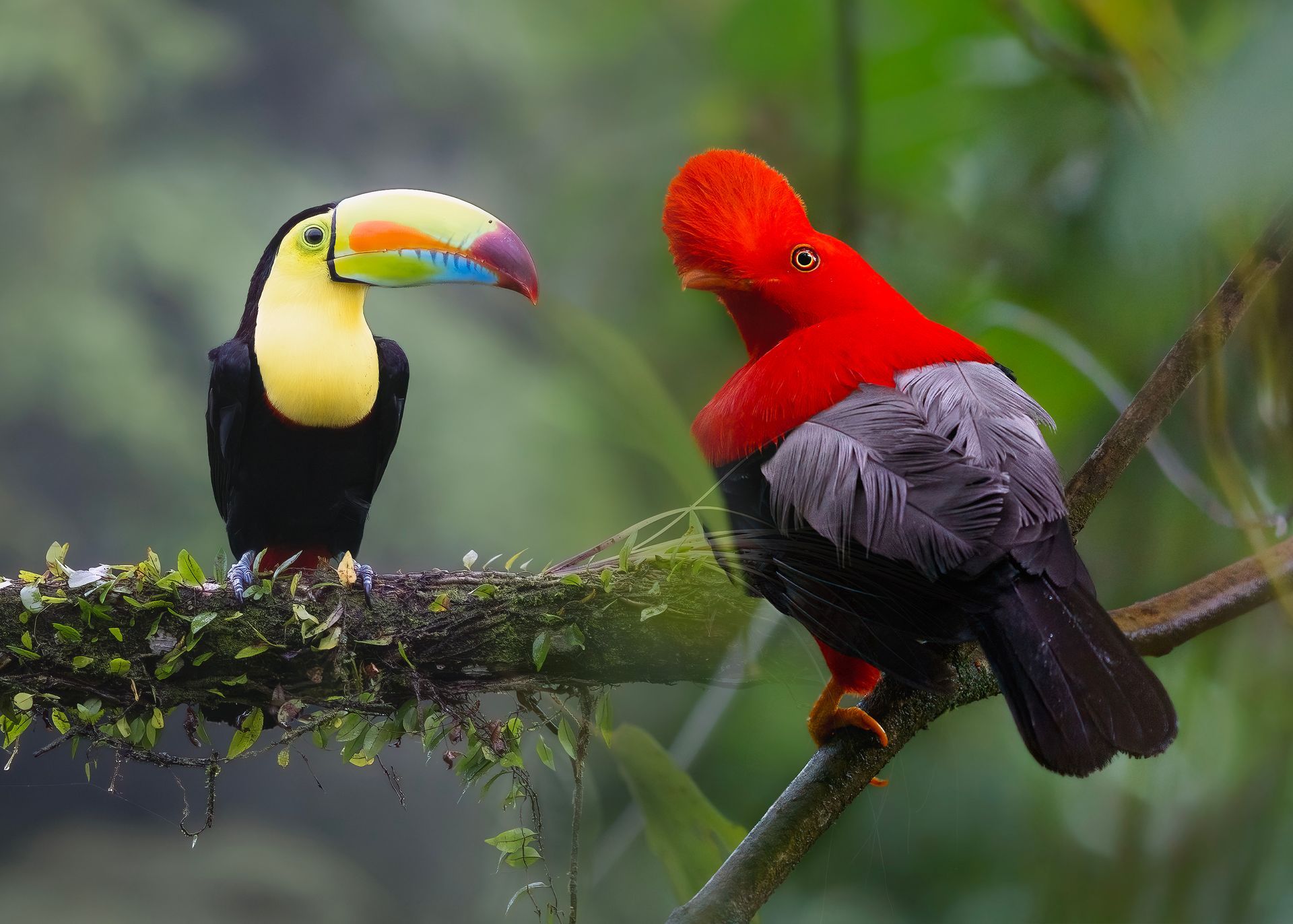
A Santa Marta Parakeet flashing across a Colombian ridge can feel even more personal, because it exists nowhere else on Earth. Colombia versus Costa Rica birding is not a contest with one universal winner. It depends on what you want to photograph, how much variety you want in a single expedition, and how independently you prefer to travel.
Costa Rica earned its reputation as one of the Americas’ great nature destinations through accessible reserves, polished tourism infrastructure, and a compact concentration of tropical habitats. Colombia offers a different scale of possibility: nearly 2,000 bird species, dramatic elevational change,
more than 80 endemics, and photographic routes that can be built around highly specific targets. For serious bird photographers, that difference shapes every decision, from lens selection to trip length.
Colombia versus Costa Rica Birding: The Real Difference
Costa Rica is often the easier first tropical birding destination. Many lodges, trails, and national parks are accustomed to international visitors, and a relatively short route can connect rainforest, foothill forest, cloud forest, and Pacific dry forest. Road transfers can still be slow in wet weather, but the country’s established birding circuit makes planning straightforward.
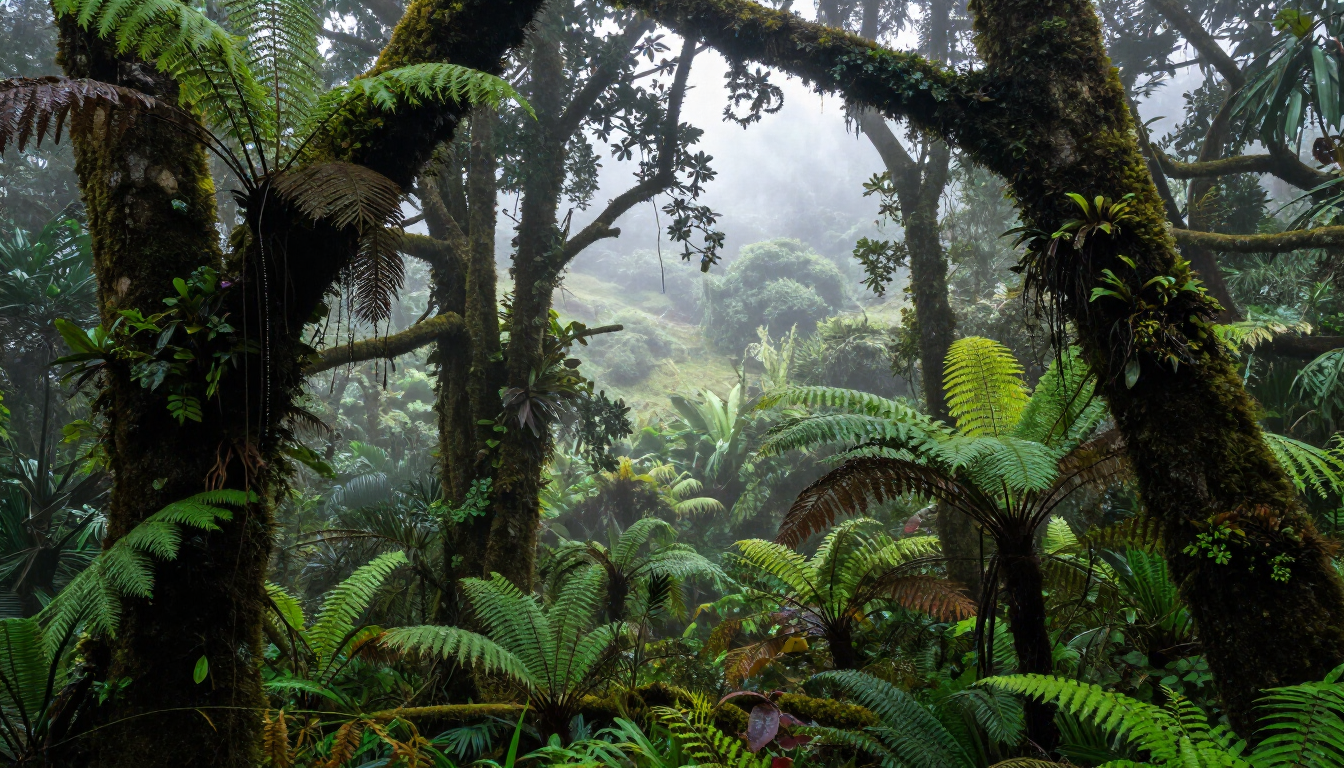
Colombia asks for more deliberate planning, then rewards it with remarkable depth. The Andes divide into three cordilleras, while the country also holds Caribbean dry forest, Chocó rainforest, Amazonian lowlands, the Llanos grasslands, and isolated mountain systems. These landscapes create powerful regional specialization. A birder can return to Colombia several times and encounter entirely different ecosystems, target lists, and photographic conditions.
The practical distinction is this: Costa Rica is excellent for a broad tropical introduction, while Colombia is exceptional for building a subject-driven photography expedition. If your dream is a varied first collection of toucans, tanagers, hummingbirds, macaws, and forest mammals with comfortable logistics, Costa Rica is compelling. If you are pursuing endemics, difficult hummingbirds, antpittas, high-Andean specialties, or an extensive portfolio of Neotropical birds, Colombia has greater range.
Species Richness Is Not Just a Number
Costa Rica has more than 900 recorded bird species, an extraordinary total for its size. You can see a great deal in a week or two, especially with skilled local guidance. Keel-billed Toucans, Scarlet Macaws, Three-wattled Bellbirds, Sunbitterns, motmots, and a superb range of hummingbirds create an exciting, colorful itinerary.
Colombia’s nearly 2,000 species tell a larger story than a checklist. The country sits where Central and South American avifaunas meet, and its mountains have produced localized species with narrow distributions. The Santa Marta Mountains alone hold a concentration of endemics that can justify a dedicated expedition. The Central Andes offer specialties such as Buffy Helmetcrest and Yellow-eared Parrot, while the Western Andes and Chocó region bring their own distinct birds and rich amphibian life.
For photographers, endemism changes the emotional value of an encounter. Photographing a bird that is restricted to one massif, one watershed, or one isolated range creates a sense of place that a widespread species cannot always provide. It also requires patience, expert timing, and local knowledge. A target may appear briefly at a fruiting tree, a flowering shrub, or a feeding station after a long misty morning.
That said, a longer bird list doesn't automatically mean better photography. A fast-moving mixed flock in a dense Colombian forest may produce many species but few clean frames. Costa Rica’s well-established lodges and feeding stations can provide more consistent opportunities for certain birds at close range. The best destination depends on whether you value maximum diversity, carefully managed photographic setups, or the challenge of finding rare regional specialties in wild habitat.
What the Camera Sees
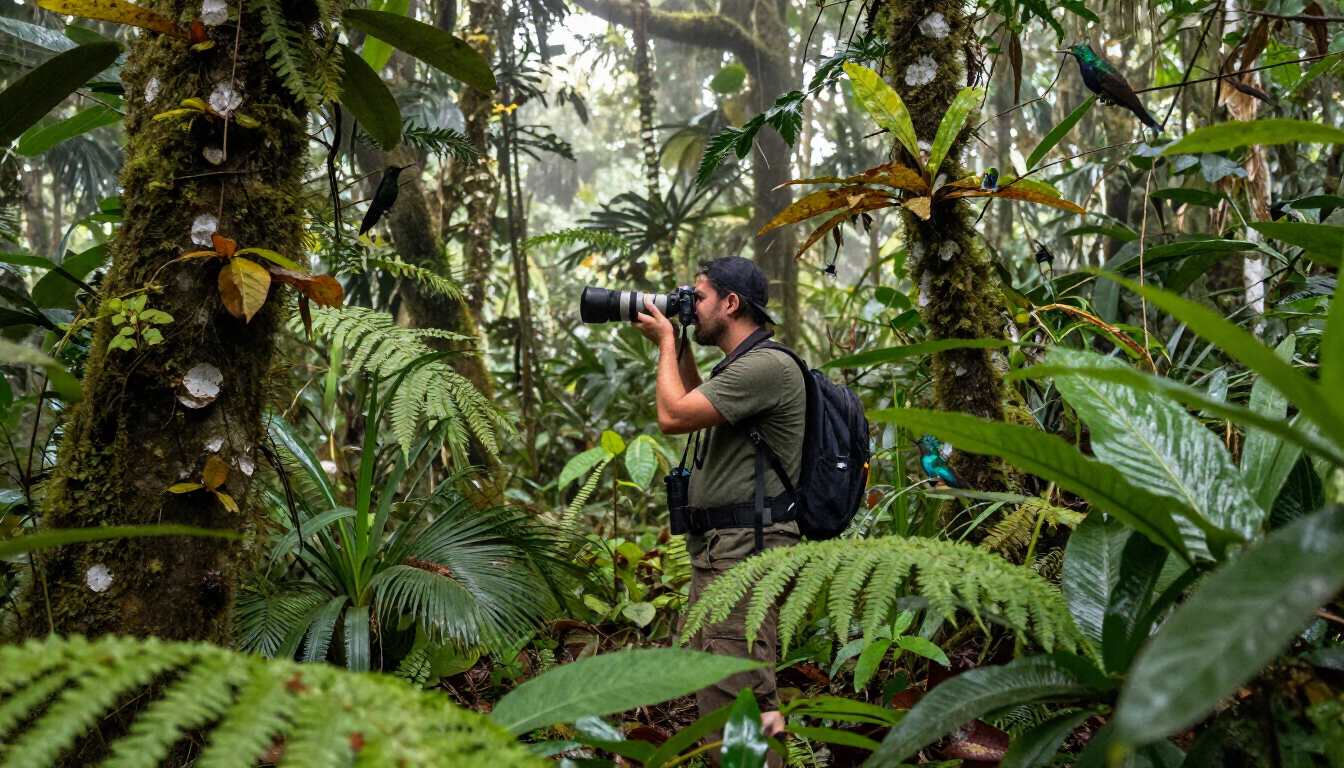
Both countries can deliver breathtaking bird photography, but the field conditions differ by habitat and itinerary. Costa Rica often offers accessible forest edges, gardens, hummingbird feeders, and lodge grounds where photographers can patiently work with a 100-400mm, 500mm, or 600mm lens. A flash setup may help with hummingbirds, but always use it responsibly and in accordance with site rules.
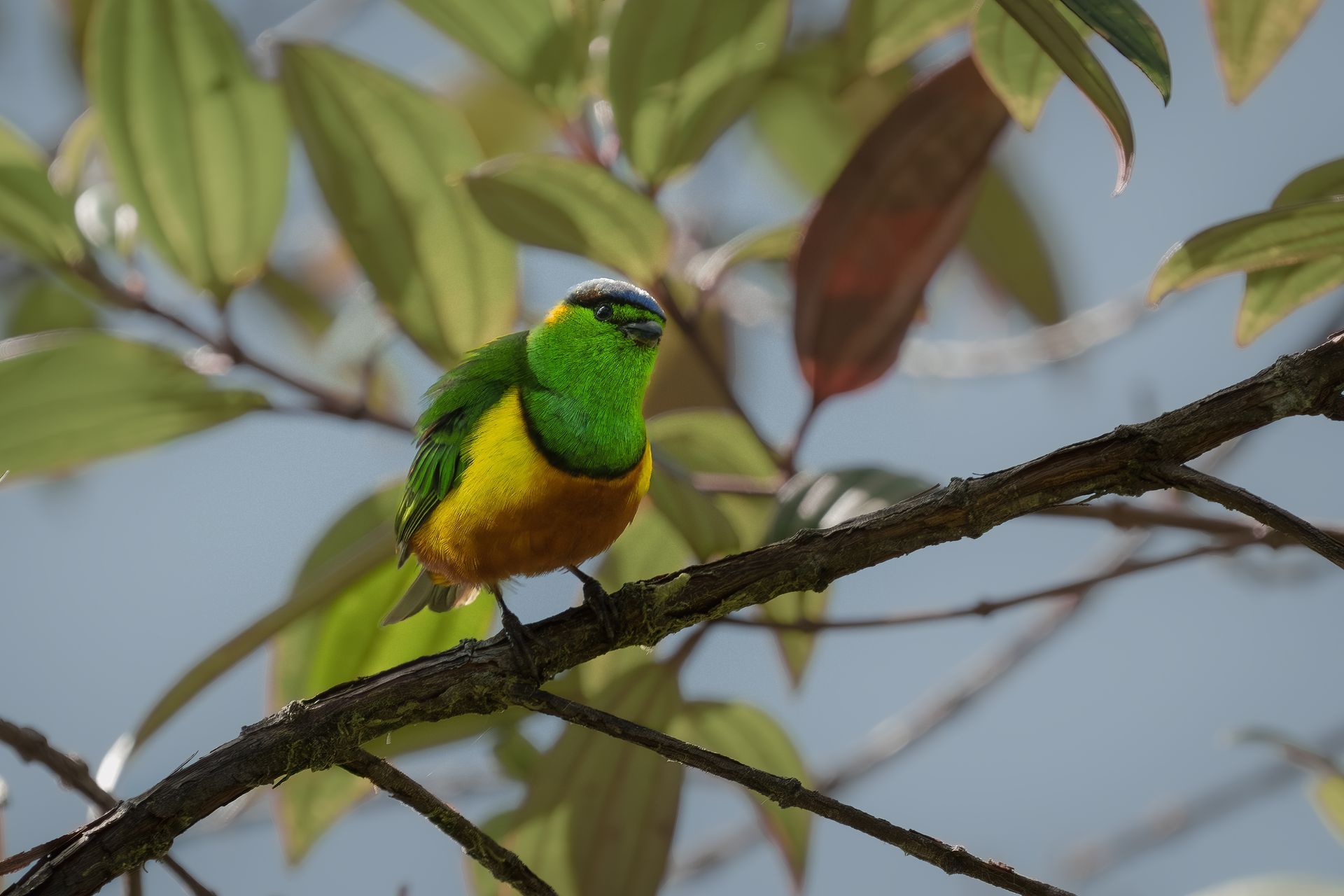
Colombia also offers outstanding feeder photography, particularly in the Andes, where hummingbird gardens and forest-edge feeding stations can bring high-elevation species close to the camera. Booted Racket-tail,
Long-tailed Sylph, Velvet-purple Coronet, and colorful mountain tanagers may all be possible depending on the route. The difference is that Colombia also lets you pair those controlled opportunities with wilder, more specialized field sessions.
You may spend one day photographing hummingbirds from a sheltered veranda at 8,000 feet. Another may start before dawn for a displaying Cock-of-the-rock, include a forest walk for antpittas, or involve a long-lens session with a perched raptor in the Llanos. Light, rain, background distance, access trails, and bird behaviour vary widely by location. A photography-focused guide helps turn that complexity into productive field time rather than a series of missed opportunities.
Bring weather protection in either country. Humidity,
sudden rain, and condensation are part of tropical photography. In Colombia, the wide range of elevations makes preparation especially important. You may need breathable layers for hot lowlands, a warm jacket for páramo mornings, waterproof boots, and dry bags for camera gear within the same trip.
Seasons, Rain, and Trip Timing
Neither destination has a single perfect birding season. Tropical weather varies by region, and bird activity responds to rainfall, flowering cycles, fruit availability, breeding behaviour, and migration. Costa Rica’s drier period, generally from December through April on the Pacific side, is popular for travel, although the Caribbean slope follows a different rainfall pattern.
Colombia’s equatorial position means birding is possible year-round, but conditions vary sharply by region. Plan a route through the Andes around hummingbird flowering seasons, while the Caribbean region, Amazon, and Llanos each have their own rainfall rhythms. Migration adds another layer, with boreal migrants supplementing resident diversity at certain times of year.
For photographers, the right season is often species-specific rather than country-specific. Ask first what you want to photograph. Don't plan a Quetzal-focused Costa Rica trip, a Colombian endemic tour, a hummingbird itinerary, or a raptor expedition with the same calendar logic. Build the date around your most important subjects, then choose the route that supports them.
Logistics, Comfort, and Field Reality
Costa Rica generally feels simpler for travellers who want a familiar tourism framework. English is common in many lodges and visitor areas, travel distances can be manageable, and there is a mature network of nature accommodations is available. It is a strong choice for birders travelling with a partner who also wants comfortable lodging, easy walks, and a broad wildlife experience.
Colombia has made major advances in nature tourism, but its geography remains real. Mountain roads can be winding, weather can alter schedules, and some of the finest habitats are far from major cities. That's why coordinated logistics matter. The right route combines dependable transportation, carefully chosen lodges, access to local communities, meals timed around field sessions, and guides who understand both the birds and the operational details.
A small group or private expedition is particularly valuable when photography is the priority. It allows time for the light to improve, a bird to return to a perch, and the group to stay with a productive subject rather than moving on for a generic checklist. Retorno Photo Tours designs Colombian itineraries around these realities, with specialist guidance and local relationships that support productive, respectful access.
Conservation Is Part of the Experience
Birding travel benefits landscapes often under pressure from habitat conversion, extraction, and limited economic opportunity. In both Costa Rica and Colombia, responsible tourism can support private reserves, local guides, rural lodges, and habitat stewardship.
Colombia’s community-led birding growth is particularly significant. In regions once overlooked by international travellers, bird photography can create direct income tied to intact forest, local knowledge, and pride in endemic wildlife. Ethical operators should respect community protocols, avoid crowding sensitive species, use playback and flash conservatively, and never treat wildlife as a prop.
Choose Costa Rica if you want an accessible, beautifully organized tropical birding experience with iconic species and strong lodge-based opportunities. Choose Colombia if you want a deeper photographic frontier: more habitats, more endemics, more regional character, and a reason to return with a new target list each time. The most rewarding trip is the one built around the birds you cannot stop thinking about — and the landscapes you want your images to protect.