
Colombia’s Birding History: From Early Naturalists to Modern Photo Wildlife Tours
Colombia’s Birding History: From Early Naturalists to Modern Photo Wildlife Tours
Colombia’s reputation as the world’s most bird-diverse country did not appear overnight. Long before modern bird photographers arrived with advanced cameras and specialized lenses, Colombia attracted early naturalists, explorers, and ornithologists who recognized its extraordinary abundance of birdlife. Their discoveries laid the foundation for what has now become one of the most respected destinations for ethical photo wildlife tours and keeping nature tours anywhere in the world.
Today, photographers from the USA, Canada, India, Europe, and China follow in the footsteps of these pioneers — not with specimen bags and notebooks, but with cameras, conservation awareness, and a desire to connect with nature responsibly.
Early Exploration: When Colombia Was Still a Mystery
During the 18th and 19th centuries, much of Colombia remained unexplored by Western science. Dense forests, towering mountains, and limited access made the country challenging to study. However, its position at the crossroads of multiple ecosystems made it irresistible to naturalists.
Explorers documented unfamiliar birds with astonishing colors, shapes, and behaviors. Many species collected in Colombia were completely new to science, reinforcing the country’s importance in global ornithology.
These early expeditions established Colombia as a biological treasure long before bird tourism existed.
The Scientific Foundations of Colombian Birding
As exploration continued, Colombia became central to ornithological research. Specimens collected during early expeditions were studied in museums and universities worldwide, leading to:
- The description of hundreds of new bird species
- Recognition of Colombia as a biodiversity hotspot
- Early conservation awareness
Although photography was not yet part of birding culture, these scientific efforts created the baseline knowledge that modern photo wildlife tours rely on today.
From Collecting to Observing: A Shift in Values
In the early 20th century, birding slowly transitioned away from specimen collection toward observation and documentation. Advances in optics, field guides, and later photography allowed people to study birds without harming them.
This shift marked the beginning of ethical birding — a philosophy that would eventually influence keeping nature tours and responsible wildlife photography.
Colombia, with its immense diversity, became a focal point for this new approach.
The Rise of Conservation in Colombian Birding
As deforestation and habitat loss increased worldwide, conservation organizations began highlighting Colombia’s importance for bird protection.
Groups like Audubon Americas played a key role in:
- Supporting bird conservation programs
- Promoting habitat protection
- Encouraging community-based conservation
These initiatives helped protect critical habitats and reinforced Colombia’s position as a global leader in bird conservation.
Colombia’s Emergence in Global Birding Media
Platforms such as 10,000 Birds helped bring Colombia’s birding value to a global audience. Through articles, trip reports, and photography features, international birders began to recognize Colombia not only for its species count but for its accessibility and ethical tourism potential.
This exposure inspired photographers and birdwatchers worldwide to explore Colombia responsibly.
The Birth of Bird Photography in Colombia
As digital photography advanced in the late 20th and early 21st centuries, Colombia became increasingly attractive to bird photographers.
Several factors contributed to this growth:
- Improved safety and infrastructure
- Expansion of protected areas
- Development of bird-friendly lodges
- Training of expert birdwatching guides
Photography replaced collecting, and conservation replaced exploitation.
Nature and Biodiversity Through the Lens
Bird photography in Colombia quickly became about more than individual species. Photographers began telling stories of nature, ecosystems, and biodiversity, capturing birds in context rather than isolation.
This approach aligned naturally with Colombia’s conservation goals and encouraged the development of ethical photo wildlife tours focused on sustainability.
The Role of Local Communities and Guides
A key chapter in Colombia’s birding history is the involvement of local communities. Former hunters, farmers, and rural residents became some of the country’s best birdwatching and bird photography guides.
Their deep understanding of bird behavior and habitats transformed Colombia into a world-class destination for photographers seeking authentic experiences.
At Retorno Photo Tours, these guides are central to every journey, ensuring both successful photography and ethical field practices.
Emblematic Birds as National Symbols
Over time, certain birds became emblematic of Colombia’s natural heritage, including:
- Colorful tanagers
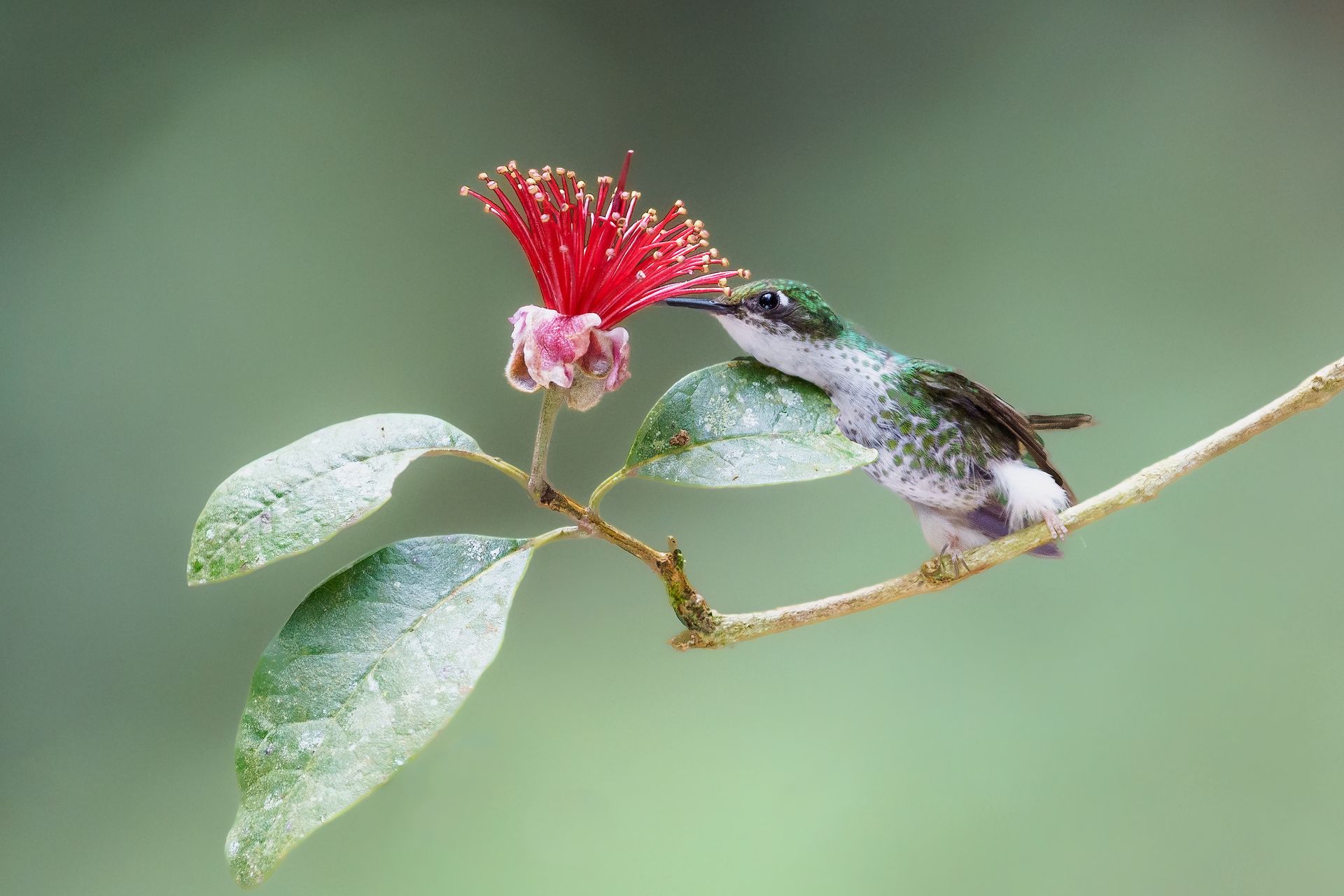
- Elegant hummingbirds
- Dynamic Manakins
- Powerful Harpy Eagles
- Iconic Andean Cock-of-the-Rock
These species now define Colombia’s global identity in bird photography and wildlife tourism.
The Expansion into Photo Wildlife Tours
As interest grew, Colombia developed specialized photo wildlife tours designed specifically for photographers rather than general tourists.
These tours focus on:
- Optimal light and backgrounds
- Ethical access to birds
- Small group sizes
- Education and conservation
This evolution marked a turning point from casual birding to professional-level wildlife photography experiences.
Keeping Nature Tours Ethical and Sustainable
Modern bird photography in Colombia is guided by strong ethical standards. Keeping nature tours prioritize long-term conservation over short-term gains.
Responsible practices include:
- Respecting nesting and breeding cycles
- Limiting disturbance
- Supporting conservation reserves
- Reinforcing local stewardship
These principles ensure Colombia’s birding future remains secure.
Colombia on the International Stage
Colombia’s birding and photography evolution has been showcased at major global events such as:
- Taipei International Birdwatching Fair (TIBF)
- Global Wildlife Fair India
These events connect Colombian tour operators with photographers from around the world, further strengthening Colombia’s international reputation.
From Birds to Broader Wildlife Experiences
While birds remain the foundation, Colombia’s wildlife tourism has expanded to include:
- Andean Bear photography
- Amphibians and reptiles
- Mammals and landscapes
Many photographers also extend their journeys to Brazil’s Pantanal and Atlantic Forest, capturing Jaguars of the Pantanal and additional biodiversity.
Why Colombia’s Birding History Matters Today
Understanding Colombia’s birding history helps photographers appreciate the responsibility that comes with access. Today’s photographers are beneficiaries of decades of exploration, research, and conservation.
By choosing ethical tours, they become part of Colombia’s ongoing story — one focused on protection rather than exploitation.
The Future of Bird Photography in Colombia
Colombia’s future as a bird photography destination depends on:
- Continued conservation efforts
- Community involvement
- Responsible tourism growth
With these foundations, Colombia will remain the world’s leading destination for bird photography.
Experience Colombia’s Birding Legacy with Retorno Photo Tours
If you want to experience Colombia’s birding history firsthand, photographing emblematic species in the best locations with ethical practices, Retorno Photo Tours offers expertly guided photo wildlife tours designed for conservation-minded photographers.
From Tanager photo tours and hummingbirds to Manakins, Harpy Eagles, and rare cloud-forest species, Retorno provides access to Colombia’s finest habitats while supporting keeping nature tours that protect biodiversity.
👉 Explore our Bird Photography Tours with Retorno Photo Tours and become part of Colombia’s living birding history — photographed responsibly, ethically, and in the best places available.