
Why Colombia Leads the World in Keeping Nature Tours and Conservation
Why Colombia Leads the World in Keeping Nature Tours and Conservation
Colombia is no longer just a destination for adventurous travelers — it has become a global leader in keeping nature tours and conservation-focused wildlife experiences. For bird photographers, naturalists, and eco-tourism professionals, Colombia represents something rare: a country where extraordinary biodiversity, responsible tourism, and community-driven conservation work together.
From cloud forests filled with tanagers and hummingbirds to lowland jungles echoing with manakins and toucans, Colombia has transformed its natural wealth into a model for ethical photo wildlife tours — without sacrificing the ecosystems that make these experiences possible.
This is the story of how Colombia became a world reference for conservation-driven bird photography and nature tours, and why photographers increasingly choose Colombia over anywhere else on Earth.
Colombia: The Most Biodiverse Birding Nation on the Planet
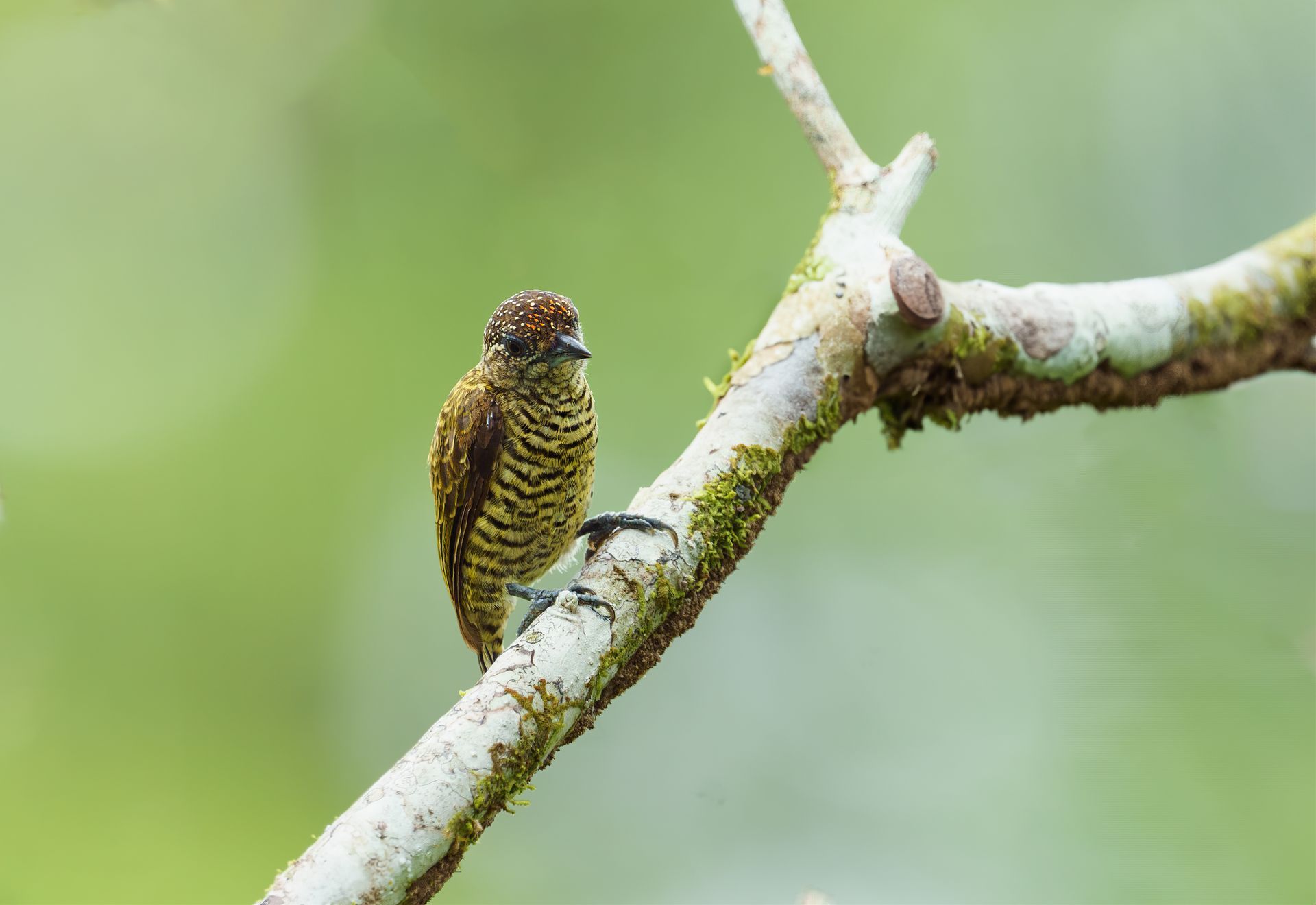
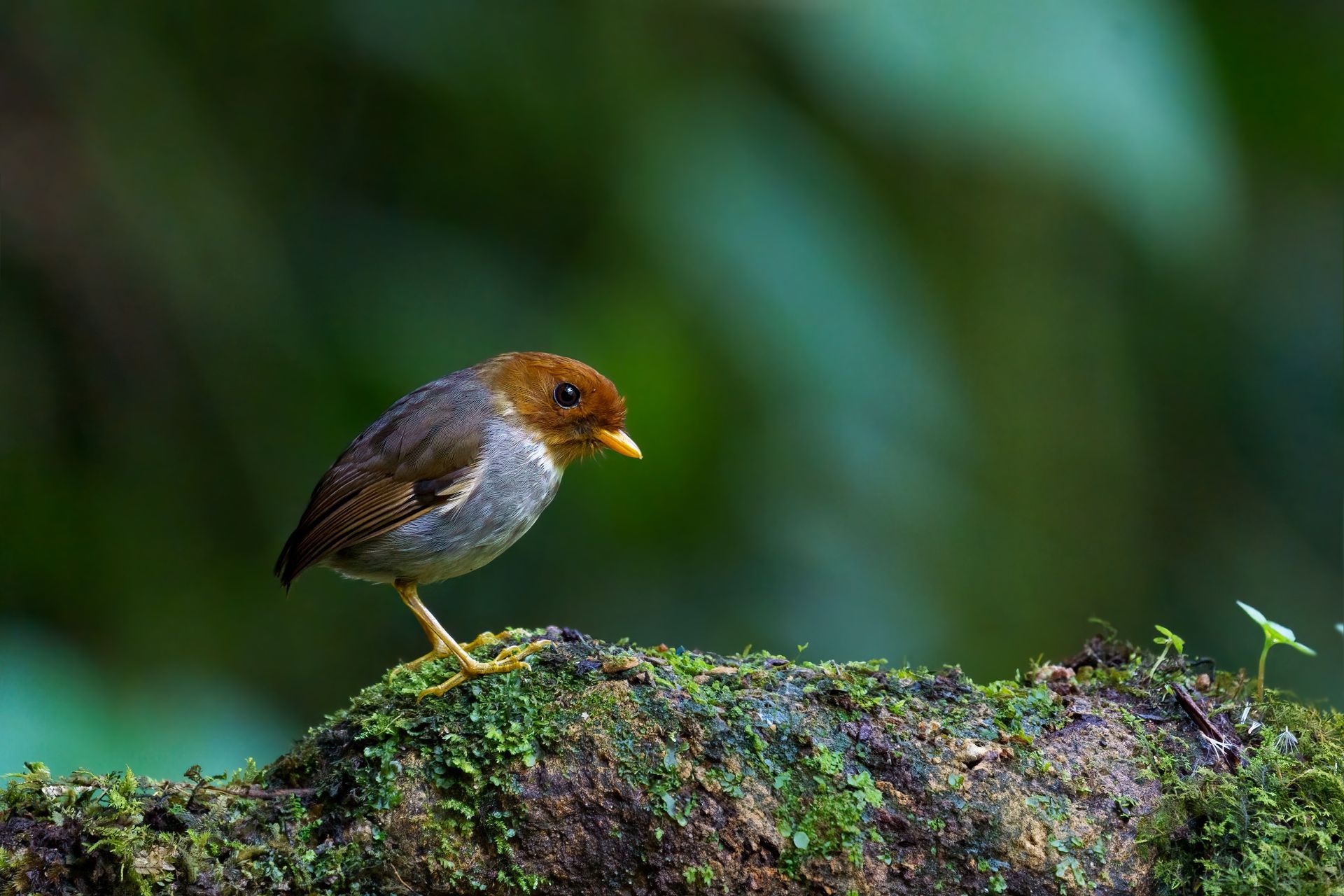
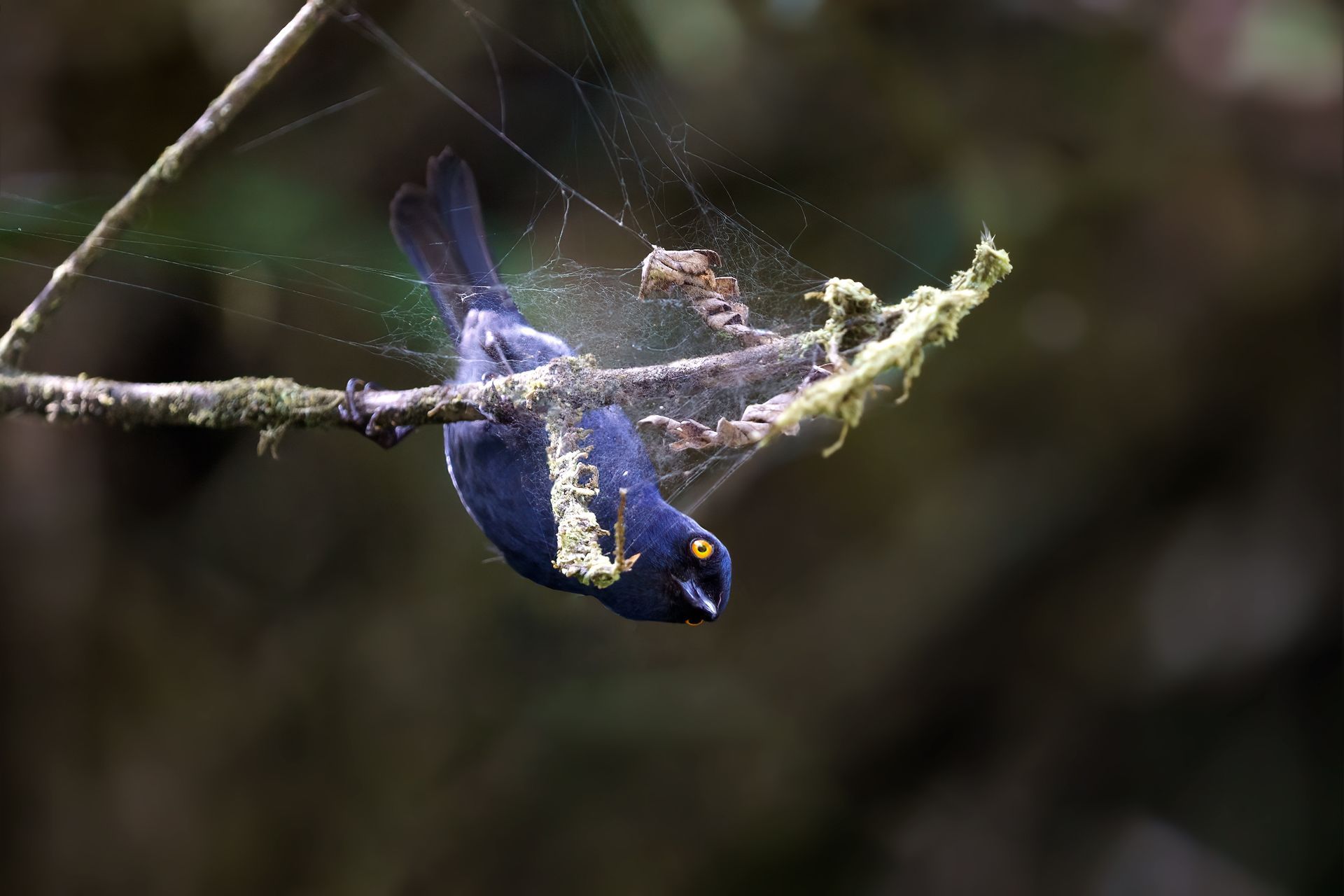
Colombia is home to more bird species than any other country in the world, with over 1,900 recorded species — a number that continues to grow. But what truly sets Colombia apart is not just numbers.
It is the density of ecosystems packed into a single country:
- Andes Mountains (three separate ranges)
- Amazon rainforest
- Pacific Chocó rainforest
- Caribbean dry forests
- Orinoco savannas
- High-altitude páramo ecosystems
Each region supports its own unique bird communities, many of them endemic — found nowhere else on Earth. This diversity creates the perfect foundation for keeping nature tours, where photography, science, and conservation intersect.
From Exploitation to Preservation: Colombia’s Conservation Shift
Historically, many biodiverse regions around the world suffered from habitat loss, uncontrolled tourism, and extractive industries. Colombia faced similar challenges — but over the past two decades, the country made a decisive shift toward conservation-based tourism.
Key changes included:
- Expansion of protected national parks
- Support for private reserves and bird lodges
- Training local communities as nature guides and conservation partners
- Promoting bird photography and birdwatching as sustainable income sources
Rather than exploiting wildlife, Colombia began protecting it through tourism — ensuring that nature itself became more valuable alive than destroyed.
What Are “Keeping Nature Tours” — and Why Colombia Excels
Keeping nature tours focus on long-term preservation, not short-term experiences. These tours are designed to:
- Minimize environmental impact
- Respect animal behavior and habitats
- Support local communities
- Educate travelers about conservation
- Reinforce habitat protection through economic value
Colombia excels in this model because bird photography requires patience, respect, and ethical practices. Birds cannot be forced, staged, or disturbed without consequences — making Colombia’s approach a perfect match for responsible photo wildlife tours.
Ethical Photo Wildlife Tours: A Colombian Standard
In Colombia, ethical bird photography is not an afterthought — it is the standard.
Professional photo wildlife tours emphasize:
- Natural perches instead of artificial setups
- Limited group sizes
- Responsible use of playback
- Habitat restoration at lodges
- Support for local conservation projects
This approach ensures that photographers get exceptional images without harming wildlife — a balance Colombia has perfected.
Community-Based Conservation: The Real Success Story
One of Colombia’s greatest strengths is how local communities are directly involved in conservation.
Former farmers, hunters, and landowners have become:
- Birding guides
- Lodge operators
- Reserve managers
- Conservation educators
By participating in keeping nature tours, communities now protect forests instead of clearing them, knowing that birds bring sustainable income year after year.
This community-driven model is why Colombia’s conservation success is stable, scalable, and respected worldwide.
Colombia’s Emblematic Birds as Conservation Ambassadors
Certain bird species have become symbols of Colombia’s conservation success:
- Andean Cock-of-the-Rock — driving protection of cloud forests
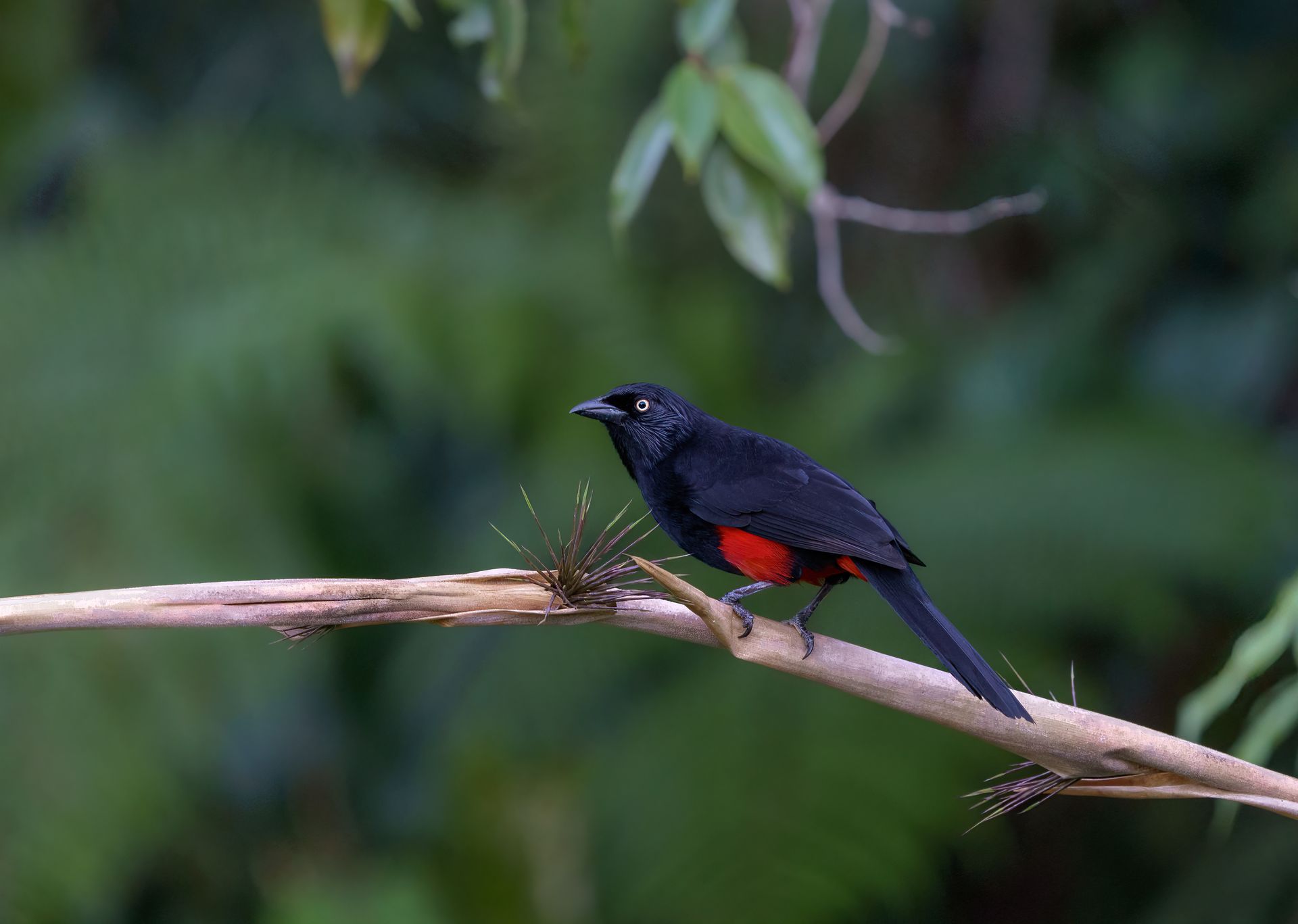
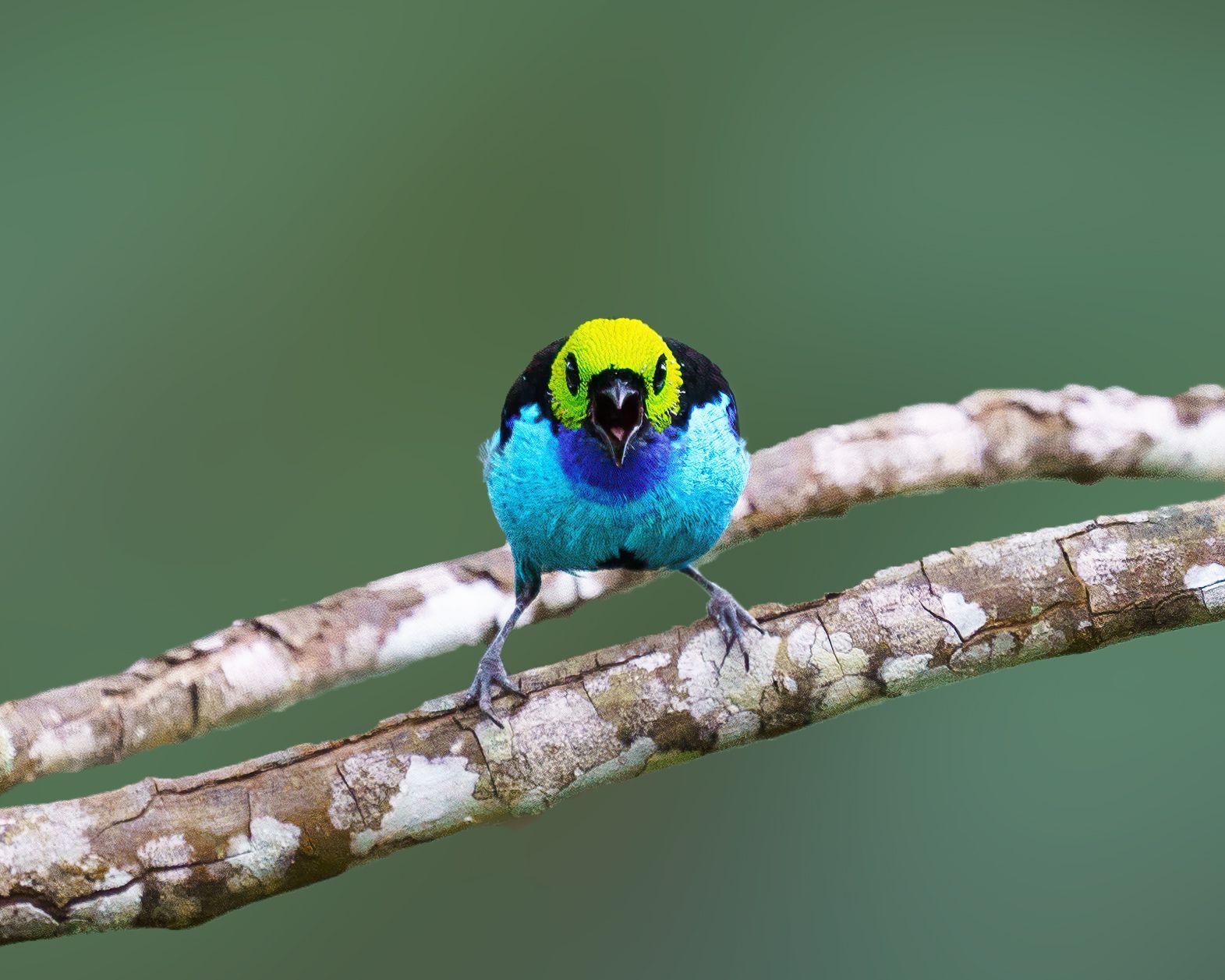
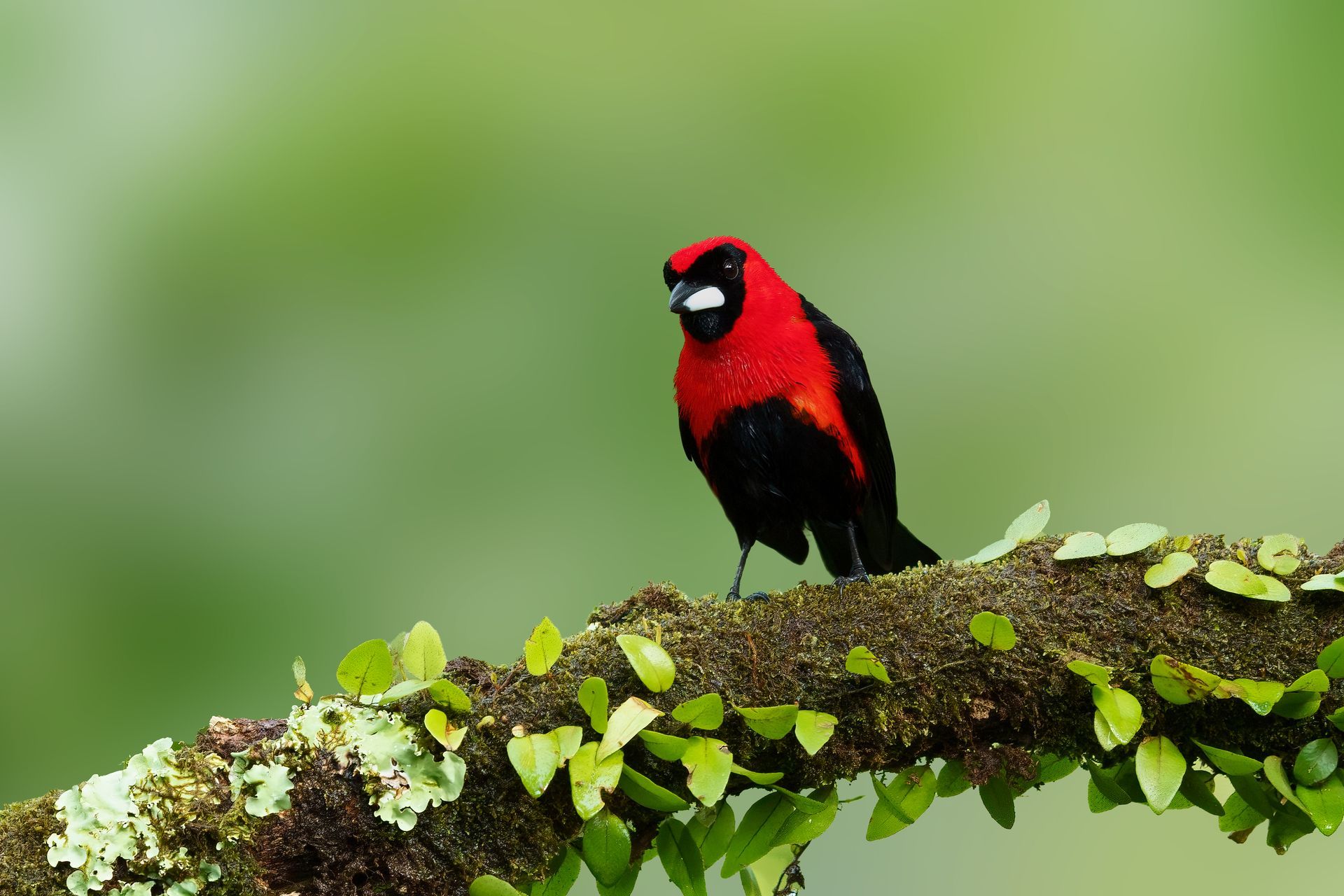
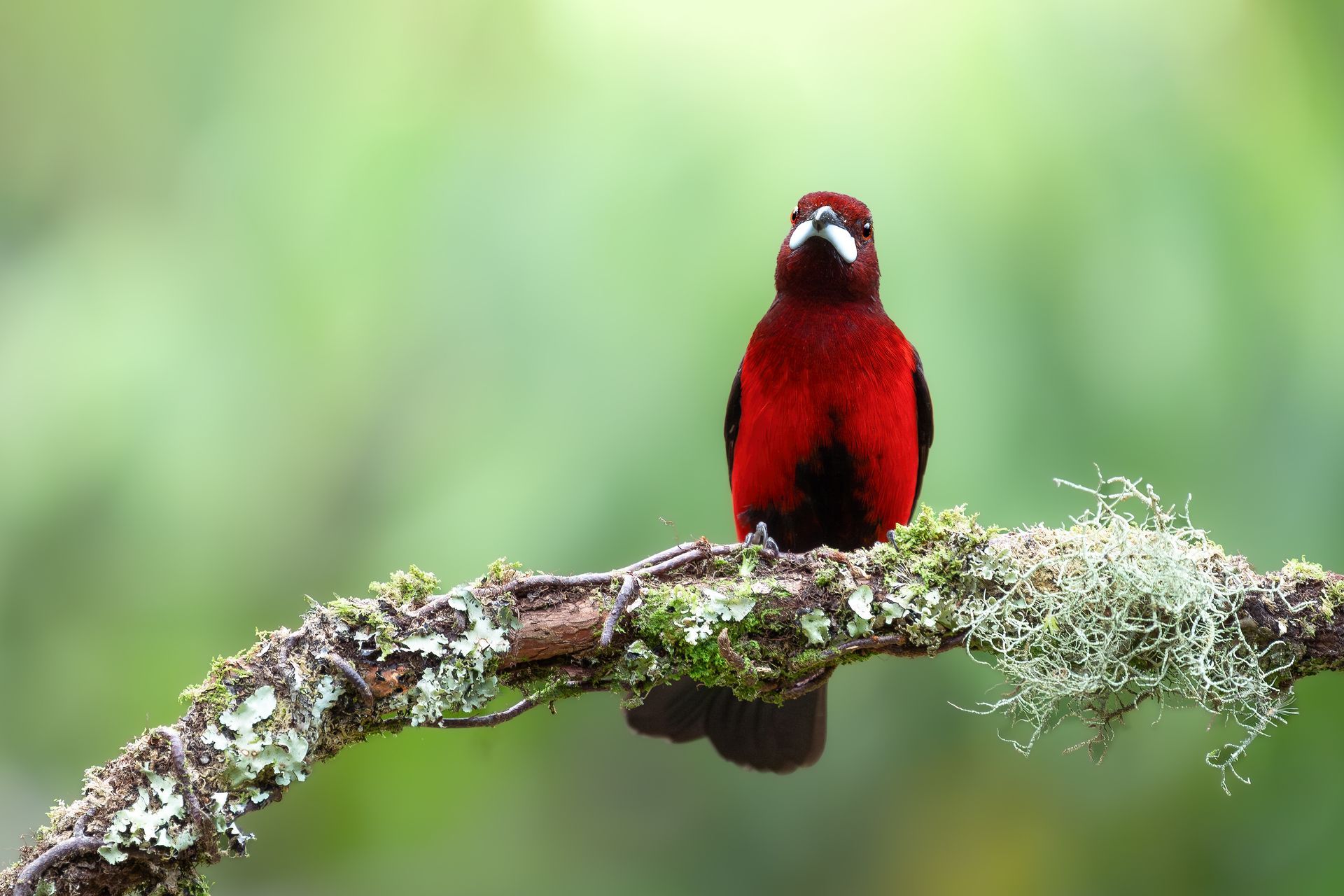
- Multicolored Tanager — preserving Andean slopes
- Manakins — safeguarding lowland rainforests
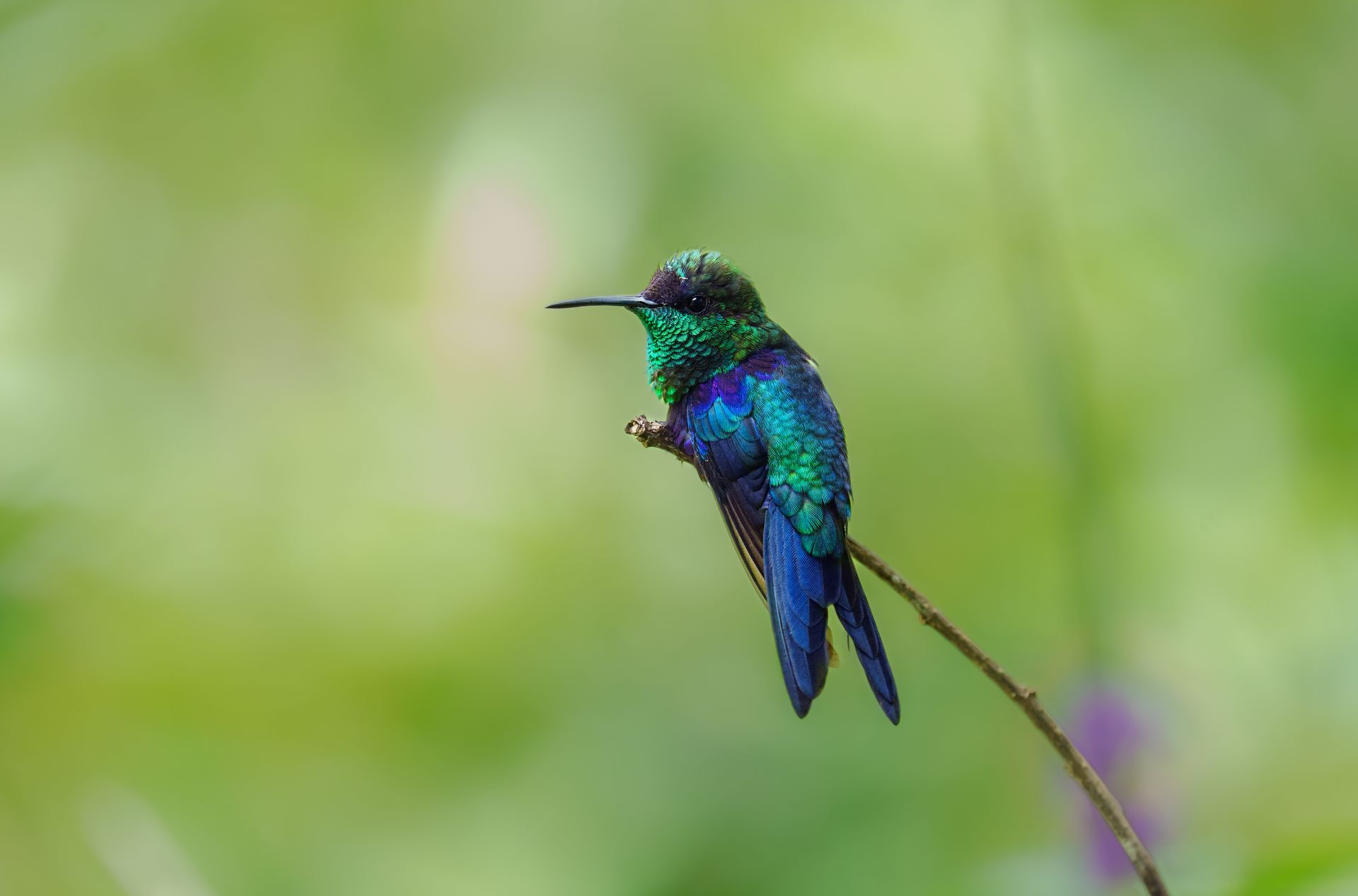
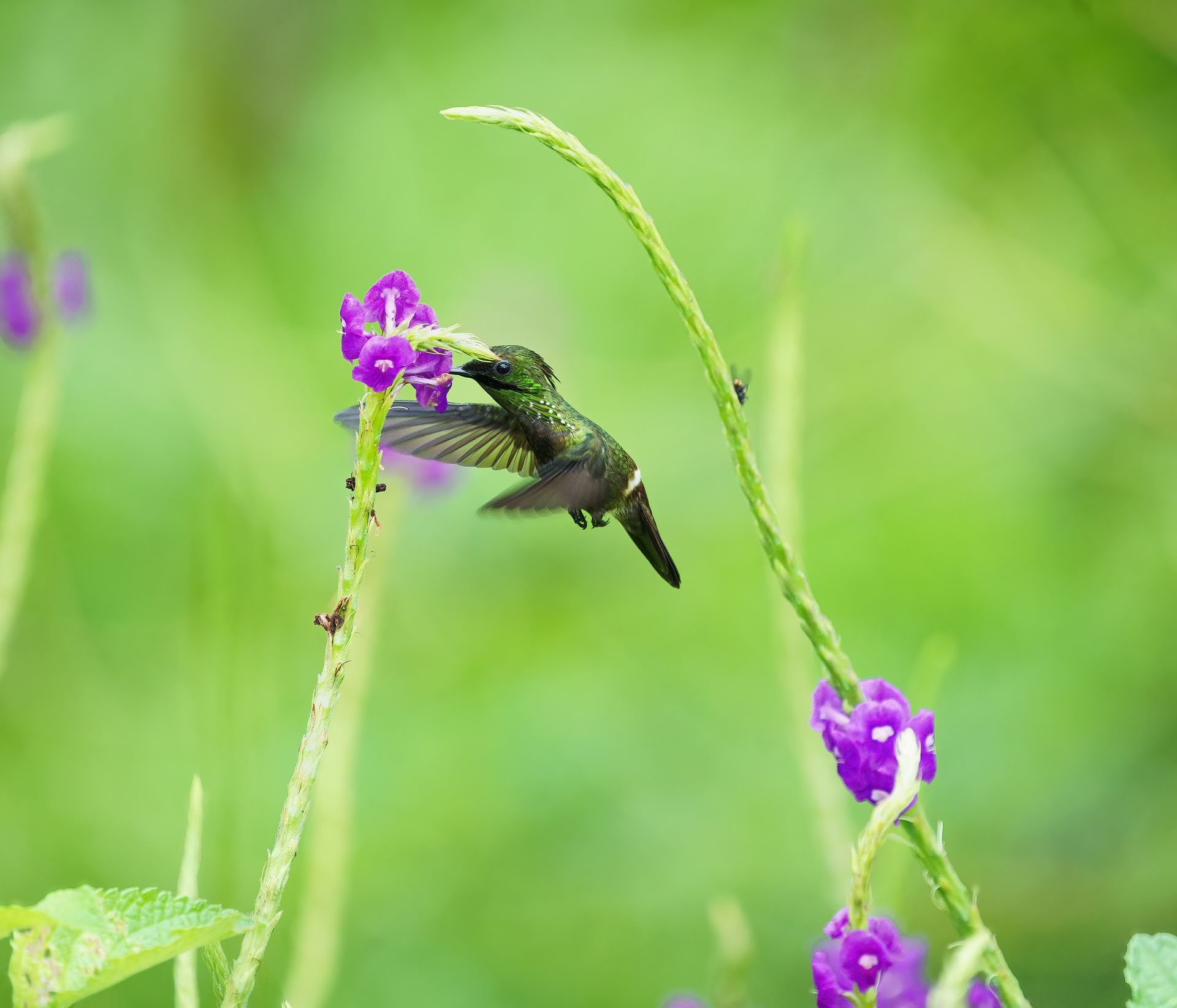
- Hummingbirds — protecting mid-elevation habitats
- Toucan species — maintaining fruit-rich ecosystems
Photographers travel thousands of miles to capture these species — and in doing so, fund the ecosystems they depend on.
Why Photographers Choose Colombia Over Other Destinations
Colombia stands apart because it offers:
- Unmatched bird diversity in short travel distances
- Ethical access to rare and endemic species
- Stable, experienced bird photography guides
- Infrastructure designed for nature, not mass tourism
- A strong conservation ethic across the tourism sector
Few countries manage to balance high-level photography access with long-term environmental responsibility the way Colombia does.
The Role of Professional Bird Photography Guides
Keeping nature tours succeed because of highly trained bird photography and birdwatching guides.
In Colombia, guides are known for:
- Deep ecological knowledge
- Understanding bird behavior and ethics
- Working closely with conservation projects
- Ensuring minimal disturbance during photography
This professionalism elevates Colombia’s photo wildlife tours to a global gold standard.
Colombia’s Influence on Global Conservation Tourism
Colombia’s success has influenced conservation models worldwide. Organizations such as:
- Audubon Americas
- International birding networks
- Wildlife photography associations
Recognize Colombia as a leader in conservation-based tourism, not just a destination.
The country now hosts and participates in global wildlife events, bird fairs, and international collaborations that promote ethical nature travel.
The Future of Keeping Nature Tours in Colombia
Colombia’s future in conservation tourism looks stronger than ever:
- New reserves continue to be created
- More landowners convert farms into bird sanctuaries
- Younger generations train as professional guides
- Bird photography replaces extractive industries
This ensures that Colombia will remain a top global destination for ethical bird photography and keeping nature tours for decades to come.
Why Retorno Photo Tours Represents the Best of Colombia
Experiencing Colombia’s conservation success requires local expertise, ethical planning, and access to the right locations.
Retorno Photo Tours operates in the best birding regions of Colombia, carefully selecting locations that combine:
- Extraordinary bird diversity
- Ethical photography conditions
- Conservation impact
- Experienced local guides
Retorno’s tours are designed to protect nature while delivering world-class photographic opportunities, making them a natural choice for photographers who care about both images and impact.
Explore Colombia the Right Way
If you want to experience the world’s finest bird photography destination while supporting real conservation, Colombia is unmatched.
👉 Join one of Retorno Photo Tours’ ethical bird photography expeditions and explore Colombia’s best locations for emblematic birds, biodiversity, and keeping nature tours.
Retorno Photo Tours offers access to the best places in Colombia — where conservation, photography, and nature come together.