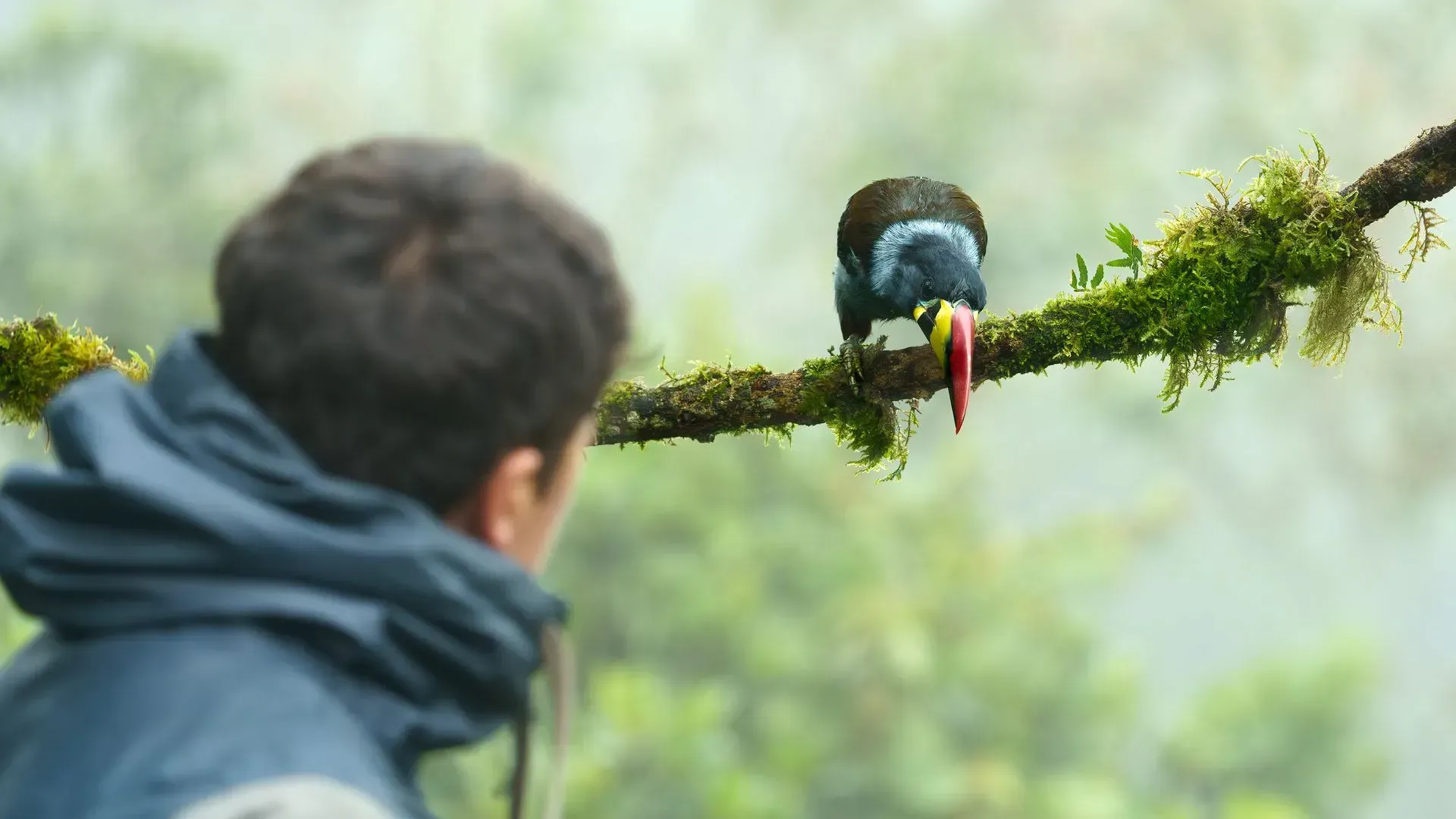
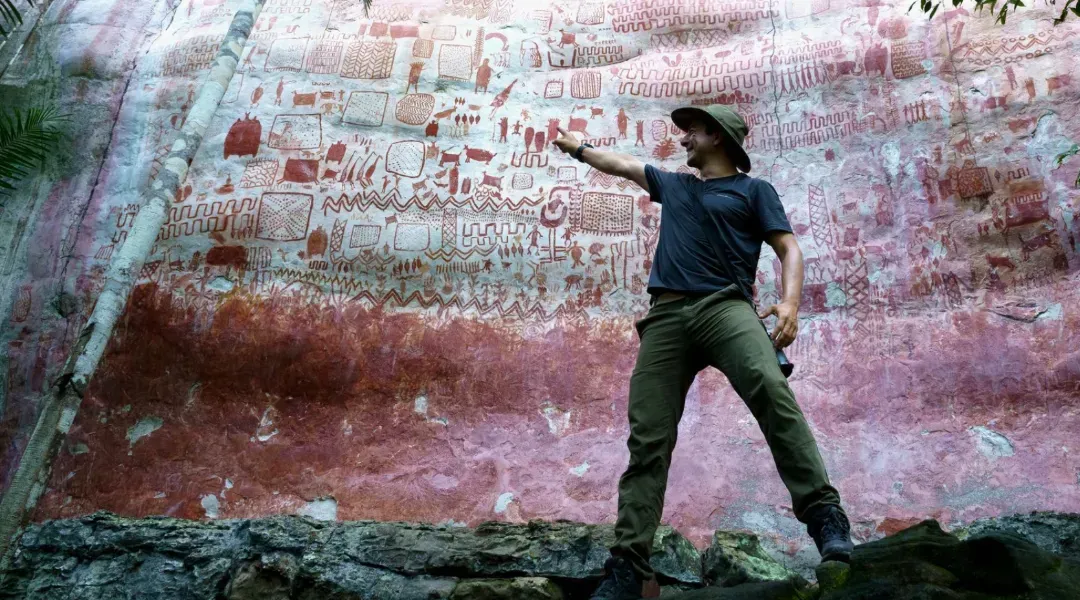
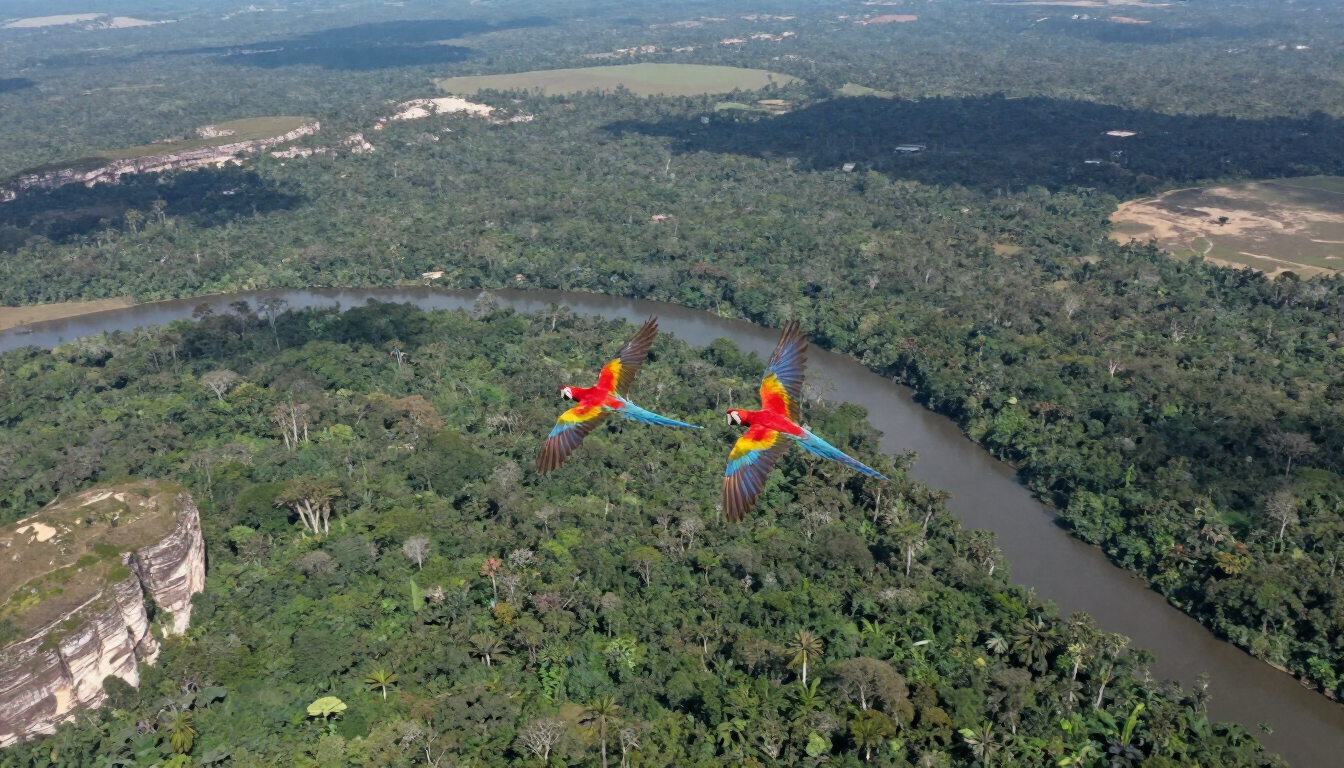
For photographers, that moment is the reward. But a meaningful community conservation tourism case study asks a harder question: who benefits when visitors come to photograph it?
The strongest answer is not simply that tourism creates jobs. It is that carefully managed photographic tourism can give intact habitat a practical, lasting value for the people who live beside it. When local families earn reliable income from guiding, lodging, transport, meals, trail maintenance, or conservation monitoring, protecting forest can become more competitive than clearing it.
That outcome is possible, not automatic. It depends on how a trip is designed, how revenue is shared, how wildlife is approached, and whether visitors understand that access to extraordinary wildlife is built on local trust.
A Community Conservation Tourism Case Study From Colombia
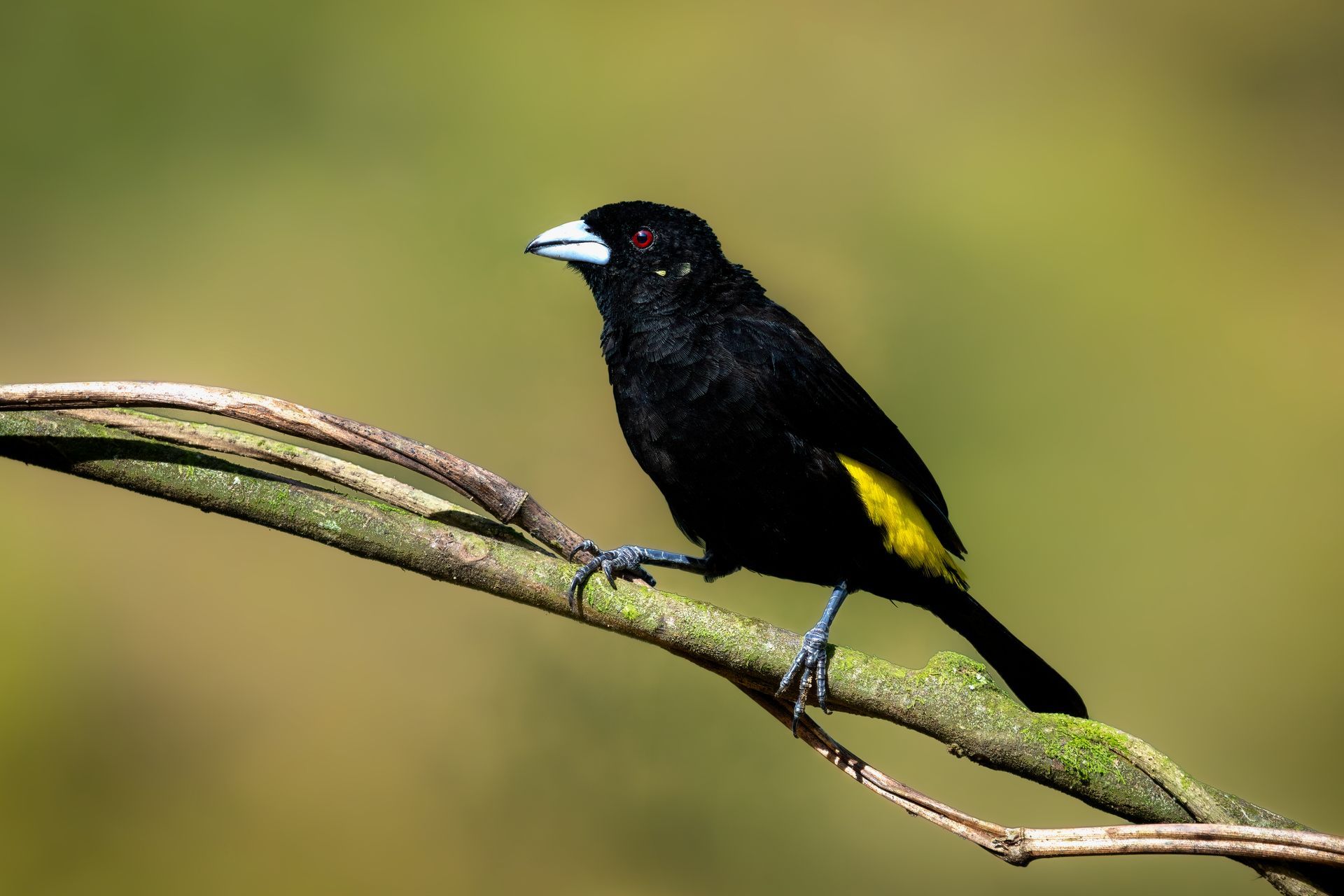
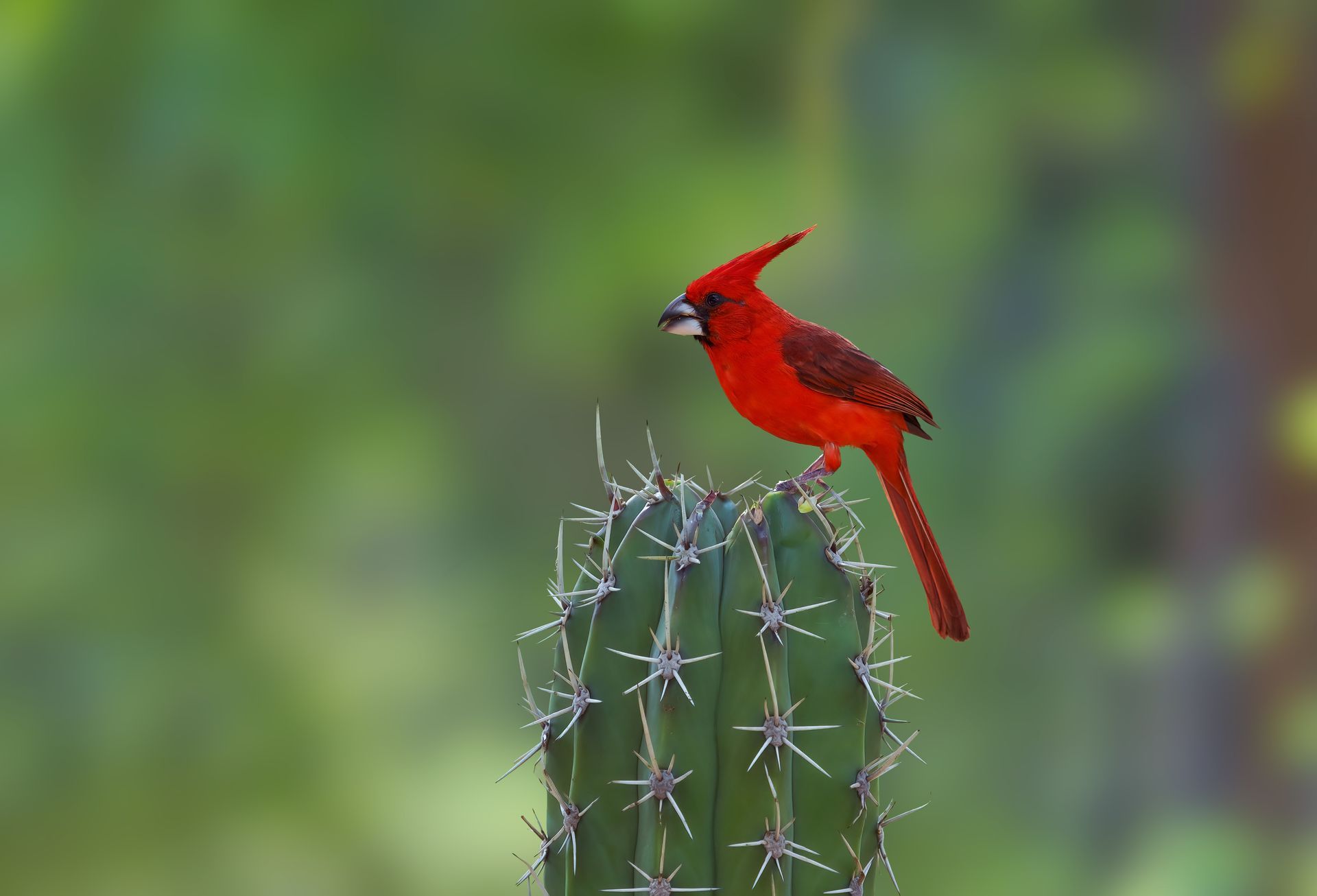
Consider a common situation in a biodiverse rural region: a family farm borders remaining cloud forest, secondary growth, and a stream corridor. The land holds birds that visiting photographers desperately want to see, perhaps an endemic tanager,
a rare antpitta, or a hummingbird found only in a narrow elevational range. Historically, the family may have depended on cattle, small-scale agriculture, or seasonal work. Forest conservation can feel like a luxury when daily income is uncertain.
Now imagine that the family begins receiving small groups of wildlife photographers. At first, the tourism offer is modest: a local breakfast, a trail walk, and access to a viewpoint where birds are active early in the morning. Over time, the family develops a simple lodge, hires neighbours for kitchen and trail work, and learns which areas need quiet periods because of nesting activity. A local guide becomes highly skilled at reading weather, bird behaviour, and forest conditions.
The shift matters because the forest is no longer just unused land at the edge of a farm. It is part of the family’s income. The birds are no longer anonymous background wildlife. They are a reason guests return, recommend the location, and book again during the best seasonal window.
For photographers, the result is equally valuable. Rather than racing through a location with uncertain access, they can work from known trails, spend time with target species, and photograph in conditions managed with wildlife welfare in mind. Good community partnerships often create the patience that portfolio-level photography requires.
What the Local Community Gains
The clearest benefit is direct income, but the wider effect can be more significant. Tourism spending reaches beyond the landowner. Drivers, cooks, guides, craftspeople, farmers, and nearby lodging providers can all participate when itineraries are planned intentionally.
A well-run model can also build skills that remain in the community. Local residents gain experience in guiding, hospitality, bird identification, basic English, first aid, and conservation interpretation. These are not charity projects. They are professional capabilities that can create more choice in places where employment options are limited.
There is also a social benefit that is harder to measure. When international visitors travel specifically to see a local landscape, residents often see familiar wildlife through a new lens. That does not mean communities need outsiders to value their own environment. It means photography tourism can reinforce the economic and cultural value of knowledge that local people already hold.
What the Habitat Gains
The best conservation tourism projects direct part of visitor spending toward practical protection. That may mean repairing trails so guests do not trample sensitive areas, restoring native vegetation along a creek, protecting a forest patch from conversion, or paying community members to monitor wildlife.
Small decisions matter. A group that uses established paths, keeps noise low, limits flash around sensitive species, and avoids crowding a feeding station reduces pressure on wildlife. It also gives landowners a reason to maintain habitat quality rather than maximize visitor volume.
Tourism is not a substitute for protected areas, land rights, or strong environmental policy. Nor can it fund every conservation need. But in the right place, it can provide a dependable layer of support for habitat that might otherwise be vulnerable.
Why Photography Travel Needs Different Standards
Wildlife photography adds both opportunity and responsibility. Serious photographers may travel with
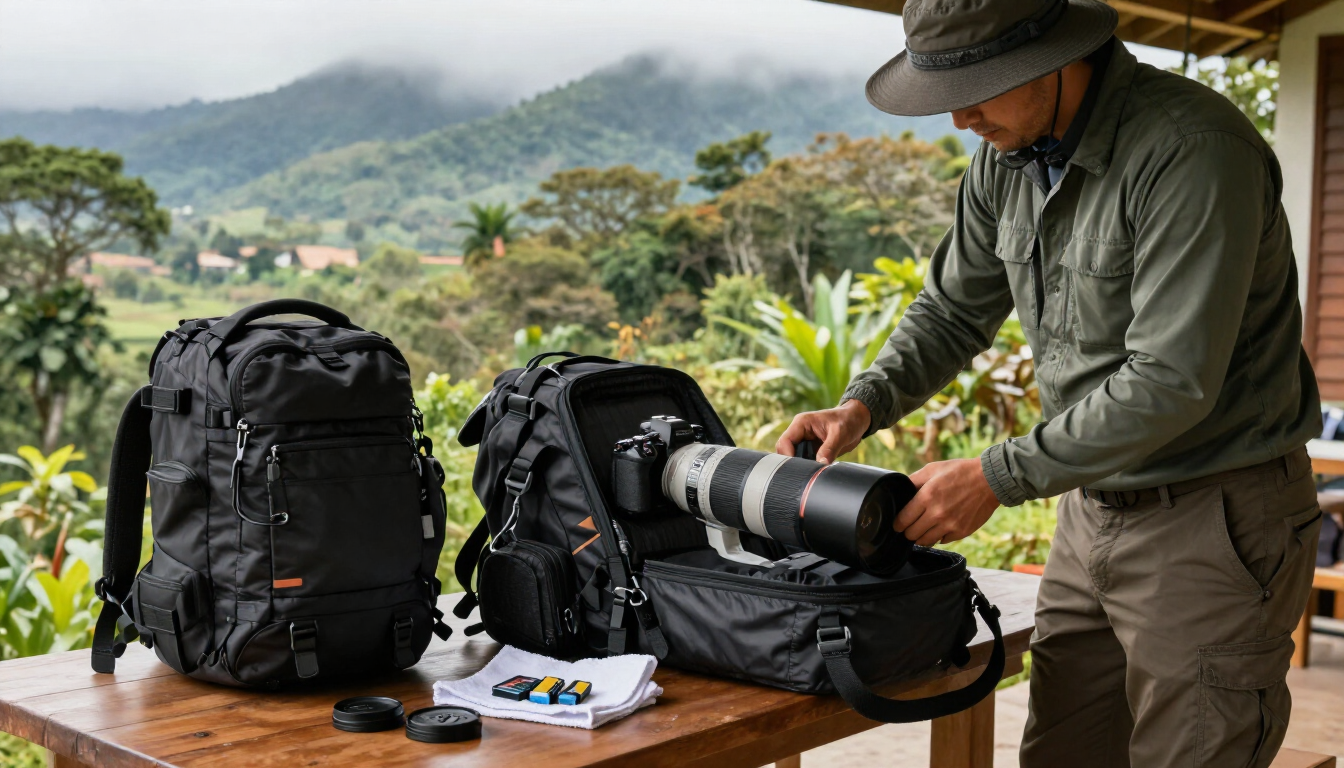
large lenses, stay longer at a subject, and invest heavily to reach a rare species. That can make a location economically valuable, but it can also create pressure to guarantee a photograph.
No ethical operator should promise a wild animal on command. Jaguars,
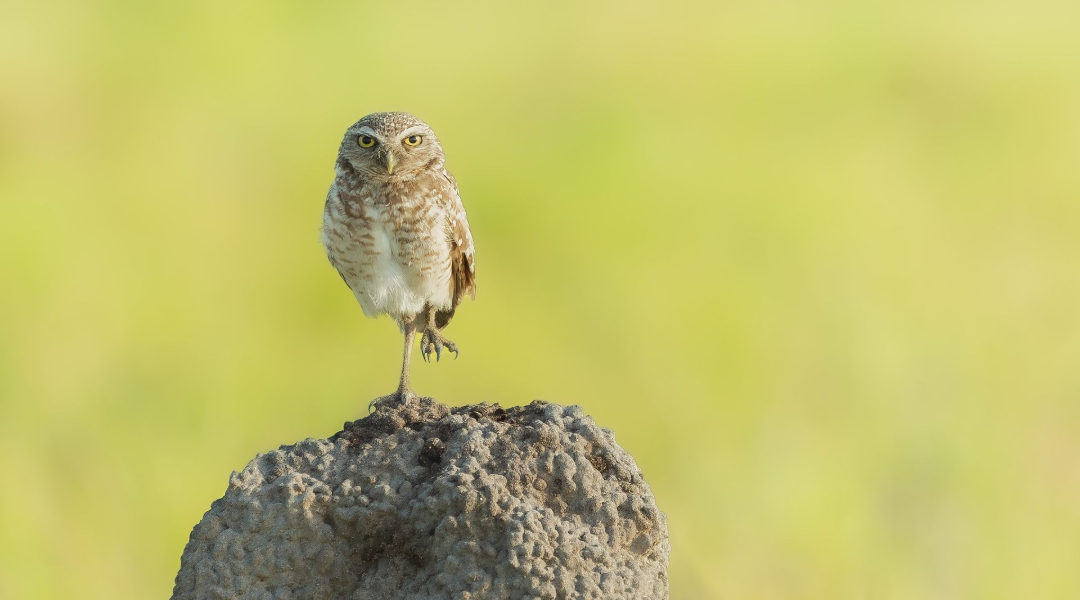
Harpy Eagles, Spectacled Bears, and rare Andean birds follow their own patterns. The goal is to create the best possible conditions for respectful observation, not to force a result.
At a community site, this means setting expectations before guests arrive. Visitors should know whether they will photograph from a blind, a roadside pullout, a forest trail, or a private reserve. They should understand the physical demands, likely weather, and the rules on playback, flash, baiting, nesting birds, and wildlife distance.
It also means keeping groups small. A group of six photographers may provide better economic value and far less disturbance than a much larger group moving quickly through the same habitat. For specialist photography, fewer people usually means more room to work, quieter field conditions, and a more personal relationship with local hosts.
The Trade-Offs That Honest Conservation Tourism Must Address
Community-based tourism isn't automatically ethical just because it is local. Revenue can be uneven, community members may disagree about development, and visitor demand can exceed what a fragile site can handle. A project needs transparent agreements and the confidence to say no when conditions are wrong.
For example, a family may close a nesting area for several months, even if that is the peak period for a sought-after bird. Another site may cap the number of groups per week because trail conditions deteriorate in the rainy season. These limits can be frustrating when travel schedules are tight, but they protect the very experience visitors came for.
There is also a balance between comfort and authenticity. Some remote areas offer excellent wildlife but simple accommodations, rough roads, early starts, humidity, mud, or limited cell service. Others can offer more refined lodging with less time in the field. The right choice depends on a photographer’s priorities, fitness, equipment needs, and willingness to trade convenience for access.
A responsible itinerary makes those realities. Good planning doesn't remove every challenge. It is about making sure the challenge serves the photographic objective and that guests arrive prepared.
How Travellers Can Tell Whether Their Visit Helps
Before choosing a wildlife photography expedition, ask practical questions. Who owns or manages the land? Are local guides and businesses part of the itinerary? How are group sizes controlled? What wildlife-viewing practices are in place? Does the operator explain why certain locations, trails, or species encounters may be restricted?
The answers should be specific. Vague sustainability claims are easy to make. Details about local employment, conservation agreements, site capacity, and field ethics reveal whether an operator has real relationships on the ground.
At Retorno Photo Tours, this approach begins with local knowledge and respect for the people who make remote access possible. The goal is not to treat a community as a scenic stop between target species. Instead, it builds journeys where skilled local hosts, secure logistics, and outstanding photographic opportunities support one another.
The most memorable wildlife images often carry a story beyond the frame: the guide who heard the bird first, the family that protected the forest corridor, the cook who welcomed a tired group after a wet morning, and the decision to leave a sensitive subject undisturbed. Travel with that story in mind, every photograph can represent more than a successful sighting.