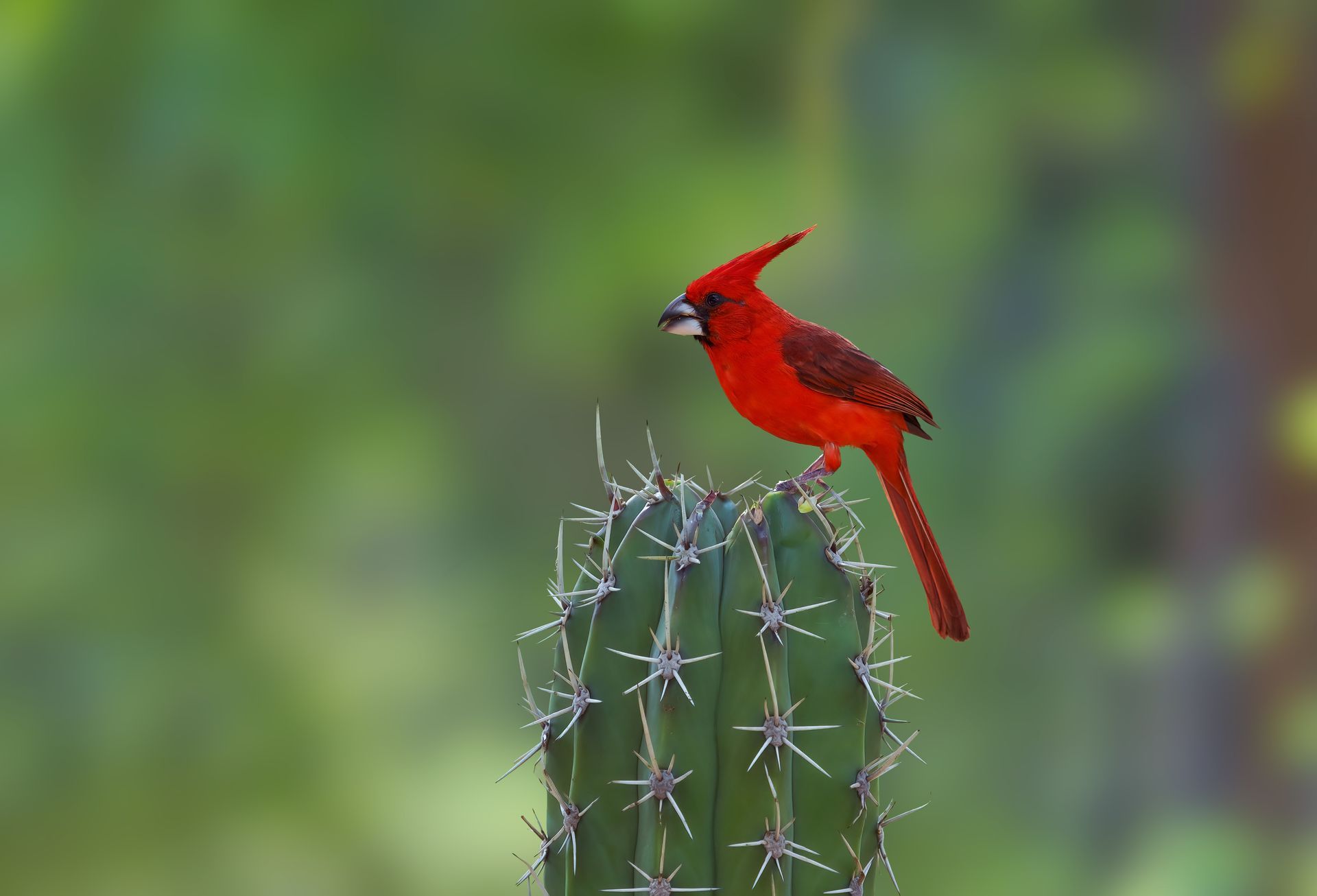
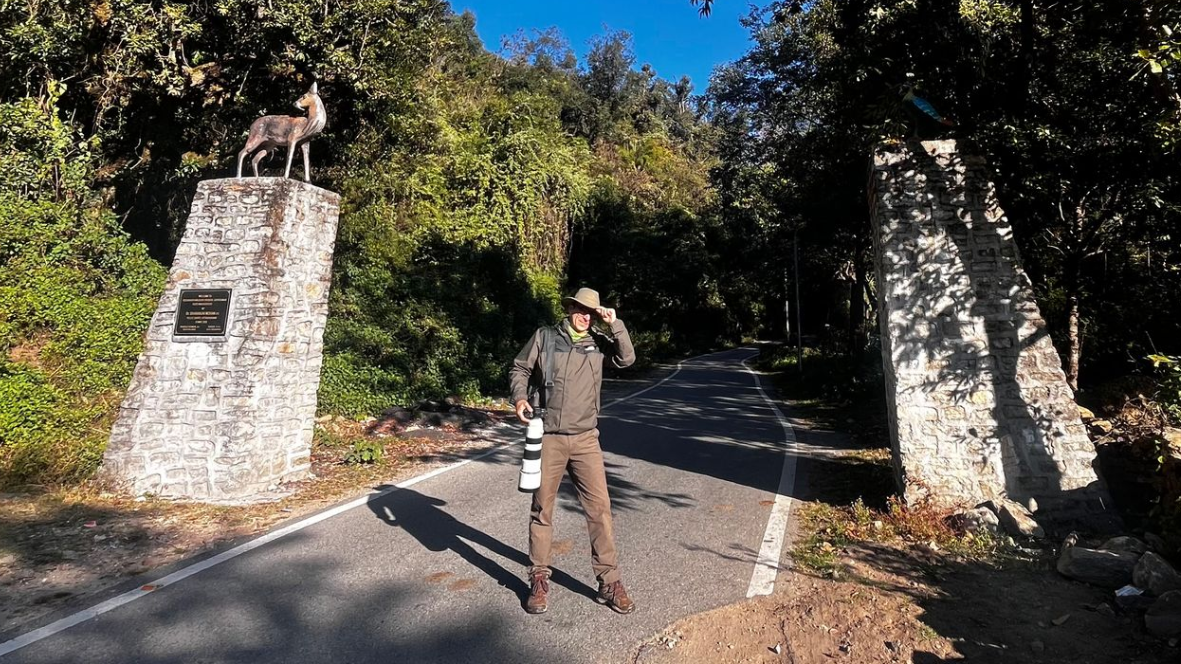
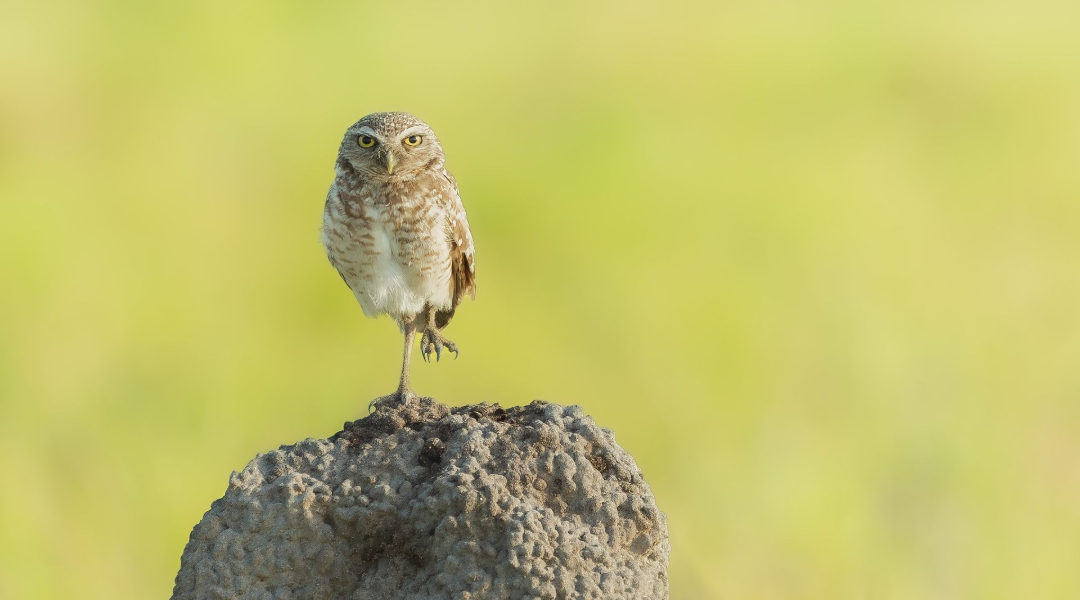
For photographers, it is a rare chance to invest time, knowledge, and fieldcraft in encounters that may never happen twice.
Colombia is built for that kind of pursuit. With nearly 2,000 recorded bird species, dramatic elevation changes, and habitats ranging from Caribbean dry forest to Amazonian rainforest and high Andean páramo, it offers more photographic possibilities than a single journey can hold. The real question is not whether there are birds to photograph. It is how to plan a trip that gives each hour in the field a purpose.
What Birding Tourism Offers a Serious Photographer
Traditional birdwatching travel often prioritizes identification and numbers. A photography-focused birding journey adds different requirements: workable light, clean backgrounds, enough time at a feeder or lek,
access to hides, and guides who understand when a subject is likely to return. A bird seen high in a distant canopy may be a birder's success. For a photographer with a 500mm lens, it may be a valuable clue about where to wait next.
That distinction changes the trip's pace. Rather than racing to check off every possible species, the strongest itineraries build in repeat opportunities. A morning may be dedicated to a single hummingbird garden, an afternoon to canopy birds from a productive road edge, and the following dawn to a known display site. This doesn't guarantee a frame, because wild subjects make the rules, but it creates the conditions for excellent images.
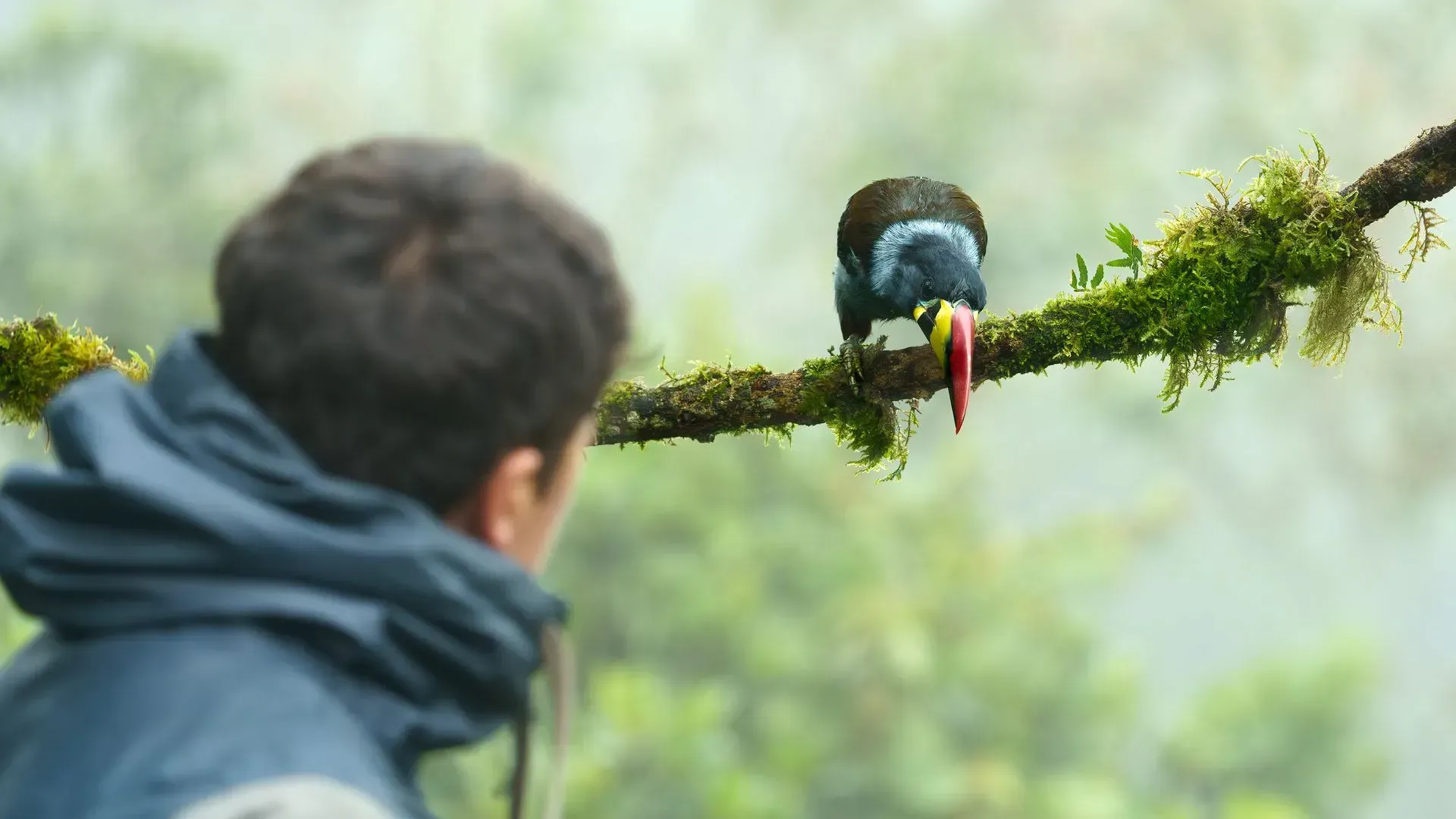
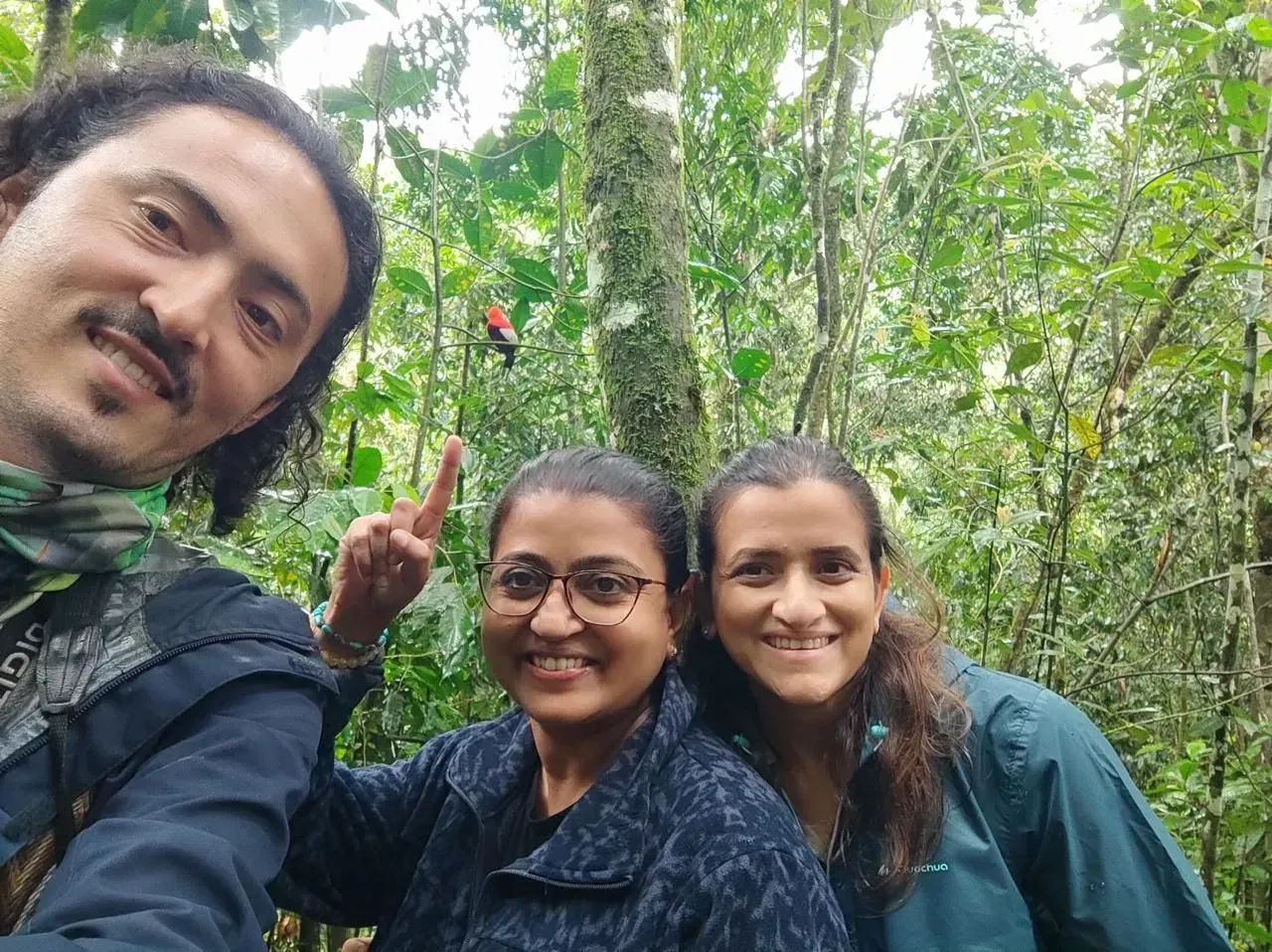
It also gives photographers access to stories, not just portraits. A booted racket-tail hovering in mist, a toucanet feeding in bromeliads, or an Andean Cock-of-the-rock calling from a shadowed forest ravine can become images with a sense of place. The goal is not merely to prove you found the bird. It is a photograph that carries the atmosphere of the encounter.
Colombia Is a Destination of Constant Contrast
Few places reward a carefully designed birding trip as much as Colombia. On one route, photographers can move from warm lowland forest to cool Andean slopes in a matter of hours. Each elevation brings its own light, weather, vegetation, and target species.
The Andes are especially compelling for visitors seeking endemics and hummingbirds. High mountain reserves can produce close-range opportunities with colourful tanagers, mountain-toucans, flowerpiercers, and species found nowhere else. Conditions can change quickly, however. By midday, morning sun may give way to rain, fog, or strong contrast. Success depends as much on flexible timing and rain protection as it does on lens choice.
The Chocó region offers another world: deep greens, heavy humidity, dramatic rainfall, and a remarkable concentration of specialized birds. It can be physically demanding, with muddy trails and challenging light, yet that same environment creates intimate, textured images of species that remain difficult to encounter elsewhere.
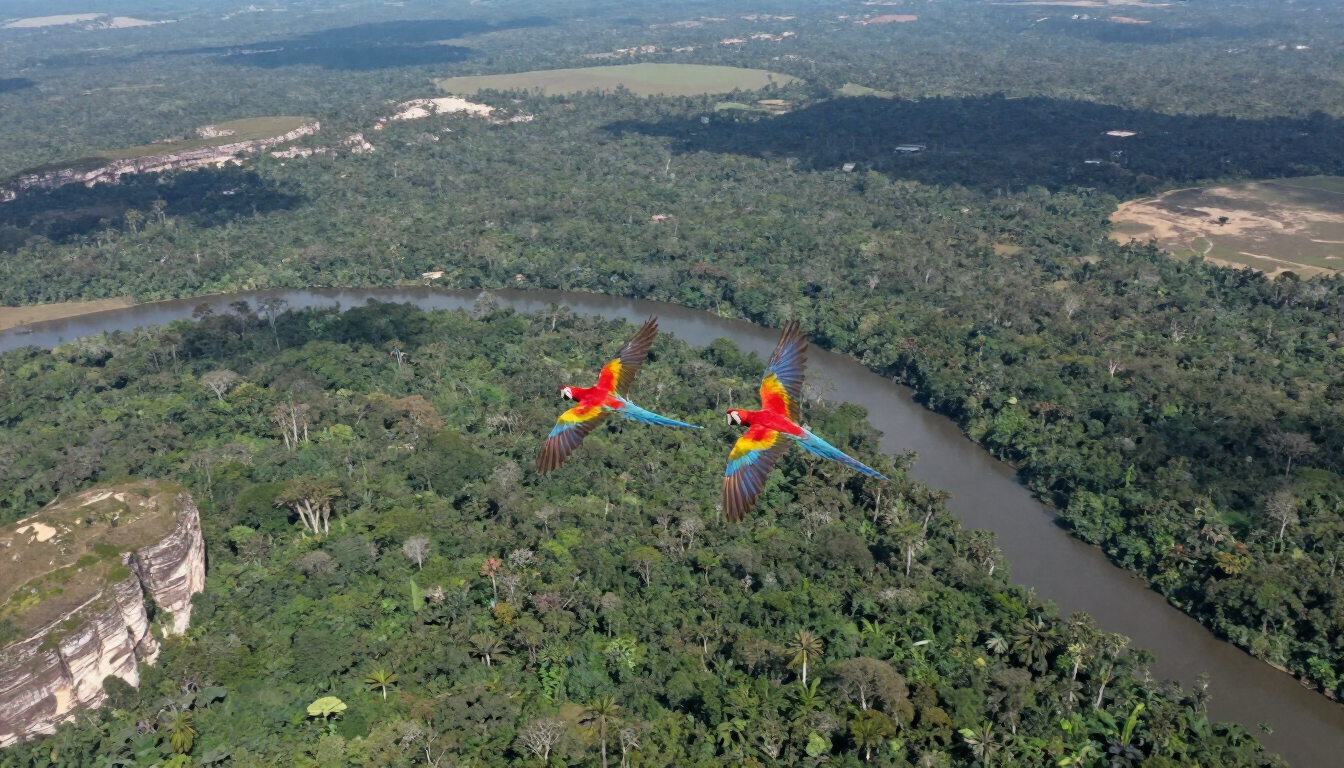
In the Amazon, the experience becomes more patient and immersive. Forest bird photography often involves listening, waiting, working from boats or narrow trails, and accepting that some encounters will happen in very low light. The reward may be a surprising understory species, a troop of monkeys overhead, or a brief moment with a bird that few visitors ever see. For photographers who value the full ecosystem, not only colourful birds, this is an unforgettable part of birding tourism.
A Species List Should Guide, Not Control, the Journey
Target lists are useful. They help shape travel dates, select reserves, and set expectations for what equipment to bring. But an inflexible list can make a wildlife trip feel like a race against a spreadsheet.
The better approach is to identify priority species, then leave room for what the landscape offers. Some of the most memorable photographs come from an unexpected perched raptor, a mixed flock that appears during a rain break, or a common species behaving beautifully in ideal light. Good guiding balances the search for a major target with the awareness to recognize a photographic moment already unfolding.
The Logistics Behind Better Field Time
Independent travel can work for experienced visitors with substantial time, Spanish-language confidence, and a tolerance for uncertainty. Yet Colombia’s best birding areas are often separated by mountain roads, remote lodges, changing weather, and early starts. The complexity is not a drawback, but it does require thoughtful coordination.
A specialist bird photography tour handles the details that quietly determine whether a day succeeds. Transport needs to accommodate people, tripods, camera bags, and [long lenses](https://www.retornophototours.com/mastering bird photography with long lenses) without making every transfer exhausting. Lodging should be close enough to productive habitat that you spend dawn photographing, not driving. Meals and water matter too, especially on long days at altitude or in humid lowland forest.
Local knowledge is equally important. A guide who knows which trail is safest after overnight rain, where a particular endemic has been calling, or when to stay at a feeder rather than move on can transform a day. The best guides do not promise wildlife on command. They read conditions, adapt the route, and help photographers make sound decisions when plans change.
At Retorno Photo Tours, regional experience matters most: connecting productive locations, trusted local hosts, comfortable logistics, and enough unhurried field time for photographers to work a subject properly.
Equipment Should Support the Experience
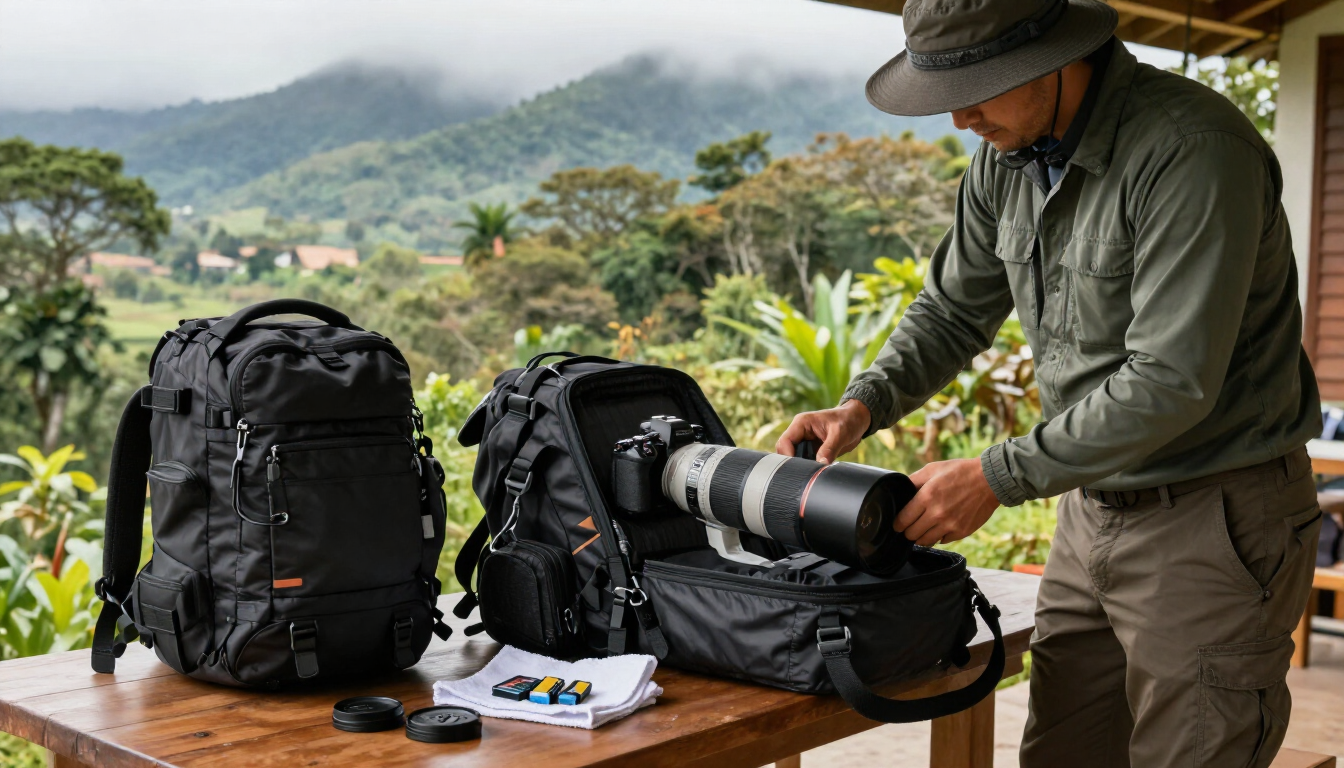
No single bird photography kit is perfect for Colombia. A 400mm, 500mm, or 600mm lens gives reach for canopy and distant subjects, while a teleconverter can be valuable in open habitats with good light. But the heaviest setup isn't always the smartest option. On steep trails, in humid forest, or during fast roadside stops, a lighter 100-400mm or 200-600mm lens may help you react faster and stay comfortable longer.
A second body helps when you want one setup for distant birds and another for environmental images or closer wildlife. Fast memory cards, spare batteries, a rain cover, microfiber cloths, and a small dry bag are practical essentials. Humidity is a constant consideration in tropical regions, and moving between air-conditioned rooms and warm forest air can
create condensation. Give your equipment time to acclimate before exposing it to moisture.
Tripods are excellent for feeders, display grounds, low-light forest work, and patient observation. For active trail walks, some photographers prefer a monopod, gimbal head, or handheld setup. It depends on your strength, lens weight, and the type of images you want. The best kit is the one you can operate confidently when the bird finally appears.
Ethical Encounters Make Better Images
The finest birding tourism is built on respect. Never push birds off nests, crowd them at close range, or repeatedly disturb them for a better angle. Playback has a place in careful scientific or highly controlled guiding contexts, but it should never become a shortcut that stresses wildlife or disrupts natural behaviour.
Ethical travel also extends beyond the birds. Many of Colombia’s productive birding areas are protected through the daily work of rural families, private reserve owners, Indigenous communities, Afro-descendant communities, and local naturalists. Choosing responsible operators and community-based services helps ensure that habitat has value beyond extraction or land conversion.
This is not simply a moral preference. Protected, well-managed habitat creates better long-term wildlife opportunities. A healthy forest produces the variety of food, cover, and breeding space that keeps bird populations present. When tourism respects local people and the land, visitors get a more authentic experience, and the destination has a reason to keep conservation economically viable.
Give Yourself Time for the Unexpected
The biggest mistake in planning a bird photography trip is trying to cover too much ground too quickly. Colombia may look compact on a map, but its mountains, weather, and biodiversity demand time. A seven- to ten-day itinerary focused on one or two regions often produces stronger images than a rushed cross-country route packed with transfers.
Build in extra mornings for priority species. Expect rain, fog, road delays, and occasional missed opportunities. These are not expedition failures. They are part of working in living landscapes. Patience is often the difference between a distant record shot and the moment when a bird settles into an open perch, turns toward the light, and gives you the image you came to make.
Come with your targets, your favourite lens, and a willingness to slow down. The most rewarding birding journeys leave room for the species you planned for and the wild surprises that make the trip yours alone.