
Bird-in-Flight Photography: Advanced Techniques for Colombia Tours
Bird-in-Flight Photography: Advanced Techniques for Colombia Tours
Bird-in-flight photography is where skill meets instinct.
It is fast. Unpredictable. Technical. And incredibly rewarding.
In Colombia, the most bird-diverse country on Earth, flight photography becomes something even more powerful. It becomes daily opportunity.
From macaws crossing rainforest canopy at sunrise to tanagers flashing through misty cloud forest gaps, Colombia offers nonstop action for photographers ready to take their skills to the next level.
At Retorno Photo Tours, we design our itineraries to help you capture these moments with precision, guidance, and ethical field practices.
Why Colombia Is Exceptional for Flight Photography
Colombia’s geography creates natural flight corridors:
- Mountain ridgelines where birds cross valleys
- Wetlands where herons and ibises glide in open light
- Rainforest canopy gaps where parrots commute between feeding trees
- Andean thermals where raptors soar at eye level
Unlike destinations where flight shots are occasional, in Colombia they are consistent.
When you understand behavior, you stop reacting and start anticipating.
That is when your keeper rate increases dramatically.
The Real Secret: Anticipation Over Reaction
Most photographers chase birds in the viewfinder.
Experienced bird photographers predict them.
Birds typically:
- Take off into the wind
- Follow regular feeding routes
- Return to the same perches
- Stall slightly before landing
On our photo wildlife tours, our professional bird photography guides position you before the action happens. Instead of scrambling, you are ready.
The difference is significant.
Advanced Technical Settings for Success
Flight photography requires deliberate configuration, not guesswork.
Shutter Speed
For small fast birds: 1/2500 to 1/4000
For medium birds: 1/2000 to 1/3200
For larger soaring birds: 1/1250 to 1/2000
Autofocus
- Continuous tracking mode
- Expanded focus area
- Subject tracking enabled
Burst Mode
Use high-speed burst, but time your sequences intelligently. Controlled bursts outperform constant shooting.
We work with photographers in the field to fine-tune settings based on habitat and light conditions.
Habitat-Specific Strategies
Cloud Forest
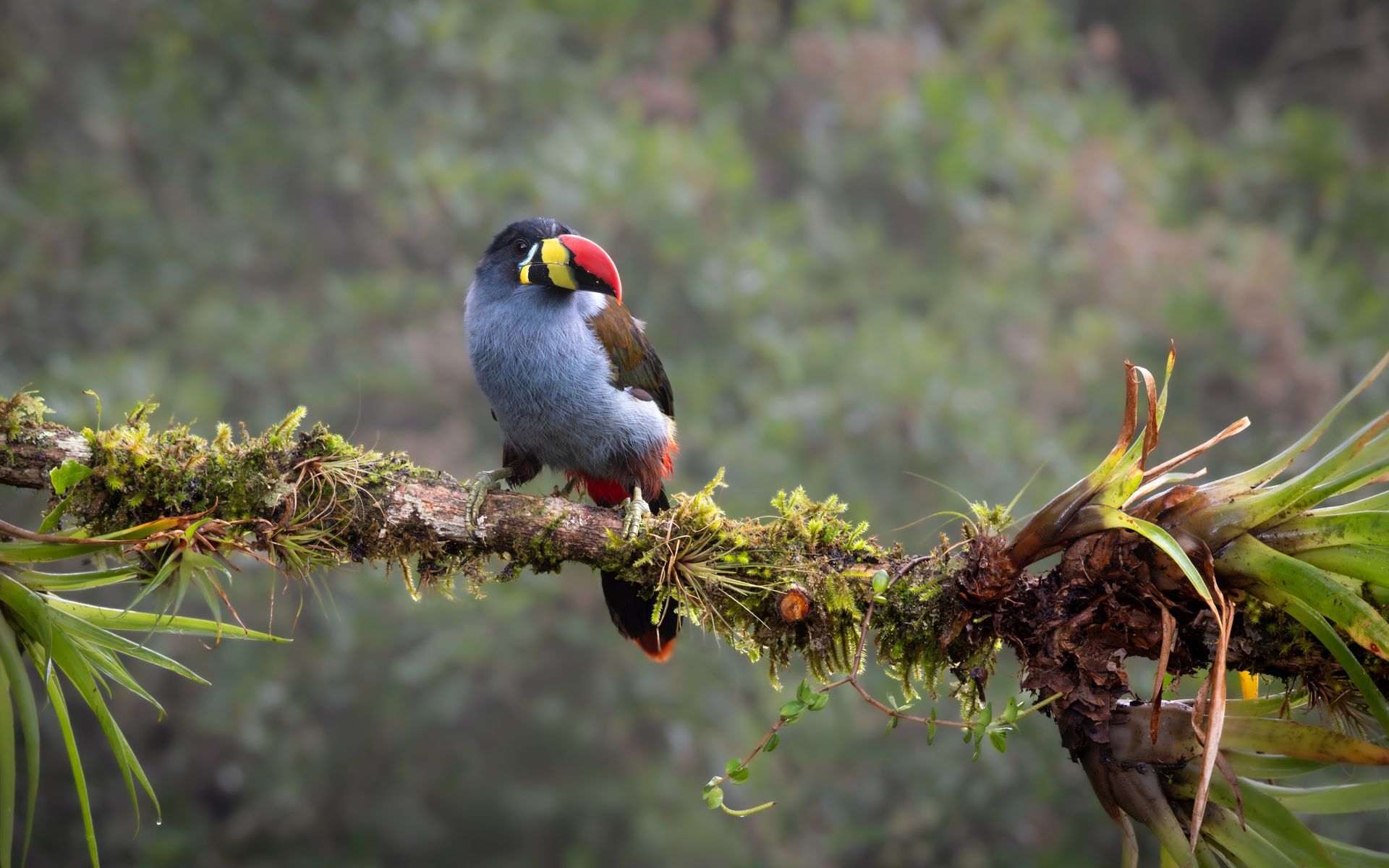
In Colombia’s Andean cloud forests, mixed flocks move quickly across canopy openings.
The key:
- Stand at natural forest gaps
- Pre-focus on likely crossing points
- Use diffused light to your advantage
Soft mountain light enhances color saturation while reducing harsh shadows.
Wetlands
Wetlands offer slower, more predictable flight patterns.
You can:
- Track horizontal glides
- Capture elegant wing extensions
- Create clean compositions with open backgrounds
Here, timing and composition matter more than pure speed.
Rainforest Canopy
Macaws and parrots often travel predictable routes between feeding trees.
Early mornings are best:
- Golden light
- Lower wind turbulence
- Higher activity
Positioning is everything, and this is where guided tours dramatically improve results.
Creative Motion: Not Every Shot Must Freeze Wings
Freezing motion is powerful, but so is controlled blur.
Using slightly slower shutter speeds allows:
- Wing motion trails
- Energy in the frame
- Artistic storytelling
We encourage photographers on our keeping nature tours to experiment once they have secured sharp, technical frames.
Flight photography is not just about documentation. It is about emotion.
Wind: Your Invisible Ally
Birds launch into headwinds.
When we plan field sessions, we consider wind direction carefully. Positioning into the wind often gives you:
- Front-facing flight
- Slight hover moments
- Strong eye contact
Small environmental details make major differences in success.
Ethics in Bird-in-Flight Photography
At Retorno Photo Tours, we never flush birds intentionally.
We do not:
- Force repeated takeoffs
- Block flight paths
- Use excessive playback
- Disturb feeding patterns
The best flight images come from natural behavior, not manipulation.
This is the foundation of our keeping nature tours philosophy.
When birds feel safe, they behave naturally.
When they behave naturally, photographers succeed.
Why Small Groups Matter
Flight photography requires space.
Large groups create:
- Movement interference
- Noise
- Missed opportunities
Our small-group structure ensures:
- Clear shooting lanes
- Minimal disturbance
- Strategic positioning
- Individual coaching in the field
That is how serious photographers improve, not just capture random action.
The Colombia Advantage
Few countries combine:
- Extreme bird diversity
- Multiple ecosystems in one itinerary
- Reliable daily flight activity
- Conservation-focused reserves
- Professional wildlife photography guides
In one trip, you can photograph:
- Raptors soaring over valleys
- Parrots cutting across rainforest dawn
- Tanagers flashing through mist
- Waterbirds gliding across wetlands
The variety alone builds a dynamic, powerful portfolio.
Ready to Elevate Your Flight Photography?
If you want more than luck
If you want positioning, strategy, and expert guidance
If you want ethical access to Colombia’s richest ecosystems
Retorno Photo Tours is ready to guide you.
Our specialized bird photography tours are designed for photographers who want:
- Action
- Technical growth
- Conservation-focused experiences
- Small groups
- Real results
Contact us today to reserve your place or request a custom Colombia wildlife photography itinerary.
Colombia’s skies are full of movement.
Let’s capture it the right way.