
Remote Photo Expedition Planning That Pays Off
Preparation Makes the Image: Planning Remote Wildlife Photo Expeditions
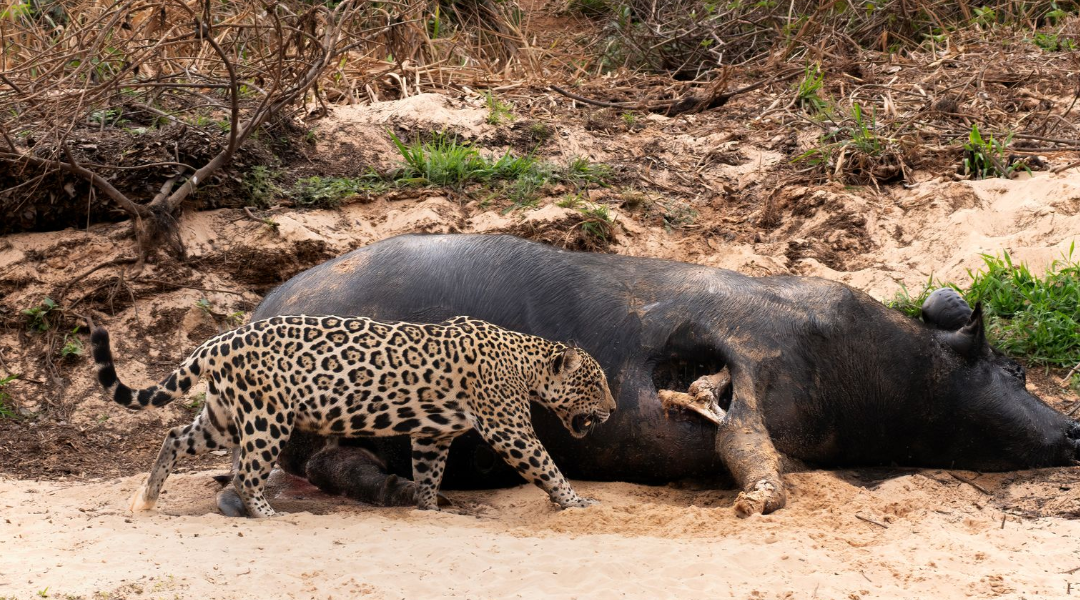
The moment a Harpy Eagle appears over an Amazon forest trail or a jaguar steps from the Pantanal riverbank, preparation becomes the difference between witnessing a rare encounter and making the image you traveled for. Remote photo expedition planning is not simply booking flights and packing a long lens. It is the work of matching a species, a season, a landscape, and a realistic field routine so your time in wild places produces meaningful photographic opportunities.
For serious wildlife photographers, the goal is not to force nature into a schedule. It is to create the best possible conditions for patience, fast response, safe travel, and respectful observation. Colombia alone contains an extraordinary range of habitats within a single country, from high Andean páramo and cloud forest to Chocó rainforest, Caribbean dry forest, grasslands, and Amazonian rivers. Each has its own weather patterns, access challenges, light, and wildlife behavior.
Start With the Photograph You Want to Make
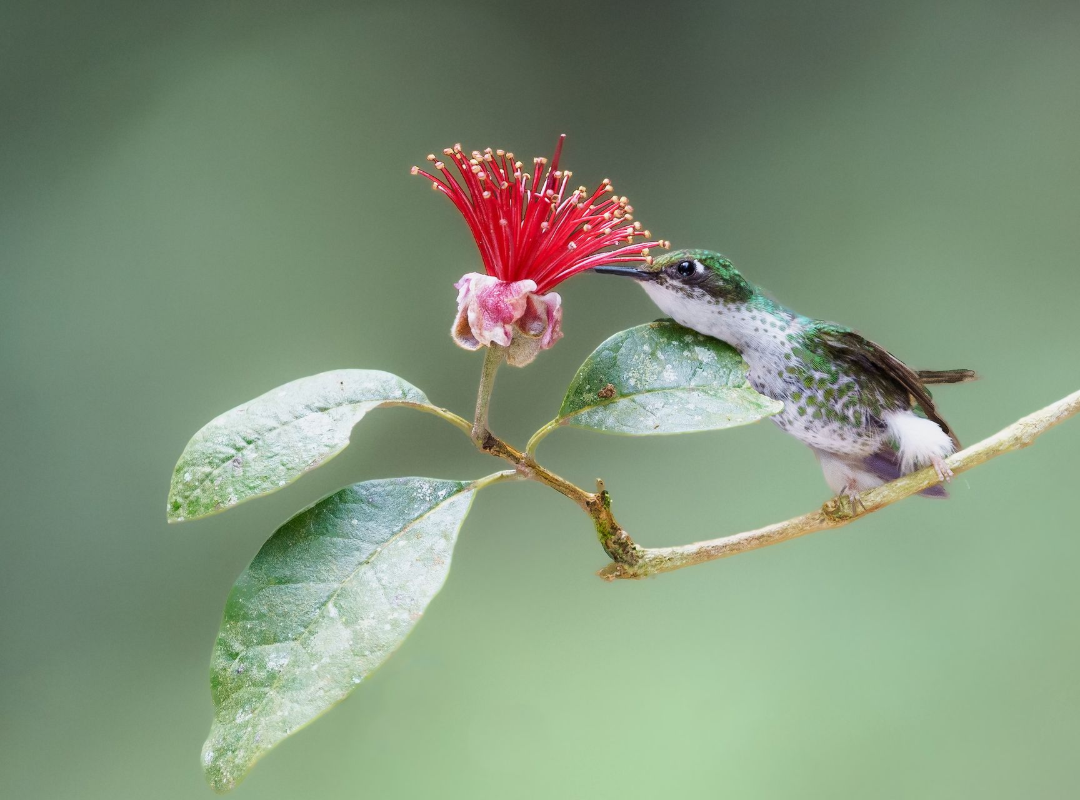
A remote expedition becomes more focused when you define the photographic priority before choosing a destination. “Bird photography in Colombia” is a wonderful ambition, but it covers vastly different experiences. Photographing jewel-like hummingbirds at a forest feeder calls for different planning than tracking Spectacled Bears in the Andes, searching for elusive Chocó endemics, or working from a boat around jaguar territory in the Pantanal.
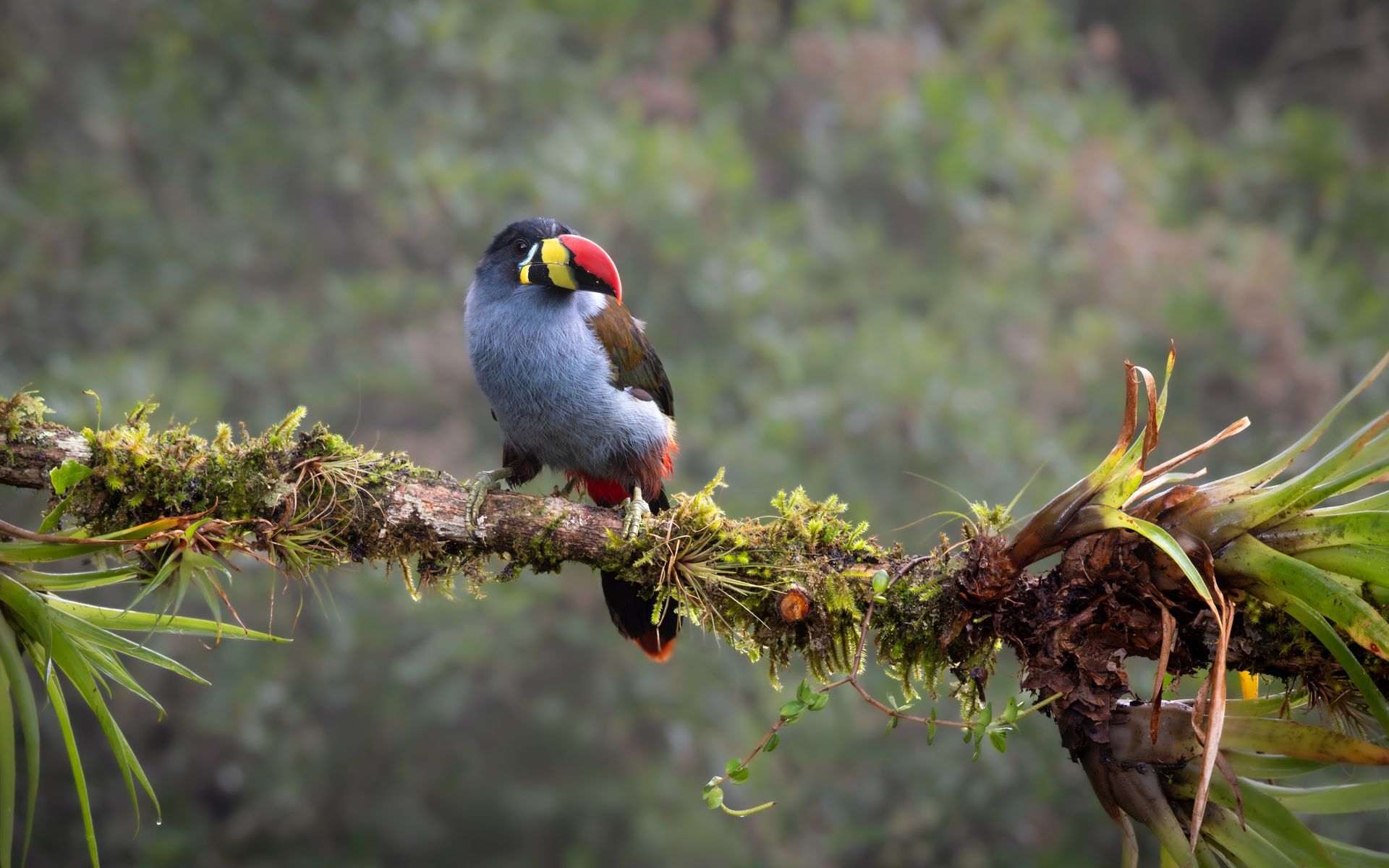
Choose one primary goal and two or three secondary subjects. Your primary goal should guide the route, the length of the trip, the season, and even the type of accommodation that makes sense. A photographer hoping for clean, close images of endemic tanagers may benefit from several full mornings at productive elevations. Someone seeking Harpy Eagles needs to accept a more patient, less predictable approach, often with longer travel days and a genuine possibility that conditions will not produce a sighting.
That trade-off is part of ethical wildlife photography. The rarest subjects cannot be guaranteed, and a responsible operator should never suggest otherwise. What can be planned is the strongest available access, experienced local guidance, appropriate timing, and enough time in the field to let the landscape work on its own terms.
Remote Photo Expedition Planning Begins With Seasonality
The most beautiful location can disappoint when visited at the wrong moment for your target species or your preferred style of photography. Migration, breeding cycles, fruiting trees, water levels, rainfall, and road conditions all affect where wildlife concentrates and how easily photographers can reach it.
In the Colombian Andes, weather can change dramatically over short distances and elevations. A clear dawn can become misty cloud forest by midmorning, creating soft backgrounds and atmospheric images but making rain protection essential. In lowland rainforest, sudden downpours are normal, while dry periods may concentrate activity around reliable water or fruiting areas. In the Pantanal, water levels shape wildlife movement, boat access, and the chances of encountering jaguars along riverbanks.
There is no universal “best month” for every photographer. If your priority is active birds around flowering plants, one seasonal window may be ideal. If you prefer mammals, open landscapes, or lower water, another may be better. Ask how the season affects your exact subjects, average daily travel, shooting hours, and the likelihood of rain. This is more useful than relying on a broad climate chart.
Build Time Into the Itinerary
Remote regions do not reward rushed schedules. A four-night stay may sound generous until you account for arrival, weather, road conditions, and the fact that many wildlife subjects are most active during the first and last hours of daylight. Give key targets multiple chances whenever possible.
A well-designed itinerary also protects your energy. Back-to-back predawn departures are sometimes necessary, especially when birds are active at dawn, but every day should not feel like an endurance test. Good expedition planning balances intense field sessions with meals, transfers, image backup, equipment care, and enough rest to remain sharp when the unexpected happens.
Plan for Field Conditions, Not Just Camera Gear
A 500mm or 600mm lens may be central to your kit, but the camera body and lens are only part of the system. Remote conditions ask more of photographers. Humidity can fog optics when moving from air-conditioned rooms into warm forest. Rain can arrive while you are far from shelter. Dust, mud, river spray, and rough vehicle travel can challenge even well-built equipment.
Bring a practical rain cover for your camera and lens, several absorbent cloths, dry bags or waterproof cases, and a method for managing condensation. A lightweight daypack that stays comfortable on short trails is often more valuable than an oversized bag loaded with equipment you will not use. Spare batteries, high-capacity memory cards, and a dependable backup routine are essential where charging opportunities may be limited.
Your clothing is part of your photographic setup as well. Neutral colors help you blend into the environment without making claims of invisibility. Quick-drying layers, a breathable rain shell, sun protection, sturdy footwear, and insect protection allow you to stay outside longer and move quietly. In the Andes, think in layers. In humid lowlands, prioritize ventilation and materials that dry overnight.
Tripods deserve an honest assessment. They are invaluable for low light, video, night photography, and fixed feeder setups, but they can be cumbersome on steep trails or during fast boat-based wildlife work. A monopod, beanbag, or handheld technique may be more useful depending on the expedition. Discuss the terrain and shooting conditions before deciding what to carry.
Make Logistics Serve the Photography
In remote photography travel, logistics are not the unglamorous part before the adventure. They are what preserve your field time. A route that looks simple on a map may involve mountain roads, river transport, weather delays, regional flights, or long drives through changing terrain. The best itinerary minimizes unnecessary retracing while retaining flexibility when a productive location deserves another morning.
Small groups matter here. Fewer photographers usually mean less crowding at a feeding station, more room in vehicles and boats, easier adjustments for changing conditions, and more personal support with camera settings or positioning. For private expeditions, the value lies in shaping the route around your target species, physical comfort, preferred pace, and available dates.
Accommodation should be judged by its relationship to the field, not only by amenities. A comfortable lodge close to productive habitat can create time for dawn photography, midday breaks, and late-afternoon returns. In more isolated areas, lodging may be simpler, but its location can place you near species that would otherwise require hours of travel. The right standard depends on your comfort expectations and the priority of the wildlife experience.
At Retorno Photo Tours, local coordination is designed around that reality: knowledgeable guides, trusted drivers, carefully selected accommodations, and relationships with communities that make difficult ecosystems more accessible without losing sight of safety and respect.
Work With Local Knowledge, Not Against It
A specialist guide does more than identify a bird after it lands. Experienced local guides read weather, recognize calls, know where a species has recently been active, and understand how to approach sensitive habitat without causing disturbance. In regions with complex access, they also coordinate the human side of an expedition: local landowners, community hosts, boat operators, reserve staff, and transportation teams.
These relationships are particularly important in biodiverse rural areas. Responsible photographic tourism can support livelihoods connected to keeping forest, wetlands, and wildlife intact. That does not make every encounter easy, nor should it. It means your visit contributes to a model where a living Harpy Eagle, a healthy hummingbird garden, or a jaguar-rich river corridor has lasting value for the people who share that landscape.
Ethical field practice is straightforward but non-negotiable. Keep a respectful distance, avoid blocking trails or nests, never pressure wildlife for a closer image, and follow site-specific rules on playback, flash, baiting, and feeding. A photograph is stronger when the animal’s welfare remains intact.
Expect the Unplanned Moment
The finest images on a remote expedition are often not the images you imagined from home. A rainstorm may turn a planned birding morning into a study of droplets on a tanager’s feathers. A roadside stop may reveal a mixed flock at eye level. A patient wait for one species may produce another, equally remarkable subject in perfect light.
Prepare carefully enough that you can respond to those moments. Keep a versatile lens accessible, know your baseline exposure settings before entering the field, and avoid spending every break reviewing images. Wildlife rarely performs on command, but alert photographers are ready when the forest, river, or grassland offers a brief opening.
Before committing to an expedition, ask clear questions about daily travel, terrain, group size, lodging, meals, weather, target-species expectations, and what happens when conditions change. Then leave room in your plan for wonder. The most rewarding remote journeys combine disciplined preparation with the humility to let wild places set the terms.