
Wildlife Tourism Trends Shaping Better Photo Trips
Better images come from repeat opportunities
A jaguar crossing a Pantanal track at first light or an Andean Cock-of-the-rock bursting into view can create a photograph that lasts a lifetime. But wildlife tourism trends are changing what it takes to earn those moments. For serious photographers, the shift is not toward faster checklists or larger itineraries. It is toward better access, more patient field time, smaller groups, and travel that gives wildlife and local communities a clear reason to thrive.
That is good news for photographers who care as much about the encounter as the image. The best wildlife trips are increasingly built around the conditions that make meaningful photography possible: expert interpretation, reliable logistics, respectful distances, and time to wait when nature refuses to work on a schedule.
Wildlife Tourism Trends Favor Depth Over Checklists
For years, many wildlife itineraries were designed around quantity. See more parks, add more species, move every day. That approach can still make sense for a first visit to a biodiverse country, especially for birders with broad target lists. Yet it often leaves photographers with rushed viewing windows, harsh light, and little opportunity to respond when behavior becomes interesting.
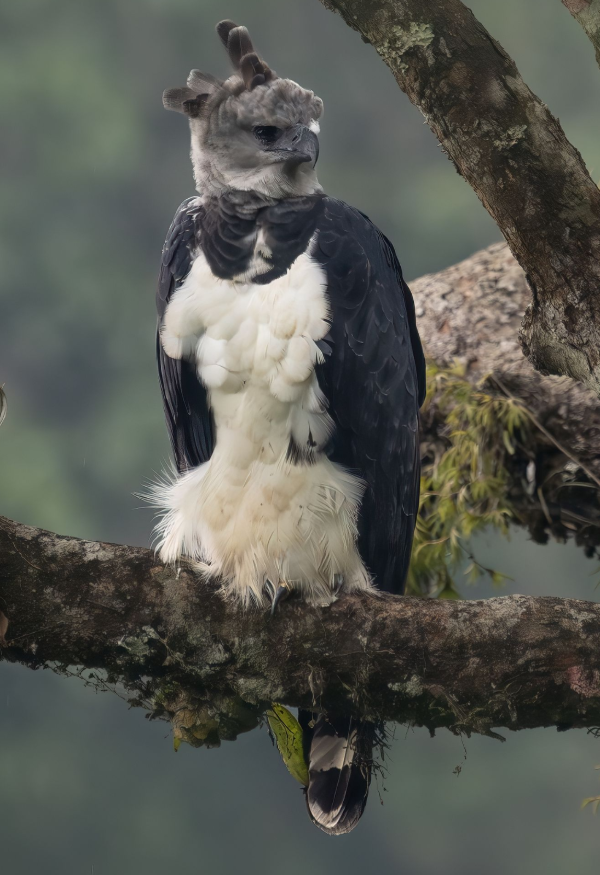
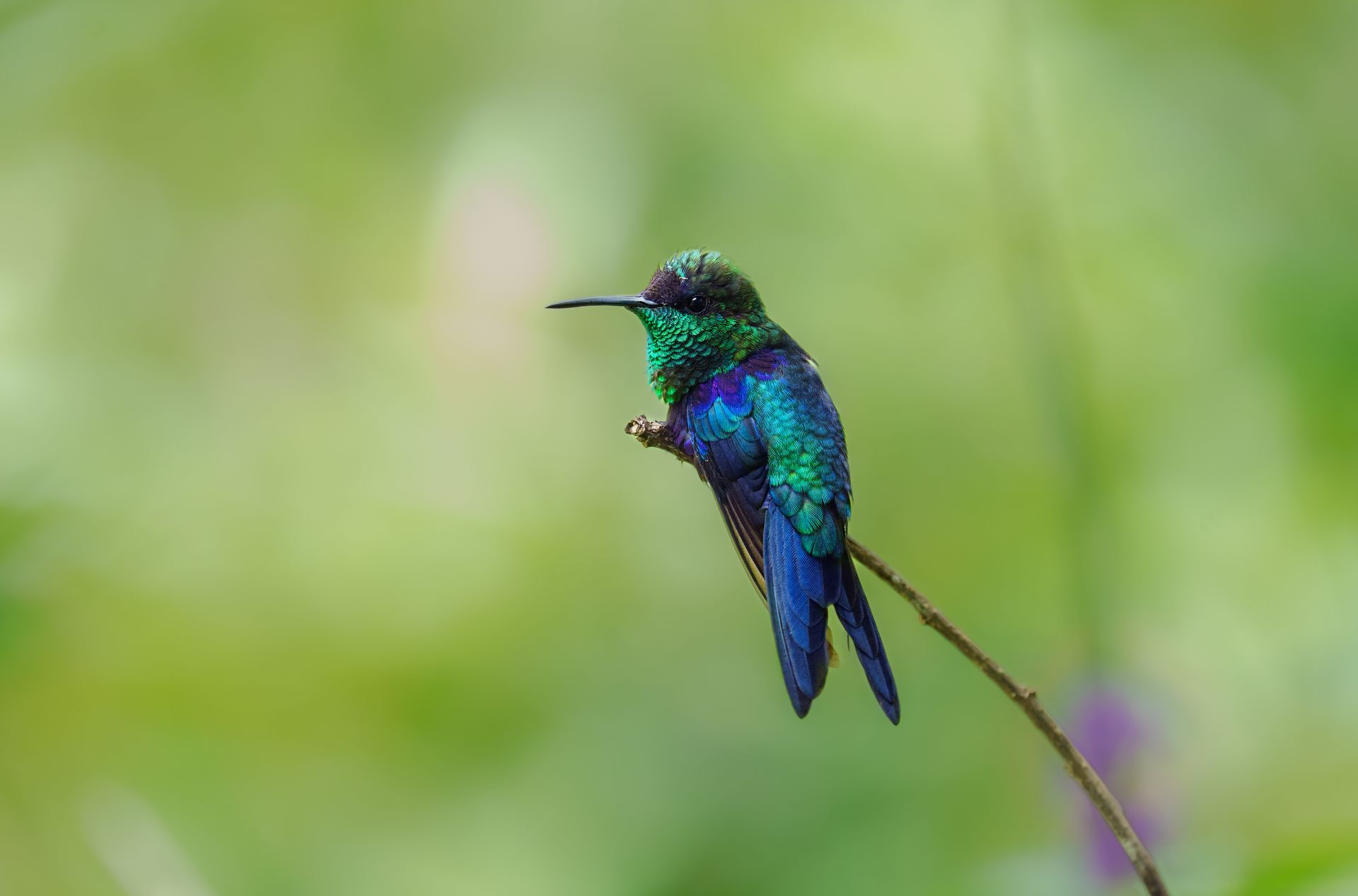
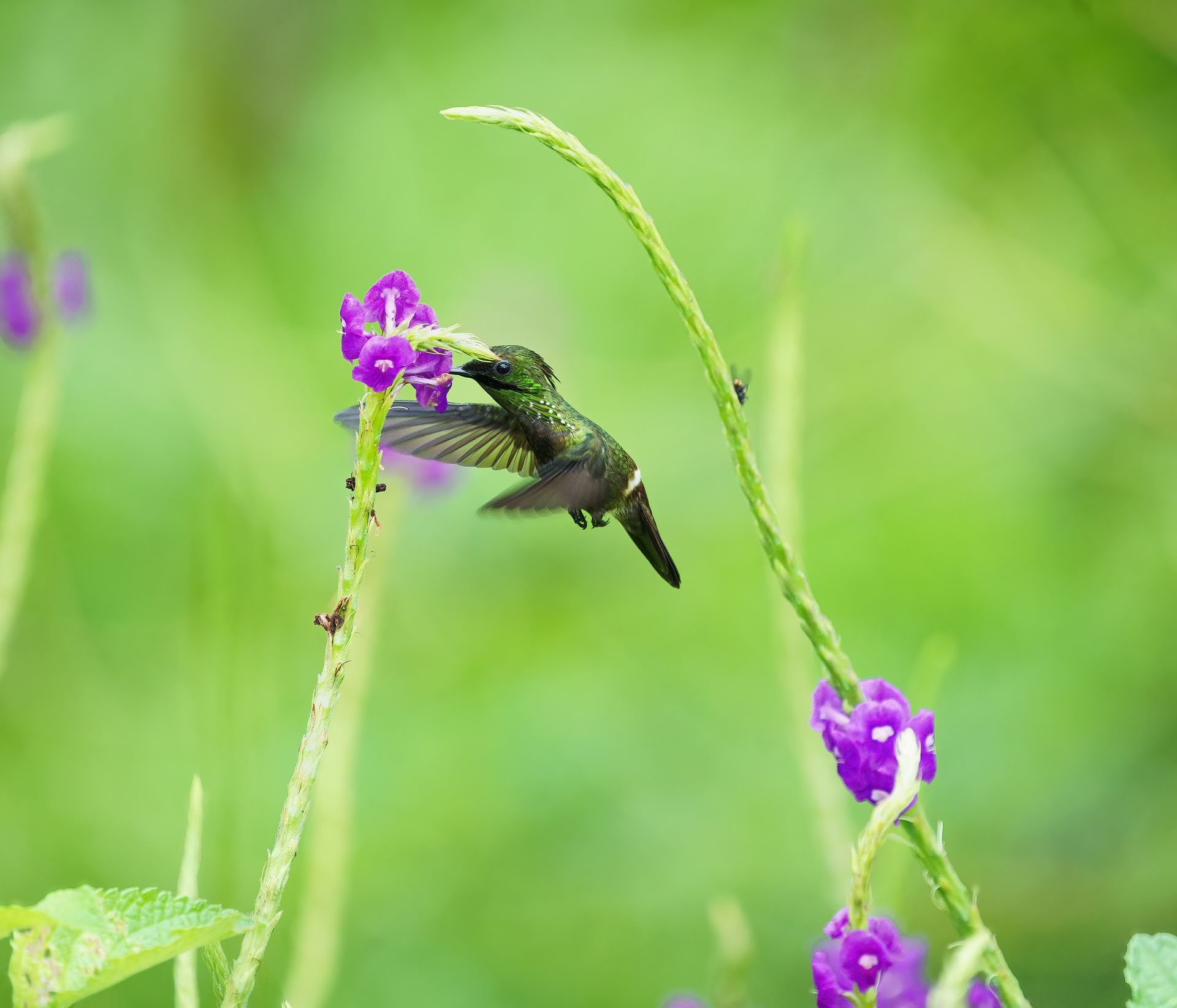
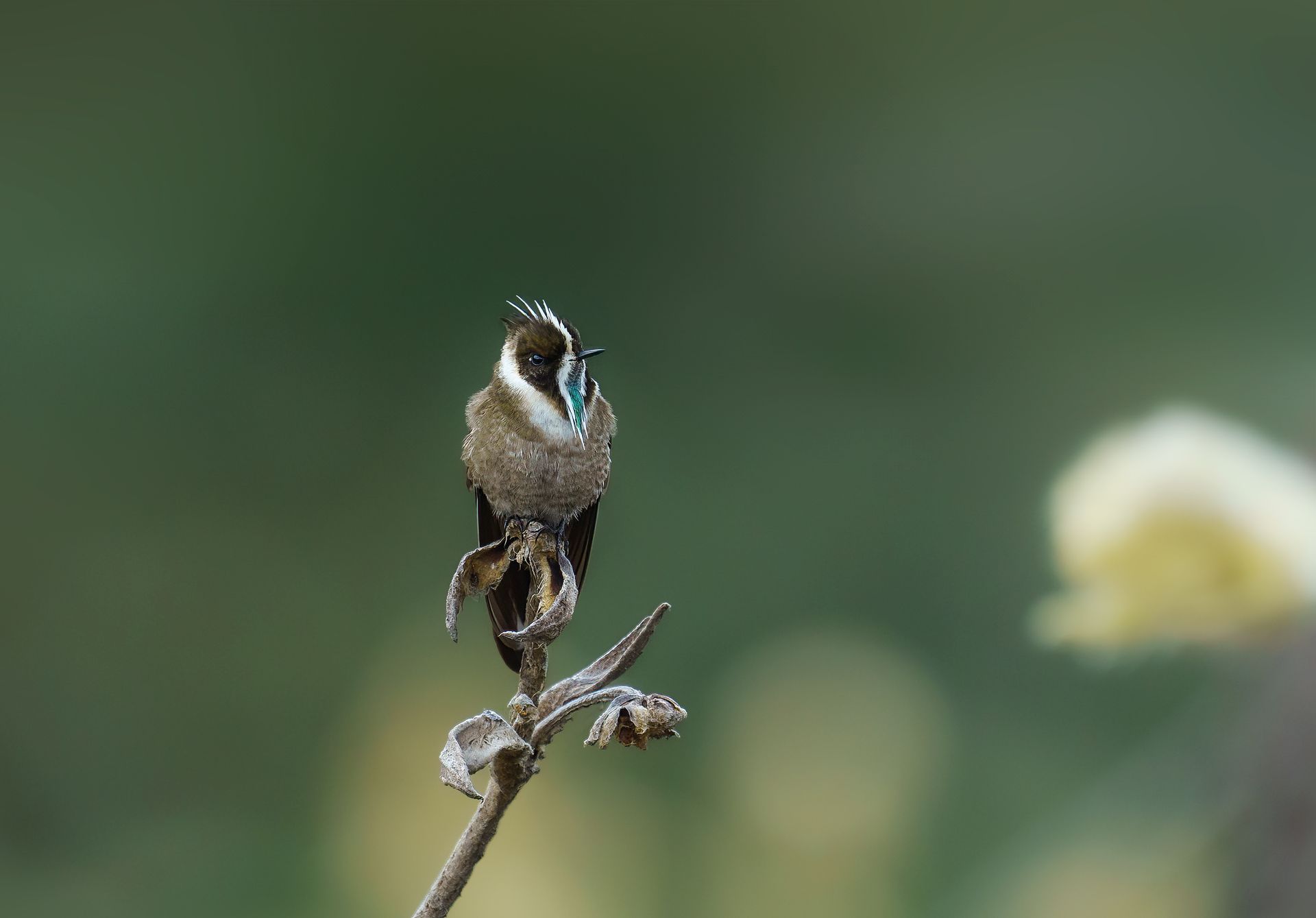
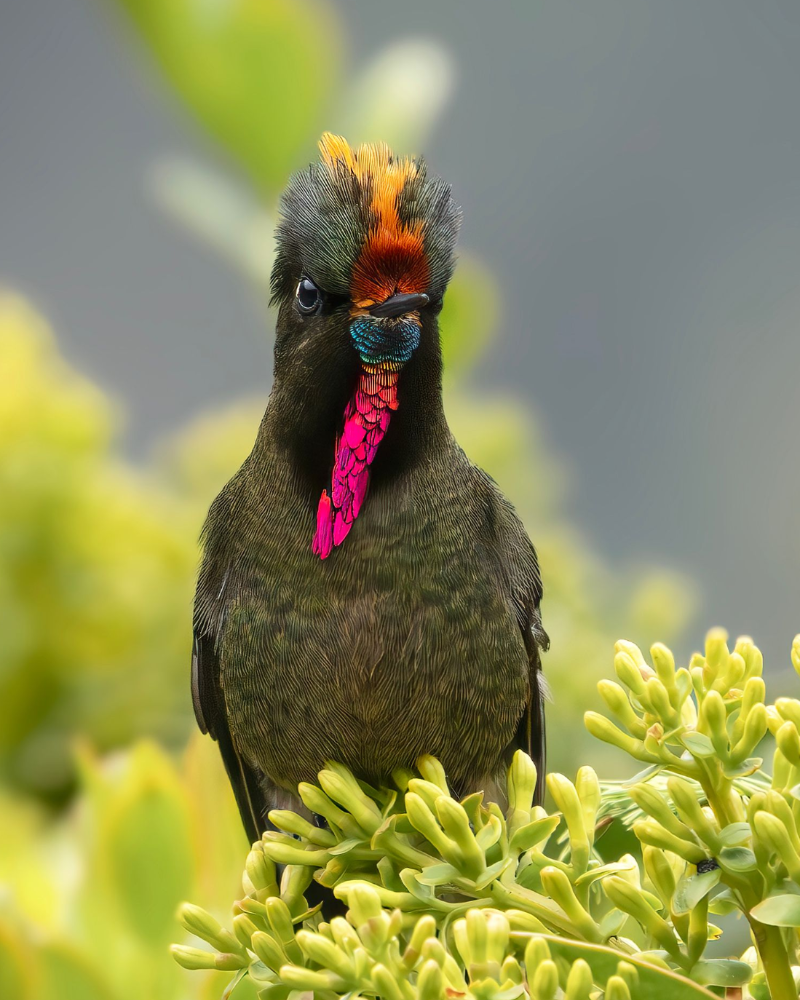
A stronger trend is the slower, subject-focused expedition. Instead of trying to cover every ecosystem in a week, travelers are choosing a few productive areas and staying long enough to work them properly. A hummingbird feeder session may deserve several mornings because different species arrive in different light. A Harpy Eagle nest may require patience, quiet, and a willingness to return after weather delays. A jaguar-focused itinerary works best when it gives the river, the cats, and the shifting water levels enough time.
This does not mean every journey needs to be long. It means the route must match the photographic goal. A compact trip centered on high-elevation hummingbirds can be exceptionally productive. A photographer hoping to combine Chocó endemics, Amazonian primates, and Caribbean dry-forest birds needs more days, or a clear decision about which subjects matter most.
Better images come from repeat opportunities
The first sighting is often about excitement. The second and third create room for craft. You can adjust your position, wait for a cleaner background, test a slower shutter speed, or hold for eye contact and behavior. Repeated opportunities also reduce pressure on guides and wildlife. When an itinerary has enough time built in, nobody needs to push too close simply because there may not be another chance.
Ethical Access Is Becoming a Deciding Factor
Wildlife travelers are asking harder questions about how encounters are created. That is one of the most encouraging trends in nature tourism. A rare animal seen under poor ethical conditions is not a success, no matter how impressive the frame looks online.
Responsible operators now need to be clear about distance, baiting, playback, flash use, nesting sites, and the role of local communities. There is no single rule for every species or habitat. A controlled feeder setup can support excellent hummingbird photography and help fund habitat protection when managed thoughtfully. Playback may be restricted or entirely inappropriate around sensitive birds. A nest requires far more caution than a roadside perch. The point is not to eliminate photographic opportunity. It is to create it without changing wildlife behavior for the sake of a result.
In Colombia and Brazil, local knowledge matters deeply. The people who live near a forest, work its trails, or navigate its rivers often understand seasonal movements and animal behavior better than any map can show. When tourism partnerships are fair, communities benefit directly from keeping forest standing and wildlife present. For photographers, that relationship can also lead to more respectful, more reliable access.
At Retorno Photo Tours, this is part of the practical work behind an expedition: building routes with trusted local partners, respecting community territories, and planning encounters around animal welfare rather than forcing a scene.
Small Groups Are Now a Field Advantage
Small-group travel is no longer simply a premium comfort feature. For photography, it is a real field advantage. Fewer people mean less noise on a trail, more space around a tripod, faster adjustments when a bird changes perches, and less pressure at a boat landing or roadside stop.
Group size is especially important for canopy birds, shy mammals, and narrow forest trails. A line of vehicles can make a productive observation difficult. In a small group, a guide can position photographers more carefully, communicate quietly, and give each person a fair chance at a clean angle.
Private itineraries are growing for the same reason. They allow photographers to shape the trip around their own priorities: a particular endemic, a preference for hides over hiking, a longer stay at a known jaguar area, or extra time for macro subjects such as frogs, insects, and reptiles. The trade-off is cost. Private travel is usually more expensive per person, while scheduled departures spread logistics across a group. The right choice depends on how specific your target list is and how much flexibility you want in the field.
Climate Awareness Is Reshaping Seasonal Planning
The old idea of a single “best time” for wildlife travel is becoming less useful. Rainfall patterns, water levels, fruiting cycles, migration, and flowering periods can vary widely from one region to another. Weather is always part of field photography, but changing conditions make local, current planning even more valuable.
A rainy forecast should not automatically discourage a trip. Cloud cover can soften contrast in forest interiors. Rain can activate amphibians, bring out invertebrates, and create rich environmental frames. On the other hand, heavy rain can affect road access, river transport, and the ability to protect cameras on exposed trails. Photographers should plan for both the creative opportunity and the operational reality.
The practical response is preparation. Bring reliable rain protection for camera bodies and lenses, quick-drying layers, waterproof footwear suitable for uneven ground, and a method for managing humidity. A long telephoto lens may be essential for birds and distant mammals, but a short telephoto or macro lens can save an otherwise wet afternoon. In tropical regions, the photographer with a flexible kit often comes home with the most varied portfolio.
Species timing matters more than broad seasons
Ask about the exact subject, not just the month. Is a specific hummingbird easiest to photograph when particular flowers are blooming? Are bears using a certain fruiting area? Are river conditions favorable for jaguar sightings? Are migratory birds present? A well-designed itinerary answers these questions before it promises a result.
Wild animals remain wild, and no ethical operator can guarantee a species. What good planning can provide is the best available habitat, the strongest seasonal window, experienced local guides, and enough time for probability to work in your favor.
Conservation Is Moving From Message to Measurable Practice
Conservation language is common in travel marketing. Travelers are increasingly looking for evidence behind it. They want to know whether their visit supports local employment, whether lodging and guides are locally connected, whether site fees protect habitat, and whether the operator avoids practices that create disturbance.
This trend is raising expectations, as it should. Tourism can bring income to rural areas where intact habitat may otherwise have little economic value. It can support bird-friendly farms, community reserves, local transport providers, and regional guides. It can also cause harm when numbers are unmanaged, animals are habituated carelessly, or profits bypass the people living closest to the wildlife.
For photographers, conservation-minded travel adds another layer of meaning to a trip. The image becomes more than a personal achievement. It is evidence of a living place and a reminder that the future of that species depends on choices made far beyond the shutter release.
The New Luxury Is Time, Knowledge, and Care
Wildlife tourism is becoming more sophisticated, but not necessarily more complicated for the traveler. The best expeditions remove avoidable friction: transport is coordinated, lodging fits the route, meals are planned around field schedules, equipment advice is honest, and safety decisions are made with local conditions in mind. That preparation creates the freedom to focus on light, behavior, and the remarkable unpredictability of nature.
For the photographer, the most valuable trend is simple: travel is being designed around the wildlife rather than around a rushed itinerary. Choose trips that allow room for weather, patience, and ethical decisions. Bring the right equipment, but also bring curiosity. The frame you remember most may be the one you never expected to make.
Scheduled Tours
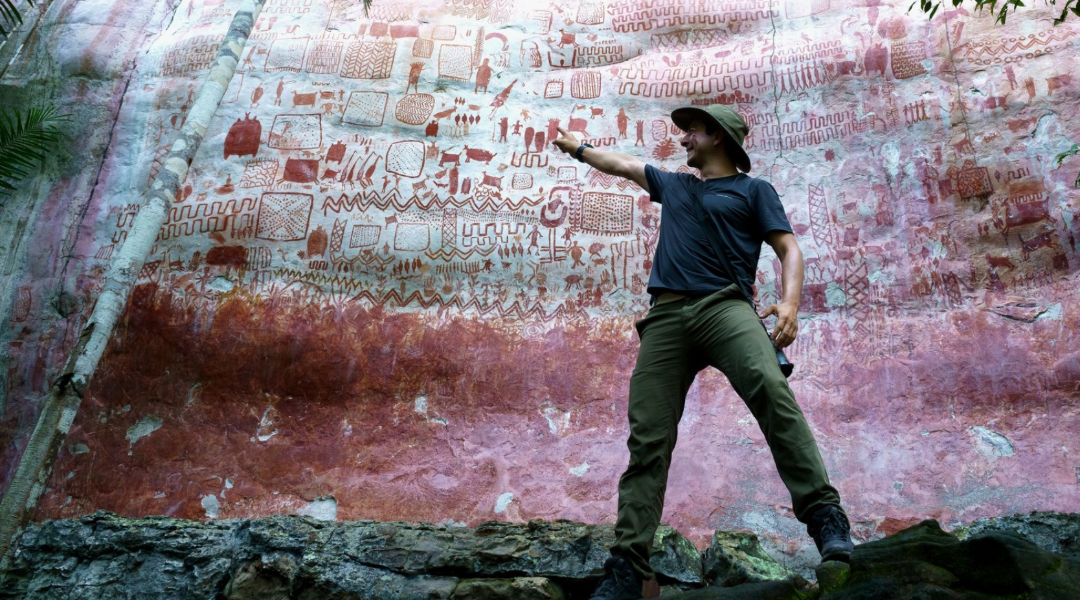
The road to Chiribiquete, Colombia's Western Amazon.
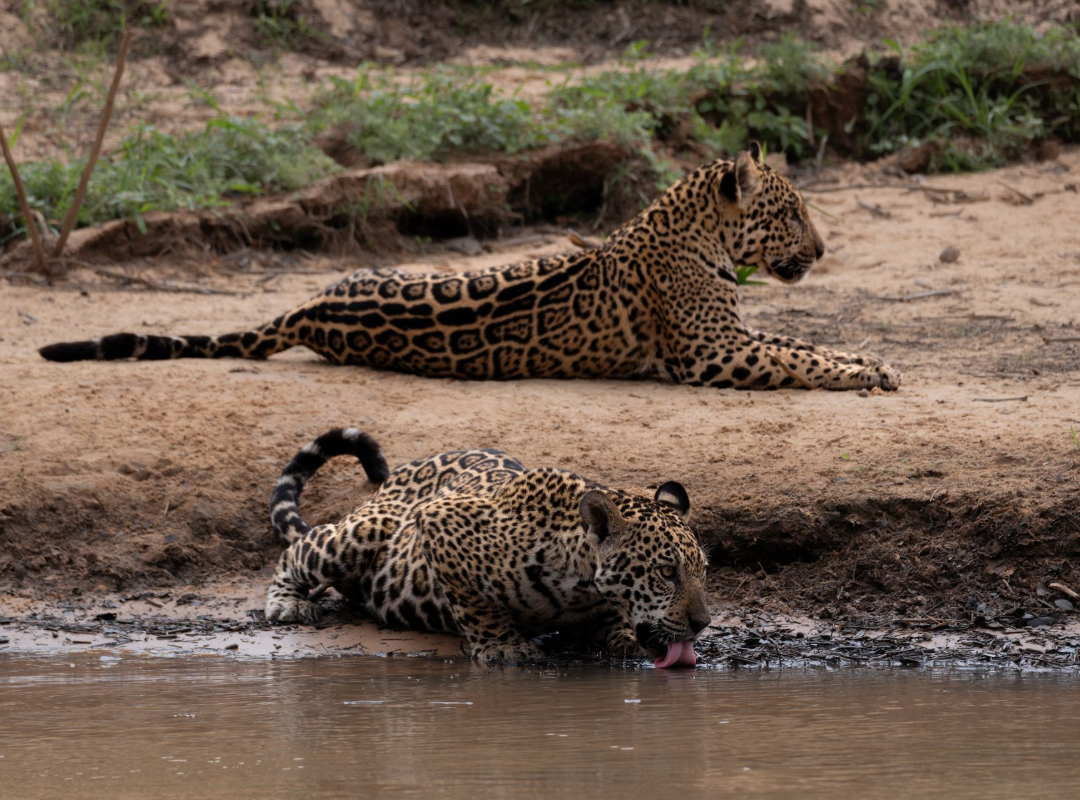
Jaguars Safari, Pantanal - Brazil.
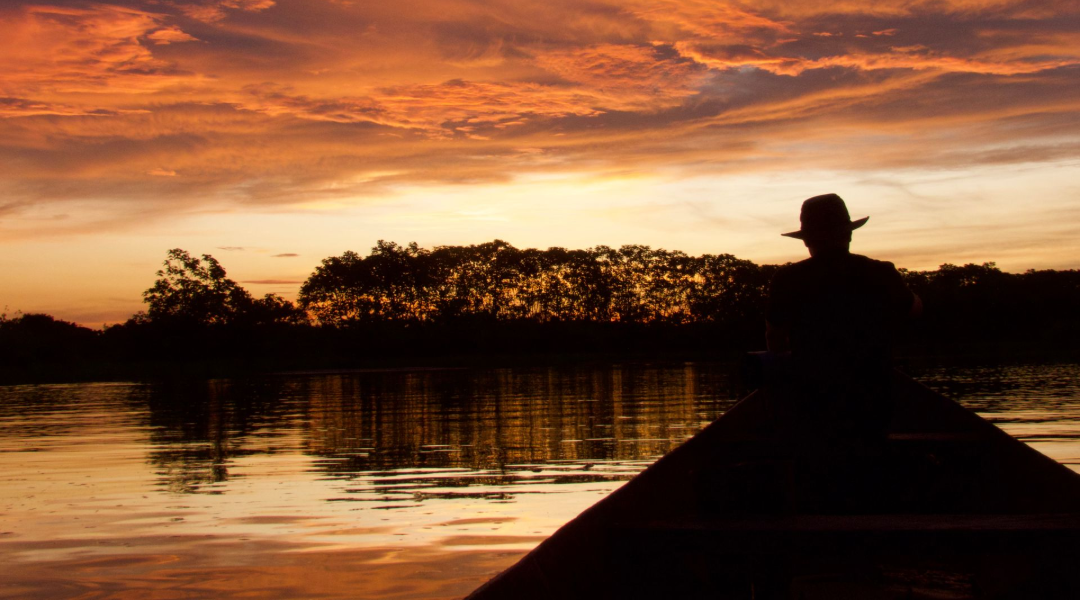
Amazon's Guiana Shield Specialties. Mitu-Vaupes.
Emblematic Birds Photo Tour, Coffee Triangle.