
Specialized Bird Photography Hides in Colombia
Light, distance, and backgrounds matter
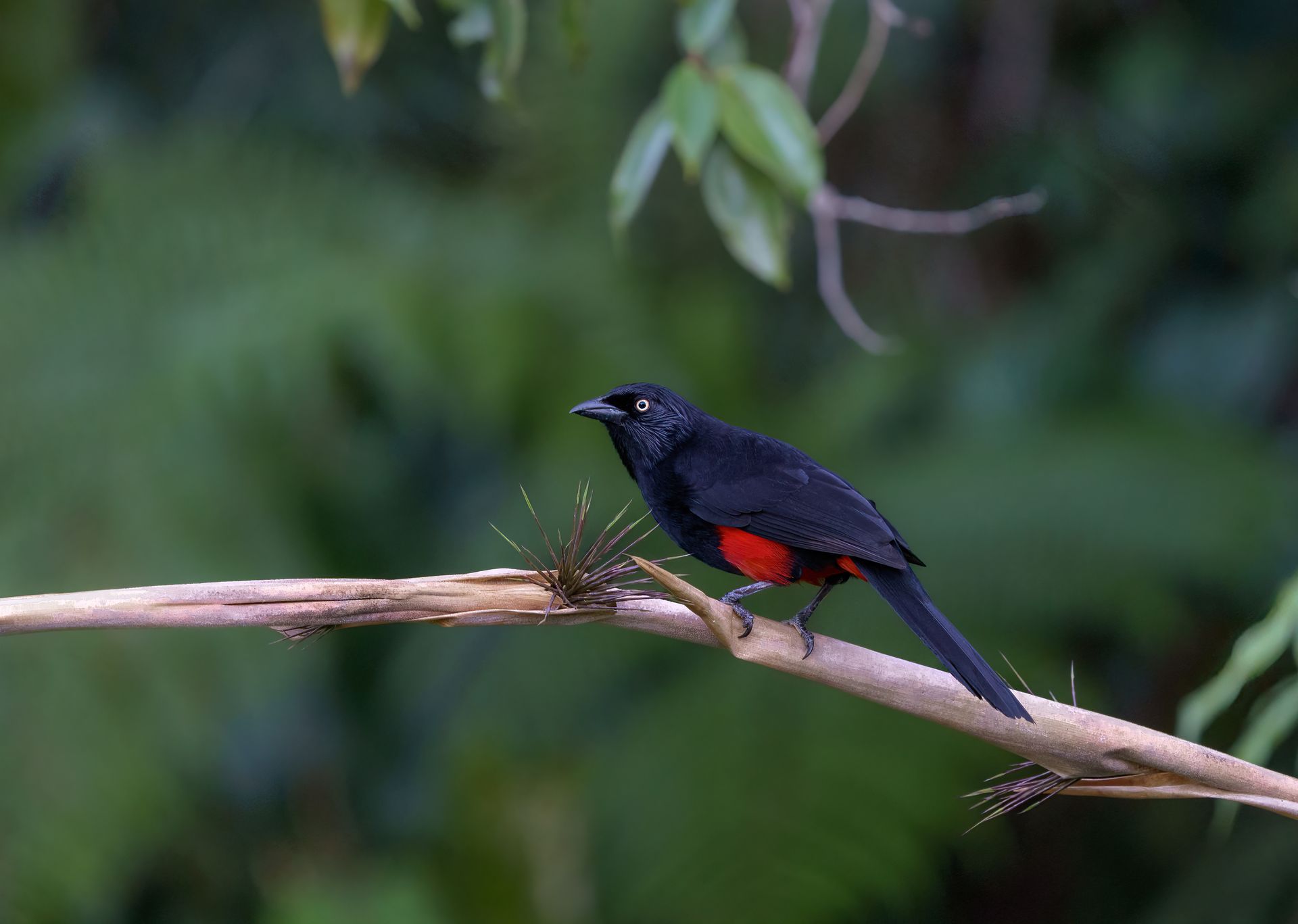
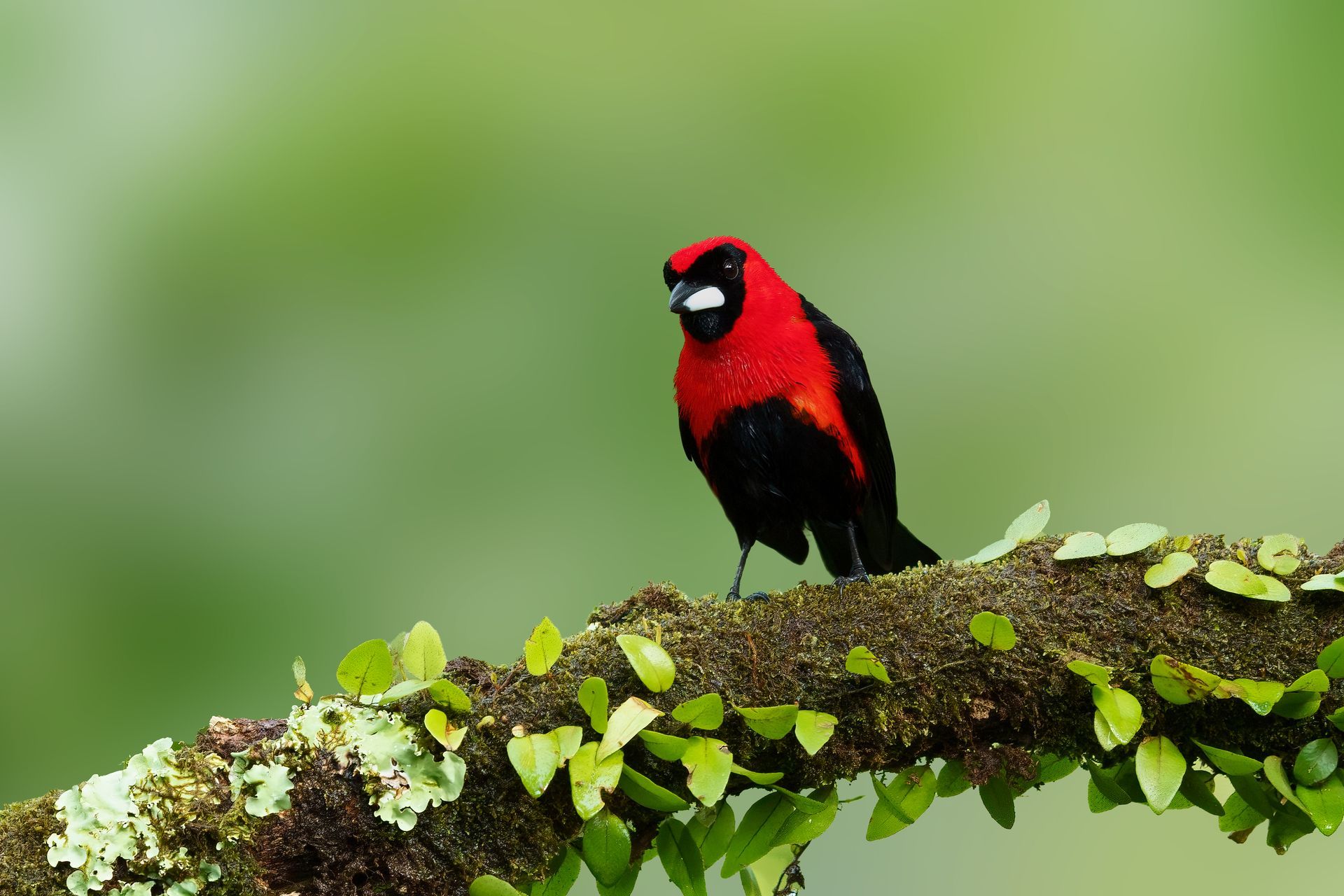
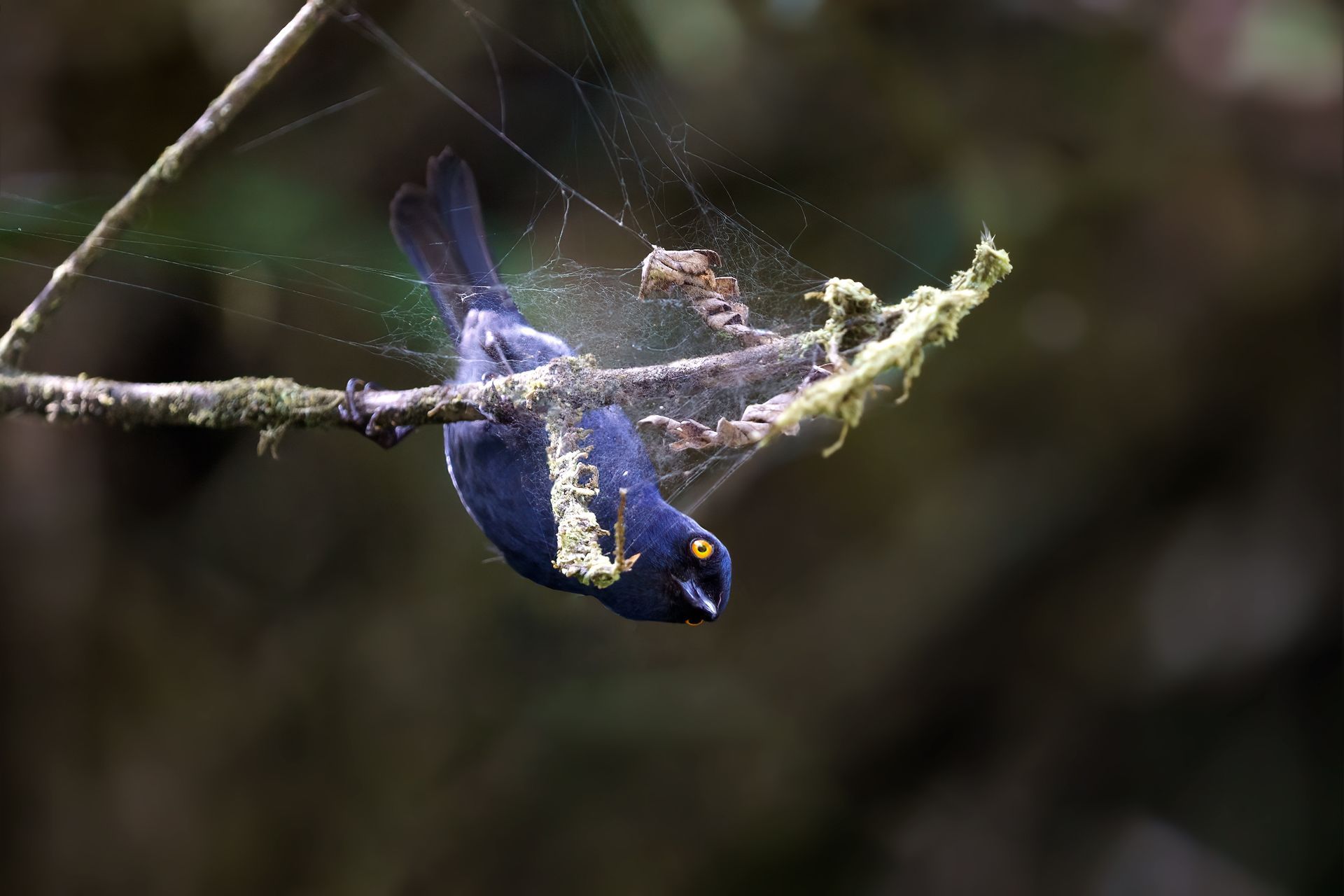
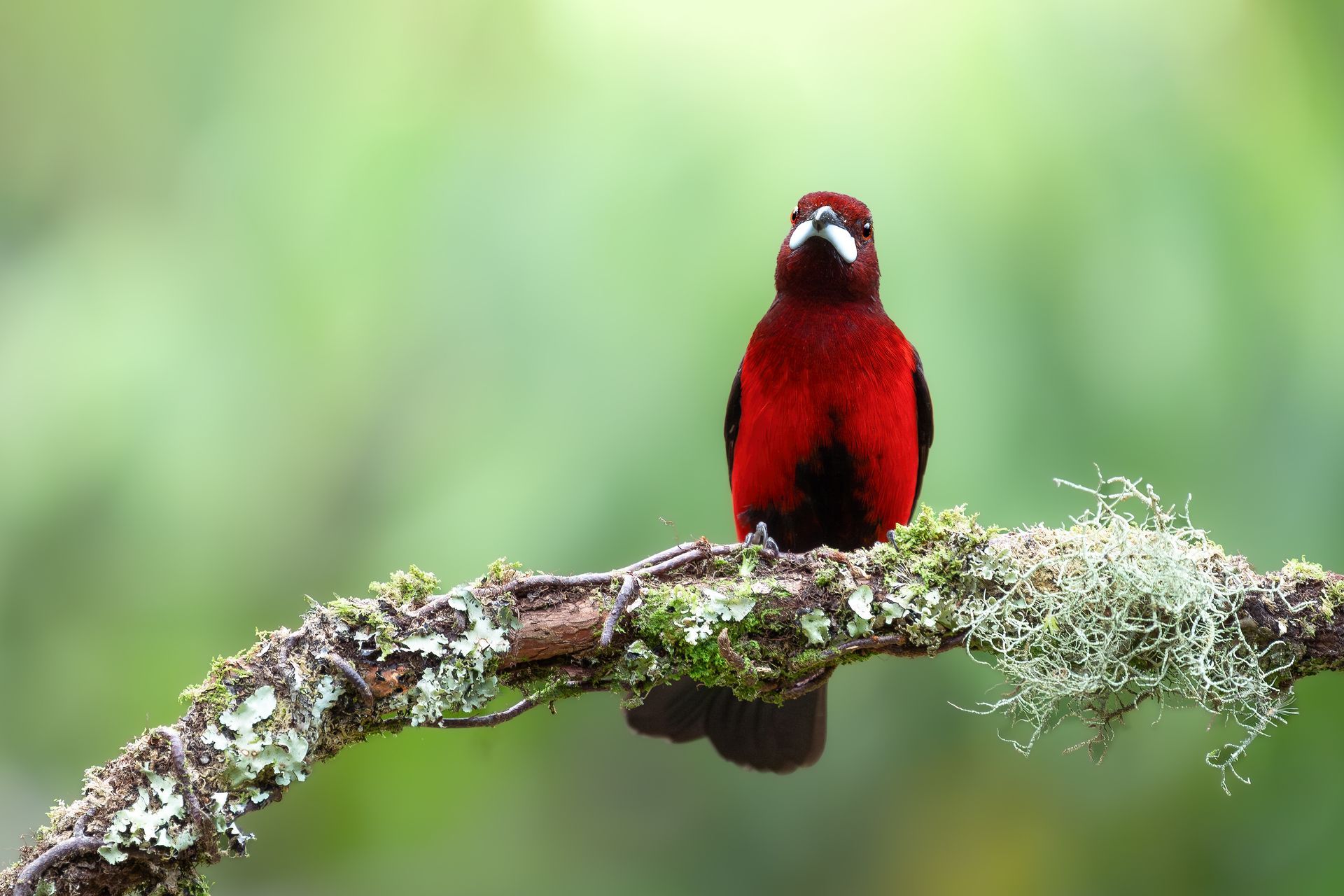
A tanager lands on a mossy branch, pauses for half a second, and vanishes into cloud forest cover. Moments like this are why specialized bird photography hides in Colombia are so valuable. They replace rushed roadside encounters with a controlled, respectful position near the action, giving photographers time to work on light, backgrounds, behavior, and composition.
Colombia holds more bird species than any other country, but abundance does not always make photography easy. Many prized subjects live high in the canopy, move quickly through dense vegetation, or appear only briefly at forest edges. A well-designed hide gives you a practical advantage while reducing disturbance to the bird and its habitat.
What Makes a Bird Photography Hide Specialized?
A hide is not simply a covered bench facing a feeder. The best specialized bird photography hides are built around a photographic result. Their placement considers the direction of morning and afternoon light, the distance to natural perches, the angle of the background, and enough room for large lenses, tripods, and quiet movement.
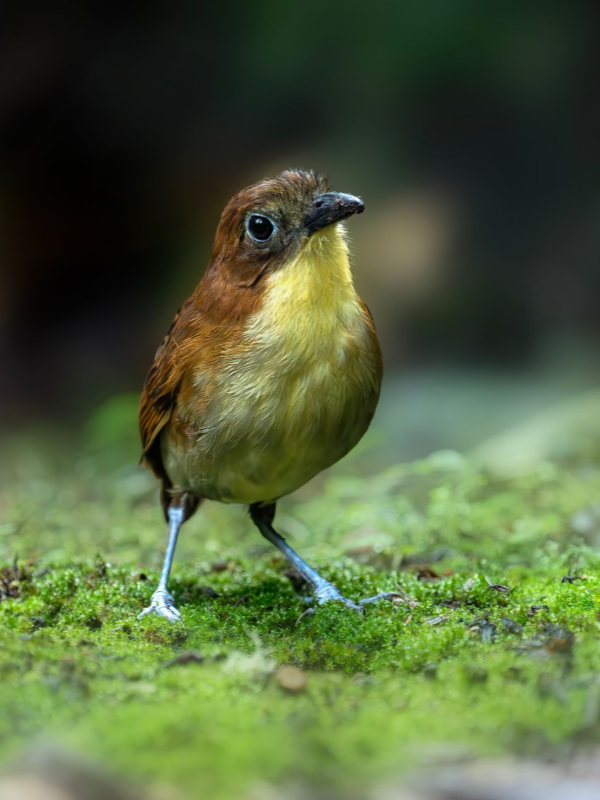
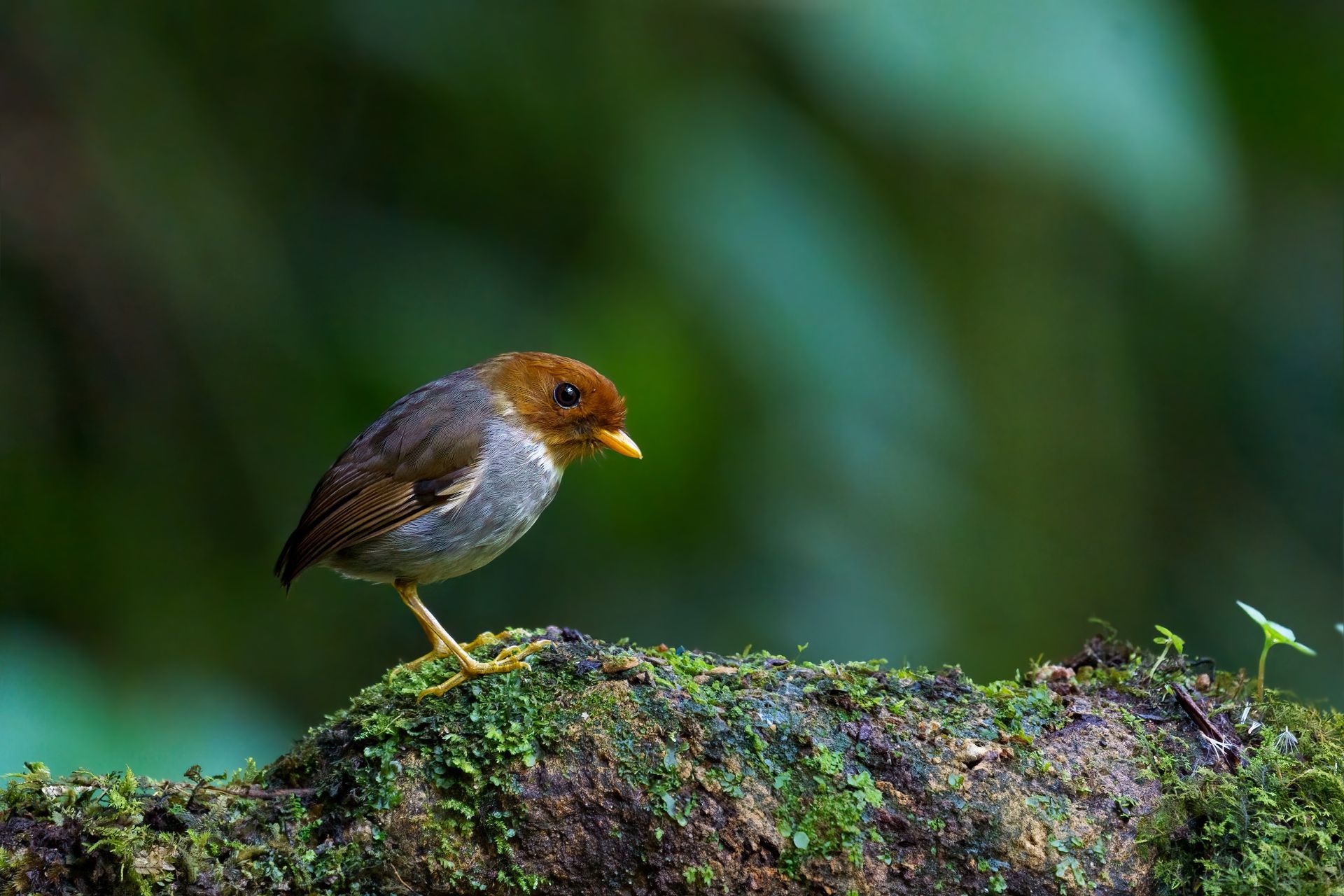
In Colombia, hides can be remarkably varied because the habitats are so different. A hummingbird station in the Central Andes may be set among flowering gardens with forested slopes behind it. A tanager hide in the Western Andes may use fruiting trees and carefully selected branches to bring colorful species into a clean frame. In lowland rainforest, a hide may focus on antpittas, wood-quail, or other elusive forest-floor birds where patience matters more than rapid shutter speed.
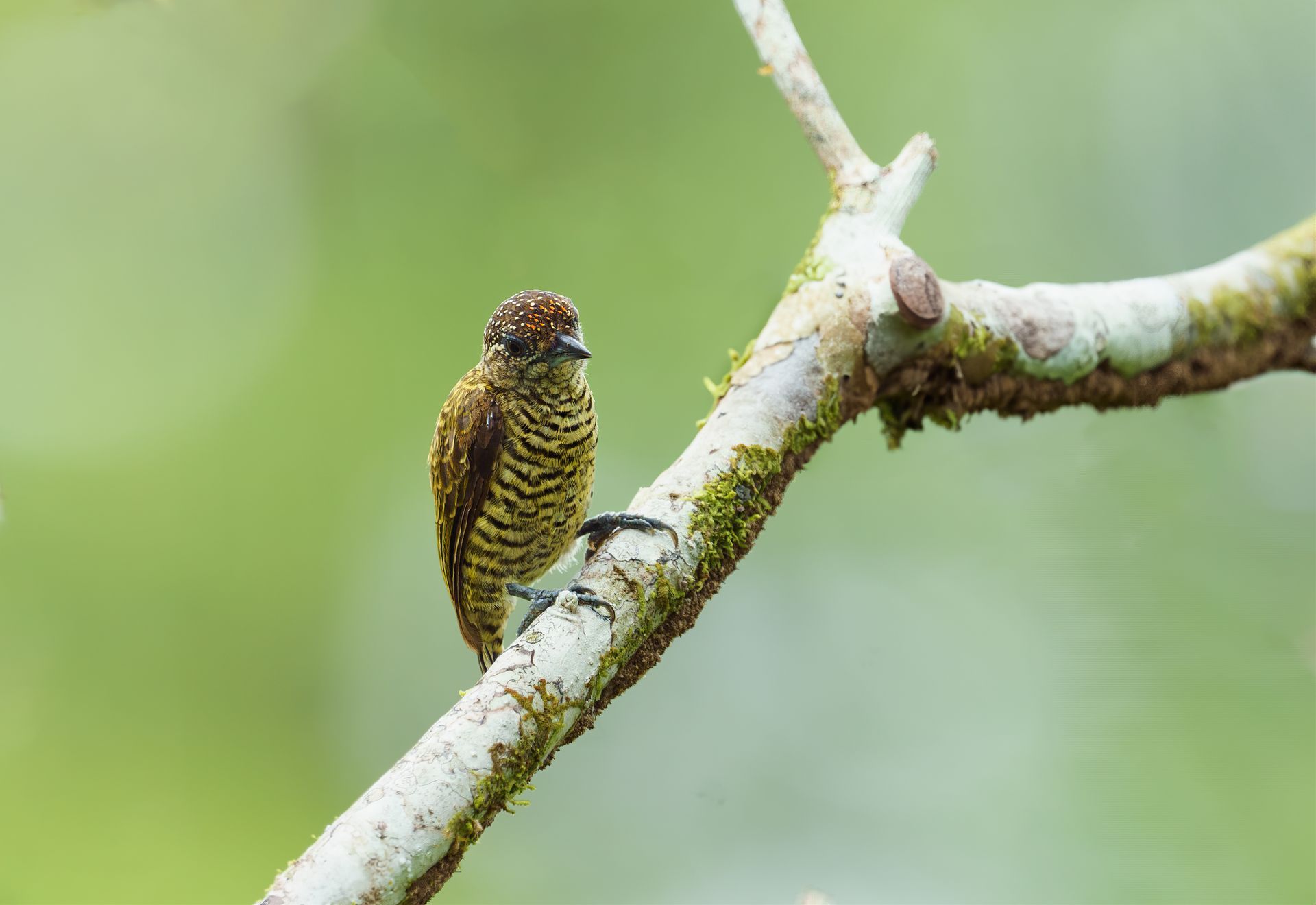
The difference is intention. Specialized setups are designed for photographers who care whether a bird arrives on a tangled branch or a lichen-covered perch, whether the background falls into a smooth wash of green, and whether the subject is close enough for a frame-filling portrait without crowding it.
Light, distance, and backgrounds matter
Good hides make the most of the earliest hours, when bird activity is high and the light is gentle. Some have open fronts for natural illumination, while others use cover to manage a photographer’s silhouette and allow birds to behave more naturally. The most productive option depends on the species and the habitat. A hummingbird photographer may want an open angle that permits high shutter speeds, while someone pursuing shy understory birds may prefer a darker, more enclosed hide.
Distance is equally important. A bird that is too close can be difficult to frame with a 600mm lens; too far away, and even the best glass will not produce the detail many photographers expect. Experienced local operators know the working distance that suits a particular subject, perch, and lens range.
Colombia’s Most Productive Hide Habitats
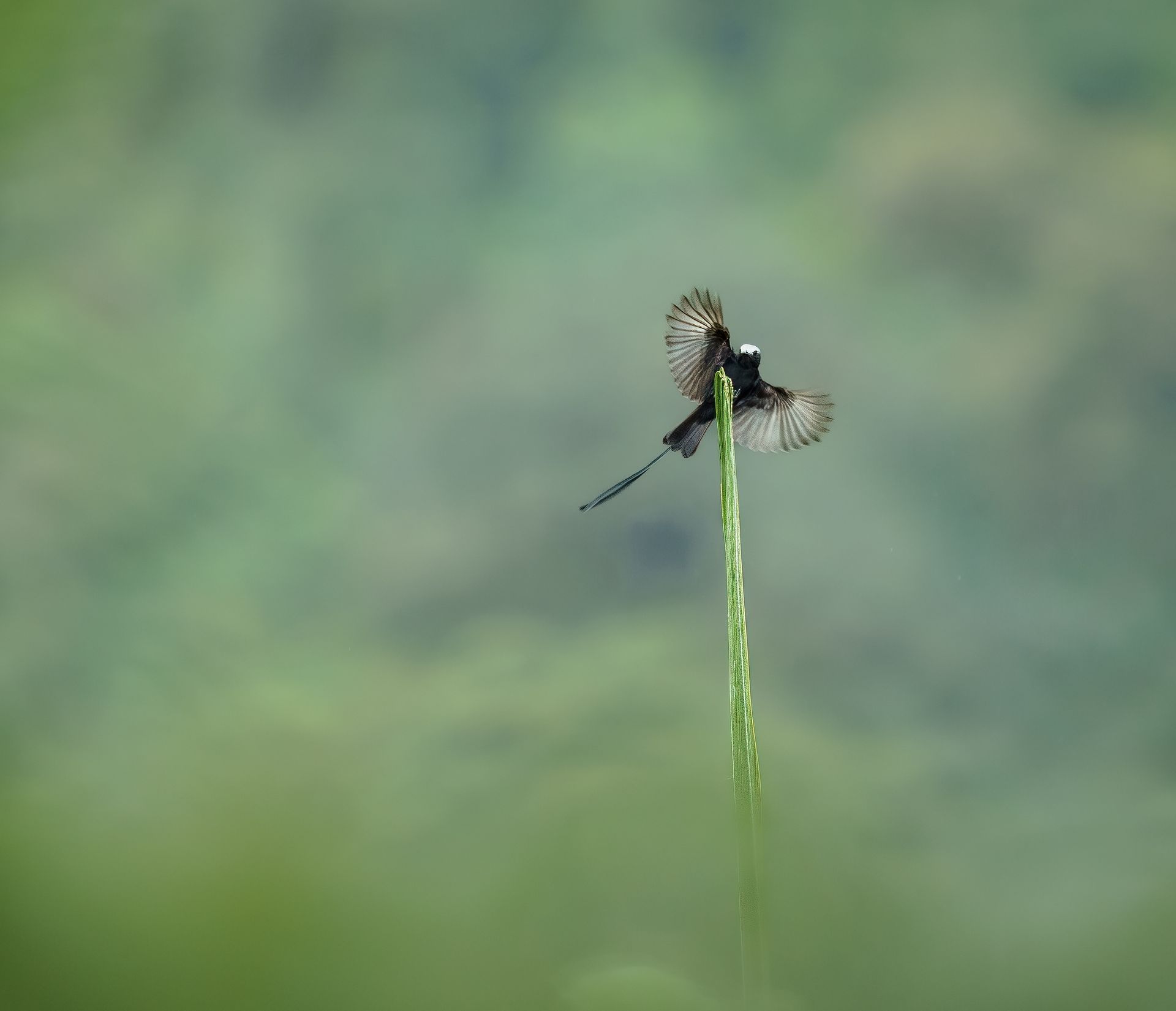
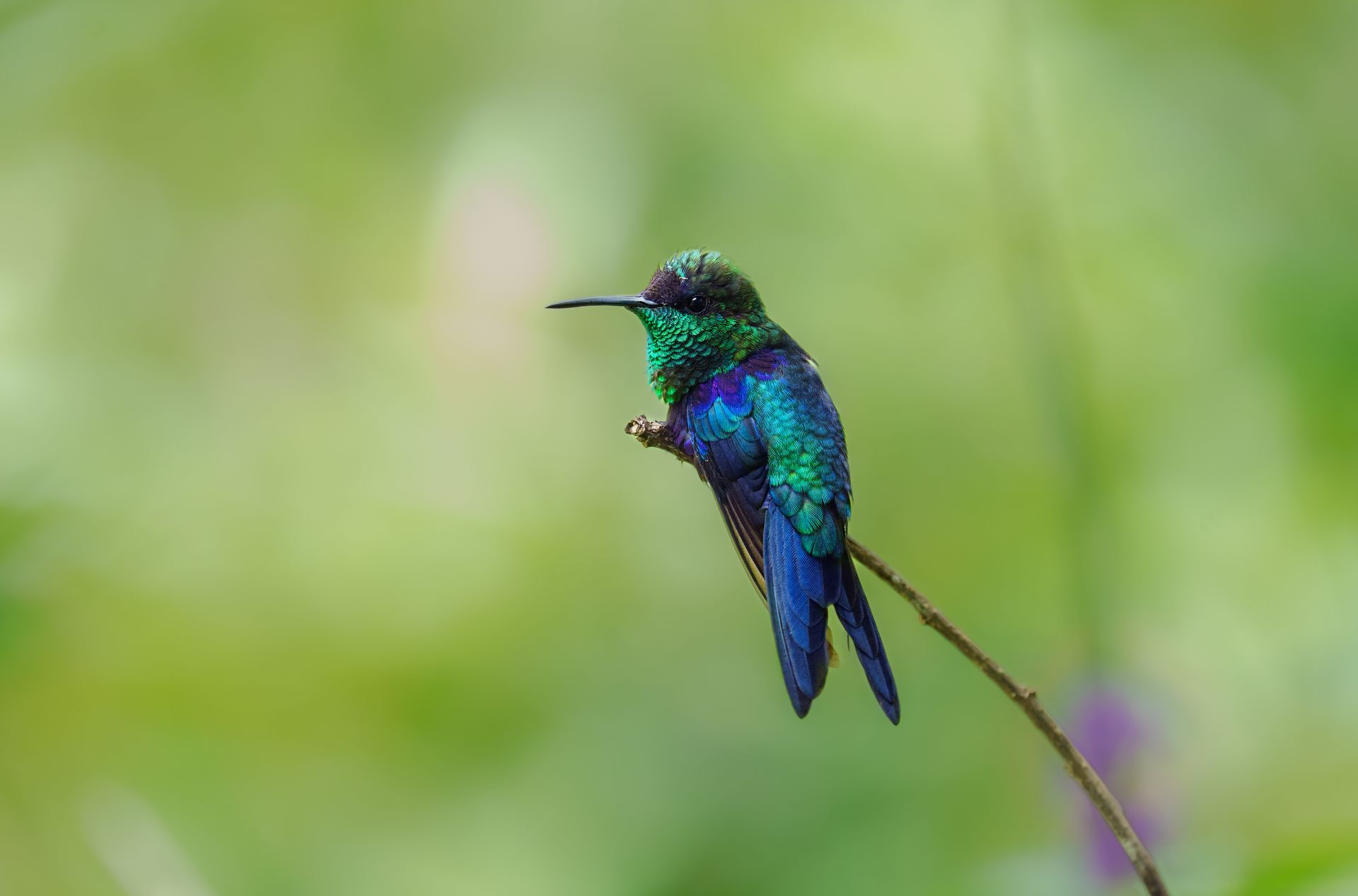
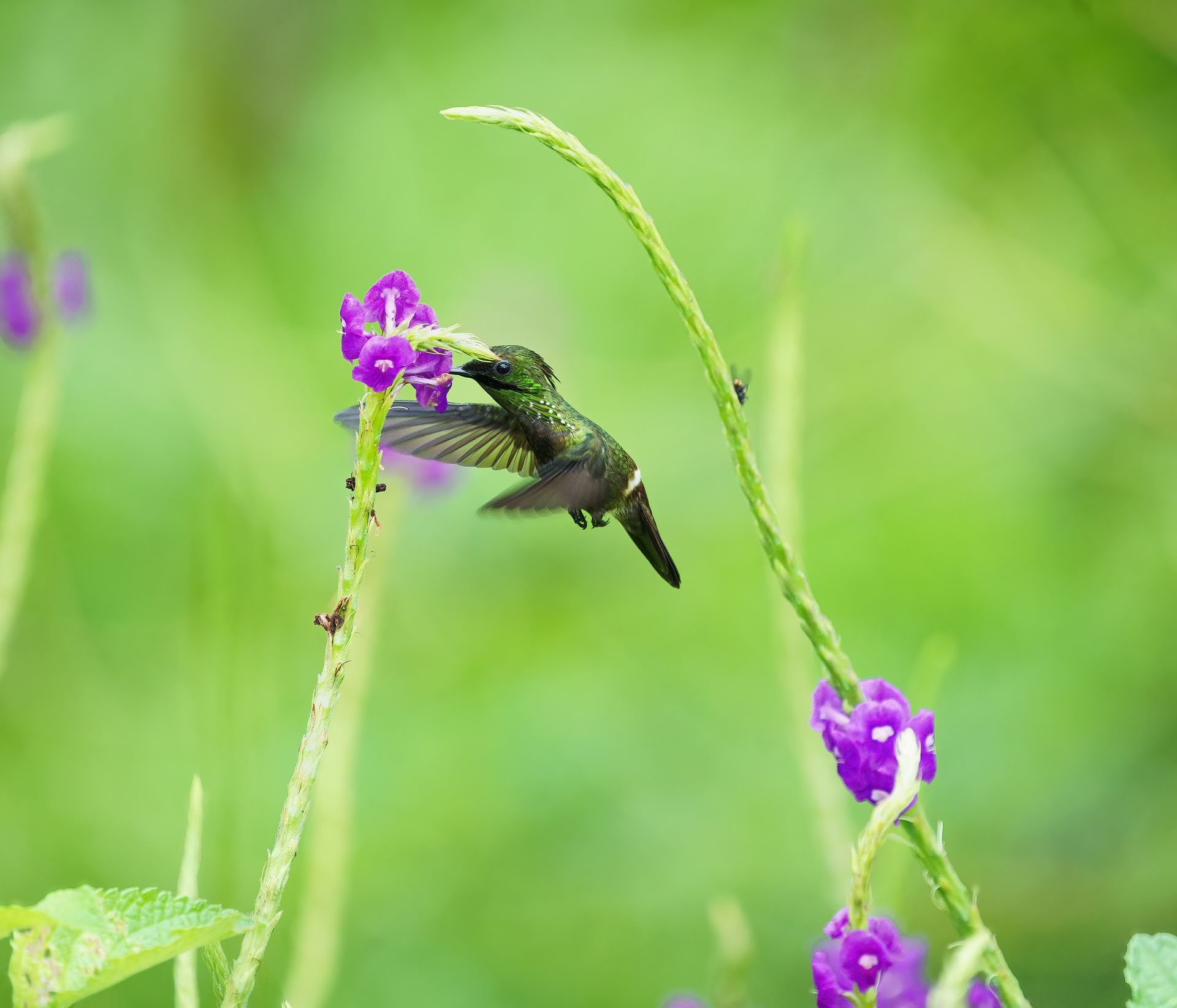
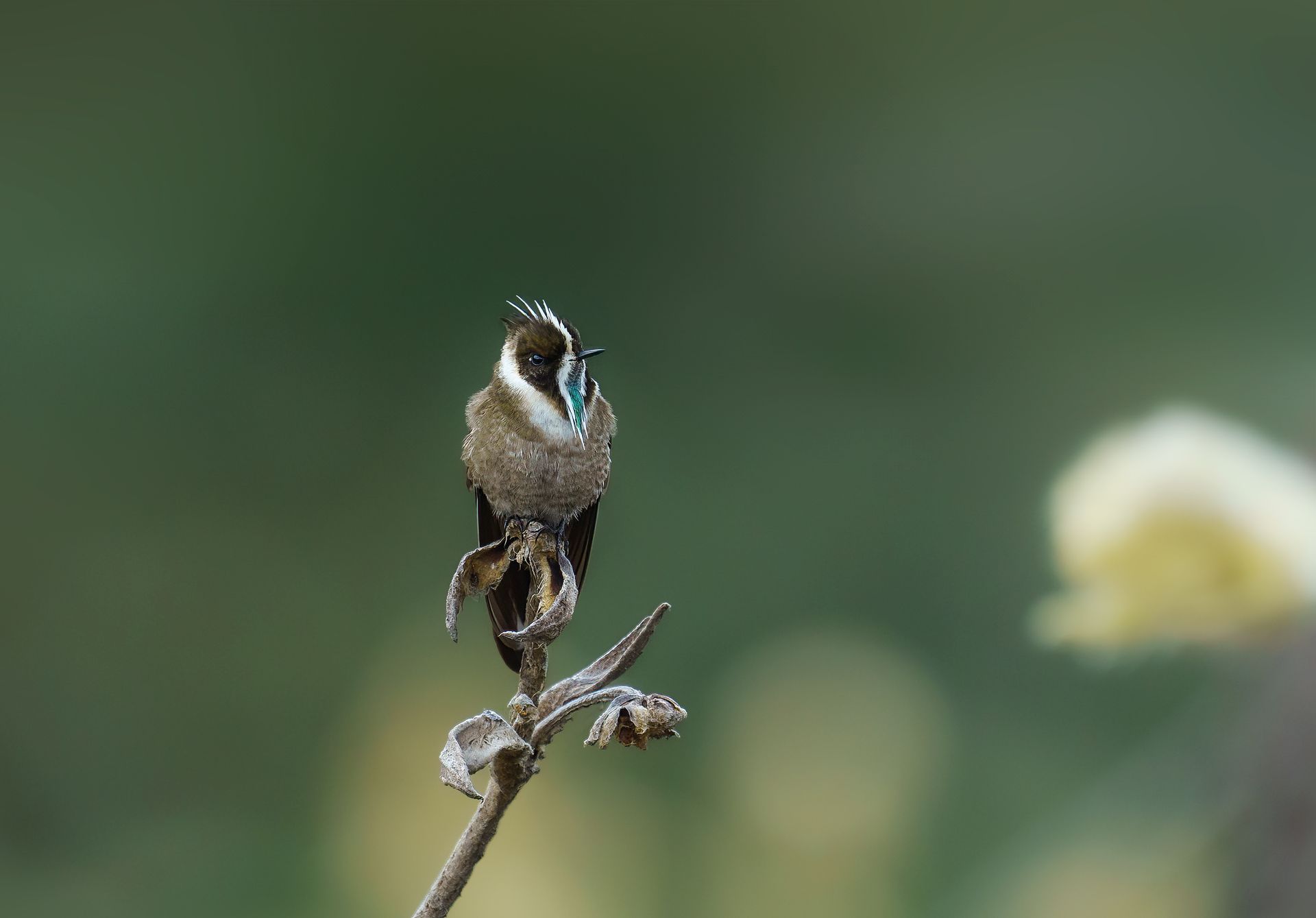
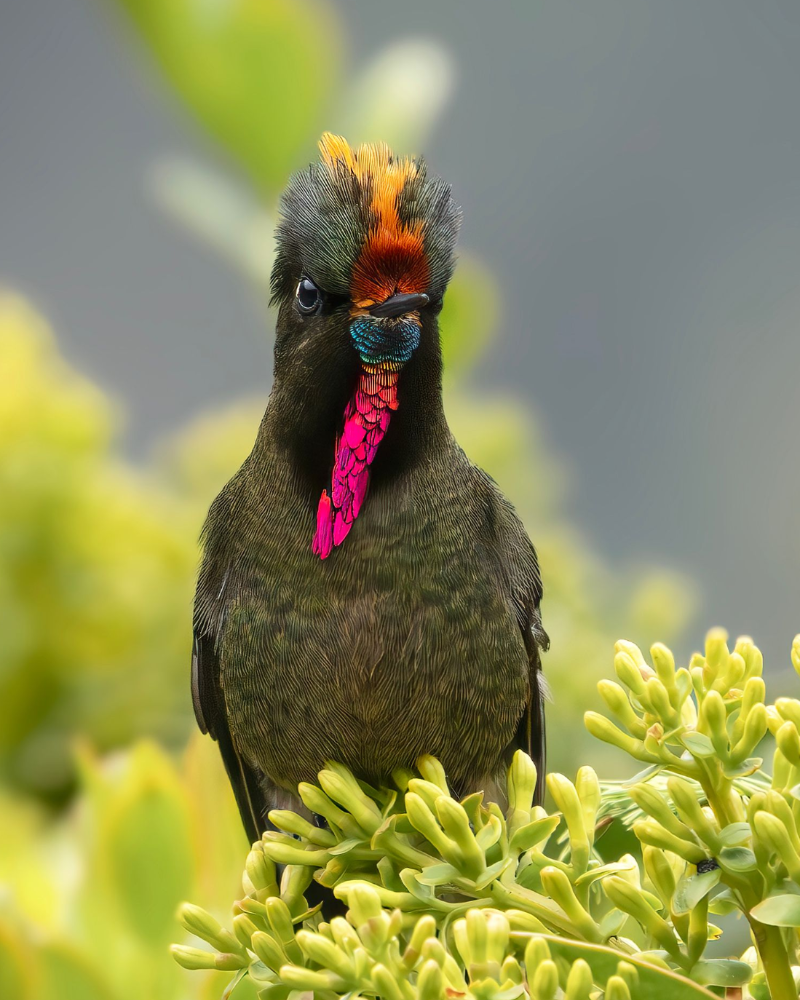
The Andes are the obvious starting point for many bird photographers. Elevation changes quickly, creating a concentration of habitats and an extraordinary range of targets within a manageable travel distance. Hummingbirds are a major draw, from glittering coronets and thorntails to pufflegs, coquettes, and the impressive Sword-billed Hummingbird. Feeders can provide regular activity, but the strongest photographic locations also offer natural perches away from the feeding stations.
Tanager and toucan hides are another Andean specialty. Depending on the location and season, photographers may encounter multi-colored tanagers, mountain-tanagers, barbets, aracaris, guans, and flowerpiercers. These birds can be active in mixed flocks, which makes the hide experience exciting but demanding. A clean setup lets you anticipate the perch, settle your focus, and be ready when a new species replaces the last one.
The Chocó biogeographic region offers a different visual world: humid forest, deep greens, heavy rainfall, and a high concentration of regional specialties. Conditions can be challenging, yet that is part of the appeal. Photographers willing to work carefully in wet environments can pursue species that are difficult to find elsewhere, often in landscapes that feel beautifully remote.
Amazonian hides and observation points tend to reward a slower approach. Here, the goal may be a ground-dwelling tinamou, an antbird following an army-ant swarm, or a dramatic encounter with macaws near clay-rich banks. Not every Amazon subject is suited to a fixed hide, so the best itineraries combine dedicated hide sessions with guided trails, river travel, and patient observation from strategic locations.
Choosing the Right Hide for Your Photography Goals
Before booking a trip, decide what you want the images to say. Are you building a portfolio of clean, detailed portraits of Colombian endemics? Do you want action frames of hummingbirds in flight? Or are you more interested in behavior, habitat, and the quieter story of a bird within its forest?
A feeder-based hide can be exceptionally productive for a first visit, especially if your priority is variety. You may photograph several tanager, hummingbird, and barbet species in a single session. The trade-off is that a busy feeding area can create overlapping birds, cluttered frames, and predictable behavior. Natural-perch setups usually require more waiting, but they often create images with greater atmosphere and a more authentic sense of place.
Species-specific hides are particularly worthwhile when a target bird is rare, secretive, or difficult to photograph independently. Antpittas, quetzals, cock-of-the-rock, and selected endemic hummingbirds may justify a focused session with local guides who understand timing, behavior, and weather patterns. Sightings can never be guaranteed, but knowledgeable planning shifts the odds in your favor.
It also pays to be realistic about comfort. Some hides are close to lodges, with shelter from rain and room to work comfortably for several hours. Others require a muddy hike before dawn, limited space, and a long, still wait. Neither is inherently better. The right choice depends on your fitness, tolerance for field conditions, photographic priorities, and the species you have traveled so far to see.
Equipment for Hide Photography in Colombian Conditions
Bring the lens that gives you flexibility, not just reach. A 100-400mm or 200-600mm zoom is often ideal in busy hide environments, where birds may appear at several distances. A 500mm or 600mm prime is excellent for shy subjects and distant perches, but it can feel restrictive at close hummingbird or tanager stations. Many serious photographers carry both a long prime and a zoom if their baggage allowance permits.
A sturdy tripod and a gimbal head are useful for long sessions, especially with [large telephoto lenses](https://www.retornophototours.com/mastering bird photography with long lenses). However, ask in advance about the hide layout. Some platforms have limited floor space, and a compact tripod may be easier to position without affecting another photographer’s field of view.
Colombia’s weather deserves respect. Mountain mornings can begin cool, humid, and misty before becoming warm by midday. In the Chocó and Amazon, rain protection is essential rather than optional. Pack a rain cover for your camera, microfiber cloths, a dry bag, and a simple plastic layer for your backpack. Lens hoods help with both drizzle and flare, while extra batteries are wise in cool elevations and extended burst shooting.
For hummingbirds in flight, shutter speed often becomes the priority. Start high enough to freeze the body and wings according to the look you want, then balance ISO and aperture with the available light. For perched forest birds, slower and more deliberate work can produce better results. Watch the bird’s head angle, wait for a clean eye, and let the background do as much work as your lens.
Ethical Hides Protect the Experience
The finest hide photography depends on birds returning willingly and calmly. That requires careful feeding practices where feeding is used, sensible distances, limited group size, and a refusal to push wildlife for a shot. A subject that shows repeated alarm behavior, stops feeding, or changes its normal movement pattern needs space, not more pressure.
Ethical operations also recognize that a hide is part of a wider landscape. Revenue from photography can support rural families, local guides, landowners, and habitat protection when it is managed with respect. In regions where forest conversion remains a real threat, a living bird can become a meaningful source of long-term local income.
At Retorno Photo Tours, hide sessions are planned as part of a wider photographic expedition, not isolated attractions. That means matching locations to target species, building in realistic travel time, and working with communities whose knowledge and stewardship make these encounters possible.
Build Time Into the Itinerary
A hide session is not an item to rush through between long transfers. Weather, bird activity, and changing light all reward flexibility. Two mornings at a productive site can be far more valuable than one hurried visit, particularly when you want to refine compositions rather than simply record a species.
Leave space for surprise as well. The bird you came to photograph may be memorable, but a different species may arrive at the perfect perch under perfect light. That is the lasting value of a well-planned hide in Colombia: it gives the forest time to reveal itself, one patient frame at a time.
Scheduled Tours
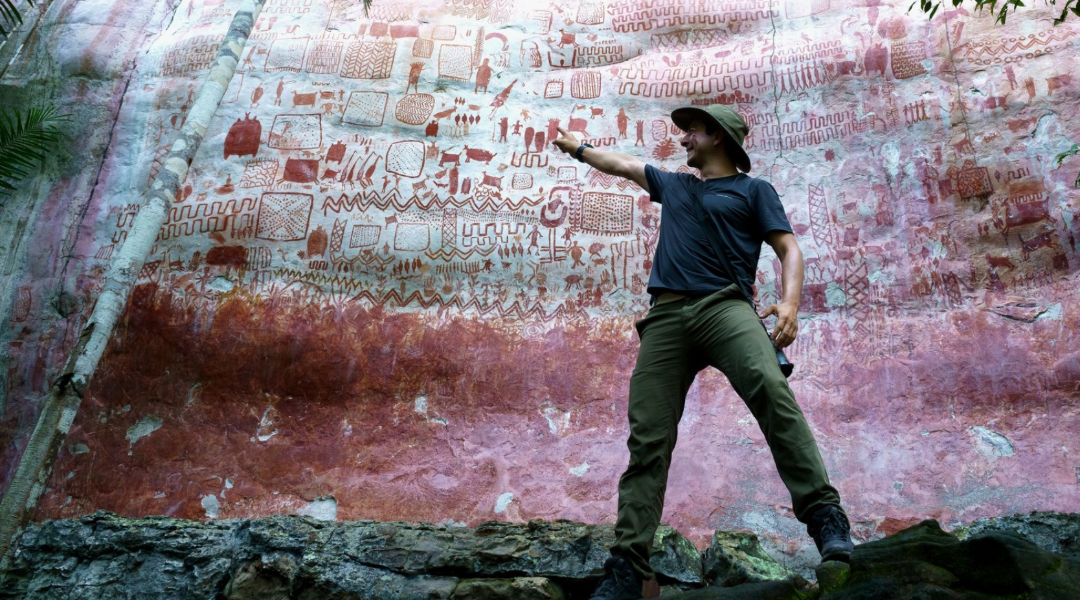
The road to Chiribiquete, Colombia's Western Amazon.
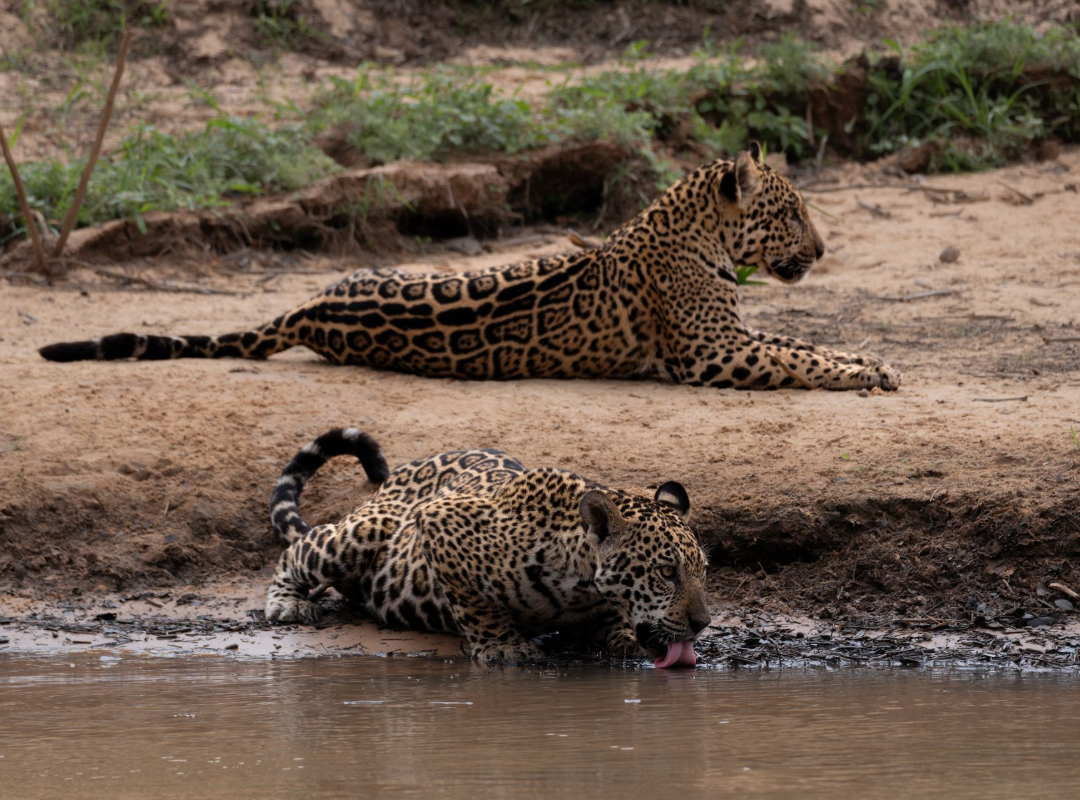
Jaguars Safari, Pantanal - Brazil.
Amazon's Guiana Shield Specialties. Mitu-Vaupes.
Emblematic Birds Photo Tour, Coffee Triangle.