
Can I Bring Telephoto Lenses on a Flight?
Can I Bring Telephoto Lenses in Carry-On Baggage?
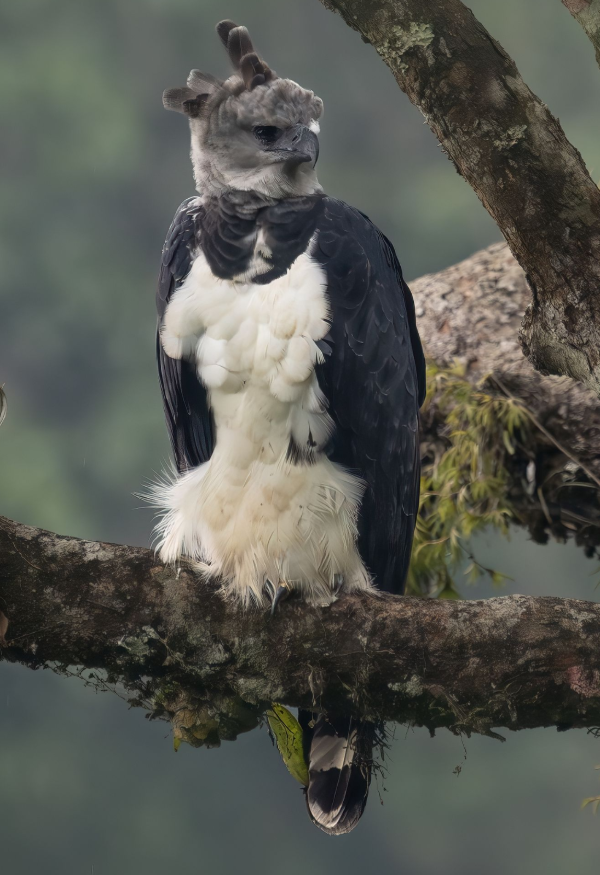
A 600mm lens in your hands can feel like the difference between a distant record shot and the frame you traveled across a continent to make. So, can I bring telephoto lenses on a flight? In nearly every case, yes. The real challenge is not whether an airline permits the lens, but whether your carry-on allowance, connections, and packing system can protect it from the moment you leave home until you are photographing your first hummingbird, jaguar, or Harpy Eagle.
For serious wildlife photographers, long glass is not an accessory. It is often the most valuable and least replaceable part of the kit. Treat it accordingly: carry it into the cabin whenever possible, confirm your airline’s current baggage dimensions before departure, and build a travel plan that leaves room for the unexpected.
Can I Bring Telephoto Lenses in Carry-On Baggage?
Yes. Telephoto lenses are generally allowed in carry-on luggage, and that is where we recommend keeping them. Airport security officers may ask you to remove a large lens from your bag for screening, but a camera lens is not a prohibited item simply because it is long, heavy, or expensive.
Carrying your lens on board avoids the two risks that matter most: impact damage and lost baggage. Checked bags move through conveyors, carts, loading areas, and sometimes tight aircraft holds. Even a well-padded case can be dropped or compressed. A lens that arrives late can also cost you the most productive morning of a photography expedition.
The limitation is size and weight. A 100-400mm, 200-600mm, 500mm f/5.6, or 600mm f/4 may fit in a standard camera backpack, but some smaller regional aircraft have restricted overhead-bin space. This can be especially relevant on itineraries with domestic flights after an international arrival. Gate agents may require roller bags to be checked at the aircraft door, while backpacks are more likely to remain with you under the seat or in the cabin.
A compact, soft-sided camera backpack is often the safest choice. It is easier to fit into variable overhead spaces than a hard rolling case, and it attracts less attention at crowded gates. Measure the packed bag rather than relying on a manufacturer’s stated capacity. Lens hoods, rain covers, tripod feet, and external straps can turn a compliant bag into one that exceeds the airline’s limit.
Why a Lens Should Rarely Go in Checked Luggage
There are exceptions. If you are traveling with multiple super-telephoto lenses, a large tripod, lighting gear, or a complete video system, some equipment may need to be checked. But the telephoto lens itself should be the last item you place in a checked case.
Beyond rough handling, checked luggage introduces temperature, moisture, theft, and delay concerns. Insurance can help with replacement value, but it cannot restore a unique morning with an Andean Cock-of-the-rock, a cooperative Giant Otter family, or a jaguar stepping from Pantanal vegetation at golden light.
If checking a lens is unavoidable, use a hard protective case with custom foam or a carefully fitted padded insert. Remove the lens from the camera body, fit both caps, reverse or remove the hood, and secure the tripod collar so it cannot shift. Do not leave batteries installed in the camera body. Pack a printed inventory with serial numbers separately, and make sure your insurance covers professional or high-value photographic equipment in the countries you are visiting.
Preparing for Security Screening
Security screening is usually straightforward, but it rewards calm preparation. Keep your camera gear organized so an officer can see what is in the bag without unpacking every item. A large white lens, dense battery pack, or unusual support accessory can prompt additional screening. That is normal and rarely means there is a problem.
Arrive early enough that an inspection does not create stress. If you are asked to open the bag, place the lens carefully on a clean surface or ask for a bin. Avoid rushing to reassemble your equipment at the end of the conveyor, where straps, caps, and cards can be left behind.
Lithium-ion batteries deserve special attention. Spare camera batteries must normally travel in carry-on baggage, with terminals protected against short circuits. Battery limits vary by airline and capacity, so review the carrier’s current rules before packing. Keep each battery in a protective case or cover the terminals individually. A power bank belongs in your carry-on as well.
Packing a Long Lens for Wildlife Travel
The best travel setup balances protection with speed in the field. Your lens must survive an airport day, then be ready for a sudden encounter on a forest trail, a boat in the Amazon, or an open vehicle in the Pantanal.
Start by placing your camera body and primary telephoto lens in the most protected section of the bag. If space is tight, detach the lens from the body. This reduces leverage on the lens mount and lets the equipment fit more efficiently. Keep the lens hood reversed, and use a padded divider between major pieces of gear.
For a typical bird photography expedition, it is wise to carry the essentials in the cabin: your camera body, main long lens, a second body if you use one, spare batteries, memory cards, chargers, and essential medication. Accessories are easier to replace or check. The equipment that makes the photographs should stay close.
Tripods and monopods are more variable. Many photographers check them because of their length and because security policies can differ by airport. A short travel tripod may be accepted in carry-on baggage, but do not assume it will be permitted on every leg. Pack it in checked luggage if possible, and avoid loose metal spikes or tools in your cabin bag.
International Flights and Colombian Connections
International airline policies are not identical. A bag accepted on your outbound flight may be weighed more strictly on a domestic connection, especially when the aircraft is smaller. Before leaving home, check the carry-on size and weight rules for every airline listed on your itinerary, not only the first one.
For photography travel in Colombia, this matters because the country’s extraordinary birding regions are often reached through a mix of major airports, road transfers, and occasional short domestic flights. A thoughtfully planned route reduces unnecessary internal flights, but when flying is the right option, your gear plan must account for it.
If a gate agent asks to check your camera backpack, politely explain that it contains fragile photographic equipment and ask whether it can be placed in a cabin closet or under a seat. Remove the camera body and telephoto lens if the bag must be gate-checked. Keep a small foldable shoulder bag inside your backpack for precisely this situation. It gives you a way to carry your most critical items into the cabin without delaying boarding.
Customs questions are another reason to keep equipment organized. Personal camera gear for your own use is generally uncomplicated, but a large professional kit can invite questions. Carry a simple list of major items and serial numbers, especially for valuable lenses. If you travel internationally often, ask your local customs authority whether a temporary export document is worthwhile for your gear.
A Practical Weight Strategy
The difficult question is often not, “Can I bring telephoto lenses?” It is, “How do I keep my bag under the limit?” A 600mm f/4, pro camera body, second body, batteries, and laptop can exceed a strict carry-on weight allowance quickly.
Prioritize the equipment that cannot safely be replaced. Wear a photo vest or jacket with pockets for batteries, cards, and small accessories only if it remains comfortable and does not create confusion at security. Put chargers, cables, and less fragile accessories in a personal item when airline rules allow it. Do not try to conceal an obviously oversized bag or argue with staff at the gate. A courteous, prepared approach is far more effective.
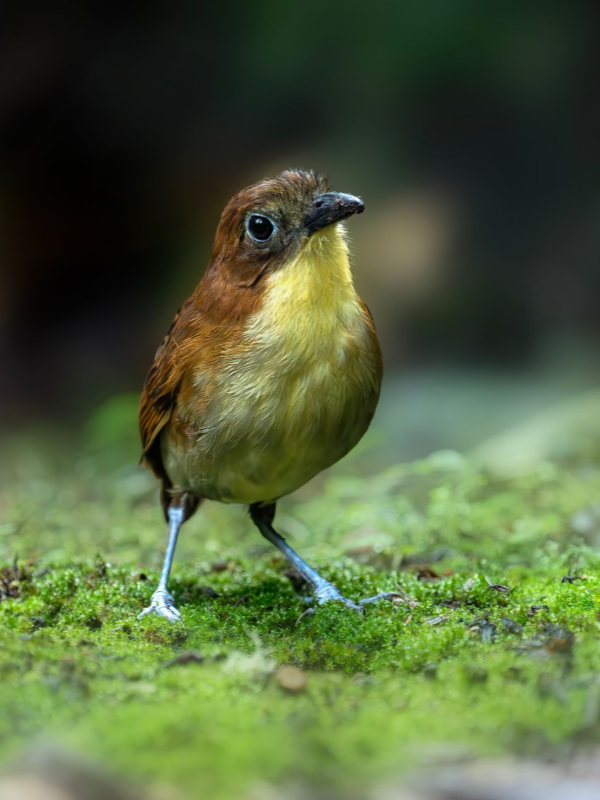
It is also worth asking whether you truly need every lens. Colombia rewards long reach, particularly for canopy birds, shy antpittas, and distant raptors, but a lighter 500mm or 600mm f/6.3 can make travel easier than a larger f/4 lens. The best choice depends on your target species, low-light needs, handholding style, and willingness to use a tripod or monopod.
Protecting Your Lens After Landing
The flight is only one part of the journey. Tropical humidity, rain, dust, river spray, and rapid temperature changes demand a field-ready system. Keep a rain cover accessible rather than buried in luggage. Use dry bags or waterproof covers during boat travel, and let cold gear acclimatize in a sealed bag before exposing it to warm, humid air.
At Retorno Photo Tours, we help photographers plan around the real conditions of each destination, from humid lowland forests to cool Andean elevations. That includes practical guidance on lens choices, vehicle space, support systems, and the daily realities of moving safely with valuable equipment.
Bring the lens that gives you the reach and image quality your subjects deserve, then protect it with the same care you would give the photographs you hope to make. A well-packed telephoto lens is not just baggage. It is your invitation to pause, wait quietly, and be ready when the wild moment finally appears.
Scheduled Tours
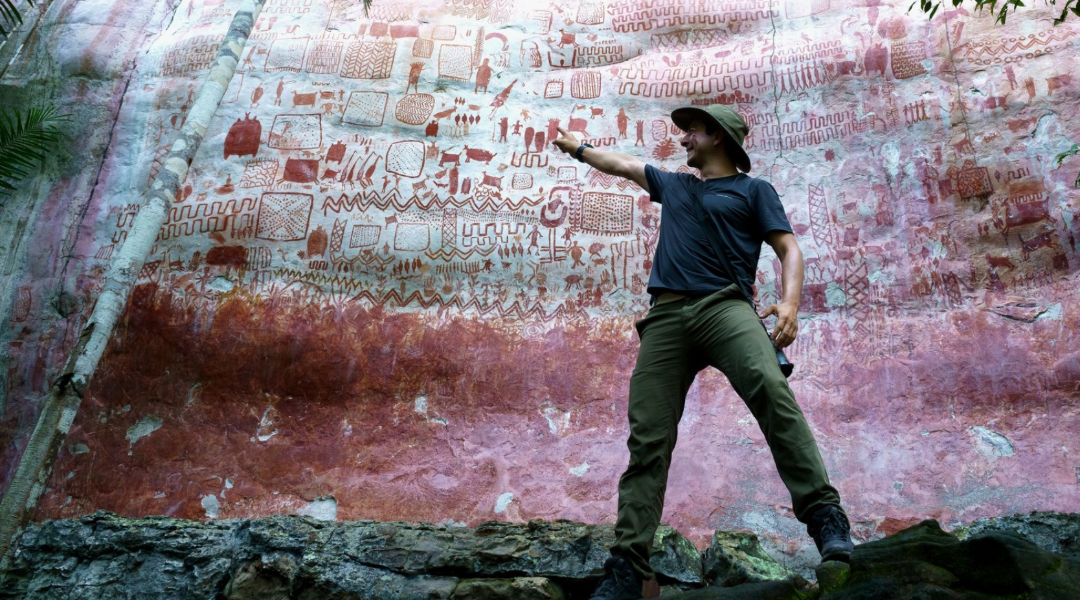
The road to Chiribiquete, Colombia's Western Amazon.
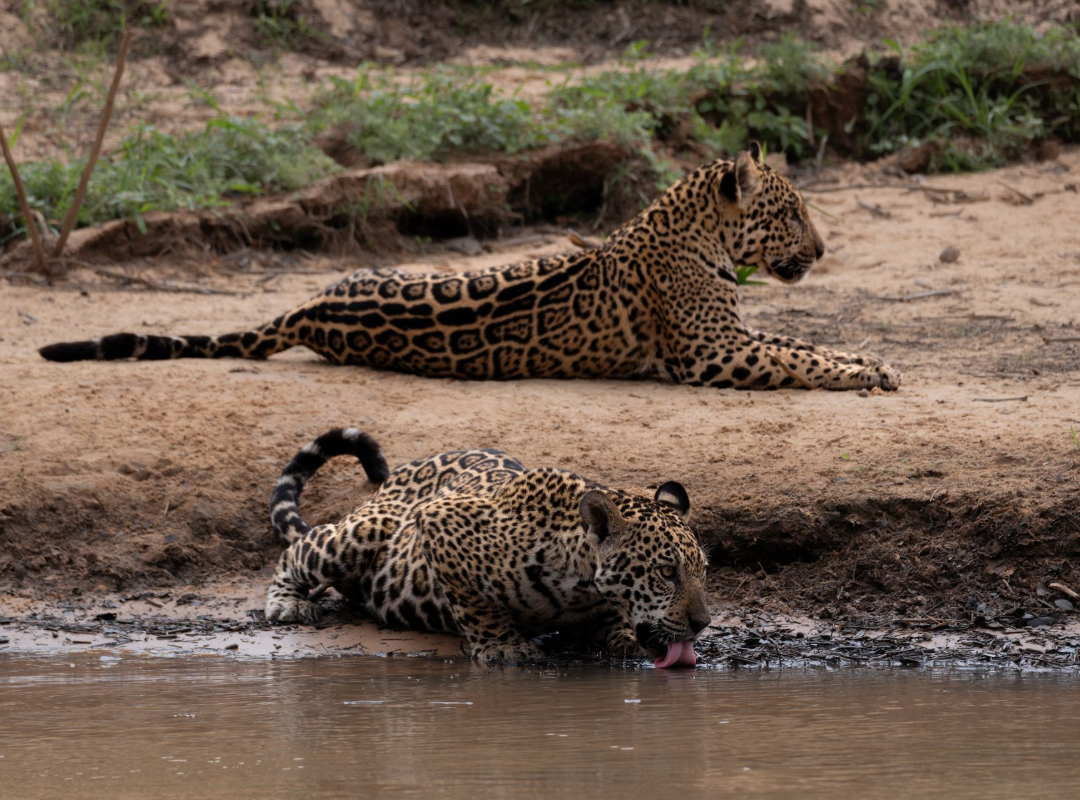
Jaguars Safari, Pantanal - Brazil.
Amazon's Guiana Shield Specialties. Mitu-Vaupes.
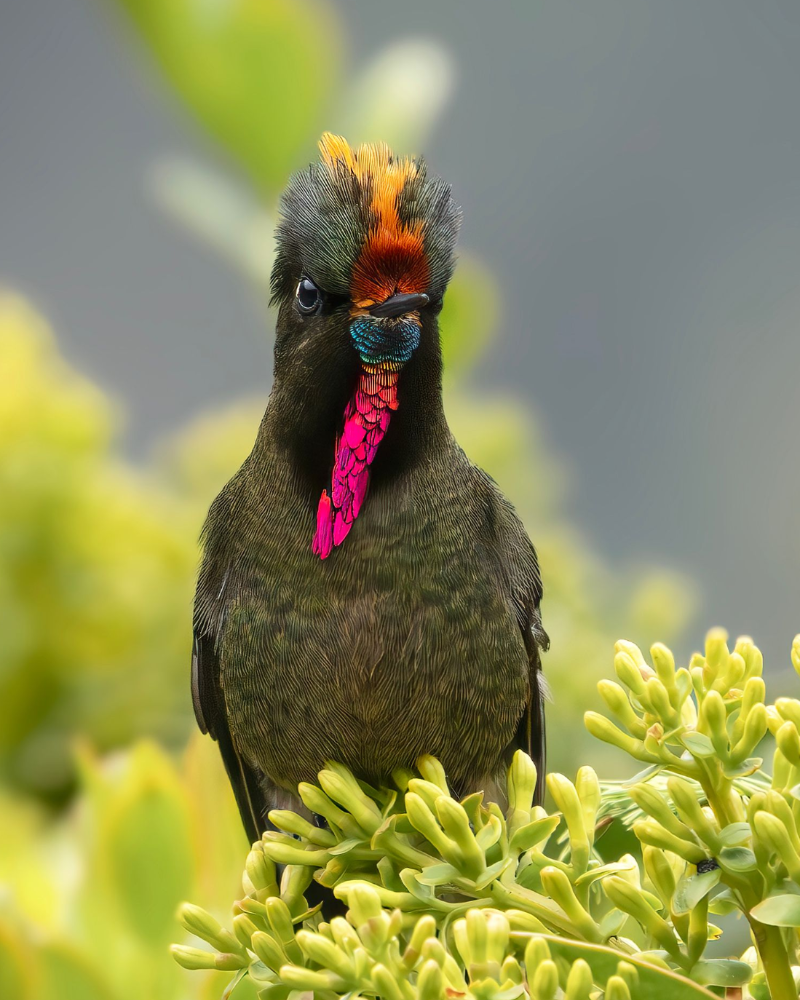
Emblematic Birds Photo Tour, Coffee Triangle.