
How to Protect Cameras From Humidity in the Field
Why humidity is harder on camera gear than rain
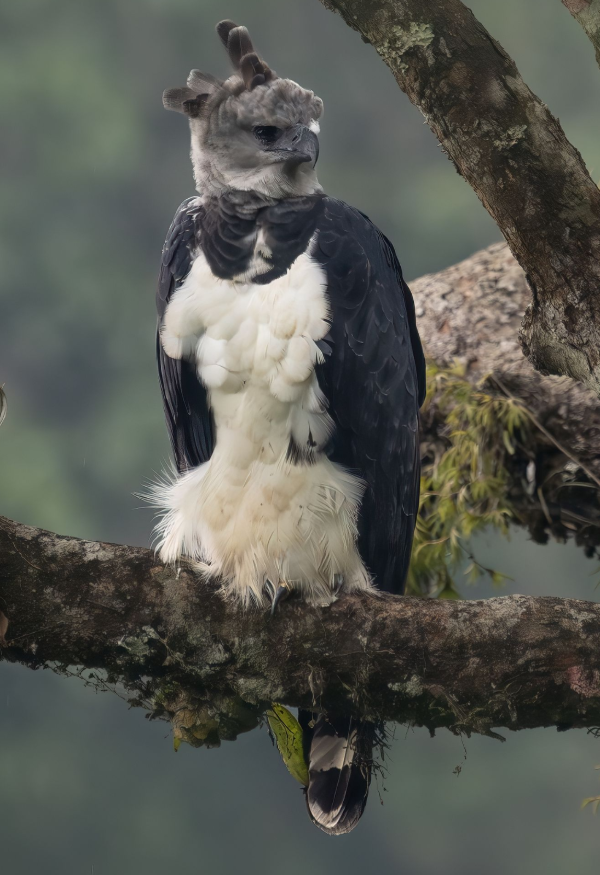
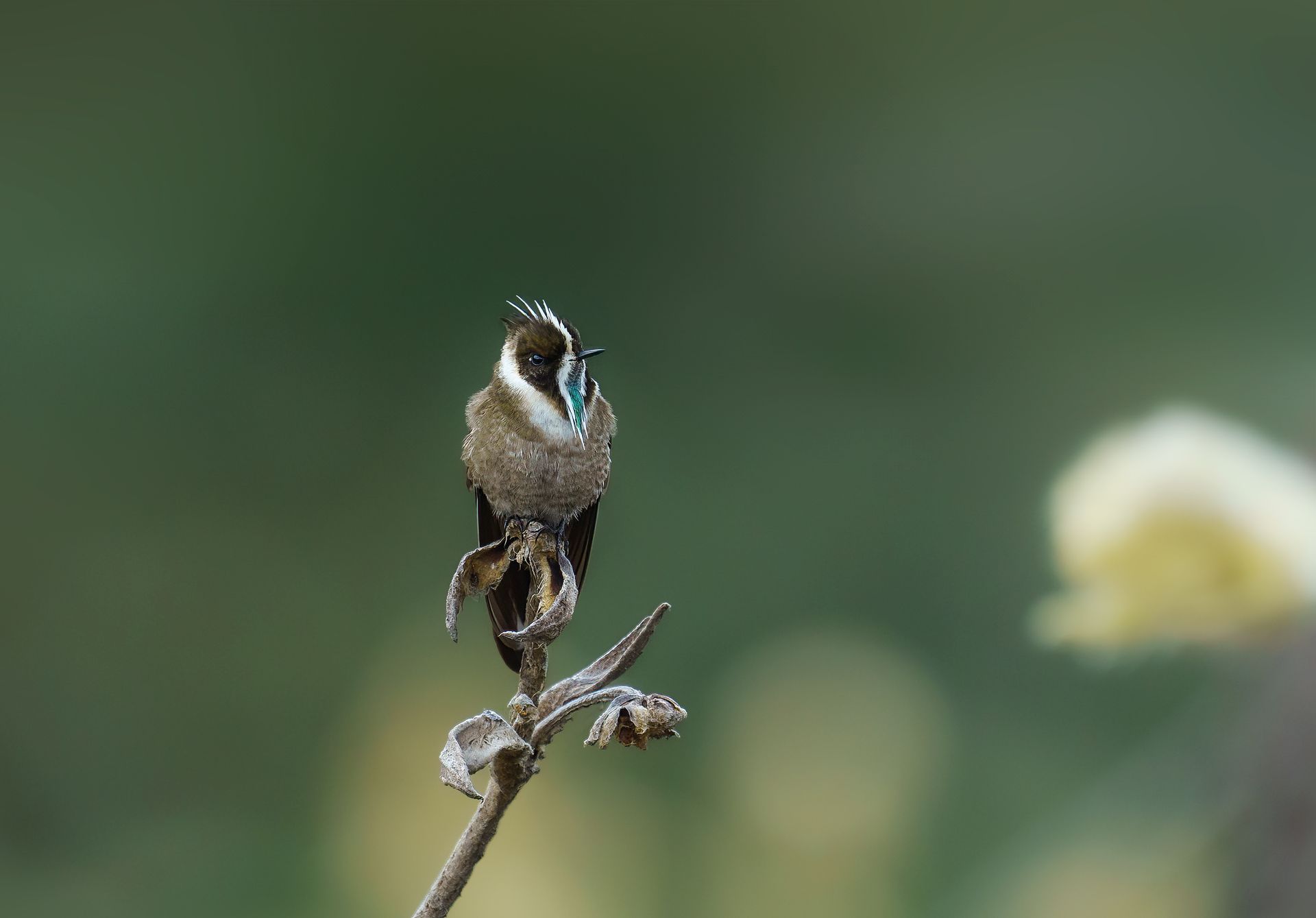
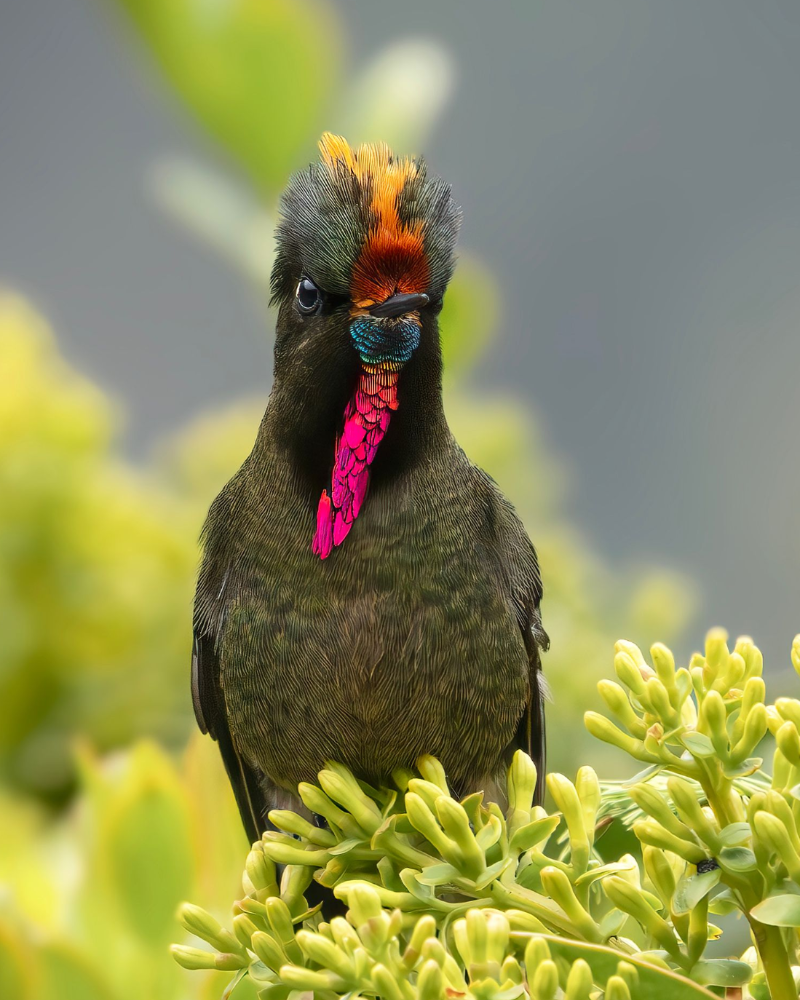
A rainforest dawn can begin with a lens fogged solid white before the first bird calls. In the humid lowlands, cloud forests, and river corridors where extraordinary wildlife photography happens, knowing how to protect cameras from humidity is not a minor packing detail. It is what keeps a once-in-a-lifetime encounter with a Harpy Eagle, hummingbird, or jaguar from becoming a frustrating equipment failure.
Humidity itself does not automatically ruin a camera. The real risks are condensation, moisture trapped in bags, fungal growth during storage, and repeated exposure without a drying routine. With sensible habits, your camera body and long lens can work confidently in demanding tropical conditions.
Why humidity is harder on camera gear than rain
Rain is obvious. You see it, cover your equipment, and usually change your plan. Humidity is more subtle. It is present before sunrise, inside a forest blind, on a boat, and in a hotel room after a wet afternoon. Warm, moisture-heavy air can enter small openings around switches, battery doors, lens mounts, and zoom barrels.
The biggest immediate threat is condensation. It happens when cold equipment meets warm, humid air, or when warm equipment enters a strongly air-conditioned room. Water vapor turns into droplets on exterior surfaces and, potentially, inside the lens or camera body. A fogged front element is inconvenient; internal condensation around electronics is a more serious concern.
Long telephoto lenses deserve particular attention. Their size, complex optical construction, and moving parts make them expensive tools to replace and slow to dry thoroughly. A weather-sealed professional body and lens provide valuable protection, but sealing is not permission to leave equipment exposed all day. It reduces risk. It does not eliminate it.
How to protect cameras from humidity before entering the field
The best protection begins before you leave your room. Start each morning with gear that is dry, batteries fully charged, and memory cards ready. Opening a damp bag repeatedly at a trailhead is an easy way to expose your equipment to more moisture while you are focused on the first possible subject.
Keep a compact rain cover sized for your longest lens, even when the forecast is clear. In the Andes and the Amazon, a brief shower can arrive quickly, and a rain cover also helps shield your camera from dripping leaves, mist, and spray during boat travel. Choose one that still allows access to the controls and tripod collar. A cover that is difficult to use will remain in your bag when you need it most.
Use a well-padded camera backpack with a rain cover, but do not mistake the backpack for a dry box. If you place wet gear inside and zip it closed, you create a humid chamber around your camera. Carry several clean microfiber cloths in separate resealable bags: one for wiping rain and mud, another reserved for optics. Once a cloth becomes wet, replace it rather than spreading moisture across the lens.
Silica gel is useful when used correctly. Place rechargeable silica gel packs in your camera bag and, more importantly, in a sealed storage case or dry cabinet when available. Packs loose inside a large backpack can help, but they cannot overcome a soaked rain cover, wet clothing, and hours of tropical air. Check color indicators and recharge or replace packs when they are saturated.
Let your equipment acclimate slowly
Most condensation problems occur during transitions, not while photographing in consistently humid conditions. A camera that has been inside a cool, air-conditioned vehicle or lodge can fog immediately when carried into warm morning air. The reverse can happen when you bring hot, humid gear indoors.
Before moving from an air-conditioned room into the field, place the camera and lens in a sealed plastic bag or tightly closed camera bag for 20 to 30 minutes. Let the equipment gradually approach the outside temperature before opening it. This is especially helpful before a pre-dawn departure, when temperatures and humidity can change rapidly.
When returning to air conditioning after a humid session, use the same principle. Seal the camera in a bag before entering the cool room and allow it to warm or cool gradually. Do not remove batteries, change lenses, or open compartment doors until exterior moisture has disappeared. If the camera has visible condensation, turn it off and give it time. Powering up a wet electronic device is never a good gamble.
This may feel slow after an exciting morning of photography, but it is part of professional field discipline. The few minutes spent acclimating gear are far less costly than missing the next day because a lens has fogged internally.
Build a field routine that keeps moisture out
On a productive trail, constant lens changes are rarely worth the risk. Each change exposes the sensor chamber and rear lens element to humid air, dust, and possible droplets. If your itinerary calls for both wide environmental scenes and distant bird portraits, consider carrying two camera bodies when practical. One can hold the long lens while the other carries a shorter zoom.
If you must change lenses, do it under cover: inside a vehicle, beneath a sheltered observation platform, or with your body and rain cover blocking direct mist. Keep the camera pointed downward, prepare the replacement lens first, and make the exchange quickly. Never set rear caps or a camera body on wet ground, a damp railing, or a boat seat.
During active shooting, leave the lens hood on. It protects the front element from light rain and droplets falling from vegetation, while also reducing flare in broken forest light. A clear protective filter can offer another physical barrier on some lenses, but it is not essential for every photographer. On premium lenses, a high-quality filter may be appropriate in salt spray, muddy boat landings, or situations with frequent dripping water. In low light or backlit bird photography, however, an additional glass surface can introduce flare or reduce image quality. The decision depends on your lens, conditions, and tolerance for risk.
Avoid wrapping a working camera tightly in plastic for long periods. A rain cover is designed to allow practical handling and some airflow. A tightly sealed improvised bag around a warm camera can trap moisture inside. Use plastic bags for acclimation and storage transitions, not as a permanent shooting solution.
Drying gear after a wet morning
At the end of the day, inspect everything before packing it away. Wipe the exterior of the camera, lens, tripod, lens hood, and rain cover. Extend tripod leg sections if they were exposed to mud or water, then clean and dry them before collapse. Moisture and grit left in locks can become a bigger problem than a wet camera body.
If your equipment is only damp on the outside, allow it to air dry in a secure, shaded space with gentle airflow. Keep it away from direct sun, hair dryers, radiators, and other strong heat sources. Excess heat can damage lubricants, adhesives, rubber components, and delicate optical assemblies. A room fan is safer than forced heat.
For gear that has been exposed to heavy rain or has visible fog inside the lens, stop using it if possible. Remove the battery and memory card once the exterior is dry enough to handle safely, then place the equipment in a sealed container with plenty of fresh silica gel. If internal fogging does not clear, arrange a professional inspection rather than hoping it will resolve on its own.
Prevent fungus during longer expeditions
Lens fungus is a slow threat, but it can permanently affect contrast and resale value. It thrives in dark, humid storage conditions, especially when equipment stays packed for days. This is why a camera bag should be treated as transport, not long-term storage.
On multi-day wildlife expeditions, open your bag each evening in a dry, secure room. Give gear a visual check under a bright light, especially front and rear elements, filter threads, lens collars, and the edges of zoom barrels. Store equipment with silica gel in a sealing case when possible. If your accommodation has no air conditioning, a portable electronic dry box can be worthwhile for photographers traveling with several professional bodies and lenses.
Do not store leather camera straps, wet rain covers, or damp clothes in the same sealed case as lenses. Separate wet accessories from dry equipment. A simple organizational habit can protect a very significant investment.
Plan for the conditions, not just the forecast
Humidity management is part of photographing responsibly in wild places. In a Chocó forest, Amazon lodge, Pantanal wetland, or high-elevation Andean reserve, conditions can change by the hour. Your guide may adjust the route for rain, river levels, trail safety, or a suddenly active feeding site. Your gear plan should be just as adaptable.
Retorno Photo Tours guides help photographers prepare for the actual conditions of each region, including boat travel, early starts, mountain mist, and rainforest downpours. Bring equipment you know well, protect it consistently, and leave enough room in your schedule for cleaning and drying at the end of each field day.
The reward for that discipline is simple: when the forest offers a fleeting moment of wild beauty, your camera is ready to capture it.
Scheduled Tours
The road to Chiribiquete, Colombia's Western Amazon.
Jaguars Safari, Pantanal - Brazil.
Amazon's Guiana Shield Specialties. Mitu-Vaupes.
Emblematic Birds Photo Tour, Coffee Triangle.