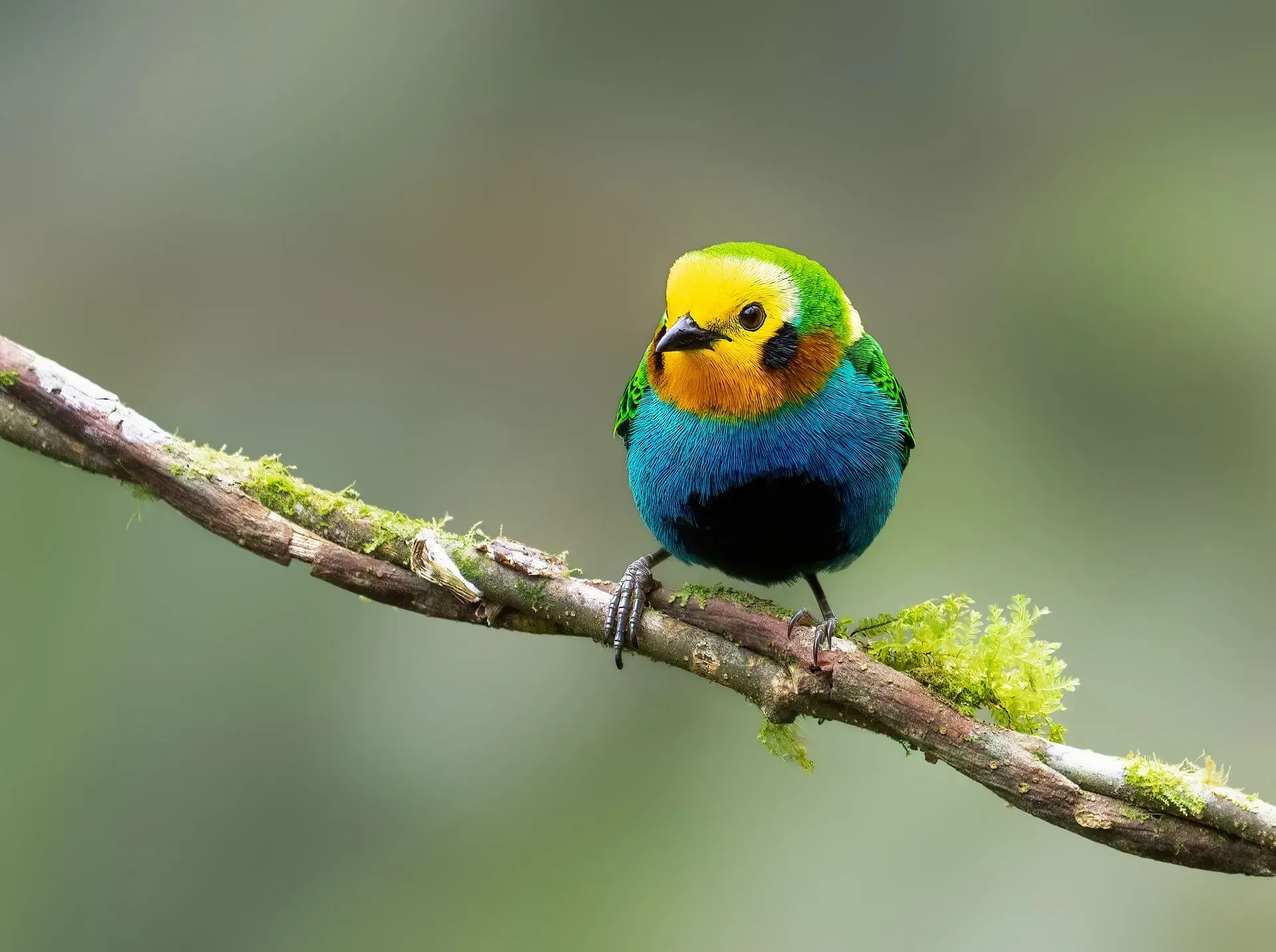
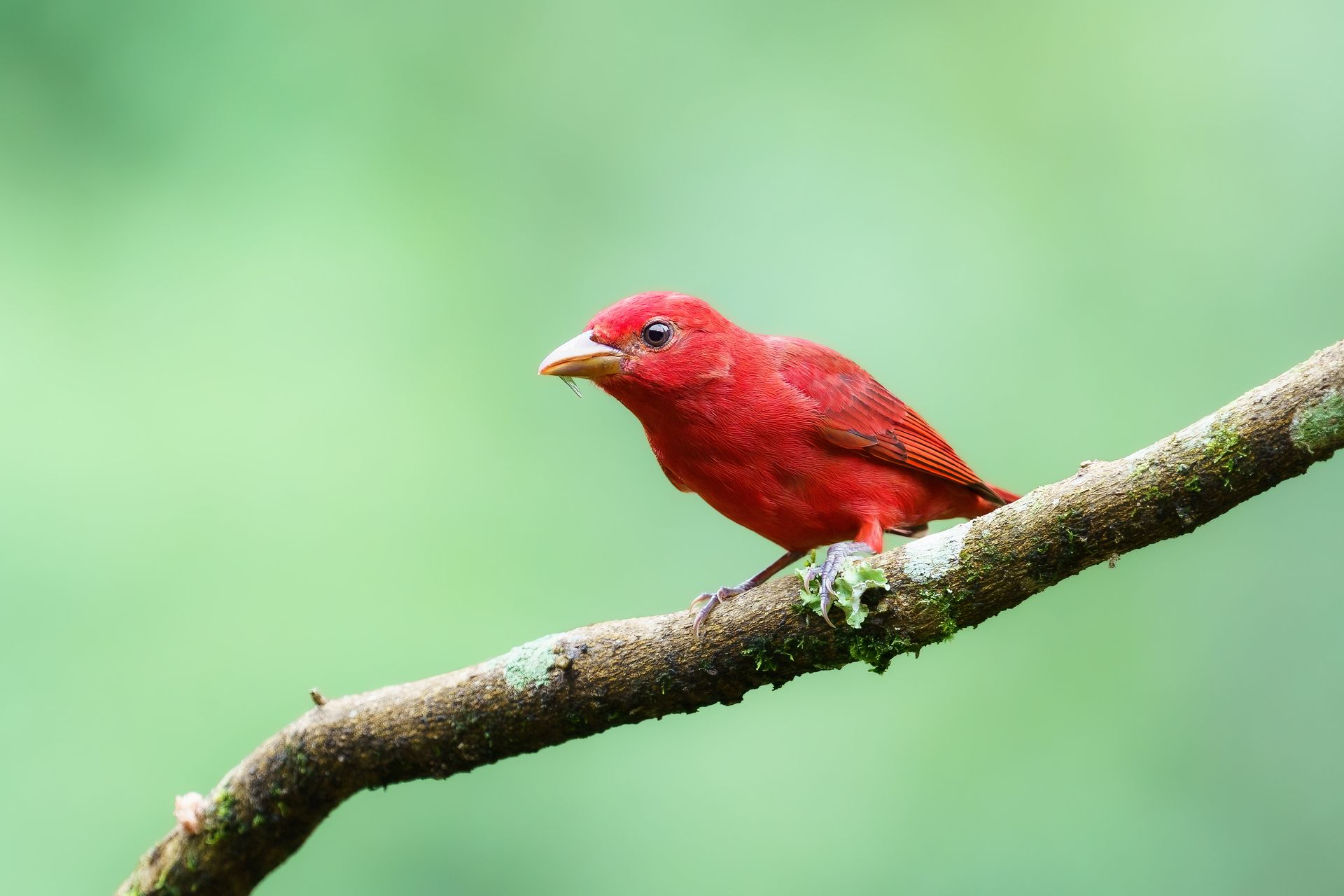
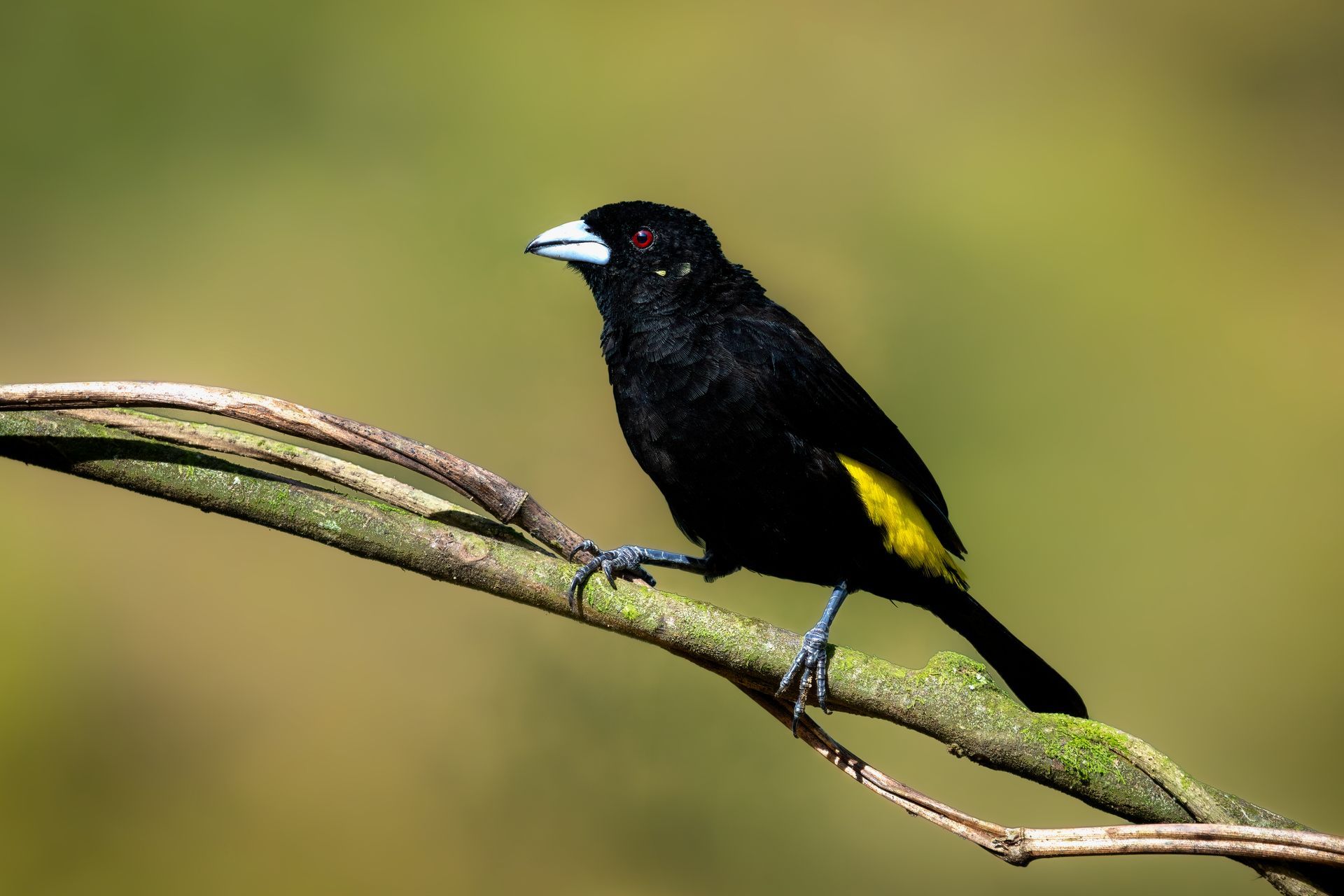
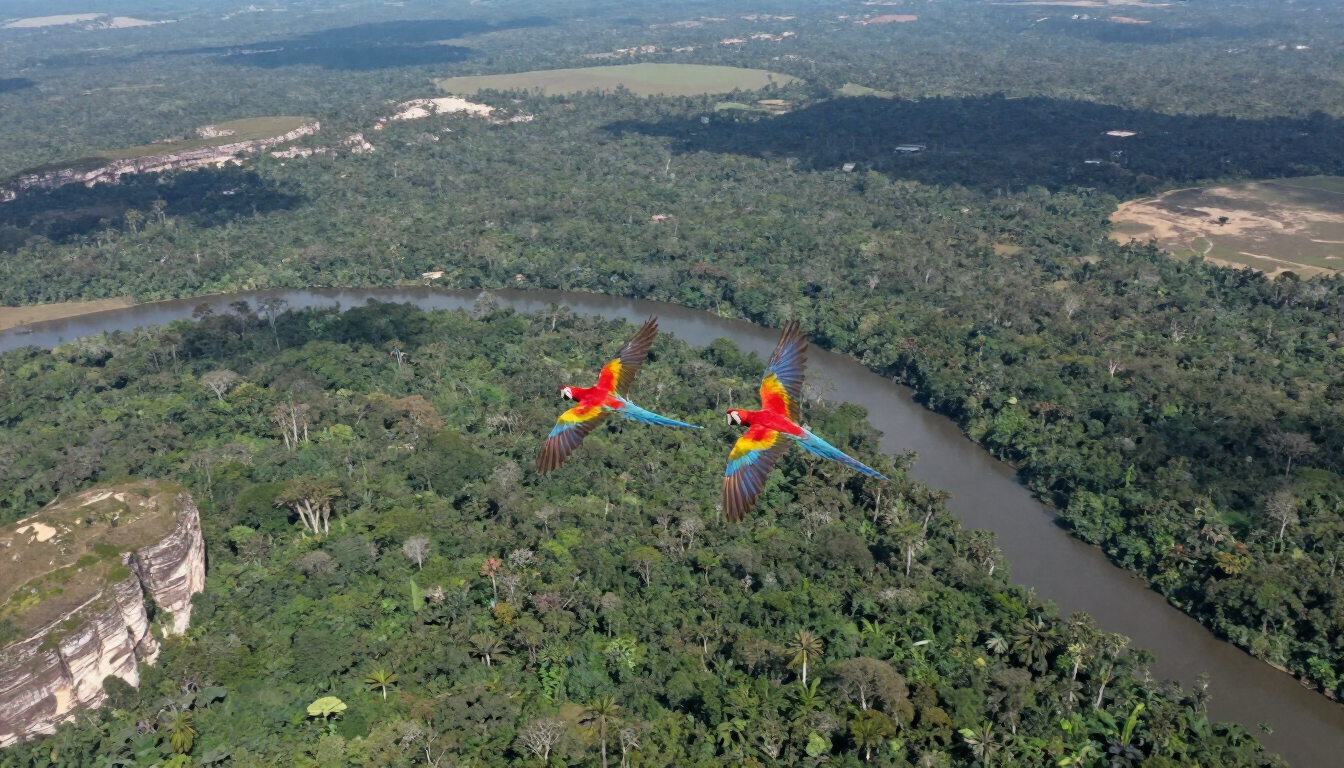
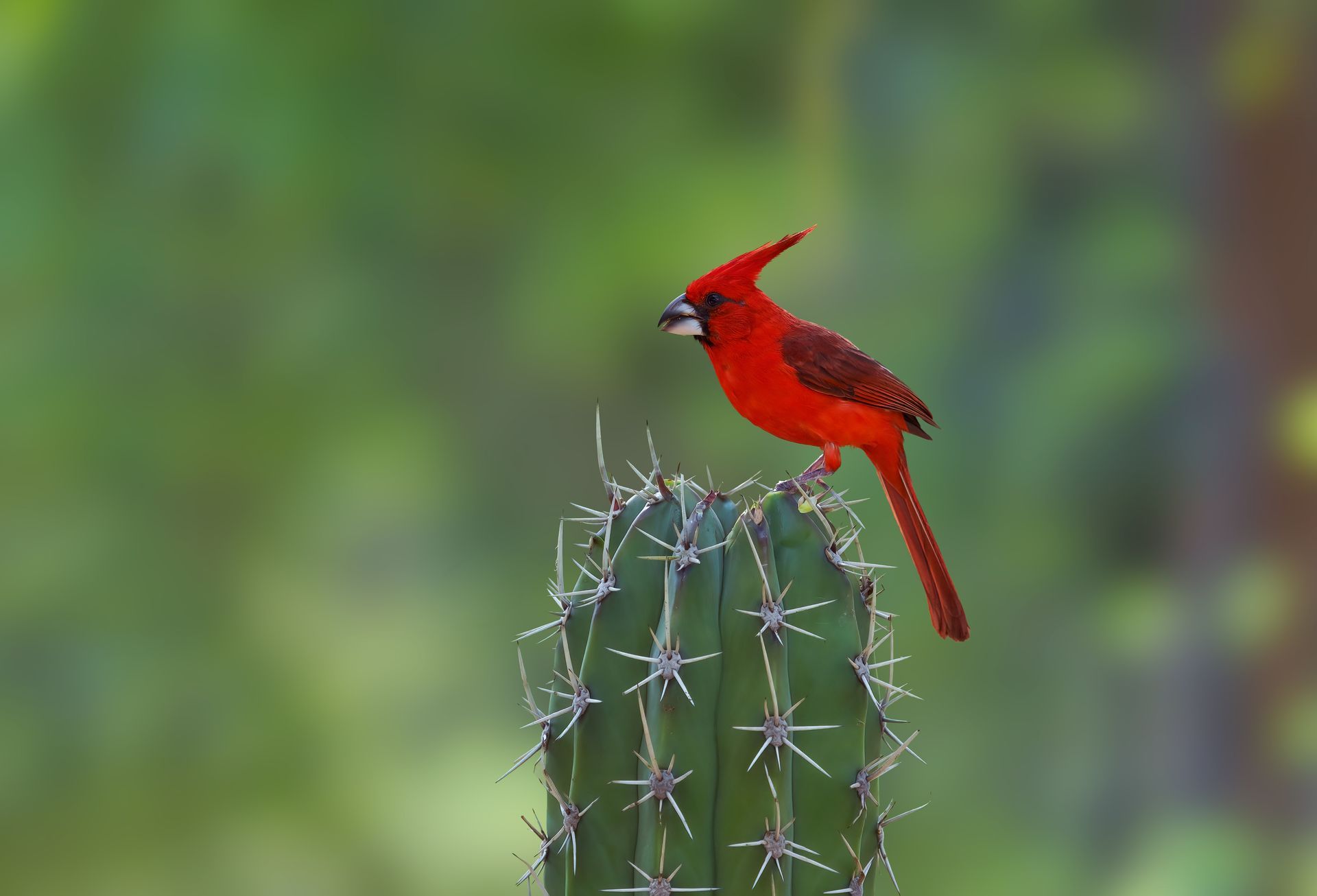
Colombia is widely recognized as the bird capital of the world. With nearly 2,000 recorded species, no other country matches its avian diversity. But beyond sheer numbers, Colombia is a country of extraordinary color.
For wildlife photographers, Colombia is a living palette. Electric blues, fiery reds, iridescent greens, glowing yellows, and deep violets move through forests, wetlands, and mountains every day. The country’s tropical latitude, varied ecosystems, and altitude gradients have produced some of the most visually striking birds on Earth.
If you are building a portfolio focused on vibrant avian photography, these are the most colorful Colombian birds every photographer should know about.
1. The Multicolored Tanager – A Living Jewel
Over the past two decades, advancements in camera technology have made bird photography more accessible. Mirrorless systems, improved autofocus, and lighter telephoto lenses have allowed more photographers to enter the field. At the same time, social media platforms have amplified interest, exposing global audiences to spectacular images from biodiverse countries such as Colombia, Brazil, India, and beyond.
As a result, bird photography is no longer confined to local clubs or small communities. It has become an international industry that supports tourism, conservation initiatives, local guides, and entire rural economies.
International fairs reflect this growth. They provide a physical space where the global bird photography community can meet face-to-face, share knowledge, and discover emerging destinations.
What Happens at International Birding Fairs?
Bird and wildlife fairs typically bring together:
- Professional photographers
- Birdwatching tour companies
- Conservation organizations
- Equipment manufacturers
- Wildlife artists and authors
- Travel agencies specializing in nature tourism
These events often feature seminars, workshops, keynote speakers, portfolio reviews, gear demonstrations, and travel presentations. Attendees learn about new destinations, techniques, ethical standards, and conservation efforts.
Importantly, they also create opportunities for direct conversations between travelers and tour operators. For many photographers, meeting a tour company in person builds trust and confidence before committing to an international expedition.
Showcasing New Bird Photography Destinations
One of the most important roles of global birding fairs is introducing photographers to destinations they may never have considered.
For example, many European or Asian photographers may not immediately think of Colombia as a primary bird photography destination. However, when they attend a fair and learn that Colombia hosts more bird species than any other country in the world, curiosity grows. When they see vibrant tanagers, hummingbirds, manakins, and raptors displayed in professional presentations, interest turns into planning.
Similarly, Brazil’s Pantanal ecosystem becomes more tangible when photographers see dramatic images of jaguars and wetland birds presented in person by experienced guides and tour leaders.
Global events open doors to these discoveries.
Strengthening Conservation Through Awareness
International bird photography fairs also serve as platforms for conservation messaging. Many events collaborate with environmental organizations to promote habitat protection, sustainable tourism, and ethical photography practices.
Workshops often address topics such as:
- Responsible wildlife photography
- Minimizing disturbance to birds
- Supporting local communities through eco-tourism
- Protecting threatened habitats
When photographers understand that their travel choices influence conservation outcomes, they become more intentional about the tours they select.
Well-organized nature tours that prioritize sustainability often gain visibility and credibility at international fairs, reinforcing the connection between tourism and conservation.
Networking Across Continents
one of the greatest advantages of international fairs is networking. Photographers from India, China, Europe, Canada, and the United States gather in one place, exchanging experiences and recommendations.
These interactions influence travel decisions. A photographer who hears positive feedback about bird photography in Colombia from multiple sources is more likely to consider it seriously. Word-of-mouth recommendations carry weight, especially in specialized communities.
Tour operators also build partnerships with international agents and photography groups, expanding their reach beyond local markets. This global connectivity strengthens the bird photography industry as a whole.
Education and Skill Development
Beyond travel promotion, international birding fairs offer educational opportunities that directly improve photographic skills.
Seminars led by professional photographers cover topics such as:
- Capturing birds in flight
- Managing challenging forest light
- Composing dynamic wildlife images
- Post-processing for natural results
- Storytelling through sequences
These educational sessions inspire photographers to refine their craft. Many leave motivated to test new techniques in biodiverse destinations where subject variety is high.
Destinations with exceptional species diversity naturally benefit from this enthusiasm.
Technology and Innovation
Bird photography evolves alongside technology. International fairs are where manufacturers unveil new lenses, camera bodies, tripods, and accessories designed specifically for wildlife photographers.
Being able to test equipment in person, speak with experts, and compare systems allows photographers to make informed decisions before investing in expensive gear.
This connection between technology and travel is significant. Advanced autofocus systems and high-speed shooting capabilities encourage photographers to pursue fast-moving subjects like hummingbirds or birds in flight, which in turn increases interest in destinations known for these species.
Cultural Exchange Through Photography
Bird photography is not only about species; it is about landscapes, people, and culture. International fairs create spaces where cultural exchange happens naturally.
Photographers from Asia may share experiences from tropical rainforests, while European photographers discuss woodland species and Arctic expeditions. Latin American guides present their ecosystems and conservation stories.
These conversations broaden perspectives and highlight how interconnected global biodiversity truly is. They remind participants that bird photography is part of a shared global responsibility.
The Economic Impact of International Events
International fairs generate economic opportunities far beyond the event venue. They influence tourism flows for years to come.
When a destination gains exposure at a major wildlife fair, it often sees increased inquiries and bookings. This growth supports local guides, lodge owners, transportation providers, and conservation initiatives.
For countries rich in biodiversity, participation in global fairs is an investment in long-term sustainable tourism development.
Why Participation Matters for Tour Operators
For professional bird photography tour companies, attending international fairs is not just about marketing. It demonstrates commitment to the global community.
It shows that a company:
- Stays updated on industry trends
- Engages with conservation discussions
- Invests in international partnerships
- Values transparency and direct communication
Photographers often feel more confident booking tours with companies they have met personally at international events.
Bridging the Gap Between Continents
Bird photography fairs play a crucial role in connecting photographers from developed markets with emerging destinations.
European, Chinese, Indian, Canadian, and American photographers may discover that Colombia offers unmatched diversity, accessible habitats, and professional guiding services.
At the same time, local operators gain insight into what international photographers expect in terms of comfort, logistics, and photography opportunities.
This exchange improves tour quality and strengthens international trust.
Inspiring the Next Generation
Global birding fairs are not limited to seasoned professionals. Many young photographers attend to learn, network, and explore career paths.
Seeing large prints of rare species, hearing conservation success stories, and meeting experienced guides can inspire the next generation of wildlife photographers and conservation advocates.
This inspiration fuels long-term growth in ethical wildlife tourism.
The Future of Bird Photography Events
As interest in bird photography continues to expand, international fairs are likely to grow in importance. Hybrid formats combining in-person events with digital access may broaden participation, allowing even more photographers to connect across borders.
However, the value of face-to-face interaction remains strong. Trust, inspiration, and collaboration often develop more deeply through personal conversations than online interactions alone.
For destinations rich in biodiversity, maintaining a presence at global events ensures continued visibility in a competitive international market.
From International Fairs to Field Experiences
While fairs introduce ideas and destinations, the true magic happens in the field. Presentations and displays can spark curiosity, but experiencing biodiversity firsthand transforms curiosity into lasting passion.
Photographers who attend international events often leave with a growing list of dream destinations. Among those destinations, Colombia consistently stands out due to its unmatched bird diversity, varied ecosystems, and commitment to sustainable nature tourism.
Discover World-Class Bird Photography With Retorno Photo Tours
International bird photography fairs highlight the world’s most exciting wildlife destinations. When it comes to bird diversity, ethical guiding, and carefully designed photo wildlife tours, Colombia and Brazil remain among the most compelling choices.
Retorno Photo Tours participates in the global bird photography community and works in some of the best locations for bird and wildlife photography. With expert guides, strong conservation values, and access to exceptional habitats, Retorno ensures that your experience goes far beyond what you see at exhibitions.
If global events have inspired you to explore new bird photography destinations, now is the time to take the next step. Join
Retorno Photo Tours and discover why the best places, the right guides, and responsible tourism make all the difference.