
7 Best Pantanal Photo Lodges for Wildlife
Jaguars of Pantanal
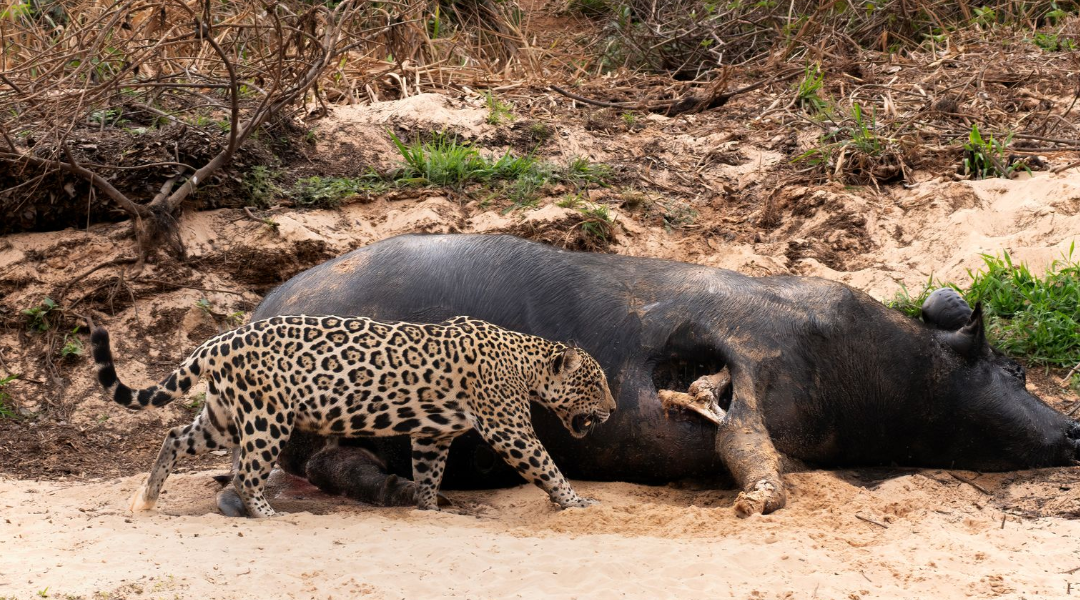
A jaguar lifting its head above river grass, a Giant Otter family racing along the bank, a Hyacinth Macaw arriving at eye level: the best Pantanal photo lodges place you close to these moments, but not all of them serve the same photographic goal. In the Pantanal, choosing the right lodge is less about finding the fanciest room and more about matching your target species, season, boat access, field routine, and tolerance for early starts.
For serious wildlife photographers, the key decision is geographical. Northern Pantanal lodges along the Transpantaneira offer exceptional birding, mammals, and access to the jaguar-rich waterways around Porto Jofre. Southern Pantanal properties can provide a more comfortable ranch experience, excellent bird photography, and specialized conservation-based jaguar encounters. Both can be extraordinary. They simply produce different days in the field.
What Makes a Pantanal Lodge Truly Photographic?
A wildlife lodge becomes a photo lodge when its operations understand the pace of photography. That means vehicles or boats ready before first light, guides who can read animal behavior, enough time with a subject to work a scene rather than take a record shot, and staff accustomed to protecting gear from dust, rain, and heat.
For jaguars, the most important factor is dependable boat logistics. A lodge may be attractive and well located, yet still require long transfers before reaching productive waterways. For birds, consider the habitat immediately around the property. Forest edges, ponds, open fields, gallery woodland, and feeders can turn midday downtime into valuable shooting time for macaws, toucans, kingfishers, raptors, and smaller species.
Comfort matters, too. A photographer who sleeps well, has reliable meals, charging access, and a calm space to download files will make better decisions on the river the next morning. The best choice is the one that supports your photographic priorities without asking you to compromise unnecessarily on logistics or safety.
7 Best Pantanal Photo Lodges to Consider
1. SouthWild Pantanal, Porto Jofre
SouthWild Pantanal is a strong choice for photographers whose main objective is jaguars. Its Porto Jofre position places guests close to the Cuiabá River system, where boat-based jaguar searching is central to the experience during the drier months. Reducing the distance between lodge and river matters: more time on productive water often means more chances to photograph relaxed cats, cubs, riverbank behavior, and environmental compositions.
This is a practical wildlife base rather than a resort-style retreat. Photographers should expect early departures, heat, boat spray, and long sessions following wildlife activity. The reward is access to one of the planet’s most celebrated big-cat photography locations, along with Capybaras, Caimans, Giant Otters, Black-collared Hawks, kingfishers, and river-edge birdlife.
2. Hotel Pantanal Norte, Transpantaneira
Hotel Pantanal Norte is well known among naturalists traveling the northern Pantanal. Located along the Transpantaneira, it can work particularly well as part of a route that combines roadside wildlife photography with a later jaguar-focused stay farther south toward Porto Jofre.
The surrounding mosaic of wetlands, forest, and open areas can be productive for birds and mammals. Jabirus, herons, storks, kingfishers, Jabiru-sized silhouettes in misty light, and mammals such as Capybara and Crab-eating Fox are all possible subjects. It is not the lodge to choose solely for maximum jaguar boat time, but it offers valuable variety and a convenient base for the wildlife-rich road corridor.
3. Araras Eco Lodge, Northern Pantanal
Araras Eco Lodge is one of the most appealing options for photographers who want broad Pantanal biodiversity rather than a jaguar-only itinerary. Its setting supports a classic wetland experience, with trails, towers, forest, open habitat, and wildlife activity around the property. It is especially rewarding for bird photographers who enjoy working different angles and light through the day.
Expect opportunities for Hyacinth Macaws, parrots, toucans, woodpeckers, flycatchers, raptors, and night birds, as well as mammals that may include Coatis, Brocket Deer, and Giant Anteaters. The lodge’s appeal lies in its habitat diversity and comfortable rhythm. It is ideal for a photographer who wants to build a varied Pantanal portfolio, not spend every day in a boat looking for one flagship species.
4. Caiman, Southern Pantanal
Caiman offers a very different Pantanal proposition: a polished ranch-based stay combined with serious conservation work. Its Onçafari jaguar program has helped redefine how visitors can encounter jaguars responsibly in the southern Pantanal, using field protocols designed to minimize pressure on the animals.
For photographers, this can mean a more controlled and comfortable land-based experience than the boat-centered jaguar searches of Porto Jofre. Sightings are never guaranteed, and photography conditions depend heavily on animal movements, vegetation, and the day’s field access. Still, Caiman is a compelling choice for those who value conservation context, good accommodations, and a more complete view of working landscapes and wildlife stewardship.
5. Fazenda San Francisco, Southern Pantanal
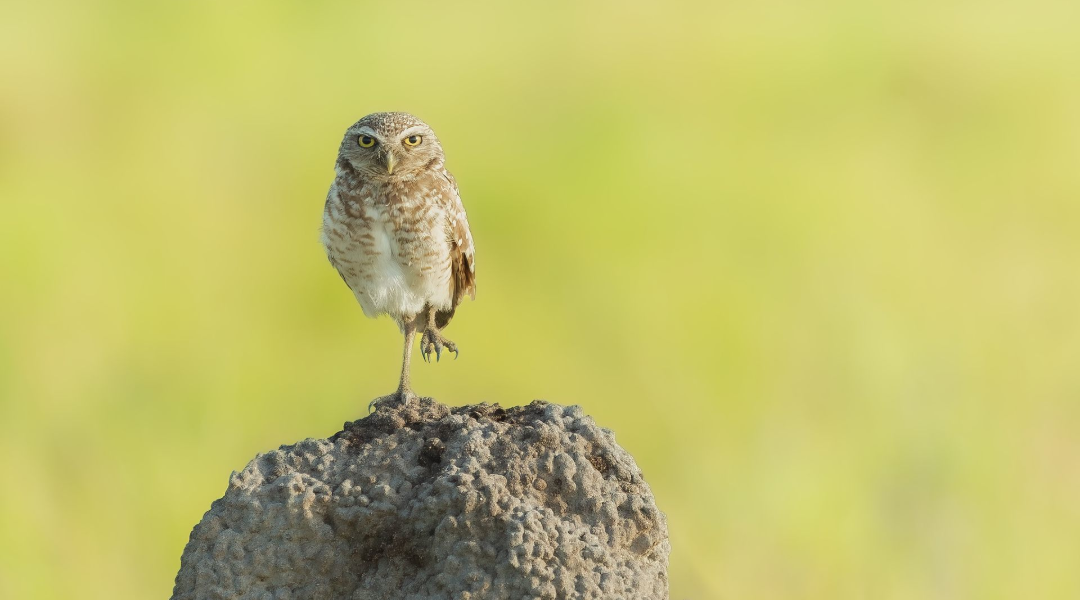
Fazenda San Francisco is a productive wildlife destination for photographers interested in the southern Pantanal’s open landscapes, wetlands, and nocturnal mammals. It is particularly respected for safaris that may reveal Giant Anteaters, Marsh Deer, Capybaras, armadillos, foxes, owls, and a broad range of wetland birds.
This is not a substitute for Porto Jofre if a jaguar portfolio is the non-negotiable goal. It is, however, an excellent complement to a jaguar itinerary or a worthy destination in its own right. The mixture of ranch country and wild habitat creates opportunities for storytelling images that show wildlife within the larger Pantanal landscape.
6. Pousada Rio Claro, Transpantaneira
Pousada Rio Claro is a classic northern Pantanal stop for photographers who appreciate a smaller-scale nature lodge atmosphere. Its river, wetland, and woodland setting can make it especially enjoyable for bird photography, with boat outings and local habitats that produce strong variety.
The property is often valued for the kind of intimate encounters that make a photo trip memorable: a kingfisher perched close to the water, a family of Coatis crossing a trail, a macaw calling from a palm, or a quiet river scene at dawn. It fits well into a multi-lodge itinerary, where several nights allow time to learn the local species and work the light patiently.
7. Pousada do Rio Mutum, Southern Pantanal
Pousada do Rio Mutum offers a comfortable southern Pantanal base with access to waterways, wetlands, and broad wildlife viewing. It can appeal to photographers traveling with a partner who values comfort as much as field intensity, while still providing meaningful opportunities for birds, Caimans, Capybaras, Giant Otters, and wetland scenery.
Its strength is balance. The photographic experience is generally broader and more relaxed than a dedicated jaguar expedition, which can be exactly right for travelers who want wildlife, landscapes, and a well-paced lodge stay. For a focused photographer, private guiding and carefully planned boat sessions can make a significant difference.
Choose by Your Main Subject, Not the Lodge Name
If jaguars are the priority, spend the largest share of your trip near Porto Jofre during the season when boat access and river conditions are favorable. A well-planned stay there should include multiple full days on the water, because even in an excellent area, animal behavior determines the action. A single sighting can be brief, distant, backlit, or hidden by vegetation. Time is what improves the odds.
If your focus is birds, do not overlook lodges farther north along the Transpantaneira or in the southern Pantanal. The region holds an astonishing range of subjects, from Hyacinth Macaws and Jabirus to Sungrebes, potoos, owls, tanagers, and raptors. A diverse lodge route will often deliver a stronger bird portfolio than remaining in one jaguar center for the entire trip.
For photographers bringing a 500mm or 600mm lens, boat stability and space deserve specific attention. Ask how many photographers share a boat, whether beanbags are available, how trips are scheduled, and whether you can keep a dry bag close at hand. A 100-400mm or 200-600mm zoom is often equally valuable for close mammals, birds in flight, and environmental frames. The Pantanal rewards flexibility more than a single-lens mindset.
Timing, Ethics, and Expectations
The dry season, broadly from mid-year into late autumn, is often the preferred period for jaguar photography near Porto Jofre because wildlife concentrates around remaining waterways and travel conditions are usually more predictable. Yet the best dates depend on rainfall, river levels, your target species, and how much heat you are prepared to work in. Green-season travel can bring dramatic skies, lush habitats, different bird activity, and more challenging logistics.
Ethical field practice is not optional. Keep distance, avoid demanding close approaches, respect guide instructions, and choose operators who place animal welfare before a photograph. Jaguars that tolerate boats in the Pantanal are remarkable, but their behavior should never be taken for granted. The finest image is not worth changing the animal’s natural routine.
A well-designed Pantanal expedition often combines more than one lodge, allowing you to photograph the wetlands from several ecological and cultural perspectives. Retorno Photo Tours can help shape that kind of route around your priority subjects, preferred comfort level, and the time needed for real photographic opportunity. Leave room in the plan for the unexpected: a jaguar returning to the bank, a Giant Otter surfacing in perfect light, or a macaw flight that turns an ordinary transfer into the frame you came to make.