
Private Expedition Outcomes: What Changes Results
Private Expeditions Outcomes
A Harpy Eagle may be only a few hundred yards from the trail and still remain invisible for hours. A hoped-for jaguar may step onto a Pantanal riverbank just after another boat has left. In wildlife photography, the difference between an ordinary trip and exceptional private expedition outcomes is rarely luck alone. It is the careful accumulation of decisions made before departure and adjusted intelligently in the field.
A private expedition gives you more than a custom itinerary. It gives you control over the variables that matter most to your photography: target species, season, time at each location, pace, lodging standard, vehicle setup, and the willingness to wait when conditions are right. That flexibility can create extraordinary opportunities, but it also asks for clear expectations. Wild animals are not scheduled appearances, and the strongest results often come from designing for probability rather than promising certainty.
What Private Expedition Outcomes Really Mean
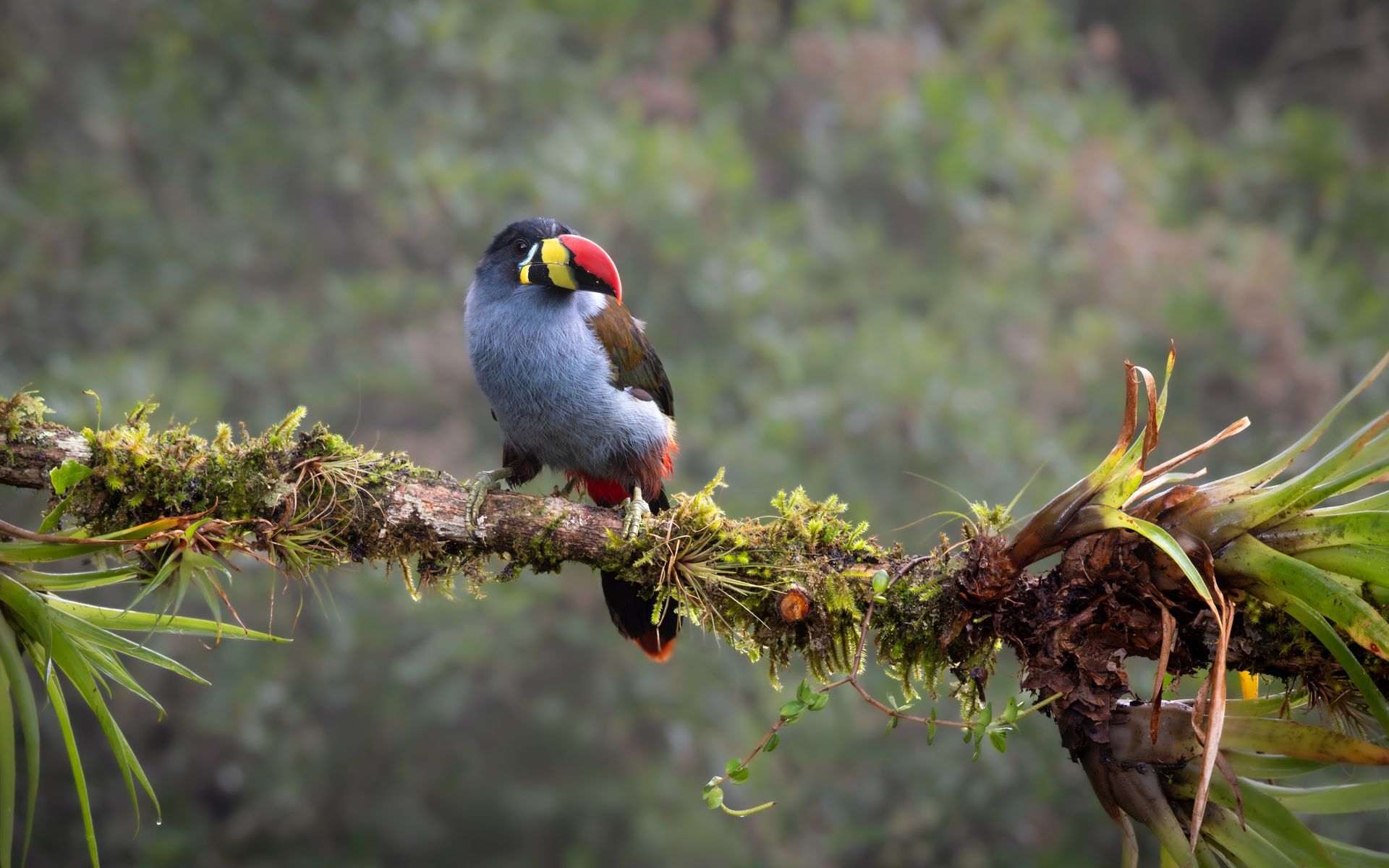
For a serious photographer, success is not measured only by a species list. A trip can produce a new endemic, but if the bird was backlit, distant, and obscured by branches, it may not deliver the image you came for. Conversely, an afternoon spent with a familiar tanager at eye level in soft cloud-forest light can result in a portfolio frame that stays with you for years.
Private expedition outcomes should be evaluated across several layers: meaningful encounters, photographic quality, field comfort, safety, and the experience of traveling responsibly through remarkable landscapes. These layers influence one another. A rushed route reduces time for light and behavior. Poorly chosen lodging can turn pre-dawn starts into long drives. A guide who understands the local ecology can recognize when a flowering tree, fruiting fig, river level, or breeding cycle shifts the odds in your favor.
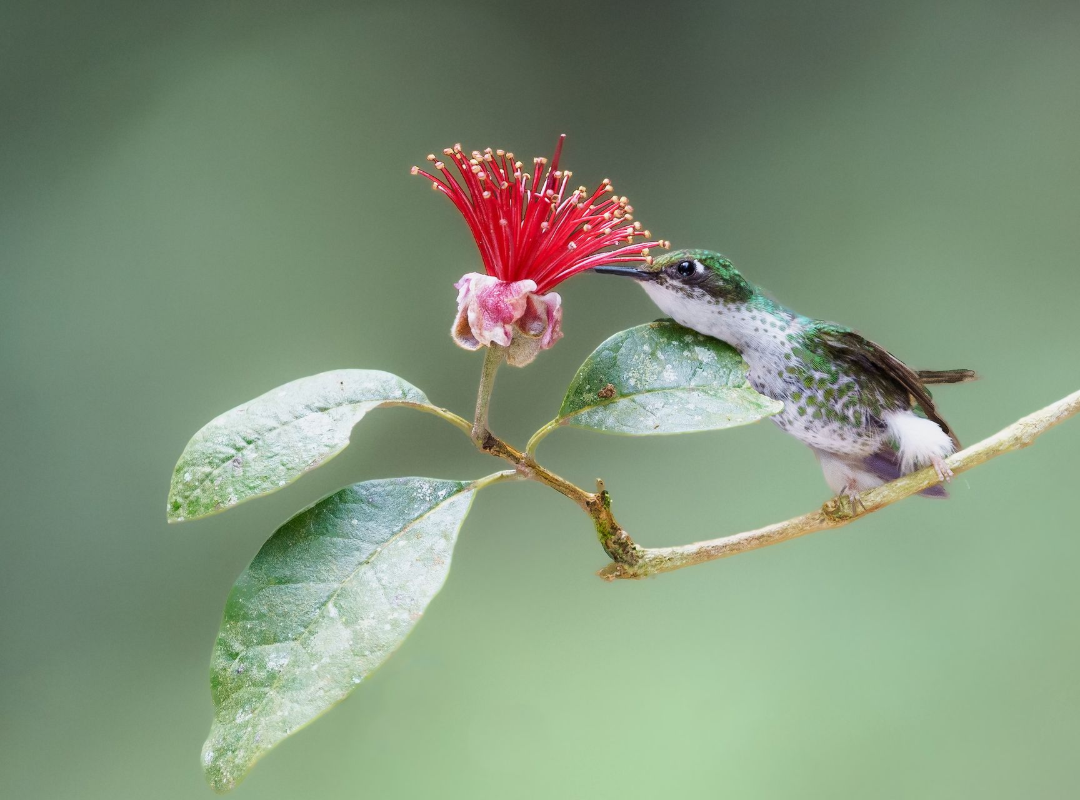
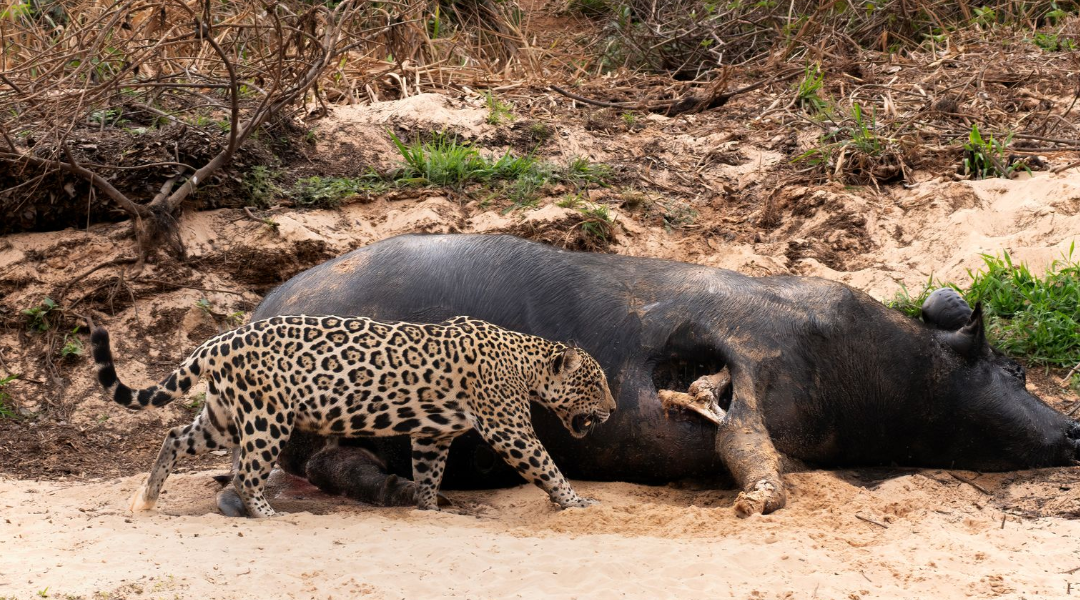
The most rewarding private trips are built around a realistic photographic intention. Perhaps you want clean hummingbird portraits in the Central Andes, a patient search for Spectacled Bears in high-elevation grasslands, or dramatic low-angle jaguar photographs from a stable boat in the Pantanal. Each goal calls for a different operational rhythm, equipment plan, and tolerance for weather, walking, or time in remote areas.
The Variables That Change the Result
Time is your greatest creative advantage
A fixed group departure must keep moving. A private itinerary can stay longer when a location is producing, return to a promising site under better light, or build a second morning around a subject that deserves more attention. This is especially valuable for bird photography, where wind, fog, rain, and the activity of a single fruiting tree can change the entire day.
More time does not automatically mean more photographs. It needs to be placed deliberately. Three unhurried mornings at an Andean lodge may outperform a hurried circuit of five sites, particularly when your objective is frame-filling images rather than a long checklist. For difficult species, extra days create resilience. A storm, a trail closure, or an uncharacteristically quiet morning becomes a manageable setback instead of the end of the opportunity.
Timing is equally specific. Some destinations shine during migration, while others are most productive during flowering periods, dry-season concentration, nesting activity, or seasonal water levels. Colombia's extraordinary elevation range means conditions can vary dramatically within a single route. A photographer may begin before sunrise in cool cloud forest and finish the afternoon in humid lowland forest. Matching the itinerary to the season, not just to a convenient vacation window, is one of the most practical ways to improve results.
Access must be earned and handled with care
The finest photography locations are not always the most obvious ones on a map. Productive reserves, private land, community-managed forests, river routes, and local feeding stations depend on relationships built over time. Good access is not simply a shortcut to a rare bird. It is a shared responsibility between visitors, guides, and the people who care for the landscape.
Ethical practice protects both the subject and the future of the location. That means keeping a respectful distance, avoiding disturbance at nests, limiting playback, following site rules, and never pushing an animal to provide a better pose. It can mean accepting that a bird stays behind vegetation or that a mammal moves away before the ideal image appears. Those are not failures. They are part of photographing wildlife honestly.
When tourism revenue supports local guides, family-run lodges, reserve staff, and community conservation, photography can help make intact habitat more valuable than its alternatives. This matters in remote regions where healthy forest, wetlands, and traditional knowledge are central to the wildlife experience. The photograph gains meaning when the way it was made helps sustain the place behind it.
Field logistics shape the images you can make
Photographers often focus first on the camera body and long lens. Those matter, but a well-organized expedition can be just as decisive. Reliable transport gets you to the trailhead before first light. A boat with stable seating and experienced drivers supports long sessions with river wildlife. A lodge close to the target area gives you a chance to return after lunch when bird activity rises again.
Comfort is not an indulgence when it protects field performance. A dry place to recharge batteries, a sensible baggage plan for 400mm-plus lenses, meals timed around productive light, and realistic transfer days all preserve energy. In humid forest, rain covers, lens cloths, and breathable layers are essential. At higher elevations, warm clothing and a patient adjustment to altitude can make the difference between enjoying a dawn session and cutting it short.
Private travel also lets you decide where to place the trade-offs. Some photographers prefer simple accommodations in exchange for deeper access to a remote endemic. Others need a higher level of comfort, shorter walks, or a dedicated vehicle arrangement. Neither approach is less committed to photography. The right choice is the one that lets you work at your best.
Designing Better Private Expedition Outcomes
The planning conversation should begin with images, not destinations. Share the subjects that matter most, but also describe the kind of photograph you hope to create. Do you want perched portraits, environmental compositions, flight images, behavior, or a broad collection of species? Do you work comfortably from a boat? Are you willing to use a blind, hike on uneven trails, or wait quietly for several hours? These details turn a general wish list into a workable plan.
It also helps to separate priorities into primary targets and welcome surprises. A private expedition centered on one difficult bird or mammal needs contingency time and an acceptance that the animal may not cooperate. Adding nearby subjects with strong photographic potential creates a fuller experience without diluting the main goal. A day searching for an elusive antpitta, for example, can still include dazzling tanagers, mixed flocks, orchids, frogs, and forest atmosphere.
Retorno Photo Tours plans private journeys with this field reality in mind, combining local natural history knowledge with route coordination that keeps photographers focused on the opportunity in front of them. The best itinerary is not the one with the most stops. It is the one where every stop has a purpose.
Expertise changes how a day unfolds
A specialist guide is not there merely to identify species after they appear. The guide reads the day: a call from the canopy, a fresh track beside the trail, a change in wind, the sudden silence that can signal a raptor nearby. In species-rich habitats, this interpretation directs attention toward moments that visitors might otherwise miss.
Photographic guidance matters too. Sometimes the correct move is to wait, lower the tripod, shift a few feet to clean up the background, or stop shooting altogether until the animal relaxes. A guide who knows both natural history and field photography can help protect the encounter while improving the composition.
There are limits. No responsible operator can guarantee a jaguar, Harpy Eagle, or a particular endemic on command. Weather can ground flights, heavy rain can alter trails, and wildlife follows its own priorities. But expert planning can increase the number of good decisions surrounding those uncertain moments. Over a multi-day expedition, that difference becomes substantial.
Bring a Photographer's Patience, Not a Checklist Mentality
The strongest private expeditions leave room for wonder. You may travel for a single iconic species and remember instead the dawn chorus above a cloud-forest ridge, a troop of monkeys crossing the canopy, or the welcome at a rural lodge where your visit supports families protecting the surrounding habitat.
Come prepared with clear targets, a flexible attitude, and enough time to let a place reveal itself. When access, ethics, timing, and patient fieldwork align, the result is more than a successful image. It is a photograph with a real story of where you stood, who helped you get there, and why that wild place deserves to endure.