
9 Best Colombian Bird Hides for Photographers
Best Photo Hides.
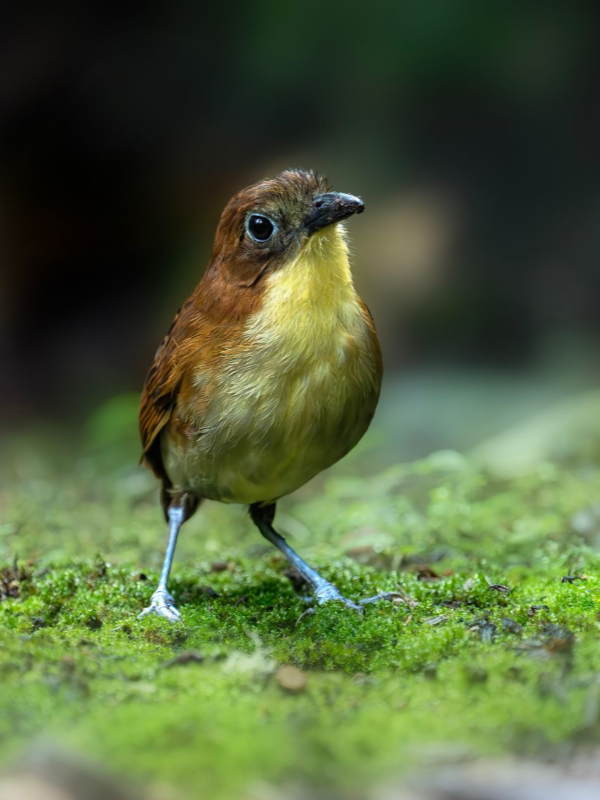
A Chestnut-naped Antpitta steps onto a mossy log just meters from your lens. A flash of violet and green announces a hummingbird at eye level. These are the moments that make the best Colombian bird hides so compelling: not just a long species list, but controlled, respectful photographic opportunities in one of the planet’s richest bird countries.
Colombia has more bird species than any other country, and its photographic hides range from simple forest stations maintained by rural families to purpose-built blinds at specialist lodges. The right choice depends on your target species, tolerance for low light, preferred working distance, and willingness to travel into remote terrain. A hide can deliver exceptional frame-filling images, but it is not a shortcut around fieldcraft. Light changes, birds arrive on their own schedule, and the best results come from patience and a guide who understands the location.
What Makes a Colombian Bird Hide Worth the Trip?
For serious photographers, a productive hide offers more than proximity. Look for clean backgrounds, natural perches positioned at believable angles, enough room to work a long lens, and a setup that does not crowd birds or interfere with their normal movement. In the cloud forest, covered blinds are especially valuable. Rain is part of the experience, and a dry working position can turn a difficult morning into a productive one.
The strongest locations are also rooted in local stewardship. Many of Colombia’s memorable bird photography sites are run by families and communities whose income gives standing forest a practical value. Your visit supports the people protecting habitat for antpittas, tanagers, macaws, and countless less celebrated species.
9 of the Best Colombian Bird Hides
1. Río Blanco Antpitta Stations, Central Andes
Near Manizales, Río Blanco is one of Colombia’s classic stops for close-range antpitta photography. Several species can appear at carefully managed feeding stations, including Chestnut-naped, Brown-banded, Slate-crowned, and occasionally Bicolored Antpittas. The setting is humid, dark, and deeply green, with mossy forest textures that suit these elusive ground birds.
This is not a place to bring only a huge super-telephoto and expect constant action. A 300mm to 500mm lens is often more flexible at close distance, while a fast aperture helps in the dim understory. Expect high ISO files and embrace the atmosphere rather than chasing a clinical white-background look.
2. El Dorado Reserve, Sierra Nevada de Santa Marta
El Dorado is a photographer’s dream for regional endemics. Its feeders and forest-edge setups can produce Santa Marta Brushfinch, Santa Marta Mountain-Tanager, White-tailed Starfrontlet, Santa Marta Blossomcrown, and other birds found nowhere else on Earth.
The value here is not merely a hide session. It is the concentration of high-value subjects around a well-established reserve, from feeder photography to forest walks and dawn soundscapes. Weather can shift quickly, and mountain travel requires sensible pacing, but the chance to photograph Santa Marta specialties makes this a priority for many international birders.
3. La Minga, Southwestern Andes
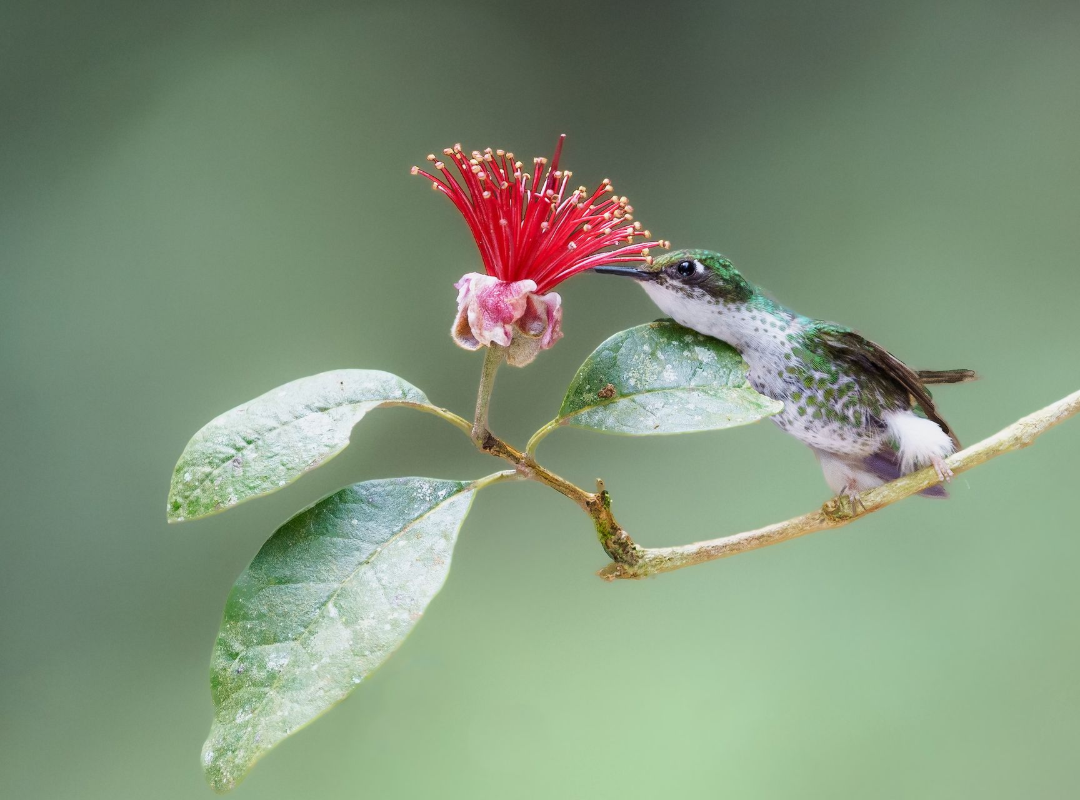
La Minga, in the mountains near Cali, has earned a strong reputation among hummingbird photographers. Feeders attract a rich mix of glittering species, and the surrounding forest can produce tanagers, toucanets, and other Andean birds. Thoughtful perch management allows images that feel more natural than standard feeder frames.
A fast shutter speed is essential here. Start around 1/2000 second for perched hummingbirds in active conditions, and go higher if you want wing detail. Bring spare batteries, rain protection, and a willingness to work quickly as light moves through the canopy.
4. Montezuma Road and Tatamá Cloud Forest
The Montezuma area in the western Andes is famous for its extraordinary concentration of Chocó-region birds. While much of the experience is mobile bird photography along forest roads and trails, local feeder stations and sheltered setups can provide close opportunities for tanagers, hummingbirds, wood-quail, and other cloud forest specialties.
This is a destination where logistics matter. Roads can be rough, rain is frequent, and the best photographic windows may be brief. Yet the payoff is exceptional: an intensely biodiverse forest with species that are difficult to find elsewhere in Colombia. A local team that knows access conditions can make a major difference to your field time.
5. Jardín Cock-of-the-Rock Lek
The Andean Cock-of-the-Rock is one of those birds that seems designed for a photographer’s portfolio. Near Jardín, a community-supported lek offers the chance to photograph males as they display their brilliant orange plumage in the early morning.
The key trade-off is light. Leks are often shaded, so the bird’s vivid color can fool your meter and lead to clipped highlights or muddy shadows. Expose carefully, shoot bursts during display activity, and use a quiet shutter mode when possible. Respect the viewing rules at all times - display behavior is the reason the site exists.
6. Anchicayá, Western Colombia
Anchicayá is another powerful Chocó-region option, particularly for hummingbirds and tanagers. At well-managed private stations, photographers can work from cover while birds visit feeders and carefully selected perches. The species mix can be spectacular, with colorful tanagers, barbets, toucans, and hummingbirds appearing in rapid succession.
It is ideal for photographers who want variety rather than a single marquee bird. A zoom lens can be useful alongside a prime because distances and subjects change constantly. The wet conditions are real, so a rain cover and microfiber cloths should stay within reach all day.
7. Finca Alejandría and the Jardín Highlands
The hills around Jardín offer a satisfying combination of hummingbird stations, scenic coffee-country landscapes, and accessible forest birding. Finca Alejandría is particularly known for feeders where hummingbirds, tanagers, and other colorful species can be photographed at close range.
This is a good choice when you want a gentler introduction to Colombian bird photography without compromising on quality. It pairs naturally with the Cock-of-the-Rock lek and allows time to refine technique before moving into more demanding cloud forest environments.
8. Río Ñambí and the Nariño Foothills
Río Ñambí Reserve protects lowland and foothill rainforest in southwestern Colombia, where humid forest supports a remarkable mix of Pacific-slope birds. Feeders and forest-edge setups may attract large, colorful species, while the surrounding trails hold more elusive subjects.
Photographers should come prepared for true rainforest conditions: warm temperatures, heavy humidity, insects, and unpredictable rain. The reward is a different visual world from the high Andes - broader leaves, darker backgrounds, and species with a distinctly tropical character.
9. Hato La Aurora and the Llanos
Not every excellent hide in Colombia sits beneath cloud forest. In the Llanos, wildlife observation towers, covered viewing points, and carefully approached water-edge positions can offer compelling bird photography alongside broader wildlife encounters. Jabirus, herons, kingfishers, whistling-ducks, and raptors share the landscape with capybaras, caimans, and, with luck, giant anteaters.
The photographic challenge is different: brighter light, open horizons, heat haze, and subjects at varied distances. A 500mm or 600mm lens is valuable, but a second body with a shorter lens helps when a large bird flies close or a dramatic landscape suddenly matters.
How to Choose the Right Hide Experience
Start with your priority species. If endemic hummingbirds are the goal, the Santa Marta mountains and southwestern Andes deserve attention. If you want intimate portraits of secretive forest birds, Río Blanco is hard to overlook. For an ambitious mix of Chocó specialties and rainforest atmosphere, Montezuma and Anchicayá are stronger choices, though they demand more tolerance for wet weather and changing road conditions.
Also consider the images you actually want to make. Feeders can produce clean, colorful portraits and high action, but natural perches, forest behavior, and habitat-rich frames require more patience. Ask whether perches are rotated, whether flash is used or permitted, how many photographers share the blind, and whether the operation limits disturbance around display sites and nesting areas.
A well-designed itinerary usually combines hides with active field photography. Colombia’s most exciting birds do not all visit stations. Mixed flocks, canopy species, dawn leks, and roadside encounters often create the images that feel most personal.
Prepare for the Conditions, Not Just the Species
Bring weather protection for both yourself and your equipment. A rain cover, dry bags, lens cloths, spare batteries, and a lightweight tripod or gimbal are practical essentials. In close hide settings, a 100-400mm or 200-500mm lens can be as useful as a 600mm prime. In darker forest, prioritize a body with dependable high-ISO performance and learn to work with motion blur when it adds life to the frame.
Traveling with a specialist operator such as Retorno Photo Tours can remove much of the uncertainty around access, timing, secure transport, and regional conditions. More importantly, it helps ensure that time in the field serves both your photographic goals and the communities safeguarding these remarkable places.
The finest Colombian hide is the one that gives you a meaningful encounter while leaving the bird, the forest, and the people who care for it better supported. Arrive ready for rain, slow mornings, and unexpected magic - Colombia rarely rewards a rigid shot list, but it often exceeds it.
Ready to photograph Colombia?
Join us on a bird or wildlife photography tour designed around great photography, special locations, and unique experiences in Colombia.
Explore our upcoming tours:
www.retornophototours.com
Have a question or want to plan a private tour?
Email us at
dcasas@retornophototours.com
WhatsApp: +57 305298600
Let’s plan your next photography adventure in Colombia.
—
David Casas
Founder & Director | Retorno Photo Tours
Bird & Wildlife Photography Tours in Colombia
Scheduled Tours
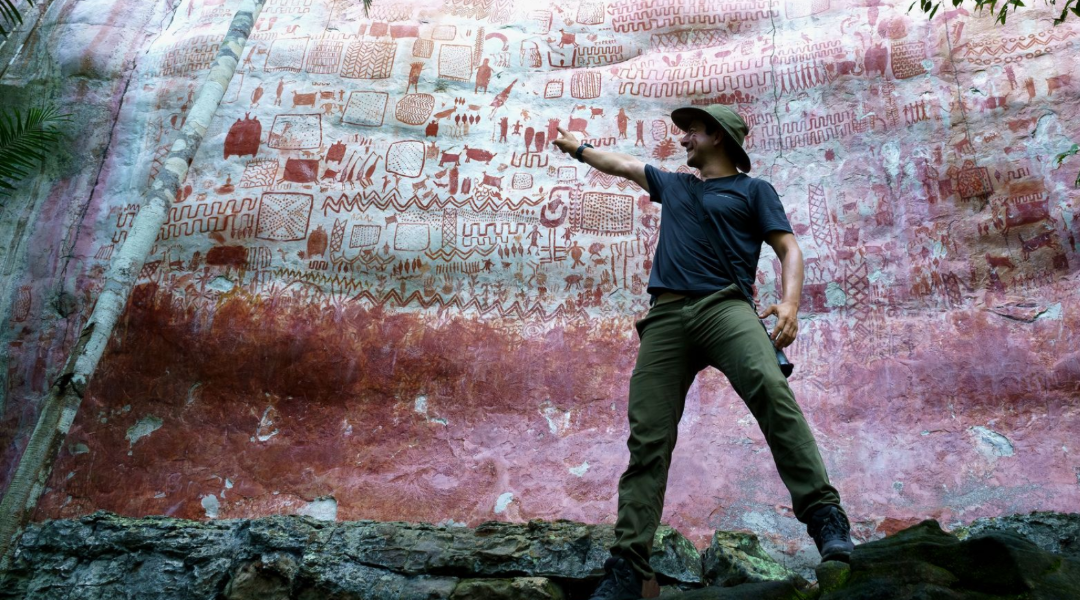
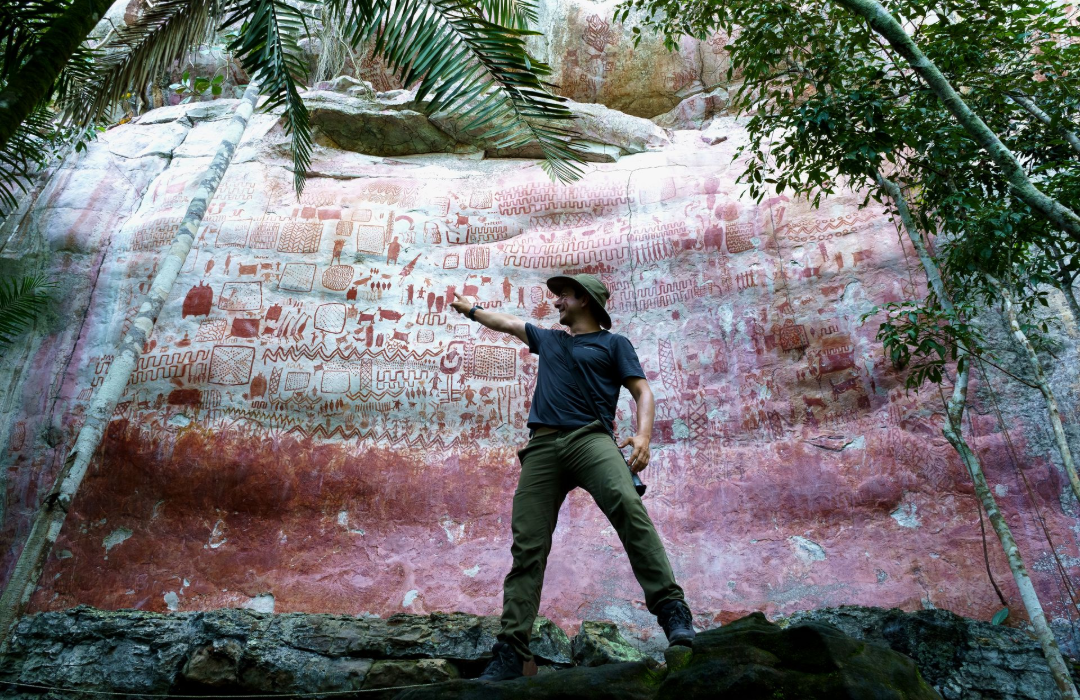
The road to Chiribiquete, Colombia's Western Amazon.
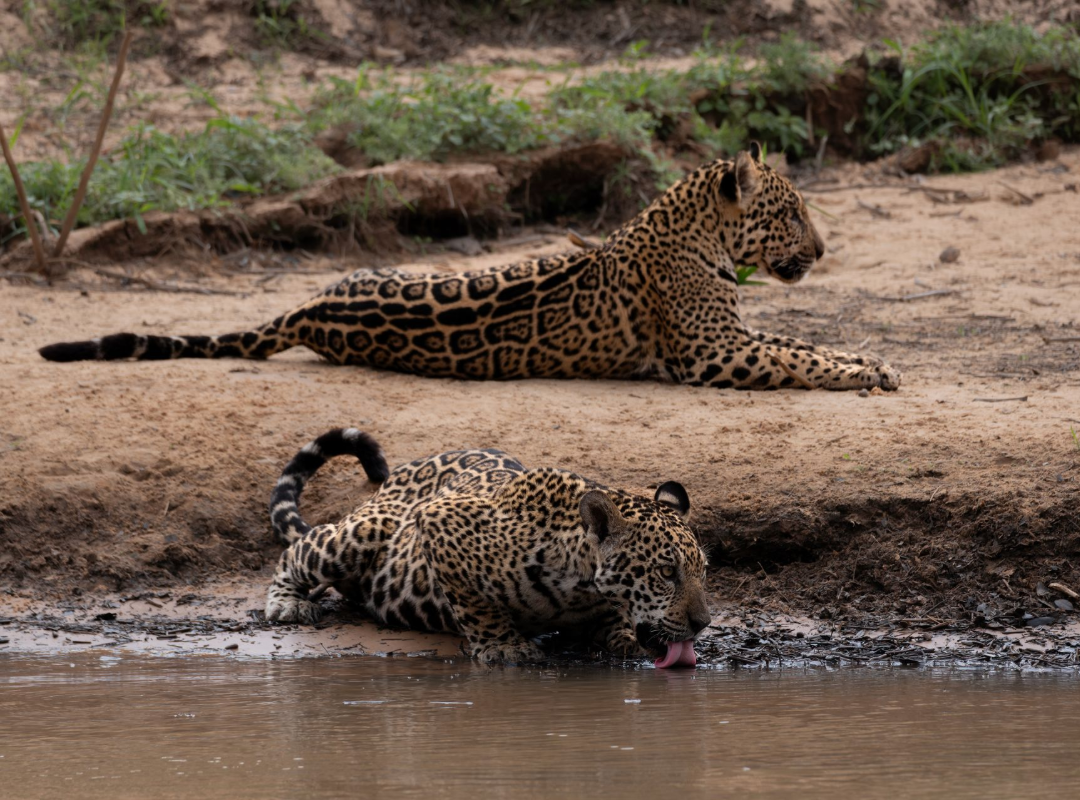
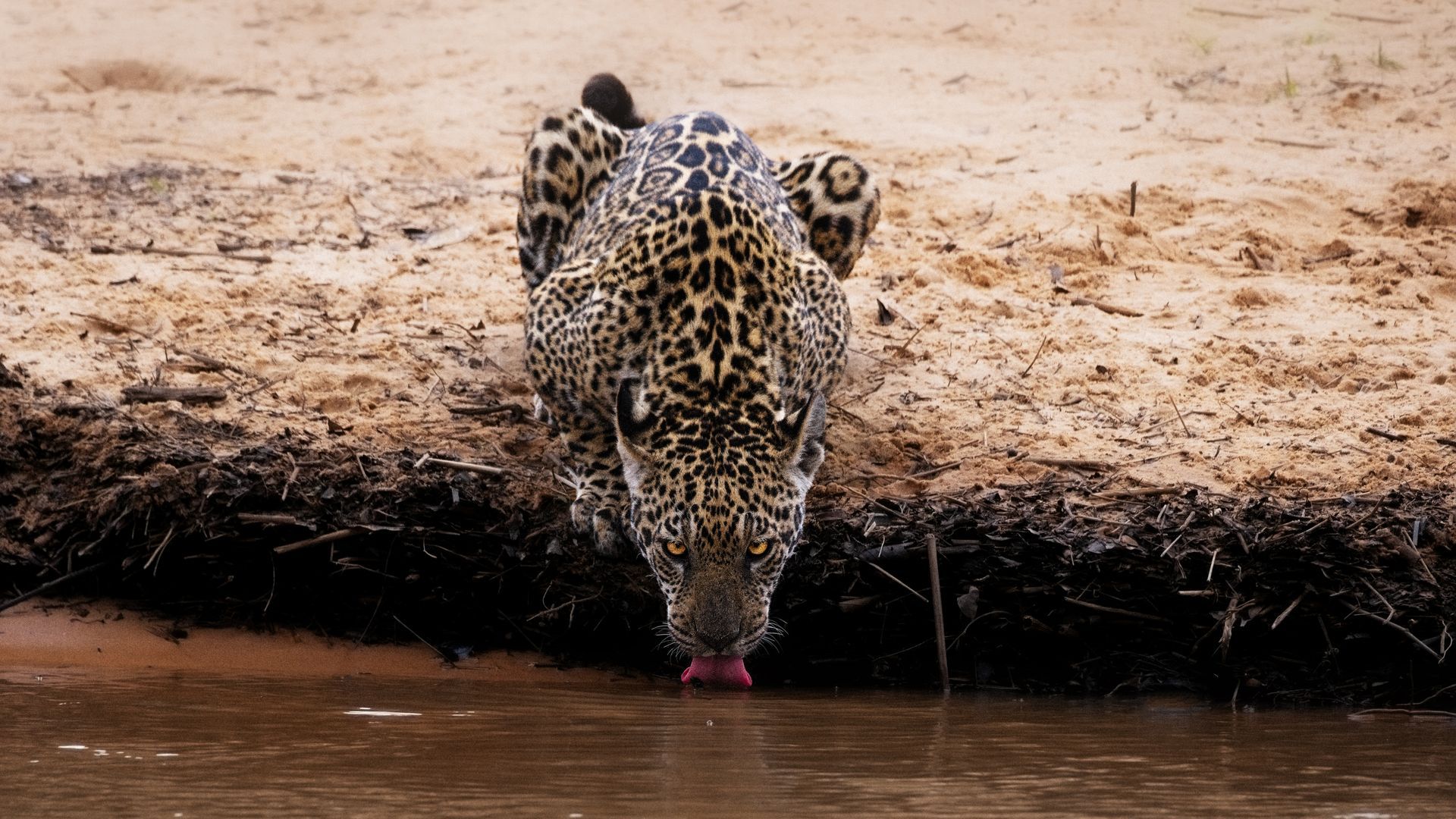
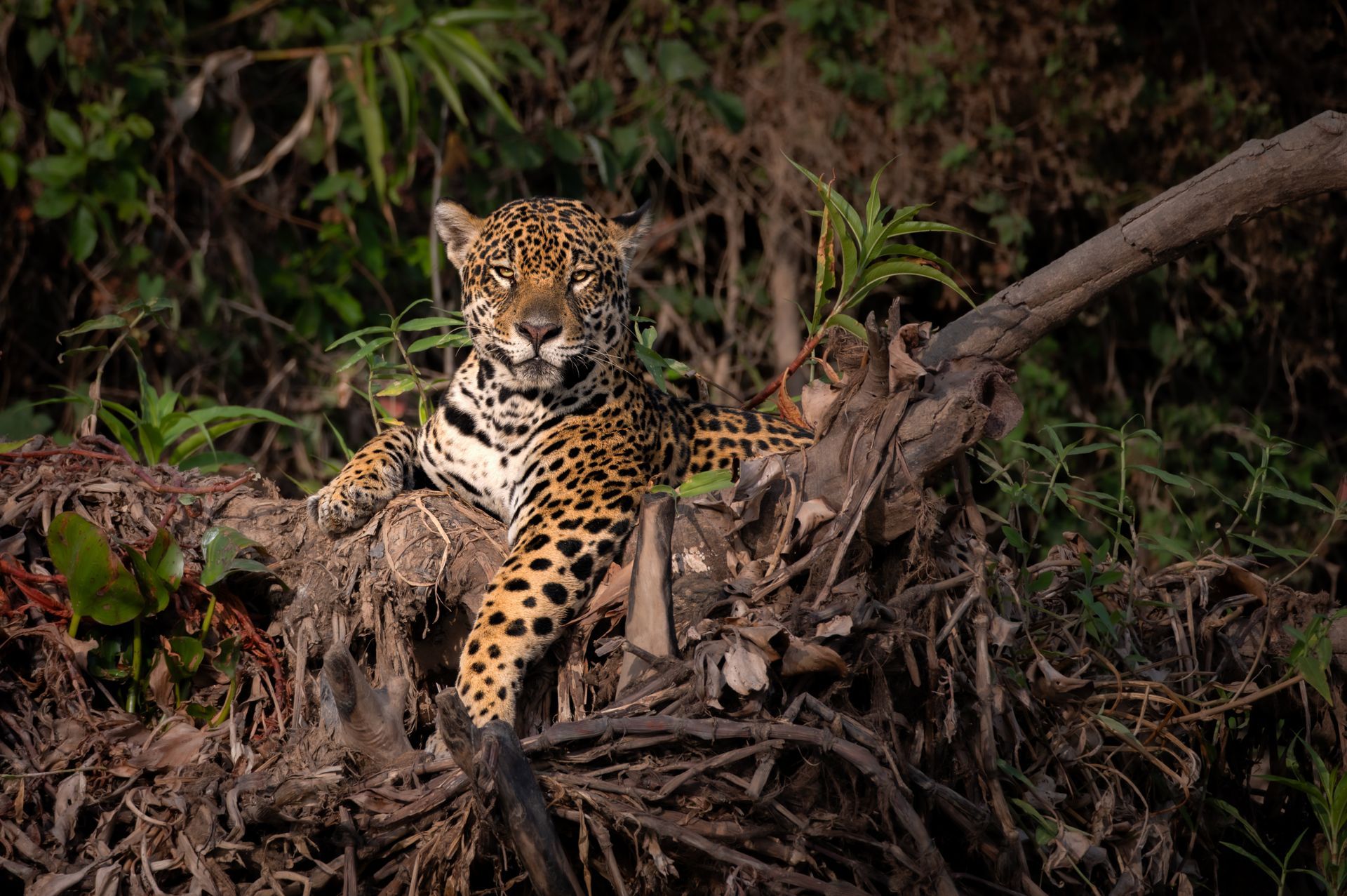
Jaguars Safari, Pantanal - Brazil.
Amazon's Guiana Shield Specialties. Mitu-Vaupes.
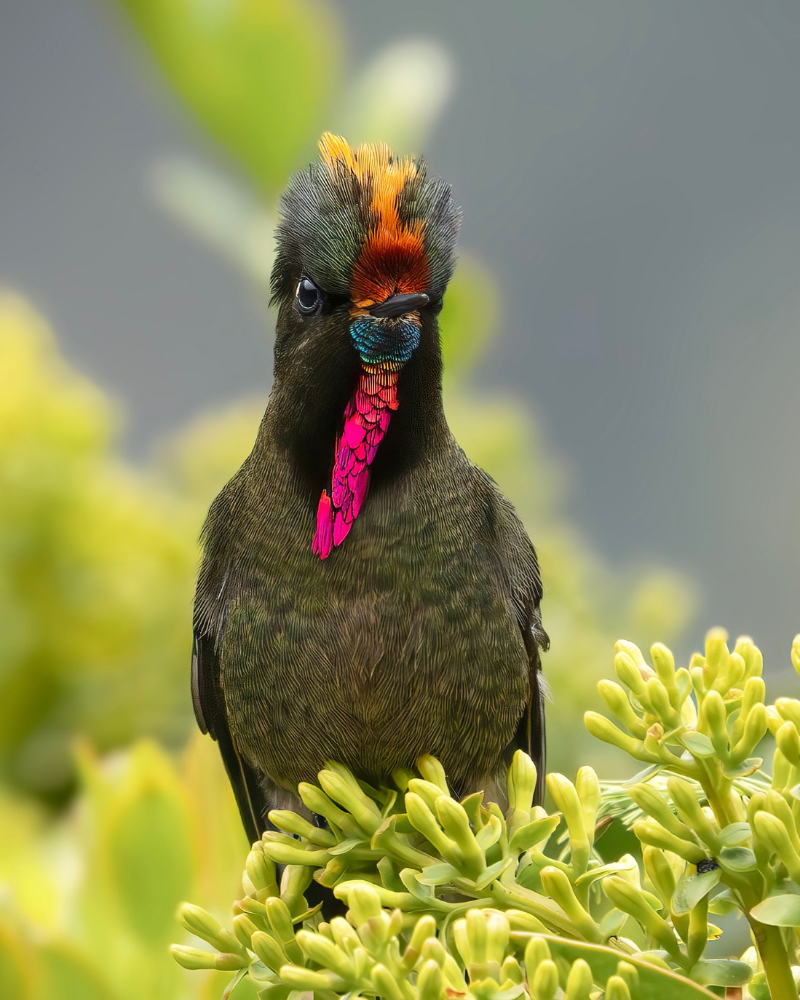
Emblematic Birds Photo Tour, Coffee Triangle.