
Capturing Colombia’s Wildlife at Photo Hides
Best Photo Hides for Bird and Wildlife Photography
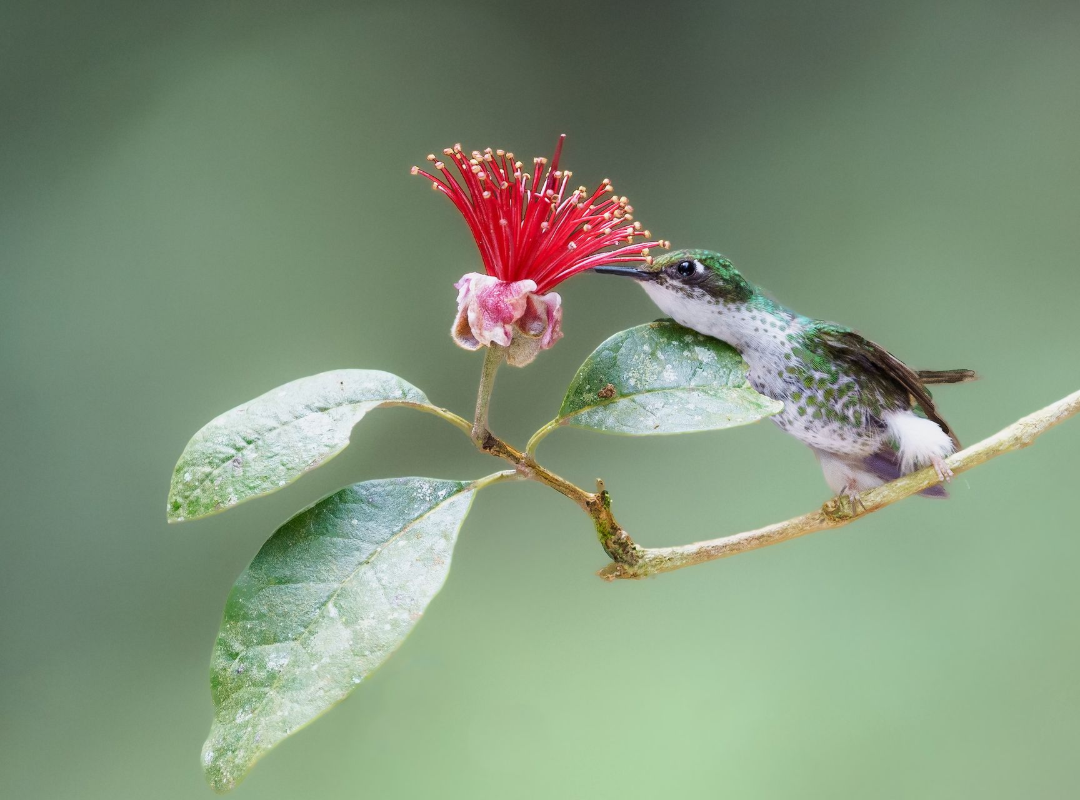
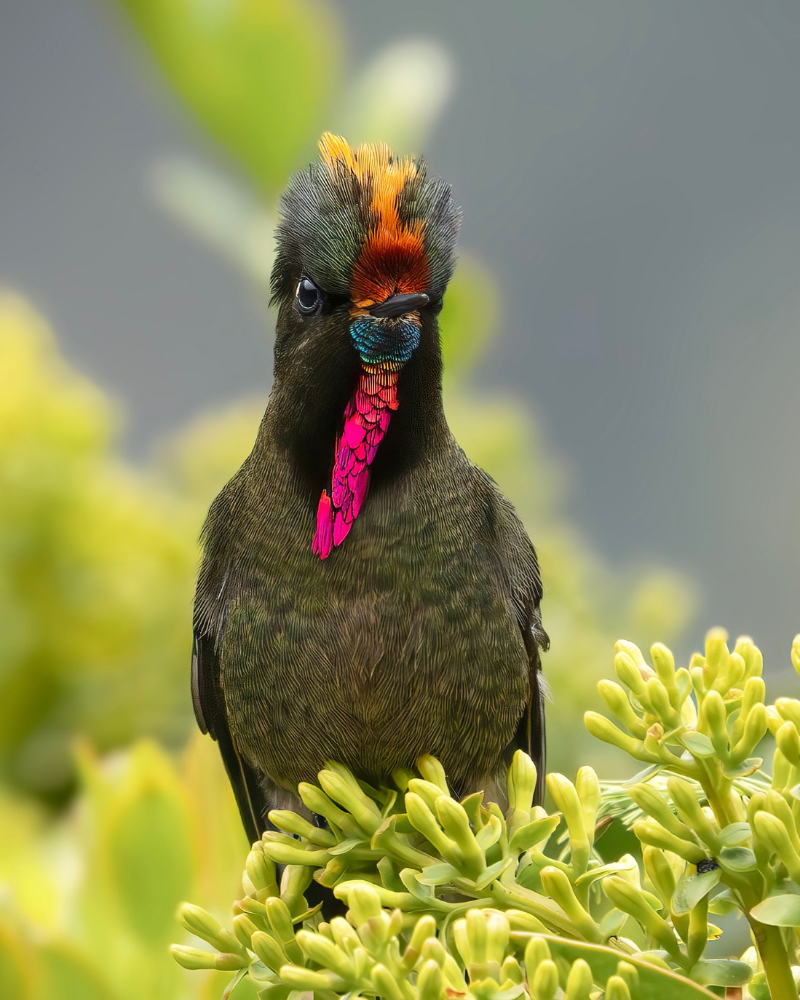
A hummingbird hangs motionless for a fraction of a second, its gorget catching the first clean light of morning. Across the clearing, a Chestnut-crested Cotinga lands on a mossy branch. These are the moments that make capturing Colombia’s wildlife: a guide to the country’s best photo hides more than a search for locations. It is about putting yourself in the right habitat, at the right hour, with enough time for a wild subject to behave naturally.
Colombia’s immense variety is its photographic advantage and its logistical challenge. A productive hide in cloud forest can be a short flight and a long mountain drive from a lowland wetland where jabirus, capybaras, and caimans gather. Conditions change quickly with elevation, rainfall, and season. The finest results come from a considered itinerary, not from trying to photograph every region in one rushed trip.
Why Colombia’s photo hides are different
A photo hide is not always a wooden structure with viewing windows. In Colombia, it may be a purpose-built blind beside a forest pool, a covered photographic station at a hummingbird garden, a concealed position overlooking a fruiting tree, or a carefully managed feeding area for elusive antpittas. The format depends on the species and the ecosystem.
That diversity gives photographers options. A forest hide can offer controlled backgrounds and close working distances for small birds. A wetland platform may place you at eye level with waders in golden light. A vehicle used as a mobile blind in the Llanos can allow close, low-impact encounters with larger mammals and birds that have become accustomed to responsible tourism.
The trade-off is that hides are not a shortcut to wildlife photography. They improve opportunity, light, and composition, but they still require patience. A target bird may arrive for three seconds or remain hidden through an entire morning. Weather may soften the light beautifully, or it may send the forest into a dark, dripping pause. Build enough time into each location to let the habitat work.
Capturing Colombia’s wildlife through the right hides
Andean hummingbird and tanager stations
The Colombian Andes are among the world’s great destinations for close-range bird photography. Private reserves, rural lodges, and community-run properties often maintain carefully positioned hummingbird feeders and natural perches where cloud forest species can be photographed against clean, leafy backgrounds.
This is the place for dazzling subjects such as Long-tailed Sylphs, booted racket-tails, mountain-tanagers, toucanets, and a remarkable variety of flowerpiercers. The exact species change dramatically from one slope to another. A hide near Bogotá’s high-elevation forests produces a different visual story from the coffee-region Andes or the western cordillera.
For hummingbirds, flash can be useful when operated thoughtfully. Multiple low-power flashes can freeze wing movement while preserving a natural-looking background, but the setup needs to be managed with care. Some photographers prefer available light and slower shutter speeds for a sense of movement. Neither approach is universally better. It depends on your portfolio goals, your comfort with flash, and the rules of the site.
Antpitta and forest-floor hides
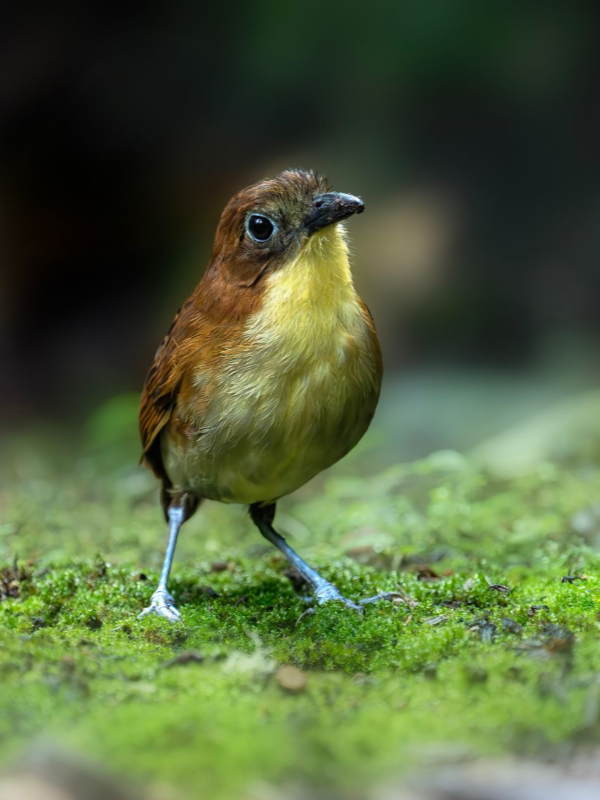
Antpittas are among Colombia’s most sought-after birds because they are charismatic, often localized, and famously difficult to photograph in the open forest. At a small number of established locations, guides work from fixed, respectful positions where birds may appear along clear trails or natural feeding stations.
These sessions reward a different technique than hummingbird photography. Light is usually low, backgrounds are close, and birds may move through leaf litter rather than perch in the open. A fast 400mm or 500mm lens is excellent, but a 100-400mm or 200-600mm zoom can be more flexible when a bird approaches unexpectedly. Bring a rain cover, a small ground cloth, and quiet clothing. Forest-floor photography is often damp, slow, and completely worth it.
The ethical standard matters especially here. Avoid sites that crowd birds, alter habitat aggressively, or prioritize a checklist over animal welfare. A good operation limits disturbance, keeps people quiet, and treats a photographic opportunity as a privilege rather than a performance.
Chocó forest feeding and canopy opportunities
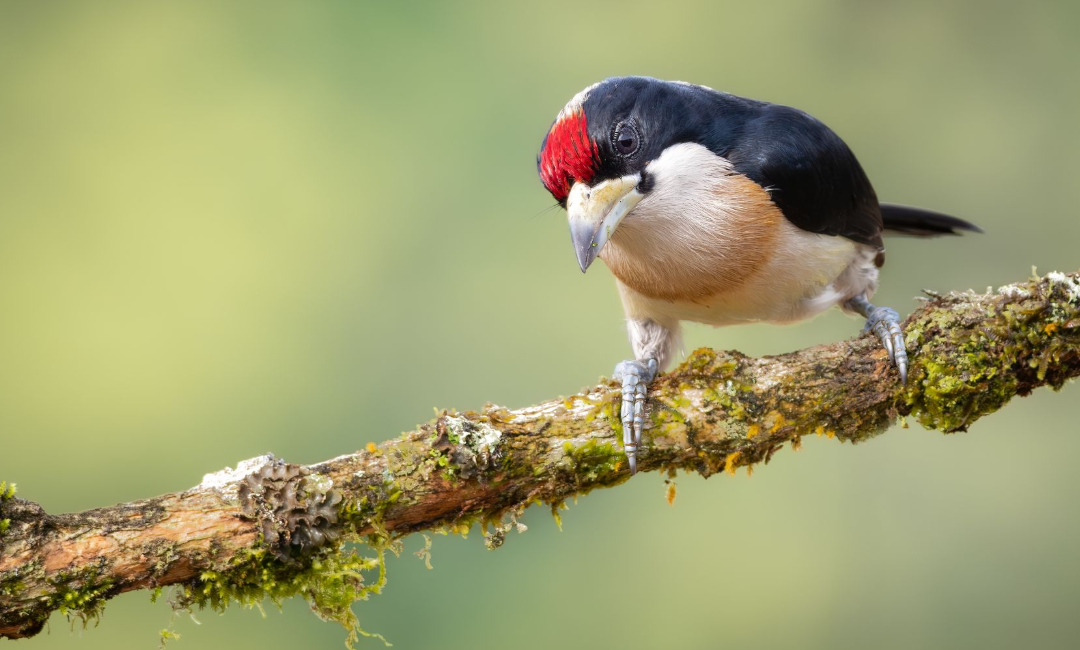
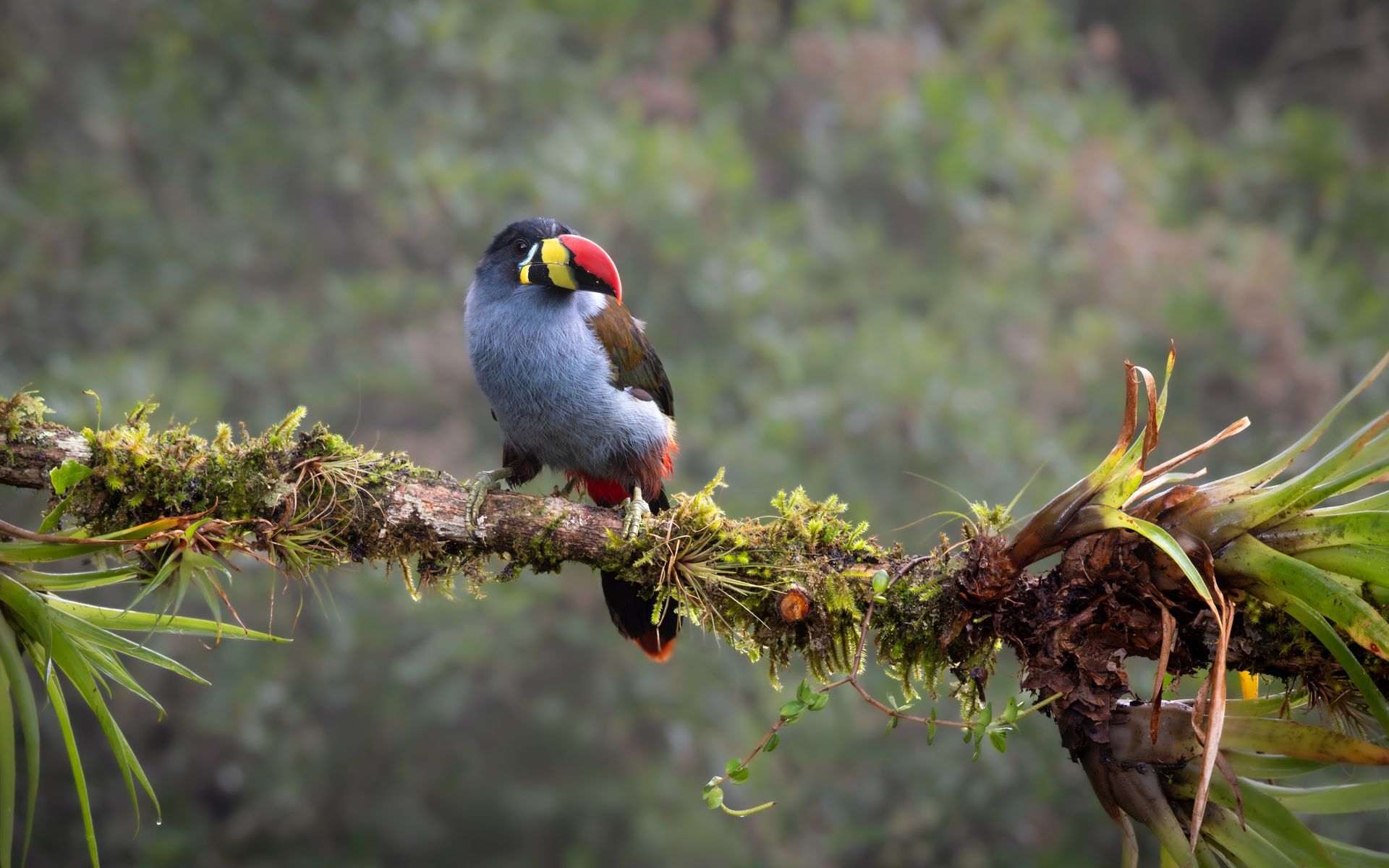
Colombia’s Chocó region holds some of the planet’s highest biodiversity, along with heavy rain, dense vegetation, and challenging access. Well-sited photographic stations can make this extraordinary forest more workable for serious photographers, particularly for tanagers, toucans, barbets, and other colorful Chocó specialties.
Expect humidity, muddy trails, and fast-changing weather. The reward is a lush visual world: saturated green foliage, moss-covered perches, and birds that can look almost unreal in soft cloud-forest light. Keep silica gel packets in your camera bag, carry a microfiber cloth in a pocket, and give cold equipment time to acclimate before removing it in humid conditions.
A hide in this region is most productive when you resist the urge to constantly check the back of your camera. Watch the approaches, learn the preferred perches, and anticipate the frame. Many of the strongest images happen just before or after the obvious moment, when a bird stretches, turns, calls, or reacts to another species arriving nearby.
Llanos wetlands and open-country blinds
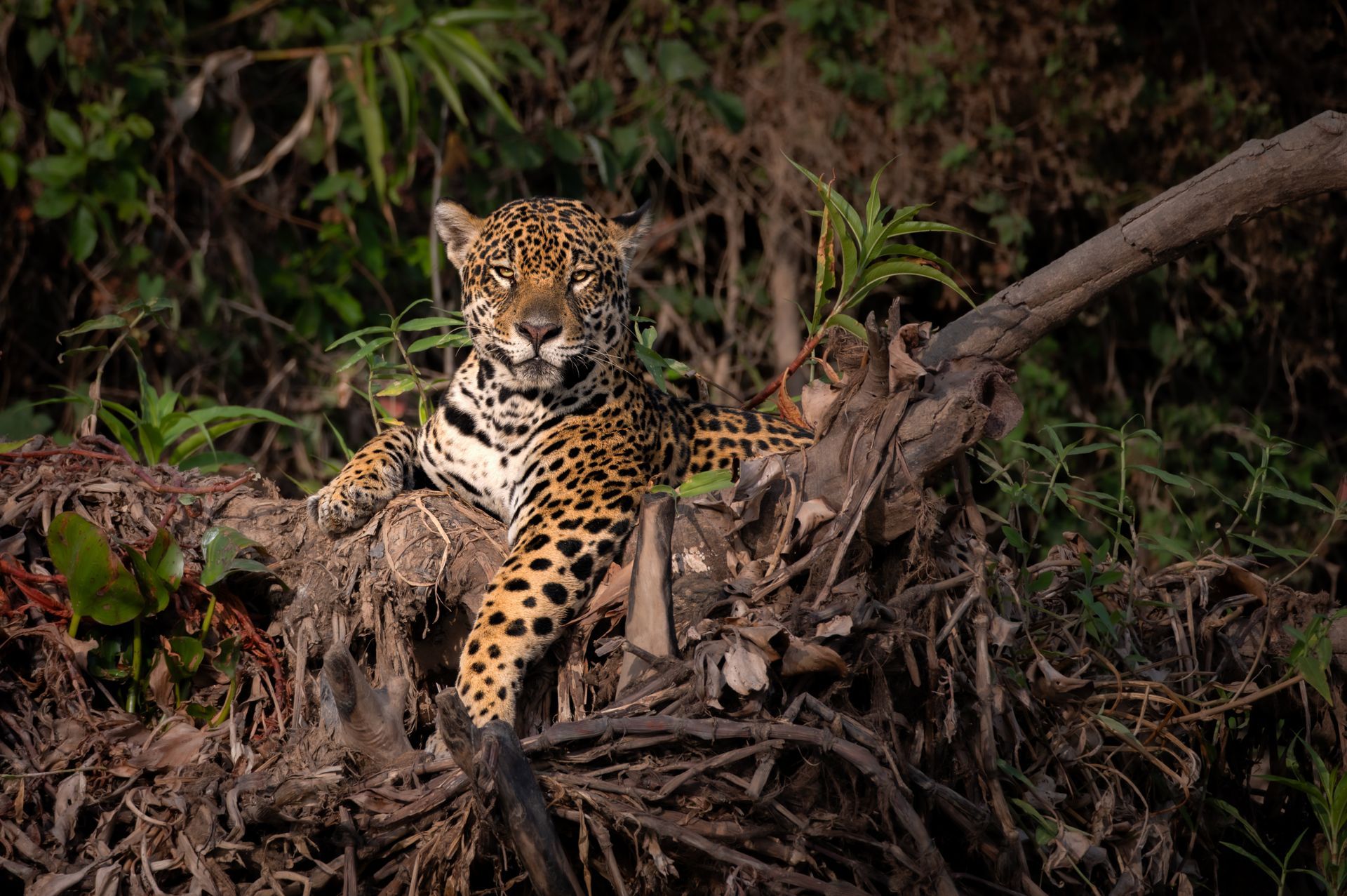
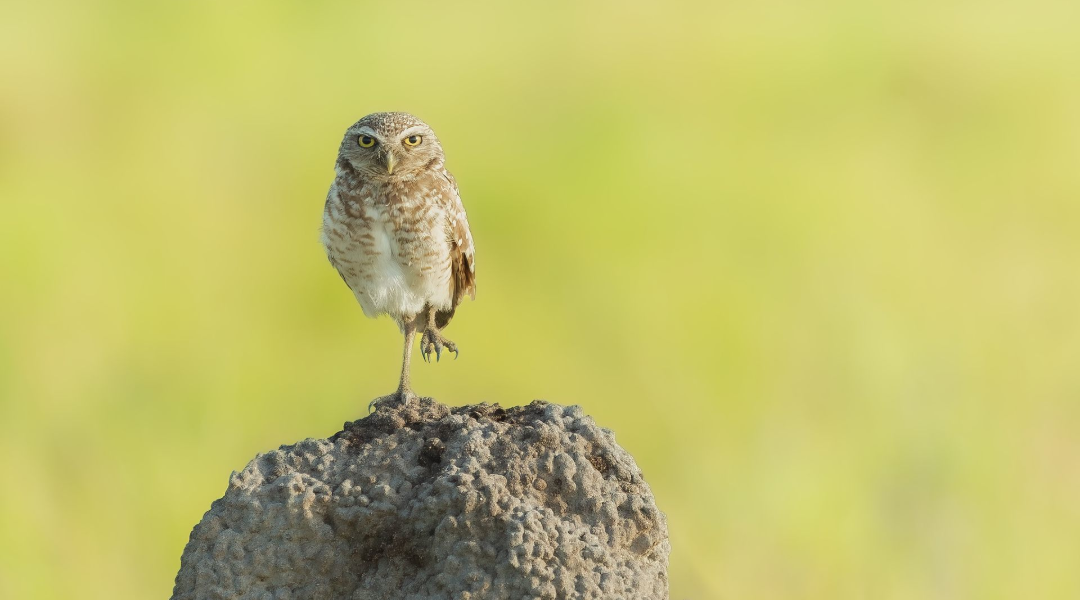
The Llanos offer a different kind of hide photography. Here, broad grasslands, gallery forest, rivers, and seasonal wetlands create space for big scenes as well as intimate portraits. Boat-based and vehicle-based approaches are often more relevant than permanent hides, especially for wildlife such as capybaras, giant anteaters, Orinoco crocodiles, deer, and an exceptional range of waterbirds.
Dry-season conditions can concentrate wildlife around remaining water, creating productive opportunities for herons, ibises, spoonbills, kingfishers, and raptors. In greener, wetter periods, the landscape becomes more expansive and visually dramatic, although animals may be more dispersed. The best timing depends on whether your priority is density of subjects, breeding behavior, landscapes, or a particular mammal.
Long lenses remain essential, but do not leave your mid-range zoom behind. A 70-200mm or 100-400mm lens is often the right choice when a large animal is close, when a flock fills the sky, or when you want to place wildlife within the open savanna. A stable beanbag can be more practical than a tripod in a vehicle.
Amazon river-edge and canopy perspectives
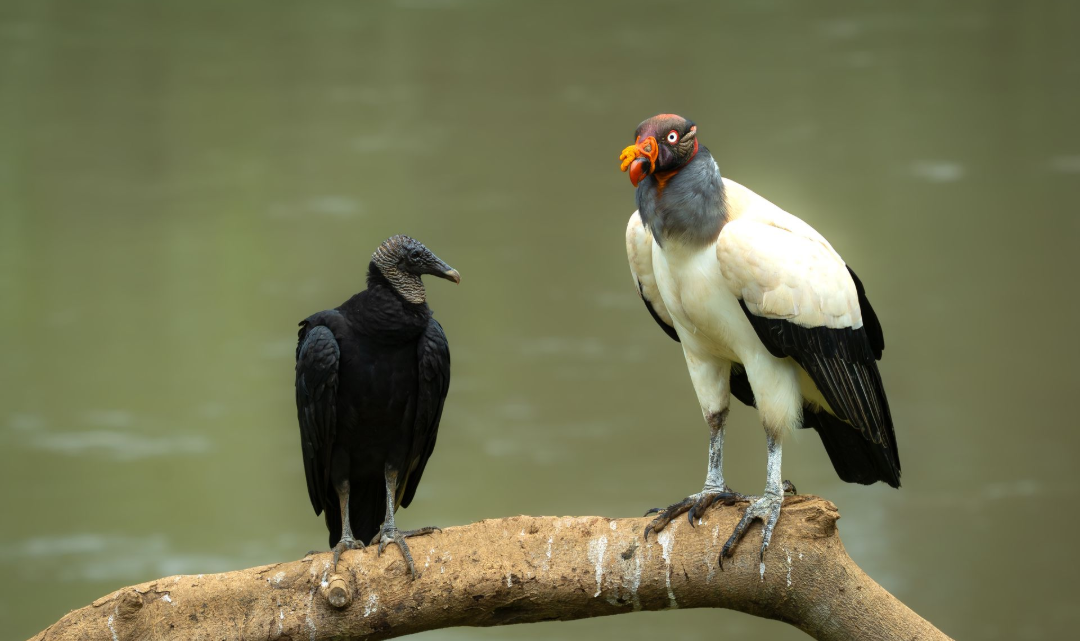
The Colombian Amazon is less predictable than a managed bird station, and that is precisely part of its appeal. River-edge blinds, canopy viewpoints, oxbow lakes, and quiet boat positions can create opportunities for hoatzins, macaws, kingfishers, monkeys, caimans, and, with luck, larger Amazonian mammals.
Here, guides make a meaningful difference. Reading fresh tracks, listening for distant primates, recognizing a fruiting tree, and knowing which channels are navigable are local skills built over time. The goal is not to force an encounter. It is to spend your hours in places where an encounter is genuinely possible.
Gear and field habits that improve your results
Colombia’s hides favor preparation over excess gear. A long telephoto lens is central to most sessions, but the right support system matters just as much. In a fixed hide, a tripod with a gimbal head provides comfort during long waits. In a cramped blind, a monopod or compact tripod may be easier to position. In boats and vehicles, a beanbag is often the most stable option.
Carry spare batteries close to your body in cooler highlands, extra memory cards, lens cloths, rain protection, and a small towel. Dress in layers for the Andes, where a cool dawn can become warm by midday, and choose quick-drying clothing for tropical forests and wetlands. Avoid bright colors and noisy fabrics. They do not just distract wildlife, they distract other photographers sharing a confined space.
Before a session begins, ask about the expected working distance, light direction, perch height, and whether flash is permitted. Set your exposure in advance when possible. For small fast birds, start with a shutter speed that matches the movement, then adjust ISO rather than sacrificing the moment to an overly slow shutter. For a still subject in deep forest, prioritize sharpness and patience over chasing a perfectly low ISO.
Photograph with purpose, not pressure
The best hides in Colombia exist because landowners, guides, and local communities have chosen habitat protection as a viable livelihood. Your visit can support that choice when it is organized responsibly. Stay on designated paths, follow the guide’s instructions, keep voices low, and do not request closer access once an animal has shown signs of stress.
For photographers traveling with Retorno Photo Tours, this local knowledge is part of the experience: matching the season, habitat, and target species to a route that allows enough unhurried field time. The strongest image may be a rare bird on a perfect perch, but the deeper reward is knowing that the encounter happened with respect for the place that made it possible.
Leave room in your schedule for the unexpected. Colombia’s wildlife seldom follows a script, and a quiet hide can suddenly become the frame you traveled across continents to make.
Ready to photograph Colombia?
Join us on a bird or wildlife photography tour designed around great photography, special locations, and unique experiences in Colombia.
Explore our upcoming tours:
www.retornophototours.com
Have a question or want to plan a private tour?
Email us at
dcasas@retornophototours.com
WhatsApp: +57 305298600
Let’s plan your next photography adventure in Colombia.
—
David Casas
Founder & Director | Retorno Photo Tours
Bird & Wildlife Photography Tours in Colombia
Scheduled Tours
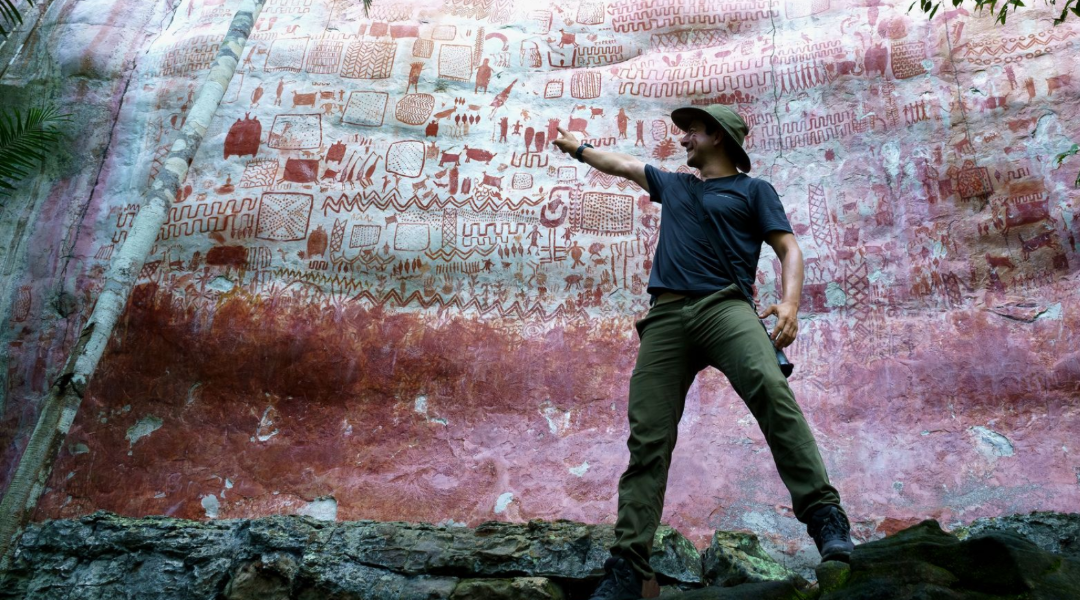
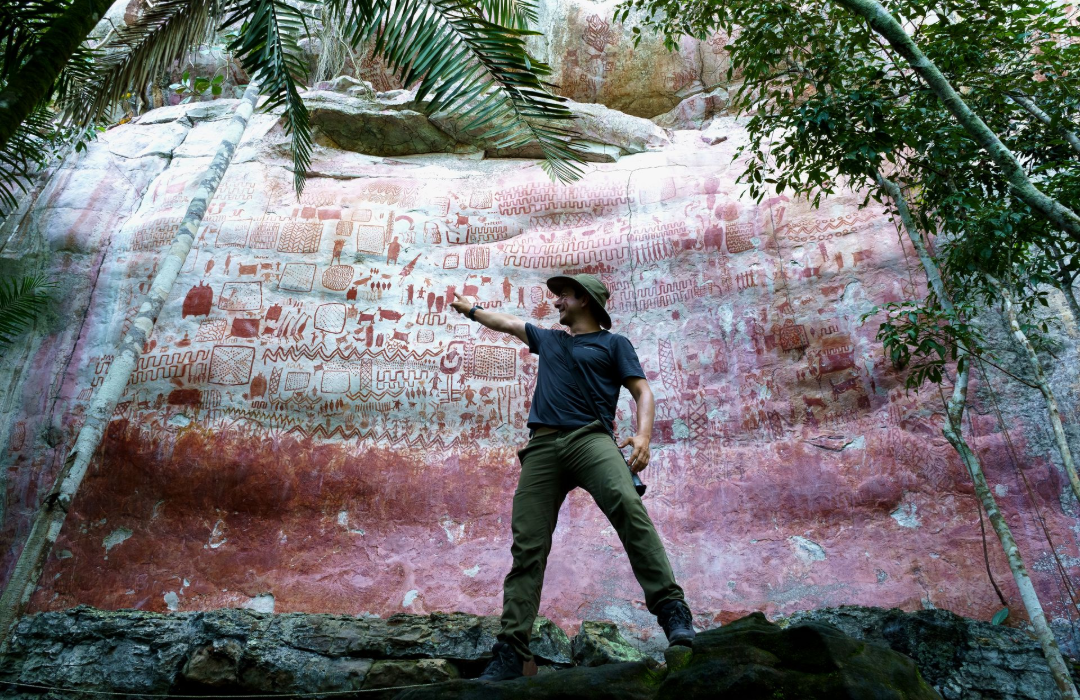
The road to Chiribiquete, Colombia's Western Amazon.
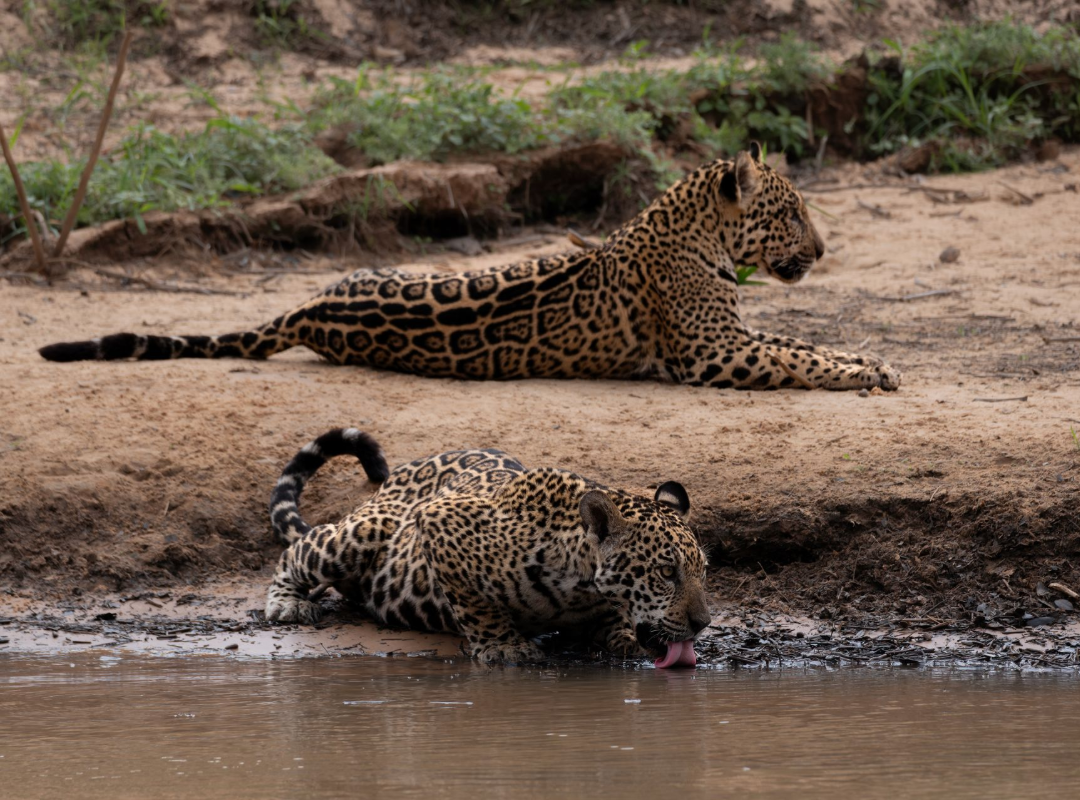
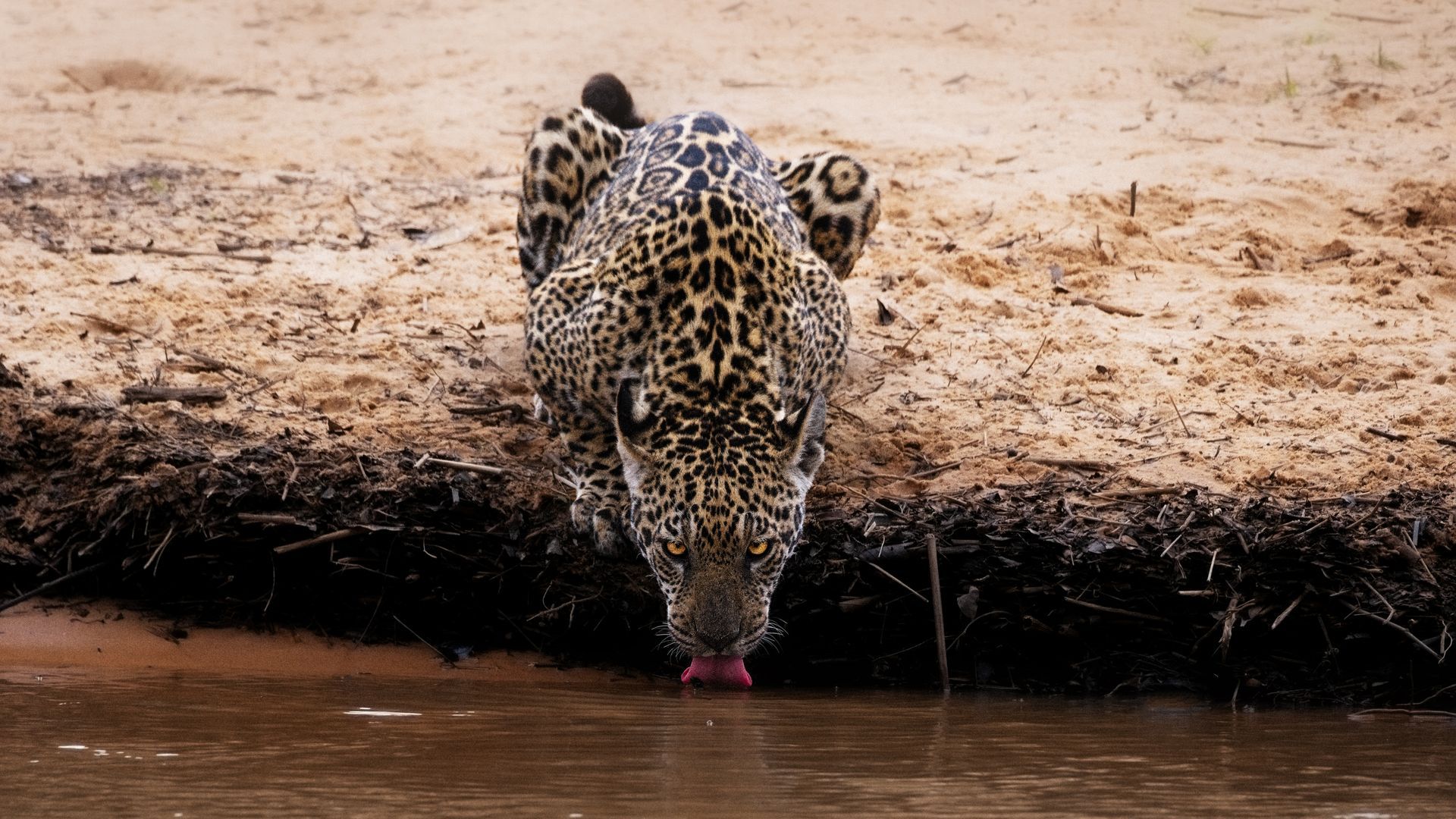
Jaguars Safari, Pantanal - Brazil.
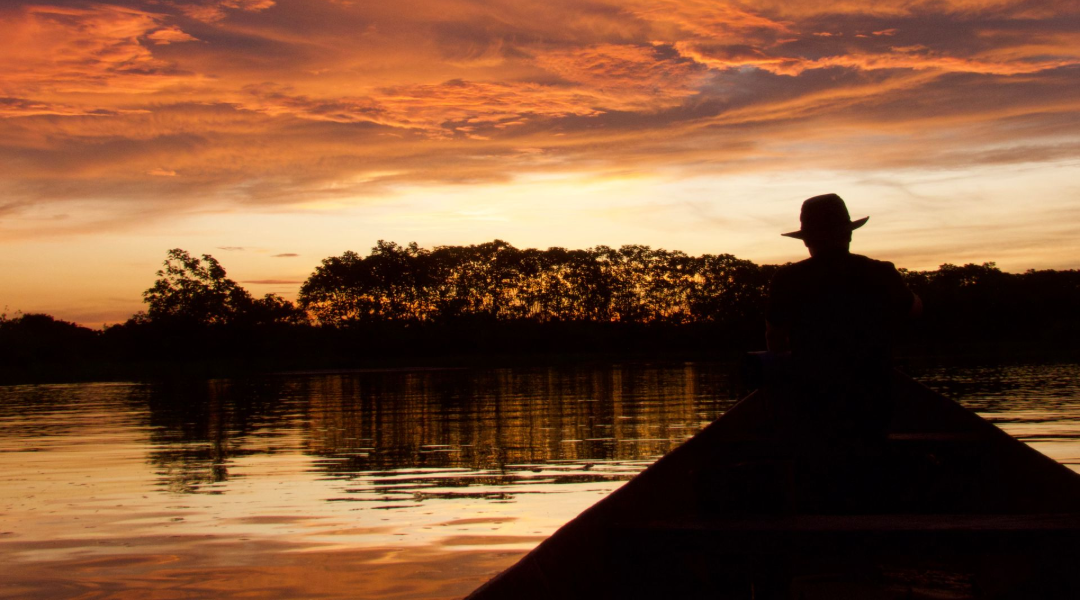
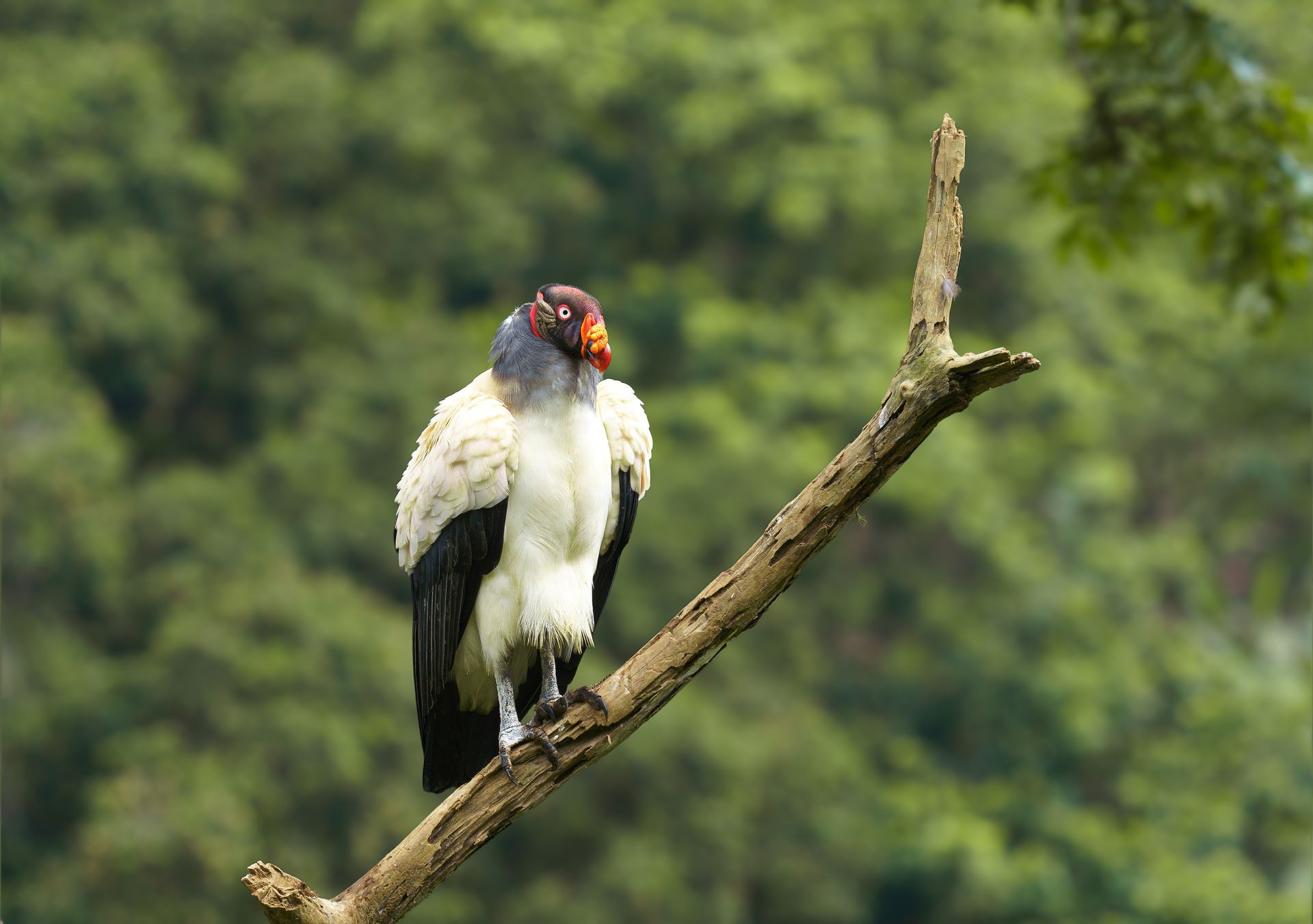
Amazon's Guiana Shield Specialties. Mitu-Vaupes.
Emblematic Birds Photo Tour, Coffee Triangle.