
Atlantic Forest of Brazil: A Hidden Biodiversity Hotspot for Photographers
Atlantic Forest of Brazil: A Hidden Biodiversity Hotspot for Photographers
The Atlantic Forest of Brazil, known as Mata Atlântica, is one of the most biologically rich yet most overlooked ecosystems on the planet. Stretching along Brazil’s eastern coastline and climbing inland across mountain ranges, this forest once covered an area larger than many European countries combined. Today, only fragments remain, but those fragments hold an astonishing concentration of life, making the Atlantic Forest one of the most productive destinations for professional wildlife photography anywhere in the world.
For photographers and tour operators focused on meaningful encounters rather than checklist tourism, the Atlantic Forest offers something increasingly rare: density. Species richness is compressed into relatively small areas, allowing photographers to work deeply with subjects rather than constantly relocate. Endemism levels are among the highest of any forest system, meaning many species encountered here exist nowhere else on Earth. This combination of rarity, accessibility, and visual complexity makes the Atlantic Forest a quiet giant in the world of nature photography.
Understanding the Atlantic Forest Ecosystem
Unlike the Amazon, which is vast and relatively uniform in structure, the Atlantic Forest is highly diverse across short distances. It includes lowland rainforest, montane forest, cloud forest, bamboo-dominated zones, coastal restinga habitats, and transitional dry forests. Elevation changes create sharp ecological gradients, which in turn support unique communities of birds, mammals, reptiles, amphibians, and insects.
For photographers, this means that a single expedition can produce a wide range of visual narratives. Morning sessions in misty highland forest feel entirely different from afternoon work in warmer lowland habitats. Light quality, vegetation density, and species behavior shift constantly, creating a dynamic shooting environment that rewards patience, adaptability, and strong field awareness.
Why the Atlantic Forest Is a Priority for Professional Wildlife Tours
Professional wildlife tours prioritize three things: reliable encounters, ethical access, and photographic conditions that allow time to work with subjects. The Atlantic Forest delivers on all three.
Many reserves and private conservation areas are managed specifically for research, conservation, and ecotourism. This has led to well-maintained trails, strategically placed observation areas, and long-term familiarity between wildlife and respectful human presence. As a result, encounters are often closer and more natural than in heavily trafficked destinations.
Additionally, the forest’s fragmented nature has unintentionally concentrated wildlife into protected pockets. While fragmentation is a conservation challenge, it also means that certain reserves support very high densities of target species, making them exceptionally productive for photography-focused expeditions.
Bird Photography in the Atlantic Forest
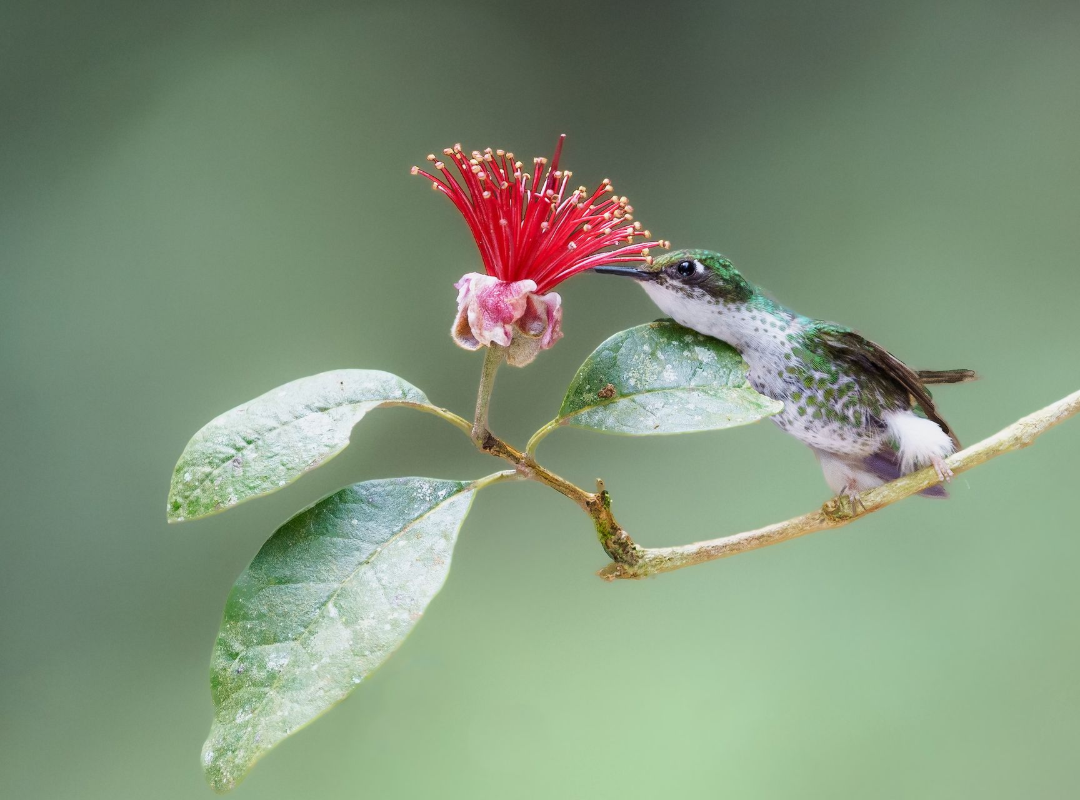
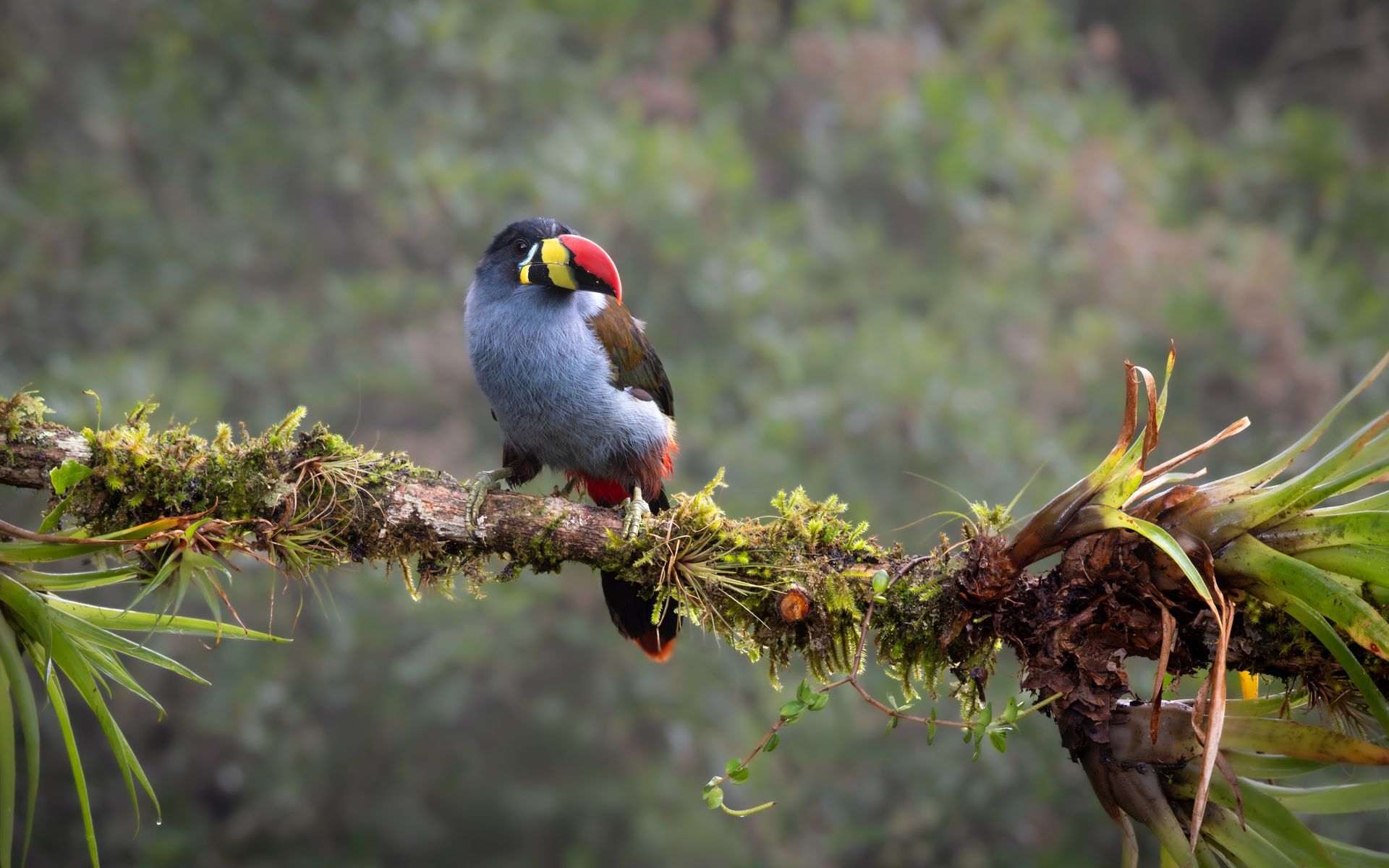
Birdlife is the Atlantic Forest’s greatest strength and its strongest draw for international photography tours. The region hosts hundreds of species, with a remarkable proportion of endemics that are considered top targets by serious bird photographers.
Tanager diversity alone places the Atlantic Forest among the world’s premier birding regions. Brilliantly colored species move through canopy and midstory levels, often in mixed flocks that create constant action. These flocks are not chaotic; they follow predictable patterns that experienced guides understand well, allowing photographers to anticipate movement and position themselves effectively.
Manakins add a behavioral dimension that elevates the experience beyond simple portrait photography. Their elaborate courtship displays, wing snaps, and acrobatic movements challenge photographers to capture moments of motion and interaction. Working with manakins in low-light forest conditions sharpens technical skills and produces highly rewarding images.
Antbirds, woodcreepers, foliage-gleaners, and gnateaters provide opportunities for intimate, close-range photography. Many species are surprisingly tolerant of quiet observers, allowing photographers to refine composition, background, and framing rather than rush shots.
Beyond Birds: Mammals of the Atlantic Forest
While birds dominate attention, the Atlantic Forest also supports an impressive range of mammals, many of which are highly photogenic and conservation significant.
Golden lion tamarins and black-faced lion tamarins are among the most iconic. These small primates move dynamically through the forest, often using predictable travel routes that can be photographed ethically with proper planning. Their expressive faces and social behavior make them compelling subjects for storytelling wildlife imagery.
Other mammals include coatis, agoutis, capuchin monkeys, sloths, and a variety of nocturnal species. While large predators are elusive, the presence of these mammals adds depth to photographic expeditions and allows photographers to broaden their portfolios beyond avian subjects.
Night walks and early morning sessions often reveal species that daytime visitors miss, reinforcing the value of multi-day professional tours rather than short visits.
Amphibians, Reptiles, and Macro Photography
The Atlantic Forest is a global hotspot for amphibian diversity. Tree frogs, glass frogs, and leaf-litter specialists display extraordinary color patterns and behaviors, particularly during the wet season. These species offer exceptional opportunities for macro and close-up photography, especially for photographers interested in documenting biodiversity at multiple scales.
Reptiles, including forest-dwelling snakes and lizards, are frequently encountered by guides with deep local knowledge. Invertebrate life—moths, butterflies, beetles, and spiders—adds another layer of visual richness. For photographers focused on complete ecosystem storytelling, the Atlantic Forest provides endless material.
Light, Mood, and Atmospheric Photography
One of the most defining characteristics of the Atlantic Forest is its atmosphere. Frequent mist, cloud cover, and filtered sunlight create soft, painterly light that enhances color and texture without harsh contrast. Rain is common, but rather than being an obstacle, it often improves photographic conditions by saturating foliage and increasing activity among amphibians and insects.
Fog rolling through mountain forests creates layered compositions that are ideal for environmental wildlife portraits. Backlit leaves, water droplets, and shafts of light breaking through the canopy allow photographers to produce images that feel cinematic and immersive.
This is a forest that rewards photographers who think beyond isolated subjects and aim to place animals within their ecological context.
Accessibility Without Sacrificing Wilderness
One of the Atlantic Forest’s most practical advantages is accessibility. Many high-quality reserves are within reasonable travel distance of major cities, yet once inside, the experience feels remote and wild. This balance makes the region attractive to international operators and photographers who want efficiency without compromising quality.
Infrastructure is generally well-developed, with comfortable lodges, experienced local guides, and long-standing conservation partnerships. This allows tours to focus on photography rather than logistics, maximizing time in the field.
The Role of Conservation and Responsible Photography
Photographing in the Atlantic Forest carries responsibility. As one of the most threatened ecosystems on Earth, every visit has the potential to support or undermine conservation efforts. Ethical photo wildlife tours emphasize minimal disturbance, respect for wildlife behavior, and support for local communities and conservation projects.
For many photographers, this ethical dimension adds meaning to the experience. Images produced here often serve educational, scientific, or advocacy purposes, helping raise awareness about the importance of protecting remaining forest fragments.
Why the Atlantic Forest Belongs on Every Professional Photographer’s Map
In an era where wildlife photography destinations are becoming increasingly crowded and predictable, the Atlantic Forest offers something different. It is complex, challenging, and deeply rewarding. It demands patience and rewards skill. It offers rarity without spectacle and depth without excess.
For professional wildlife tours, it represents a destination where quality consistently outweighs quantity, and where photographers can return repeatedly without exhausting creative possibilities.
Explore Brazil’s Atlantic Forest through expert-led Nature photography expeditions designed for serious photographers.
Join immersive Photo wildlife tours that prioritize endemic species, conservation access, and refined forest photography experiences rarely offered by mainstream operators.