
Jaguars of the Pantanal: Ultimate Big Cat Photo Wildlife Tours
Jaguars of the Pantanal: Ultimate Big Cat Photo Wildlife Tours
The Pantanal is widely regarded as the most reliable place on Earth to photograph wild jaguars. This vast tropical wetland, stretching across Brazil, Bolivia, and Paraguay, offers something that almost no other jaguar habitat can provide: visibility. Open riverbanks, seasonal flooding, and an abundance of prey combine to create an environment where jaguars are not only present in high numbers but are also active during daylight hours and frequently visible along waterways.
For wildlife photographers, this combination is extraordinary. Jaguars elsewhere remain shadows in dense forests, glimpsed briefly if at all. In the Pantanal, they walk riverbanks, swim across channels, hunt in open landscapes, and rest in full view beneath trees. These conditions have transformed the region into the global epicenter of professional big cat photography and a cornerstone destination for serious Photo wildlife tours.
This article explores why the Pantanal stands alone as the ultimate jaguar photography destination, how photographers experience these encounters in the field, what ethical access looks like, and why carefully designed wildlife tours are essential for capturing meaningful images while protecting one of South America’s most iconic predators.
Why the Pantanal Is Unmatched for Jaguar Photography
The Pantanal’s geography is the key to its success. As the world’s largest tropical wetland, it undergoes dramatic seasonal flooding that reshapes the landscape each year. During the dry season, receding waters concentrate wildlife along rivers and remaining water sources, creating predictable movement patterns for prey—and for jaguars.
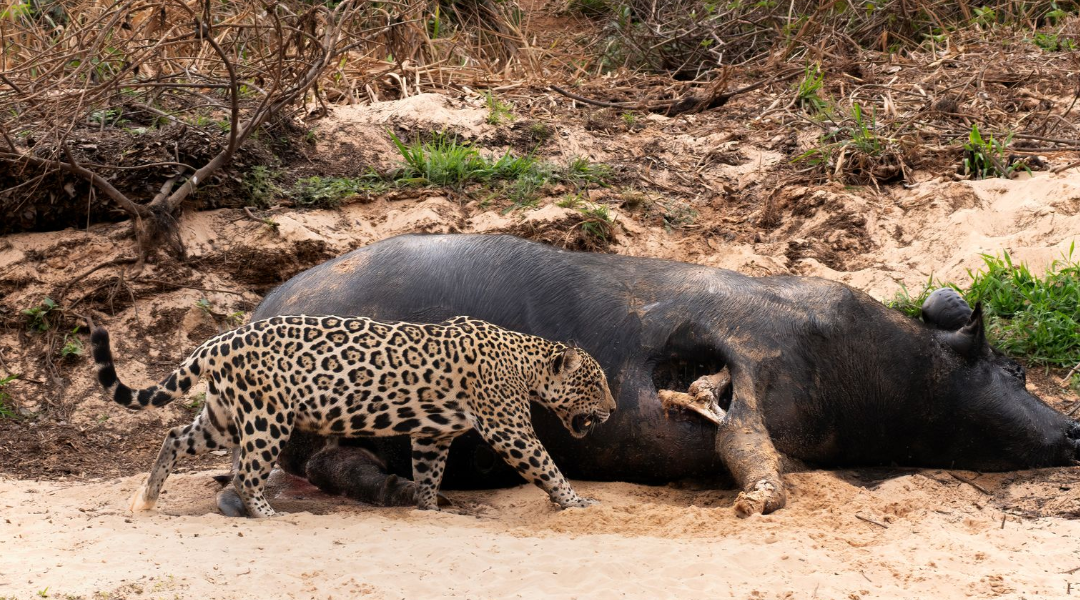
Several critical factors make jaguar photography in the Pantanal uniquely productive. Jaguar density is among the highest recorded anywhere, supported by abundant prey such as capybaras, caimans, deer, and fish. The terrain is relatively open compared to rainforests, allowing photographers to see animals at distance and follow behavior naturally. Jaguars here are also strongly tied to waterways, making river-based observation highly effective.
Equally important is the long history of responsible wildlife tourism in the region. Over time, jaguars have become accustomed to the presence of boats that maintain respectful distances. This tolerance allows photographers to observe natural behavior without influencing the animal’s actions or causing stress.
Understanding Jaguar Behavior in the Pantanal
Photographing jaguars successfully depends on understanding how they use the Pantanal landscape. These cats are powerful, adaptable predators, and in this wetland ecosystem they have developed behaviors that are both visually striking and highly photogenic.
Pantanal jaguars are exceptional swimmers. They regularly cross rivers, patrol shorelines, and hunt aquatic prey, including caimans. This relationship with water creates iconic photographic moments: a jaguar emerging from a river, droplets clinging to its coat; a cat swimming confidently across a channel; or an individual resting at the water’s edge, scanning for movement.
Territorial behavior also plays a role in visibility. Jaguars frequently walk along riverbanks to scent-mark and patrol their territory. These movements often occur during daylight hours, especially in the cooler morning and late afternoon light, providing ideal conditions for photography.
Unlike fleeting forest encounters, Pantanal sightings often last long enough for photographers to document sequences of behavior rather than isolated frames. This allows for storytelling images that show movement, environment, and interaction rather than simple portraits.
The Jaguar Photography Experience in the Field
A typical day photographing jaguars in the Pantanal begins before sunrise. As mist rises from the river and the first light hits the wetlands, photographers board small boats accompanied by expert local guides. These guides read subtle signs—tracks in the mud, alarm calls, movement in vegetation—that indicate recent jaguar activity.
Encounters unfold gradually. A jaguar may appear walking slowly along the river’s edge, pausing to drink or scan the surroundings. Another may be resting in the shade, completely relaxed, allowing photographers to observe posture, expression, and interaction with the environment. Sometimes a cat slips into the water and swims, creating one of the most dramatic wildlife photography scenes imaginable.
Patience is essential. The most powerful images come from waiting, observing, and allowing the animal to behave naturally. This is why well-structured Photo wildlife tours are so important in the Pantanal—they prioritize time, ethics, and understanding over rushed sightings.
Why Boat-Based Photography Is Central to Pantanal Jaguar Tours
River-based photography defines the Pantanal experience. Boats provide a stable, flexible platform that allows photographers to move quietly along waterways without disturbing wildlife. This approach offers several advantages that are difficult to replicate elsewhere.
Boat-based access allows eye-level perspectives, producing intimate images that feel immersive rather than distant. Backgrounds are often clean and uncluttered, with water or soft vegetation isolating the subject. Boats also make it possible to reposition slowly as the jaguar moves, maintaining respectful distances while adapting to light and composition.
This method of observation has proven to be both effective for photography and compatible with conservation, reinforcing the Pantanal’s reputation as a model for ethical wildlife tourism.
When to Visit: Seasonality and Optimal Conditions
The most productive period for jaguar photography in the Pantanal occurs during the dry season, generally from June through October. As water levels drop, jaguars and their prey concentrate along rivers, increasing the frequency and predictability of encounters.
July, August, and September are often considered peak months. During this time, visibility is high, weather is relatively stable, and access to river systems is reliable. Early mornings and late afternoons provide the most flattering light, while midday can still yield strong images thanks to open terrain and reflective water surfaces.
While jaguars can be seen outside the peak season, photographic conditions become less consistent as flooding increases and vegetation thickens.
Beyond Jaguars: The Pantanal’s Broader Wildlife Appeal
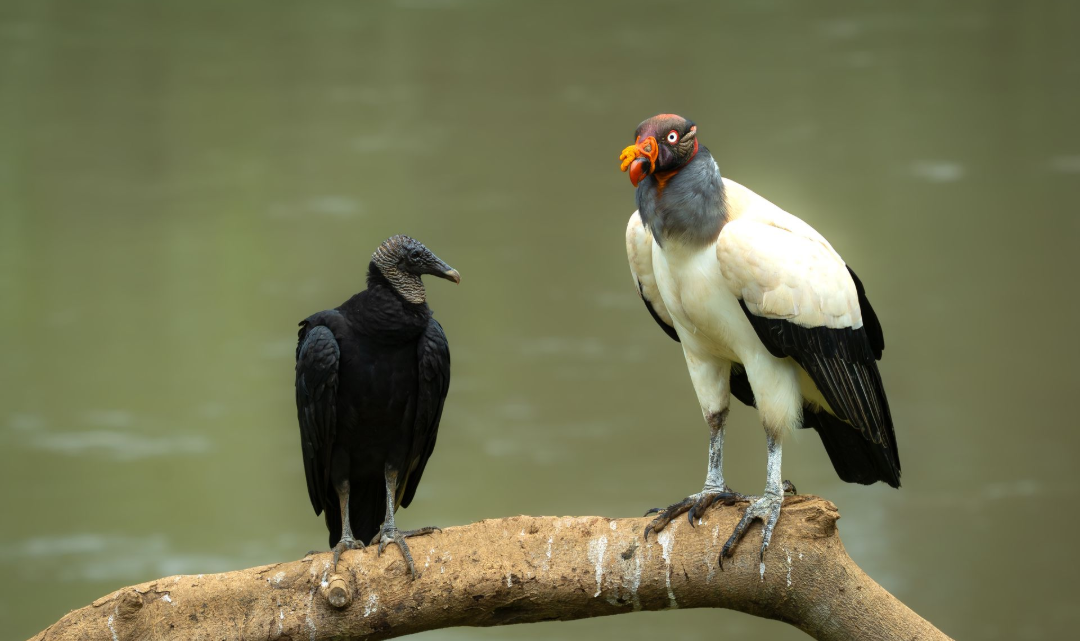
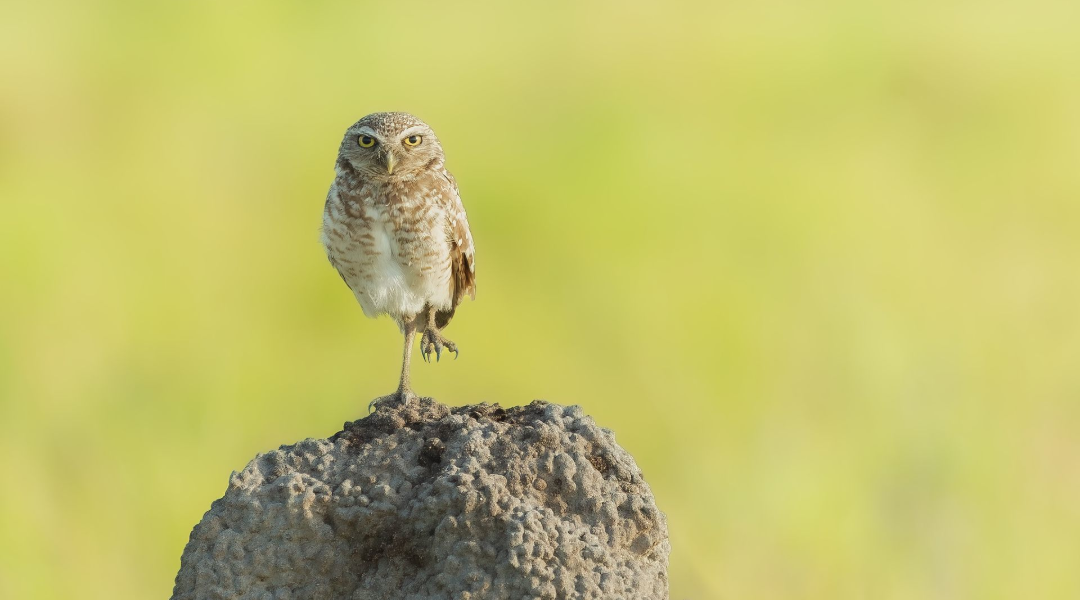
Although jaguars are the headline attraction, the Pantanal offers one of the richest wildlife assemblages in South America. Photographers frequently encounter a diverse range of species that add depth and variety to their portfolios.
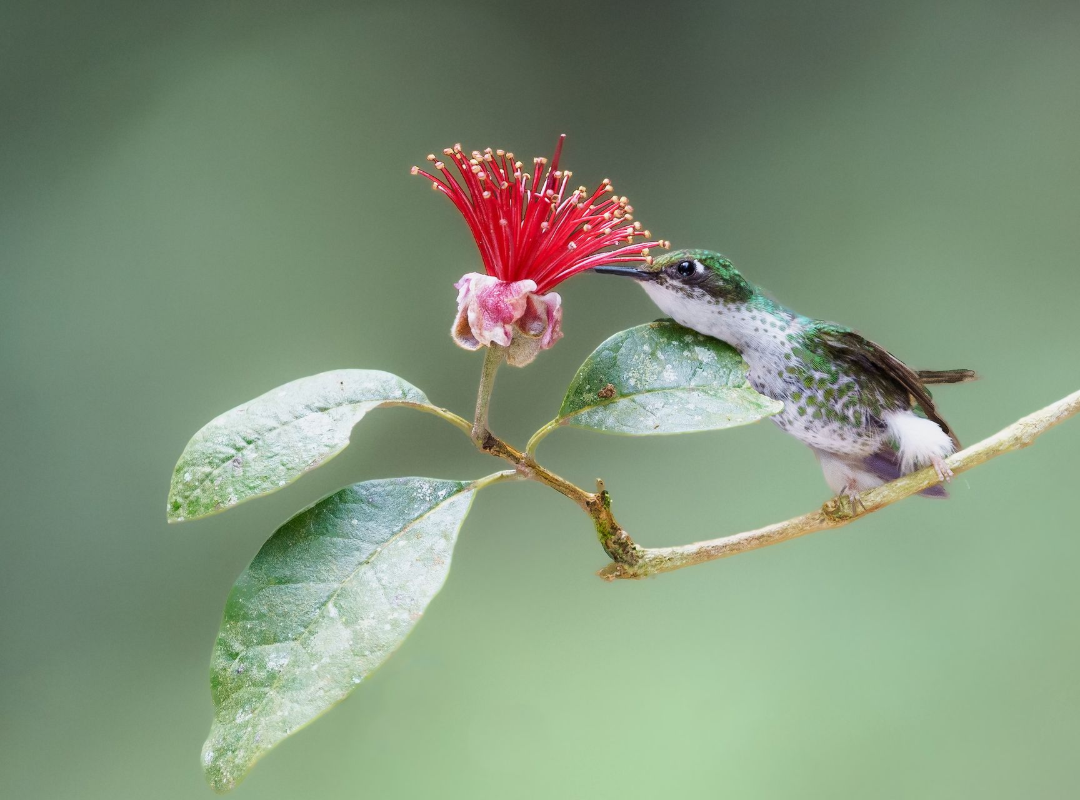
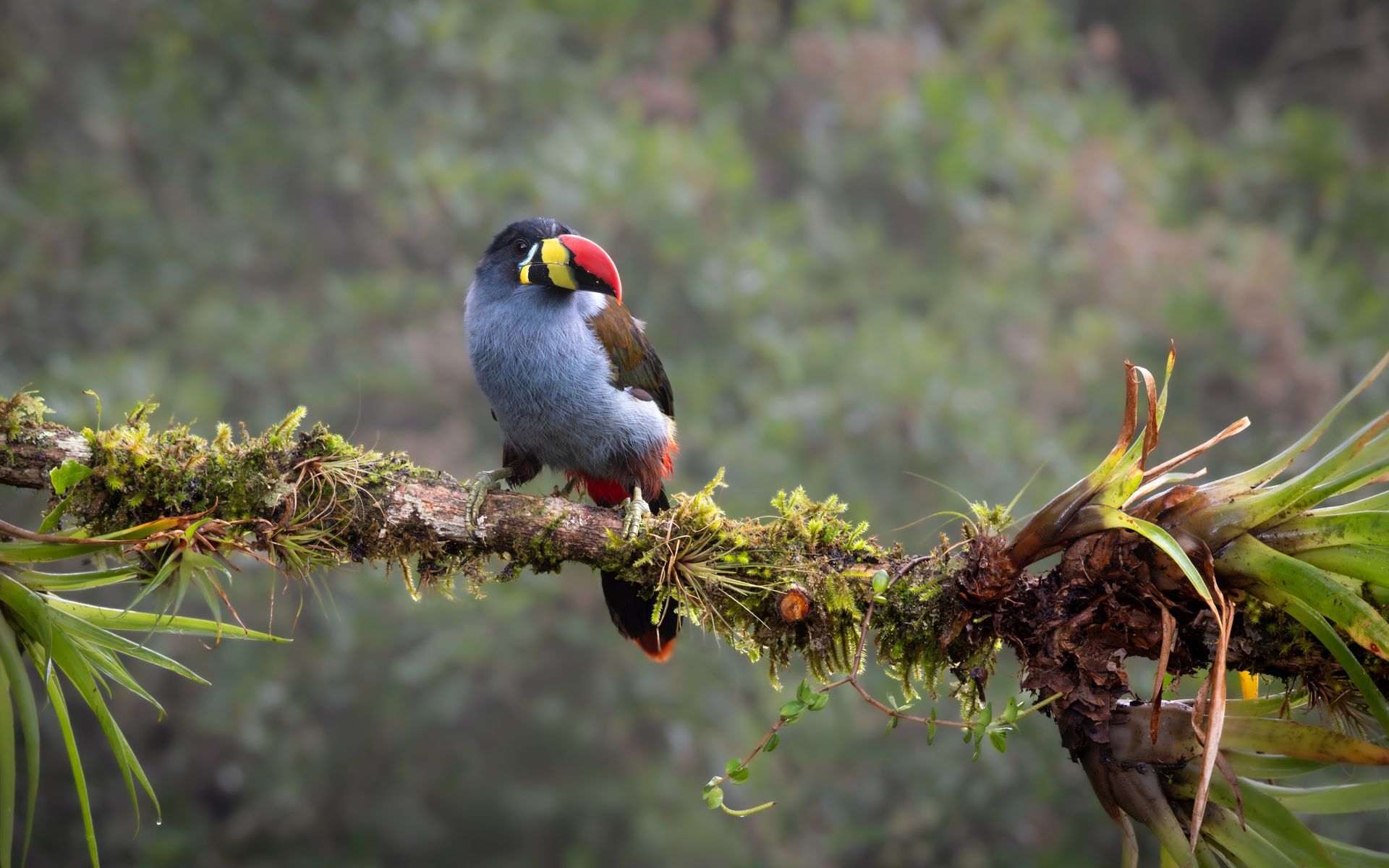
Common sightings include giant river otters moving in family groups, capybaras lining riverbanks, yacaré caimans basking in the sun, and marsh deer moving through wetlands. Birdlife is equally impressive, with hyacinth macaws, jabiru storks, toucans, and kingfishers providing constant photographic opportunities.
This abundance ensures that even between jaguar encounters, every day delivers meaningful wildlife photography experiences.
Ethics and Responsibility in Jaguar Photography
The success of jaguar photography in the Pantanal is inseparable from ethical practice. Responsible Photo wildlife tours follow strict guidelines designed to protect jaguars and their habitat.
These principles include maintaining respectful distances, avoiding crowding or blocking an animal’s movement, and never using bait or artificial attractants. Guides coordinate sightings to prevent too many boats from surrounding a single animal, and photographers are encouraged to prioritize behavior over proximity.
This approach not only safeguards the jaguars but also preserves the quality of the photographic experience. Calm, unstressed animals behave naturally, resulting in more authentic and compelling images.
Camera Gear and Techniques for Jaguar Photography
Photographing jaguars requires equipment that balances reach, speed, and flexibility. Telephoto lenses in the 400–600mm range are ideal for most situations, allowing photographers to capture detailed portraits while maintaining ethical distances. Shorter zooms can be useful for environmental shots and close encounters.
Fast autofocus systems with animal eye detection are particularly valuable, as jaguars often move unpredictably. Shutter speeds of 1/1600 or faster help freeze motion during walking or swimming sequences, while burst shooting enables photographers to capture subtle changes in expression and posture.
Weather-sealed equipment is recommended, as humidity, heat, and occasional rain are part of the Pantanal environment.
Why the Pantanal Continues to Attract Professional Photographers
The Pantanal has earned its reputation not through hype, but through consistency. Professional photographers return year after year because the region delivers authentic, repeatable opportunities to photograph one of the world’s most elusive big cats under natural conditions.
The combination of expert guides, ethical access, abundant wildlife, and supportive conservation frameworks makes the Pantanal a benchmark destination. It is a place where photographers can focus on storytelling rather than chasing sightings, and where each encounter contributes to a deeper understanding of jaguar behavior.
The Conservation Impact of Jaguar Photo Wildlife Tours
Well-managed wildlife tourism has become a powerful conservation tool in the Pantanal. By generating sustainable income linked directly to living jaguars, Photo wildlife tours help incentivize habitat protection and reduce human-wildlife conflict.
Local communities, guides, and landowners benefit from preserving jaguar territories, reinforcing the idea that these animals are far more valuable alive than threatened. Photography-focused tourism also raises global awareness, helping to secure long-term support for conservation initiatives across the region.
Plan Your Jaguar Photography Experience in the Pantanal
Join our Jaguar Photo Wildlife Tours in the Pantanal. Retorno Photo Tours provides professional local guides, ethical river-based access, and consistent opportunities to observe and photograph wild jaguars in one of the most productive big cat habitats in the world.