
Taipei International Birdwatching Fair (TIBF) and the Future of Nature Photography
Taipei International Birdwatching Fair (TIBF) and the Future of Nature Photography
The world of birdwatching and nature photography is evolving rapidly. New destinations are emerging, technology is advancing, and global awareness about conservation is stronger than ever. At the center of this transformation are international gatherings that connect photographers, conservationists, tour operators, researchers, and equipment manufacturers. One of the most important events in Asia is the Taipei International Birdwatching Fair (TIBF).
TIBF is more than an exhibition hall filled with optics and camera gear. It represents a meeting point for ideas, conservation initiatives, and global collaboration. For bird photographers and wildlife tourism professionals, events like TIBF offer a glimpse into the future of nature photography.
As interest in bird photography continues to grow across Asia, Europe, and the Americas, fairs such as TIBF help shape how the industry develops — ethically, technologically, and culturally.
The Growing Importance of International Birding Events
Over the last decade, bird photography has become increasingly international. Photographers from Taiwan, China, India, Europe, and North America are traveling farther than ever to explore biodiverse regions.
Events like the Taipei International Birdwatching Fair provide a platform where:
- Conservation organizations share research
- Tour operators introduce new destinations
- Photographers present field experiences
- Manufacturers unveil new optics and camera systems
- Birdwatching communities connect across borders
These gatherings reflect the expansion of bird photography from a niche hobby into a global movement.
Why TIBF Matters in Asia
Asia has seen significant growth in birdwatching and wildlife photography. Improved access to equipment, rising environmental awareness, and increased international travel have fueled interest.
TIBF plays a central role in this growth by:
- Promoting sustainable bird tourism
- Highlighting important Asian flyways
- Encouraging youth participation
- Connecting Asian birders with global destinations
Taiwan’s position along the East Asian–Australasian Flyway makes it an important hub for migratory bird conservation. Hosting an international birdwatching fair in this context reinforces the link between photography and ecological responsibility.
A Platform for Conservation Dialogue
Modern bird photography is closely tied to conservation. Ethical standards, habitat protection, and responsible tourism are no longer optional discussions — they are central to the future of the industry.
At TIBF, conservation organizations present data on:
- Migratory bird routes
- Wetland preservation
- Climate change impacts
- Habitat restoration efforts
Photographers attending these events gain insight into the broader environmental context of their work. This awareness influences how they travel and which tour operators they choose.
The future of nature photography depends on aligning artistic ambition with conservation responsibility.
Technology Shaping the Next Generation
One of the major attractions at the Taipei International Birdwatching Fair is the showcase of new technology. Camera manufacturers and optics companies introduce advancements that dramatically affect wildlife photography.
Recent innovations include:
- Faster autofocus systems
- Improved bird-eye detection
- Lightweight telephoto lenses
- Silent shutter capabilities
- Enhanced image stabilization
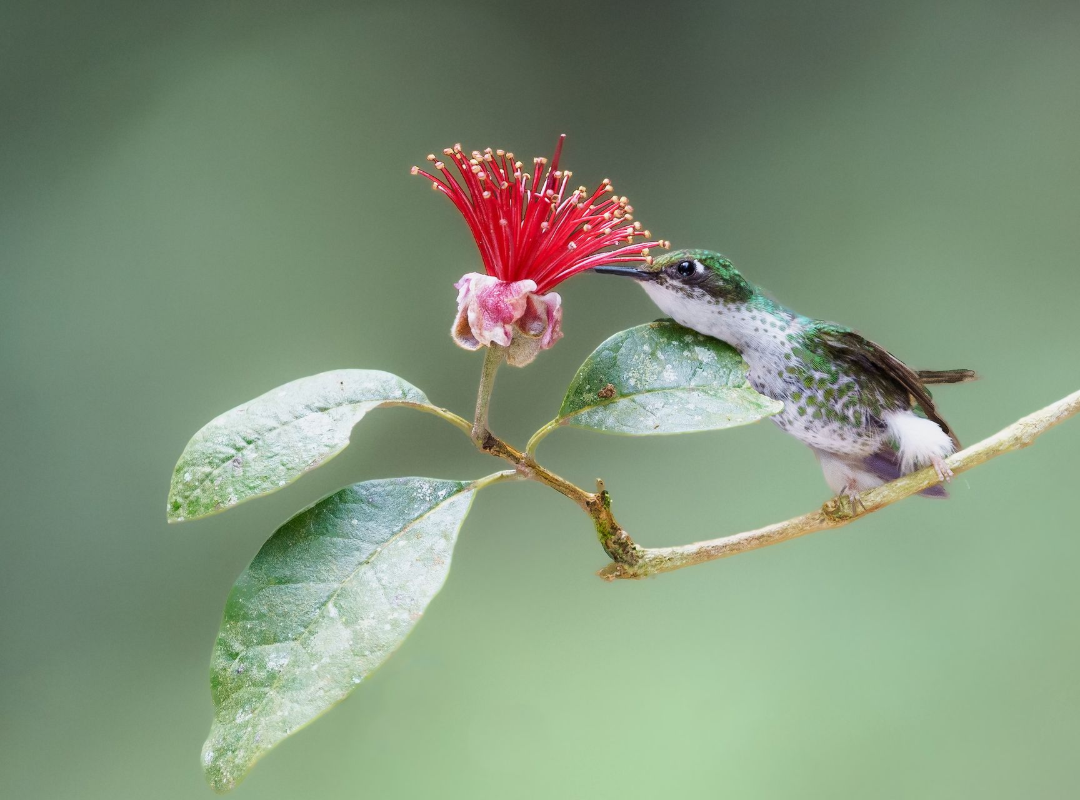
These tools expand what photographers can achieve in the field. Fast-moving species such as hummingbirds or birds in flight are now easier to capture with clarity.
However, technology alone does not guarantee meaningful images. It must be paired with field knowledge, ethical practice, and strong guiding — elements that remain essential regardless of equipment advancements.
Connecting Photographers With New Destinations
International fairs often serve as gateways to new travel experiences. A photographer attending TIBF may discover destinations they had never seriously considered before.
Presentations by tour operators and conservation groups introduce:
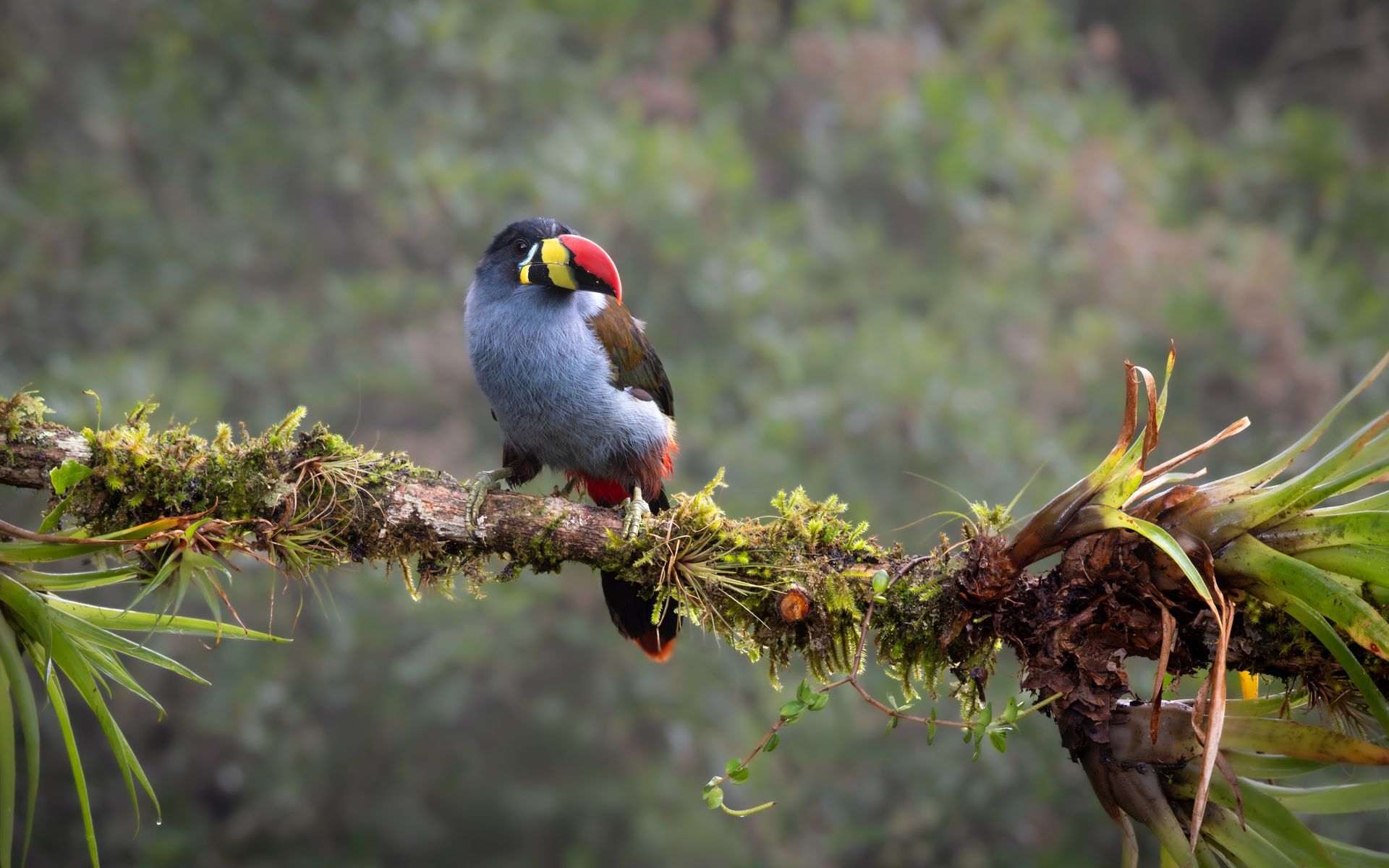
- Tropical cloud forests
- Amazonian ecosystems
- Wetland habitats
- Mountain birding regions
- Endemic-rich biodiversity hotspots
For many Asian photographers, South America has become increasingly appealing. Countries like Colombia and Brazil are gaining recognition for their unmatched bird diversity and specialized photo wildlife tours.
These connections often begin at international events like TIBF.
The Role of Ethical Tourism in the Future
As global travel expands, ethical concerns grow alongside opportunity. Wildlife photography must avoid contributing to habitat degradation or wildlife stress.
The future of nature photography depends on:
- Smaller group sizes
- Trained local guides
- Respect for nesting seasons
- Responsible distance from wildlife
- Support for local communities
International fairs amplify these discussions. Operators who demonstrate sustainable practices gain credibility and attract conscientious travelers.
Photographers are increasingly selective about who they travel with, prioritizing companies that balance access with protection.
Youth Engagement and Education
One encouraging aspect of events like TIBF is youth participation. Workshops, talks, and educational programs introduce young people to birdwatching and conservation.
Engaging younger generations ensures:
- Continued conservation advocacy
- Fresh creative perspectives
- Long-term growth in responsible tourism
Nature photography’s future depends on inspiring new photographers who value ethics as much as aesthetics.
Cultural Exchange Through Bird Photography
Birdwatching fairs foster cultural exchange. Photographers from different countries share field stories, conservation challenges, and technical approaches.
This exchange strengthens international cooperation. Migratory birds cross continents; conservation must do the same.
When photographers from Taiwan, China, Europe, India, and the Americas connect at TIBF, they contribute to a global community united by appreciation for wildlife.
Beyond the Exhibition Hall
While technology and presentations draw attention, the true value of TIBF lies in conversation. Informal discussions between photographers and tour leaders often shape future travel decisions.
Photographers ask practical questions:
- What is the best season for bird photography in a region?
- How accessible are remote habitats?
- What species can realistically be photographed?
- Are tours designed for photographers specifically?
Transparent answers build trust. That trust transforms curiosity into bookings.
The Increasing Global Interest in South America
As Asian bird photographers seek new frontiers, South America stands out. Colombia, in particular, has become recognized as the country with the highest bird diversity in the world.
International events like TIBF highlight this fact, encouraging photographers to consider long-haul destinations that offer:
- Hundreds of colorful species
- High levels of endemism
- Multiple ecosystems within short travel distances
- Professional guiding services
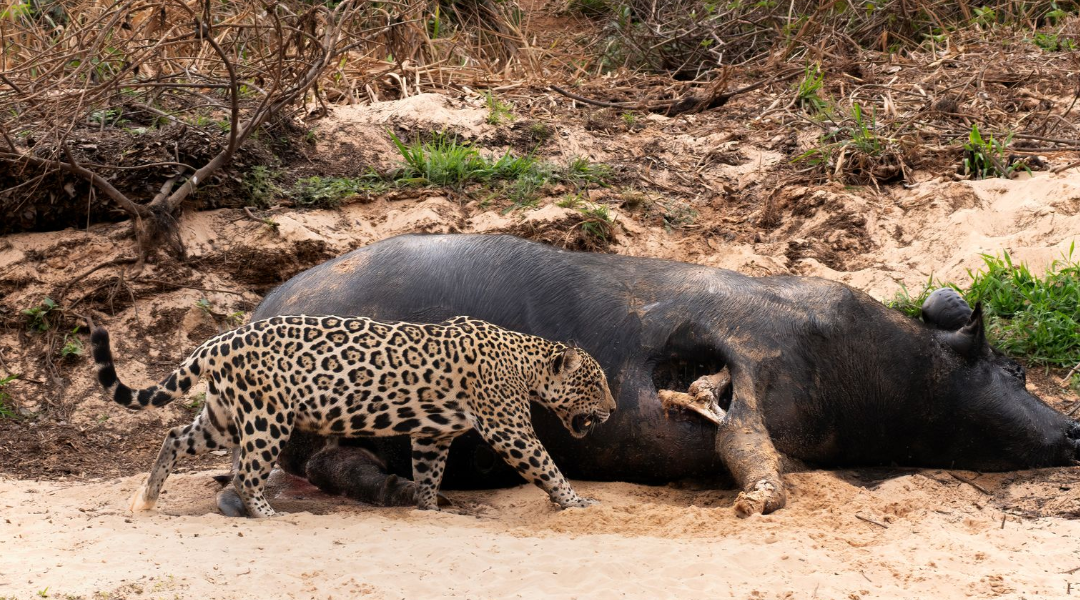
Brazil’s Pantanal and Atlantic Forest also draw interest for their combination of birds and charismatic mammals.
The globalization of bird photography is accelerating.
The Future of Nature Photography
Looking ahead, several trends will shape nature photography:
1. Ethical Standards Will Rise
Photographers and operators will be expected to demonstrate conservation responsibility.
2. Technology Will Enhance Access
Improved gear will allow photographers to capture difficult species with less disturbance.
3. International Collaboration Will Grow
Global fairs will strengthen partnerships between continents.
4. Biodiversity Hotspots Will Gain Attention
Regions with exceptional species richness will continue attracting serious photographers.
The Taipei International Birdwatching Fair represents all of these trends. It reflects a community that values learning, conservation, innovation, and global connection.
From Inspiration to Field Experience
Events like TIBF spark ideas, but real growth happens in the field. After attending international fairs, photographers often seek immersive experiences in the world’s most biodiverse regions.
For those inspired by global birding events, the next step is choosing a destination and a tour company that align with both photographic ambition and conservation values.
Explore the Best Locations With Retorno Photo Tours
If international events like the Taipei International Birdwatching Fair have inspired you to explore new bird photography destinations, it’s time to turn that inspiration into action.
Retorno Photo Tours operates in some of the best bird and wildlife photography locations in Colombia and Brazil. With expert local guides, ethical practices, and carefully designed itineraries, Retorno ensures that photographers experience biodiversity at its finest.
From vibrant tanagers and hummingbirds in Colombian cloud forests to extraordinary wildlife encounters in Brazil’s wetlands, Retorno takes you to the best places while prioritizing conservation and community support.
If you are ready to shape your future in nature photography, join Retorno Photo Tours and experience world-class biodiversity with the guidance and responsibility that today’s photographers expect.