
Pantanal Wildlife Photography Tours: Birds, Jaguars, and Wetland Life
Pantanal Wildlife Photography Tours: Birds, Jaguars, and Wetland Life
The Pantanal is one of the most extraordinary wildlife photography destinations on the planet. Spanning vast floodplains across Brazil, Bolivia, and Paraguay, it represents the world’s largest tropical wetland and one of the richest ecosystems in South America. Unlike dense rainforests or mountainous terrain, the Pantanal’s open landscapes, seasonal flooding, and extensive river systems create unrivaled visibility and access to wildlife.
For photographers, this translates into something rare and powerful: the ability to observe and photograph animals behaving naturally in broad daylight. From iconic jaguars patrolling riverbanks to vibrant birdlife filling the skies and wetlands teeming with mammals, reptiles, and amphibians, the Pantanal offers a complete wildlife photography experience. It is this combination that has made the region a cornerstone destination for professional Photo wildlife tours focused on ethical access and high-quality imagery.
This article explores what makes Pantanal wildlife photography tours so productive, examining its birdlife, jaguar encounters, wetland ecosystems, and the field conditions that allow photographers to capture compelling images across multiple species in a single expedition.
Why the Pantanal Is a Global Wildlife Photography Hotspot
The defining feature of the Pantanal is water. Each year, seasonal floods transform the landscape, submerging vast areas and reshaping animal movement patterns. As waters recede during the dry season, wildlife becomes concentrated along rivers, lagoons, and remaining wetlands, creating predictable and highly visible encounters.
This natural rhythm produces conditions that photographers rarely find elsewhere. Open terrain allows for long viewing distances, while river-based access makes it possible to follow animals quietly without disturbance. Wildlife density is exceptionally high, and many species are active during daylight hours.
Equally important is the long-standing culture of responsible wildlife tourism in the Pantanal. Over decades, guides, lodge owners, and conservation groups have developed practices that prioritize animal welfare while still allowing meaningful observation. As a result, wildlife here is tolerant of boats and vehicles when approached correctly, enabling extended photographic opportunities without stress.
Bird Photography in the Pantanal: A Wetland Paradise
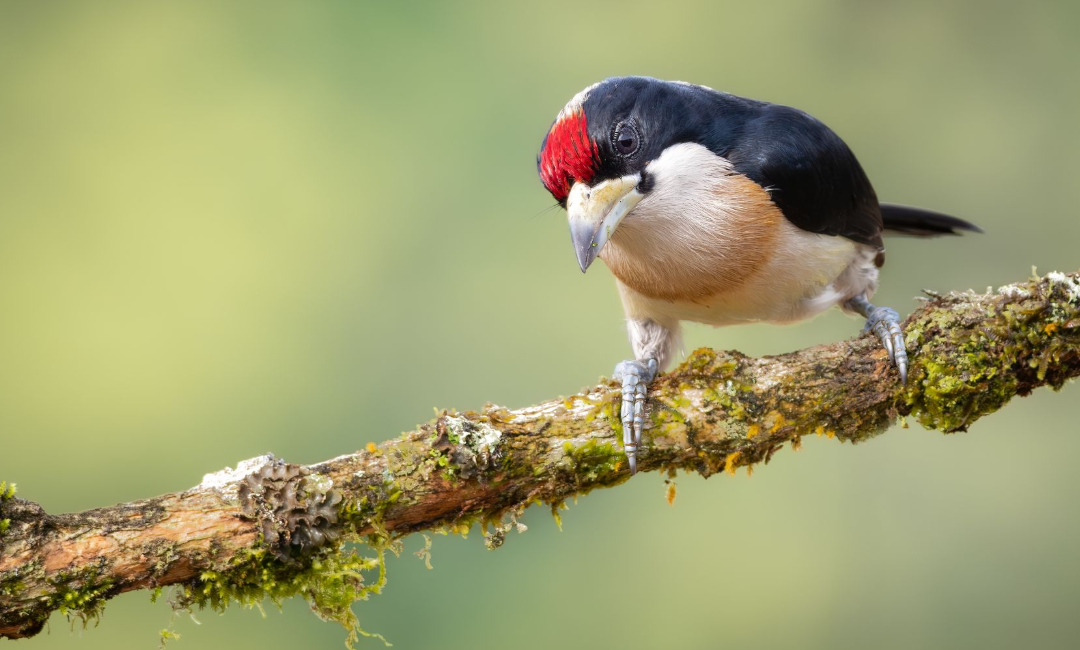
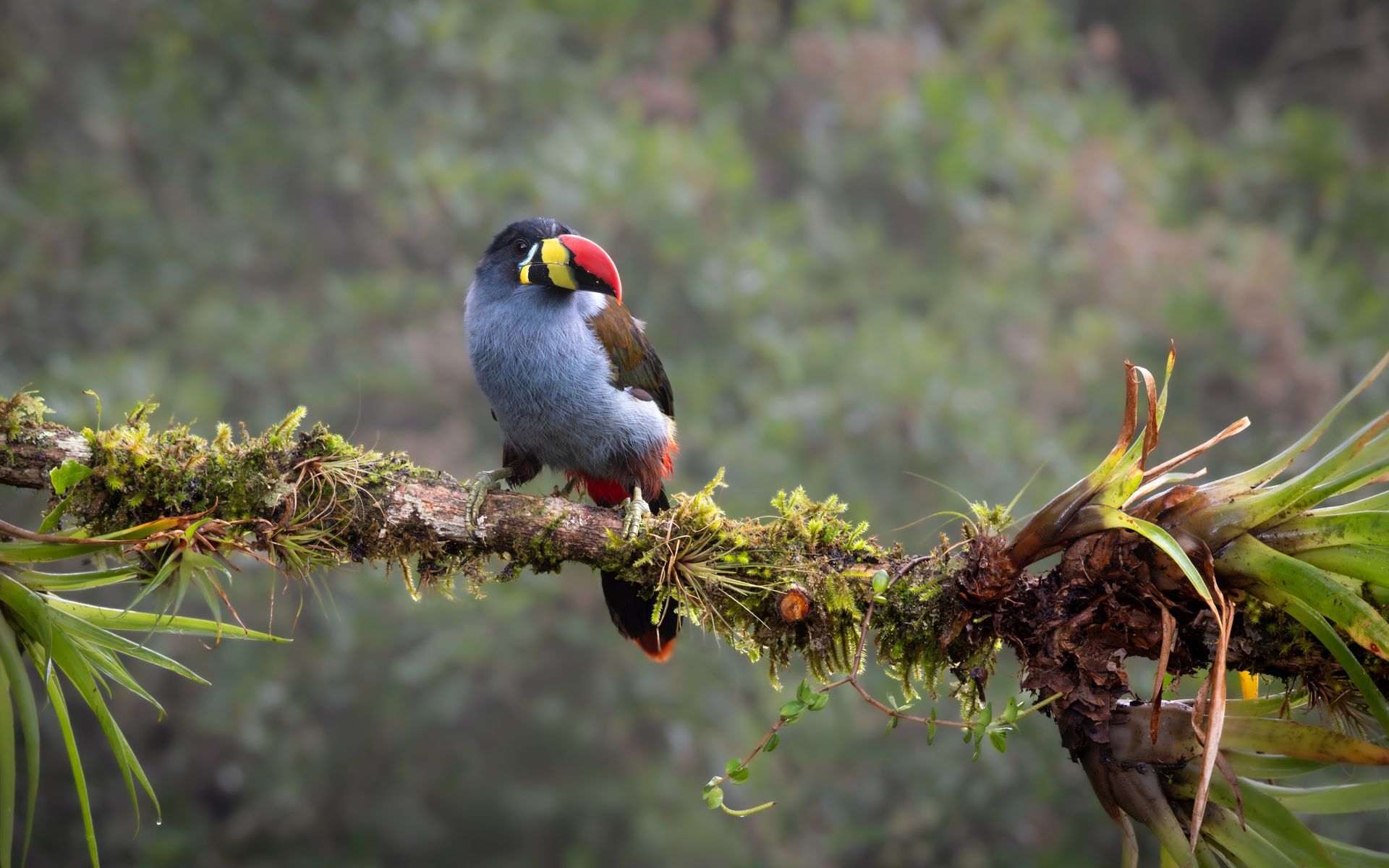
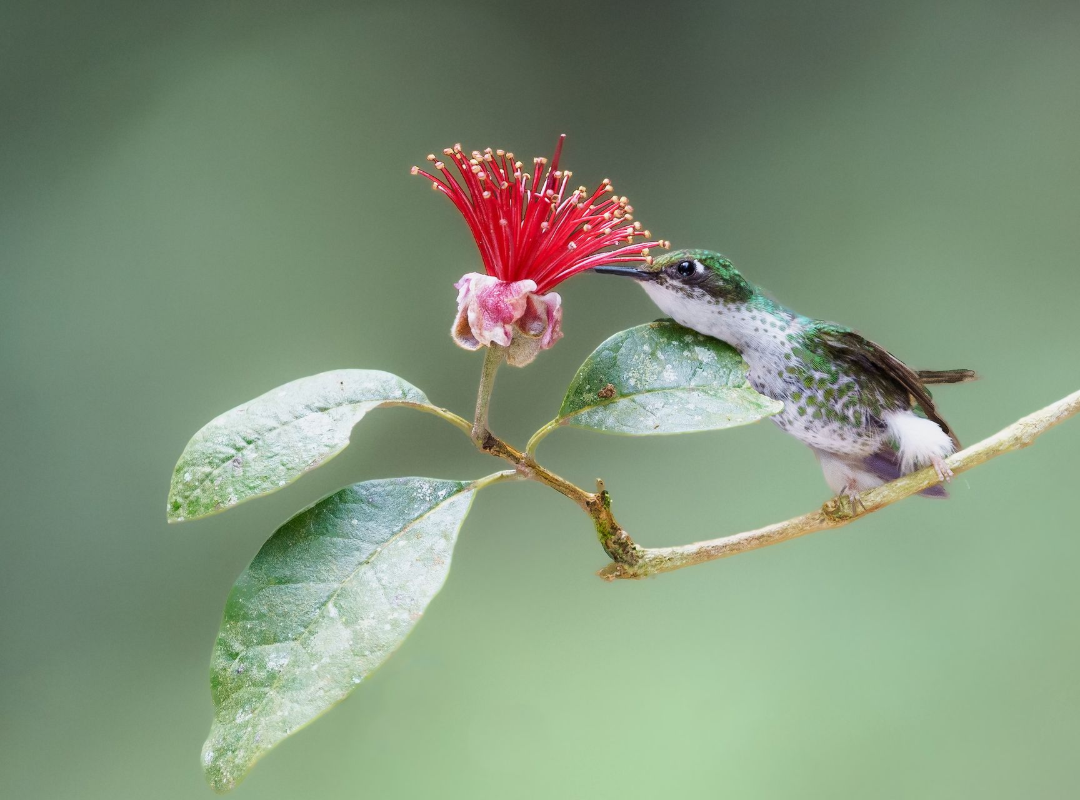
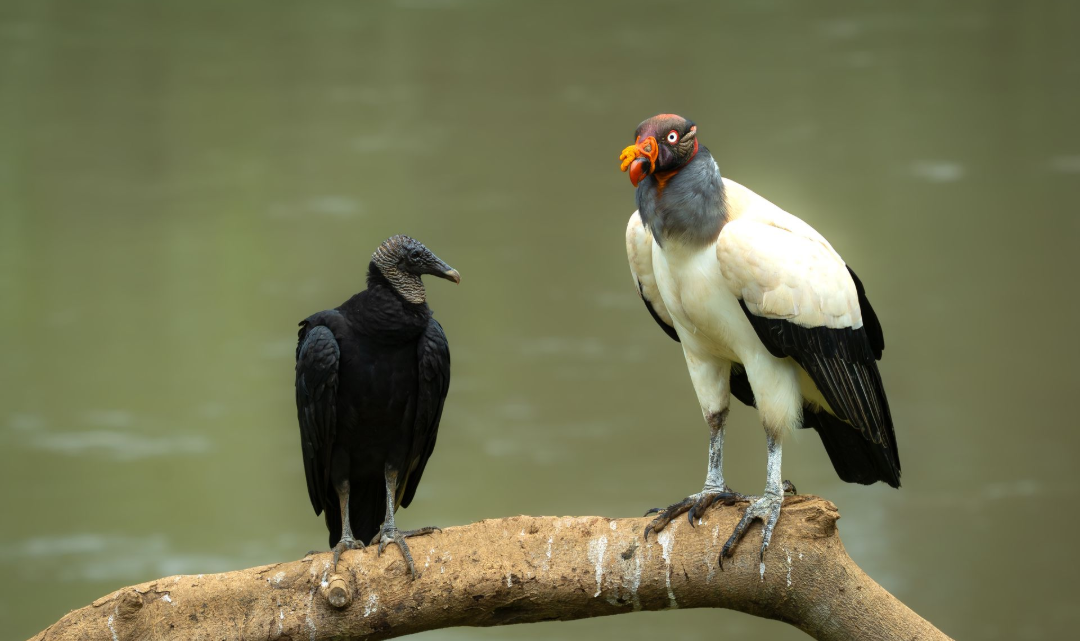
The Pantanal is one of South America’s most important birding regions, hosting more than 650 bird species. For photographers, the diversity is staggering, ranging from massive waterbirds to brilliantly colored parrots and delicate passerines.
Wetlands, rivers, forests, and grasslands intersect throughout the region, creating a mosaic of habitats that support a wide variety of species. Birds are often abundant and approachable, offering opportunities for both portrait-style images and dynamic behavioral shots.
Some of the most photographed birds in the Pantanal include:
- Hyacinth macaws feeding in palm trees or flying across open skies
- Jabiru storks towering over shallow wetlands
- Roseate spoonbills and herons feeding in flooded grasslands
- Kingfishers diving from riverside perches
- Toco toucans and aracaris moving through gallery forests
The openness of the landscape allows photographers to work with clean backgrounds and favorable light, making the Pantanal especially rewarding for bird photography compared to dense forest environments.
Jaguar Photography: The Pantanal’s Iconic Experience
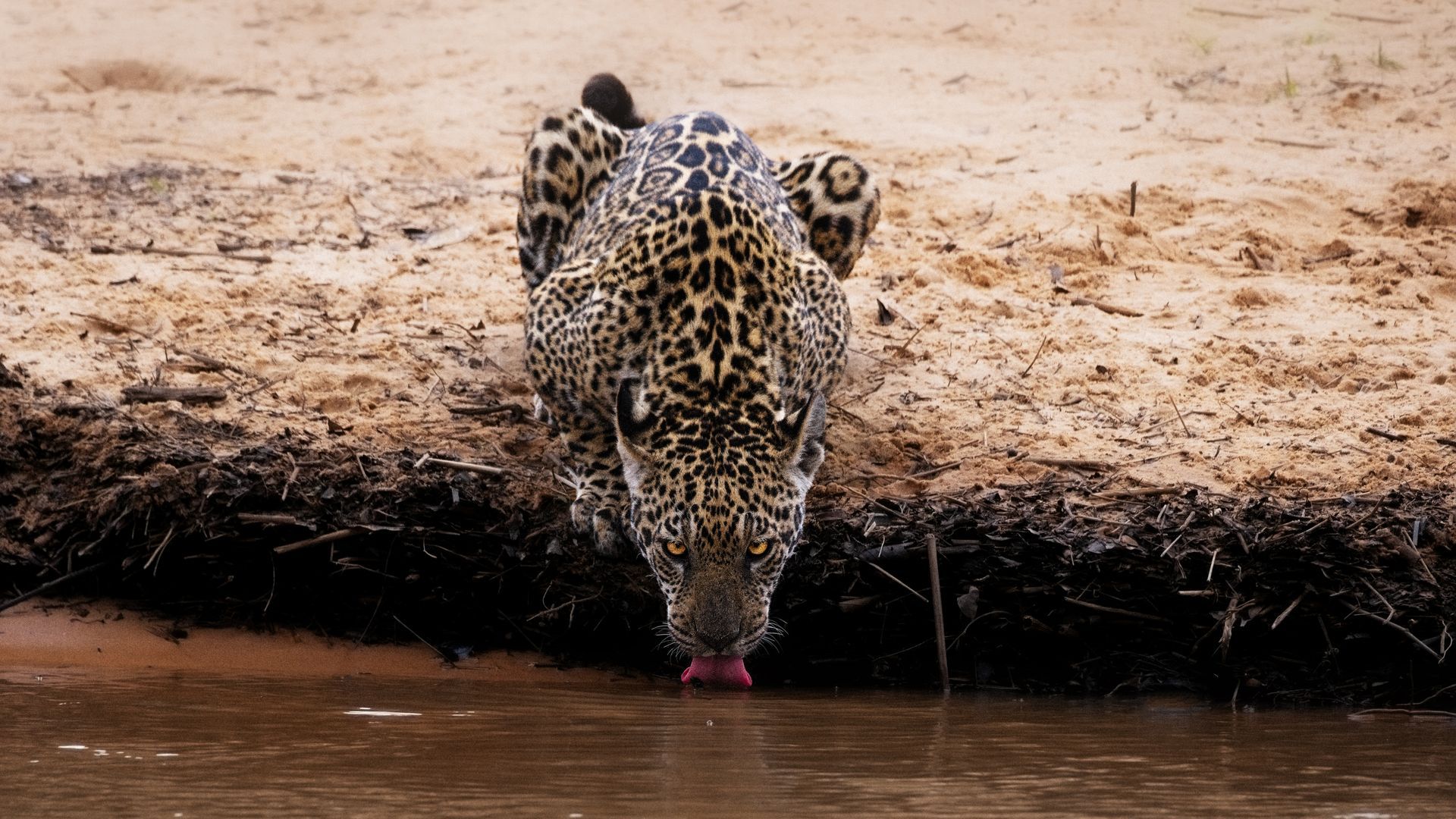
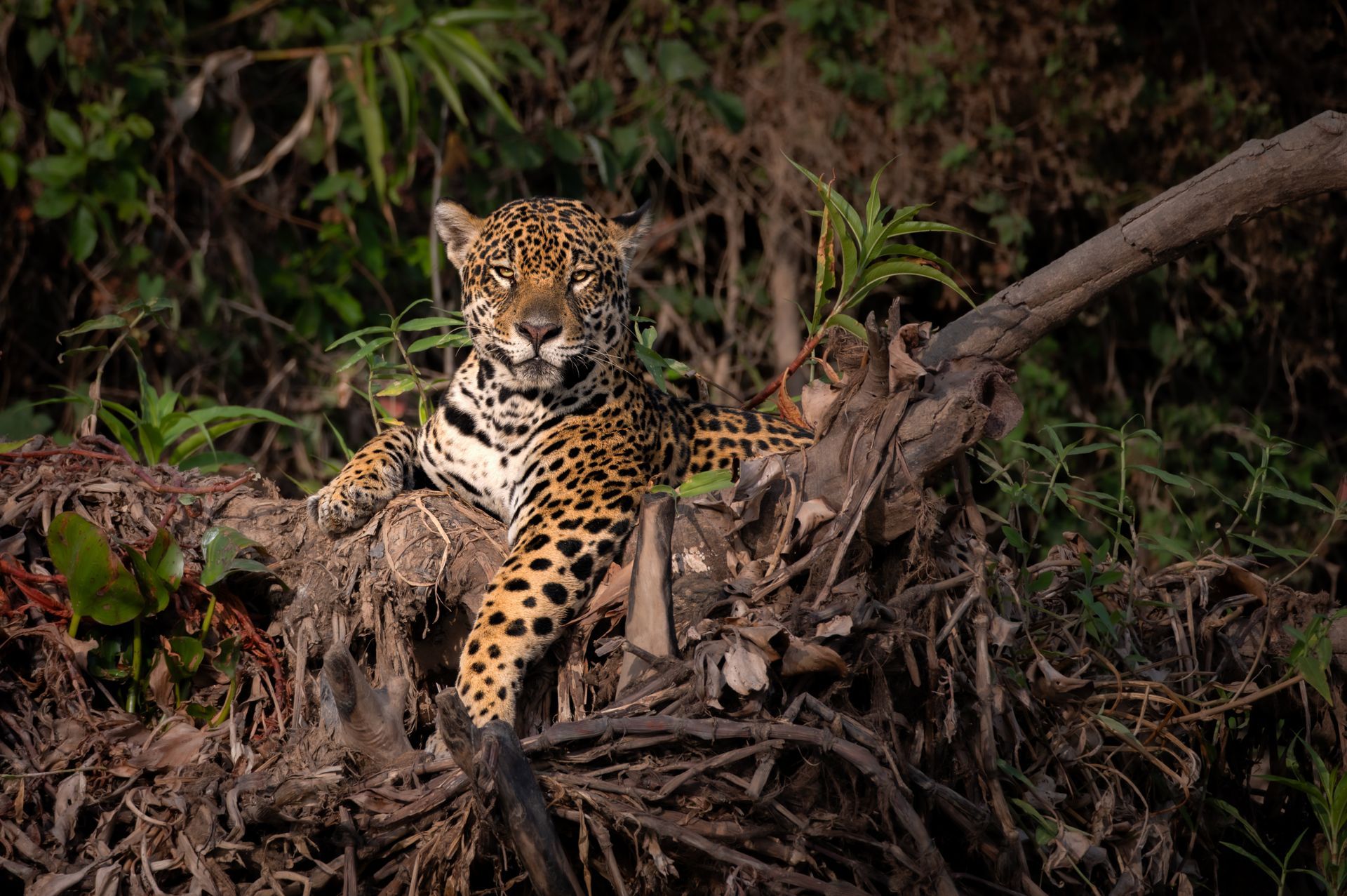
While birdlife is abundant, jaguars are undeniably the Pantanal’s most famous residents. The region is widely considered the most reliable place in the world to photograph wild jaguars, thanks to a combination of high density, open habitat, and water-oriented behavior.
Pantanal jaguars are often encountered along riverbanks, where they hunt, patrol territory, and rest in shaded areas. Unlike jaguars in dense forests, these individuals are frequently visible for extended periods, allowing photographers to document full behavioral sequences rather than fleeting glimpses.
Boat-based observation is central to jaguar photography in the Pantanal. This method provides eye-level perspectives and the flexibility to adapt to the animal’s movement while maintaining respectful distances. Swimming jaguars, river crossings, and interactions with prey are among the most sought-after photographic moments in the region.
Wetland Life Beyond Birds and Jaguars
The Pantanal’s richness extends far beyond its most famous species. The wetlands support an extraordinary range of mammals, reptiles, and amphibians that contribute to the region’s photographic appeal.
Photographers regularly encounter giant river otters moving in social groups, capybaras grazing along riverbanks, marsh deer navigating flooded areas, and tapirs emerging near water sources. Reptiles such as yacaré caimans are ubiquitous, often seen basking in large numbers along rivers and lagoons.
This abundance ensures that every outing offers diverse subjects, making Pantanal wildlife photography tours consistently productive even when specific target species are less active.
The Role of Rivers in Pantanal Photography
Rivers are the lifelines of the Pantanal and the foundation of most wildlife photography experiences in the region. They act as natural corridors that concentrate animals and provide unobstructed viewing opportunities.
River-based photography offers several key advantages. It allows photographers to move quietly through the landscape, follow wildlife behavior naturally, and achieve clean compositions with minimal visual clutter. The reflective quality of water also enhances lighting conditions, particularly during early morning and late afternoon.
Many of the Pantanal’s most iconic images — jaguars swimming, birds taking flight over water, otters playing at the surface — are made possible by this intimate connection between wildlife and waterways.
Seasonality and Best Conditions for Photography
The dry season, typically from June to October, is considered the most productive time for Pantanal wildlife photography. As floodwaters recede, animals congregate along rivers and remaining wetlands, increasing both visibility and encounter rates.
During this period, weather conditions are relatively stable, and access to key photography areas is reliable. Early mornings offer soft light and misty atmospheres, while late afternoons provide warm tones and dramatic shadows.
Although wildlife is present year-round, the wet season brings higher water levels and denser vegetation, which can reduce photographic opportunities and access in certain areas.
Ethical Wildlife Photography in the Pantanal
The Pantanal’s success as a photography destination is closely tied to ethical practices. Responsible Photo wildlife tours follow guidelines designed to protect animals and preserve natural behavior.
These practices include maintaining appropriate distances, avoiding crowding, and never using bait or artificial attractants. Guides coordinate encounters to prevent excessive pressure on individual animals, and photographers are encouraged to prioritize observation over proximity.
Ethical photography not only safeguards wildlife but also improves image quality. Calm, undisturbed animals behave naturally, resulting in more authentic and compelling photographs.
Camera Gear and Techniques for Wetland Wildlife
Photographing in the Pantanal requires equipment that can handle both reach and flexibility. Telephoto lenses in the 400–600mm range are ideal for birds and jaguars, while shorter zooms are useful for environmental compositions and closer encounters.
Fast autofocus systems, weather-sealed bodies, and stabilization support are particularly valuable in a river-based environment. High shutter speeds help freeze movement, especially for birds in flight and jaguars moving along riverbanks.
Light conditions are often excellent due to the openness of the landscape, allowing photographers to work creatively throughout the day.
Why Photographers Choose the Pantanal Again and Again
The Pantanal offers consistency, diversity, and authenticity — qualities that are essential for serious wildlife photographers. Few destinations allow photographers to build a portfolio that includes apex predators, spectacular birdlife, and rich wetland scenes within a single expedition.
Photographers return because encounters are frequent, guides possess deep local knowledge, and the environment supports long, uninterrupted observation. The Pantanal is not about chasing rare sightings; it is about immersion in one of the world’s most dynamic wildlife ecosystems.
Plan Your Pantanal Wildlife Photography Tour
Explore the full diversity of the Pantanal by joining our Photo wildlife tours focused on birds, jaguars, and wetland ecosystems. Retorno Photo Tours offers professionally guided itineraries with ethical access, expert local knowledge, and consistent opportunities to photograph the Pantanal’s remarkable wildlife in its natural environment.