
The Role of Expert Birdwatching Guides in Successful Nature Tours
The Role of Expert Birdwatching Guides in Successful Nature Tours
Nature and bird photography tours are often described through their destinations, species lists, or landscapes. Yet one of the most decisive factors in whether a tour is truly successful rarely appears in headlines or promotional photos. Expert birdwatching guides are the quiet force behind exceptional nature tours, shaping not only what participants see, but how they experience wildlife, how ethically encounters unfold, and ultimately how successful the photography becomes.
For international travelers, especially those visiting biodiverse countries like Colombia, the difference between an average tour and an unforgettable one often comes down to the skill, experience, and philosophy of the guides leading the journey. Understanding the role these experts play helps photographers and nature travelers choose tours that deliver real value, meaningful encounters, and lasting memories.
More Than Spotting Birds
At a basic level, birdwatching guides help visitors find and identify species. But expert guides go far beyond pointing out birds. They understand ecosystems as living systems rather than checklists, and they translate that understanding into richer experiences for travelers.
An experienced guide knows not only where a bird lives, but why it lives there, how it interacts with its environment, and how its behavior changes throughout the day and across seasons. This depth of knowledge transforms a simple sighting into a moment of understanding, allowing guests to appreciate the broader ecological story unfolding around them.
For photographers, this knowledge is invaluable. Knowing when a bird is likely to perch, feed, call, or display dramatically increases the chances of capturing compelling images rather than rushed snapshots.
Local Knowledge Cannot Be Replaced
One of the greatest strengths of expert birdwatching guides is their intimate local knowledge. Many guides grew up near the forests, wetlands, or mountains they now work in. They know the trails, the weather patterns, the microhabitats, and the subtle seasonal shifts that outsiders would never notice.
In biodiverse regions like Colombia, where elevation changes and habitat transitions happen quickly, this knowledge becomes critical. A difference of a few hundred meters in altitude can mean entirely different bird communities. Expert guides understand these transitions instinctively and plan routes accordingly.
Local knowledge also means knowing when not to go somewhere. Weather conditions, breeding seasons, or conservation concerns may make certain areas unsuitable at times. Responsible guides adjust itineraries to protect wildlife while still ensuring rewarding experiences for guests.
Reading Behavior, Not Just Identifying Species
Successful nature tours depend on more than simply finding animals. They depend on timing, patience, and understanding animal behavior. Expert birdwatching guides are skilled observers who read subtle cues: changes in posture, vocalizations, flock movements, or feeding patterns.
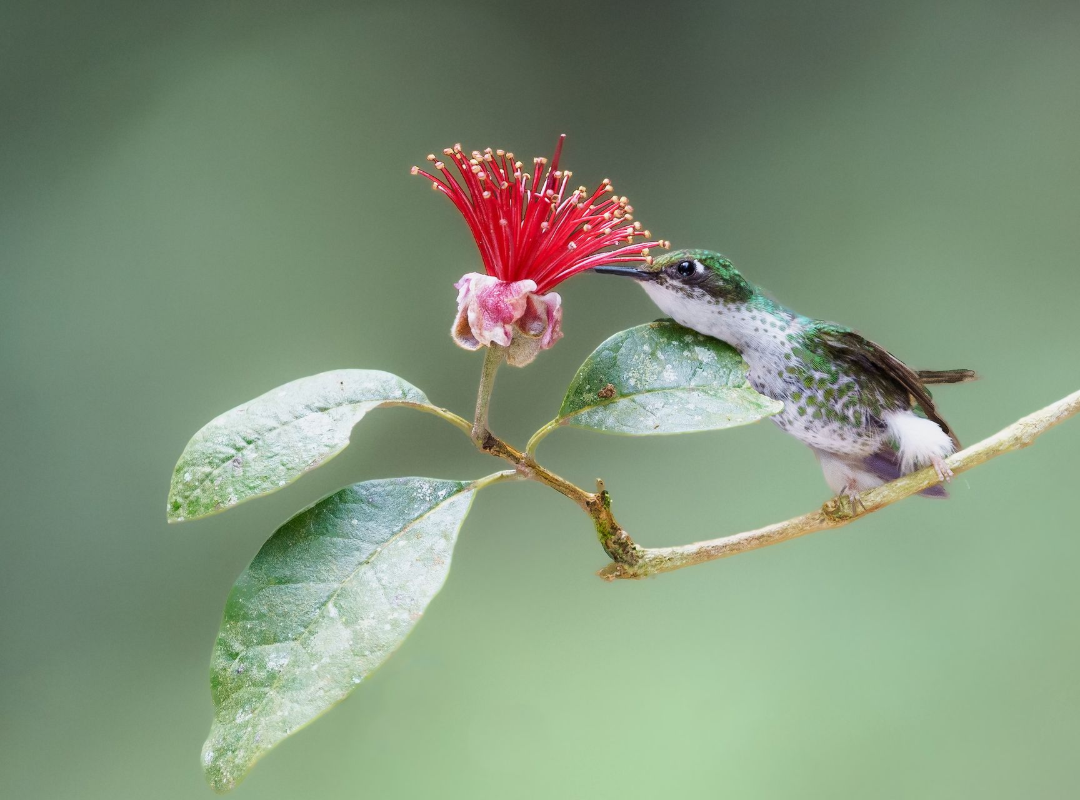
This ability allows guides to anticipate moments that matter. They know when a hummingbird is about to hover at a feeder, when a manakin is preparing to display, or when a raptor is likely to take flight. These moments often last only seconds, but they produce the images and memories travelers value most.
For photographers, behavior-focused guiding is far more important than species lists. A single well-observed moment can be more rewarding than dozens of rushed sightings.
Ethical Wildlife Encounters Start With the Guide
Ethical responsibility is one of the most important roles expert guides play. In sensitive ecosystems, poor guiding can harm wildlife, disrupt breeding behavior, or damage habitats. Skilled guides understand how to minimize disturbance while still providing meaningful encounters.
This includes managing group behavior, controlling noise levels, positioning guests appropriately, and limiting the use of playback or other techniques. Ethical guides prioritize the welfare of wildlife over instant gratification.
Tours led by knowledgeable, conservation-minded guides tend to foster a deeper respect for nature among participants. Travelers leave not only with photos, but with a better understanding of why ethical practices matter and how tourism can support conservation rather than threaten it.
Translating Complexity for International Guests
Many international travelers arrive with limited knowledge of local species, ecosystems, or conservation challenges. Expert birdwatching guides act as interpreters, bridging the gap between scientific complexity and accessible understanding.
They explain concepts in clear, engaging ways, adjusting their communication style based on the group’s experience level. Whether guiding seasoned birders or first-time wildlife travelers, good guides ensure that everyone feels included and informed.
This ability to educate without overwhelming is especially important on longer tours, where learning becomes part of the journey rather than a series of facts delivered in passing.
Supporting Photographers in Practical Ways
On photography-focused nature tours, expert guides play a critical role in maximizing photographic opportunities. They understand light direction, background clutter, shooting angles, and subject behavior, even if they are not photographers themselves.
Good guides position groups to avoid backlighting when possible, suggest vantage points with clean backgrounds, and allow sufficient time for photographers to work a subject. They understand that photography requires patience and flexibility, and they adapt the pace of the tour accordingly.
This collaborative approach creates a supportive environment where photographers feel encouraged rather than rushed, leading to better results and a more enjoyable experience.
Managing Group Dynamics
A successful nature tour depends not only on wildlife sightings, but also on group harmony. Expert guides are skilled at managing group dynamics, ensuring that everyone feels respected, safe, and engaged.
They balance the needs of individuals with the needs of the group, whether that means adjusting walking speeds, rotating viewing positions, or resolving minor conflicts before they escalate. This social intelligence is often overlooked, yet it plays a huge role in overall satisfaction.
Tours led by calm, attentive guides tend to feel relaxed and enjoyable, even when conditions are challenging or sightings are scarce.
Adapting to Unpredictable Conditions
Nature does not operate on schedules, and weather, wildlife movement, and trail conditions can change rapidly. Expert birdwatching guides excel at adapting plans without compromising the experience.
If a target species is absent, guides know alternative locations or species that can still deliver rewarding encounters. If weather shifts unexpectedly, they adjust routes or timing to keep guests comfortable and productive.
This flexibility is especially important in countries like Colombia, where diverse climates exist within short distances. Adaptable guides turn potential setbacks into opportunities rather than disappointments.
Enhancing Safety and Comfort
In remote or unfamiliar environments, safety is a key concern for international travelers. Expert guides are trained to assess risks, respond to emergencies, and ensure that tours run smoothly.
They know which trails are safe, how to navigate challenging terrain, and how to handle situations involving weather, wildlife, or health issues. Their presence allows guests to relax and focus on enjoying the experience rather than worrying about logistics.
Comfort also matters. Good guides understand when to take breaks, when to push forward, and how to pace a day so that guests remain energized rather than exhausted.
Connecting Tourism With Conservation
One of the most meaningful roles expert birdwatching guides play is connecting tourism with conservation. Many guides work closely with local communities, reserves, and conservation organizations. They understand how responsible tourism supports habitat protection and sustainable livelihoods.
By choosing tours led by experienced local guides, travelers contribute directly to conservation efforts. Guides often share stories of how eco-tourism has helped protect forests, fund research, or create alternatives to destructive land use.
This connection gives deeper purpose to the journey, transforming it from a personal experience into a contribution to something larger.
Why Expert Guides Define Tour Quality
Destinations matter, and biodiversity matters, but expert birdwatching guides are what bring these elements together into a coherent, rewarding experience. They shape how wildlife is encountered, how knowledge is shared, and how memories are formed.
Tours led by truly skilled guides feel immersive rather than rushed, ethical rather than exploitative, and educational rather than superficial. They leave participants feeling satisfied, inspired, and eager to return.
For international travelers investing time and resources into a nature tour, choosing a company that prioritizes expert guiding is one of the most important decisions they can make.
Choosing Tours Led by the Right Experts
evaluating nature and bird photography tours, travelers should look beyond itineraries and species lists. The experience and philosophy of the guides matter just as much.
The best tours are those where guides combine deep local knowledge, ethical practices, adaptability, and genuine passion for wildlife. These qualities cannot be improvised; they come from years of experience in the field.
Experience the Difference With Retorno Photo Tours
For travelers seeking nature and bird photography tours led by true experts, Retorno Photo Tours stands out for its commitment to exceptional guiding and carefully selected destinations. Retorno works in the best locations, partners with knowledgeable local guides, and designs tours that prioritize ethical wildlife encounters and outstanding photographic opportunities.
By choosing Retorno Photo Tours, you are not just visiting remarkable places — you are guided by professionals who understand how to make every moment in the field meaningful. Join one of Retorno’s nature and bird photography tours and experience firsthand how expert birdwatching guides transform great destinations into unforgettable journeys.