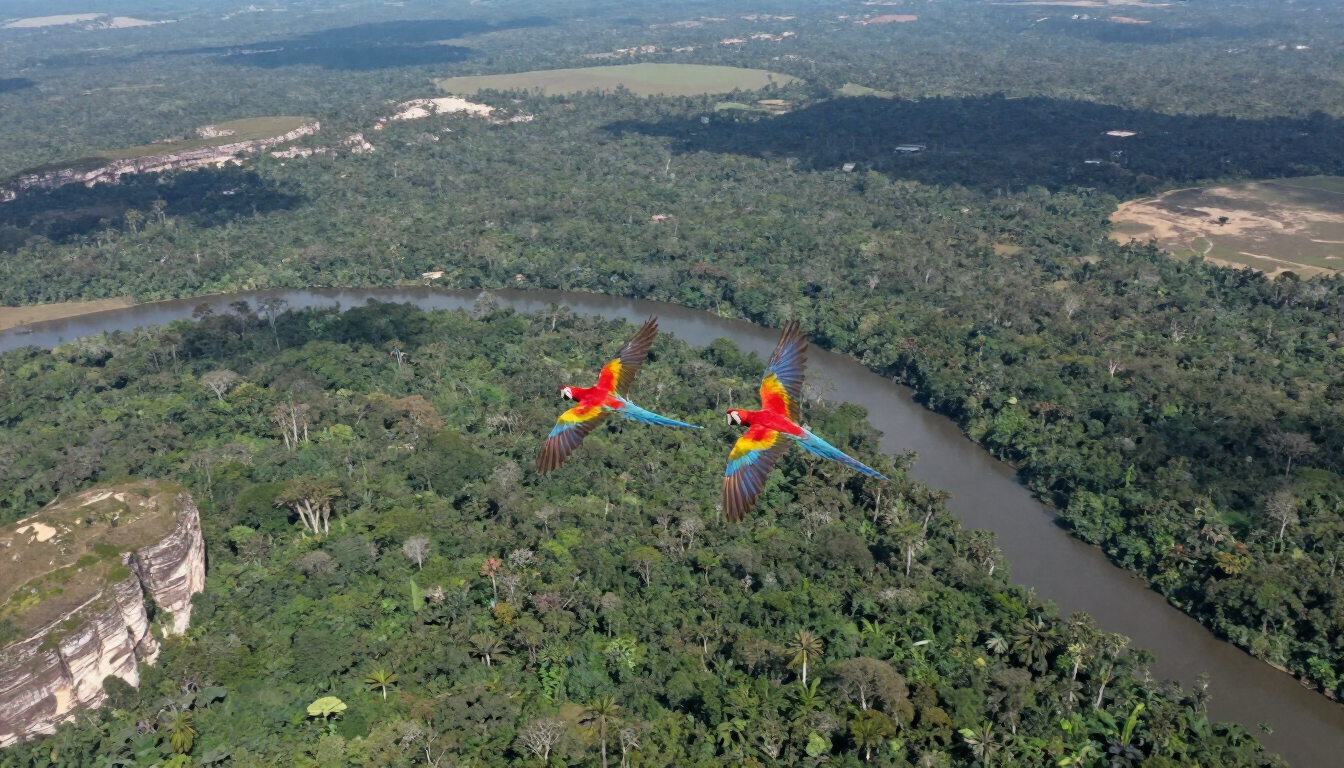
The best places to photograph Colombian tanagers aren't simply where the species is present. They are places where access, forest-edge light, perch selection, and experienced local coordination come together - giving you time to work a striking bird rather than record a hurried sighting.
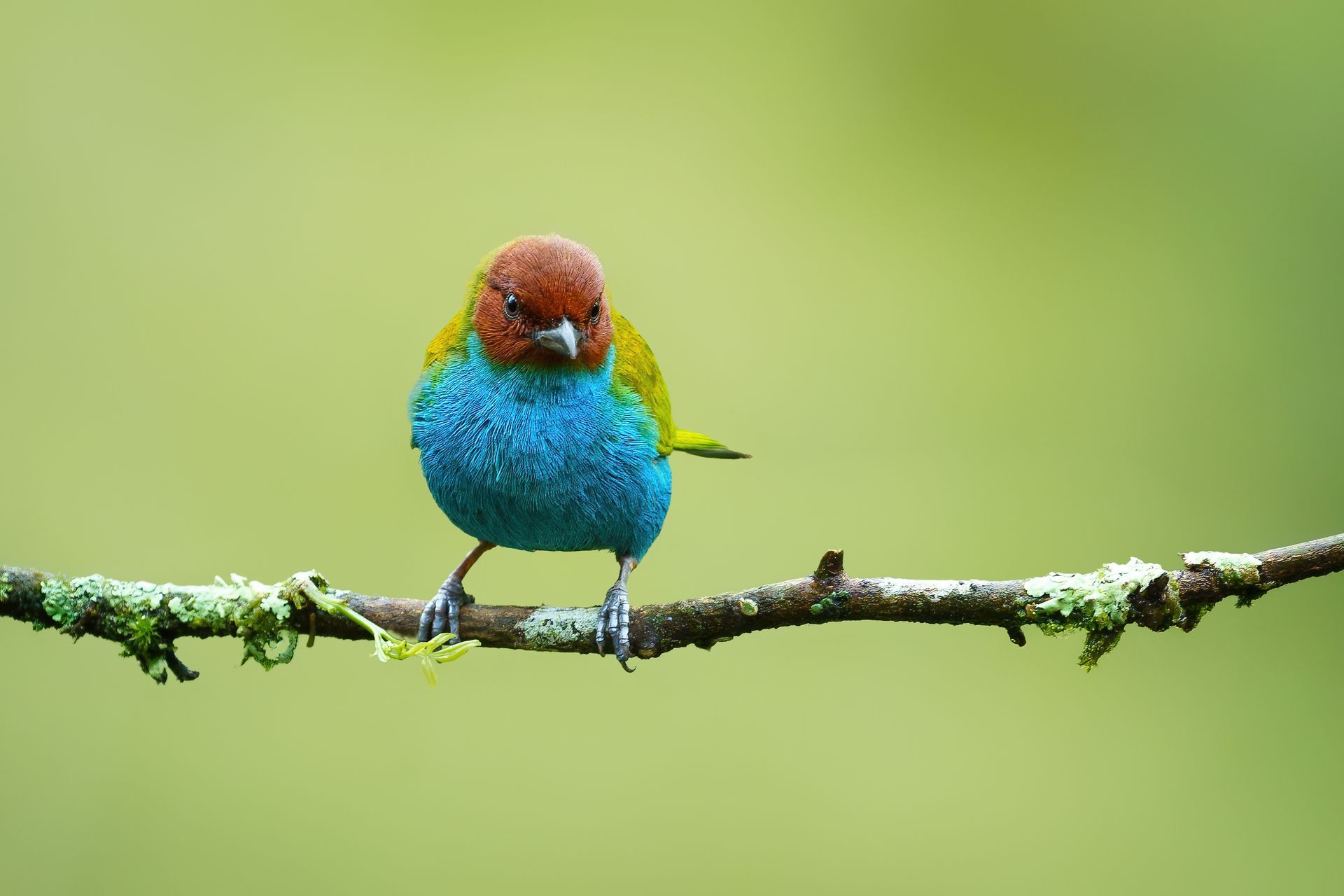
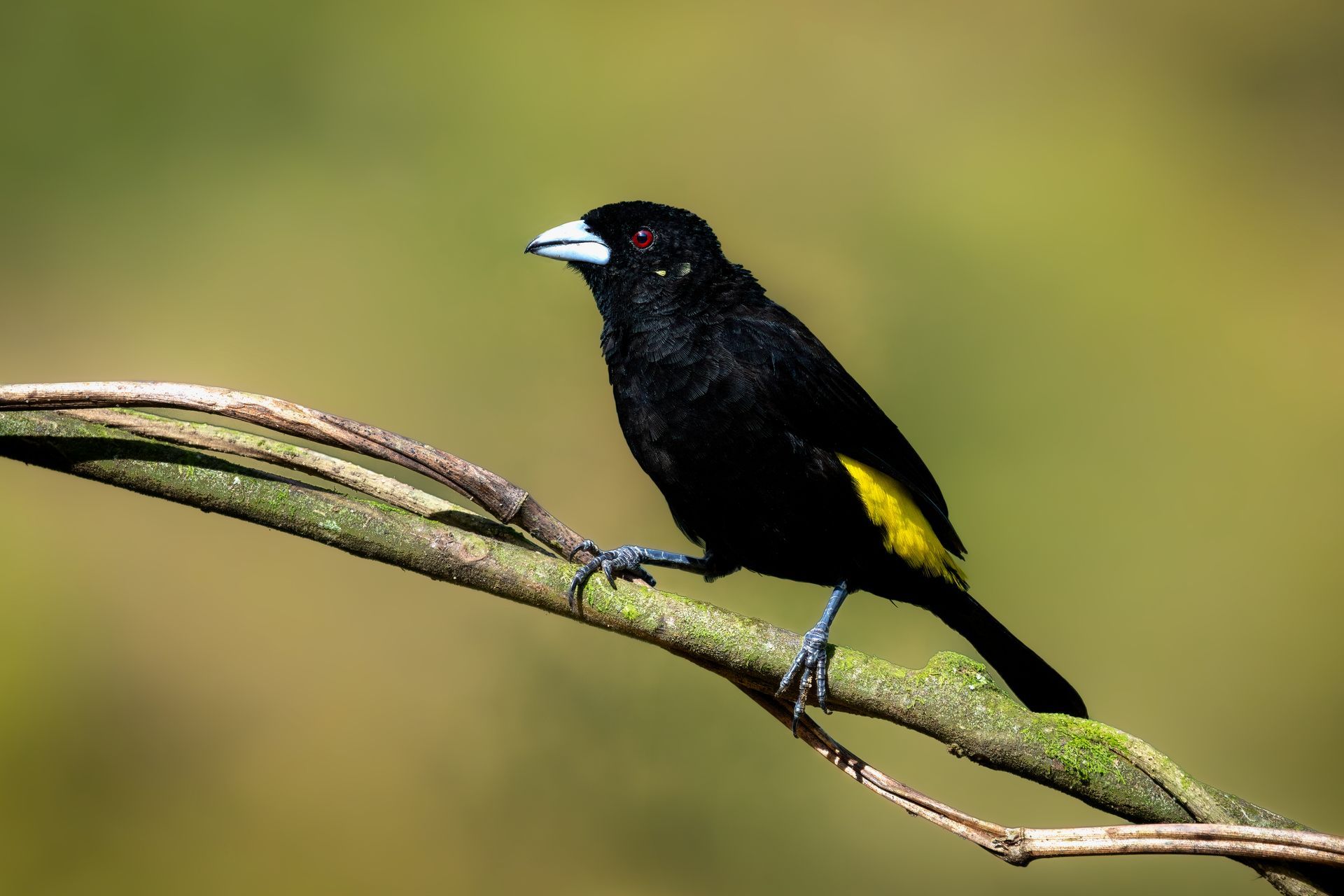
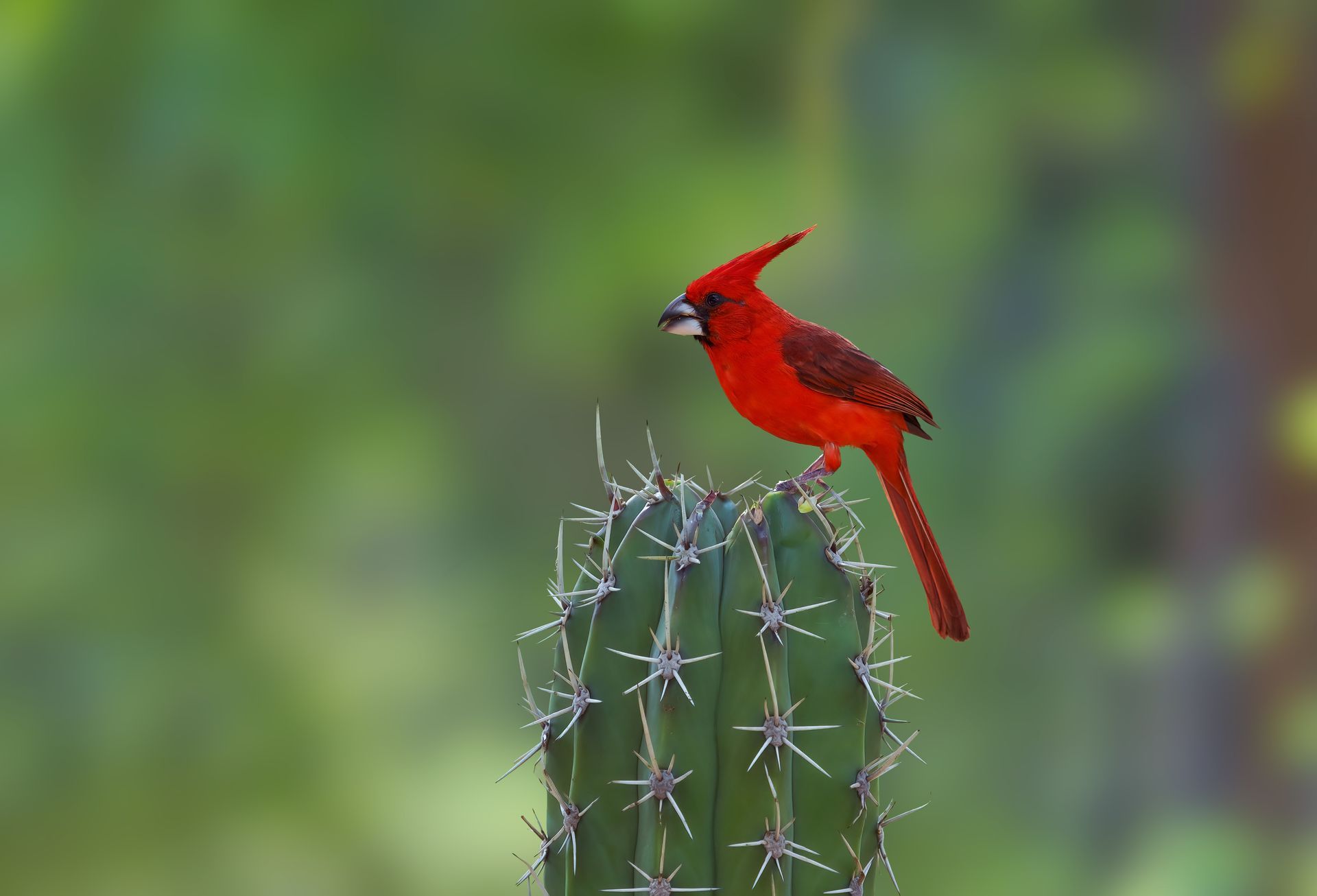
Known for its deep blue-black plumage, rich scarlet underparts, and fiery rump, the Colombian Tanager is a signature subject of western Colombia’s humid forests and foothills. It can be common locally, but clean photo opportunities are more selective. This bird moves quickly through foliage, often with mixed tanager flocks, and its dark tones can disappear against a cluttered rainforest background. Choosing the right region makes all the difference.
Best Places to Photograph Colombian Tanagers
Anchicayá and the Pacific slope near Cali
Anchicayá is one of the most rewarding areas for photographers focused on Colombian tanagers and the extraordinary birdlife of the Chocó biogeographic region. The road and forest clearings on the western slope of the Andes can attract species to fruiting trees, edge vegetation, and active feeding areas, often alongside other intensely coloured tanagers, barbets, toucans, and hummingbirds.
For photography, the appeal is variety. A tanager may appear at eye level in a berry-laden shrub one moment, then move into the canopy with a mixed flock the next. Productive clearings offer more manageable backgrounds than deep primary forest, while the surrounding mature habitat sustains the diversity that keeps flocks moving through.
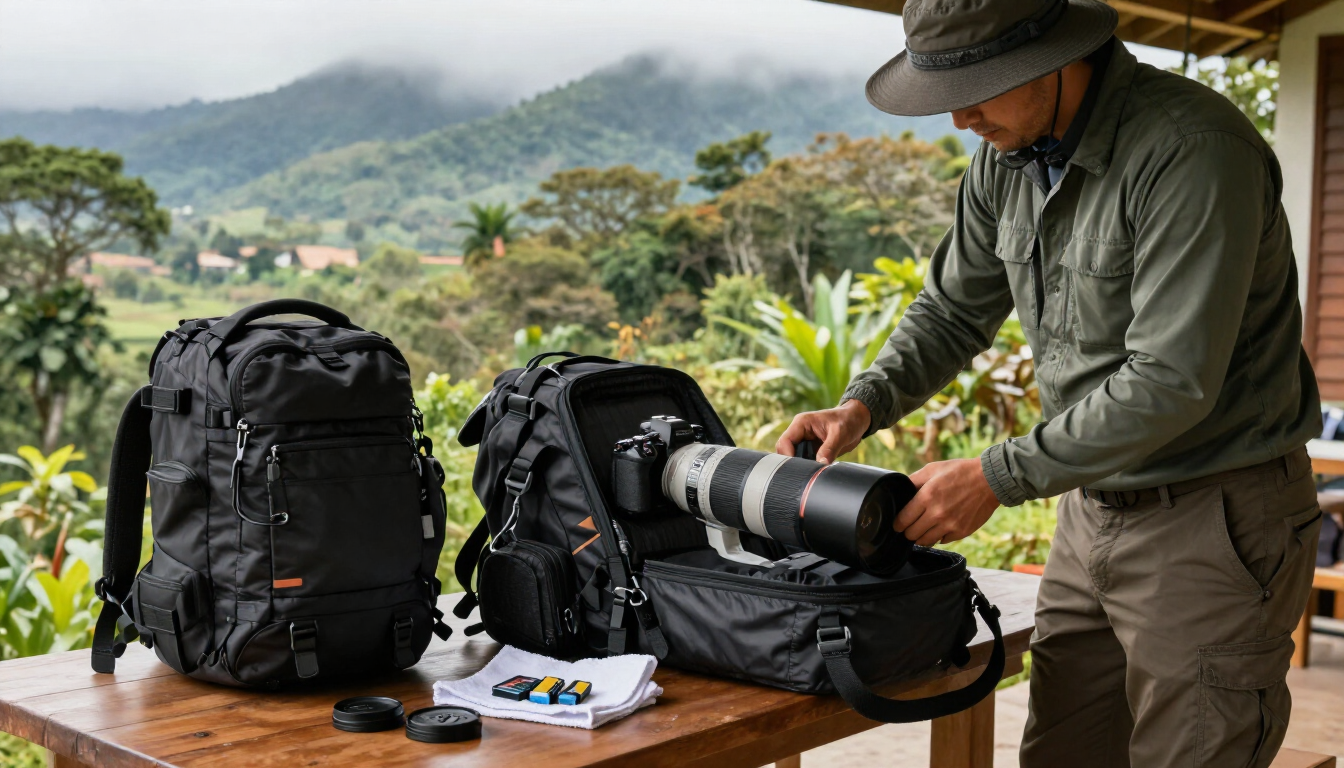
Rain is part of the experience here, not a minor inconvenience. A rain cover for
camera and lens, dry bags, microfiber cloths, and footwear with dependable traction are essential. The payoff is lush colour, saturated vegetation, and a Pacific-slope bird community unlike anywhere else in the country. Because conditions and road access can change, this destination requires current local knowledge and a carefully planned transport schedule.
San Cipriano and the lowland Pacific forest
For photographers who want a more humid, lowland feel, San Cipriano offers a compelling setting. Surrounded by rainforest and reached through a memorable local transport experience, this region provides opportunities for Colombian Tanagers in a landscape shaped by dense forest, rivers, gardens, and forest-edge vegetation.
The photographic challenge is contrast. The bird’s red belly and rump can look spectacular in soft overcast light, but direct sun can clip the scarlet tones while leaving the blue-black upperparts underexposed. Early morning cloud cover is often ideal. Expose carefully for the red plumage, check your histogram, and don't assume you can recover a bright patch of colour later.
San Cipriano also reminds us that excellent bird photography depends on community relationships.
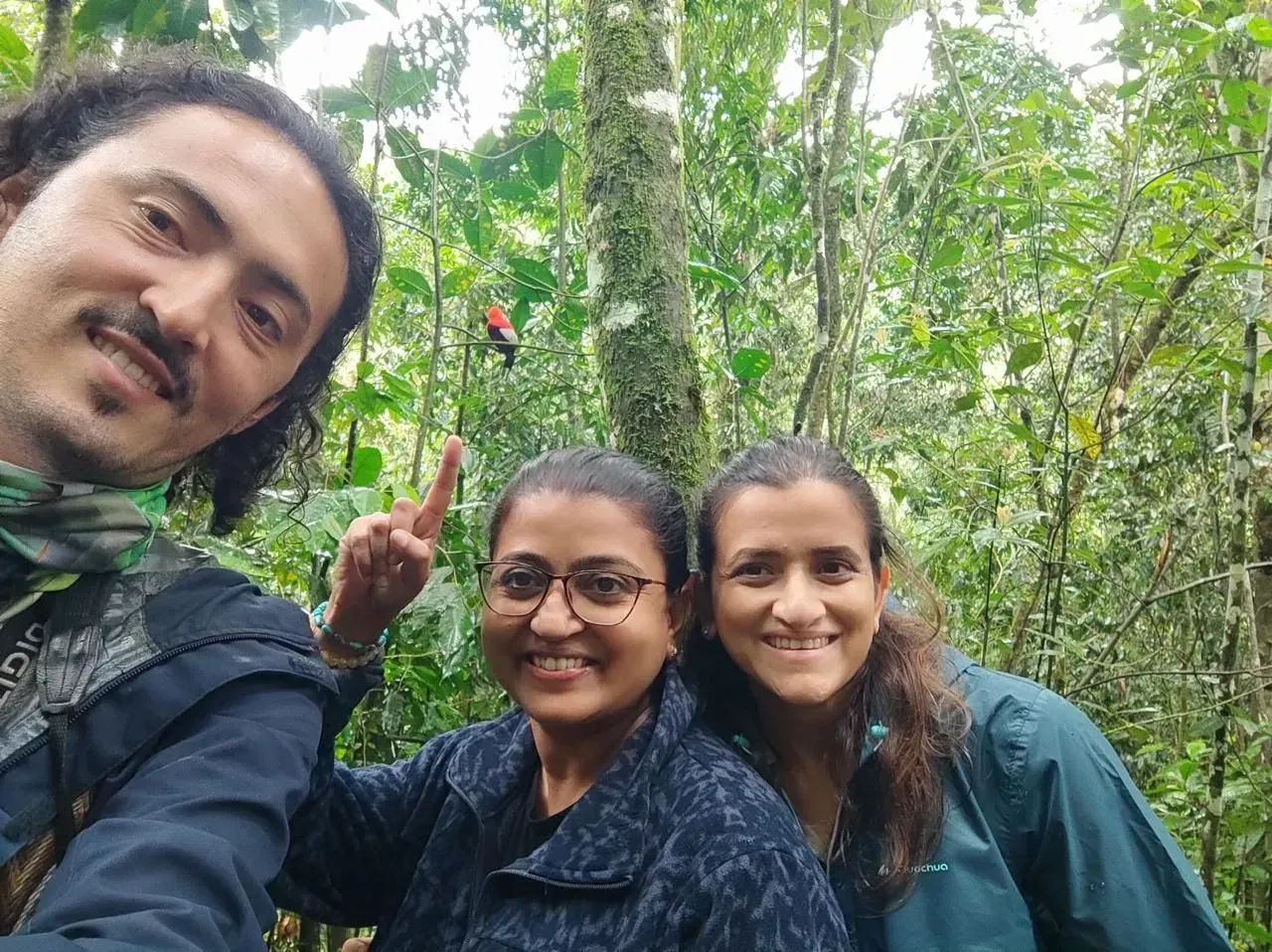
Local guides know which trails are passable after rain, where fruiting trees are active, and how to approach sensitive areas without disrupting wildlife or daily life. A respectful visit supports the people whose stewardship helps keep this forest standing.
Montezuma Road in Tatamá
Montezuma Road, on the approach to Tatamá National Natural Park, deserves a place on any serious western-Andes photo itinerary. It is famous for endemics and specialty birds, but its mid-elevation forests also offer excellent chances to see the Colombian Tanager. The key is patience. These are not always stationary, feeder-style encounters. Birds may travel with fast-moving flocks through roadside trees, forest borders, and flowering or fruiting vegetation.
This is a strong choice for photographers who prefer a broader portfolio rather than a single-species mission. Between Colombian Tanager opportunities, you may encounter mountain-tanagers, chlorophonias, toucanets, woodpeckers, and a changing cast of Andean forest birds. The habitat can be steep, misty, and physically demanding, but the road lets you reach multiple elevations without spending your whole day hiking.
A
500mm or 600mm lens helps, especially when birds stay high in the canopy. Yet a 100-400mm or 200-600mm zoom can be the smarter field tool when a flock suddenly appears close to the road. Flexibility matters more than chasing maximum focal length when the action changes by the minute.
Río Ñambí and southern Pacific foothills
Río Ñambí, in Nariño, is a superb option for photographers who value intact forest, rich Pacific-slope biodiversity, and a more remote expedition atmosphere. Colombian Tanagers occur in suitable habitat here, and the reserve’s trails, lodge surroundings, and forest edges can create opportunities when fruit is available.
Río Ñambí's real strength is its sense of possibility. A morning spent waiting for a tanager can also bring unexpected encounters with antbirds, colorful flycatchers, hummingbirds, and other Chocó-influenced specialties. This is not a destination to rush. Plan enough time for changing weather, variable fruiting cycles, and the patient observation that produces better images.
Accommodation and logistics in remote reserves may be simpler than in major cities, but that is part of the trade-off for being close to productive habitat at first light. A well-organized itinerary should balance comfort with field time, ensuring that photographers are already in position when the forest becomes active.
Timing Your Colombian Tanager Photography
Colombian Tanagers can be photographed year-round, and no single short season makes them disappear from the western Colombian landscape. Still, weather shapes your working days. Relatively drier windows, often around December through March and again around July and August, can make travel and trail conditions easier in some regions. They do not guarantee blue skies or dry forests.
For bird photography, overcast mornings are often preferable. Soft light reveals feather texture, protects the intense red tones, and reduces distracting shadows under the bill and wing. Early morning remains the most dependable time, especially at fruiting trees and managed feeding areas, but activity can resume after a shower as birds start moving again.
Fruiting cycles matter more than a calendar. A local guide who monitors seasonal food sources can turn a general tanager trip into a highly productive photography session. This is one reason independent travel can be limiting: the bird may be present in a region, while the best photographic tree may be several valleys away.
Camera Techniques for a Dark-and-Red Subject
Colombian Tanagers reward deliberate exposure. Their plumage contains two difficult elements in one frame: very dark blue-black feathers and saturated red areas. If you expose only for the shadows, the red can lose detail. If you protect the red too aggressively, the head and back may become featureless.
Shoot RAW, use your histogram, and review images at high magnification when conditions allow. In stable ,soft light, manual exposure with Auto ISO can work well, especially from a reliable perch. For active flock work, shutter-priority or manual exposure with a higher Auto ISO ceiling may help you maintain at least 1/1600 second for sharpness. A perched bird can tolerate less speed, but tanagers often flick, hop, and turn without warning.
Background separation is equally important. Look for a perch with distant foliage behind it, then wait rather than photographing every brief arrival. A slight change in your position can replace a busy tangle of branches with a smooth green field of colour. Avoid crowding birds or pushing into vegetation for a closer angle. The strongest photographs usually come from staying still and allowing wildlife to choose a natural perch.
Photographing With Care
Feeders and fruiting stations can create beautiful, controlled opportunities, particularly in areas where local families and reserves use birdwatching to support conservation. Manage them responsibly, with clean practices, appropriate food, sensible viewing distances, and no pressure on birds to perform. A good guide will also balance feeder time with natural forest encounters.
Playback is rarely necessary for Colombian Tanager photography and can disturb an already active mixed flock. Keep voices low, give other photographers room to work, and respect the people who live beside these forests. Ethical field behaviour is not separate from photographic success. It is what helps preserve access to the birds, landscapes, and communities that make a Colombian expedition so memorable.
Whether you choose the wet Pacific lowlands, the foothill forests of Anchicayá, or the misty slopes toward Tatamá, give this vivid tanager enough time. One quiet morning beside a fruiting tree can yield far more than a frame: it can reveal the living forest that makes Colombia a photographer’s dream.