
Colombia birding trip a nice adventure - Testimonial
Colombia has almost 2,000 species of birds, nearly 20 percent of the world’s total. So, even though we had just been in Southern Colombia in January 2025, we went back for more birding.
The Sierra Nevada de Santa Marta mountains, along the Caribbean coast, is an attractive birding location because the isolated mountain range and nearby desert hold lots of unique birds. That area is less developed than other parts of the country, but that was part of the attraction. We were joined by all of Joan’s sisters and spouses, so there were eight of us on the trip.
We flew into Bogotá and spent the next day there before flying to the coastal city of Santa Marta. Our guide met us at the airport, where we got in 4x4 vehicles to head into the mountains, which we could see looming to the south. The first half hour was on a paved road, but then the pavement ended, and the rocks started. The rest of that trip was less than 20 miles, but it took us over two bone-jarring hours.
Our first destination was the renowned El Dorado Lodge, at 8,200 feet elevation. It was comfortable, with comfortable rooms and amazing views, but it required a long and steep uphill walk from the restaurant to the rooms, a task undertaken only when essential at that altitude! After three days, we moved downhill to stay at Mountain House, a comfortable lodge with lots of bird feeders and a beautiful flower garden. Sunsets over the Caribbean below were splendid!
The owner, Tonio, built the eight-room lodge on a family farm three years ago for the expanding ecotourism in the region. Ecotourism now produces his primary income. We spent a morning at another private property, the Observatorio de Aves de Minca, where a couple has transformed the property into a wildlife haven. Numerous strategically placed fruit and seed feeders attract a multitude of birds into perfect position for observation and photographs.
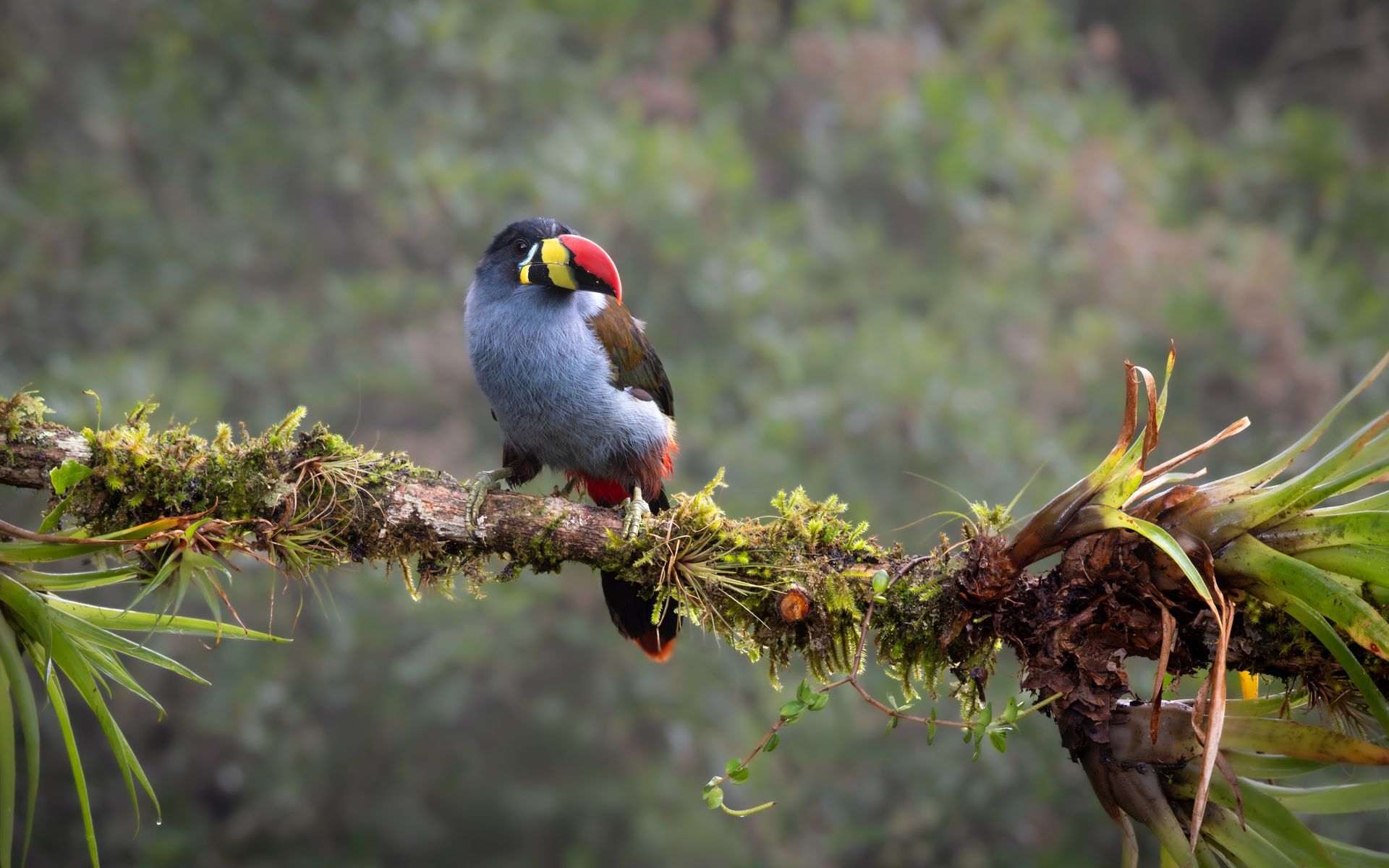
The protected forest and gardens on these properties provide valuable habitat for birds and other animals. We saw many rare and beautiful birds like the Santa Marta brush-finch, Santa Marta antpitta, Santa Marta mountain tanager and white-tipped quetzal — all found only in those mountains.
We drove down to sea level and the arid scrub of La Guajira area, but a bridge had been damaged by flooding. We had to walk across, with all our luggage! Fortunately, several entrepreneurs had large hand carts, and for a small fee took our luggage across to vans waiting on the other side. Our rooms at Playa Mar Azul were adequate, and we dined oceanside. A day trip on a lagoon, in boats propelled by single sails and push-poles, was an adventure. We saw many familiar birds like laughing gulls and little blue herons, but we did find a mangrove rail, and they proudly showed us their American flamingos. We did not disappoint them by telling them we have one in Port Aransas!
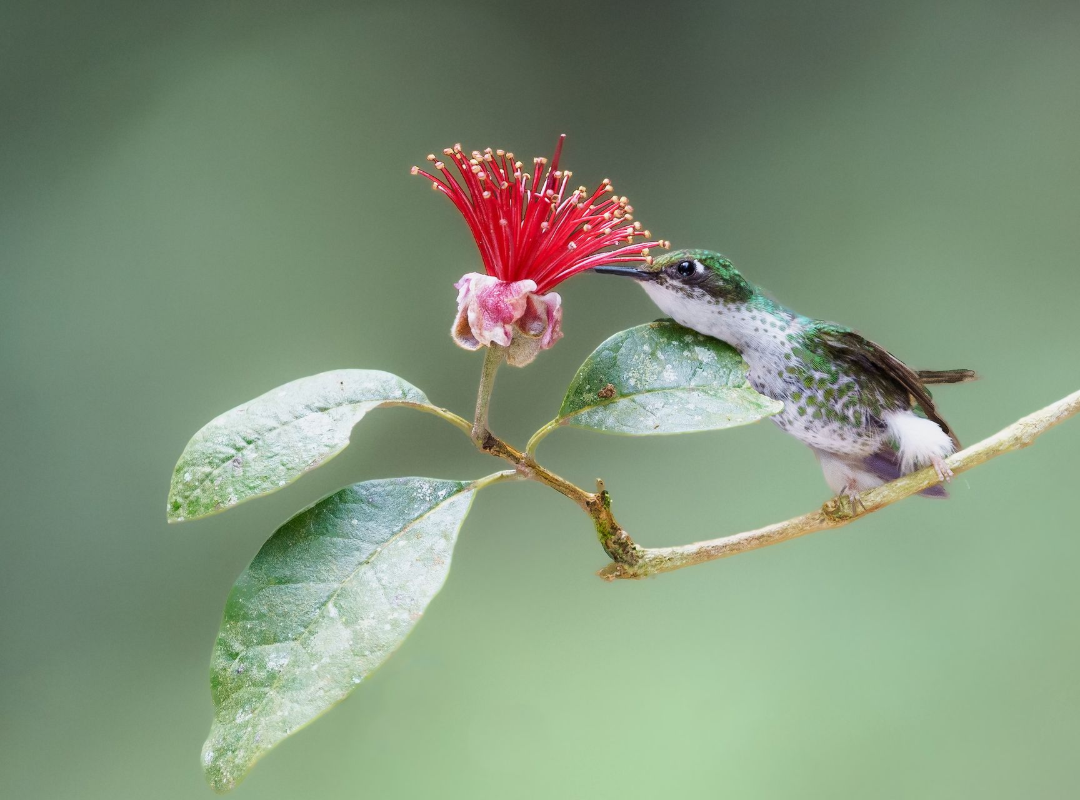
We returned to Bogotá, where two of our group had to return home. The remaining six spent another week along the eastern slope of the Andes. This area was surprisingly rural given that it is less than 50 miles from Bogotá. We stayed at a small farm where the owner had built a few simple rooms and an open-air kitchen. Bird feeders brought in birds like green-bellied hummingbirds, blue-necked tanagers and yellow-tufted woodpeckers for nice views and photographs, but long walks along rough roads were required to find the unusual birds like the yellow-mantled sparrow and pale-breasted spinetail.
On this trip we spent more time on private properties than on public lands or roads. These entrepreneurs are not only providing food for the birds, they are transforming their property into wildlife refuges that attract significant ecotourism traffic. It was rewarding to see the money spent on exciting travel is helping transform not only habitat, from pastures to forest, but transforming the lives of the local residents too. Our money spent there goes a long way in these rural communities.
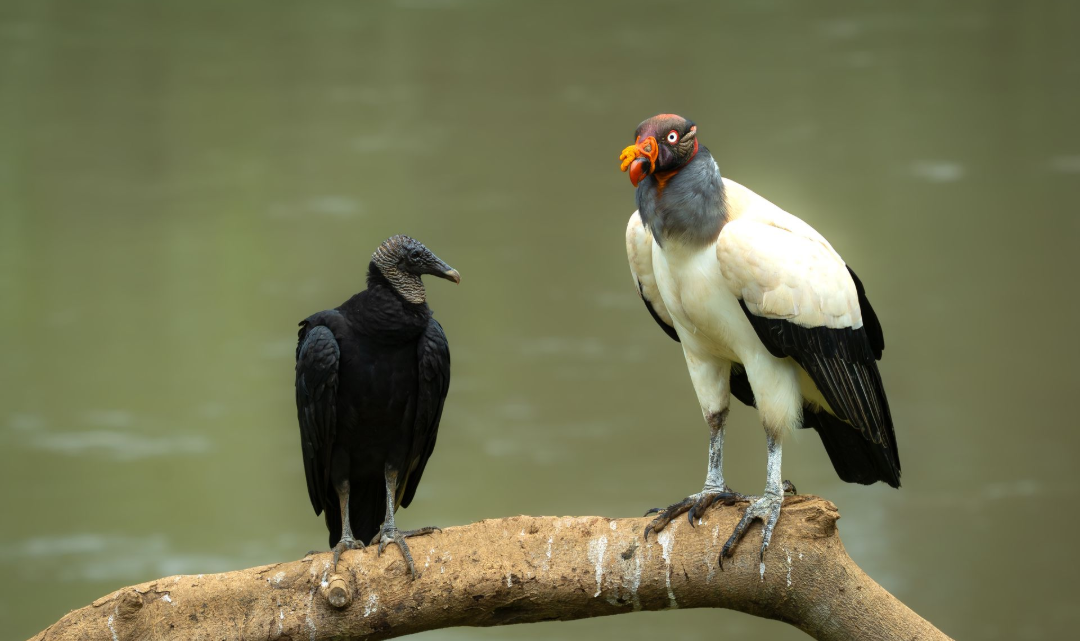
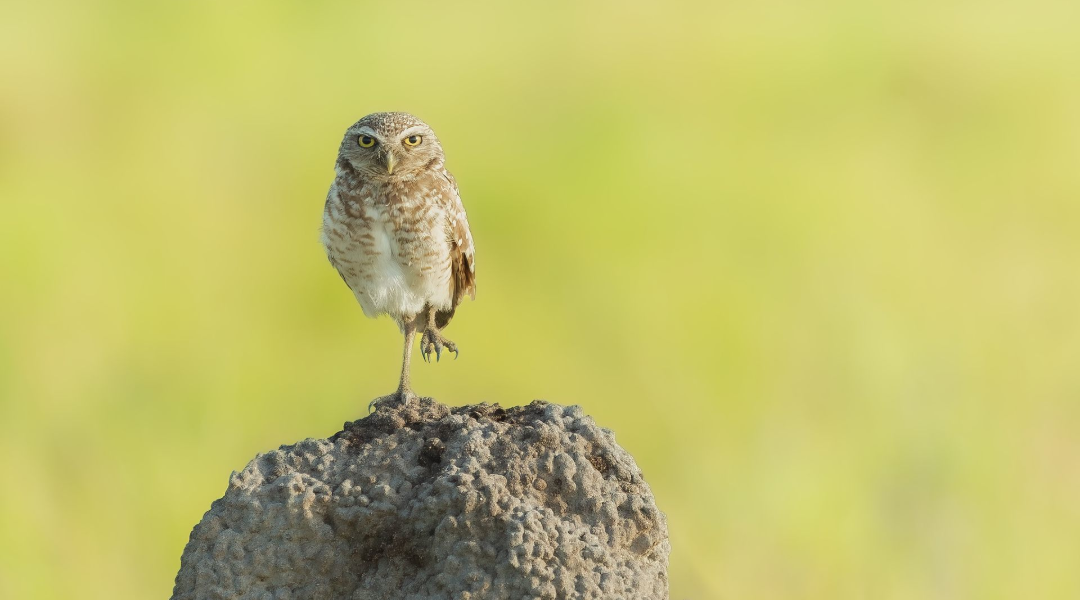
We traveled by car, van, bus and sailboat to see and photograph hundreds of bird species and other creatures as well, including monkeys, snakes and butterflies. We saw 325 species of birds, with 73 of those new or “life” birds for us. It was a fine trip.
- Joan and Scott Holt are retired Port Aransas scientists and longtime birders. Joan and Scott Holt Paradise Pond, part of the Port Aransas Nature Preserve, was named after them.