
Guided Wildlife Trips for Serious Photographers
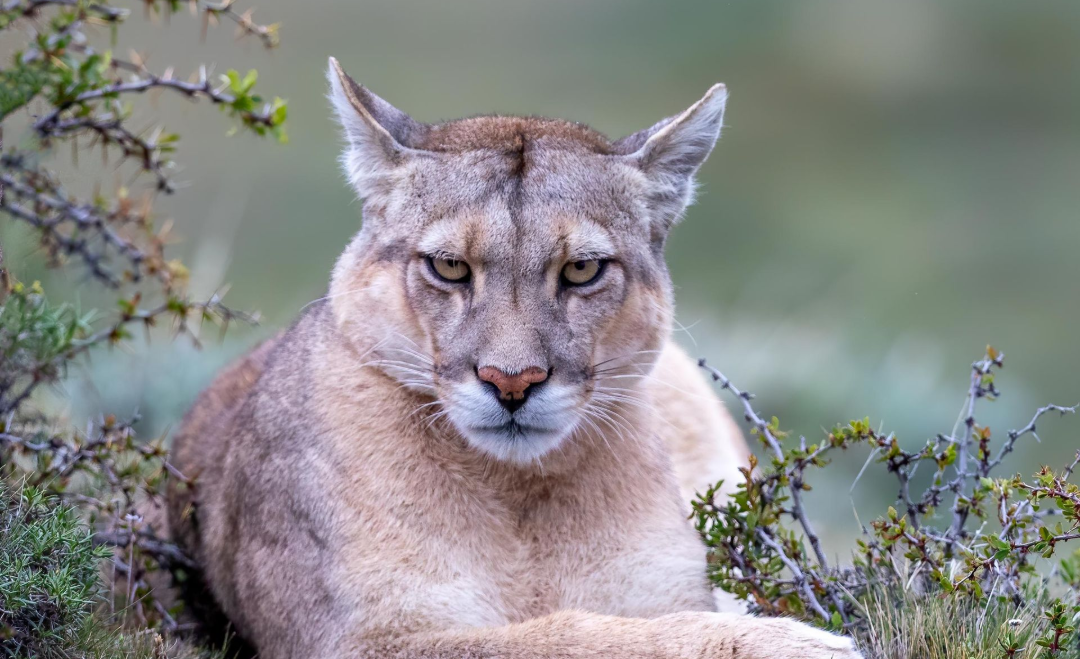
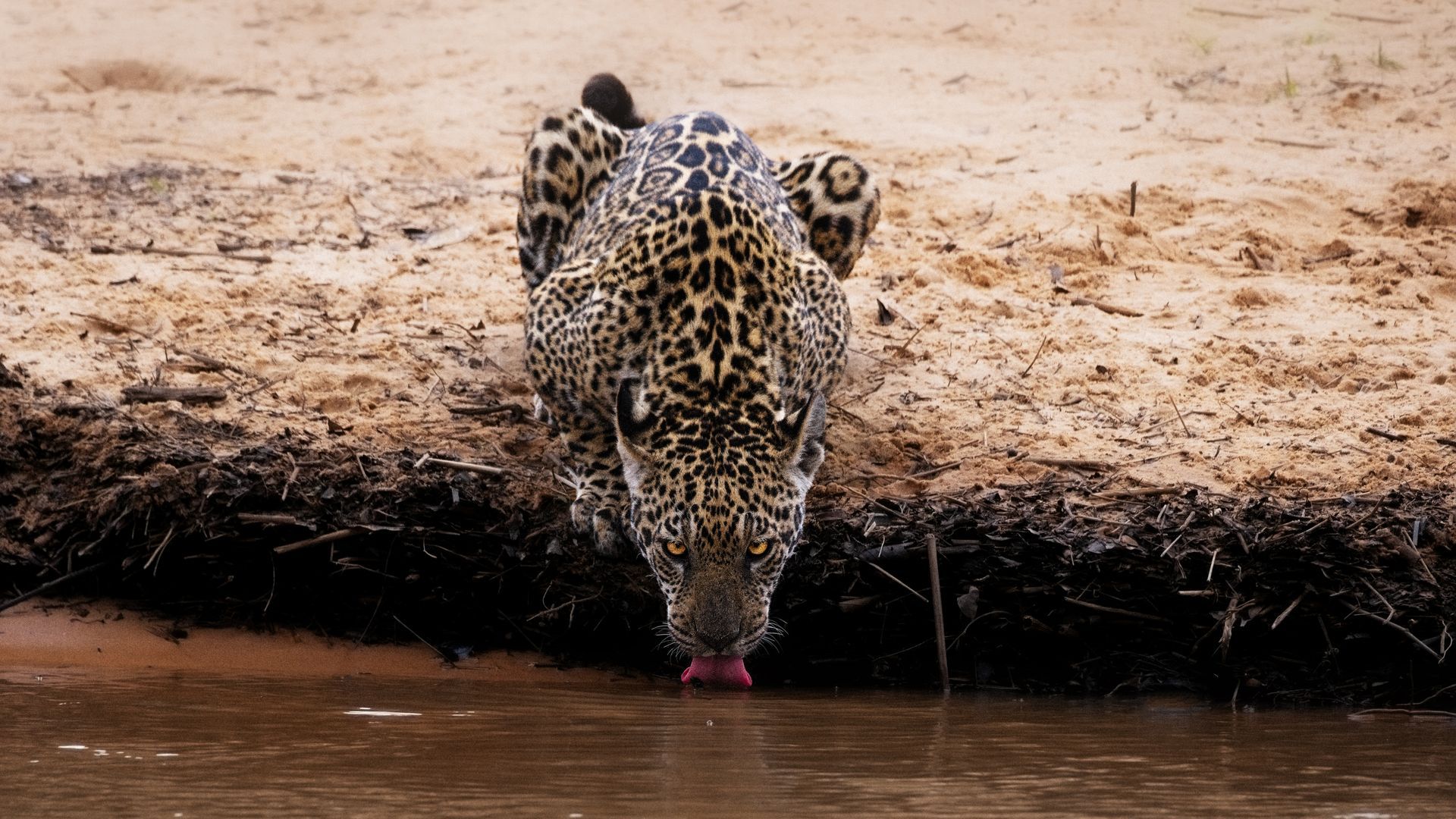
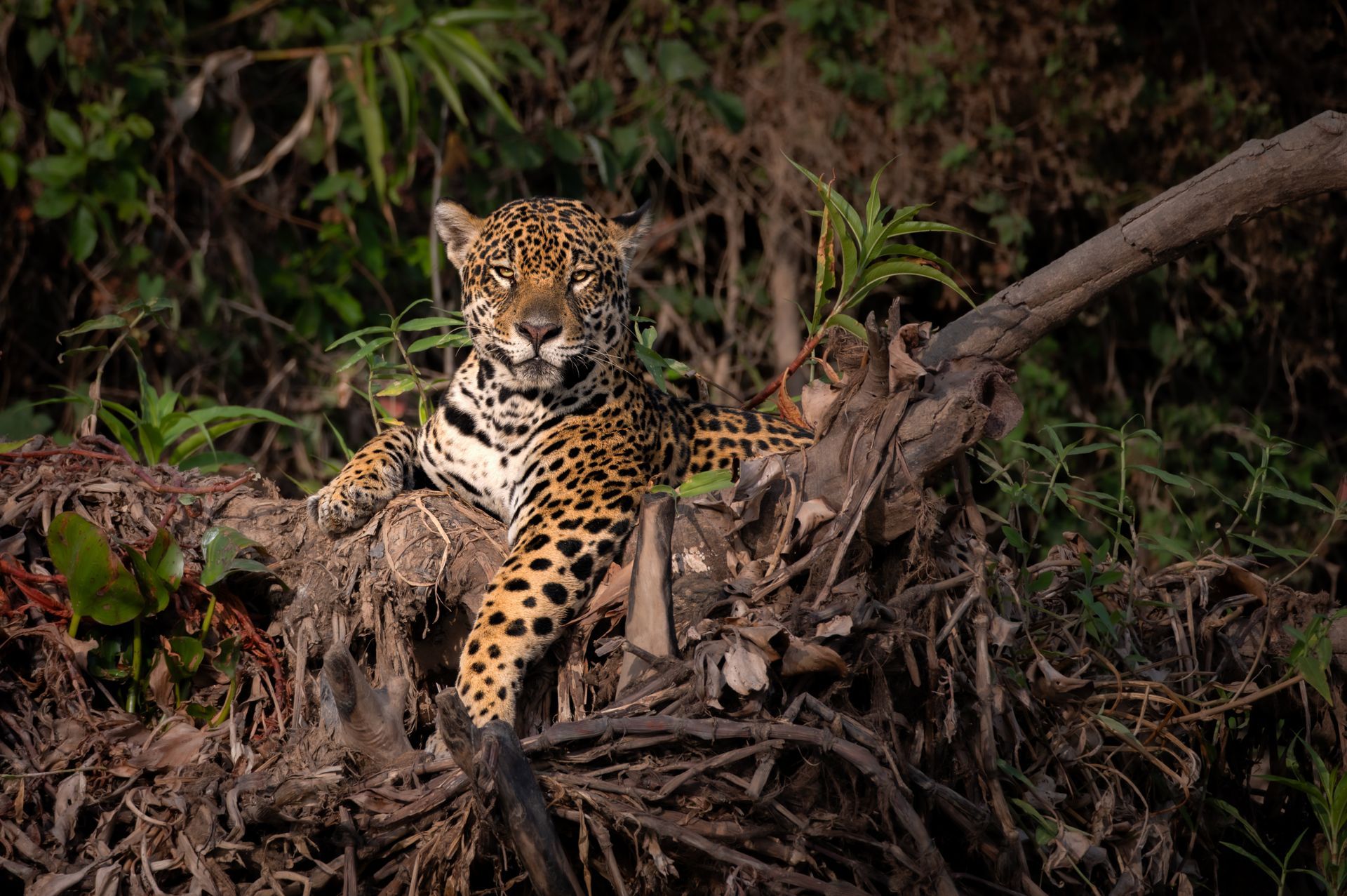
South America holds an extraordinary range of wild felines, from the powerful jaguar to small, rarely seen cats that can weigh less than a house cat.
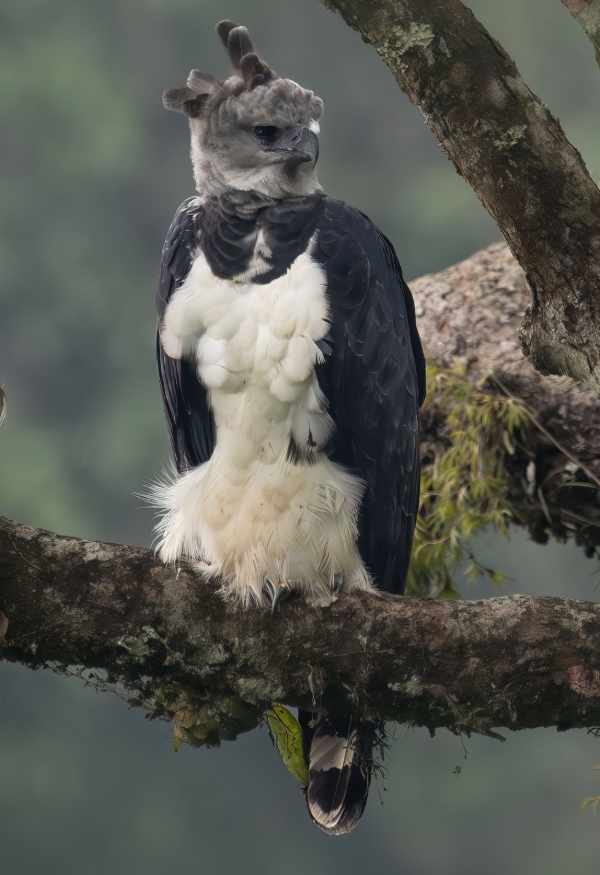
A Harpy Eagle does not wait for a delayed vehicle, a vague plan, or a photographer still deciding which trail to take. Neither does a jaguar crossing a Pantanal track at first light, or an Andean Cock-of-the-rock appearing briefly at a lek. For photographers traveling to pursue subjects like these, **guided wildlife trips** are not simply a more comfortable way to travel. They are the difference between hoping for an encounter and being ready when one happens.
Colombia holds an extraordinary concentration of life across the Andes, Amazon, Caribbean lowlands, Chocó rainforest, grasslands, and cloud forests. But that richness comes with real logistical complexity. Productive habitats can be remote, weather can change quickly, access may depend on local relationships, and a target species may be active only during a narrow window of the day. A specialist photo expedition brings those moving parts together so your attention stays where it belongs: in the field.
What Makes Guided Wildlife Trips Worth It?
Independent travel can be deeply rewarding, especially for travelers who know a region well and have flexible schedules. But a photographic expedition has different demands. You may be carrying a 500mm or 600mm lens, working around low light, seeking one elusive endemic, and trying to make the most of a limited number of days. Time lost to scouting, route changes, unreliable transport, or unsuitable lodging can mean missed photographic opportunities.
The right guide does far more than point out a bird. They understand where a species feeds, when it calls, how light reaches a clearing, and whether the morning's weather favors one elevation over another. They also recognize when it is time to wait and when it is time to move. That judgment comes from repeated field experience, not from a species list alone.
For serious photographers, the value is usually measured in field time and preparation. A well-coordinated trip handles transportation, permits where required, meals, lodging, local access, and daily timing. That does not guarantee a jaguar, bear, or Harpy Eagle - wild animals remain wild - but it creates the strongest possible conditions for a respectful encounter.
Colombia Rewards the Photographer Who Plans Deeply
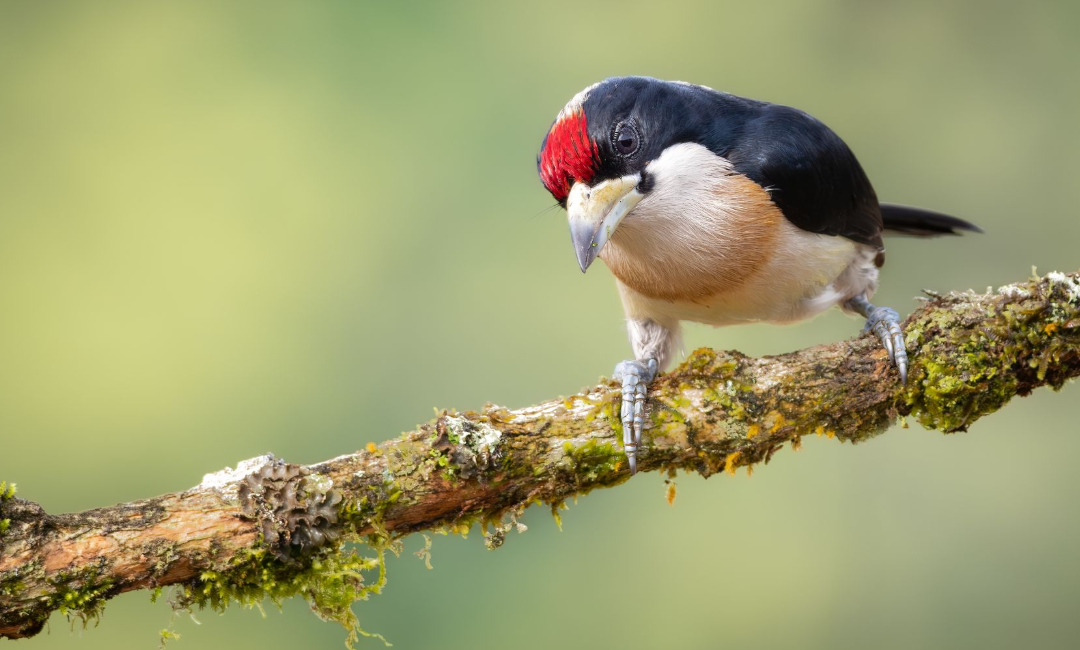
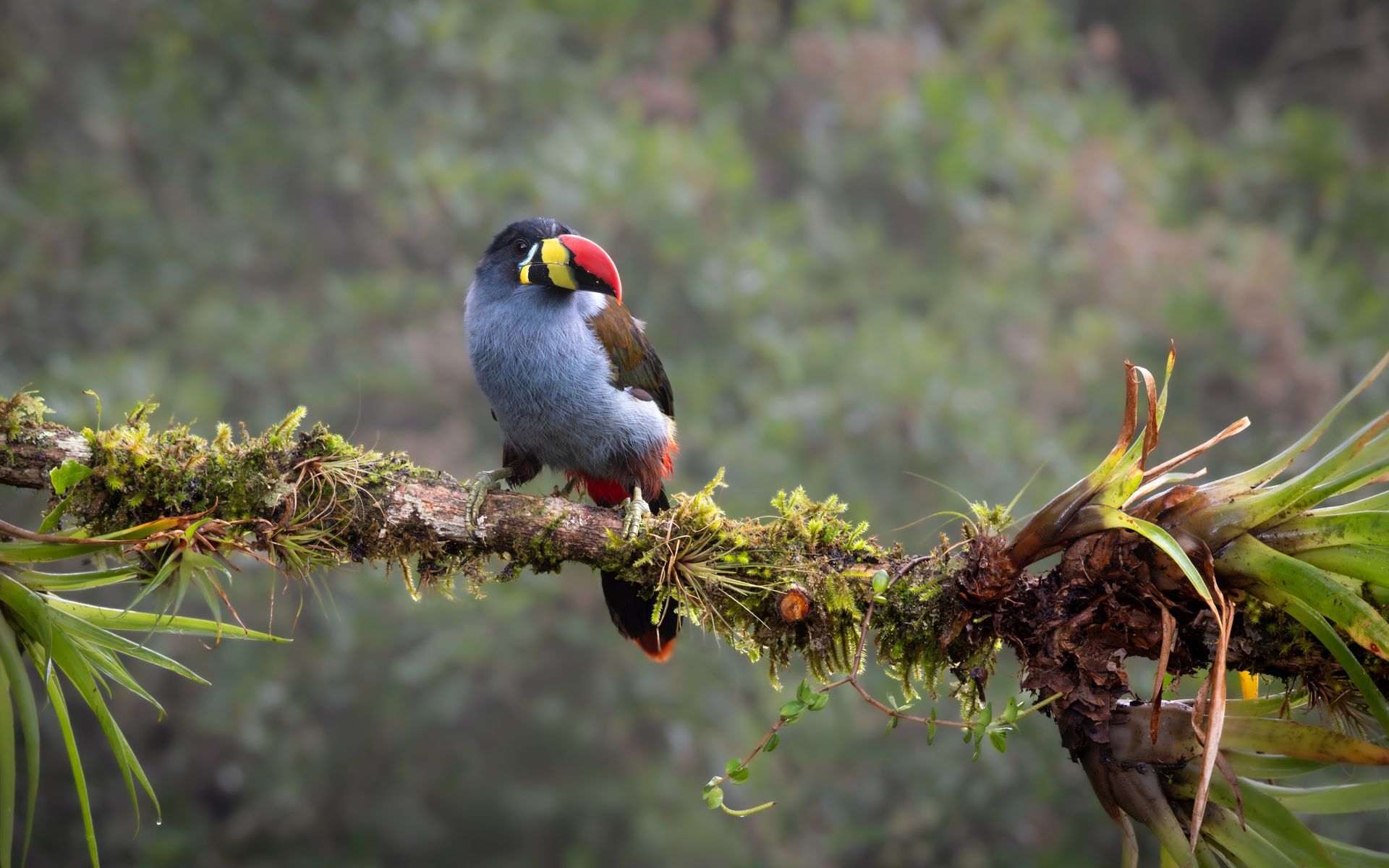
Colombia is home to more bird species than any other country, including a remarkable number of endemics and near-endemics. Yet its appeal goes far beyond birding. [Spectacled Bears](https://www.retornophototours.com/andean-bear-photography-a-rare-wildlife-experience-in-colombia) move through high Andean landscapes, primates inhabit rainforest canopies, frogs emerge after rain, and colorful reptiles, butterflies, and mammals add unexpected subjects between bird sessions.
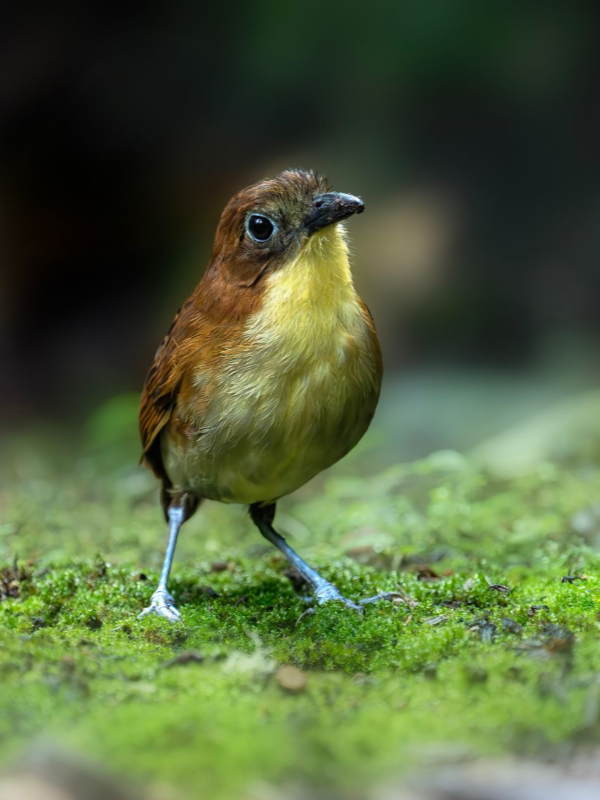
The country’s variety is also why one general itinerary rarely fits every photographer. A hummingbird-focused trip may prioritize feeders, forest edges, and carefully chosen private reserves in the Andes. A quest for [rare antpittas](https://www.retornophototours.com/antpittas-the-hidden-birds-of-colombia-s-cloud-forests) or tanagers may require early starts on steep cloud-forest trails. A dedicated [Harpy Eagle expedition](https://www.retornophototours.com/a-day-inside-a-harpy-eagle-expedition-what-really-happens-from-sunrise-to-sunset) may involve long periods of quiet observation from a carefully selected position. Each experience asks for different pacing, equipment, and expectations.
This is where local knowledge changes the entire trip. A guide who knows the route can build in realistic travel times, identify productive alternatives when rain closes a road, and choose accommodations that reduce daily driving. In remote regions, good logistics are not a background detail. They protect your energy, your equipment, and your most valuable resource: dawn and dusk in habitat.
Access Must Be Earned, Not Assumed
Some of the finest wildlife locations are not marked on a map or easily reached by public transportation. They may sit within community-managed reserves, family farms, Indigenous territories, Afro-descendant communities, or private conservation projects. Access depends on trust, clear communication, and a tourism model that recognizes the people who care for these landscapes.
Ethical guided travel supports this relationship. Visitors receive meaningful wildlife experiences, while local communities gain an economic reason to maintain forest, restore habitat, and protect species. The outcome is not perfect or automatic, and responsible operators must keep listening to local partners. Still, carefully managed nature tourism can create a powerful connection between photography, livelihoods, and conservation.
A Photography Trip Should Be Built Around Light and Behavior
A standard wildlife tour may be excellent for seeing a wide range of species. A photography-focused departure must go further. It needs to consider backgrounds, shooting angles, sun direction, workable distances, vehicle positioning, and enough time at productive locations to let behavior unfold.
That can mean returning to the same clearing for several mornings rather than rushing to another checklist stop. It can mean accepting that a foggy cloud-forest morning is better for intimate, atmospheric images than for distant flight photography. It can also mean carrying less gear on a demanding trail so you can remain mobile and comfortable when the subject appears.
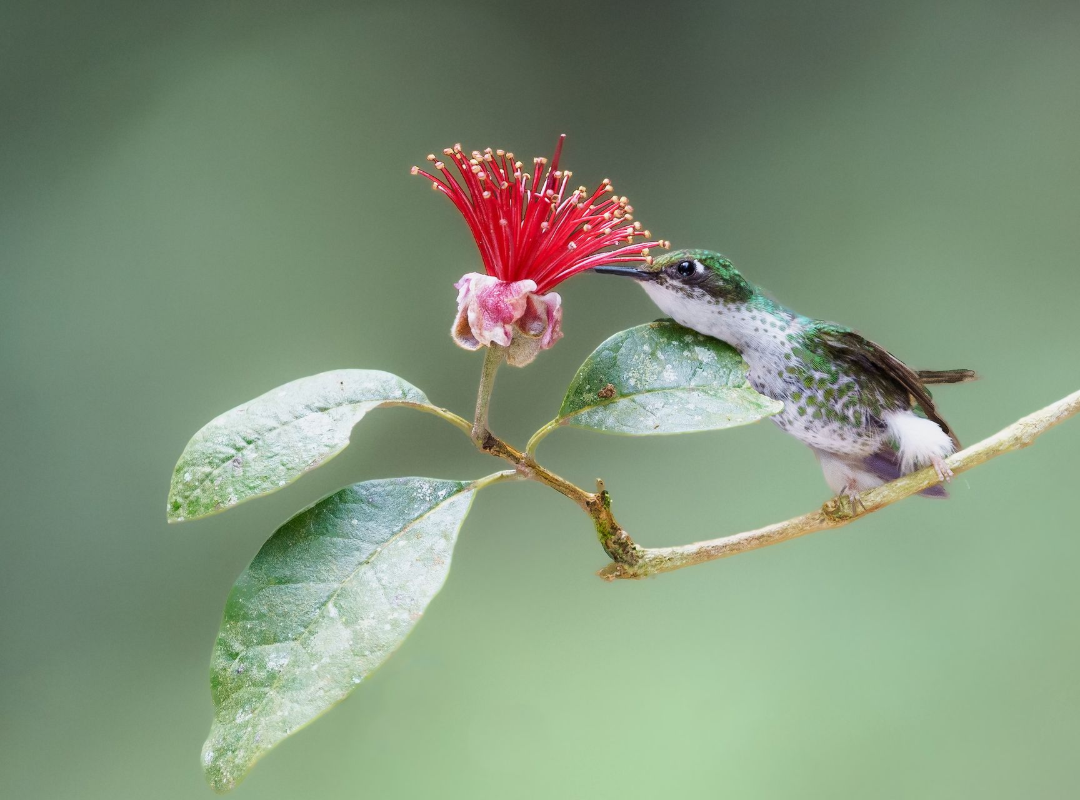
Retorno Photo Tours designs expeditions with this practical reality in mind, pairing photographic priorities with the ecological knowledge needed to find subjects responsibly. The goal is not to manufacture a scene. It is to place photographers in a position to capture genuine moments: a hummingbird hovering at eye level, a tanager arriving at fruit, a caiman breaking still water, or a bear feeding along a mountain slope.
Small Groups Create Better Field Conditions
Group size matters more than many travelers expect. Smaller groups are easier to position quietly, more flexible when conditions change, and less disruptive around sensitive wildlife. They also make it possible for guides to provide more individual support with exposure decisions, field craft, and equipment adjustments.
A small group does not mean every photographer will make identical images. In fact, it often allows more room for personal style. One person may focus on a clean bird portrait, another on behavioral sequences, and another on a wider environmental composition. The guide’s role is to help each photographer work effectively without compromising the experience for the group or the welfare of the animal.
## Bring the Right Gear, but Pack for the Reality of the Route
Long lenses are valuable in wildlife photography, but the heaviest setup is not always the best setup. A 400mm lens can be ideal for forest trails, while a longer prime may shine from a vehicle, boat, or fixed observation point. A second body can reduce lens changes in humid or dusty conditions, but it also adds weight during uphill walks.
Think in terms of the trip’s habitats. Rain protection is essential in cloud forest and Amazon conditions. A stable support system, whether a tripod, monopod, beanbag, or gimbal setup, can make a greater difference than adding another lens. Fast memory cards, spare batteries, lens cloths, dry bags, and a headlamp are small items that prevent frustrating interruptions.
Clothing should support long hours outdoors rather than look expedition-ready in a hotel lobby. Quick-drying layers, waterproof footwear with good traction, a breathable rain shell, sun protection, and neutral colors are usually more useful than heavy technical outfits. Your guide should provide clear packing guidance well before departure because the needs of high-elevation Andean weather differ sharply from tropical wetlands.
Choose a Trip That Sets Honest Expectations
The best guided wildlife trips are ambitious without making promises that nature cannot keep. No ethical operator can guarantee a rare mammal, perfect weather, or a particular image. Wildlife photography involves patience, changing conditions, and a measure of luck.
What a strong expedition can offer is disciplined planning: the right season, experienced local guides, carefully chosen sites, enough time in habitat, safe transport, comfortable and appropriate lodging, and backup options when conditions shift. Ask how many full field days are included, how much driving is expected, whether the itinerary is designed for photography or general sightseeing, and what physical demands are involved.
Also ask about the operator’s wildlife ethics. Feeding practices, playback use, approach distances, flash policies, and group management all affect the animals you have traveled to photograph. A great image is never worth stressing a nesting bird, blocking an animal’s route, or damaging fragile habitat.
The most memorable wildlife photographs often come after the camera has been raised for a long time and nothing seems to be happening. Stay ready, listen to the forest, trust the pace of the place, and let the encounter be more important than the file you bring home.
Ready to photograph Colombia?
Join us on a bird or wildlife photography tour designed around great photography, special locations, and unique experiences in Colombia.
Explore our upcoming tours:
www.retornophototours.com
Have a question or want to plan a private tour?
Email us at
dcasas@retornophototours.com
WhatsApp: +57 305298600
Let’s plan your next photography adventure in Colombia.
—
David Casas
Founder & Director | Retorno Photo Tours
Bird & Wildlife Photography Tours in Colombia
Scheduled Tours
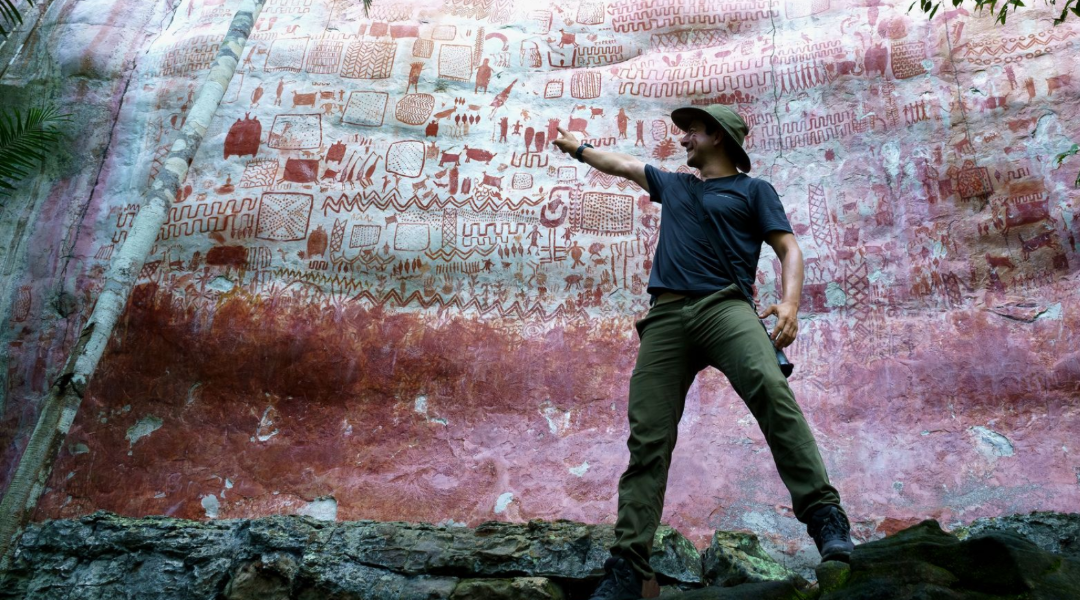
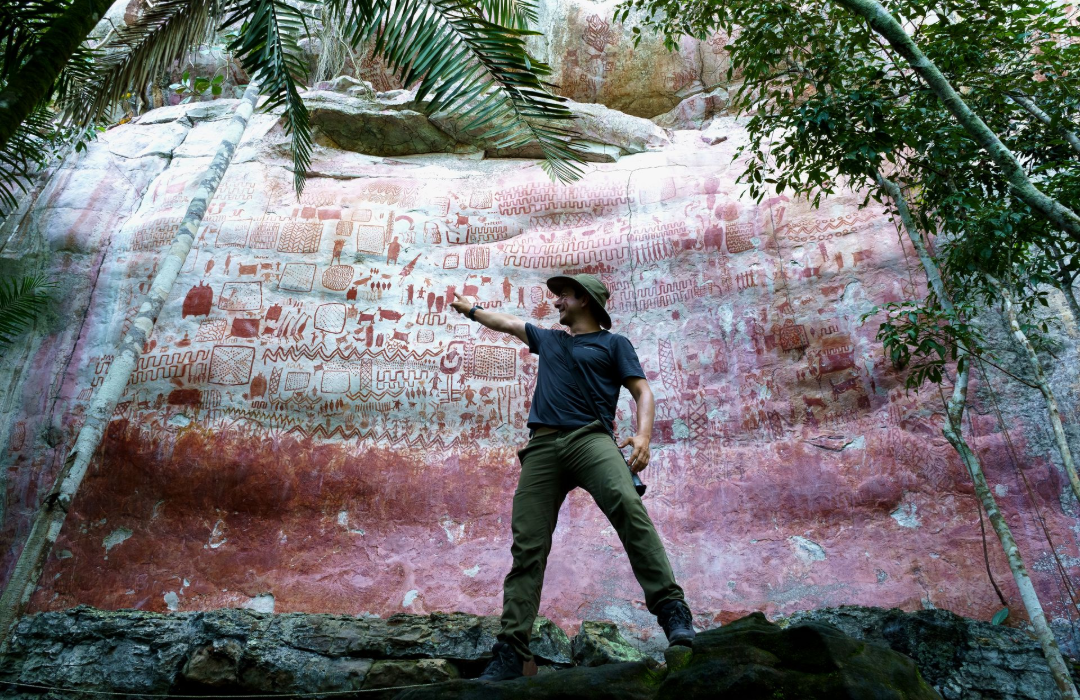
The road to Chiribiquete, Colombia's Western Amazon.
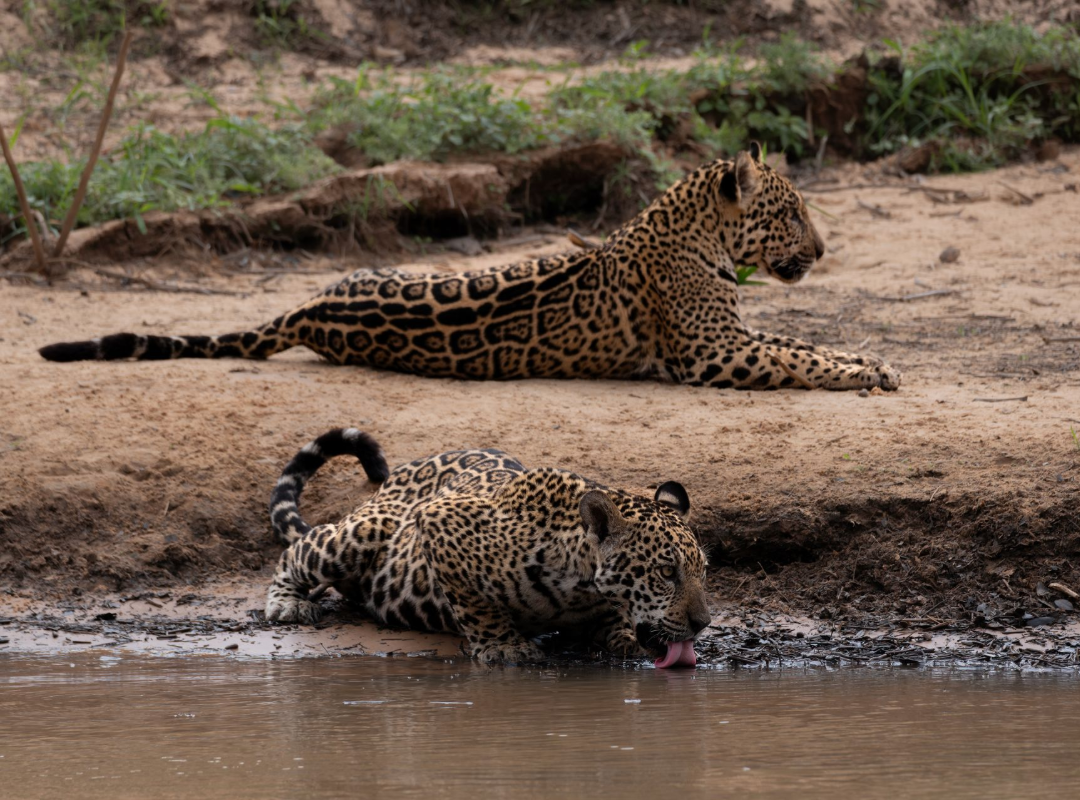
Jaguars Safari, Pantanal - Brazil.
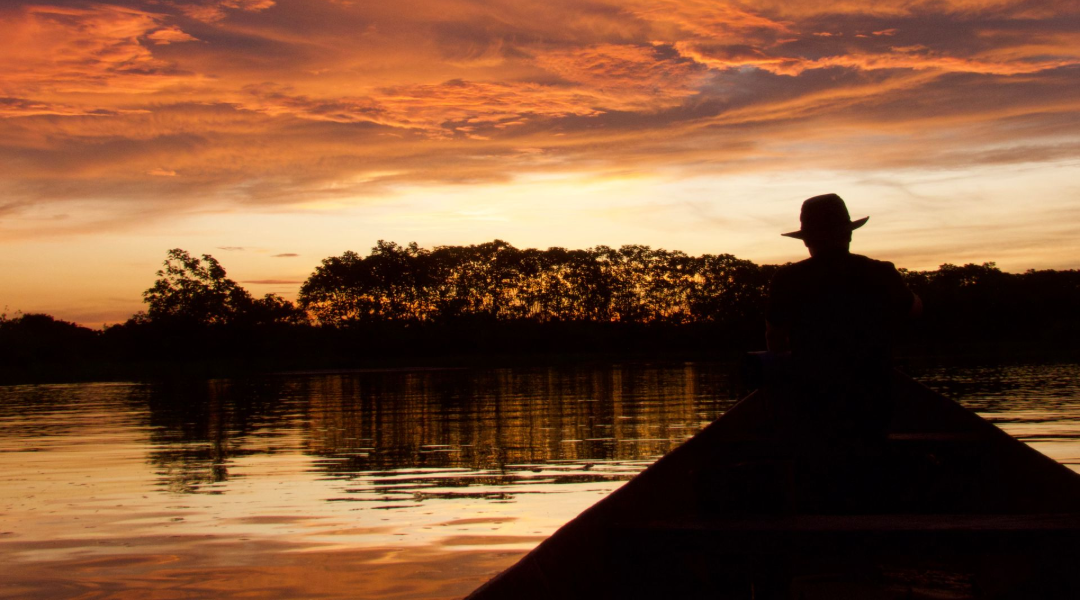
Amazon's Guiana Shield Specialties. Mitu-Vaupes.
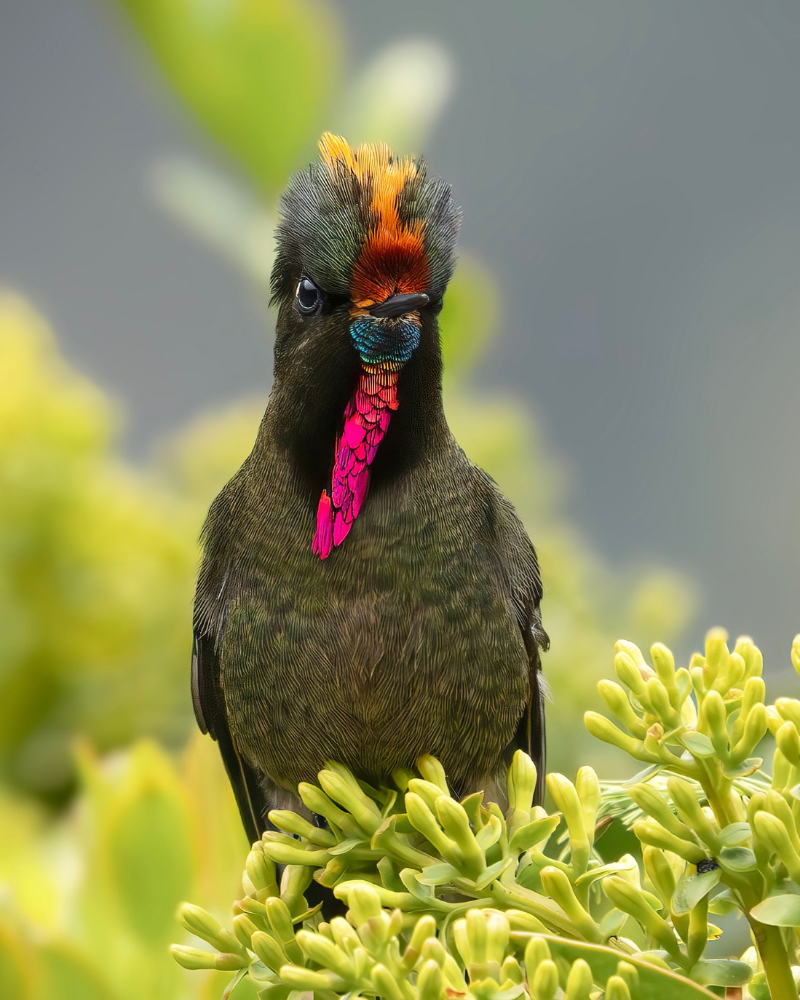
Emblematic Birds Photo Tour, Coffee Triangle.