
Which Vaccines Do You Need for Rainforest Travel?
Yellow fever: often the central tropical travel vaccine
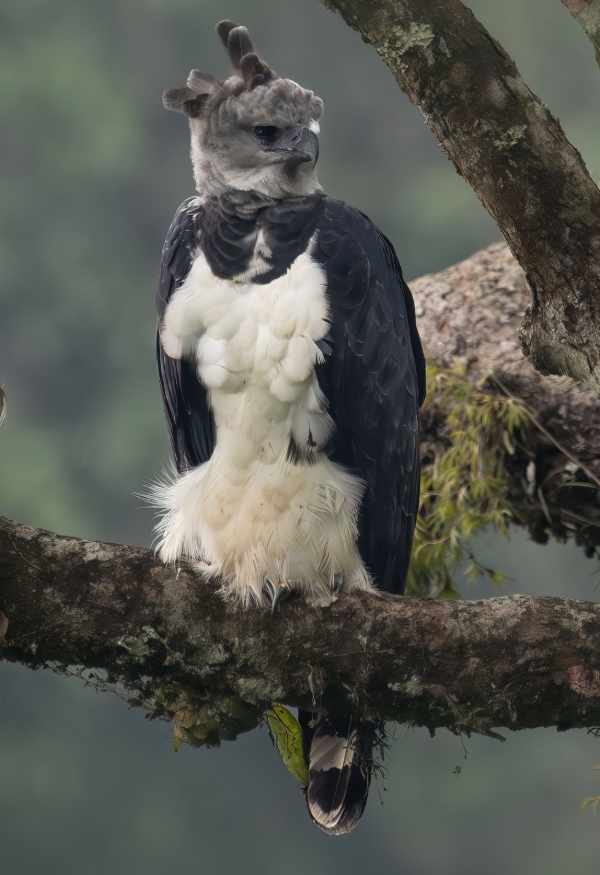
A dawn stakeout for a Harpy Eagle or a day of hummingbird photography can place you hours from the nearest major town, surrounded by extraordinary biodiversity and very different health considerations than those at home. When travelers ask which vaccines they need for rainforest travel, the right answer depends on the exact region, season, length of stay, planned activities, past immunizations, and personal medical history.
For photographers traveling in Colombia’s Amazon, the Chocó, lowland river systems, or other remote tropical areas, vaccine planning should be part of expedition preparation, alongside protecting camera gear from humidity and choosing proper field clothing. Speak with a travel medicine clinician well before departure. They can review your route in detail and provide advice tailored to you.
Which Vaccines Do You Need for Rainforest Travel?
There is no single rainforest vaccine checklist that fits every traveler. Still, most visitors should begin by confirming that their routine vaccinations are current, then discuss yellow fever, hepatitis A, hepatitis B, typhoid, and, in some circumstances, rabies.
Entry requirements are separate from medical recommendations. A country may request proof of yellow fever vaccination based on where you have recently traveled, while a clinician may recommend that same vaccine because of your destination within the country. Requirements can change, so verify them close to departure rather than relying on an old itinerary or another traveler’s experience.
Yellow fever: often the central tropical travel vaccine
For many rainforest itineraries, yellow fever is the first vaccine to discuss. Yellow fever is spread by mosquitoes, and risk can vary significantly by elevation and region. A city-based trip in the Andes may carry a different recommendation than days spent in Amazonian forest, lowland reserves, or river communities.
Many travelers receive one yellow fever vaccine dose for long-lasting protection, but individual circumstances matter. Age, pregnancy, immune conditions, allergies, and certain medications can affect whether the vaccine is appropriate. Your clinician may also provide an official exemption document if vaccination is medically contraindicated.
Plan early. Yellow fever vaccination certificates generally become valid 10 days after the first dose, and leaving this decision until the week before a flight can create unnecessary complications. Keep the certificate with your passport documents, and carry a digital backup as well.
Routine vaccines, hepatitis A, and hepatitis B
Travel medicine begins with the vaccinations many adults received years ago. Make sure your clinician reviews routine protection such as tetanus, diphtheria, pertussis, measles, mumps, rubella, polio, influenza, and COVID-19 where appropriate. Measles deserves particular attention for international travelers, since outbreaks can occur in many parts of the world.
Hepatitis A is commonly recommended for travel where food and water exposure may differ from your normal routine. Even on a carefully coordinated photography expedition with trusted lodging and meals, travelers may eat in airports, roadside stops, small villages, and remote field stations. The vaccine provides a valuable layer of protection.
Hepatitis B may be recommended depending on your vaccination history and the nature of your trip. It is worth discussing for longer stays, repeat travel, remote destinations, potential medical care abroad, or any possibility of blood exposure. Wildlife photographers are not planning for emergencies, but a practical expedition plan accounts for them.
Typhoid and rabies: route-specific decisions
Typhoid vaccination is often discussed for rainforest travel, particularly when travelers will spend extended time in rural areas or eat beyond major hotels and urban restaurants. It does not replace thoughtful food and water habits, but it can reduce risk. Your clinician can help determine whether an injectable or oral option best suits your schedule and health profile.
Rabies pre-exposure vaccination is not automatically needed for every nature traveler. It becomes more relevant for extended time in remote locations, work around mammals, cave visits, cycling or hiking independently, or trips where prompt access to medical care could be difficult. Any bite or scratch from a mammal, including bats, monkeys, dogs, or cats, requires urgent medical assessment, even if you received pre-exposure vaccination.
For photographers, rabies planning is partly about how close the itinerary brings you to wildlife and how quickly you could reach treatment. Ethical wildlife photography means maintaining distance, never handling animals, and never encouraging risky encounters for an image. Those practices protect wildlife and reduce health risk at the same time.
Malaria Prevention Is Not a Vaccine Question
Mosquito-borne disease prevention deserves its own conversation. Malaria risk is present in some tropical and lowland regions, but there is no standard malaria vaccine used for adult international travelers in the way many people expect. Depending on the itinerary, a travel medicine clinician may recommend preventive medication.
Medication is only one part of the plan. Long sleeves, long pants, EPA-registered insect repellent, treated clothing when appropriate, and consistent use of bed nets or screened accommodations all matter. The best photographic light often arrives when mosquitoes are most active, so bring protection that works comfortably during long sessions with a tripod, telephoto lens, and little opportunity to return to your room.
Mosquito precautions also help reduce exposure to illnesses such as dengue, chikungunya, and Zika, for which vaccination options may be limited, unavailable, or not routinely offered to travelers. If you develop a fever during travel or after returning home, tell your medical provider where you traveled and when.
Build Your Vaccine Timeline Around the Expedition
Aim to schedule a travel health appointment four to six weeks before departure. More time is better, especially if you need a multi-dose series, have a complex medical history, or are planning a private itinerary with several ecosystems. Last-minute travel is still worth discussing with a clinician, since some protection may be possible even close to departure.
Bring a detailed route to your appointment. “Colombia” or “Brazil” is too broad for meaningful medical advice. A clinician needs to know whether you will be in high-elevation Andean habitats, the Amazon basin, Caribbean dry forest, the Chocó bioregion, or the Pantanal wetlands. They should also know how long you will be away, whether you will stay in remote lodges, and whether your plans include night walks, river travel, or close work around wildlife.
Before you go, photograph your vaccine record, prescription details, and travel insurance information. Pack medications in carry-on luggage and bring enough for delays. A small personal medical kit is practical, but it should complement, not replace, professional advice and the safety support arranged for your expedition.
A Health Plan That Lets You Focus on the Images
Good preparation creates more freedom in the field. When your vaccinations, mosquito strategy, and personal medications are sorted before departure, you can give full attention to the tremble of leaves above a forest trail, the call of a distant antbird, and the fleeting moment when a rare species enters the frame.
A well-planned rainforest journey is not about eliminating every uncertainty. It is about making informed choices, respecting the landscapes and communities that welcome you, and arriving ready for the remarkable work of observing wildlife responsibly.
Ready to photograph Colombia?
Join us on a bird or wildlife photography tour designed around great photography, special locations, and unique experiences in Colombia.
Explore our upcoming tours:
Have a question or want to plan a private tour?
Email us at dcasas@retornophototours.com
WhatsApp: +57 305298600
Let’s plan your next photography adventure in Colombia.
—
David Casas
Founder & Director | Retorno Photo Tours
Bird & Wildlife Photography Tours in Colombia
Scheduled Tours
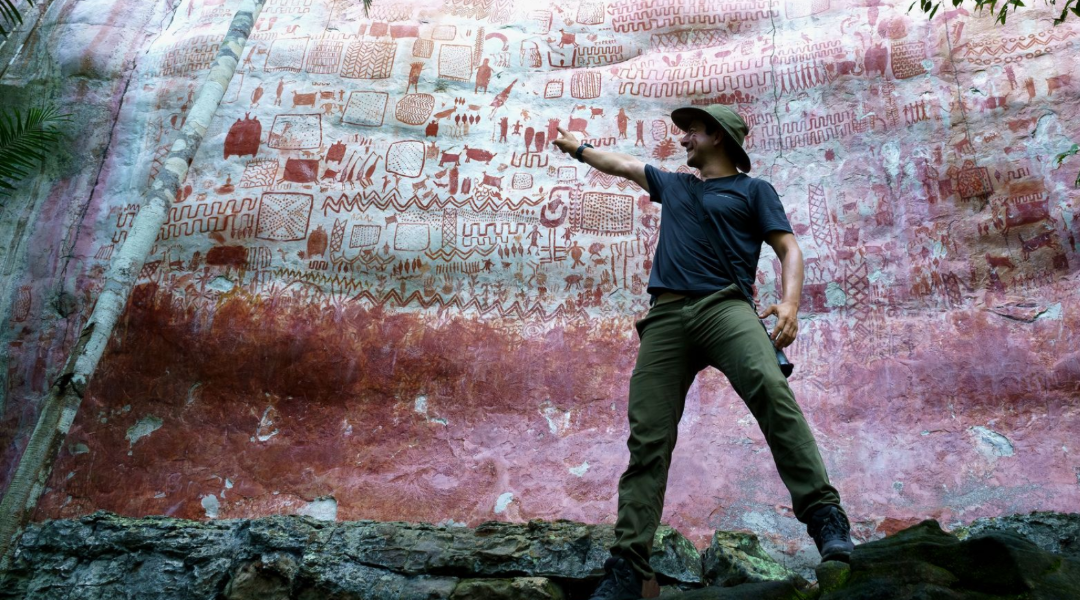
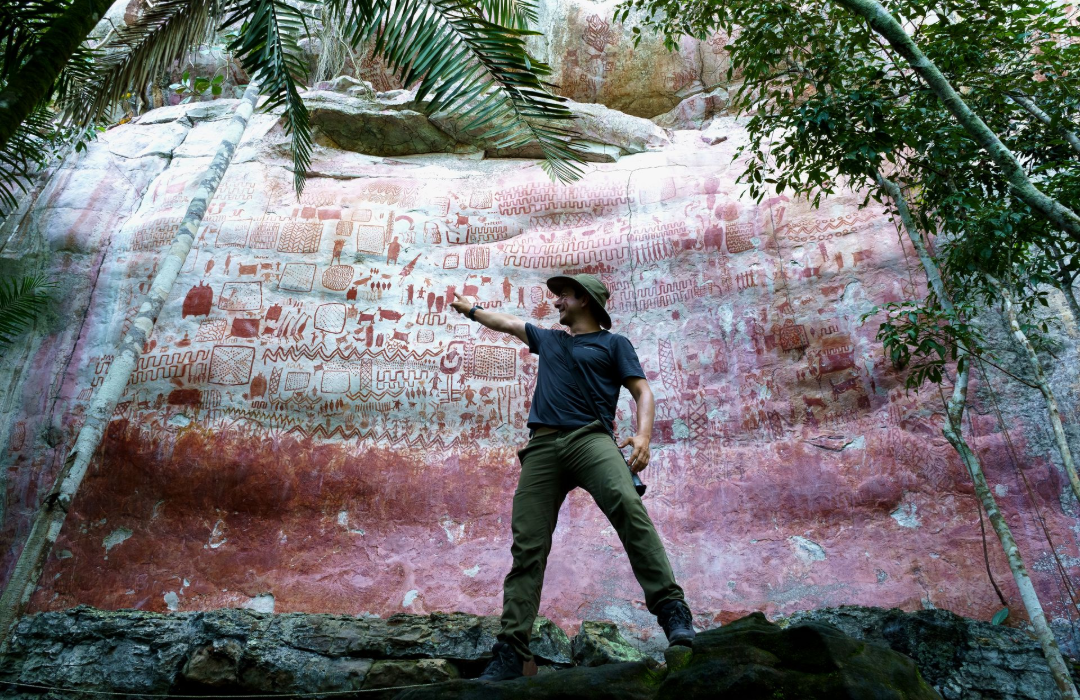
The road to Chiribiquete, Colombia's Western Amazon.
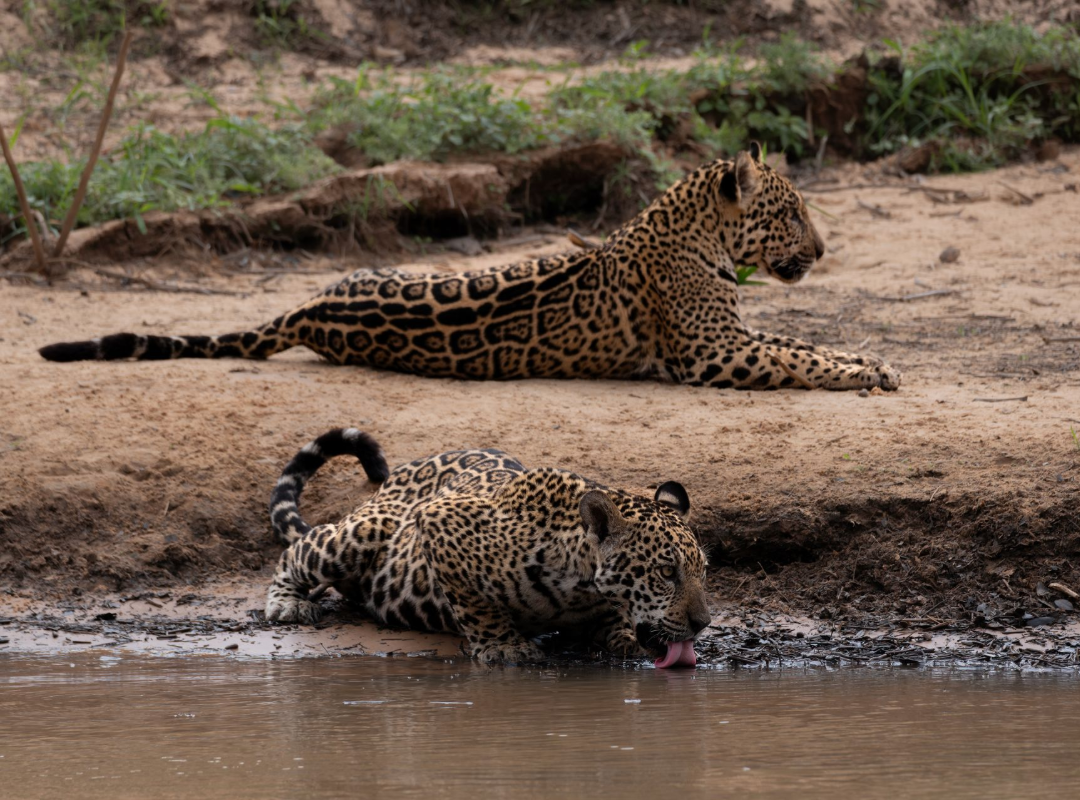
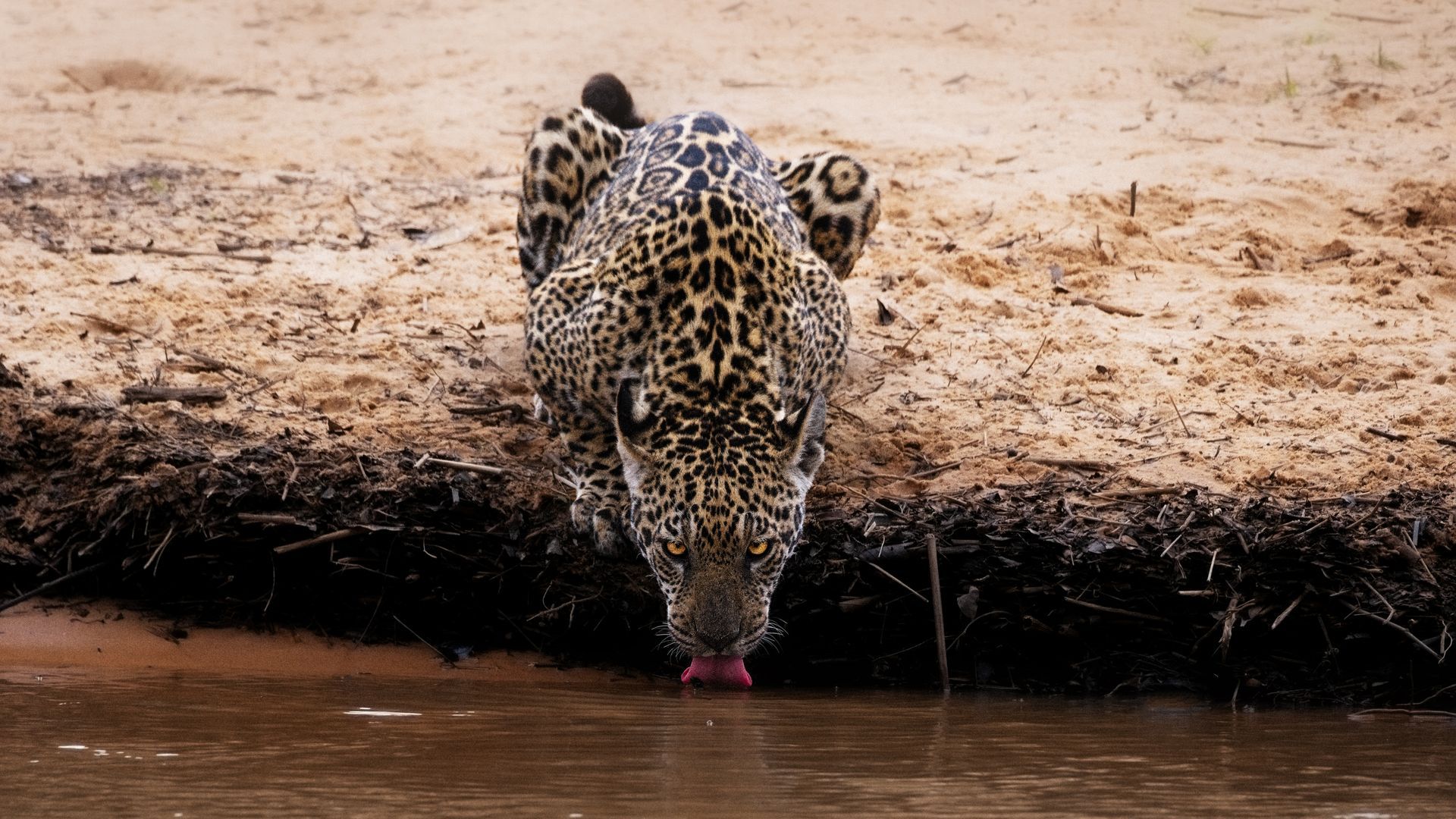
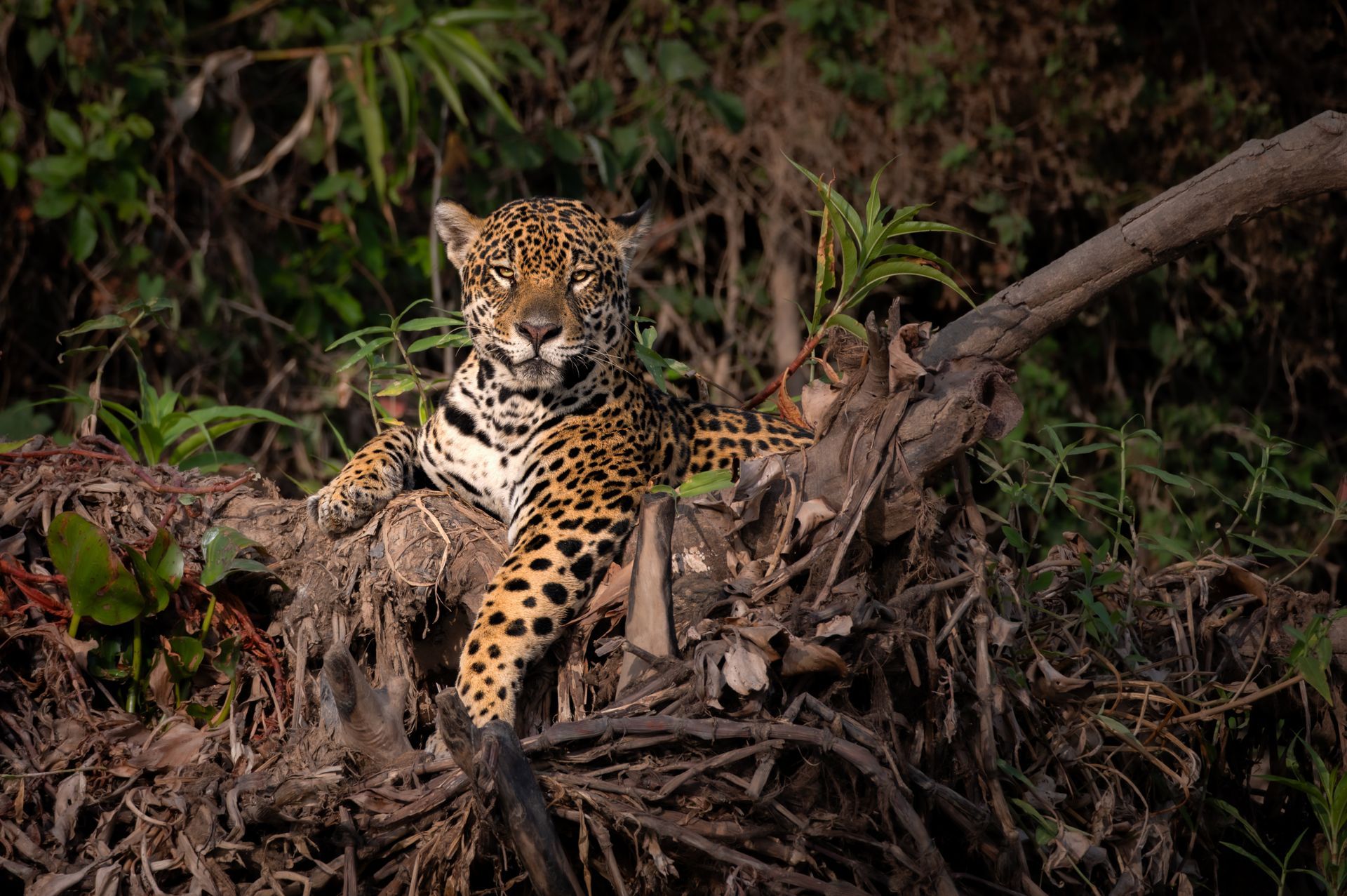
Jaguars Safari, Pantanal - Brazil.
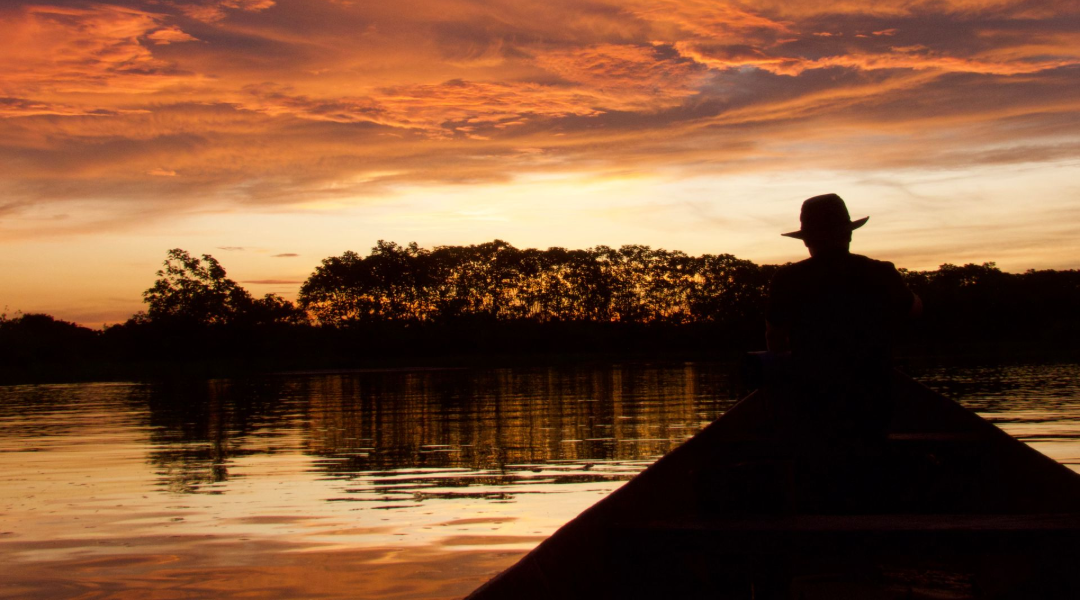
Amazon's Guiana Shield Specialties. Mitu-Vaupes.
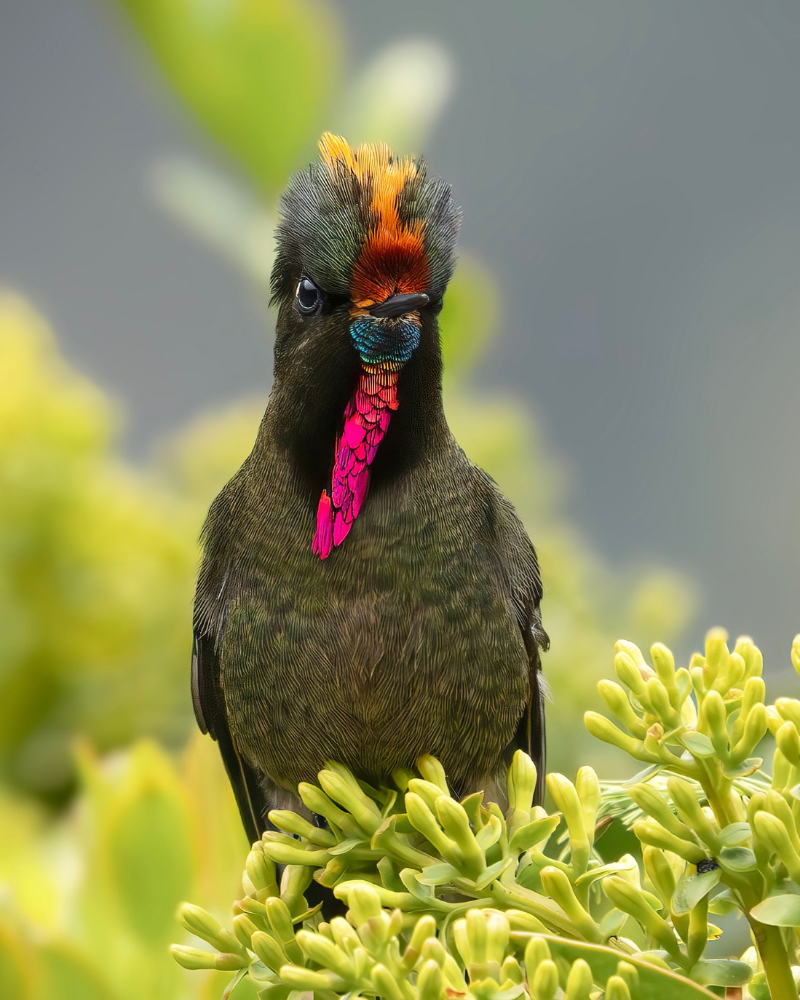
Emblematic Birds Photo Tour, Coffee Triangle.