
How Photo Wildlife Tours in Peru Are Transforming Conservation Photography
How Photo Wildlife Tours in Peru Are Transforming Conservation Photography
Peru is rapidly emerging as a world-leading destination for photo wildlife tours, attracting photographers, researchers, and conservationists from every corner of the globe. Its extraordinary landscapes — from the high Andes to the Amazon rainforest, from cloud forests to coastal deserts — create one of the richest ecosystems anywhere in the world. This biodiversity, combined with dedicated conservation initiatives, makes Peru a unique platform for Nature-focused photography that goes beyond beautiful images: it actively contributes to protecting species and habitats.
Photo wildlife tours in Peru have evolved far beyond traditional tourism. Leading companies, including Manakin, Tangaer photo tours–style operators, and keeping nature tours specialists, are now designing trips that combine professional photography, conservation awareness, and ethical wildlife observation. These tours are reshaping how photographers interact with the natural world, making each expedition both impactful and productive.
This article explores how photo wildlife tours in Peru are transforming conservation photography, highlighting the regions, species, and techniques that make Peru an essential destination for photographers and conservationists alike.
Peru: A Biodiversity Powerhouse for Photographers and Conservationists
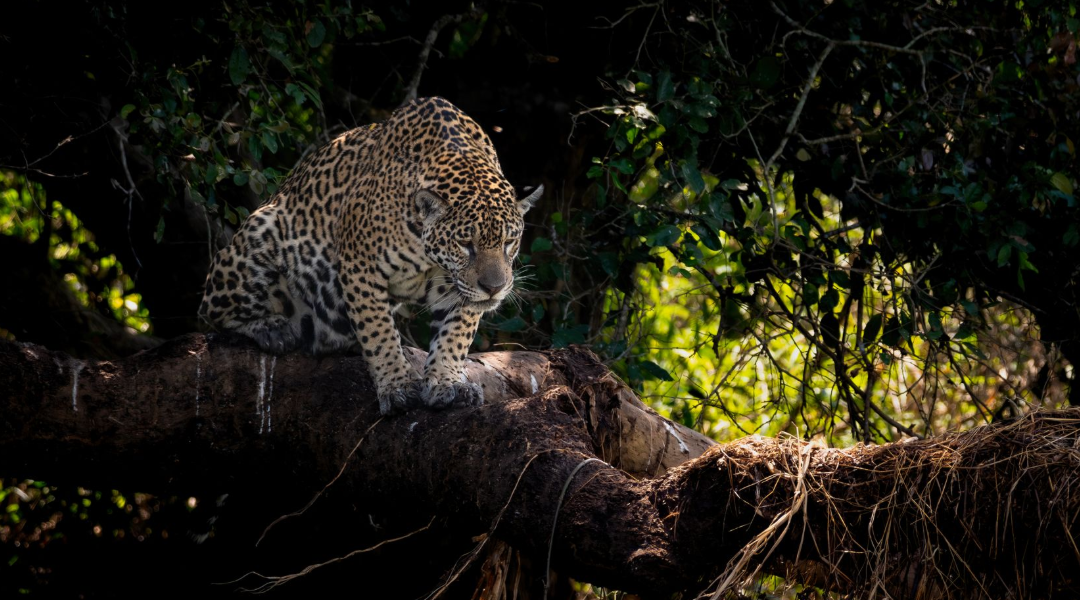
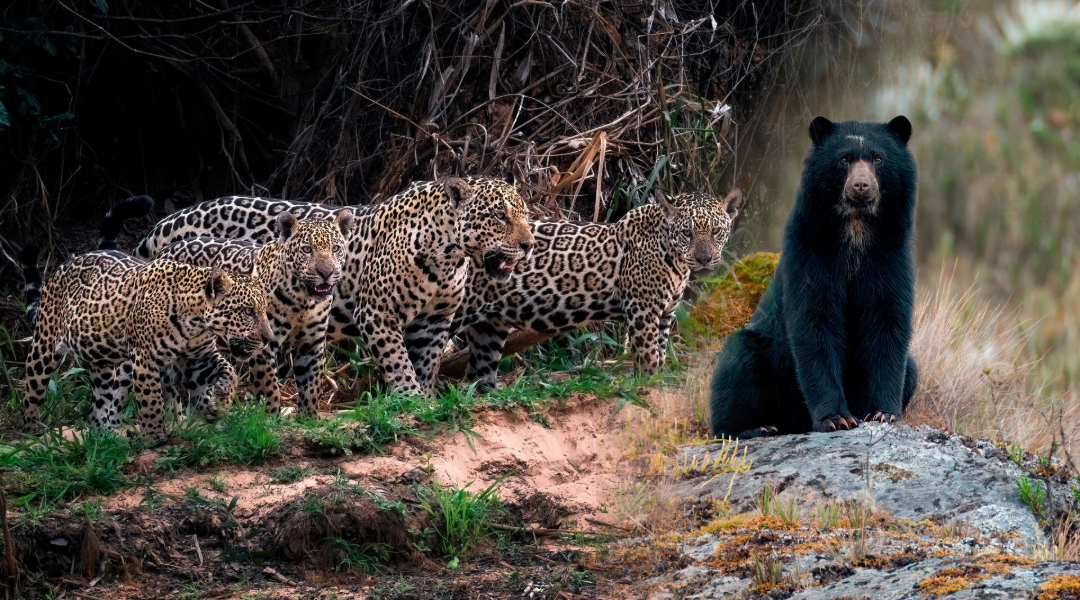
Peru is home to over 1,800 bird species, hundreds of mammals, thousands of plants, and countless insects — all within a country smaller than the U.S. state of Alaska. This high density of biodiversity makes it one of the top global destinations for photo wildlife tours and Nature photography.
Why Peru attracts conservation-minded photographers
- Diverse ecosystems in compact regions: From cloud forests in the Andes to lowland Amazonia, photographers can capture multiple habitats without long travel times.
- Endemic species hotspots: Regions like Manu National Park and Tambopata are home to rare and endemic birds, such as the cock-of-the-rock and various Tangara species.
- Conservation-focused infrastructure: Many reserves, lodges, and local communities are involved in long-term habitat protection.
- Research partnerships: Tour operators often collaborate with scientists to monitor species populations, track endangered birds, and support local conservation initiatives.
By participating in these photo wildlife tours, photographers contribute directly to conservation while documenting Peru’s natural wonders for global audiences.
Top Regions in Peru for Conservation Photography
Peru’s geography supports multiple high-impact photography zones. Below are the most productive regions for conservation-focused photography.
1. Manu National Park – The Amazonian Jewel
Manu National Park is one of the largest protected areas in Peru, covering lowland Amazon rainforest and Andean foothills. It is famous among photo wildlife tour operators for its incredible bird and mammal density.
Key species for photographers:
- Andean Cock-of-the-Rock
- Tangara species (ideal for Tangaer photo tours)
- Macaws and parrots at clay licks
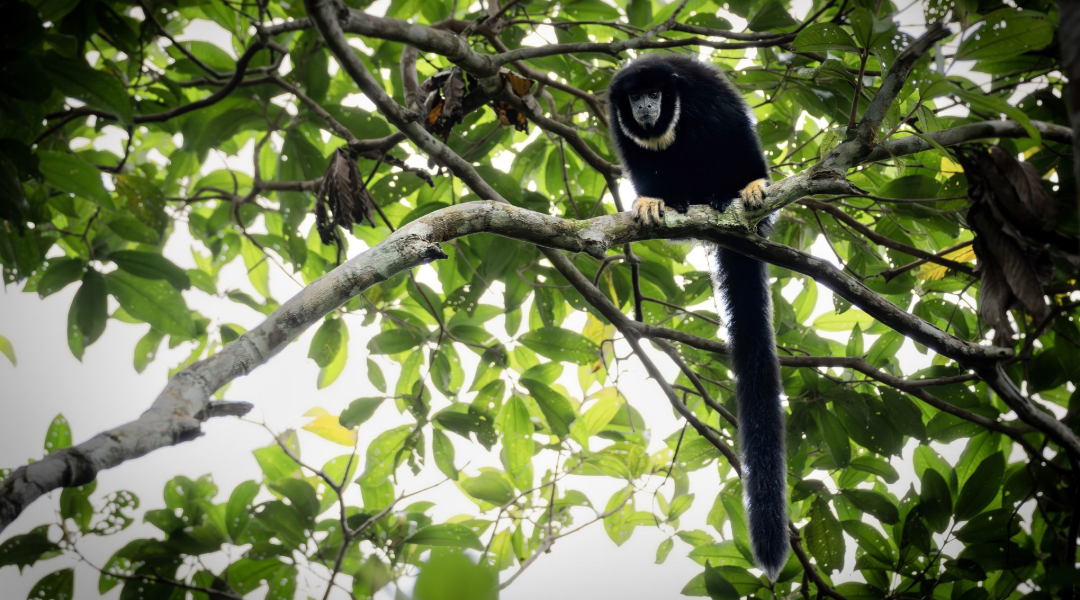
- Various monkeys, including howlers and spider monkeys
- Amazonian owls and antbirds
Why this region is transformative for conservation photography:
- High species diversity ensures photographers document rare species frequently.
- Tour fees support local research stations and community conservation programs.
- Ethical hides and feeding stations allow close photography without disturbing wildlife.
2. Tambopata National Reserve – Clay Licks and Amazon Diversity
Tambopata offers an unmatched opportunity to photograph wildlife congregating at clay licks along the Madre de Dios River. These clay licks attract hundreds of parrots and macaws, creating a spectacular scene for photography.
Target species:
- Scarlet Macaws
- Blue-and-yellow Macaws
- Mealy Parrots
- Yellow-crowned Parrots
Why conservation matters here:
The area is under pressure from deforestation and illegal logging. Many photo wildlife tours directly contribute to habitat protection and monitoring, turning photography into a tool for environmental advocacy.
3. The Andes and Cloud Forests – High-altitude Conservation Hubs
Peru’s Andes offer cloud forests with unique endemic species. Tourists can photograph birds like:
- Andean Cock-of-the-Rock (male display rituals)
- Tanagers and Tanager flocks (perfect for Tangaer photo tours)
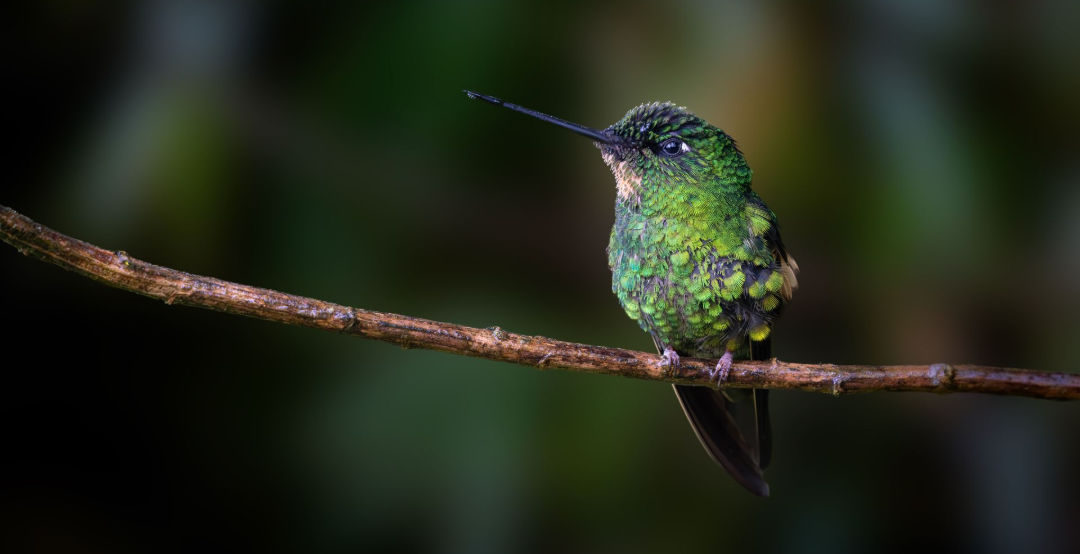
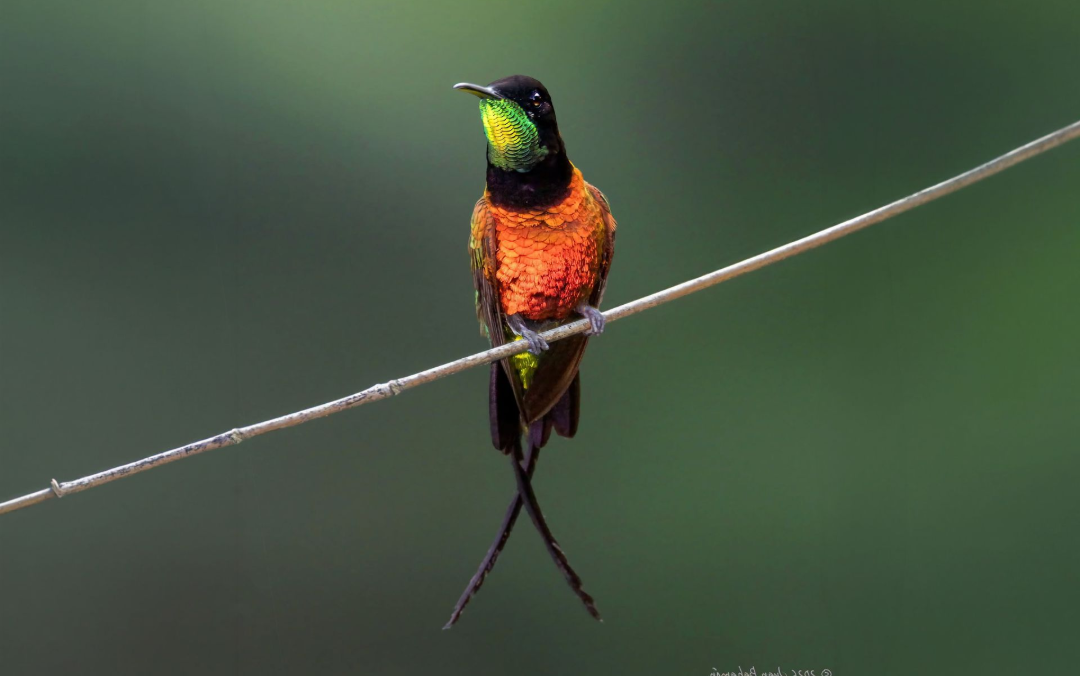
- Hummingbirds and highland flycatchers
Conservation aspect:
Andean cloud forests are highly threatened by agriculture and climate change. Many
keeping nature tours focus on these regions, balancing photography access with ecosystem protection.
4. Northern Peru – Dry Forests and Coastal Ecosystems
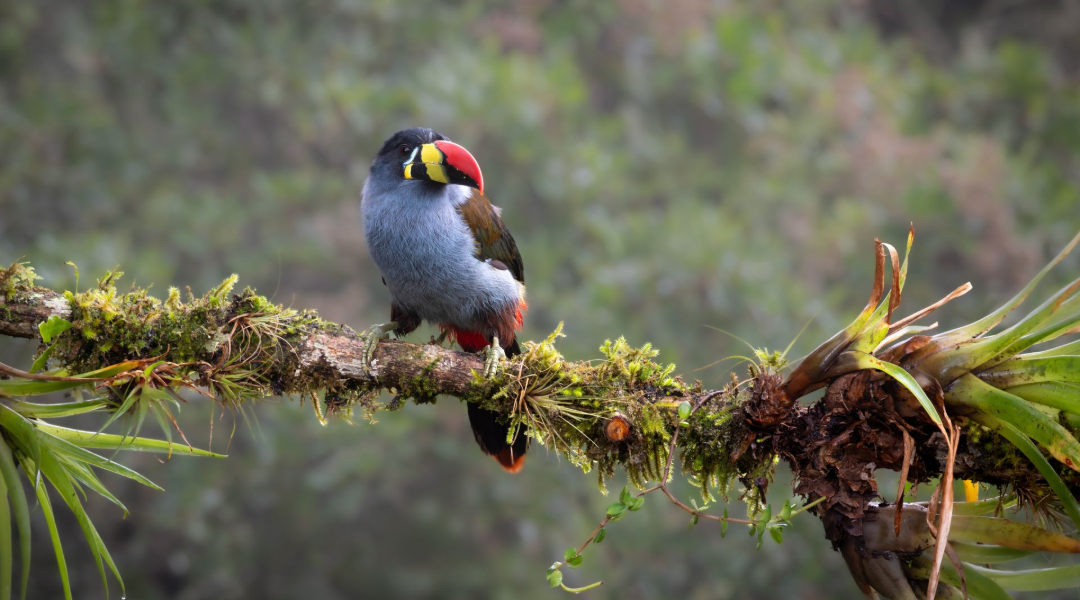
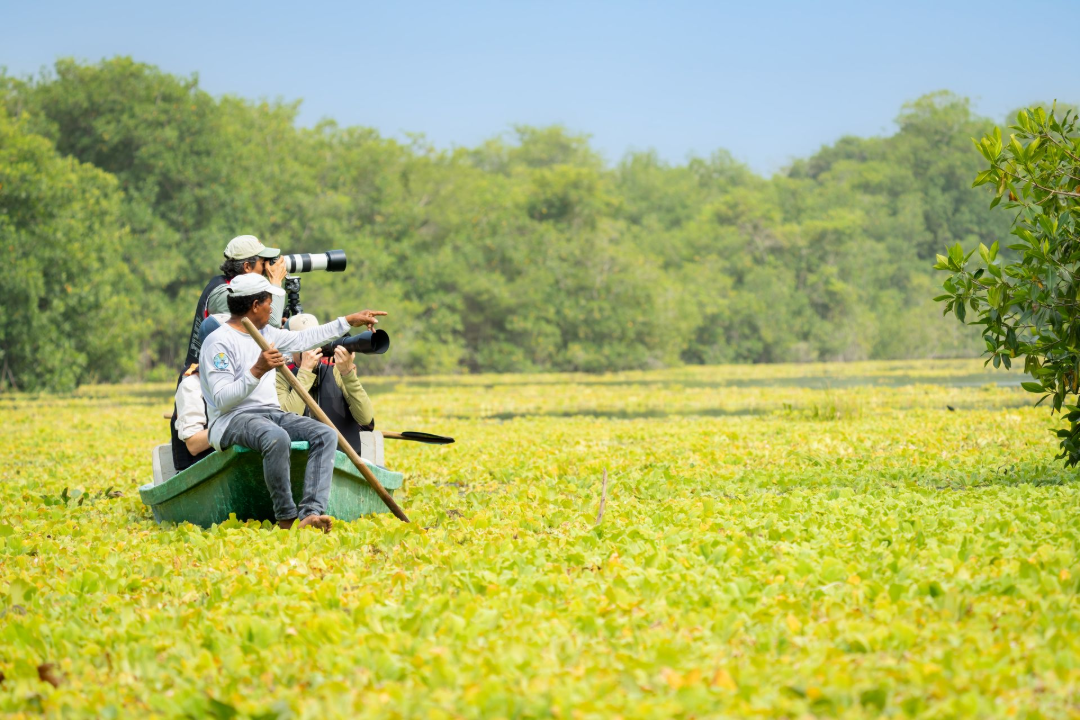
The northern dry forests and mangroves are often overlooked but host unique species, including rare hummingbirds, toucans, and endemic birds. Photography in these areas highlights lesser-known ecosystems, drawing attention to conservation needs beyond the Amazon.
How Photo Wildlife Tours Contribute to Conservation
The impact of professional photography in Peru goes beyond beautiful images. Here are key ways these tours support conservation:
1. Funding Local Conservation Projects
- A portion of tour fees is invested in wildlife reserves.
- Communities receive income to protect forests and wildlife corridors.
2. Research Support
- Photographers document species behaviors, population trends, and breeding activity.
- Images assist scientists in monitoring endangered species like macaws and Tangara species.
3. Ethical Wildlife Observation
- Professional operators train photographers in ethical practices.
- Feeding stations, hides, and trails are designed to minimize disturbance.
4. Raising Global Awareness
- Stunning images from these tours are used in educational campaigns, exhibitions, and publications.
- Photo wildlife tours become a medium to advocate for Peru’s rich biodiversity.
Best Practices for Conservation Photography in Peru
When participating in photo wildlife tours, photographers should follow ethical guidelines:
- Keep a safe distance from wildlife.
- Avoid disrupting feeding, nesting, or mating behaviors.
- Follow guide instructions in sensitive areas.
- Use hides and blinds where provided.
- Limit artificial lighting to reduce stress on animals.
- Support local lodges and conservation programs.
By following these practices, photographers ensure that their work benefits both the natural environment and their own portfolio.
Why Leading Companies Choose Peru
Top international operators like Manakin, Tangara-focused photo wildlife tours, and other conservation-minded companies select Peru for:
- High photographic productivity per day
- Stable infrastructure supporting extended tours
- Diverse habitats within short travel distances
- Reliable species sightings thanks to local guides
- Integration of photography with conservation outcomes
These advantages make Peru the benchmark for Nature and wildlife photography tours in South America.
Tips for Photographers Joining Peru Photo Wildlife Tours
A few practical tips can significantly improve your experience:
- Bring versatile lenses: Telephoto 300–600mm for birds, 70–200mm for medium subjects, and a macro lens for orchids and insects.
- Protect your equipment: Amazonian humidity requires rain covers and lens protection.
- Prepare for variable light: Cloud forests are dim; high ISO and fast shutter speeds are essential.
- Hire local guides: Their knowledge of trails, species calls, and behaviors is invaluable.
- Time your visit: Seasonal migration and breeding patterns affect photographic opportunities.
Following these tips ensures photographers get the most out of their tours while contributing positively to conservation.
Impact on Local Communities
Photo wildlife tours in Peru not only support wildlife but also provide income and employment to local communities:
- Lodges hire local guides and staff.
- Community-run reserves gain sustainable income.
- Photography tourism incentivizes the protection of forests.
This model demonstrates how keeping nature tours and ethical photo wildlife tours can simultaneously promote sustainable tourism and conservation.
The Rise of Tangara & Manakin Photo Styles in Peru
Many of the world’s professional photographers have been drawn to Peru by Tangara photo tours–style itineraries. These tours focus on:
- Mixed flocks of colorful tanagers
- Feeder setups in cloud forests
- Quick, efficient travel between hotspots
- Maximized species diversity for portfolio building
Similarly, operators inspired by Manakin emphasize ethical, productive photography while maintaining the highest conservation standards.
Final Thoughts: Photography That Changes the World
Peru exemplifies how photography can be a tool for conservation rather than just documentation. Every image captured through a photo wildlife tour has the potential to:
- Raise awareness about endangered species
- Inspire policy change or protection initiatives
- Support local communities economically
- Encourage responsible Nature tourism globally
For photographers seeking both adventure and purpose, Peru offers a unique combination of biodiversity, photographic opportunities, and meaningful impact.
To experience Peru’s most productive wildlife routes and support conservation while photographing incredible species, join our
scheduled nature & wildlife tours
— Retorno Photo Tours offers world-class itineraries designed for photographers who want the best possible images while making a positive impact.