
How International Bird Photographers Can Maximize Field Photography Opportunities
How International Bird Photographers Can Maximize Field Photography Opportunities
Bird photography is one of the most rewarding forms of wildlife photography. For international photographers traveling to biodiverse destinations such as Colombia or Brazil, the opportunities can be extraordinary. These regions host thousands of bird species, vibrant ecosystems, and unique habitats that provide endless possibilities for capturing remarkable images.
However, photographing birds in unfamiliar environments can also present challenges. New landscapes, different lighting conditions, and unfamiliar species require photographers to adapt quickly in the field.
By preparing carefully and understanding how to work effectively during wildlife photography tours, international photographers can maximize their opportunities and return home with exceptional images.
Research the Destination Before Traveling
Preparation is one of the most important steps for successful bird photography. Before traveling, photographers should take time to learn about the bird species and ecosystems found in the destination.
Understanding which species live in particular habitats allows photographers to anticipate potential encounters and prepare the right equipment.
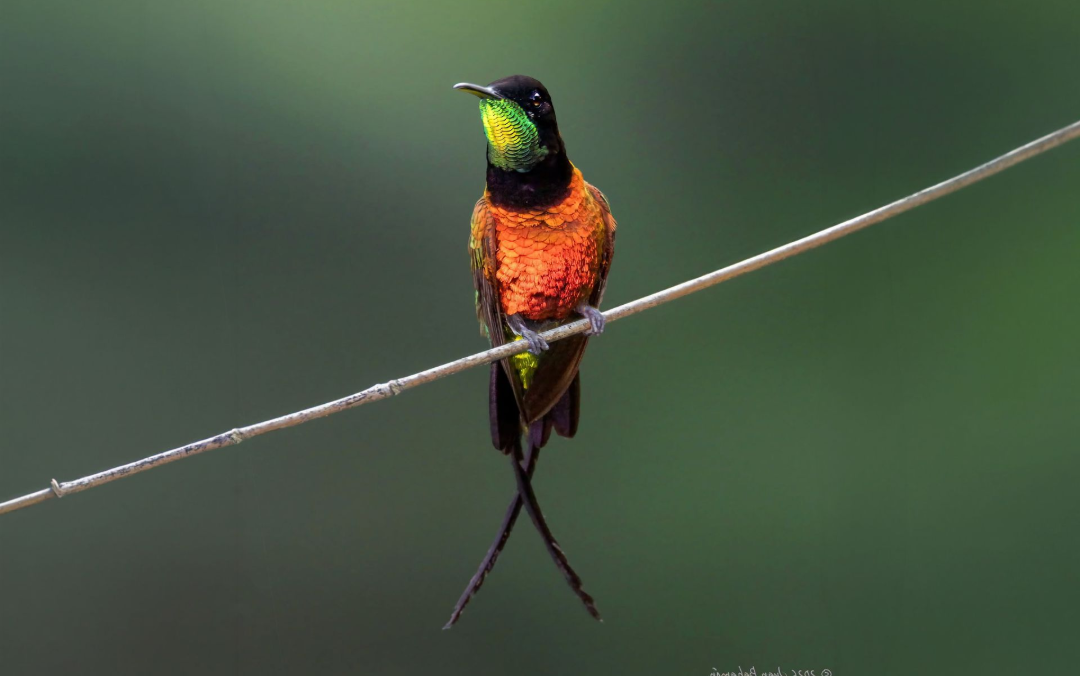
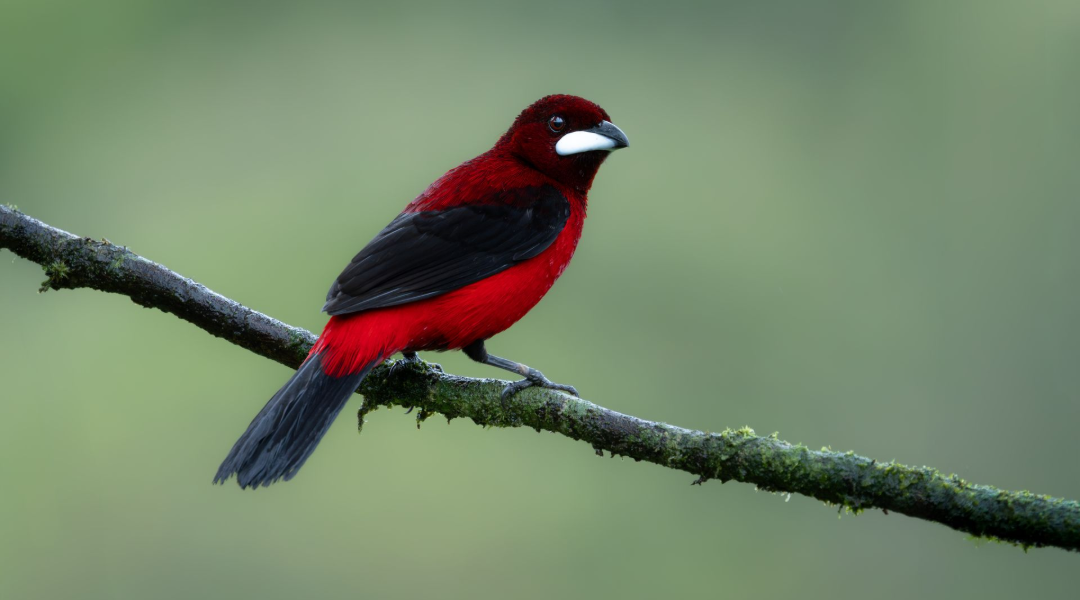
Researching birds also helps photographers recognize them quickly in the field. Many tropical birds move fast and may only appear for a few seconds, so knowing their colors, shapes, and behaviors can make a significant difference.
Studying bird behavior and seasonal activity patterns also helps photographers plan the best times for photography sessions.
Choose the Right Equipment
Bird photography often requires specialized equipment, especially when working in dense forests or photographing small, fast-moving birds.
Photographers typically benefit from:
- A telephoto lens that allows them to photograph birds from a respectful distance
- A fast lens with a wide aperture for low-light forest environments
- Extra batteries and memory cards for long photography sessions
- Lightweight camera support such as a monopod when needed
Because tropical environments can be humid, protective gear for cameras and lenses is also recommended.
Being prepared with the right equipment allows photographers to react quickly when birds appear.
Work Closely with Local Guides
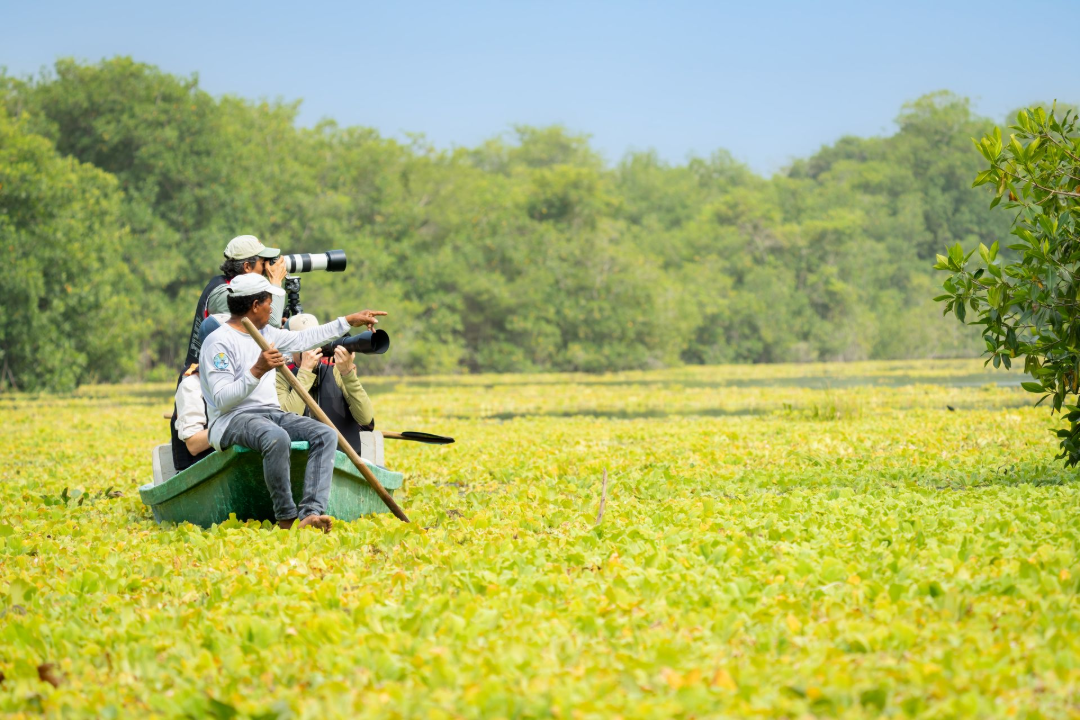
Local bird guides are one of the most valuable resources for international photographers.
Many birds in tropical forests can be difficult to find without expert knowledge of their behavior and habitats.
Experienced guides help photographers by:
- Recognizing bird calls and identifying species quickly
- Knowing where birds are likely to perch or feed
- Predicting movement patterns based on experience
- Helping photographers approach wildlife without causing disturbance
Working closely with guides greatly increases the chances of encountering rare or elusive species.
Guides also help photographers navigate unfamiliar environments safely.
Be Ready for Early Morning Photography
Many birds are most active during the early morning hours. This is when they begin feeding, singing, and moving through the forest canopy.
For bird photographers, early mornings often provide the best opportunities for capturing dynamic wildlife images.
Morning light is also softer and more balanced, which creates better lighting conditions for photography.
Photographers who prepare their equipment the night before and start early are more likely to capture active birds and interesting behaviors.
Learn to Observe Bird Behavior
Successful bird photography often depends on understanding bird behavior.
Instead of chasing birds through the forest, experienced photographers spend time observing their movements and habits.
Birds often return to favorite perches, feeding locations, or display areas. By recognizing these patterns, photographers can position themselves in the right location and wait for the bird to appear.
This approach reduces disturbance and increases the chances of capturing natural behaviors.
Patience and observation are essential skills in wildlife photography.
Adapt to Changing Light Conditions
Bird photography often takes place in environments with rapidly changing lighting conditions.
Dense forests may create shaded areas, while open spaces can produce strong sunlight.
Photographers must be prepared to adjust their camera settings quickly. Using higher ISO levels, wider apertures, or faster shutter speeds may be necessary depending on the situation.
Understanding how light interacts with forest environments helps photographers create more balanced and visually appealing images.
Many photographers find that early morning and late afternoon provide the most favorable lighting conditions.
Photograph Birds in Natural Habitats
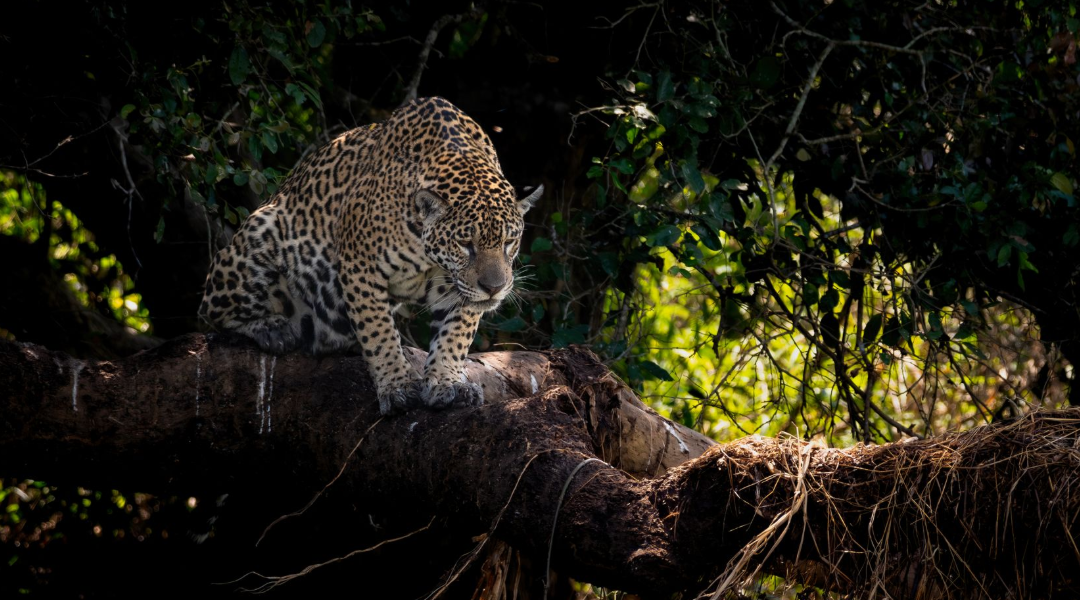
One of the most rewarding aspects of bird photography is capturing animals in their natural environments.
Photographs that include elements of the surrounding habitat often tell a stronger story about the bird’s behavior and ecological role.
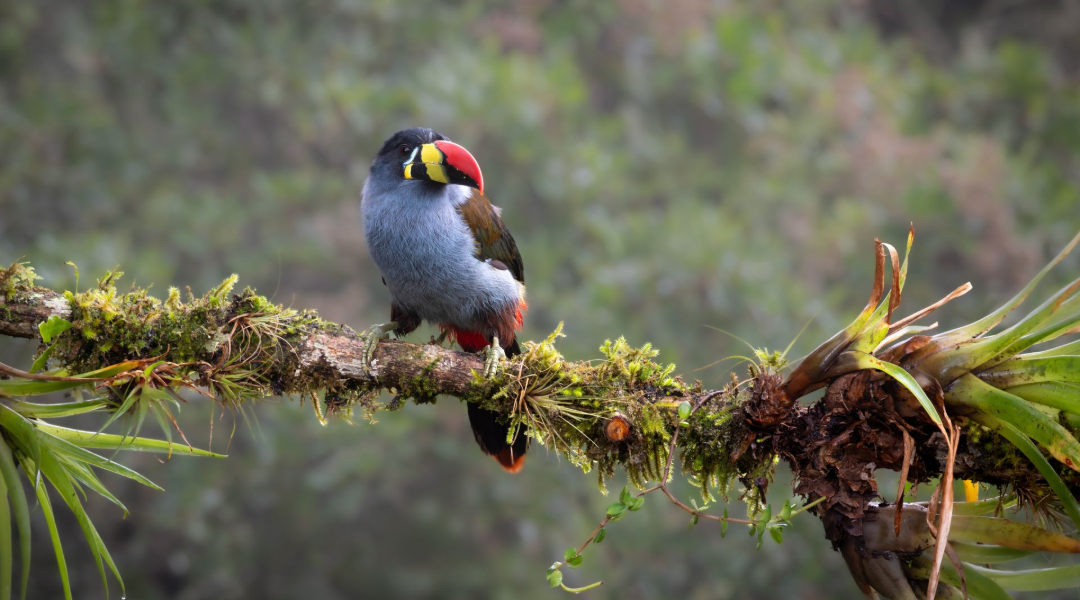
Instead of focusing only on close-up portraits, photographers can also create environmental images that show birds interacting with flowers, branches, or forest landscapes.
These compositions provide a deeper sense of place and highlight the beauty of natural ecosystems.
Practice Ethical Wildlife Photography
Ethical wildlife photography is essential when working with birds and other animals.
Photographers should always prioritize the well-being of wildlife and respect natural habitats.
Responsible practices include:
- Maintaining a safe distance from birds
- Avoiding disturbance during nesting or feeding
- Limiting flash use for sensitive species
- Keeping noise and movement to a minimum
Ethical photography ensures that wildlife remains undisturbed and helps preserve natural environments for future visitors.
Many professional wildlife photography tours emphasize responsible observation and conservation awareness.
Stay Patient and Flexible
Wildlife photography requires patience. Birds do not follow schedules, and photographers must be ready to adapt to changing conditions.
Sometimes the most rewarding moments occur unexpectedly after long periods of waiting.
Remaining flexible and open to new opportunities allows photographers to capture spontaneous wildlife behaviors that cannot be planned in advance.
The ability to adapt and remain patient is often what separates successful wildlife photographers from the rest.
Explore Wildlife Photography with Retorno Photo Tours
Retorno Photo Tours offers bird and wildlife photography experiences designed to help photographers make the most of their time in the field.
Our tours provide access to exceptional wildlife locations and are guided by experienced professionals who understand bird behavior and photography needs.
Photographers joining our tours benefit from:
- Carefully selected bird photography locations
- Experienced guides who help locate and interpret wildlife behavior
- Small group sizes that allow better photography opportunities
- Ethical and conservation-focused wildlife photography practices
We welcome photographers from around the world who want to explore the incredible bird diversity of Colombia and South America.
If you would like to learn more about our wildlife photography tours and upcoming opportunities, we invite you to contact us through our website.
With preparation, patience, and the right guidance, international bird photographers can experience extraordinary wildlife encounters and capture unforgettable images in the field.