
Top Birding Routes in Ecuador Inspired by the Best Nature Tour Companies
Top Birding Routes in Ecuador Inspired by the Best Nature Tour Companies
Ecuador is one of the greatest birding destinations on Earth — a compact country where Andean peaks, misty cloud forests, Chocó jungles, dry valleys, Amazonian floodplains, and Pacific mangroves exist only hours apart. For wildlife photographers, this means something extraordinary: more species, more habitats, and more photographic opportunities within a shorter distance than almost anywhere else in the world.
From brilliant Tangara flocks to rare antpittas and charismatic hummingbirds, Ecuador has become a pilgrimage site for both birders and professional photographers. And many of today’s most productive routes were shaped, refined, and popularized by leading nature tour companies, photo wildlife tours, and specialized operators like Manakin Nature Tours — companies that helped define the modern Ecuador birding circuit.
This guide takes you through the top birding routes in Ecuador, inspired by those operators who discovered, documented, and optimized the country’s most iconic photography hotspots. Whether you're planning your first birding adventure or want to level up your photography portfolio, this is one of the most complete route breakdowns available.
Why Ecuador Has the World’s Most Efficient Birding Routes
There are countries with more bird species, but none match Ecuador’s combination of:
- Extreme biodiversity per kilometer
- Quick transitions between ecosystems
- Well-developed lodges and reserves
- Safe access to both Andes and Amazon habitats
- Established nature tour companies that perfected the routes
This unique mixture created what many call the Golden Triangle of Ecuador Birding, a set of circuits designed to maximize species count, rare encounters, and photography opportunities.
Ecuador delivers everything birders want in one compact map — from Tangara photo shoots to antpitta feeding stations, from toucan barbet hideouts to spectacular hummingbird gardens.
Route 1: Mindo & the Chocó Cloud Forest — The Heart of Ecuador Bird Photography
If Ecuador had a birding capital, it would be Mindo.
Located on the western slope of the Andes, Mindo’s lush cloud forest is among the world’s most productive sites for both birdwatching and professional nature photography.
Iconic Species
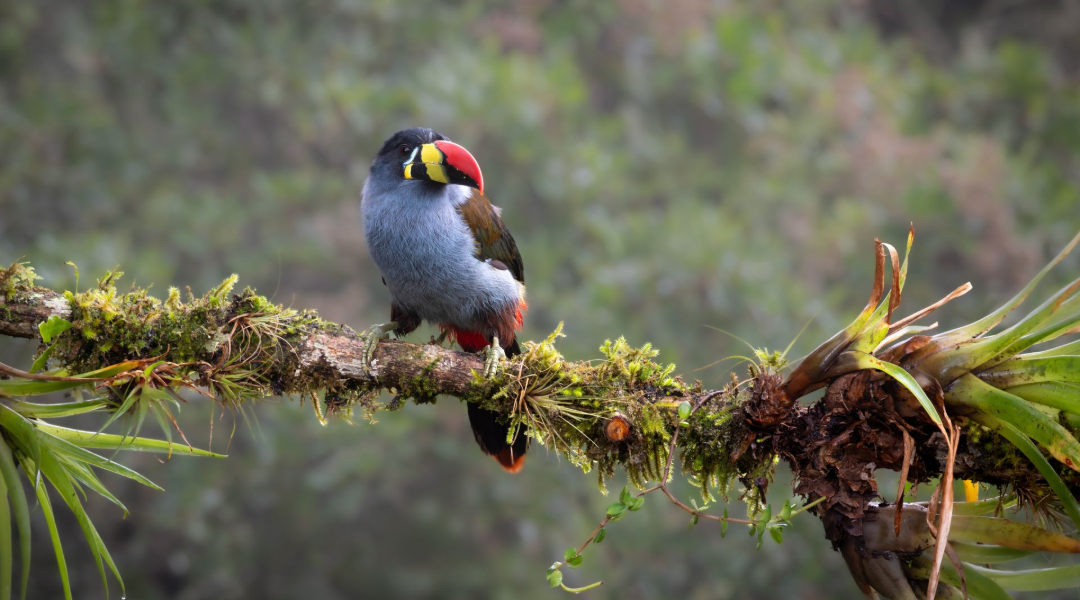
- Toucan Barbet
- Plate-billed Mountain-Toucan
- Andean Cock-of-the-rock
- Golden Tanager
- Flame-faced Tanager
- Club-winged Manakin
- Masked Trogon
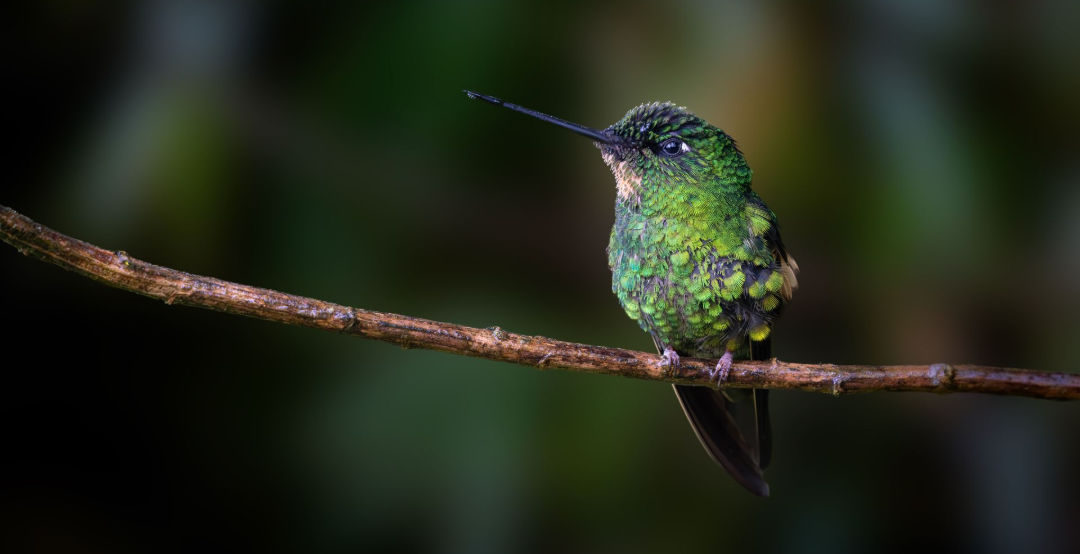
- Multiple hummingbird species including Violet-tailed Sylph
Mindo is especially famous among Tangara photo tours, since colorful mixed flocks pass through the area daily. Many of the world’s top bird photographers return here every year because the forest consistently provides world-class shooting conditions.
Best Hotspots
- Refugio Paz de las Aves (home of the legendary antpitta feeding sessions)
- Bellavista Cloud Forest Reserve
- Milpe Bird Sanctuary
- Mindo-Nambillo Reserve
Why Tour Companies Love This Route
The Mindo region is fully optimized for photo wildlife tours thanks to:
- Short distances between prime spots
- Specialized photography feeders
- Reliable mixed flocks
- Local guides trained for photography angles
This is one of Ecuador’s most beginner-friendly and pro-friendly birding zones.
Route 2: The Chocó Lowlands — Rare, Endemic, and Underexplored
While Mindo offers cloud forest, the Chocó lowlands drop you into one of the world’s most endangered ecosystems. Here, the biodiversity is even more dramatic — and the birds even more unique.
Target Species
- Long-wattled Umbrellabird
- Five-colored Barbet
- Black-tipped Cotinga
- Rose-faced Parrot
- Ochraceous Attila
- Scarlet-breasted Dacnis
Top Locations
- Mashpi Reserve
- Río Silanche Bird Sanctuary
- Jama-Coaque Reserve
These routes are favored by keeping nature tours and conservation-minded operators because visiting these forests supports critical habitat protection.
The Chocó lowlands are especially attractive to photographers seeking unusual angles and rainforest backdrops rarely found in other countries.
Route 3: Northwest Andes — The Road of Tanagers
This route covers altitudes between 1,000–2,500 meters, offering an ideal range for spectacular Tangara species. Many nature tour companies call this region the "Tanager Belt" because of how frequent and cooperative these birds are.
Commonly Photographed Tangaras
- Flame-faced Tanager
- Glistening-green Tanager
- Golden-naped Tanager
- Rufous-throated Tanager
- Yellow-throated Tanager
- Metallic-green Tanager
Key Sites
- Río Verde Valley
- San Tadeo feeders
- Tandayapa Valley
Tangara photo tours often rank this route as the single most colorful birding experience in Ecuador.
Route 4: Antisana & the High Andes — Condors and High-Altitude Specialists
The high Andes offer a completely different experience — dramatic landscapes, open skies, and rare high-elevation wildlife.
Target Species
- Andean Condor
- Black-chested Buzzard-Eagle
- Paramo Ground-Tyrant
- Carunculated Caracara
- Giant Hummingbird
- Ecuadorian Hillstar
This region is ideal for photographers who enjoy large soaring raptors, dramatic volcanic scenery, and unique Andes species rarely found elsewhere.
Key Hotspots
- Antisana Ecological Reserve
- Papallacta Pass
- Cayambe-Coca National Park
While many photo wildlife tours focus on forests, the high Andes offer massive big-bird photography potential.
Route 5: The Eastern Slope Cloud Forest — Guango & San Isidro
Moving down the eastern Andes reveals a different world — wetter, darker, and full of rare species.
Top Species for Photographers
- White-necked Jacobin
- Sword-billed Hummingbird
- Torrent Duck
- Chestnut-crowned Antpitta
- Inca Jay
- Black-billed Mountain-Toucan
Top Lodges
- Guango Lodge (famous for hummingbirds)
- Cabanas San Isidro (home of the mysterious “San Isidro Owl”)
These areas are incredibly productive for both nature tour companies and professional photographers. The lighting conditions are also excellent for high-contrast forest photography.
Route 6: Wild Amazonia — Yasuni, Napo, and Beyond
Ecuador’s Amazon basin is considered one of the richest wildlife regions on Earth. No birding trip is complete without at least a few days exploring its rivers, clay licks, and deep-forest trails.
Key Species
- Hoatzin
- Lemon-throated Barbet
- Orange-winged Parrot
- Scarlet and Blue-and-yellow Macaws
- Many antbird and woodcreeper species
Prime Amazon Locations
- Yasuni National Park
- Sani Lodge
- Napo Wildlife Center
Amazon routes attract photographers seeking a mix of mammals, reptiles, and birds. Many keeping nature tours combine conservation education with photography here.
Route 7: Dry Forest & Coast — The Underrated Circuit
Ecuador's dry forests hold unexpected gems for birders.
Species Highlights
- Gray-breasted Flycatcher
- Ecuadorian Trogon
- Collared Antshrike
- Pacific Pygmy Owl
The coastal mangroves around Manglares Churute are perfect for photographing waders, ibis species, and coastal raptors.
Why These Routes Were Perfected by Tour Companies
Ecuador wouldn’t be as photographer-friendly without operators like:
- Manakin Nature Tours
- Photo wildlife tour companies specializing in the Andes
- Tangara-focused photography operators
- Keeping nature tours promoting conservation-based itineraries
These companies optimized:
- feeder systems
- blind locations
- ideal times of day
- seasonal route planning
- species-specific photography strategies
Their innovations are the reason Ecuador birding is so effective, even for beginners.
Essential Tips for Photographers Following These Routes
A few practical suggestions to make your experience smoother:
Bring versatile lenses
- 300–600mm for birds
- 70–200mm for landscapes + large birds
- Macro lens for insects and orchids
Expect mixed lighting
Cloud forests often require:
- Higher ISO
- Fast shutter speeds for hummingbirds
- Weather protection for cameras
Hire local guides
Many species are nearly impossible to detect without a trained ear and deep habitat knowledge.
Weather, flock movements, and trail conditions can dramatically change routes — a normal part of the Ecuador birding experience.
Final Thoughts: Ecuador Is the Birding Capital of South America
Ecuador stands above other countries because its most productive birding routes were designed collaboratively by guides, photographers, and top tour operators over decades of field experience. From vibrant Tangaras to majestic Andean condors, these routes offer more density, more color, and more photographic potential per kilometer than almost anywhere else on Earth.
If you want to experience South America’s most efficient, breathtaking, and professionally optimized birding circuits, Ecuador should be at the top of your list.
To explore premium photography itineraries across South America, including the most productive birding regions, check out our scheduled nature & wildlife tours — Retorno Photo Tours offers world-class routes designed for photographers who want the best possible images in the best possible locations.