
Atlantic Forest Mammals: Combining Bird and Wildlife Photography
Atlantic Forest Mammals: Combining Bird and Wildlife Photography
For many wildlife photographers visiting South America, birds are the primary focus. But in Brazil’s Atlantic Forest, something special happens. The same forests that hold extraordinary bird diversity are also home to a fascinating variety of mammals.
For photographers, this creates a unique opportunity. Instead of focusing on only one group of animals, the Atlantic Forest allows you to combine bird photography with memorable mammal encounters in the same habitats.
At Retorno Photo Tours, we design wildlife photography experiences that take advantage of this biodiversity, giving photographers the chance to capture both colorful birds and elusive forest mammals within a single journey.
What Makes the Atlantic Forest So Unique
The Atlantic Forest once stretched along much of Brazil’s eastern coastline. Today, it remains one of the most biologically rich ecosystems in the world.
This forest supports:
- Hundreds of bird species
- A wide range of primates
- Small and medium-sized forest mammals
- Unique reptiles and amphibians
Despite habitat loss in the past, protected reserves and conservation areas now play a major role in preserving what remains of this remarkable ecosystem.
For photographers, these protected forests provide access to wildlife that can be difficult to see elsewhere.
A Habitat Shared by Birds and Mammals
One of the most exciting aspects of the Atlantic Forest is how closely birds and mammals share the same environments.
While searching for birds along forest trails, photographers may also encounter mammals moving through the same areas.
Possible sightings include:
- Arboreal primates moving through the canopy
- Forest rodents and small mammals near feeding areas
- Ground-dwelling mammals crossing quiet trails
These encounters often happen unexpectedly, adding a sense of discovery to every photography session.
Photographing the Atlantic Forest’s Capuchin Monkeys
Among the most charismatic mammals in the Atlantic Forest are capuchin monkeys.
The Capuchin Monkey is known for its intelligence and curiosity. These primates move actively through forest branches, often in small groups.
For photographers, capuchins offer excellent behavioral opportunities such as:
- Social interaction within the group
- Young monkeys exploring branches
- Feeding behavior in fruiting trees
- Expressive facial moments
Because they move through mid-level forest layers, photographers can often capture them with beautiful natural backgrounds.
The Atlantic Forest’s Sloths and Quiet Forest Moments
Another memorable mammal occasionally seen in the Atlantic Forest is the Brown-throated Sloth.
Unlike fast-moving primates, sloths move slowly and deliberately through the canopy.
This slower pace creates wonderful photography opportunities:
- Natural portraits with textured tree bark
- Calm environmental compositions
- Detailed close-up images when lighting conditions allow
Sloths remind photographers that not every wildlife encounter is fast. Sometimes the most memorable images come from quiet observation.
Bird Photography Remains Exceptional
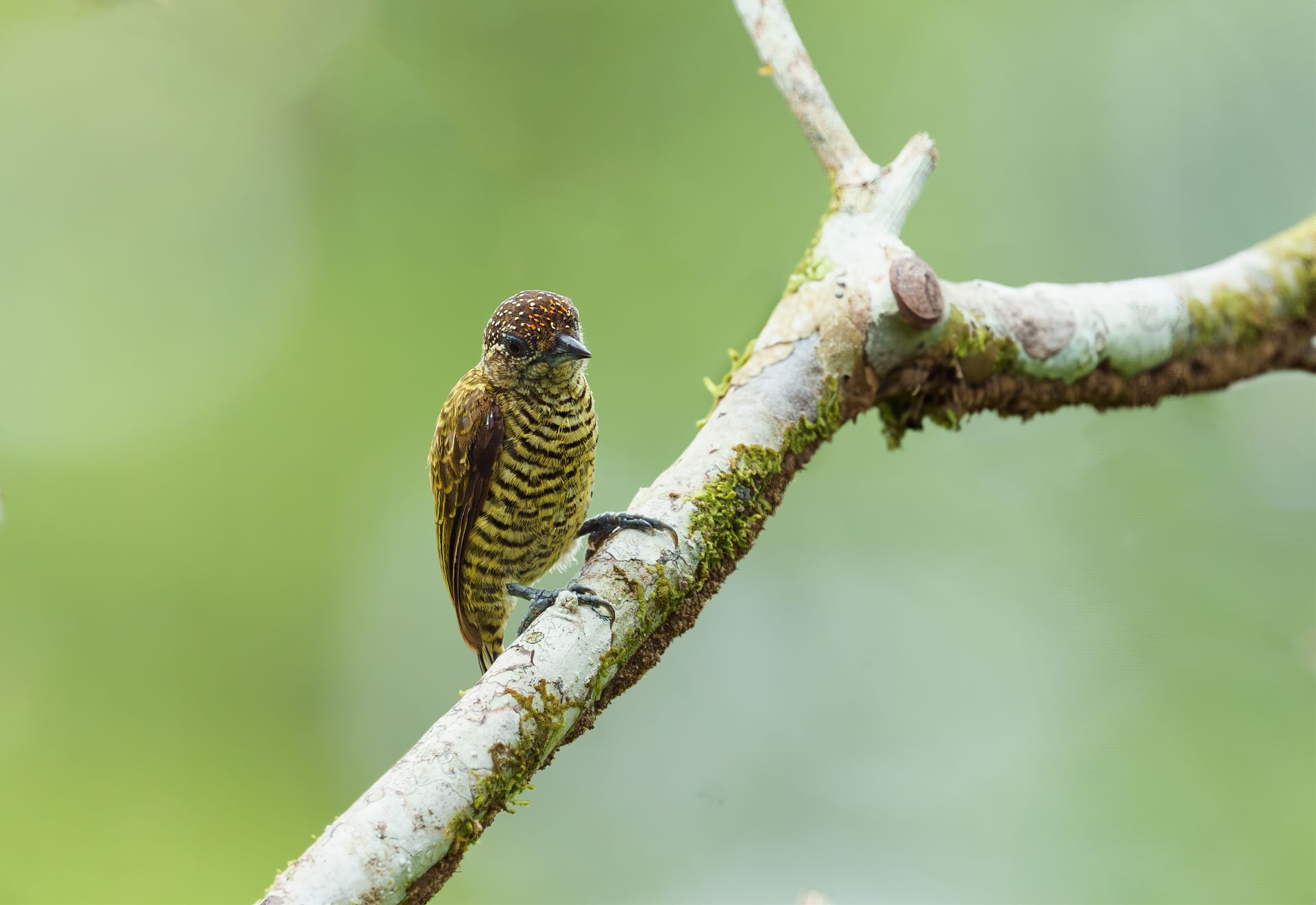
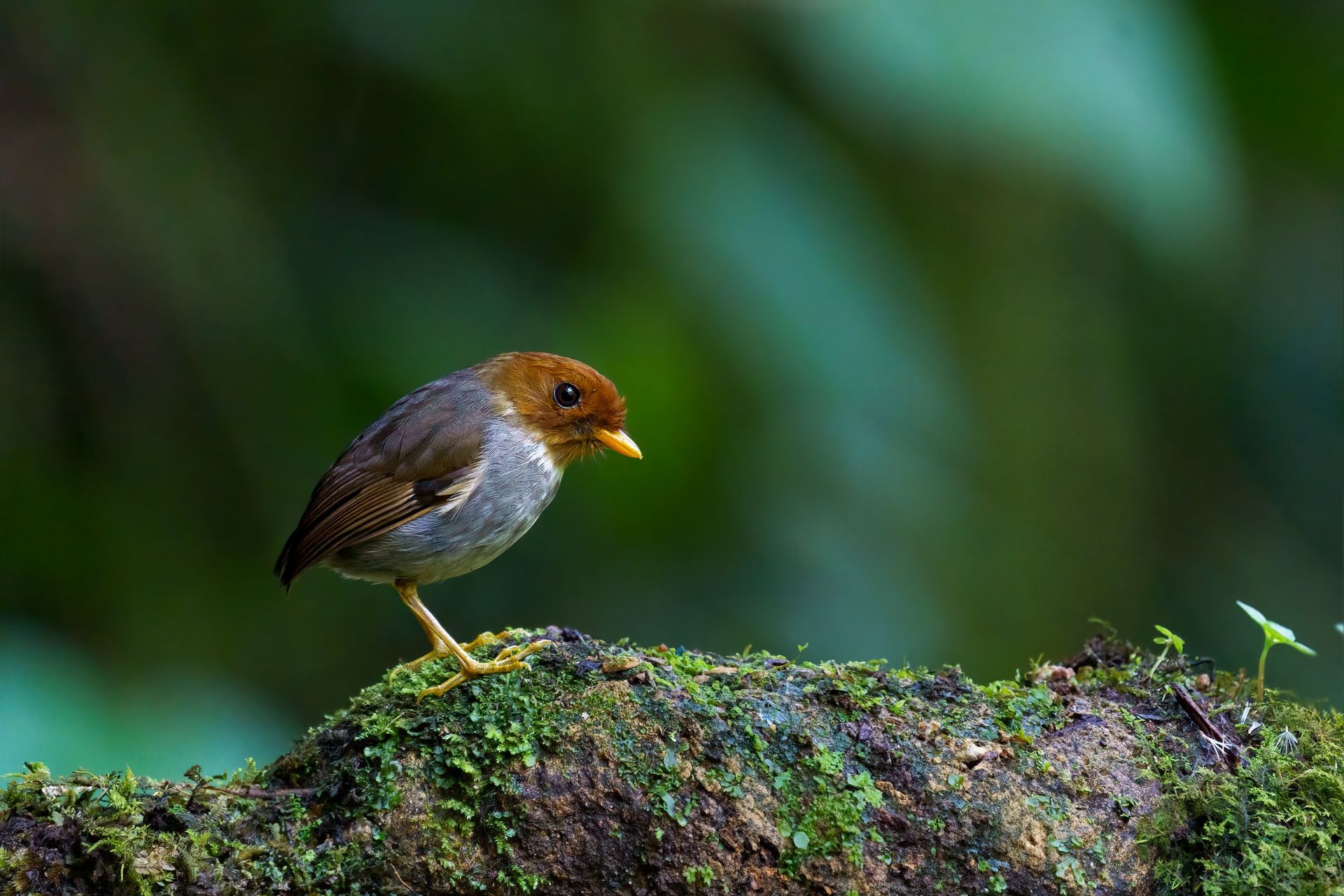
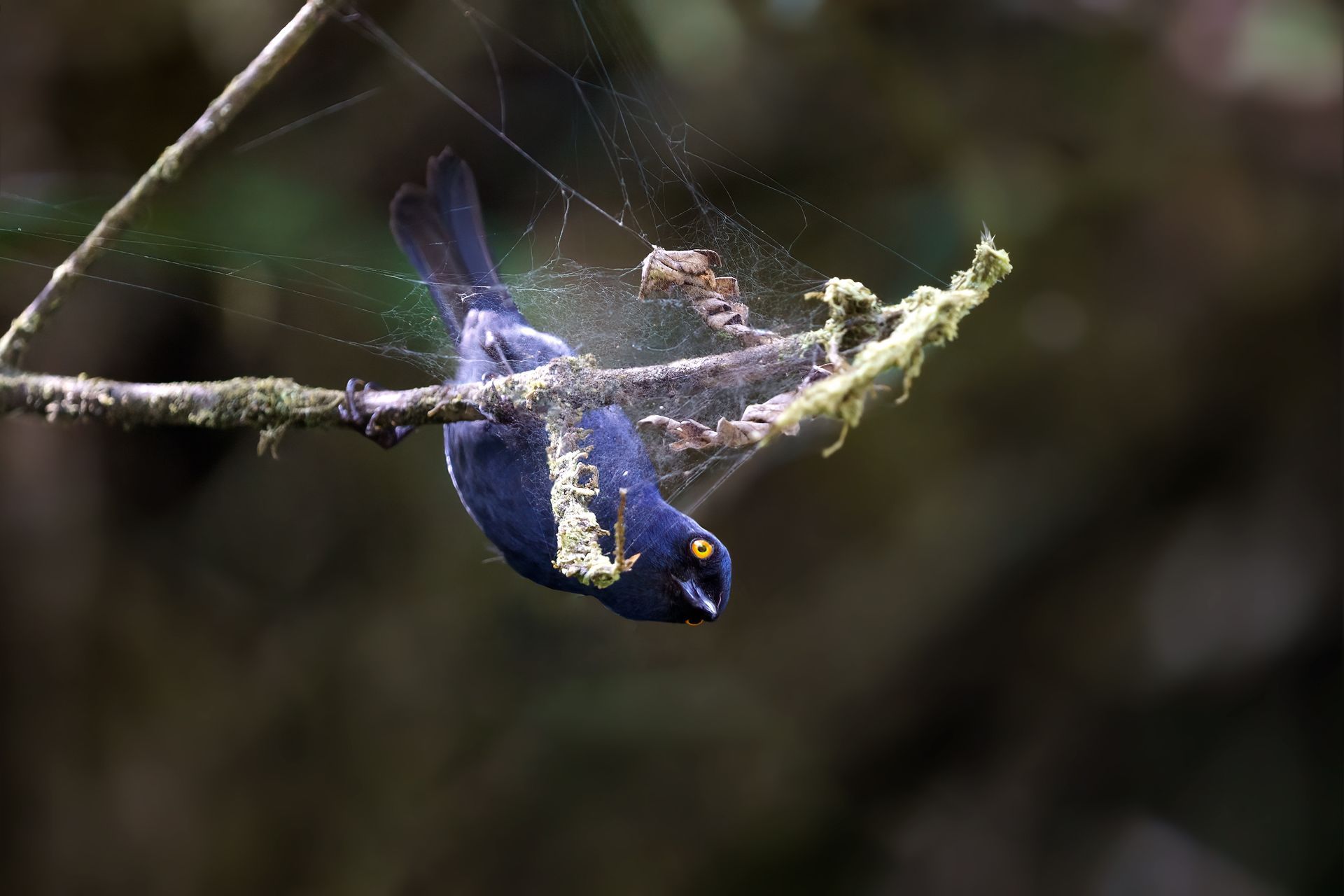
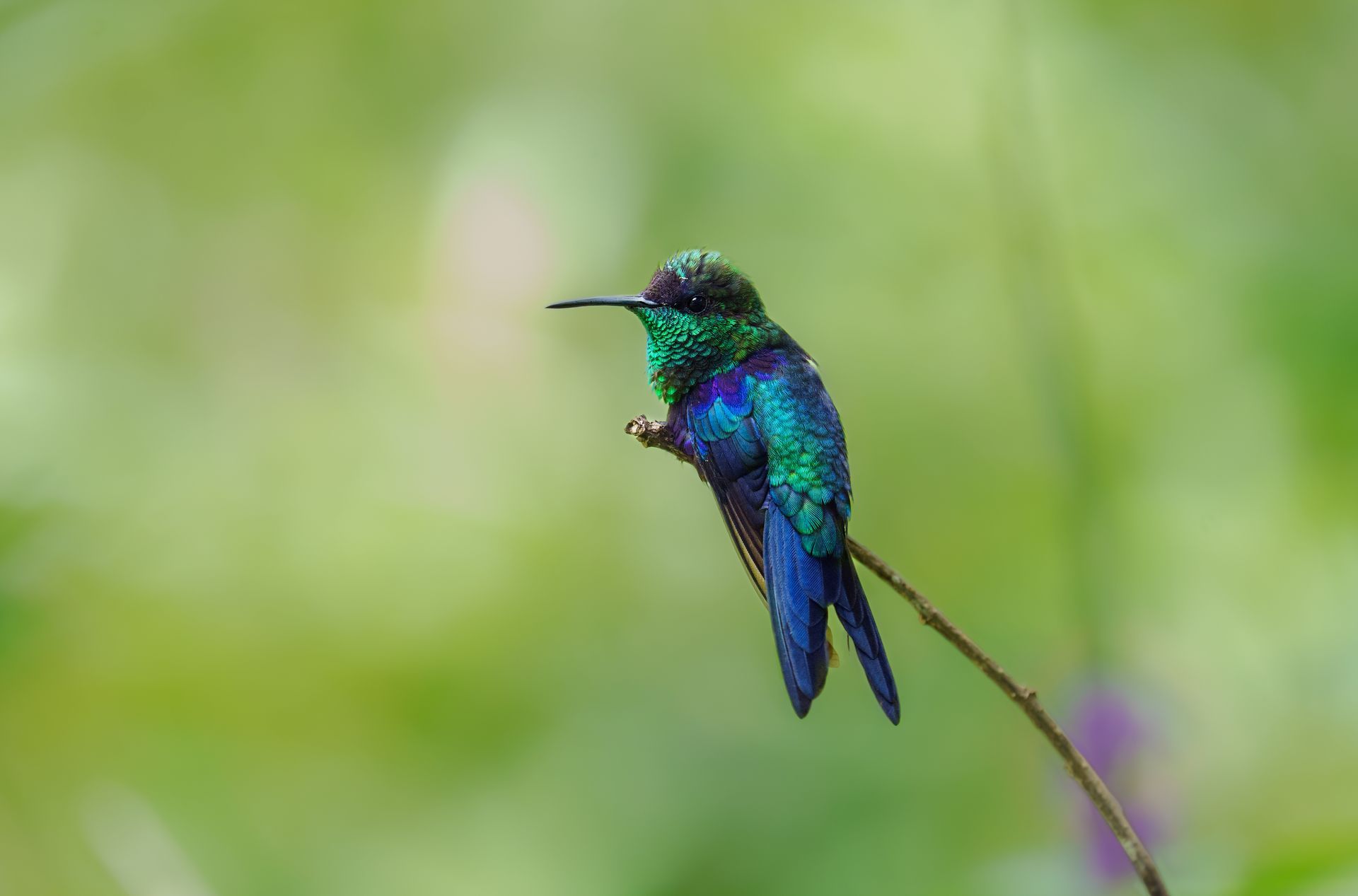
Even while focusing on mammals, the Atlantic Forest remains one of the richest bird habitats in South America.
Photographers regularly encounter:
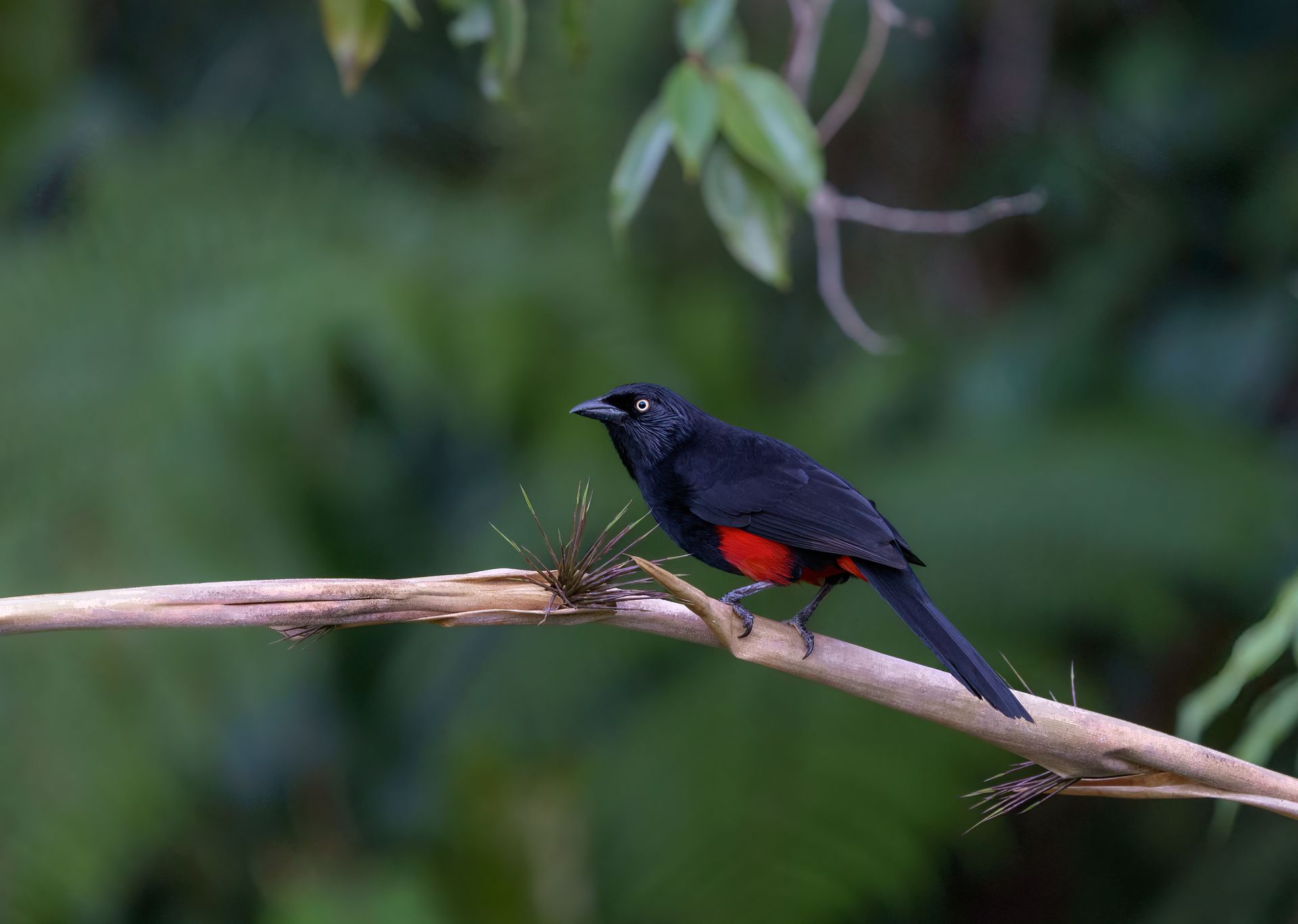
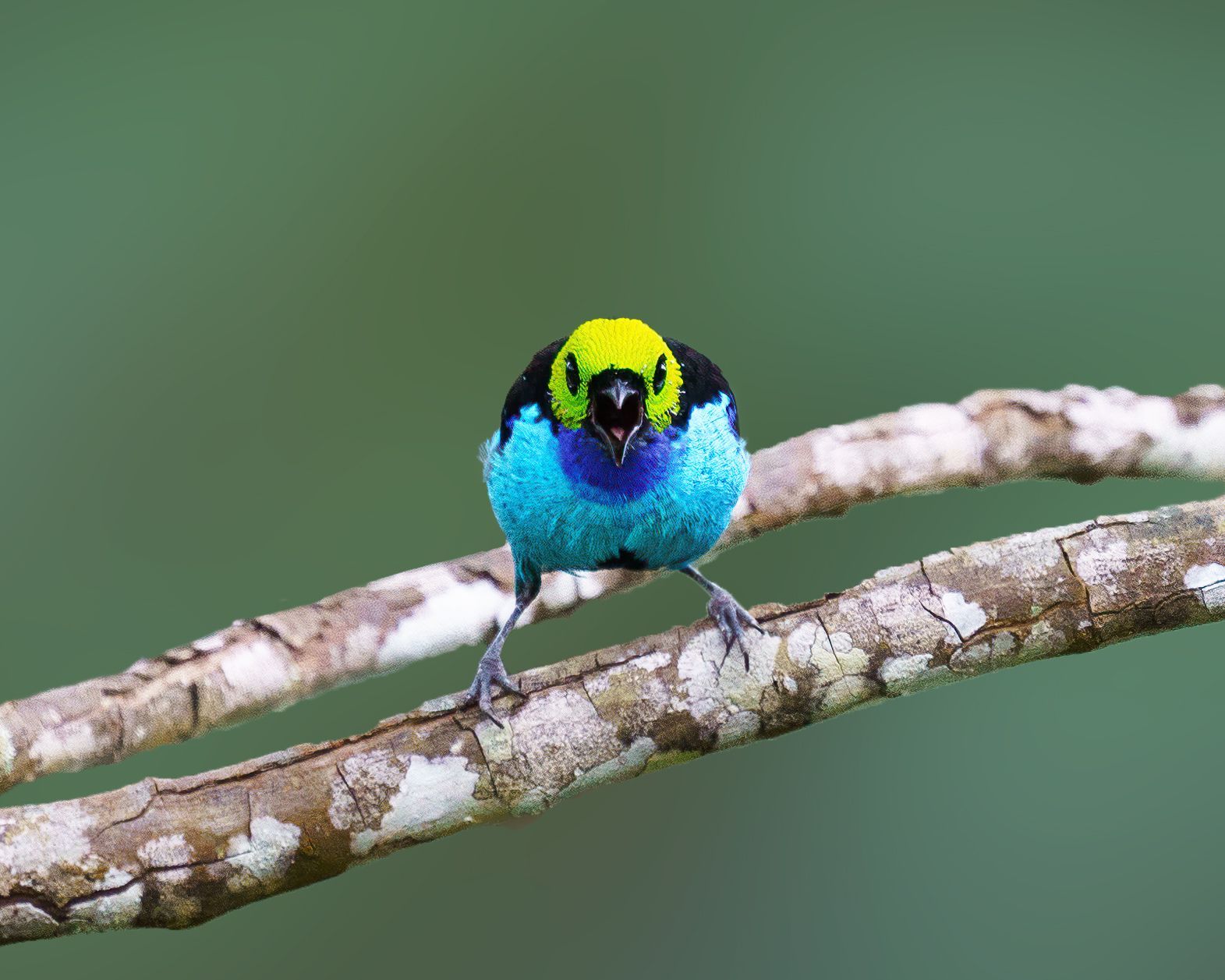
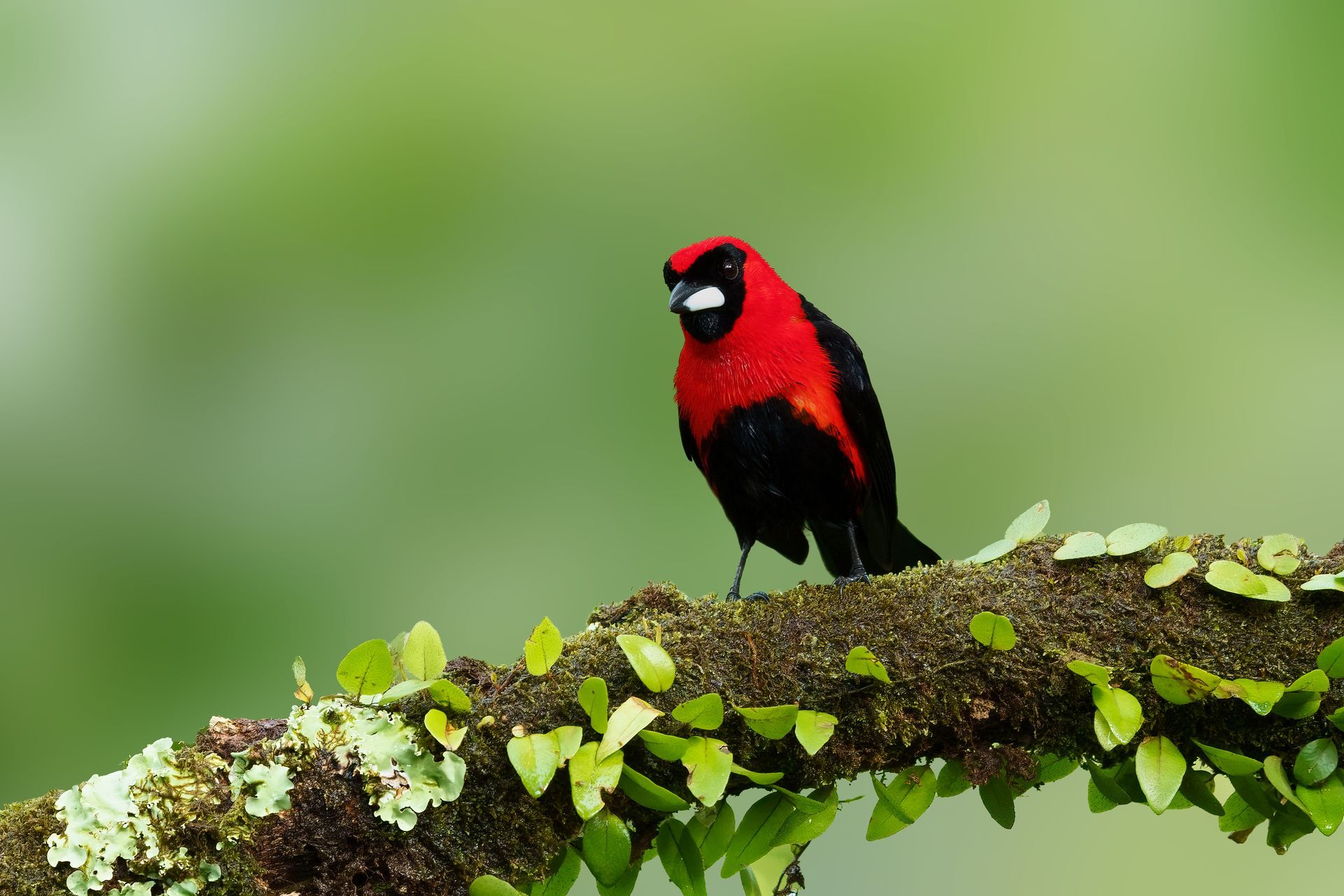
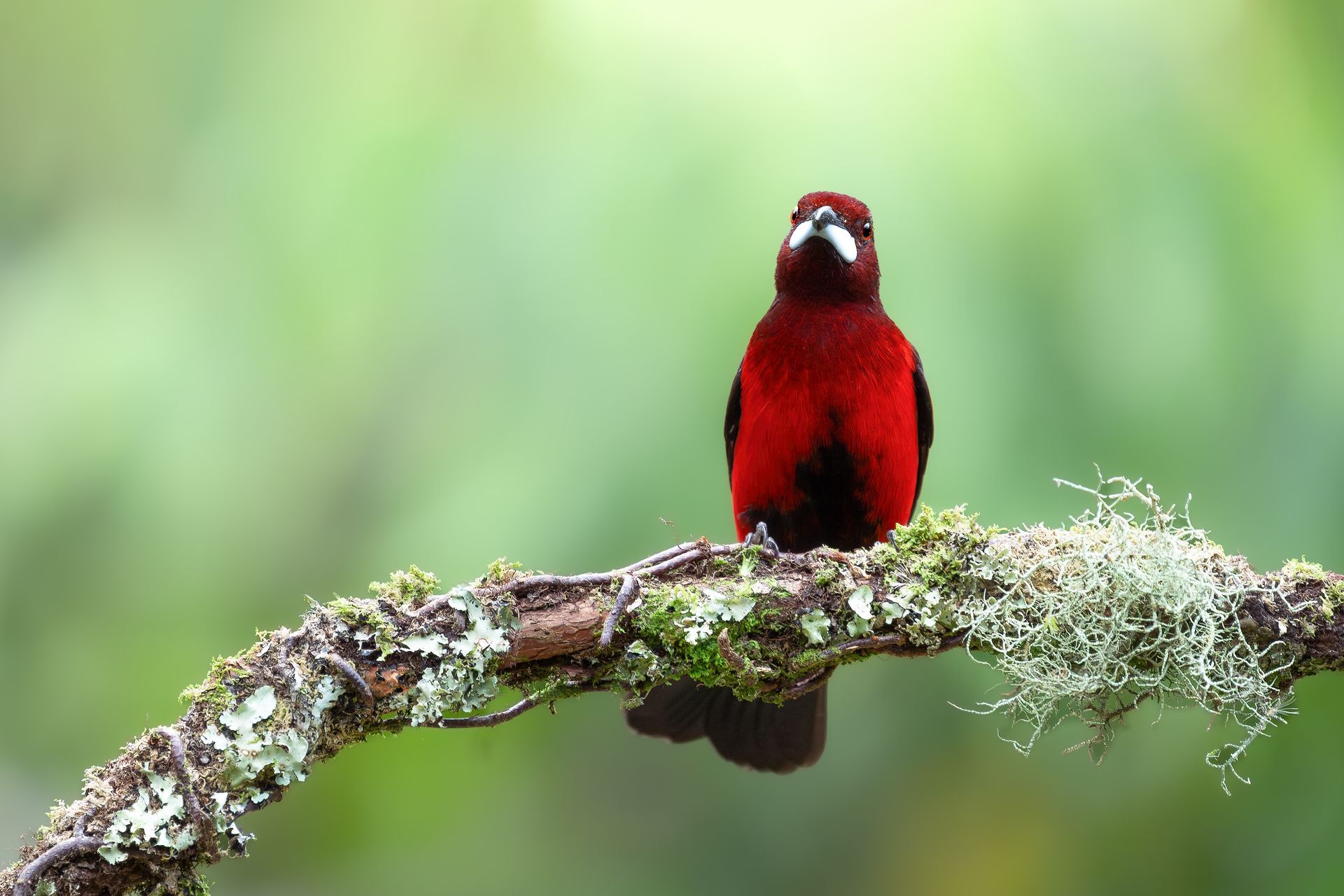
- Colorful tanagers
- Antbirds moving through understory vegetation
- Woodpeckers working tree trunks
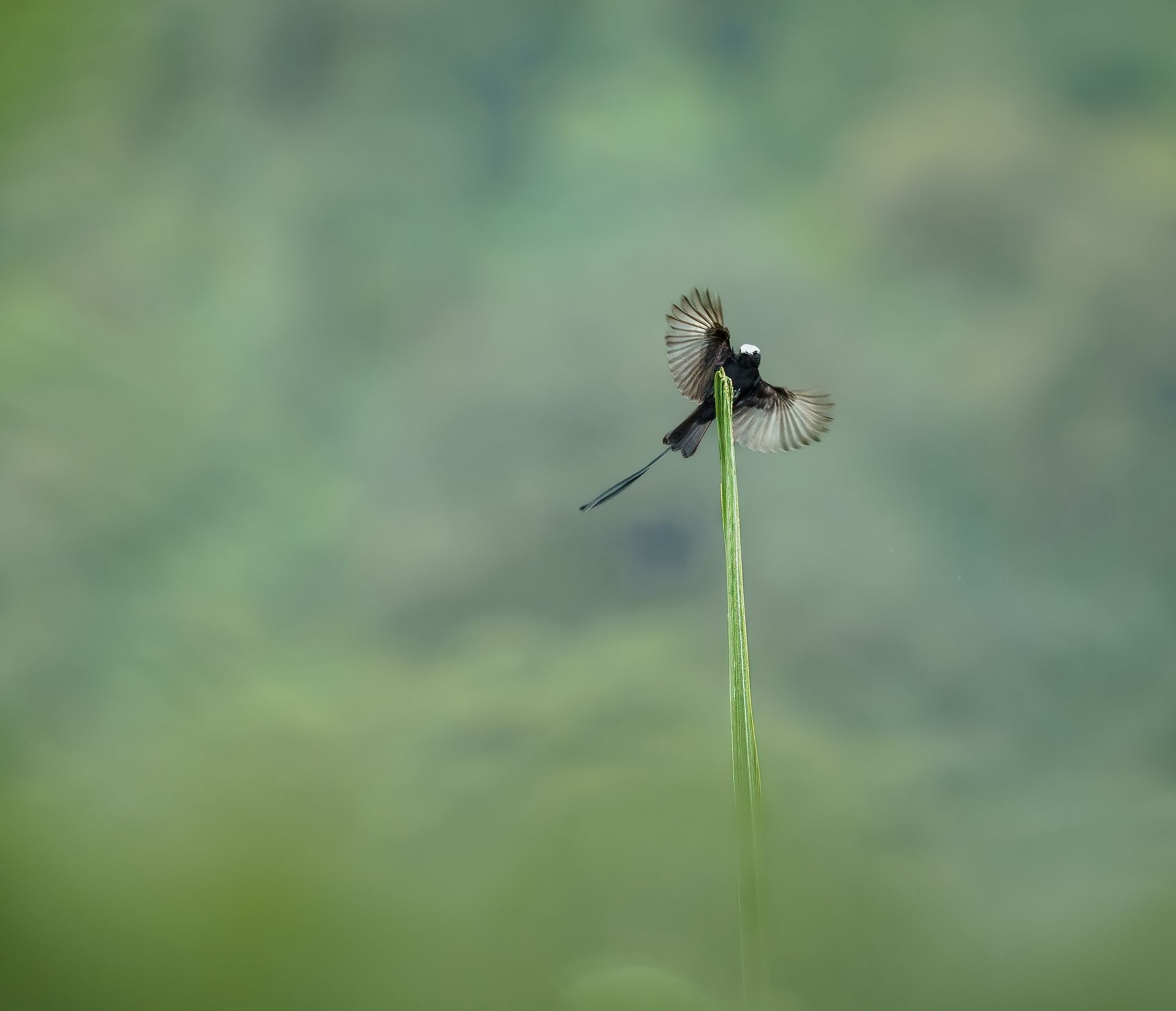
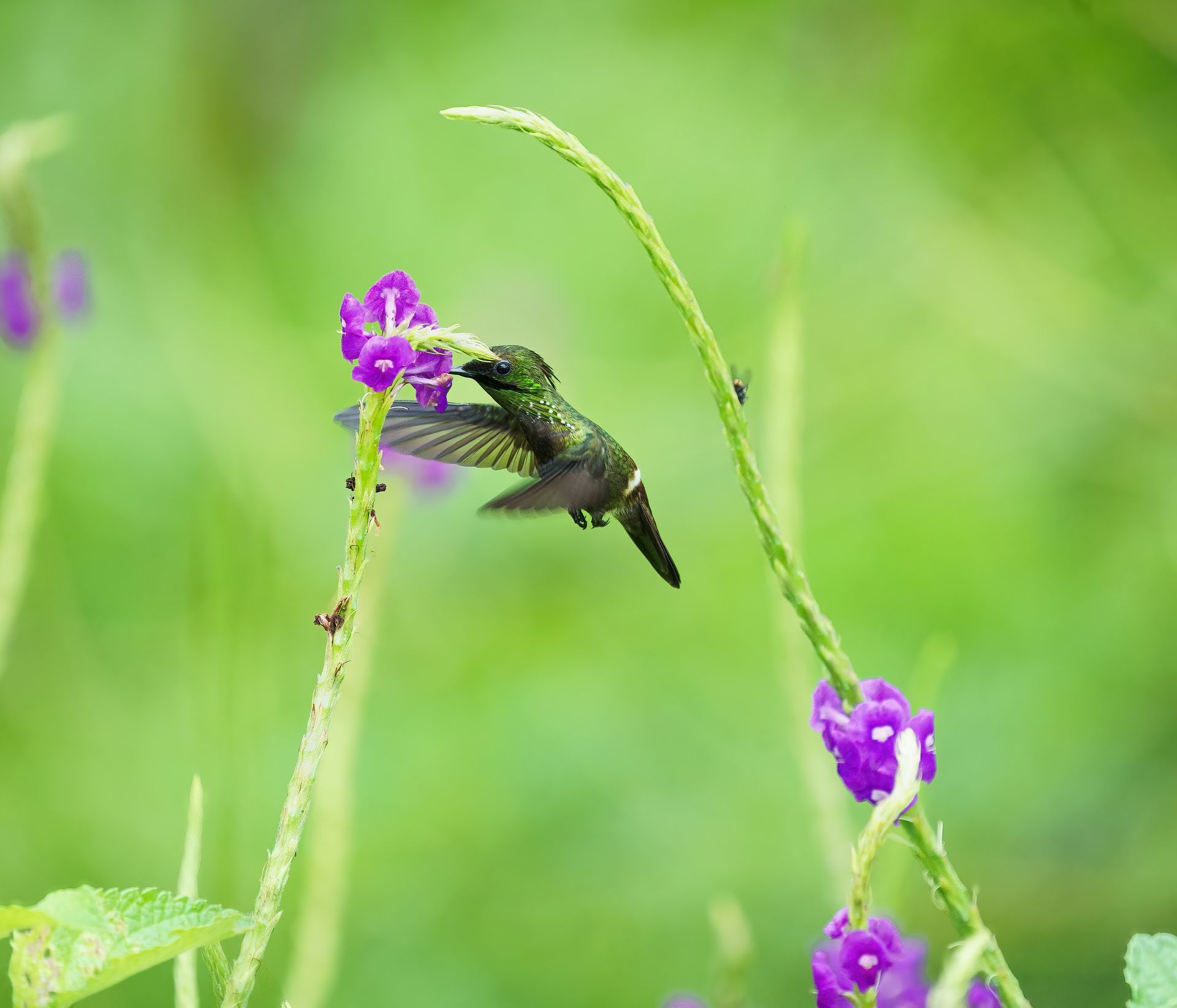
- Flycatchers and hummingbirds in forest edges
This diversity means that every walk through the forest can produce a combination of bird portraits, behavioral moments, and mammal encounters.
The result is a much more varied photography portfolio.
Light and Atmosphere in Atlantic Forest Photography
The Atlantic Forest is known for its lush vegetation and atmospheric lighting.
Photographers often work in:
- Soft filtered forest light
- Misty morning conditions
- Dense green backdrops
- Moss-covered branches and tree trunks
These conditions create natural color contrast that enhances both birds and mammals in photographs.
While light can be challenging, it also creates a unique mood that defines Atlantic Forest imagery.
Patience and Observation
Mammal photography in forest environments requires patience.
Animals may appear briefly, pause, and disappear again into vegetation.
Successful photographers often:
- Move quietly along trails
- Watch carefully for movement in the canopy
- Pause frequently to observe surroundings
Many of the best encounters occur when photographers slow down and allow the forest to reveal its wildlife gradually.
Ethical Wildlife Photography
Protecting wildlife and habitat is essential in sensitive ecosystems like the Atlantic Forest.
At Retorno Photo Tours, we follow strict ethical guidelines:
- Maintain respectful distances from wildlife
- Avoid disturbing feeding or resting animals
- Never manipulate animals for photography
- Support reserves and local conservation initiatives
Responsible wildlife tourism helps ensure that these forests and their wildlife remain protected for future generations.
Why Small Photography Groups Matter
The forest environment works best with small, quiet groups.
Smaller groups allow:
- Minimal disturbance to wildlife
- Flexible positioning for photographers
- Better communication with guides
- More time observing animals naturally
This approach creates better photographic opportunities and a more immersive experience in the forest.
A Complete Wildlife Photography Experience
For photographers who enjoy both birds and mammals, the Atlantic Forest offers a balanced wildlife experience.
Instead of focusing on only one type of subject, you can photograph:
- Brilliant forest birds
- Curious primates
- Slow-moving canopy mammals
- Rich environmental scenes that show the forest ecosystem itself
This variety makes the Atlantic Forest one of the most rewarding wildlife photography destinations in South America.
Explore the Atlantic Forest with Retorno Photo Tours
Retorno Photo Tours offers carefully designed wildlife photography journeys that combine bird and mammal encounters across some of South America’s most biodiverse habitats.
Our tours include:
- Professional wildlife photography guidance
- Small groups for better field experiences
- Access to protected reserves and conservation areas
- Ethical wildlife observation practices
If you are interested in exploring the Atlantic Forest while capturing both bird and mammal photography opportunities, we invite you to connect with us.
Contact Retorno Photo Tours to learn more about our wildlife photography tours in Brazil and Colombia.
In the Atlantic Forest, every walk through the trees can reveal something unexpected. For photographers, that sense of discovery is part of the magic.