
Chinese Photographers Exploring Latin America: Logistics and Tours
Chinese Photographers Exploring Latin America: Logistics and Tours
In recent years, wildlife and bird photography has grown rapidly in China. Many photographers who started by exploring local nature reserves and birding locations are now traveling internationally to photograph rare species and experience new ecosystems.
Latin America has emerged as one of the most exciting destinations for these photographers. The region is home to extraordinary biodiversity, vibrant landscapes, and thousands of bird and wildlife species that cannot be found in Asia.
For Chinese photographers seeking new wildlife photography opportunities, Latin America offers a combination of adventure, discovery, and professional photography experiences. With the right planning and well-organized tours, photographers can explore these remarkable ecosystems while capturing unforgettable images.
Why Latin America Attracts Chinese Wildlife Photographers
One of the main reasons photographers travel to Latin America is the incredible diversity of birds and wildlife found throughout the region.
Countries such as Colombia and Brazil contain vast natural areas filled with unique species. Tropical forests, wetlands, and mountain habitats support an extraordinary range of animals and birds.
For photographers who are used to photographing species in Asia, these ecosystems provide completely new photographic subjects.
Photographers visiting the region often encounter:
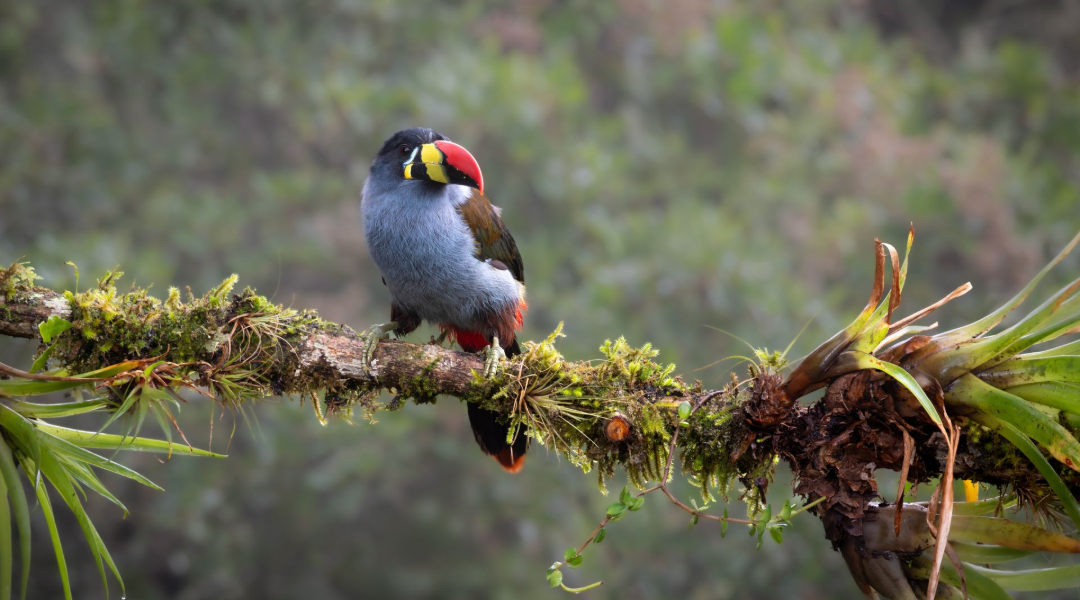
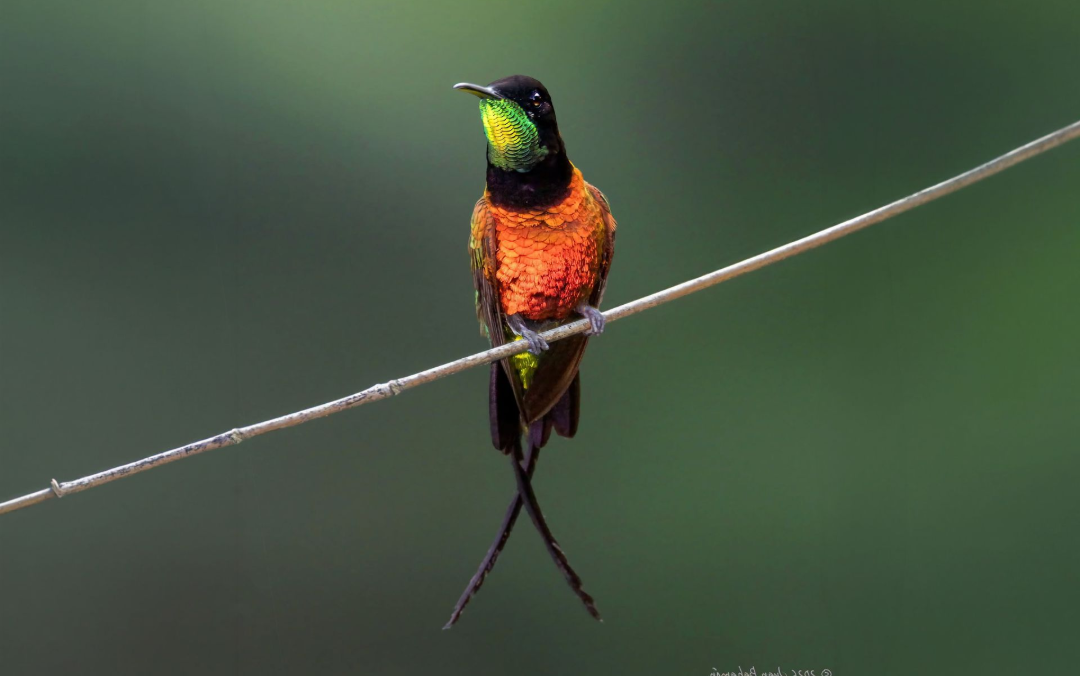
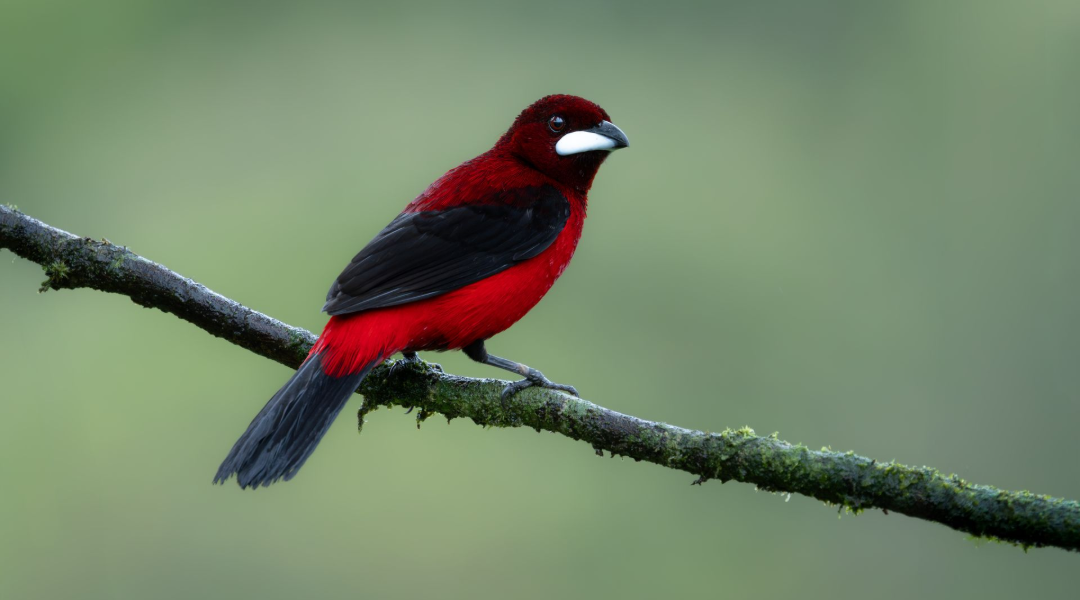
- Colorful tropical birds with striking plumage
- Rare forest species living in remote habitats
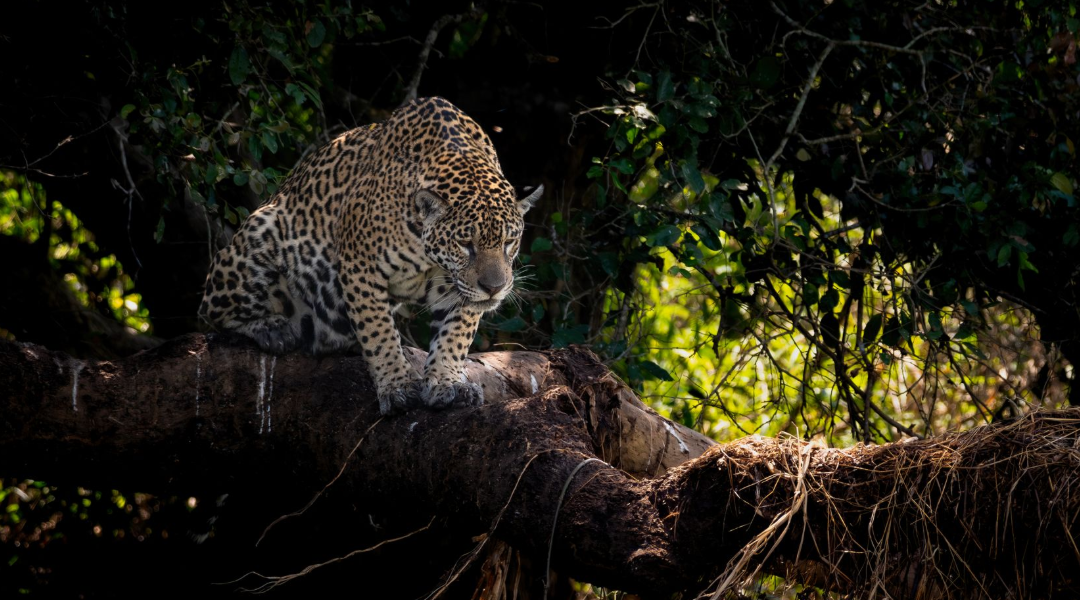
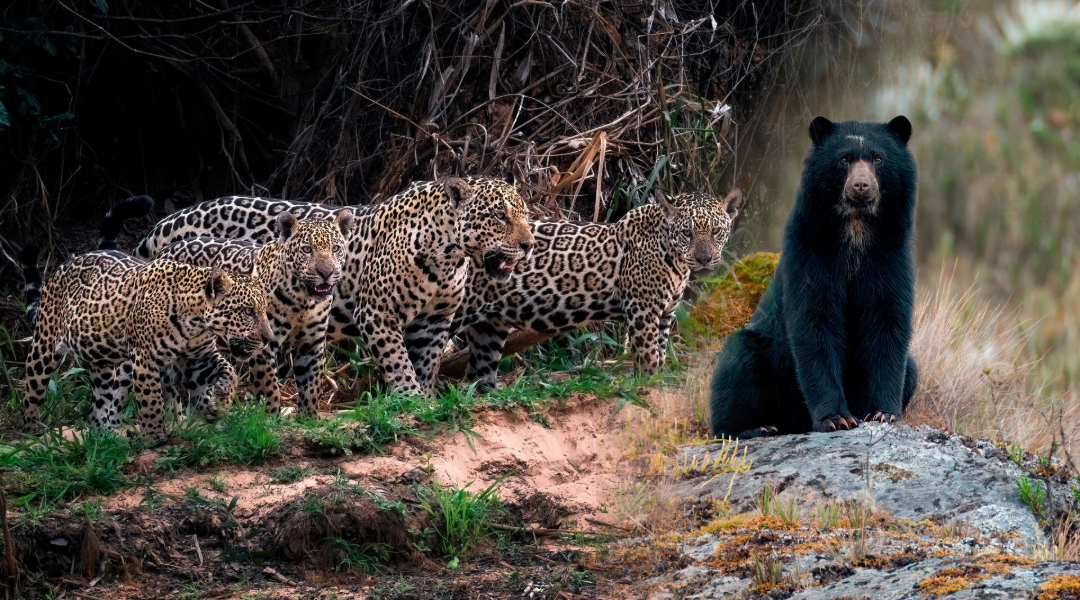
- Mammals that inhabit wetlands and tropical forests
- A wide range of insects, reptiles, and amphibians
This variety creates exciting opportunities for photographers to expand their portfolios and explore wildlife that is rarely photographed in other parts of the world.
Understanding Travel Logistics
Traveling from China to Latin America is a significant journey, and careful planning is important to ensure a smooth experience.
Many photographers choose to work with professional wildlife photography tours that handle the most important logistical details.
Travel logistics often include:
- International flights and connections
- Domestic transportation within the destination country
- Accommodation near wildlife habitats
- Access to nature reserves and protected areas
When these arrangements are organized in advance, photographers can focus on enjoying their photography experience rather than worrying about travel details.
Professional tour operators often assist with scheduling and planning to ensure that photographers spend as much time as possible in productive wildlife locations.
Access to Prime Wildlife Locations
Latin America offers many remote and biologically rich locations that are ideal for wildlife photography.
However, reaching these areas can sometimes be challenging without local knowledge.
Guided photography tours provide access to carefully selected locations where photographers can observe birds and wildlife in their natural habitats.
These locations may include:
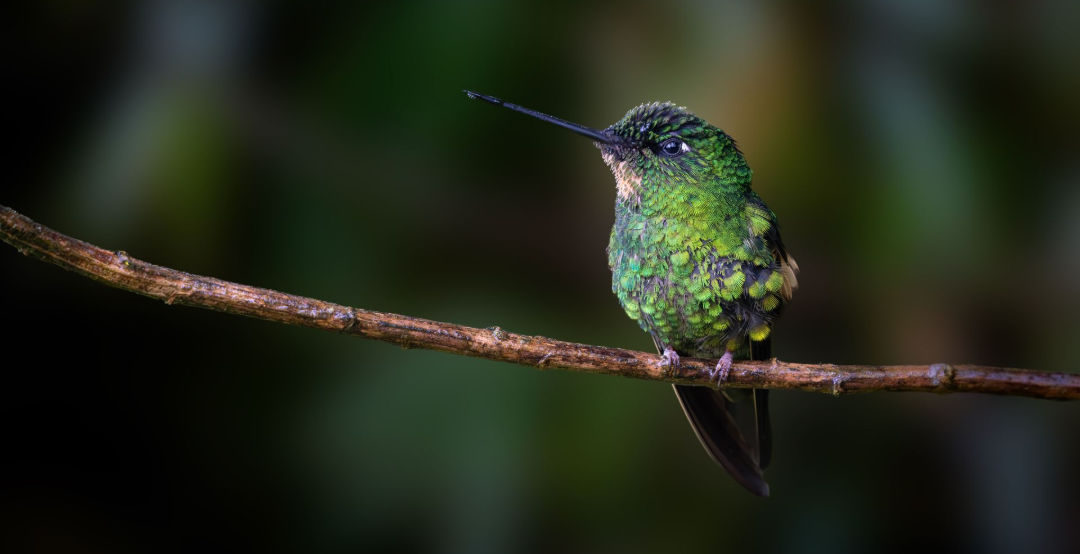
- Cloud forests filled with hummingbirds and colorful forest birds
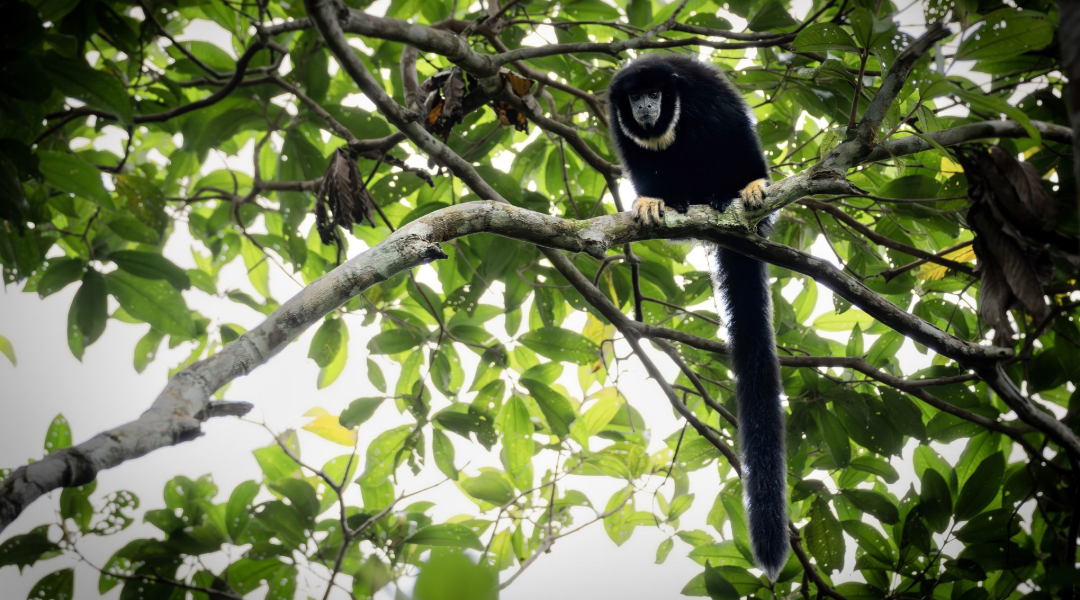
- Tropical forests with rare canopy species
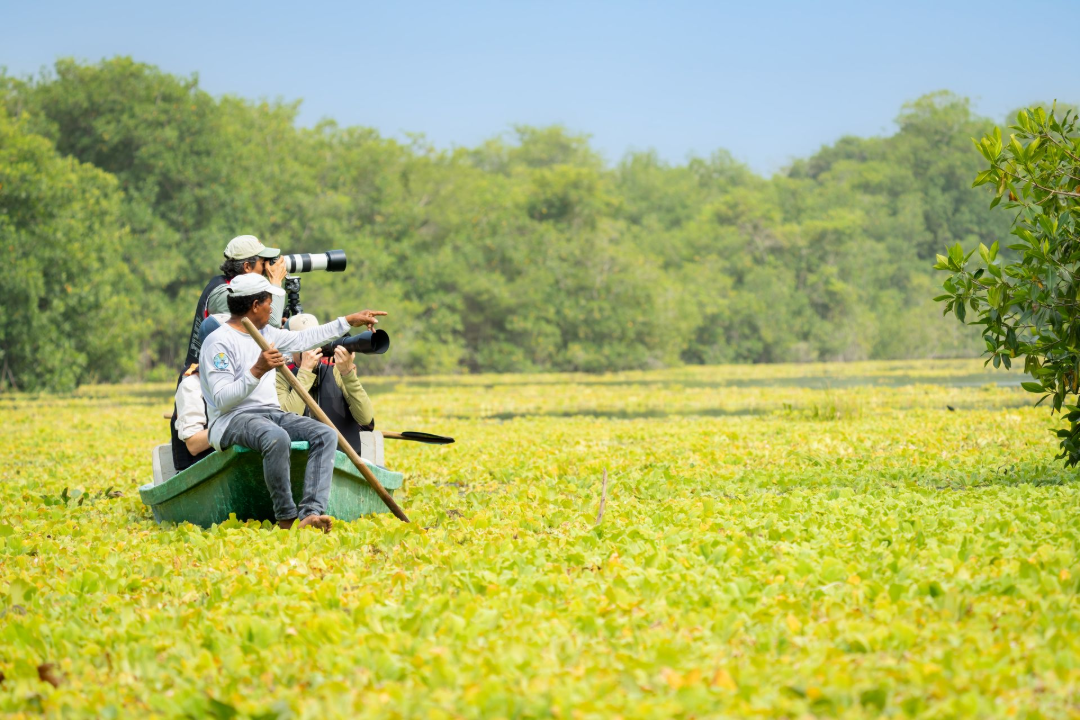
- Wetland environments where birds and mammals gather near water
- Remote natural reserves that protect endangered wildlife
These environments create exceptional opportunities for wildlife photography and allow photographers to capture species that are rarely seen elsewhere.
The Importance of Experienced Local Guides
Local guides play an essential role in successful wildlife photography tours.
Many birds and animals in tropical forests are difficult to locate without knowledge of their calls, habits, and habitats.
Experienced guides help photographers by:
- Identifying bird calls and movements
- Locating species that may be hidden in dense vegetation
- Predicting where birds are likely to appear
- Ensuring safe and respectful wildlife observation
Their knowledge of local ecosystems dramatically increases the chances of successful photography encounters.
For photographers visiting from China, working with expert guides helps make the experience both productive and educational.
Adapting to Tropical Photography Conditions
Photographers visiting Latin America may encounter environmental conditions that are different from those in their home regions.
Tropical forests often have:
- High humidity
- Dense vegetation
- Changing weather patterns
- Low light under forest canopies
These conditions require photographers to adapt their techniques and equipment.
Using fast lenses, adjusting ISO settings, and preparing for sudden rain showers can help photographers capture high-quality images even in challenging environments.
Many photographers find that these environments create beautiful natural lighting and dramatic backgrounds for wildlife photography.
Ethical Wildlife Photography Practices
Responsible wildlife photography is becoming increasingly important for photographers around the world.
Many Chinese photographers are interested in ethical wildlife tourism that protects animals and their habitats.
Ethical photography practices include:
- Observing wildlife from a respectful distance
- Avoiding disturbance during feeding or nesting
- Minimizing noise and sudden movement
- Protecting natural habitats and ecosystems
Professional wildlife photography tours often follow strict guidelines to ensure that wildlife encounters remain safe and respectful.
By following these practices, photographers help preserve the environments they are visiting.
Opportunities to Photograph Rare Species
Latin America is home to many species that exist nowhere else in the world.
Photographers visiting the region often have opportunities to photograph birds and animals that are rarely seen outside their natural habitats.
These species may include:
- Colorful forest birds with vibrant plumage
- Unique hummingbirds and tanagers
- Rare mammals living in tropical forests
- Diverse wildlife found in wetlands and river systems
Capturing images of these species can add tremendous value to a photographer’s wildlife portfolio.
Many photographers return from their trips with images that stand out in exhibitions, publications, and competitions.
International Wildlife Photography Community
Wildlife photography tours in Latin America often bring together photographers from different countries who share the same passion for nature and photography.
Chinese photographers traveling on these tours frequently meet photographers from Europe, North America, and other regions of Asia.
These interactions create valuable opportunities to exchange knowledge, discuss techniques, and learn from photographers with different experiences and perspectives.
Many photographers enjoy the collaborative atmosphere that develops during these international photography tours.
Explore Latin America with Retorno Photo Tours
Retorno Photo Tours offers guided wildlife photography experiences designed for photographers who want to explore the extraordinary biodiversity of Latin America.
Our tours focus on helping photographers capture remarkable images while following responsible and ethical wildlife photography practices.
Photographers joining our tours can expect:
- Access to exceptional bird and wildlife photography locations
- Experienced guides who understand animal behavior and habitats
- Small groups that allow quiet observation and better photography opportunities
- A strong commitment to conservation and ethical wildlife tourism
We welcome photographers from China and around the world who want to experience the incredible wildlife and landscapes of Latin America.
If you would like to learn more about our wildlife photography tours and upcoming opportunities, we invite you to contact us through our website.
Latin America offers extraordinary wildlife photography experiences, and with the right preparation and guidance, photographers can capture unforgettable images while exploring one of the most biodiverse regions on Earth.