
Colombia’s Most Productive Birding Regions for Professional Wildlife Tours
Colombia’s Most Productive Birding Regions for Professional Wildlife Tours
Colombia has rapidly become the global center for bird photography and professional wildlife tours, offering what many other regions only promise: high biodiversity, easy access, reliable bird activity, and a network of local guides who have perfected the art of finding rare and iconic species. Photographers who visit Colombia often describe it as “an entire continent in one country”—and biologically, that’s true.
Stretching from the Caribbean Sea to the Amazon Basin and carved by three Andean mountain ranges, Colombia contains more habitats than any other country of comparable size. This condensed ecological variety is one of the key reasons why modern Nature-focused expeditions, Manakin-style birding routes, and Photo wildlife tours consistently rank Colombia as the most productive destination in South America.
This comprehensive guide explores the most productive birding regions in Colombia, why they deliver such extraordinary photographic results, and how professional wildlife tours use them to build world-class itineraries.
Why Colombia Produces More Bird Photographs Than Any Other Country
Birding and bird photography productivity depend on more than just species count. A region becomes highly productive when it offers:
- Reliable bird activity throughout the day
- Habitats close to one another (allowing quick transitions between ecosystems)
- Feeder systems managed by local communities
- Clear access points such as forest edges, roads, and private reserves
- Specialized local guides who know species territories intimately
Colombia checks all these boxes. This is why major Nature tour outfits, keeping nature tours initiatives, and Tangaer photo tours–styled itineraries use the country as a benchmark for productive wildlife travel.
1. The Central Andes: The Heart of Colombian Bird Photography
No region in Colombia is photographed more than the Central Andes, especially the departments of Risaralda, Caldas, and Antioquia. This area is the epicenter of productivity because the elevation changes so rapidly that photographers move between páramo, cloud forest, subtropical, and montane forest in a matter of minutes.
What Makes the Central Andes So Productive
- Abundant feeders that attract tanagers, hummingbirds, and antpittas
- Extremely accessible reserves and lodges
- Close proximity between locations—more time photographing, less time driving
- Consistent sightings of target species
Key Photographic Species
- Andean Cock-of-the-rock
- Saffron-crowned, Flame-rumped, and Blue-winged Mountain-Tanager
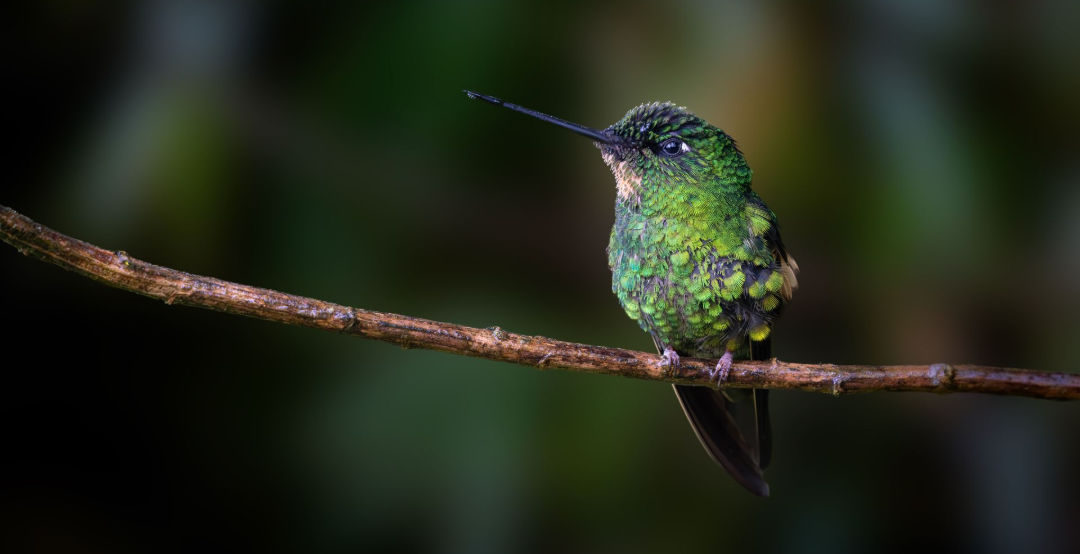
- Collared Inca, Tourmaline Sunangel, and other high-elevation hummingbirds
- Chestnut-crowned Antpitta and other habituated species
- Powerful woodpeckers such as Crimson-mantled and Yellow-eared
Top Professional Wildlife Tour Destinations
- Río Blanco Reserve (famous for antpittas)
- Tinamú Lodge (incredible feeder photography)
- Termales del Ruiz (high-mountain landscapes and hummingbirds)
- Jardín Cock-of-the-rock lek
Professional Photo wildlife tours often start their itineraries here because the photographic success rate is exceptionally high from day one.
2. The Western Andes & Valle del Cauca: Tanager Paradise
The Western Andes offer some of the most iconic and colorful birds on Earth, and this region has become the backbone of Tangaer photo tours and international Nature-focused birding companies.
Why the Western Andes Are Unique
Moist Pacific winds collide with the mountains, creating lush, species-rich cloud forests full of photographic potential.
Signature Species
- Multicolored Tanager (a top Colombian target)
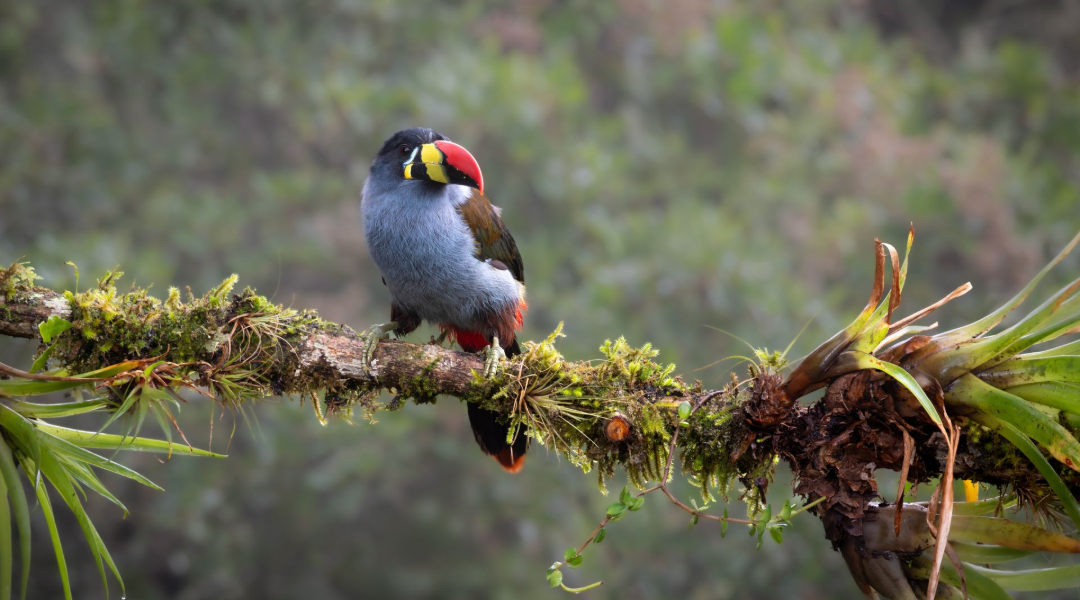
- Toucan Barbet
- Black-and-gold Tanager
- Golden-chested Tanager
- Velvet-purple Coronet
Top Sites
- KM18 (La Florida, La Conchita)
- Anchicayá Road (one of the most biodiverse roads on earth)
- Dapa region
- San Antonio Cloud Forest
The density of colorful tanagers is exceptional, making this region a favorite for photographers who want brilliant images in a short timeframe.
3. The Magdalena Valley: Endemics and Dry-Forest Specialties
The Magdalena Valley is one of the most important evolutionary corridors in Colombia. Surrounded by three Andean ranges, it became isolated over time—creating numerous endemic species that attract professional wildlife tours.
Why It’s Productive
- Mix of dry forest, foothill rainforest, and wetland habitats
- Endemic species found nowhere else
- Good lighting conditions due to open habitats
Notable Species
- Barcrested Antshrike
- White-bellied Antbird
- Velvet-fronted Euphonia
- Spectacled Parrotlet
- Northern Screamer (wetlands)
Key Locations
- Mariquita and Honda
- Bellavista region
- Ibagué foothills
Photographers seeking unusual, endemic-rich habitats often pair this region with the Andes.
4. Sierra Nevada de Santa Marta: The Kingdom of Endemics
The Sierra Nevada de Santa Marta is the highest coastal mountain range in the world and home to the largest concentration of endemic birds in the Americas.
Why It’s a Global Birding Hotspot
The isolation of the Santa Marta massif created a micro-evolutionary laboratory, producing dozens of species that exist nowhere else.
Highlight Species
- Santa Marta Parakeet
- Santa Marta Antpitta
- Santa Marta Warbler
- White-tailed Starfrontlet
- Blue-naped Chlorophonia
Top Birding Destinations
- El Dorado Lodge
- San Lorenzo Ridge
- Minca and the foothills
For professional wildlife tours, this is one of the few places on Earth where photographers can collect more than 15 endemics in a single day.
5. Amazon Basin & Orinoco: South America’s Wild Frontier
The Amazon of Colombia (Mitú, Leticia) and the Orinoco region (Inírida) provide experiences unlike anywhere else in the country.
Here, bird photography becomes an immersion in deep Nature—an environment cherished by keeping nature tours and long-format wildlife expeditions.
Why These Regions Matter
- Huge species richness
- Many birds of exceptional size, color, and rarity
- Indigenous communities that know bird territories extremely well
Iconic Species
- Paradise Jacamar
- Guianan Cock-of-the-rock
- Pompadour Cotinga
- Hoatzin
- Multiple macaw species
Key Photography Areas
- Mitú Indigenous trails
- Inírida’s unique white-sand forests
- Canopy towers around Leticia
These regions require more logistics but reward photographers with species that most birders only dream of seeing.
6. The Eastern Andes (Bogotá, Boyacá, Santander)
Often overlooked by foreign photographers, the Eastern Andes provide access to high-elevation specialties and a surprising number of endemics.
Why It’s Productive
- Easy access from Bogotá
- Excellent páramo habitats
- Very photogenic species
Important Species
- Green-bearded Helmetcrest
- Apolinar’s Wren
- Bogotá Rail
- Rufous-browed Conebill
Recommended Sites
- Chingaza National Park
- Sumapaz páramo
- Tabacal Lagoon
- Rogitama Reserve
This region is often used by Manakin-inspired tour designs due to its accessibility and unique high-altitude birds.
What Makes These Regions Perfect for Professional Wildlife Tours
1. High Daily Species Counts
Many regions produce 40–80 species per day, ideal for photographers who want variety.
2. Close Habitat Transitions
Traveling a few kilometers can give access to entirely new species groups.
3. Strong Local Guide Networks
Guides in Colombia have evolved alongside the rise of professional photography tourism.
4. Community Conservation Initiatives
Feeding stations, protected lek zones, and reforestation projects increase photographic opportunities.
5. Natural Light and Forest Edges
Many reserves offer excellent lighting at feeders and open areas—critical for photography.
Conclusion
Colombia’s landscapes form one of the most productive bird photography systems in the world. From the tanager-rich Western Andes to the endemic kingdom of Santa Marta, from the Amazon forests of Mitú to the high páramos of the Eastern Andes, the country delivers exceptional photographic results every day of the year.
This is why some of the world’s best professional wildlife tours, Nature-focused operators, and Tangaer-style expeditions choose Colombia as their primary destination. For photographers, it’s not just about bird lists—it’s about the consistent ability to capture high-quality images in diverse and thrilling environments.
For photographers seeking expertly structured itineraries inspired by the quality of Manakin and modern Photo wildlife tours, explore our curated Nature photography tours — Retorno Photo Tours designs routes through Colombia’s most productive birding regions with a strong focus on photographic access and field experience.