
Nature Photography in Ecuador: What Makes It a Favorite Among International Tour Operators
Nature Photography in Ecuador: What Makes It a Favorite Among International Tour Operators
Ecuador has become one of the most celebrated destinations for nature photography in the world, attracting thousands of photographers, tour leaders, and international wildlife companies every year. Despite its small size, Ecuador manages to host one of the highest biodiversity indexes on the planet, making it a rare paradise where dramatic landscapes, astonishing wildlife, and logistical efficiency come together in perfect harmony.
From the towering Andes to the lush Amazon basin, from the Chocó rainforest to the Pacific coast and the legendary Galápagos Islands, Ecuador offers an ecosystem mosaic that feels almost unreal in its variety. But what truly elevates the country into a global leader in nature photography is the way it blends access, infrastructure, conservation, and creativity into a seamless experience that keeps photographers returning again and again.
This article dives deep into why Ecuador stands out, what makes it a preferred destination for professional tour operators worldwide, and how photographers can get the most out of their journey through one of Earth’s most extraordinary natural theatres.
Ecuador: A Compact Powerhouse of Biodiversity
Ecuador’s greatest advantage is geographic efficiency. In just a single day of travel, photographers can move from:
- moss-laden cloud forests
- glacier-lined mountain peaks
- dense Amazon jungles
- dry coastal forests
- island ecosystems unlike any on Earth
This is not an exaggeration — Ecuador’s ecosystems change dramatically every few hours of driving. For international nature tour operators, this creates an opportunity unmatched elsewhere:
More wildlife. More habitats. Less time lost.
Photographers don’t need 14–20 days to experience a wide range of ecosystems. A well-crafted itinerary can deliver breathtaking diversity in a week.
Why Tour Operators Love Ecuador’s Infrastructure
Ecuador’s photography infrastructure has matured significantly over the last decade. Lodges and reserves have intentionally developed systems tailored not just for birders, but specifically for nature photographers.
These improvements include:
- specialized hummingbird setups
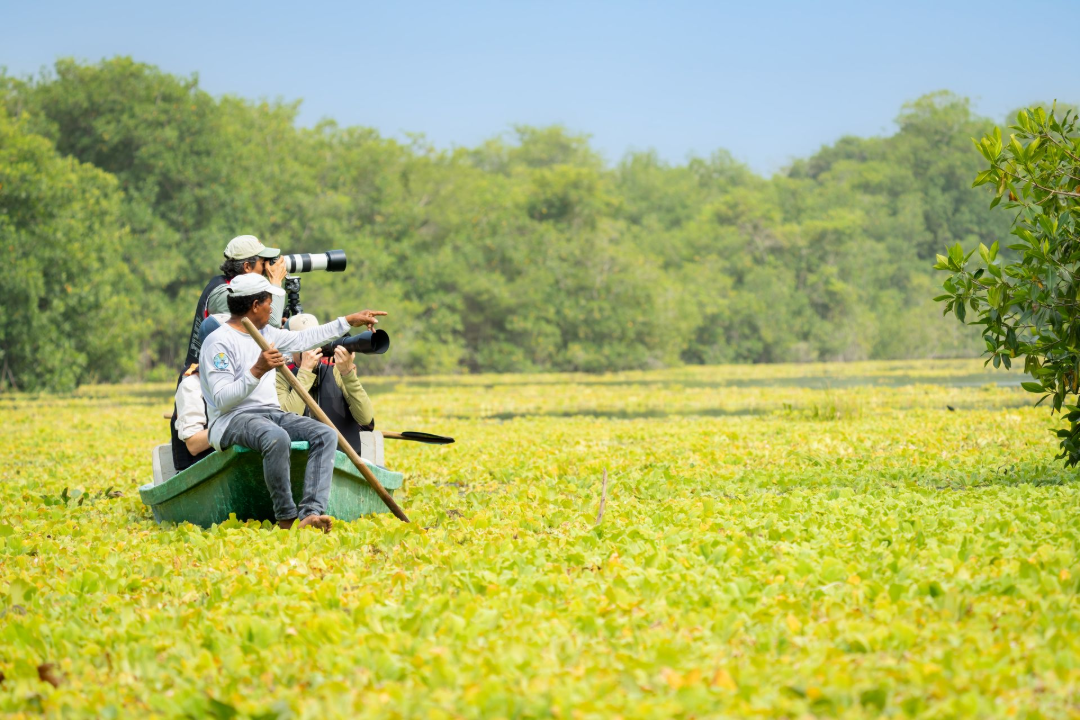
- multi-angle blinds
- natural-looking perches and fruit stations
- controlled backgrounds for clean compositions
- professional guiding with strong field photography knowledge
- short walking distances suitable for heavy equipment
- high-speed Wi-Fi for backup and file transfer
For tour companies, these elements are essential. A destination must deliver consistent results, and Ecuador does this with exceptional reliability.
The Andes: A Photographer’s Dreamscape
The Andean highlands form the backbone of Ecuador’s wildlife tourism. With elevations ranging from 1,500 to over 4,800 meters, photographers encounter a dramatic shift in species, light conditions, and landscapes as they move through the mountain corridors.
Highlights include:
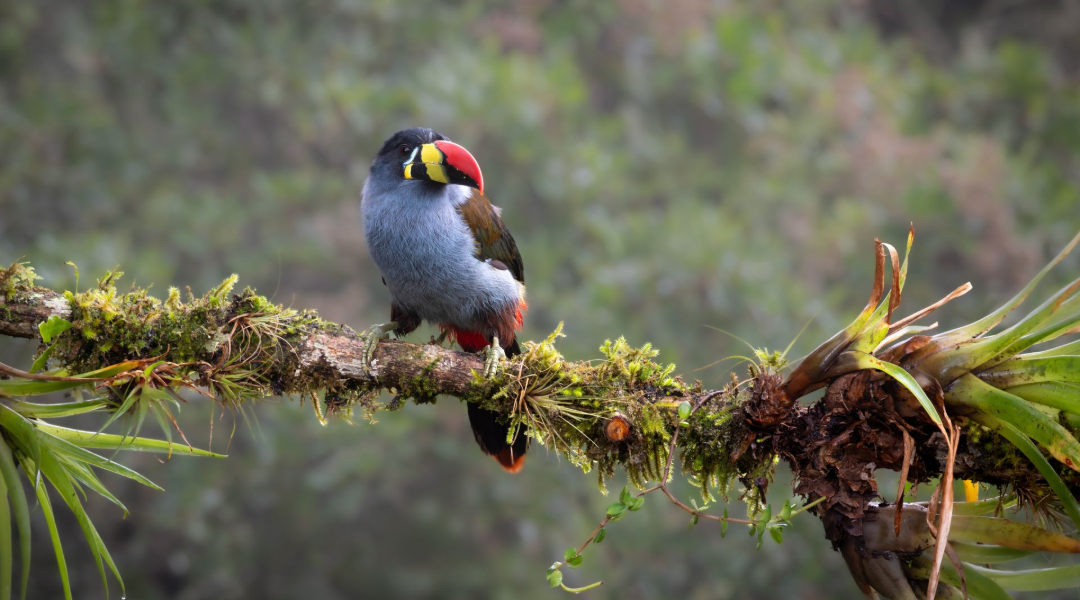
- Toucan Barbets
- Plate-billed Mountain-Toucans
- Masked Trogons
- Turquoise Jays
- Mountain Tanagers
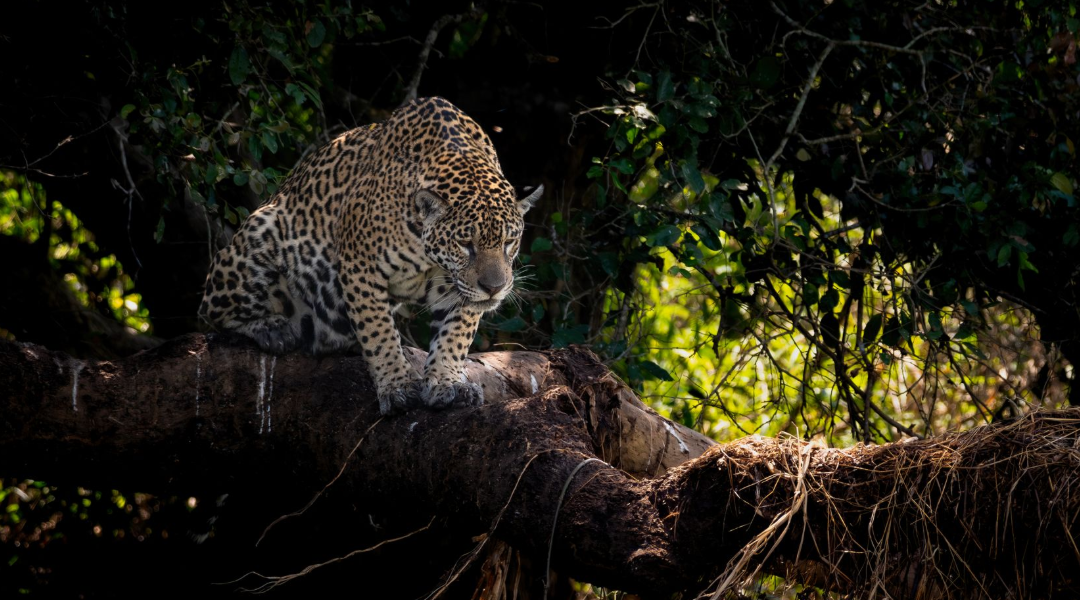
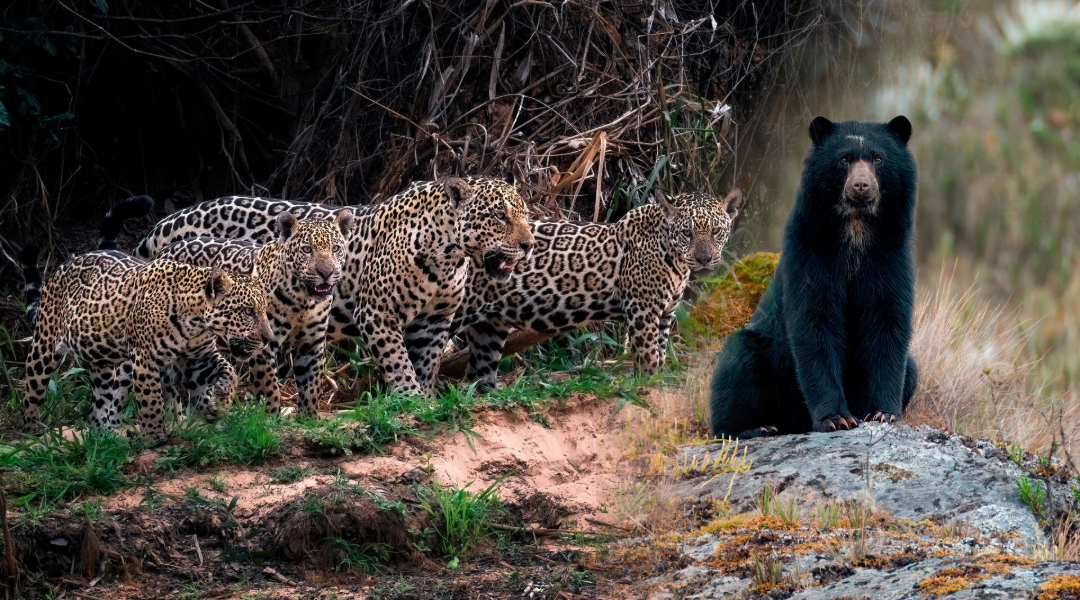
- Andean Pumas (rare but increasing in sightings)
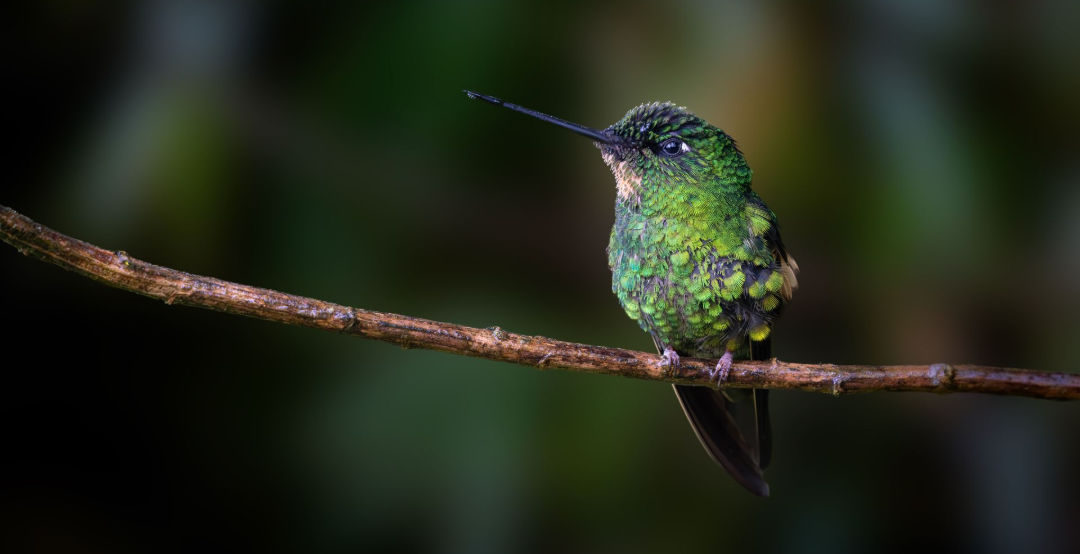
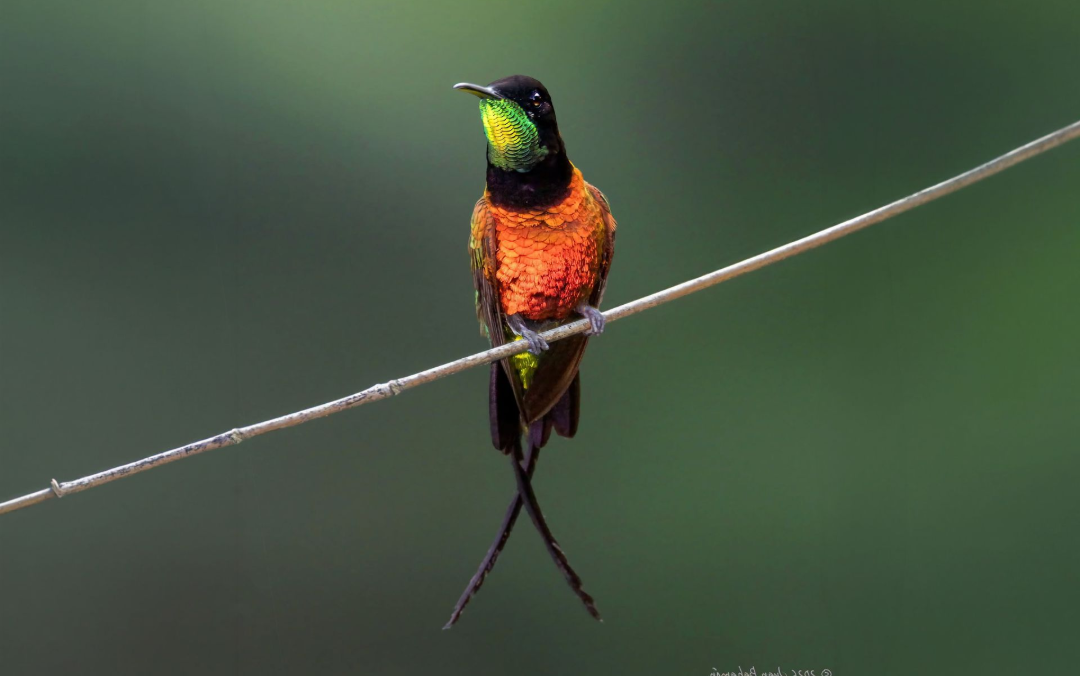
But perhaps the most iconic subjects are the hummingbirds. Ecuador hosts over 130 species, making it the global capital of hummingbird photography. Tour operators rely on the stable presence of:
- Sword-billed Hummingbird
- Violet-tailed Sylph
- Collared Inca
- Booted Racket-tail
- Chestnut-breasted Coronet
These species not only appear with consistency, but also thrive in photo-friendly feeding station environments that have been refined over years of collaboration between photographers and lodge owners.
The Chocó Cloud Forest: One of the World’s Rarest Ecosystems
The Chocó bioregion — stretching from northwest Ecuador into Colombia — is one of the most threatened and biologically important ecosystems on the planet. Photographers are increasingly drawn to it because of the species richness and the mystical aesthetic of the cloud forest.
Imagine:
- ancient trees covered in vines
- soft, even photographic light due to cloud cover
- branches dripping with moss
- tanagers glowing like jewels in the mist
This is the Chocó.
International tour operators appreciate the accessibility of Chocó reserves such as Mindo, Mashpi, and Los Bancos. They offer comfortable accommodations but maintain deep forest immersion, allowing photographers to shoot all day long with minimal transit.
Key targets include:
- Glistening-green Tanager
- Black-chinned Mountain Tanager
- Moss-backed Tanager
- Orange-breasted Fruiteater
- Club-winged Manakin (famous for its violin-wing display)
It is easy to understand why tour companies repeatedly choose Ecuador — this type of biological richness simply does not exist elsewhere in such a compact and accessible form.
The Amazon Basin: Pure, Untamed Wilderness
For photographers who want raw, untouched nature, the Ecuadorian Amazon is legendary. The biodiversity is staggering, and many tour companies rank it as one of the best rainforest photography destinations in South America.
The Amazon here offers:
- canopy towers for bird and primate photography
- plain-bellied emerald hummingbirds
- giant river otters
- macaws
- night photography of frogs and insects
- spectacular sunrise and sunset conditions
Tour leaders appreciate the strong conservation focus in Ecuador’s Amazon lodges, many of which operate in Indigenous territory. This collaboration has created sustainable employment while protecting millions of hectares of rainforest.
The Galápagos: A Photography Icon
No article about Ecuadorian nature photography would be complete without mentioning the Galápagos Islands — a globally unique environment where wildlife shows almost no fear of humans.
Photographers can capture:
- Marine iguanas basking on volcanic rock
- Blue-footed Boobies performing their mating dance
- Giant tortoises wandering freely
- Sea lions interacting in shallow water
- Frigatebirds inflating their scarlet throat pouches
The lighting, landscapes, and proximity to wildlife create conditions unmatched anywhere else. For international tour operators, the Galápagos is a natural centerpiece of their Ecuador portfolio.
Why Ecuador Attracts International Tour Operators More Than Other Countries
Many South American countries offer spectacular wildlife, but Ecuador stands apart due to a balance that is extremely rare:
✔ Accessibility
Photographers can move between ecosystems with ease.
✔ Safety
Ecuador remains safer and more predictable for tourism than many surrounding nations.
✔ Infrastructure
Photo lodges are modern, experienced, and optimized for photographers.
✔ Biodiversity Density
Ecuador compresses extraordinary wildlife into a small, manageable area.
✔ Professional Local Guides
Many Ecuadorian guides are not just bird experts — they are also photography-savvy, giving instructions on angles, light direction, shutter speeds, and behavior patterns.
✔ Conservation Partnerships
Communities and private reserves are actively engaged in keeping nature tours meaningful and low-impact.
For tour operators from Europe, North America, and Asia, these factors translate into:
- fewer risks
- higher quality
- better photography output
- happier clients
- predictable, repeatable success
This is why Ecuador is not merely a popular destination — it is a cornerstone of the global nature photography industry.
The Cultural Element: Warmth, Hospitality, and Local Knowledge
Ecuador’s people bring warmth, knowledge, and hospitality that elevate every trip. Community-run reserves in particular provide a very authentic experience. Photographers often describe the feeling as being “welcomed into a home,” not just a business.
Local guides offer unmatched insight into:
- bird calls
- behavior patterns
- flight paths
- ideal time-of-day windows
- off-season variations
- access to hidden spots not shared widely
This type of knowledge shortens the learning curve dramatically for photographers, especially for those who are new to the Neotropics.
Light Conditions: A Natural Softbox
Ecuador’s cloud forests and montane regions provide consistent, diffused light created by mist and cloud cover. This is extremely important for nature photography because:
- colors become richer
- contrast becomes more even
- shadows soften
- details stand out
- dynamic range becomes easier to manage
For tour operators, this is a huge advantage because it guarantees good shooting conditions even on unpredictable weather days.
Creativity Meets Convenience
Ecuador fosters a particular type of creative energy. Photographers often say they feel more inspired here than in other places because the environment is so visually rich and the pace is so dynamic.
Creativity flows easily when:
- the birds are cooperative
- the backgrounds are beautiful
- the light is consistent
- the guides understand photographic timing
- the setup infrastructure supports artistic control
This combination of convenience and creativity is extremely attractive to professional tour companies who want their clients to return home with spectacular images — not just a pleasant experience.
Ecuador as a Model of Sustainable Nature Photography
Ecuador has also become a leader in conservation-oriented photography tourism. Through community partnerships and reserve collaborations, the country has successfully built a tourism model that financially rewards those who protect forests rather than deplete them.
Photographers directly support:
- habitat restoration
- local employment
- species monitoring
- anti-poaching initiatives
- sustainable forestry alternatives
This is the deeper reason why many international operators choose Ecuador: the experience is not only productive — it is responsible.
Final Thoughts
Ecuador has earned its reputation as one of the world’s premier destinations for nature photography because it has everything a photographer could wish for: concentrated biodiversity, excellent infrastructure, world-class guides, and a wide spectrum of ecosystems that are easy to reach and endlessly inspiring.
What makes it a favorite among international tour operators is not only the richness of its wildlife, but the quality of its logistical support, the friendliness of its people, and the reliability of its outcomes. Whether a photographer is interested in birds, mammals, reptiles, macro life, landscapes, or even underwater subjects, Ecuador delivers.
If you're ready to explore the most productive ecosystems of Ecuador with expert guidance and a photography-focused itinerary, check out our scheduled Nature & Wildlife tours at Retorno Photo Tours — crafted for photographers who want the best possible images in the best possible locations.