
Advanced Bird Photography Techniques Taught in the Field
Advanced Bird Photography Techniques Taught in the Field
Advanced bird photography is not mastered in classrooms, behind computer screens, or through technical manuals alone. While theory, tutorials, and equipment reviews are valuable, the most important lessons unfold outdoors—where light shifts without warning, birds move according to instinct rather than expectation, and every decision must be made in real time. It is in the field that technique becomes intuition, and guided wildlife photography tours provide one of the most effective environments for that transformation to occur.
Learning advanced bird photography techniques in the field is not simply about refining camera settings. It is about developing awareness—of behavior, habitat, weather, light, and ethical responsibility. These elements cannot be separated, and they come together most naturally when photographers are immersed in living ecosystems under the guidance of experienced professionals who understand both birds and the landscapes they inhabit.
Why Advanced Techniques Can’t Be Fully Learned at Home
Modern technology has made it easier than ever to learn the basics of bird photography remotely. Autofocus systems, exposure modes, and post-processing workflows can be explained clearly through videos and articles. But advanced photography begins where predictability ends.
Birds do not behave according to lesson plans. Wind changes direction. Light disappears behind cloud cover. Forest canopies swallow contrast. Wetlands reflect glare. These conditions force photographers to adapt instantly, often without the luxury of trial and error.
At home, mistakes are theoretical. In the field, mistakes are immediate teachers. Missed focus reveals tracking weaknesses. Poor composition exposes a lack of situational awareness. Overexposed highlights emphasize the need to read light before raising the camera. Guided field experiences compress years of learning into days by placing photographers directly inside these challenges.
Learning to Anticipate Behavior Rather Than React
One of the defining differences between beginner and advanced bird photographers is anticipation. Advanced photographers do not simply react to what birds are doing—they anticipate what they are about to do.
In the field, guides teach photographers how to read subtle behavioral cues: changes in posture, head orientation, feather positioning, and vocalization patterns. These signals often precede flight, feeding behavior, territorial displays, or interactions with other birds.
Learning to recognize these cues allows photographers to prepare composition and focus before the decisive moment occurs. This is especially critical in fast-moving environments such as mixed-species flocks, raptor flyovers, or forest edge activity, where hesitation results in missed opportunities.
Mastering Autofocus Systems in Real Conditions
Autofocus technology has advanced dramatically, but understanding how to use it effectively requires field experience. Eye detection, subject tracking, and customizable focus zones behave differently depending on light, contrast, background complexity, and subject speed.
Guided tours provide repeated opportunities to test autofocus strategies across diverse scenarios: birds flying against cluttered backgrounds, small species moving rapidly through foliage, or large birds gliding across open skies. Field instruction helps photographers fine-tune tracking sensitivity, focus point selection, and burst timing in ways that cannot be simulated indoors.
Over time, photographers learn not only how their cameras function, but why certain settings work better in specific habitats and lighting conditions.
Exposure Control in Dynamic Light
Advanced bird photography demands precise exposure control, particularly in environments where light changes rapidly. Forests, cloud forests, wetlands, and mountainous regions present constant challenges, with deep shadows, reflective surfaces, and high-contrast scenes appearing within moments of each other.
In the field, photographers learn to read light instinctively. Guides teach how to anticipate exposure shifts before birds enter the frame, how to manage highlights on white plumage, and how to preserve shadow detail without sacrificing sharpness.
These lessons are reinforced through repetition. Each encounter becomes a practical exercise in balancing shutter speed, aperture, and ISO—not as abstract numbers, but as tools responding to real-world conditions.
Composition Beyond the Subject
Advanced bird photography is not just about sharpness or rarity. Composition plays an equally critical role, and it is one of the most challenging skills to develop.
In the field, photographers learn to think beyond the bird itself. Guides encourage awareness of background texture, foreground elements, negative space, and environmental context. A bird photographed within its habitat often tells a more compelling story than a tightly cropped portrait detached from its surroundings.
Field instruction helps photographers position themselves thoughtfully, adjust angles, and wait for cleaner lines or more harmonious compositions—all while respecting ethical boundaries and avoiding disturbance.
Ethical Techniques as Advanced Techniques
Ethics are not separate from technique—they are an essential part of advanced photography. Responsible field practices require restraint, patience, and respect for wildlife behavior and energy expenditure.
Advanced instruction emphasizes observing without interfering, maintaining appropriate distances, and avoiding behaviors that alter natural activity. Birds are never flushed for flight shots, baited for positioning, or pressured into stress responses.
This approach not only protects wildlife but improves photographic outcomes. Images created under ethical conditions tend to feel calmer, more authentic, and more powerful. They reflect real moments rather than manipulated scenes.
Understanding Habitat as a Photographic Tool
Every habitat shapes how birds move, feed, and interact. Wetlands encourage predictable flight paths. Forest interiors demand patience and precise timing. High-altitude environments introduce wind, thin air, and rapidly shifting light.
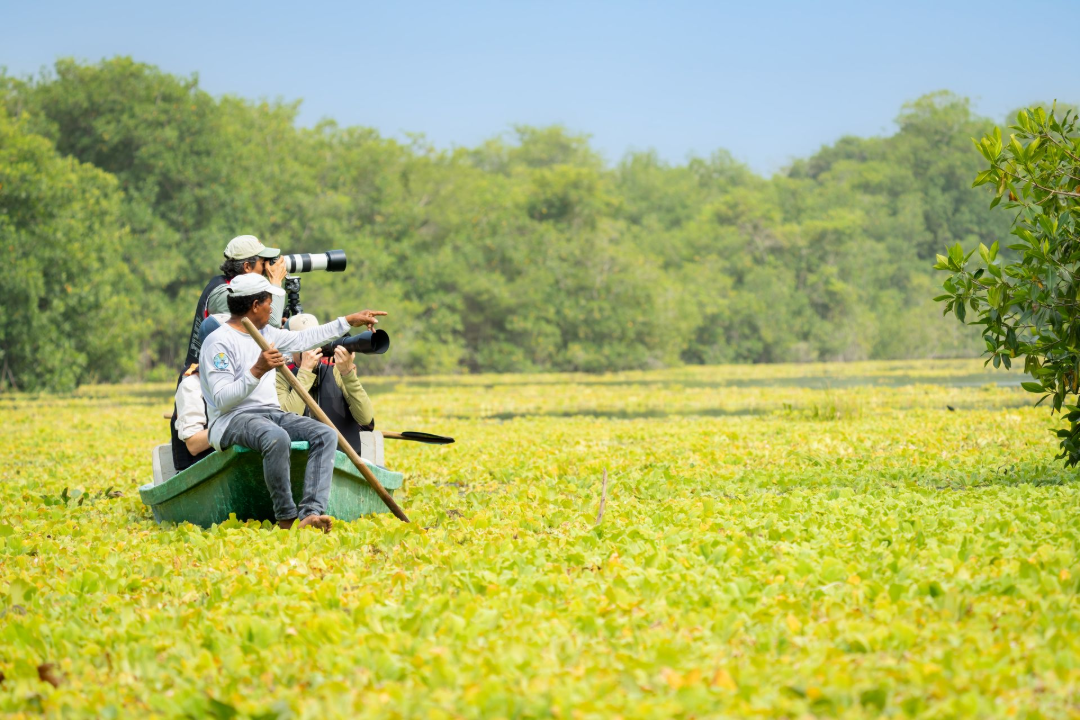
Field-based learning teaches photographers how to use habitat to their advantage. Guides explain where birds are likely to perch, feed, or cross open spaces, allowing photographers to position themselves strategically without intrusion.
This understanding transforms landscapes into active components of composition rather than passive backdrops.
Developing Patience as a Skill
Patience is often underestimated as a technical skill, yet it is fundamental to advanced bird photography. In the field, patience is learned through stillness—waiting for birds to move naturally into better light, cleaner backgrounds, or more expressive behavior.
Guided tours reinforce the value of waiting rather than chasing. Photographers begin to trust that stillness often yields better results than constant movement. This mindset shift marks a major step toward maturity as a wildlife photographer.
Working With Weather Instead of Against It
Weather is often viewed as an obstacle, but advanced photographers learn to treat it as a creative element. Fog softens backgrounds. Rain adds texture. Wind influences wing positions and flight dynamics.
Field instruction helps photographers adapt technique to weather conditions safely and creatively. Guides share insights on when weather enhances opportunities and when restraint is necessary to protect both equipment and wildlife.
These experiences expand creative possibilities while reinforcing respect for natural forces.
Learning Through Repetition and Reflection
One of the greatest advantages of guided photo tours is sustained exposure. Photographing birds day after day allows techniques to evolve through repetition. Mistakes are quickly identified and corrected. Successes reinforce understanding.
Field discussions encourage reflection—why one image worked while another failed, how positioning affected light, or how timing influenced behavior. This process accelerates learning in ways isolated practice rarely achieves.
The Role of Local Knowledge
Local expertise is invaluable in advanced bird photography. Guides understand seasonal movements, feeding cycles, and subtle habitat changes that affect bird activity.
This knowledge reduces guesswork and allows photographers to focus on technique and creativity rather than logistics. It also ensures that photography aligns with conservation priorities and local regulations.
Growth Beyond the Camera
Advanced techniques taught in the field shape more than photographic skill—they reshape how photographers see wildlife. Time spent observing birds closely fosters empathy, humility, and a deeper connection to nature.
Photographers return home with more than images. They return with refined instincts, ethical clarity, and a renewed sense of purpose in their work.
Rediscover the Wild Beyond the Familiar
If your photography has begun to feel predictable—if the subjects are beautiful but the sense of discovery has faded—it may be time to look beyond what you know and step into landscapes where patience, humility, and curiosity are rewarded in extraordinary ways.
Colombia offers that possibility. Not as a guarantee of rare sightings, but as an invitation to slow down, to listen, and to engage with ecosystems where every encounter feels earned and deeply meaningful. Traveling with a team that values conservation, local knowledge, and ethical wildlife practices makes all the difference.
👉 Explore Retorno Photo Tours’ purpose-driven wildlife and bird photography expeditions and discover journeys designed not just to capture images, but to reignite wonder—while supporting the landscapes and communities that make those moments possible.
Because the most unforgettable photographs often come when familiar paths no longer satisfy, and you choose to seek the wild with intention, respect, and responsibility.