
Bird-in-Flight Photography on Guided Photo Wildlife Tours
Bird-in-Flight Photography on Guided Photo Wildlife Tours
Bird-in-flight photography is often described as one of the most technically demanding—and emotionally rewarding—disciplines in wildlife photography. Capturing a bird mid-air, wings fully extended, suspended against a dramatic landscape or sky, requires more than fast reflexes and advanced equipment. It demands anticipation, field awareness, and an understanding of avian behavior that only develops through time spent in nature.
Guided photo wildlife tours offer a unique environment for developing these skills. Beyond access to extraordinary locations, they provide something far more valuable: context. When photography is paired with expert local knowledge, ethical field practices, and carefully chosen habitats, bird-in-flight photography becomes less about luck and more about intention.
Why Birds in Flight Are So Challenging to Photograph
Unlike perched birds, birds in flight rarely give photographers time to adjust settings or reframe compositions. Their movements are fast, often unpredictable, and influenced by wind, light, terrain, and behavior. Even experienced photographers can struggle to consistently achieve sharp, well-composed images.
Flight photography requires a balance of technical readiness and mental calm. Shutter speed must be fast enough to freeze motion, autofocus systems must track accurately, and framing must happen instinctively. These challenges are magnified in unfamiliar environments, where species behavior and flight patterns differ from what photographers may be used to at home.
This is where guided wildlife tours become invaluable.
The Advantage of Guided Photo Wildlife Tours
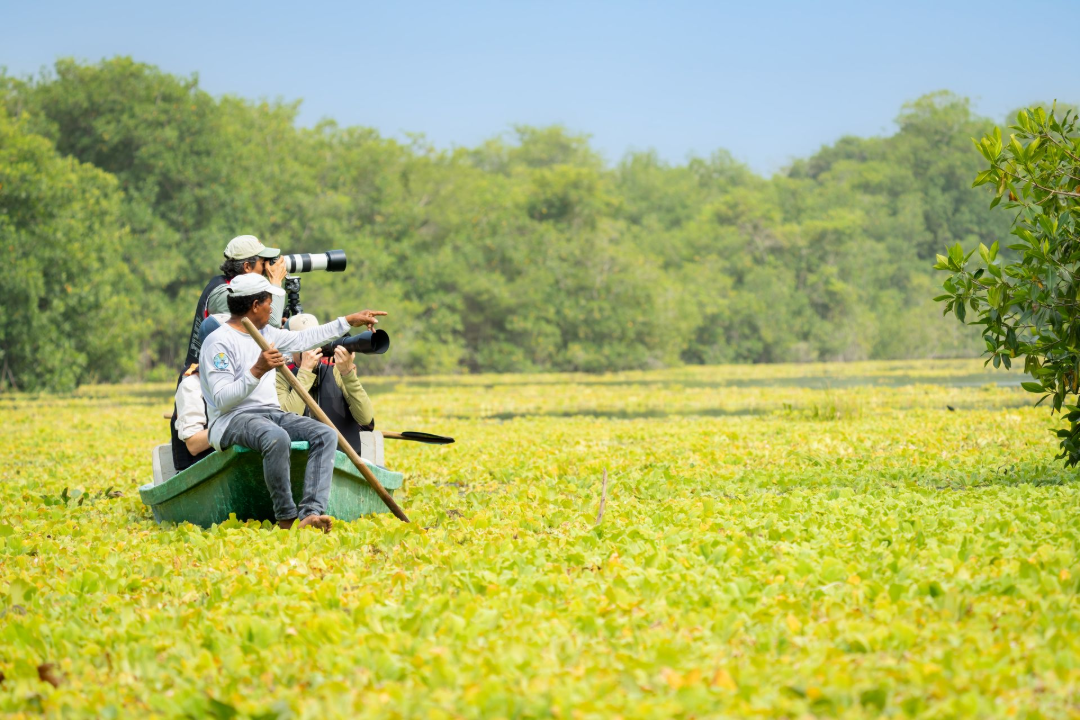
On a well-designed photo tour, flight photography is not left to chance. Guides understand where birds take off, how they move through the landscape, and how light interacts with common flight paths at different times of day. This knowledge dramatically increases opportunities for successful images while minimizing disturbance to the birds.
Rather than chasing subjects or provoking flight responses, ethical guides position photographers in locations where natural behavior unfolds organically. Birds take flight because they are feeding, interacting, or moving between habitats—not because they are being pressured.
This approach not only produces better images but also protects the integrity of the wildlife experience.
Learning to Read the Moment Before the Flight
One of the most important lessons photographers learn on guided tours is how to recognize the moments just before a bird takes flight. Subtle changes in posture, shifts in balance, or a brief pause often signal what’s about to happen.
Experienced guides point out these cues in real time, helping photographers prepare rather than react. Over time, this awareness becomes instinctive, allowing photographers to track birds smoothly and confidently as they lift off.
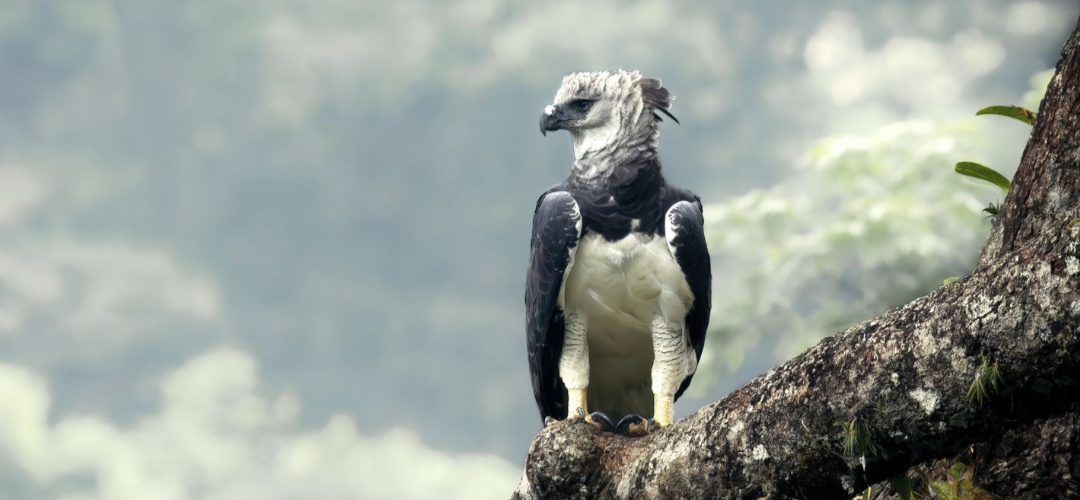
This skill is especially valuable when photographing large raptors, waterbirds, or forest species that move through complex environments where clean backgrounds and clear lines of sight are rare.
Ethical Considerations in Bird-in-Flight Photography
Ethics play a crucial role in flight photography. Birds expend significant energy when flying, especially in high-altitude environments or during breeding seasons. For this reason, responsible tours avoid flushing birds intentionally or using methods that cause stress.
Ethical flight photography prioritizes distance, patience, and respect. Birds are allowed to behave naturally, and photographers adapt to the conditions rather than trying to control them. This philosophy aligns closely with conservation goals and ensures that photography does not come at the expense of wildlife welfare.
Many photographers discover that images captured under ethical conditions carry greater emotional weight, precisely because they represent authentic moments rather than forced encounters.
Choosing the Right Environments for Flight Photography
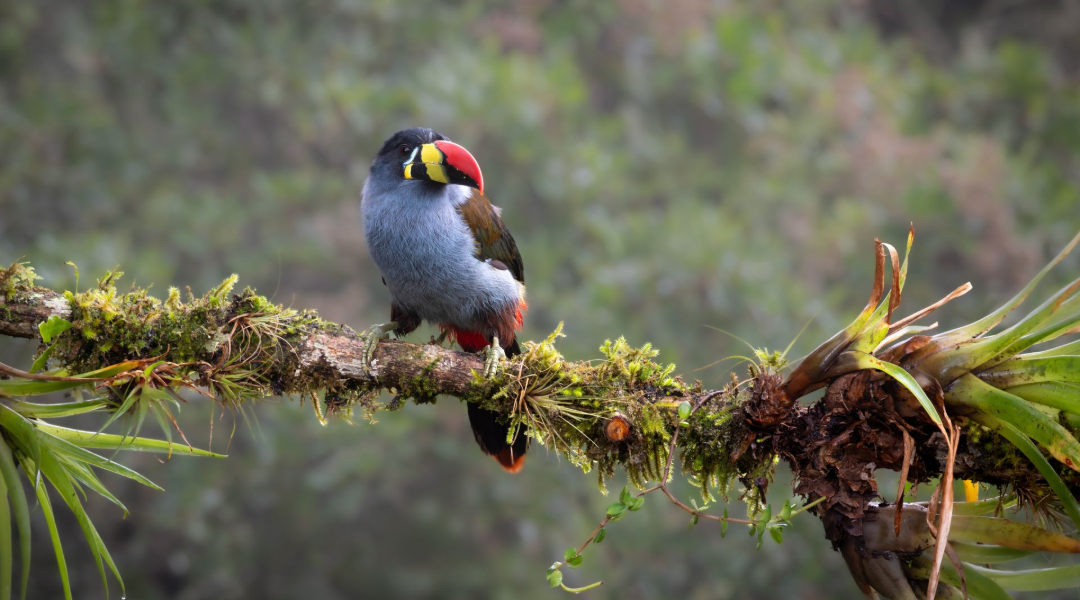
Different habitats offer very different flight photography experiences. Wetlands provide predictable flight paths and open backgrounds, making them ideal for practicing technique. Forests, on the other hand, challenge photographers with limited light and complex visual layers, requiring precise timing and focus.
High-altitude ecosystems, such as páramo and cloud forest edges, add another layer of complexity. Wind conditions, rapidly changing light, and thinner air affect both birds and photographers. Guided tours help navigate these variables safely while maximizing photographic potential.
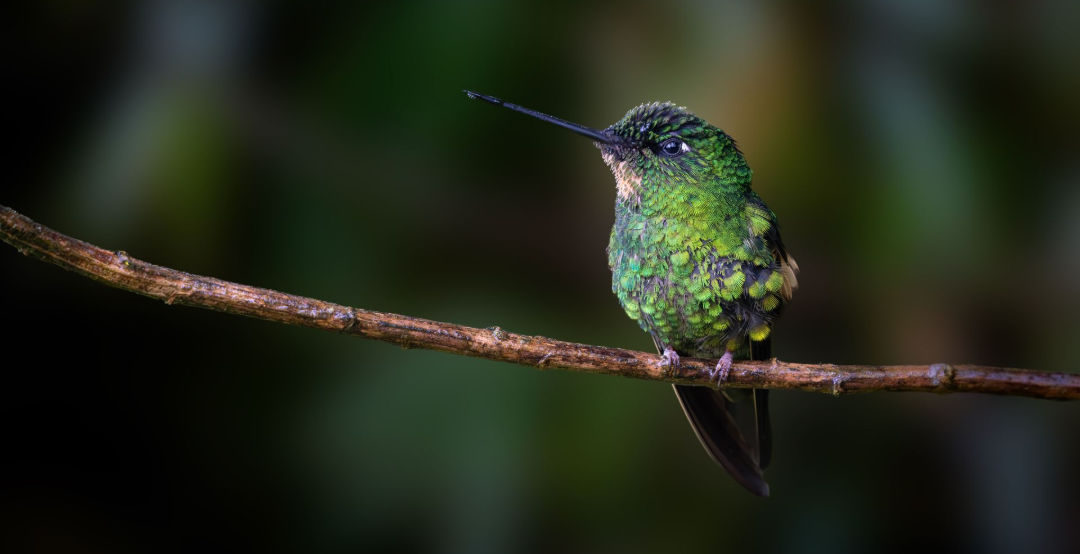
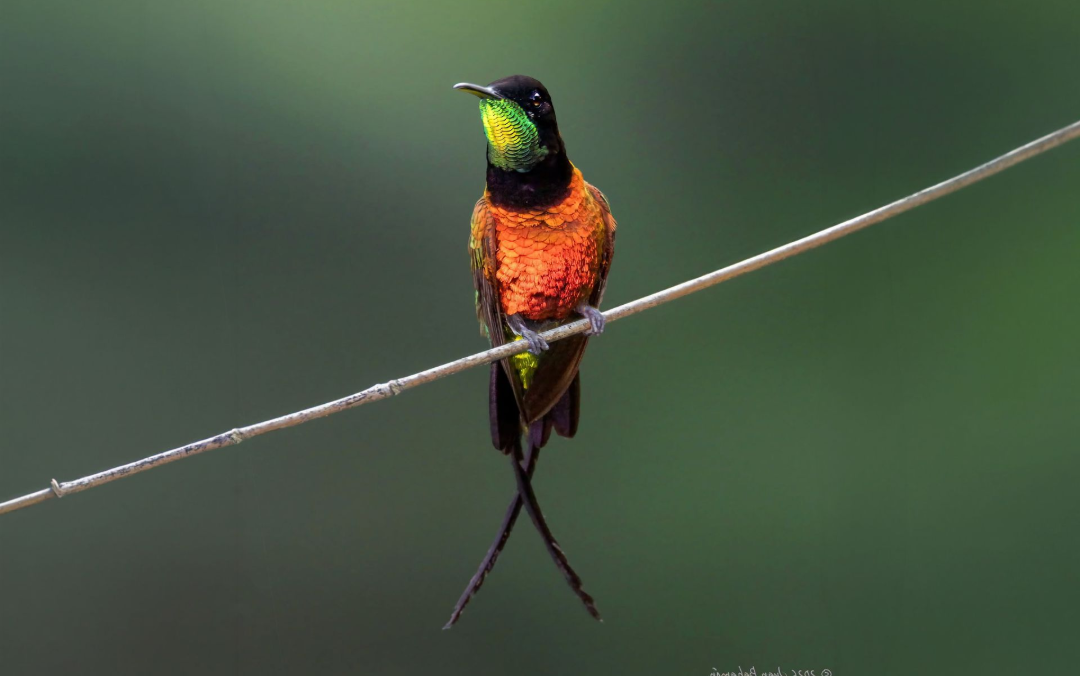
In biodiverse regions like Colombia, photographers may encounter dozens of species with distinct flight styles, from soaring raptors to rapid-winged hummingbirds, each requiring a different approach.
Technical Growth Through Real-World Experience
While workshops and tutorials can teach camera settings, guided wildlife tours provide something irreplaceable: repetition under real conditions. Photographing birds in flight day after day allows photographers to refine their technique through experience rather than theory.
Mistakes become lessons. Missed frames reveal timing issues. Soft images expose tracking problems. With guidance and feedback, photographers quickly improve their consistency and confidence.
This learning curve is accelerated when surrounded by others who share the same goals, creating an environment of shared observation and collective improvement.
Beyond the Image: Building a Deeper Connection
Perhaps the most overlooked aspect of bird-in-flight photography on guided tours is the emotional transformation it fosters. Spending extended time observing birds in motion—watching how they interact with wind, terrain, and each other—creates a deeper appreciation for their resilience and adaptability.
Flight photography stops being about capturing a dramatic moment and becomes a way of understanding movement, energy, and survival. Many photographers return home not only with stronger portfolios but with a renewed sense of purpose in how they engage with wildlife.
Why Guided Tours Matter for Conservation-Focused Photography
Guided photo wildlife tours often support local communities, conservation initiatives, and protected areas. By participating, photographers contribute directly to the preservation of the habitats they photograph.
This connection between image-making and conservation gives bird-in-flight photography greater meaning. Each photograph becomes a record of a living ecosystem—and a reminder of why it deserves protection.
A Skill That Evolves With Every Journey
Bird-in-flight photography is not mastered in a single trip. It evolves through exposure, patience, and thoughtful guidance. Each guided tour adds new layers of understanding, shaped by different species, landscapes, and conditions.
For photographers seeking growth—not just technically, but ethically and creatively—guided photo wildlife tours offer a path that balances challenge with responsibility.
In the end, the most compelling flight images are rarely about speed alone. They are about timing, respect, and being present when the moment unfolds naturally in front of the lens.
Rediscover the Wild Beyond the Familiar
If your photography has begun to feel predictable—if the subjects are beautiful but the sense of discovery has faded—it may be time to look beyond what you know and step into landscapes where patience, humility, and curiosity are rewarded in extraordinary ways.
Colombia offers that possibility. Not as a guarantee of rare sightings, but as an invitation to slow down, to listen, and to engage with ecosystems where every encounter feels earned and deeply meaningful. Traveling with a team that values conservation, local knowledge, and ethical wildlife practices makes all the difference.
👉 Explore Retorno Photo Tours’ purpose-driven wildlife and bird photography expeditions and discover journeys designed not just to capture images, but to reignite wonder—while supporting the landscapes and communities that make those moments possible.
Because the most unforgettable photographs often come when familiar paths no longer satisfy, and you choose to seek the wild with intention, respect, and responsibility.